REVIEW · ANURADHAPURA
Wildlife experience at Minneriya National Park Safari
Book on GetYourGuide →Operated by Minneriya Safari Tours · Bookable on GetYourGuide
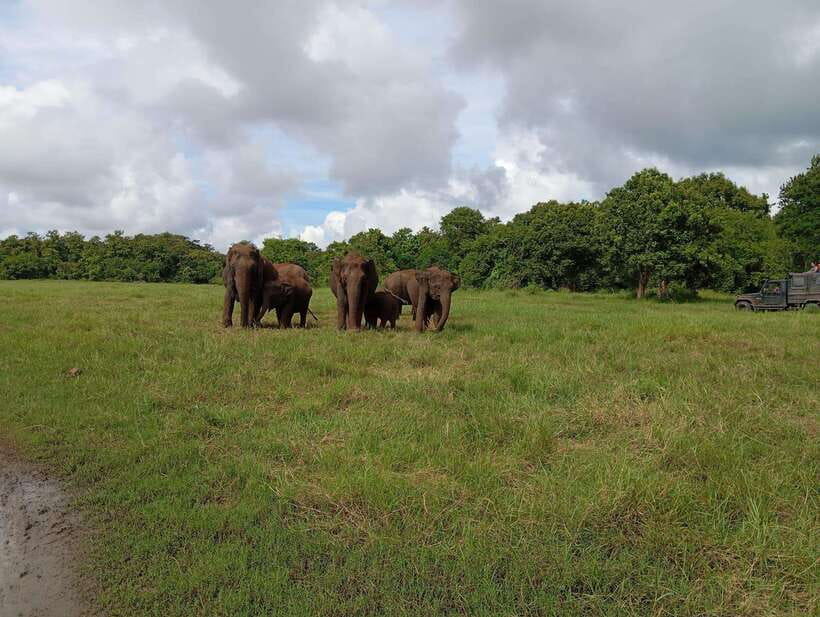
Elephants gather while you ride in cool shade. This Minneriya National Park safari is built around the famous elephant gathering, plus a comfortable open 4×4 jeep and an expert guide who keeps the hunt steady. One thing to factor in: the park entrance fee is not included, so your real total is higher than the $25 base price.
You’ll do this as a small group, which usually means less waiting around and more time actually watching wildlife instead of staring at the backs of other jeeps. The pace also stays practical: drive in, get oriented, then you’re out looking for elephants, deer, monkeys, and the birds that make Sri Lanka feel alive.
Expect a classic Minneriya moment at the reservoir photo stop, where animals come to drink and you get a breather from the bumpy track.
In This Review
- Key highlights
- Why Minneriya’s elephant gathering is the main event
- Getting from Habarana to the park: the practical 4×4 setup
- Entry formalities and your safari briefing (this is where good guides pay off)
- The safari route: grasslands, forests, wetlands, and where to expect action
- What you’ll likely spot: elephants, deer, monkeys, and leopard possibilities
- Birds are part of the point: pelicans, eagles, storks, and peacocks
- The reservoir photo stop: where the safari slows for your camera
- When Minneriya isn’t the only option: Hurululu adjustments
- Price and value: the $25 jeep vs the $45 entrance fee
- Comfort, rules, and what to pack for a bumpy wildlife day
- Who should book this Minneriya safari (and who might want a different plan)
- Should you book the Minneriya National Park jeep safari?
- FAQ
- What area is hotel pickup and drop-off available from?
- How long is the Minneriya National Park safari?
- Are the Minneriya National Park entrance fees included in the price?
- What wildlife and birds might I see?
- What language is the guide available in?
- What should I bring for the safari?
- Is this safari suitable for pregnant women or people with back problems?
Key highlights
- Elephant herds at Minneriya Reservoir with the best odds in the dry months (July–October)
- Open 4×4 jeep safari through grasslands, forests, and wetlands
- Birdwatching help for species like pelicans, eagles, storks, and peacocks
- Briefing + route planning handled by an expert driver-guide at the start
- Photo stop at the reservoir to relax and shoot from a better viewing spot
- Hassle-free pickup and drop-off in the Habarana area
Why Minneriya’s elephant gathering is the main event
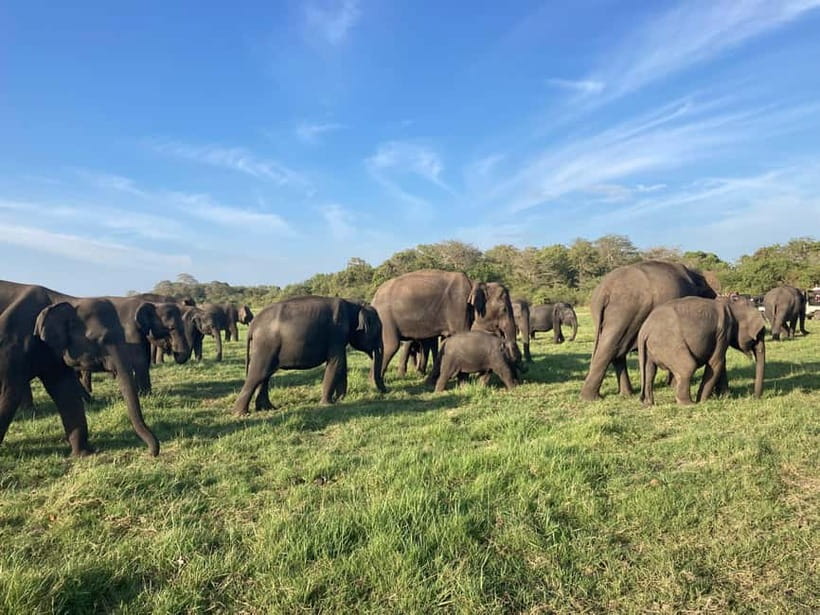
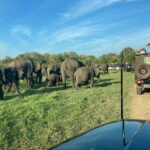
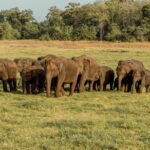
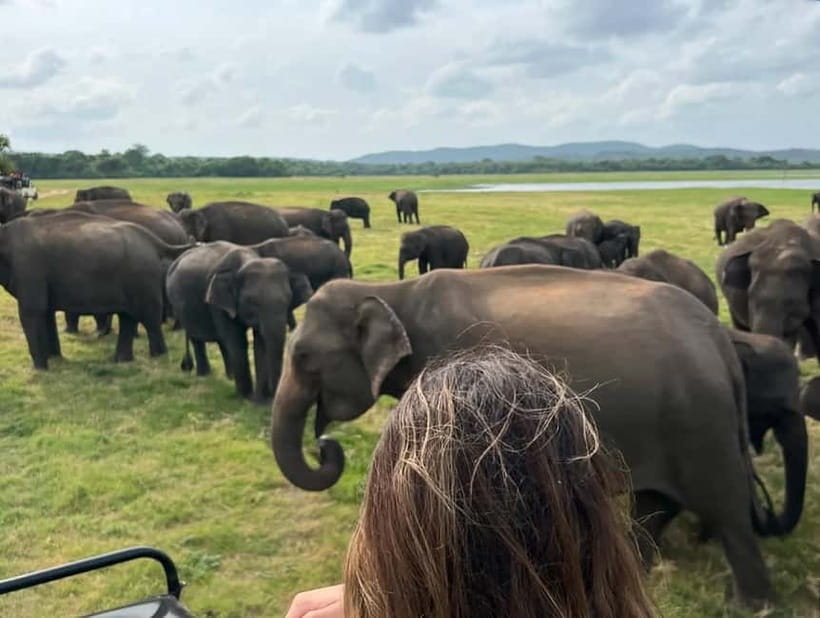
Minneriya is one of those Sri Lanka places where the wildlife isn’t random. It’s patterned. In the dry season, the Minneriya Reservoir draws animals in big numbers, and that predictable pull is exactly what this safari is designed to catch.
So when you’re out there on a jeep route through the park, the goal isn’t just to spot an elephant in the distance. It’s to be in the right zone when the herds are moving, drinking, and compressing themselves into that dramatic “everyone’s here” scene.
This matters for value. If you’re paying for a wildlife safari, you want the kind of outing where the chances of a real highlight are built into the schedule, not just hoped for. Minneriya’s seasonal gathering is that kind of hook.
And yes, you’ll still get the variety. You’re not only tracking one species. You might see sambar deer, wild boars, monkeys, and in some cases an occasional leopard. The park also gives you birdwatching opportunities with guides who can help you name what you’re looking at, including pelicans, eagles, storks, and peacocks.
You can also read our reviews of more tours and experiences in Anuradhapura.
Getting from Habarana to the park: the practical 4×4 setup
Your safari starts with free pickup from the Habarana area. If you’re staying in Sigiriya, pickup and drop-off are also available there, so it’s a solid option for the common North Central Province base-and-explore plan.
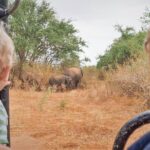
You travel to Minneriya in a comfortable open 4×4 jeep. Open means you’re not trapped behind glass, which helps for spotting wildlife quickly and getting photos without awkward reflections. It also means you’ll feel the outdoor pace. Bring a hat and expect sun, dust, and some breeze.
Timing is simple: the full experience runs about 4 hours. That’s long enough to do a real safari loop and reach the reservoir pause, but not so long that you end up exhausted before the best sightings.
There are short ride segments along the way, and then you return back to Habarana afterward. This kind of structure is great if you’re trying to fit wildlife into a day that also includes cultural sights or a Sigiriya climb.
Entry formalities and your safari briefing (this is where good guides pay off)
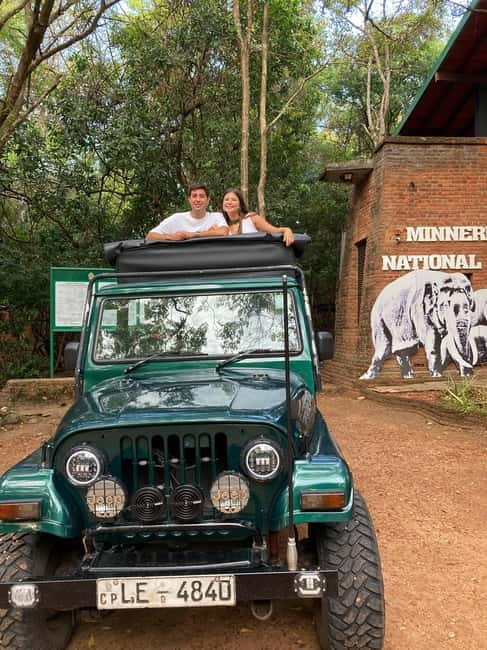
When you reach the park entrance, your driver handles the entry formalities. You won’t be stuck figuring paperwork out in the heat, which sounds boring until you’re the one sweating over a desk.
Before you start searching deeper into the park, you’ll get a short briefing on the safari route and the types of wildlife you may see. This is more important than it sounds. If you know what to scan for—herd movement patterns, where birds tend to show up, and which habitats connect—you waste less time staring blindly into open space.
The guide also helps with bird spotting and identification. That makes a difference if you want to do more than just say “I saw a bird.” With the right pointing and quick descriptions, you can walk away feeling like you actually learned something.
Also, the guide’s job isn’t to rush you. Based on how this tour has been delivered in the past, the goal is to show wildlife without bulldozing through it. That animal-respecting approach matters, especially when elephants are close enough that everyone needs to stay calm.
The safari route: grasslands, forests, wetlands, and where to expect action
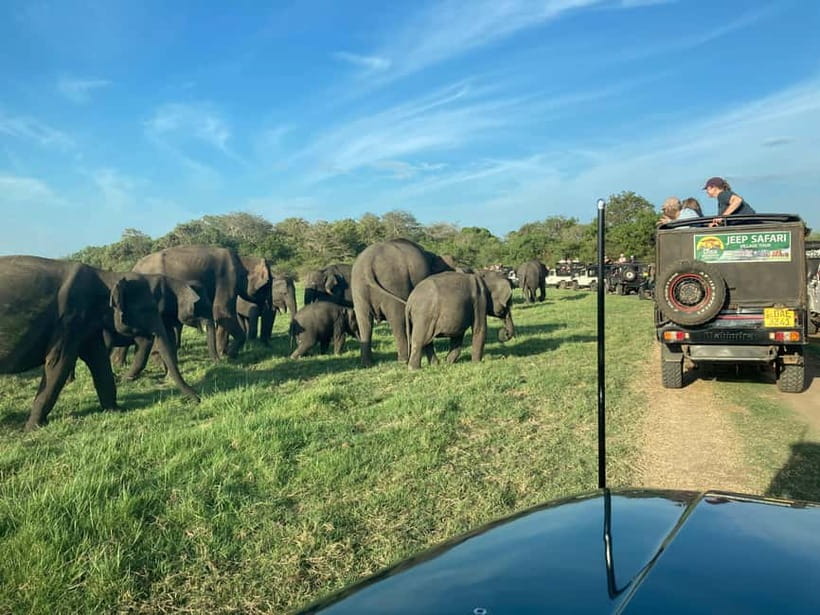
Once you’re inside, the safari route moves through multiple habitat types: grasslands, forests, and wetlands. That mix keeps sightings from becoming repetitive, and it also gives you a better shot at different animals.
Here’s how to think about it while you’re on the trail:
- Grasslands can be good for spotting larger animals at a distance as they move across open areas.
- Forest edges may hold monkeys and smaller mammals, plus some birds that prefer thicker cover.
- Wetlands often tie into feeding and drinking behavior, which is where the whole elephant story starts making sense.
Because the tour is built around Minneriya’s reservoir draw, you’re not just wandering randomly. You’re typically working toward a viewing window where the chance of seeing elephant herds gathering is strongest—especially during July–October.
And yes, the dry season timing matters. That’s when the reservoir becomes a magnet. If you visit outside that window, you might still see elephants, but the dramatic “huge gathering” odds shift. This tour is clearly aimed at maximizing sightings when nature does the heavy lifting.
What you’ll likely spot: elephants, deer, monkeys, and leopard possibilities
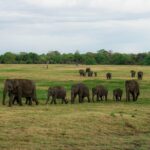
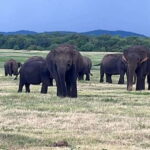
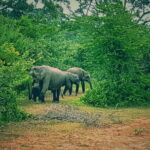
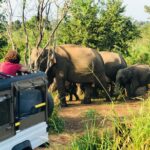
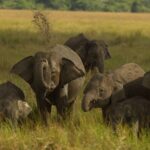
The headline is the elephant gathering around the Minneriya reservoir. During the dry season, this is described as one of the largest elephant gatherings in the world. Even without getting too dramatic about it, the practical takeaway is straightforward: this is the kind of place where you can go from seeing nothing to seeing a whole herd shift its attention toward water within minutes.
Along the way, keep your eyes open for:
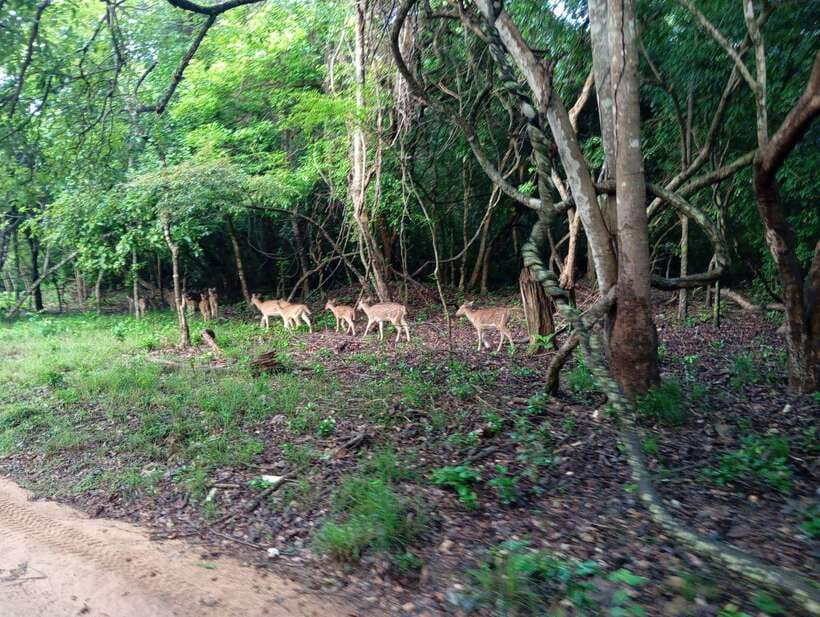
- Sambar deer: often seen foraging and moving through habitat edges
- Wild boars: more likely to appear where there’s cover and undergrowth
- Monkeys: usually easier to spot near tree lines and forest transitions
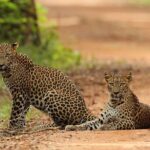
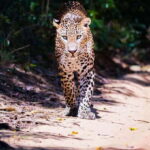
- Occasional leopard: the least predictable, but a good safari is always about working the odds
Your guide and driver are doing the legwork—reading the terrain, choosing viewing angles, and helping you spot movement. That’s exactly the kind of value you want from an “expert driver-guide,” not just a hired seat in a jeep.
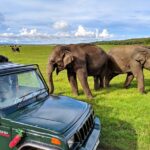
Birds are part of the point: pelicans, eagles, storks, and peacocks
This safari isn’t only an elephant chase. Minneriya also gives you a chance to do real birdwatching, especially around water areas.
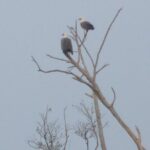
Your guide can help you spot and identify birds such as pelicans, eagles, storks, and peacocks. If you’re the kind of person who enjoys collecting names along with photos, this is a big plus. It also helps kids and first-timers keep interest up when the action is calmer.
Birding during a safari also changes how you look. Instead of only tracking elephant movement, you scan for flight patterns, calls, and quick stops near water. It’s a different skill set, and it turns your “waiting time” into more active watching.
The reservoir photo stop: where the safari slows for your camera
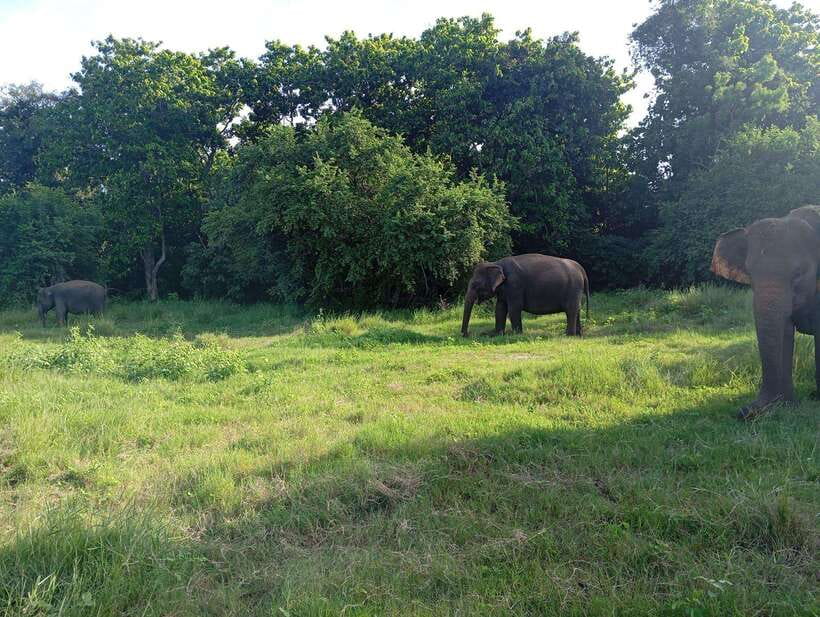
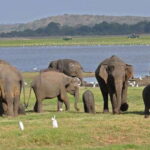
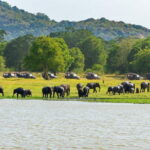
You’ll get a brief pause at the Minneriya Reservoir, described as a favorite watering hole for animals. This is a key moment.
First, it’s practical. Standing still gives you a chance to see animals come and go without fighting the motion of the jeep. Second, it’s photo-friendly. Wildlife at a watering point often holds longer than wildlife crossing a distant field.
You also get a chance to relax. Even a comfortable open jeep ride can feel long when the sun is hot and the road is bouncy. This stop gives you a breathing gap before you continue into less-visited areas to maximize the chance of additional wildlife sightings.
When Minneriya isn’t the only option: Hurululu adjustments
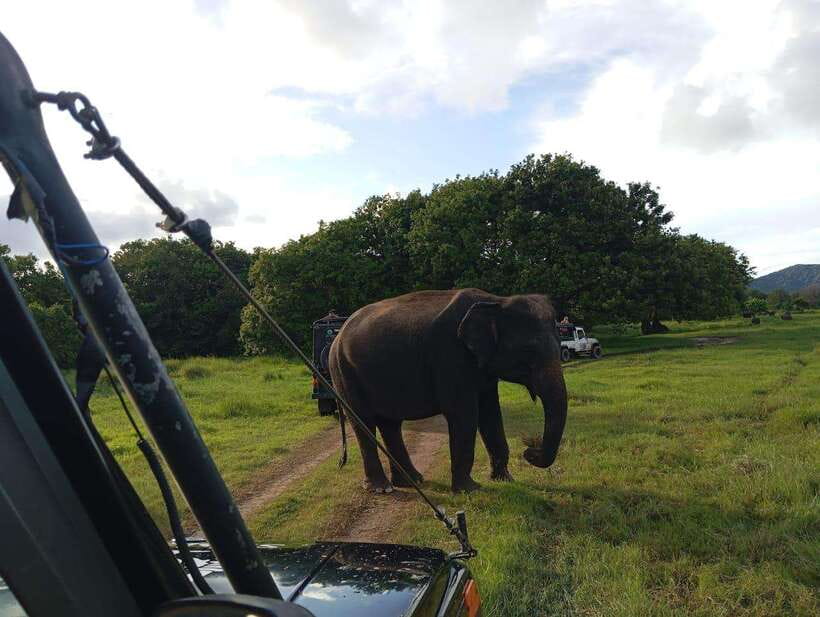
One useful real-world detail: in at least some cases, the operator may take you to Hurululu Park instead of Minneriya National Park if there’s a better chance to see elephants. That has happened on past departures, and the reasoning is simple: elephant sightings can depend on conditions day to day.
What does that mean for you? Don’t panic if you hear the plan might change slightly. Bring patience, expect that your guide is working the odds, and remember that the park entrance fee is not included, so additional entry costs may apply depending on where you end up.
Price and value: the $25 jeep vs the $45 entrance fee
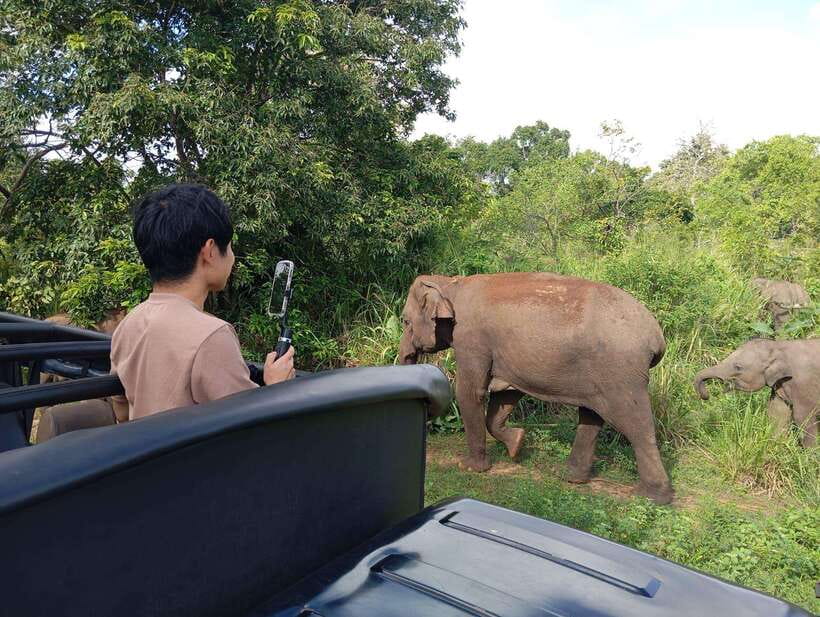
The base price is $25 per person and the safari lasts about 4 hours. That sounds like a steal until you factor in the part that isn’t included: park entrance fees are $45.
So the honest value math looks like:
- $25 for the safari service and jeep experience
- plus $45 for park entry
That’s still a reasonable total for a focused wildlife outing with pickup, a small group setup, and a guide. The key is what’s included: hotel pickup and drop-off in the Habarana area, a jeep safari, an expert driver-guide, a route and wildlife briefing, and opportunities for the elephant gathering and birdwatching.
What you’re paying for is not just “being in a jeep.” You’re paying for someone to handle the entrance, choose the route, and help you spot animals and identify birds.
Food and drinks are not included. If you want snacks, you’ll need to plan for it separately, especially because the tour includes outdoor sun exposure and you’re encouraged to bring water.
Comfort, rules, and what to pack for a bumpy wildlife day
This is an outdoors safari. Dress and pack like it.
Bring:
- a hat
- a camera
- sunscreen
- comfortable clothes
- water (recommended so you stay hydrated)
There’s also a clear rule: don’t touch animals. It’s sensible, safety-first behavior. Keep hands inside the jeep unless the guide clearly indicates otherwise.
Also note the practical comfort warning: it’s not suitable for pregnant women or people with back problems. Open jeep routes and uneven tracks can be uncomfortable, even if the ride is described as comfortable overall.
If you’re sensitive to rough roads, plan for it before you book.
Who should book this Minneriya safari (and who might want a different plan)
You’ll probably love this safari if:
- you’re visiting Habarana or nearby and want an easy wildlife outing with pickup
- you care about elephants and also want birds and other wildlife
- you like having a guide help with identification, not just scenery
You might think twice if:
- you strongly dislike paying separate park entry fees
- you have mobility or back issues, due to the jeep and outdoor conditions
- you’re traveling with someone who shouldn’t do outdoor safari-style movement
If you’re on a tight schedule and want a high-impact wildlife morning or afternoon, the 4-hour timing is friendly. It also works well when you’re splitting your days between cultural sites and nature.
Should you book the Minneriya National Park jeep safari?
Book it if your top priority is the classic Minneriya elephant gathering experience plus birdwatching help. The combination of open jeep access, route planning, and a reservoir viewing pause is exactly what makes this kind of safari work.
Skip it or reconsider if you’re expecting the $25 price to cover everything. The park entry fee is separate, and you’ll also want to plan for water and any snacks since food and drinks aren’t included.
If you want a wildlife day that’s structured, not random, this is a good fit. And if the operator makes a smart swap to Hurululu Park based on elephant odds, that’s not a downgrade—it’s the guide working the conditions for better sightings.
FAQ
What area is hotel pickup and drop-off available from?
Pickup and drop-off are available for the Habarana area, and Sigiriya is also mentioned as having free pickup and drop-off.
How long is the Minneriya National Park safari?
The duration is about 4 hours. Starting times depend on availability.
Are the Minneriya National Park entrance fees included in the price?
No. Entrance fees are not included and are listed as $45.
What wildlife and birds might I see?
You may see elephants gathering, plus sambar deer, wild boars, monkeys, and sometimes leopard. Bird options include pelicans, eagles, storks, and peacocks.
What language is the guide available in?
The live tour guide is available in English and Singhalese.
What should I bring for the safari?
Bring a hat, camera, sunscreen, and comfortable clothes. You should also carry water.
Is this safari suitable for pregnant women or people with back problems?
No. It is not suitable for pregnant women and people with back problems.