REVIEW · ANURADHAPURA
Anuradhapura: Full-Day Wilpattu All Inclusive Private Safari
Book on GetYourGuide →Operated by Beyond Escapes · Bookable on GetYourGuide
Wilpattu is a leopard hunt with real wilderness. This full-day private safari from Anuradhapura (or nearby pickup points) is built around Wilpattu National Park’s big-cat reputation, with a customized jeep and enough time on the trail to actually matter. I like that you get a park picnic—proper food in the middle of the wild—yet the day is long, and your wildlife pace depends on what the park gives that day.
The big win here is control: it’s private, you’re with an English-speaking driver-guide, and you can spend observation time the way you like. One thing to keep in mind: this type of safari can lean hard into leopard searching, so if you want constant action of every species, you might feel the rhythm more than the variety.
In This Review
- Key things that make this Wilpattu safari worth your day
- Wilpattu’s leopard chances feel different
- Getting there from Anuradhapura: a long day, but a simple one
- The first game drive: why you want your best focus early
- After the trees: how Wilpattu’s water and open areas help you spot
- Picnic lunch inside the park: real convenience without losing daylight
- Wildlife beyond leopards: the best bonus is not having tunnel vision
- The role of the driver-guide: it can make or break your sightings
- What the day feels like on the ground: timing, patience, and heat
- Price and value: what $90 per person buys you (and what it doesn’t)
- Who this safari is best for
- Should you book the Anuradhapura–Wilpattu private safari?
- FAQ
- How long is the Wilpattu safari from Anuradhapura?
- Where do pickup and drop-off happen?
- What’s included in the private safari package?
- Is this a private tour or a shared one?
- What wildlife can you look for in Wilpattu?
- Is the safari wheelchair-friendly?
Key things that make this Wilpattu safari worth your day
- Leopard-first planning in Sri Lanka’s largest national park, with time built in for spotting
- Private safari jeep with hotel pickup from Anuradhapura (plus Mihintale and Nochchiyagama)
- Picnic lunch inside the park, so you don’t lose the best wildlife hours to detours
- Low-traffic feel even in high season, meaning fewer interruptions and less crowd pressure
- More than leopards: sloth bears, spotted deer, wild boar, and crocodiles are part of the target set
- Driver-guide spotting skill can make a huge difference, including high attention at the end of the day
Wilpattu’s leopard chances feel different
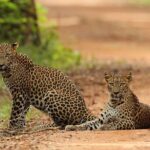
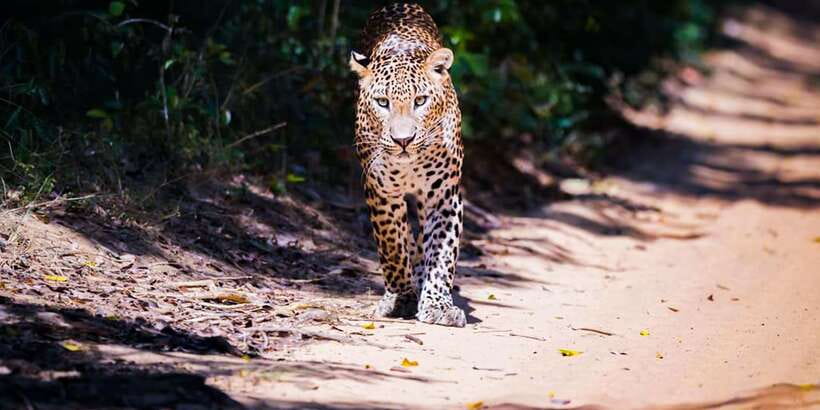
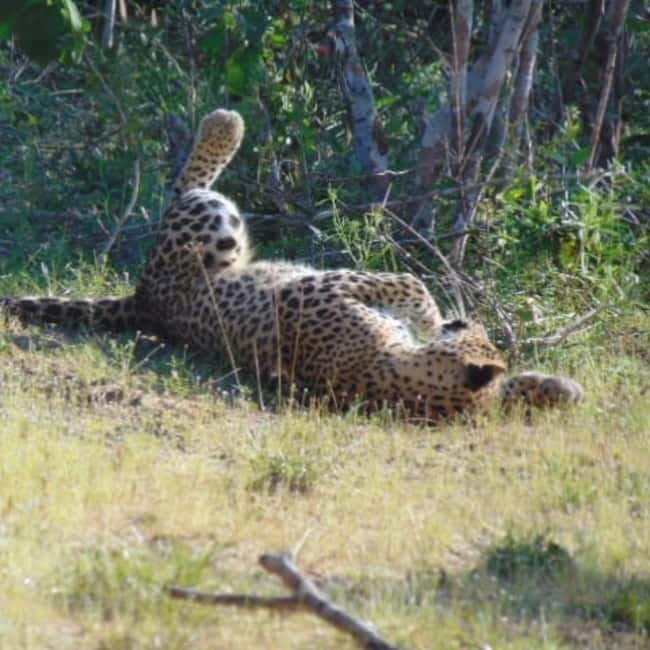
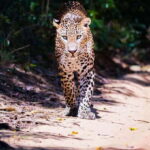
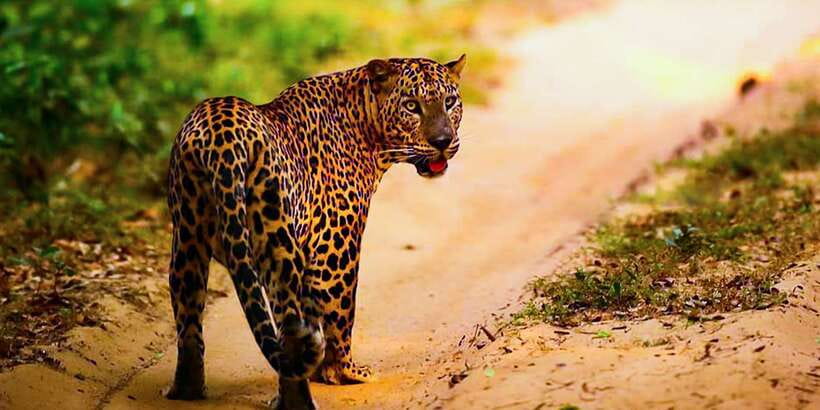
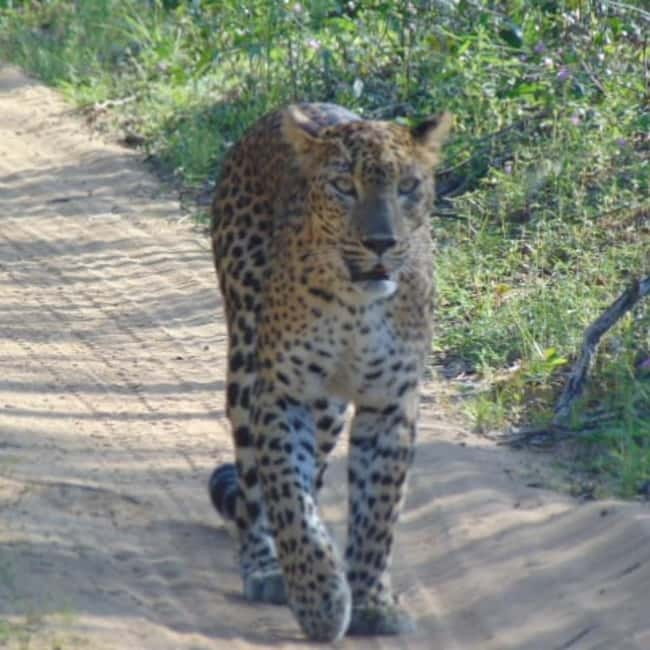
Wilpattu National Park is Sri Lanka’s largest national park, and it has a special pull: leopards. When you plan a full day here, you’re not just “going to see animals.” You’re going to hunt for the right signs—tracks, movement, rest patterns—and then sit in the right place long enough to be rewarded.
What I like about this safari setup is that it doesn’t treat wildlife viewing like a quick photo stop. The schedule is built for sustained searching: you get breakfast, then a long game drive, and you continue after lunch as well. In practical terms, that means you’re far more likely to catch leopards at the moments they choose to show themselves rather than when you happen to pass through.
Also, Wilpattu has the kind of variety that helps spotting. You’re moving through dense woodland, open plains, and around natural water features. Water and cover are where predators and prey both “choose to be,” and this park structure supports that.
You can also read our reviews of more tours and experiences in Anuradhapura.
Getting there from Anuradhapura: a long day, but a simple one
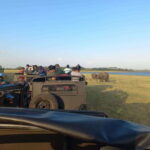
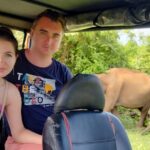
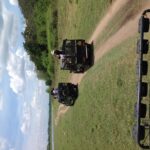
The day starts with hotel pickup from Anuradhapura, and there are extra pickup options in Mihintale and Nochchiyagama. You’re in a customized Safari Jeep, and you ride with air-conditioned comfort on the drive to the park.
Duration matters here. You’re looking at 10–12 hours total, with about 10 hours of game drive/wildlife viewing time. That’s a commitment, so it’s worth planning your energy. If you’re the type who wants to do one big thing and then relax, this is ideal. If you’re hoping for a short outing, this will feel like a full expedition.
The practical upside: you avoid the hassle of figuring out transport and timing on your own. The tour includes entry tickets to the national park, which removes a common headache in Sri Lanka wildlife days.
The first game drive: why you want your best focus early
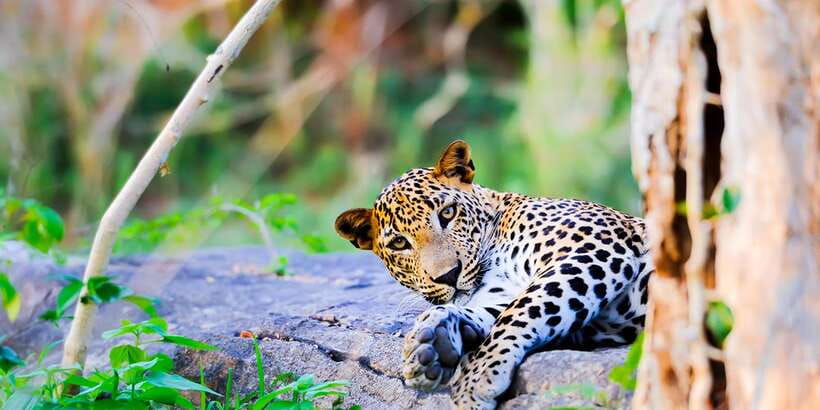
After breakfast, you jump into the jeep and start searching right away. Morning is when your senses work best for wildlife spotting: animals are active, visibility can be better, and you haven’t spent all day bouncing around in the heat.
The route you take depends on what’s happening in the reserve. But the general idea is consistent: you follow forest trails and then shift toward areas that match what the guide is finding in the field. One thing I really value in a safari is “time on target,” and this plan gives you that early window.
Also, private means you’re not stuck with the pace of a large group. A stronger guide can slow down for an animal’s comfort window and then move again without constant crowd coordination. That kind of flexibility is exactly what increases your chances of a close, clear sighting.
After the trees: how Wilpattu’s water and open areas help you spot
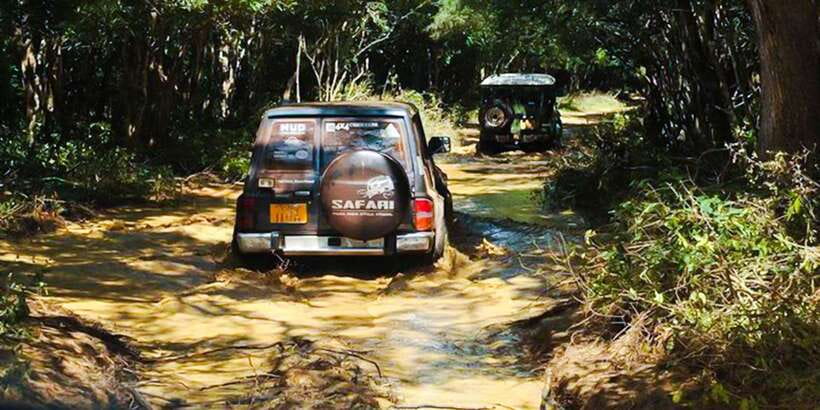
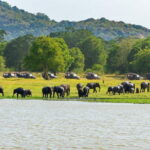
Wilpattu isn’t one kind of scenery. You’ll see dense forest sections, open areas, and natural lakes. Those differences aren’t just pretty; they change animal behavior.
Dense woodland can hide movement—but it also concentrates attention once you find a likely zone. Open plains can make a distant shape easier to detect, especially if the guide knows where animals cross. And natural lakes matter because wildlife needs water, especially during warmer parts of the day.
This is where a good driver-guide turns from “transport” into part of the experience. If the guide has a strong sense for where to look and when to pause, you get more quality sightings instead of endless driving with nothing to show for it.
Picnic lunch inside the park: real convenience without losing daylight
Instead of rushing offsite for lunch, you get a picnic lunch inside the park, served at a scenic location. You’ll also have light breakfast and refreshments included, plus bottled water.
This is a big deal in a day like this. Wildlife doesn’t wait for your lunch break. By keeping the meal inside the park, you reduce transit time and increase your odds of staying out during the hours when animals are more likely to move.
Food on safari days is often either basic or forgettable. Here, the inclusion of a picnic lunch and snacks is clearly meant to keep the day manageable, and the overall tone from past guests is that the meals are decent enough to keep you comfortable through the long stretch.
Wildlife beyond leopards: the best bonus is not having tunnel vision
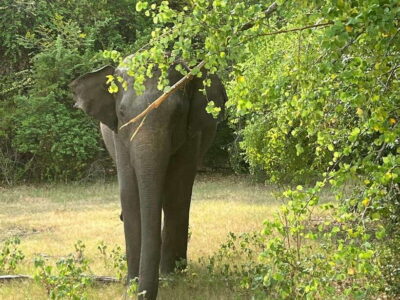
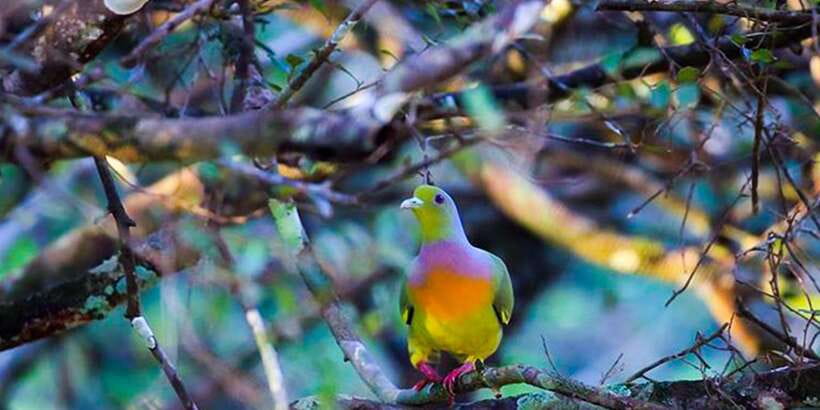
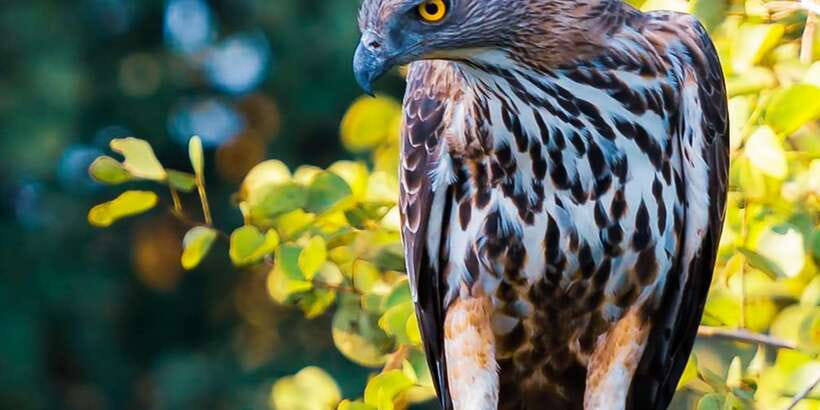
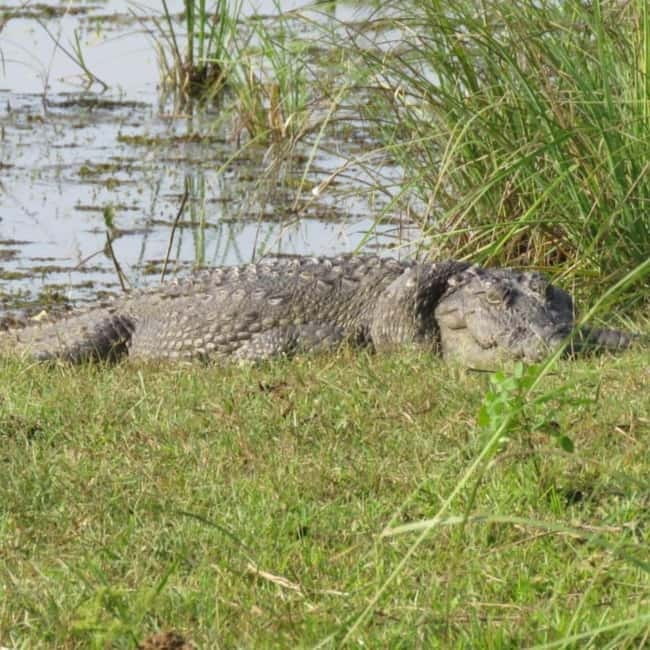
Yes, leopards are the headline. But you’re also aiming for other species, including sloth bears, spotted deer, wild boar, and crocodiles. Birds are part of the mix too.
Here’s how I think about this: a leopard sighting can be a once-in-a-while moment. But a safari also becomes memorable when you catch the “ecosystem stuff”—deer moving in cover, bears doing their own slow business, water signs near lakes, and sudden flashes of bird life that tell you you’re in the real habitat.
In some cases, guides keep the search tightly focused on leopards. That can be great if that’s your priority. But if you want a broader spread, you’ll want to choose a guide approach that also checks for bears and other wildlife regularly. The good news is that this safari is designed to keep scanning for multiple target animals, not just one.
The role of the driver-guide: it can make or break your sightings
On any safari, luck matters. But skill matters too—and you can feel the difference quickly. In one standout example, a driver-guide named Hasun was described as an expert spotter who helped the group find animals they likely would not have spotted on their own. Another key benefit: separating from other jeeps at the right moment can reduce distractions and improve your viewing window.
There’s also a comfort element. In past experiences, the guide checked how long you wanted to observe animals and adjusted the plan accordingly. That’s not just politeness—it’s practical. Some people want 5 minutes and move on. Others want patience. A guide who can flex makes your day feel more personal.
The balanced note: one experience also described a situation where the day felt very long and the guide’s communication was minimal after lunch. That doesn’t mean every day is like that, but it’s a good reminder that wildlife focus may reduce small talk. If you want constant explanations, set that expectation early.
What the day feels like on the ground: timing, patience, and heat
You’re doing a 10–12 hour day with long stretches in a jeep. That means you’ll want to come prepared for long sitting, warm weather, and the stop-and-go pattern of safari driving.
What helps:
- Dress for heat but bring a light layer for early morning and late afternoon breezes.
- Pack water habits seriously. Bottled water is included, but you’ll still want to sip regularly.
- If you’re prone to motion sickness, plan accordingly before you get in the jeep.
The biggest emotional factor is patience. Leopards may appear briefly. Sometimes you’ll see signs first. Sometimes nothing happens for a while and then—suddenly—you’re watching. This safari’s best advantage is that it doesn’t rush you out after one half day of searching.
Price and value: what $90 per person buys you (and what it doesn’t)
At $90 per person, this safari is priced like a full packaged day, not a bare-bones transfer. You’re getting:
- Private full-day safari by customized safari jeep
- Hotel pickup and drop-off (with multiple pickup/drop-off options)
- Park entry tickets
- Experienced driver cum guide
- Light breakfast, picnic lunch, refreshments
- Bottled water
- All government taxes
What’s not included is mainly personal spending.
So is $90 “cheap” or “expensive”? Without comparing to other operators, here’s the value logic I trust: you’re paying for a complete wildlife day with transport and park entry handled. If you tried to DIY it, the costs can rise fast once you add tickets, reliable transport, and the time to coordinate. And most importantly, you’re paying for a guide who can improve your odds.
If you want a high chance of leopards, that guide and timing matter more than squeezing a few dollars off the price.
Who this safari is best for
This private Wilpattu safari is a strong fit if you:
- Want a leopard-focused day with enough time to keep searching
- Prefer private flexibility over large-group schedules
- Like the idea of picnic lunch in nature instead of losing hours to travel
- Are comfortable with a long wildlife day where you might spend hours waiting for the right moment
It may be less ideal if you:
- Want a quick half-day outing
- Get impatient with slower wildlife viewing
- Need lots of continuous conversation during the drive (the safari can be quiet while you’re scanning)
One important note from the activity details: it’s listed as not suitable for pregnant women. And on the mobility question, there’s a contradiction: it says wheelchair accessible in the additional info, but also states it may not be suitable for wheelchair users. If that matters to you, confirm directly with the provider before booking.
Should you book the Anuradhapura–Wilpattu private safari?
I’d book it if leopards and real wildlife time are your top priorities. The structure—breakfast, long game drive, picnic lunch inside the park, then more searching afterward—matches how predator sightings actually work in parks: you need patience and multiple chances in different habitats.
I’d pause before booking if you hate long days in the jeep or you only want constant animal action after lunch. In that case, you might feel the “wait time” more than you like.
If you do book, send a quick message in advance with your preferences: how long you want to stop for animal sightings and whether you want the guide to balance leopard searching with a wider sweep for other species like sloth bears and crocodiles. That’s the kind of small instruction that can improve your whole day.
FAQ
How long is the Wilpattu safari from Anuradhapura?
The tour lasts 10 to 12 hours, including the full-day safari and wildlife viewing time.
Where do pickup and drop-off happen?
Pickup and drop-off options include Anuradhapura, Mihintale, and Nochchiyagama.
What’s included in the private safari package?
It includes a full-day safari by customized safari jeep, hotel pickup and drop-off, park entry tickets, an experienced driver cum guide, light breakfast, picnic lunch, local snacks and refreshments, bottled water, and all government taxes.
Is this a private tour or a shared one?
It’s a private group experience.
What wildlife can you look for in Wilpattu?
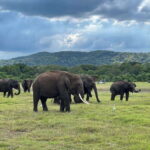
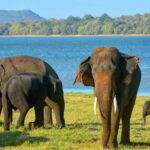
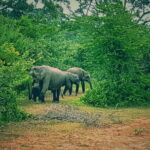
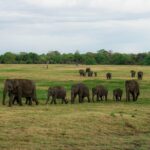
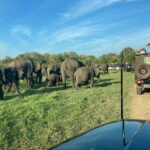
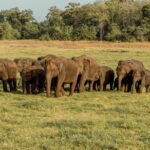
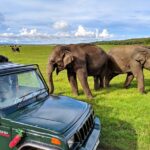
You can look out for leopards, sloth bears, spotted deer, wild boar, crocodiles, and also birds. Elephants are also mentioned as possible.
Is the safari wheelchair-friendly?
The activity information lists wheelchair accessibility, but it also states it is not suitable for wheelchair users. You should confirm suitability with the provider before booking.