REVIEW · ANURADHAPURA
Wilpattu National Park Safari with Pigeon Island Tours
Book on Viator →Operated by Pigeon Island Tours · Bookable on Viator
Wilpattu feels wild in a quiet, practical way. You get a 4×4 safari jeep and a private guide who helps you read the park, plus the chance to look for leopards in Sri Lanka’s big, rugged terrain. The one catch to keep in mind is that the entrance fee is not included, so you’ll need cash for the gate and there can be a lot of jeeps staged there.
I like that this tour is built around the things that actually help you spot wildlife: driving access into rugged areas, time to ask questions, and guide-led explanations of the ecosystem you’re moving through. If you’re trying to avoid guesswork in the bush, this format is a real plus. The main downside is simple: visibility can be limited along dirt tracks, so you shouldn’t plan on constant animal sightings.
You’re looking at about 4 hours total, with morning or afternoon departures, and it’s offered with a mobile ticket. It also uses a pickup route that takes you to the gate, so you’re not wasting half your time trying to figure out where to go.
In This Review
- Key things to know before you go
- Wilpattu’s reputation isn’t hype: why leopards change your whole game plan
- The 4×4 safari jeep: comfort, access, and the “what you can actually see” factor
- Wildlife you may encounter: what to look for besides the spotlight animals
- Stop at the gate and inside the park: how the private guide changes your experience
- Ecosystem talk that actually helps you spot animals
- Morning vs afternoon departure: pick based on your pace, not just the clock
- Price and value: what your $33 includes, and what you still pay at the gate
- Group size, crowd reality, and how to avoid feeling disappointed
- Who should book this safari, and who might skip it
- Should you book Wilpattu Safari with Pigeon Island Tours?
- FAQ
- Is the Wilpattu National Park entrance fee included?
- How long is the safari?
- What does the $33 price include?
- Are children allowed, and is there any free entry?
- Does the tour use a 4×4 vehicle?
- Can I choose a morning or afternoon departure?
- What is the cancellation rule?
Key things to know before you go
- Leopard-focused territory: Wilpattu is known for its leopard population, so your guide will likely point out habitats where leopards move.
- Private attention: It’s you and your party with a guide, which means more questions and less waiting around.
- Entrance fee is separate: You pay 11500 LKR for adults and 6500 LKR for children at the park entry point.
- Terrain-first transport: Expect a sturdy 4×4 jeep meant for rugged roads and off-road access.
- Small viewing windows: Some drives can mean a narrow cleared strip with thicker bush beyond it.
- Kid-friendly in a specific way: Two toddlers under 5 are allowed free of charge.
Wilpattu’s reputation isn’t hype: why leopards change your whole game plan
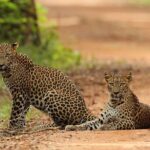
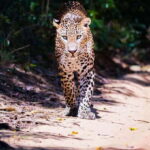
Wilpattu is one of Sri Lanka’s largest national parks, and its wildlife reputation is anchored by one animal in particular: the leopard. That matters for you because leopards aren’t typically guaranteed on any safari. What you can control is how well you understand where to look and what signs mean.
That’s where a private guide earns their keep. Your guide is there to explain the park’s wildlife and ecosystem while you’re driving, so you’re not just staring at trees and hoping. Even if you end up seeing animals from farther away, better context helps you make sense of what you’re looking at and why it’s there.
Also, keep your expectations realistic. You might spot big names like deer or buffalo without it being a dramatic “show.” Then, occasionally, you get that payoff moment—often at distance, but still thrilling. Wilpattu’s value comes from that mix of patience and insight.
You can also read our reviews of more tours and experiences in Anuradhapura.
The 4×4 safari jeep: comfort, access, and the “what you can actually see” factor
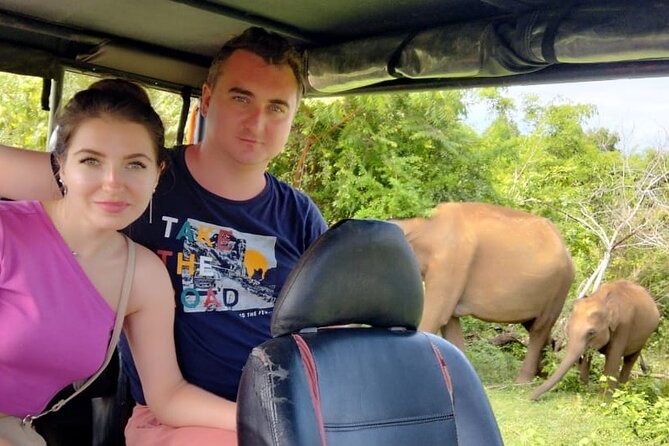
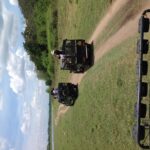
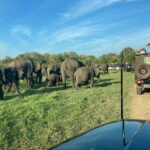
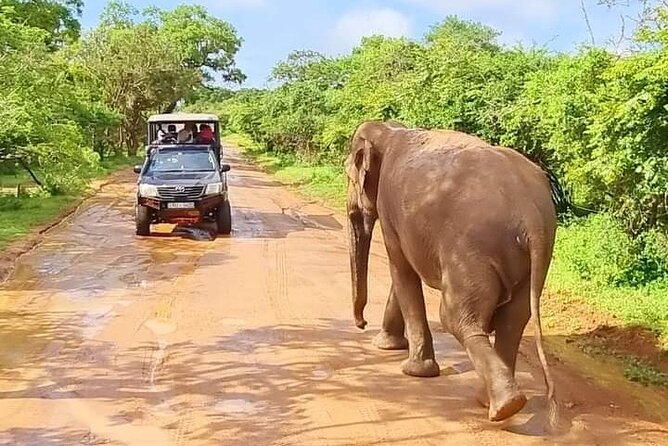
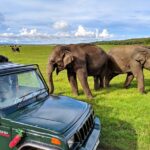
This tour is built around a safari jeep, meaning you’re not on a gentle road with easy sightlines the whole time. The point is access. A sturdy 4×4 gets you into the rugged parts of Wilpattu where animals actually have reason to move.
Now for the part that can surprise first-timers: driving routes aren’t always wide-open viewing corridors. On some safaris you may spend a lot of time along dirt roads where only a small cleared strip (about 5 to 10 meters) is cut on each side, with thick bush beyond that. In plain terms, your best viewing can be very lane-dependent. If the jeep pauses where the cleared strip is wider or where a clearing appears, sightings often feel more possible.
So how do you make this work for you?
- Bring a mindset of “watch the edges,” not “hunt the center of the road.”
- Keep your eyes moving: small animals and signs can be easier to catch than big silhouettes.
- When your guide slows down or stops, treat it as a cue to look where they indicate, not just where you think the best view is.
Wildlife you may encounter: what to look for besides the spotlight animals
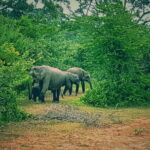
Wilpattu is the kind of park where you can have a satisfying safari even if you don’t get a close-up leopard moment. You may encounter jungle cats and fishing cats, along with monkeys such as gray langurs and toque macaques. If you keep scanning the undergrowth and near-water edges, you’re also in play for foxes, bandicoots, and mongooses.
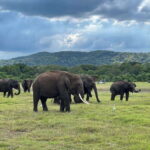
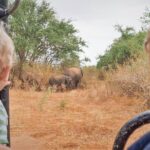
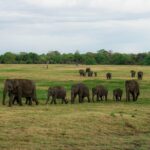
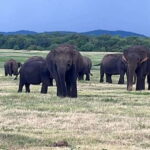
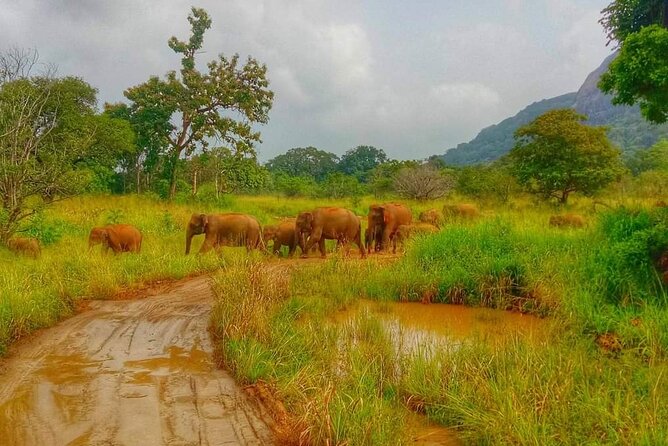
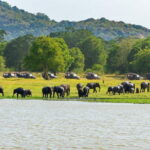
For bigger wildlife, the list includes wild boars, water buffalo, and several deer species such as spotted deer, sambar deer, and barking deer. Even if animals aren’t right in front of you, the presence of deer often signals a healthy ecosystem and good feeding zones—both of which matter for predators higher up in the food chain.
If you want an easy way to track what’s happening, think in categories:
- Movement in cover (small cats, mongooses, foxes)
- Water and edges (animals that use resources near water)
- Grazers and browsers (deer and buffalo, which can draw in other wildlife)
Your guide helps you interpret this as you go, but your job is simple: watch patterns, not just individual animals.
Stop at the gate and inside the park: how the private guide changes your experience
Your safari starts with pickup to the gate area of Wilpattu National Park. That’s where you meet your private safari guide, then climb into the jeep for access into rugged areas and clear(er) viewing moments.
The best part of a private guide is not just “someone talking.” It’s the ability to adjust your focus. If you care about leopards, you can ask about habitats and where sightings tend to happen. If you want monkeys or deer, you can ask what to look for in those habitats instead.
A second practical advantage: you’re not stuck waiting around. Your party gets personalized attention, and you have time for questions as you drive. That makes the experience feel less like a checklist and more like a guided walk, except you’re rolling over dirt tracks instead of strolling on a path.
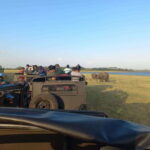
One thing to keep your head about: the entrance area can have lots of 4×4 jeeps lined up. That’s not automatically bad, but it’s a good reminder to keep patience on your side, especially early in the morning.
Ecosystem talk that actually helps you spot animals
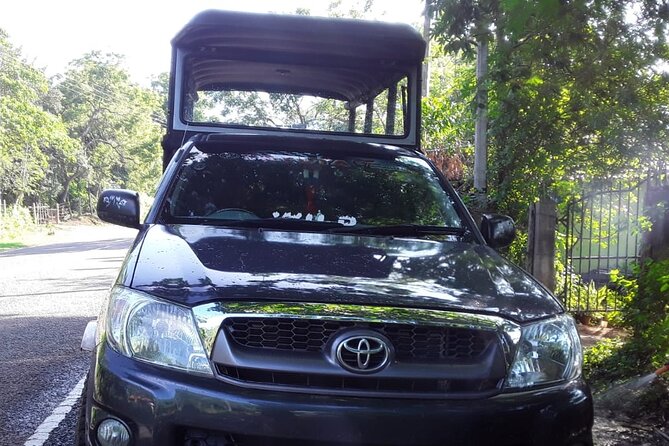
It’s easy for wildlife explanations to turn into trivia. In this safari, the guide’s role is to connect what you’re seeing to the broader ecosystem of Wilpattu. Since you’re moving through different areas on a rugged jeep route, those explanations matter because they give your eyes a “reason” to look.
Your guide covers wildlife and the ecosystem along the journey. That means you’ll have a better sense of what animals are doing and why they might be in certain zones. Even if you only catch quick glimpses, you’ll know what the glimpses likely mean.
This kind of context can also help you avoid the most common safari disappointment: feeling like you did everything right but missed the one thing you came for. If you understand habitat, you understand that leopards (and many other animals) can be present without being visible up close.

Morning vs afternoon departure: pick based on your pace, not just the clock
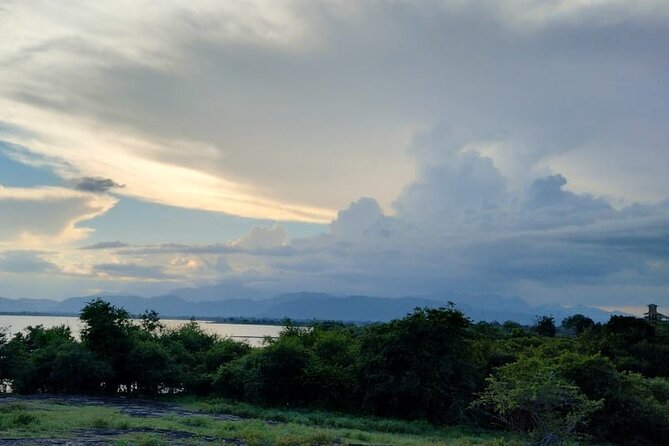
This safari offers morning and afternoon departure options, so you can tailor it to your vacation rhythm. That flexibility is worth something because it lets you plan around your other sightseeing days in Anuradhapura without forcing a hard schedule.
How should you choose? Use your personal style:
- If you like early starts and want more “fresh” energy, choose the morning departure.
- If you prefer a slower day with fewer early logistics, the afternoon works well.
Either way, the safari structure stays the same: jeep access, guide explanations, and time inside the park. Your decision mainly affects your day flow and how you feel during those 4 hours.
Price and value: what your $33 includes, and what you still pay at the gate
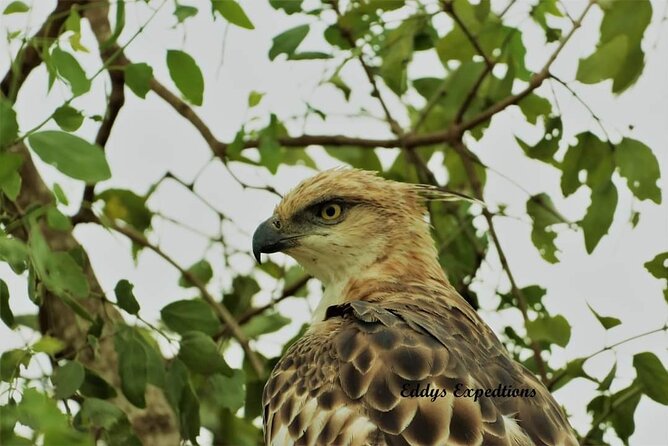
Here’s the real math. The listed price is $33, and what you’re paying for is the safari jeep only. The Wilpattu entrance fee is not included and must be paid at the meeting point.
Entrance costs are:
- 11,500 LKR per adult
- 6,500 LKR per child
So is it good value? For most people, yes—if you treat the entrance fee as part of the safari’s real cost rather than a surprise. A private guide + 4×4 access is the heavy-lifting portion, and that’s what you’re covering with the tour price.
Two more value points worth noting:
- You get two toddlers under 5 allowed free of charge.
- You’re not doing this as a long self-planned puzzle. Pickup takes you to the gate, and the guide handles the safari rhythm.
If you’re traveling with children, the free-toddler policy can meaningfully reduce your total. If you’re solo or in a small group, the private attention can also make the experience feel less rushed than bigger shared safaris.
Group size, crowd reality, and how to avoid feeling disappointed
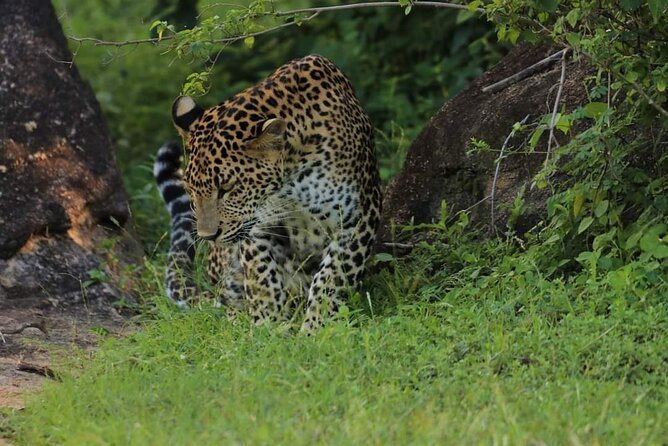
The tour includes a private safari guide, which sounds like you’ll be alone out there. In practice, crowd levels can still exist at the entrance area and on popular drive patterns inside the park, because other jeeps may be operating the same general routes.
One useful expectation to set is about time on the road. On some safaris, the jeep spends a lot of time on dirt tracks with only a narrow cleared strip for viewing. That doesn’t mean it’s a bad safari—it means animal sightings can cluster into certain moments rather than being constant.
So if your idea of a safari is nonstop action, you might feel frustrated. If your idea is a guided wildlife hunt with patience—and you enjoy the ecosystem and the guide’s explanations—you’re more likely to be happy with the experience.
Who should book this safari, and who might skip it
This safari is a good fit if you:
- Want private guide time and room to ask questions
- Are interested in Wilpattu’s leopard reputation and the ecosystem behind it
- Prefer a 4×4 jeep safari that focuses on access over comfort-daydreams
- Can handle a moderate physical fitness level (it’s not described as extreme, but rugged park terrain is part of the deal)
It’s also a solid pick for families that have toddlers under 5, since two toddlers are allowed free.
You might want to think twice if:
- You’re expecting it to be far less crowded than other Sri Lanka parks. Safaris can still mean lots of jeeps in busy times.
- You get discouraged by limited visibility stretches along dirt roads. If that sounds like you, plan to stay patient and trust the guide’s timing.
Should you book Wilpattu Safari with Pigeon Island Tours?
Book it if you want a private, guide-led 4×4 safari in a park known for leopards, and you’re willing to pay the gate entrance fee as part of the real cost. I’d also recommend it if you like learning what you’re seeing, because the guide’s ecosystem and wildlife explanations are built into the ride, not tacked on at the end.
Skip or reconsider if you need guaranteed, close-up sightings or you expect the roads to be open and clear the entire time. Wilpattu can deliver, but it rewards patience, good focus, and the willingness to enjoy the “wild hours” even when animals show up briefly—or from farther away.
If you can bring that mindset, this is a straightforward way to experience Wilpattu without turning your day into logistics homework.
FAQ
Is the Wilpattu National Park entrance fee included?
No. The tour price covers the safari jeep only. You pay the Wilpattu entrance fee at the meeting point: 11,500 LKR per adult and 6,500 LKR per child.
How long is the safari?
It runs for about 4 hours (approx.).
What does the $33 price include?
The included portion is the safari jeep only, plus the private safari guide experience during the drive.
Are children allowed, and is there any free entry?
Yes. Two toddlers under 5 years old are allowed free of charge. Entrance fees still apply for other children based on the listed child entrance fee.
Does the tour use a 4×4 vehicle?
Yes. You’ll ride in a sturdy safari jeep designed to access rugged areas of the park.
Can I choose a morning or afternoon departure?
Yes. Morning and afternoon departure options are available so you can fit the safari into your schedule.
What is the cancellation rule?
Free cancellation is available if you cancel at least 24 hours in advance for a full refund. If you cancel less than 24 hours before the start time, you won’t get a refund.