REVIEW · WELIGAMA
From Weligama : Udawalawa National Park Safari Tour
Book on GetYourGuide →Operated by Tiger Safaris · Bookable on GetYourGuide
Elephants steal the show in Udawalawe. This Weligama day trip pairs wild elephant safari time with a meaningful stop at the Elephant Transit Home for context you can actually use.
I love that you get both the thrill of spotting animals in the park and the conservation side that explains what you’re seeing. You’re not just doing a drive and hoping for luck.
You’ll also be comfortable from the start, since transport is handled in an air-conditioned vehicle and you’ll ride in a 44 safari jeep once you’re in the park. Plus, the live guide is in English, which matters when you want real explanations instead of vague pointing.
One thing to plan for: park-entry traffic can build when multiple jeeps go to the same elephant sightings. It’s not a dealbreaker, but it can affect timing once animals appear.
In This Review
- Key highlights you’ll care about
- How the day starts: pickup around Weligama and the drive to Udawalawe
- First look inside: photo stop, guided park time, and what 3 hours really means
- Udawalawe National Park safari: wild elephants plus the supporting cast
- Bird-watching and animal spotting: how to get more out of every sighting
- Elephant Transit Home: why this stop adds real meaning
- Getting there in comfort: air-conditioned transport and a spacious 44 jeep
- Your guide experience: what language support and park know-how changes
- Price and entrance fees: whether $72 is good value
- Practical details to know before you go
- Who this safari tour is best for
- Should you book the Udawalawe Safari from Weligama?
- FAQ
- FAQ
- How long is the Udawalawe safari tour from Weligama?
- What pickup and drop-off locations are included?
- Is the tour guide available in English?
- Do I need to pay the national park entrance ticket separately?
- What vehicle will you use for the safari?
- Is the Elephant Transit Home included?
- Is the cancellation policy flexible?
- Is there a reserve now & pay later option?
Key highlights you’ll care about
- Udawalawe elephant country: One of Sri Lanka’s best places to look for wild elephants
- Elephant Transit Home stop: Learn how orphaned and injured elephants are cared for and released
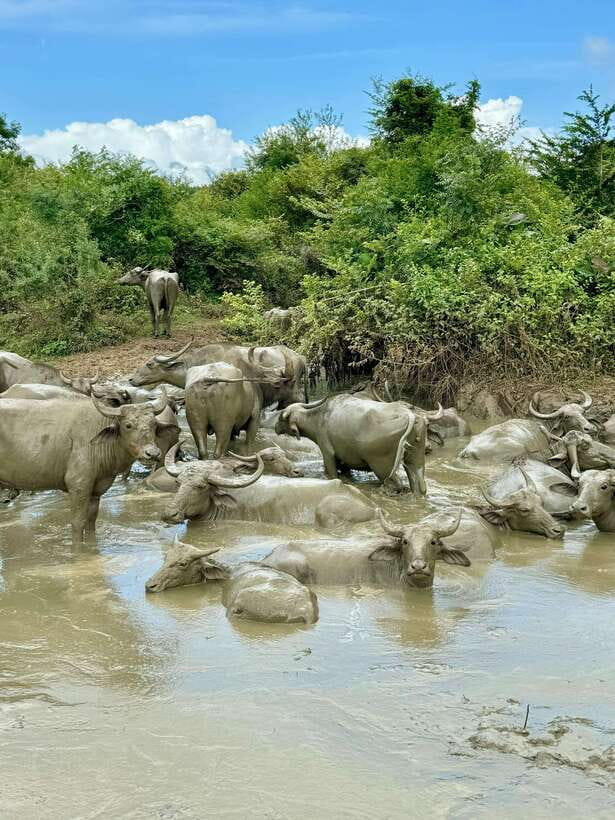
- Wildlife beyond elephants: Deer, wild boar, water buffaloes, and crocodiles may show up
- Bird-watching potential: Look for eagles, herons, and even peacocks
- Comfort-first travel: Air-conditioned transfer plus a spacious 44 safari jeep
- English guide support: Explanations help you spot what to look for
How the day starts: pickup around Weligama and the drive to Udawalawe
Your day runs about 8 hours from pickup to drop-off, which is perfect when you don’t want an overnight logistics headache. The tour includes complimentary pickup and drop-off around the south coast area, with options listed for Weligama and also nearby places like Mirissa, Matara, Tangalle, Hiriketiya, and Dickwella.
When you’re ready, don’t oversleep. You’ll want to be in the hotel lobby about 10 minutes before your scheduled pickup time, so you don’t lose momentum early in the day.
The drive itself is part of the experience. You travel through countryside toward Udawalawe, and you’ll get a photo stop along the way, which is handy if you want one set of quick shots before you’re focused on the park.
First look inside: photo stop, guided park time, and what 3 hours really means
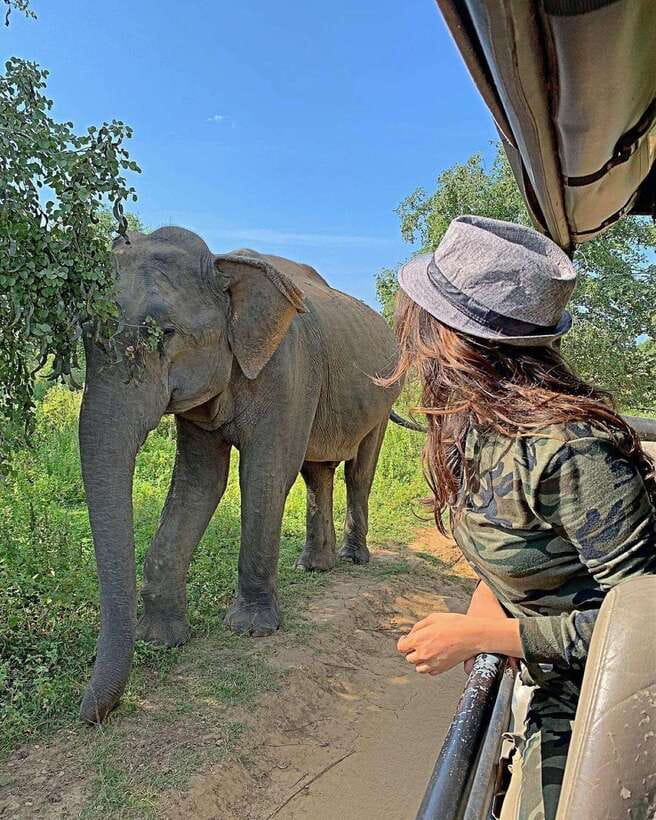
Once you reach Udawalawe, you’ll jump into guided park time that totals about 3 hours for visit, sightseeing, and a guided tour component. That’s a solid chunk because wildlife viewing works best when you’re not rushing every sighting.
This is the kind of schedule that keeps your brain from going into autopilot. Instead of just passing through, you’re there long enough for the park to “pay off,” even if elephant sightings come in waves.
One small reality check: a 3-hour safari window also means you should stay mentally ready for changes. If the best sightings happen earlier, you’ll shift focus quickly. If it takes longer, you’ll still have time to enjoy other animals and birds.
Udawalawe National Park safari: wild elephants plus the supporting cast
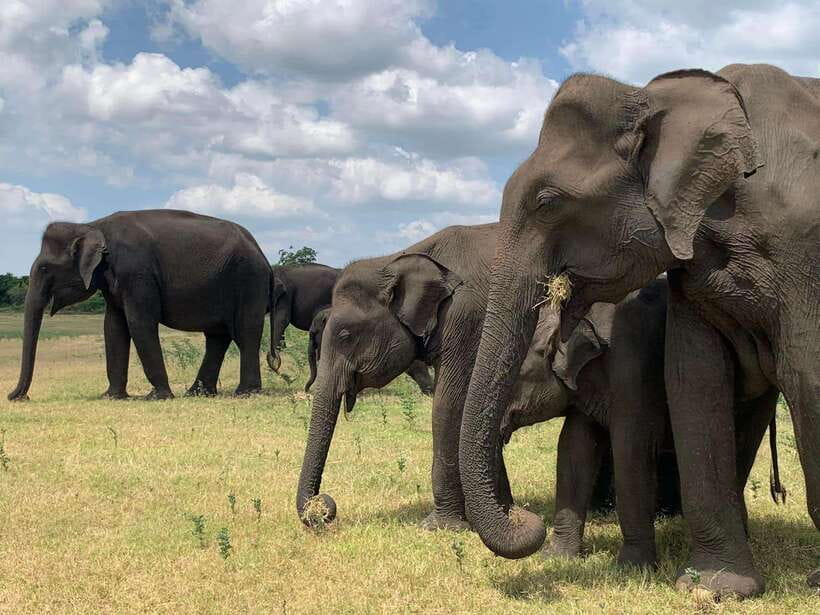
Udawalawe’s main event is elephants, and this safari is built around that. Expect a real chance to observe elephants in their natural habitat, and the park is known for having one of the largest populations of wild elephants in Sri Lanka.
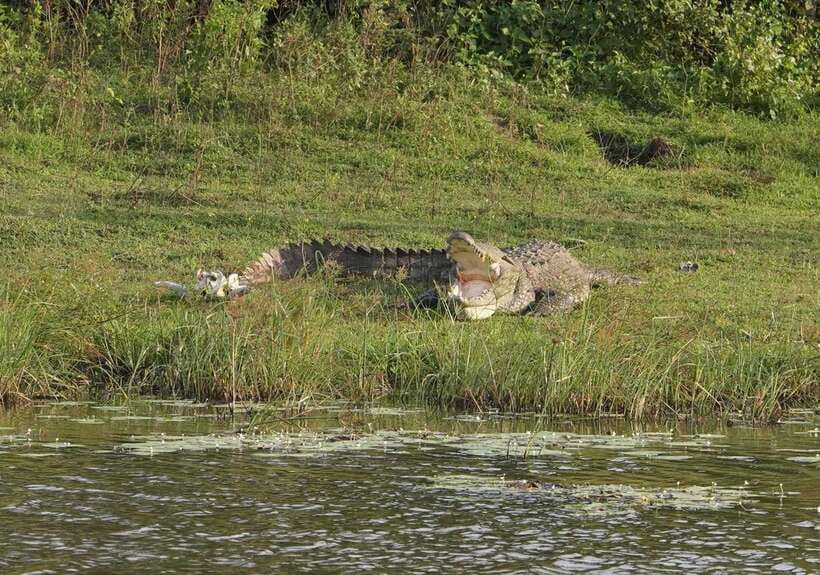
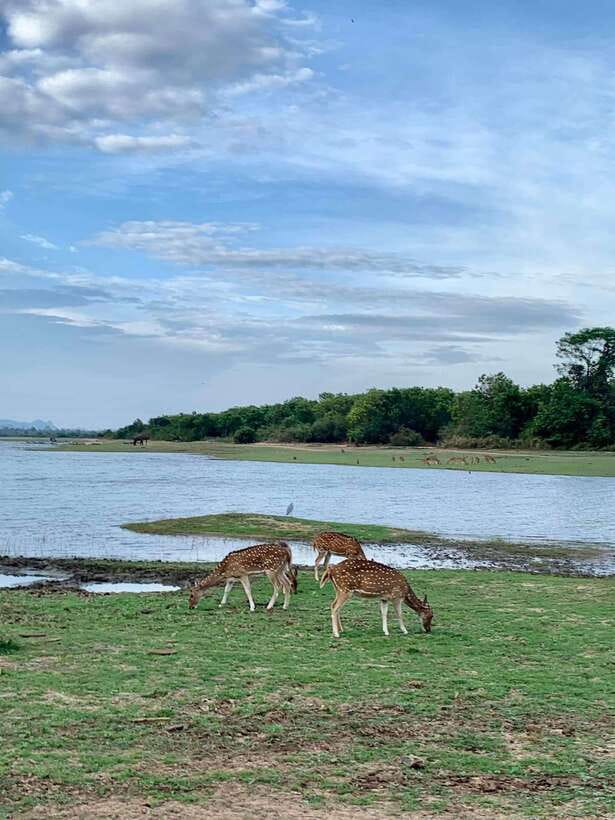
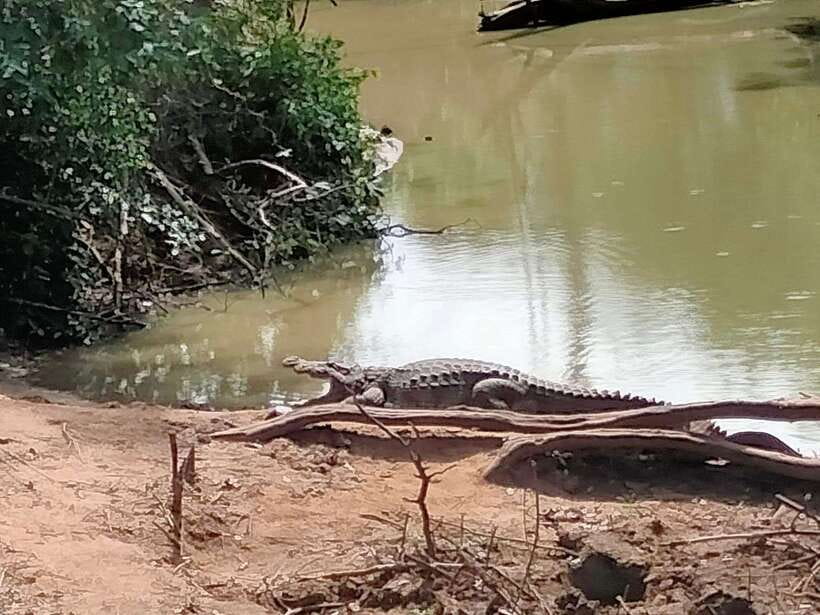
But here’s why I like this safari format: it doesn’t treat elephants as the only possible outcome. You may also spot deer, wild boars, water buffaloes, and crocodiles, and those extras matter because wildlife viewing is often about variety, not one single moment.
Your guide helps you “read” what’s happening out there. The value is in learning what you’re looking at: tracks, behaviors, and where animals tend to appear during the day. With an English-speaking guide, you can ask quick questions and get answers that actually connect to what you’re seeing from the jeep.
And yes, elephants are the draw, but birds can steal your attention too. Udawalawe is good for bird-watching, including species like eagles, herons, and peacocks. If you’re the type who likes seeing movement and color in the trees and along the water edges, you’ll probably enjoy this.
Bird-watching and animal spotting: how to get more out of every sighting
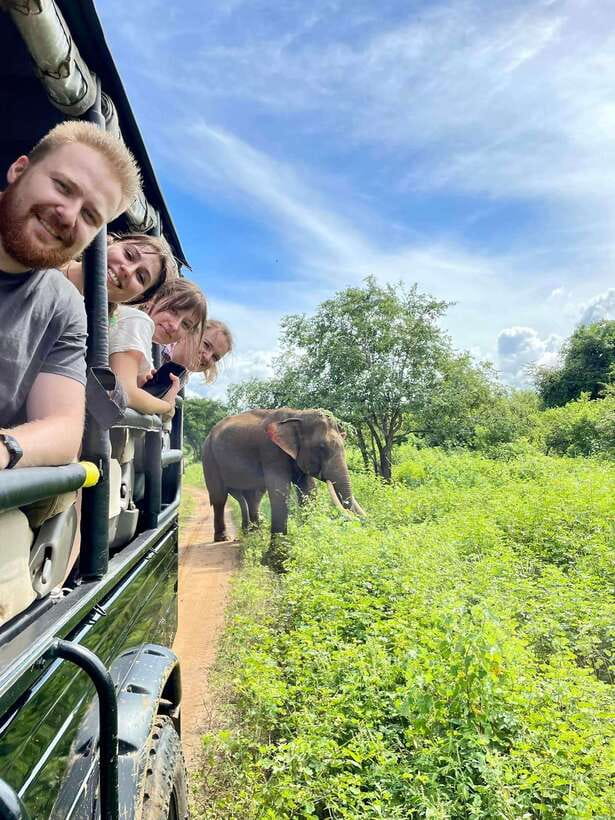
When the park is active, it’s easy to just stare. When it slows down, you’ll get more from small observations. I recommend watching for the “signals” your guide is likely to point out—movement in vegetation, shifts in group behavior, or attention patterns that suggest something is nearby.
This is one reason the guide matters on an Udawalawe safari. A good explanation can turn a quick glimpse into a story you understand: what the animal is doing, what it’s likely reacting to, and why it’s in that area right now.
You’ll also want to keep your camera ready, but not glued to it. Birds can be quick; crocodiles and buffaloes can be easier if you notice where people are pointing rather than only where you’re already looking.
If you’re traveling as a couple, this kind of safari works because you can split attention without missing the big action. Elephants one minute, a bird the next.
Elephant Transit Home: why this stop adds real meaning
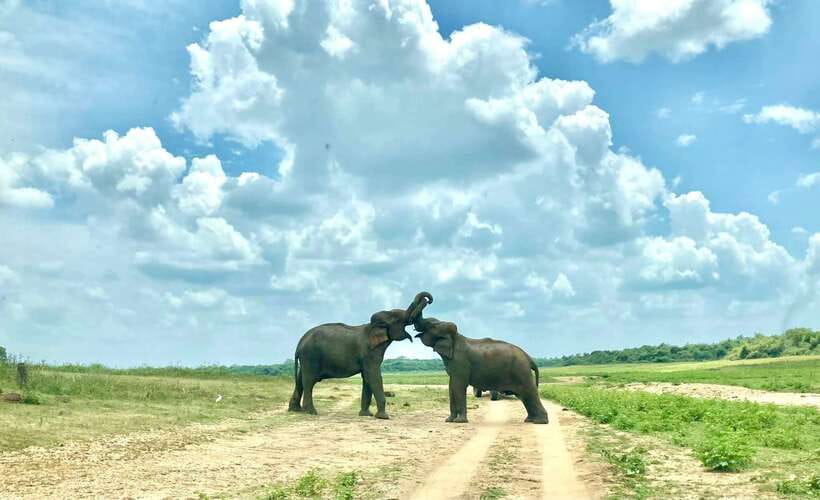
The Elephant Transit Home is the part of the day that turns your safari from a simple animal sighting into something you understand more deeply. Here, the focus is on orphaned and injured elephants—how they’re cared for and later released back into the wild.
You’ll also witness feeding and learn about conservation efforts linked to the center. That makes a difference because it answers the question many people think but don’t get explained: what happens to elephants beyond the moment you see them in the park.
Even if you’re primarily there for the safari, this stop gives you context you can’t really get from only driving in the park. It also helps you notice conservation in action, not just the existence of wildlife.
Getting there in comfort: air-conditioned transport and a spacious 44 jeep
Comfort matters on a safari day because your body is still doing work—sitting upright, moving slightly to spot animals, and staying alert without knowing exactly when the big moment arrives. This tour uses air-conditioned transport to get you to the park area, then shifts you into a spacious 44 safari jeep inside the park.
The jeep style is a practical choice here. It’s designed for the terrain and for viewing, which helps you keep a better sightline than you’d get in a standard car. It also supports a smoother ride when the road gets rough.
One extra advantage: the guide and driver setup is described as professional, and one guest specifically noted they felt safe even with Sri Lanka traffic. That’s not a small thing on a day trip that has a lot of driving built in.
Your guide experience: what language support and park know-how changes
The tour includes a live tour guide in English, which is a key quality-of-life detail. When you can hear explanations clearly, you spot more than you’d manage on your own.
Guides also help you make sense of the timing issue that safari days sometimes face. One review mentioned a traffic jam inside the park when too many vehicles entered at the same time after elephants were spotted. A good guide can’t erase crowd flow, but they can help you plan your attention and reduce the stress of waiting.
Also, I’d pay attention to your guide’s communication style. One feedback note mentioned a park guide named Batu, praised for illustrating flora and fauna with real competence. If you get someone like that, you’ll likely get more from every hour because they’re translating the park for you.
Price and entrance fees: whether $72 is good value
The tour price is $72 per person, and that includes several things that usually cost extra when you book separately: pickup and drop-off (around the Weligama-area towns listed), air-conditioned transport, a 44 safari jeep, and an English-speaking live guide.
The one clear add-on is national park entrance tickets, listed at about $37 and not included. So a fair way to think about the real budget is: you’re paying for the tour package plus the park entry fee on top.
Is it still good value? For me, it comes down to what you get for your day:
- You get guided safari time in Udawalawe (the elephant-focused experience)
- You get the Elephant Transit Home conservation component
- You don’t have to arrange transport yourself across multiple towns
- You ride in a safari-appropriate vehicle once you’re in the park area
In other words, the cost covers the structure that makes elephant and wildlife spotting more realistic. If you’re already planning to visit Udawalawe anyway, having organized transport and a guide usually adds up better than piecing it together last minute.
Practical details to know before you go
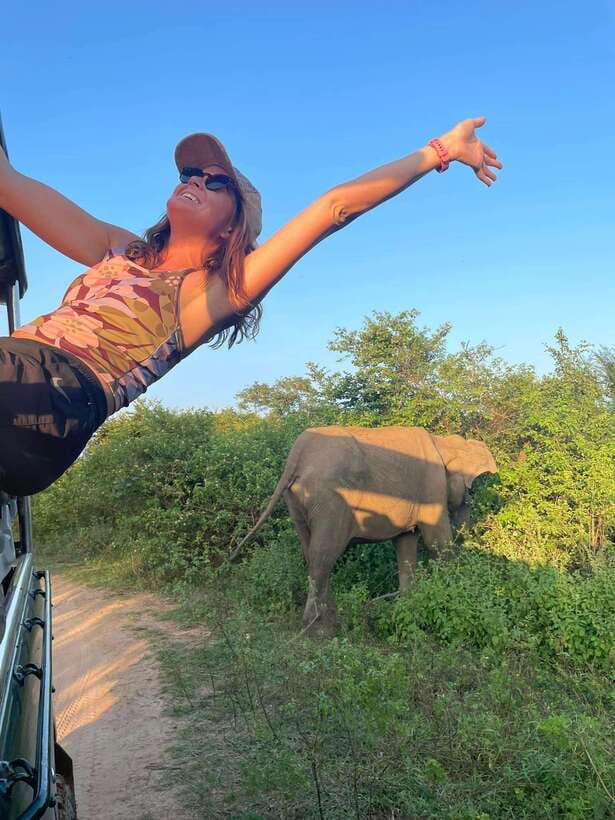
Udawalawe is an active wildlife park. That means you’re trading predictable comfort for real nature time. You may be watching for elephants, but you’re also watching for the park’s rhythm—bird activity, other animals moving through, and moments where everything quiets down.
Bring what you’d bring for a day outdoors: comfortable clothes, sun protection, and something to stay hydrated. The tour runs long enough that you’ll appreciate being prepared.
Also, if you’re sensitive to crowd flow, keep expectations flexible. The safari experience depends partly on how other jeeps arrive and react when animals appear, and reviews note the traffic issue can happen. I’d treat it as a normal safari variable rather than a sign the day is ruined.
Finally, check starting times based on availability when you book. The day is listed as 8 hours, but departure times can shift, so you’ll want to confirm your slot before you plan other transport.
Who this safari tour is best for
This is a strong fit if you want a full day of Sri Lanka wildlife without changing hotels or living out of a backpack. It’s also ideal for:
- Elephant-focused nature lovers
- People who like learning, not just photographing
- Bird watchers who won’t mind sharing the day with larger animals
- Travelers staying around Weligama or nearby south-coast towns who want an easy pickup-and-drop-off plan
If you’re traveling with kids, the Elephant Transit Home can be especially meaningful because it explains what happens to injured elephants. If you’re traveling solo, the English guide and the structured day can make the experience feel less random.
If you hate waiting in traffic, you may find park congestion annoying when animals are spotted and multiple vehicles converge. But that’s part of how wildlife viewing works in a popular park.
Should you book the Udawalawe Safari from Weligama?
I’d book this tour if you want a reliable shot at wild elephants plus a conservation stop that gives the day a deeper point. The combination of guided safari time, a jeep built for the park, and the Elephant Transit Home visit makes it more than just a drive.
You might pause if you’re very time-sensitive or easily frustrated by crowd flow inside the park. In that case, adjust your expectations: focus on the animals when they appear and let the day be a flexible wildlife experience rather than a tightly timed checklist.
FAQ
FAQ
How long is the Udawalawe safari tour from Weligama?
It’s listed as an 8-hour experience.
What pickup and drop-off locations are included?
Complimentary pickup and drop-off are included for Weligama (and also Mirissa, Matara, Tangalle, Hiriketiya, and Dickwella). Pickup options are listed as Udawalawa, Tangalle, and Weligama, with drop-off options listed as Weligama, Tangalle, and Udawalawa.
Is the tour guide available in English?
Yes, the live tour guide is listed as English.
Do I need to pay the national park entrance ticket separately?
Yes. National Park entrance tickets are not included and are listed as about $37.
What vehicle will you use for the safari?
The tour includes transport by an air-conditioned vehicle, plus a luxury and comfortable 44 safari jeep in the park.
Is the Elephant Transit Home included?
Yes, the tour includes a visit to the Elephant Transit Home.
Is the cancellation policy flexible?
Free cancellation is offered up to 24 hours in advance for a full refund.
Is there a reserve now & pay later option?
Yes. You can reserve your spot and pay nothing today.
If you’d like, tell me where you’re staying (Weligama vs Mirissa vs Tangalle area) and I’ll help you sanity-check whether the included transfer coverage matches your plan.