REVIEW · ANURADHAPURA
Minneriya National Park halfday Safari
Book on Viator →Operated by Minneriya Wild Tours · Bookable on Viator
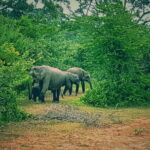
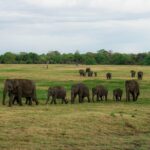
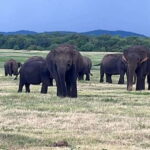
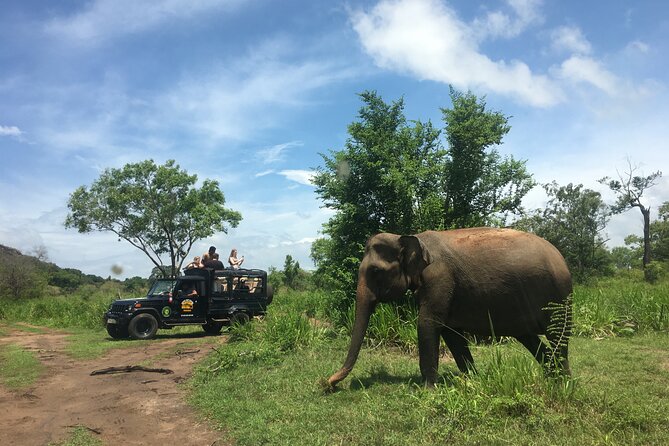
Elephants are the headline here. A half-day 4×4 Jeep safari is built around the Minneriya elephant gathering near the reservoir, plus chances at crocodiles and birds of prey.
Two things I really like: the hotel transfers from either Habarana or Minneriya (so you’re not wrangling rides), and the included breakfast with hot coffee or tea along with bottled water. The main thing to watch is budget: park admission and tax are not included in the base price.
In This Review
- Key things to know before you go
- Minneriya’s elephant gathering: what you’re really paying for
- Minneriya vs Kaudulla: same vibe, different herd locations
- Half-day timing and hotel transfers from Habarana or Minneriya
- What happens inside the Jeep: respectful driving and real animal encounters
- The best part of the itinerary: Minneriya National Park, where elephants meet the water
- Beyond elephants: crocodiles, birds of prey, and the small stuff that makes it feel real
- Price and ticket math: how the $75 base turns into the final total
- Lunch, breakfast, and what to eat before the safari
- Small-group size (max 12) and the realities of safari crowds
- Morning vs afternoon Jeep safari: how to choose your slot
- Who this safari is best for (and who should think twice)
- Should you book the Minneriya half-day safari?
- FAQ
- How long is the Minneriya half-day Jeep safari?
- Do I get to choose morning or afternoon?
- Are hotel transfers included?
- Is park admission included in the $75 price?
- How much are the National Park entrance fees?
- Is lunch included?
- What’s included in the tour?
- What animals can I expect to see?
- What’s the group size limit?
- Is free cancellation available?
Key things to know before you go
- Elephant gathering is the big draw—especially in the dry season when herds cluster around the reservoir
- Pick morning or afternoon so you can match your day (and your herd timing)
- Max 12 travelers keeps it feeling more personal than a huge public tour
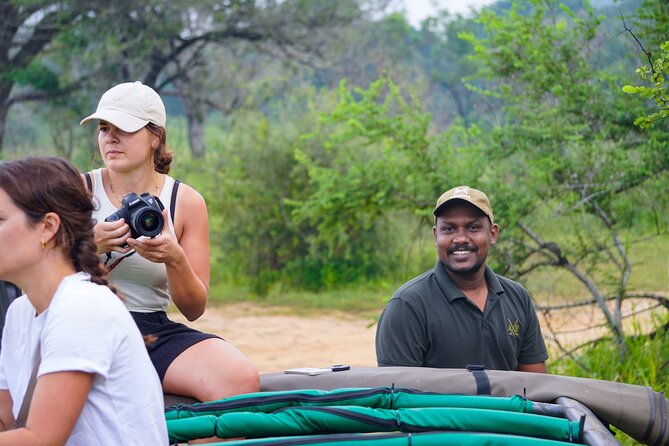
- Good guides work quietly to find elephants without turning your safari into a loud traffic jam
- Entrance fees are separate and can change the real total cost fast
Minneriya’s elephant gathering: what you’re really paying for
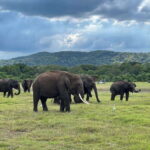
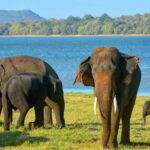
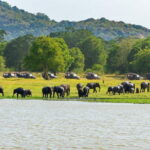
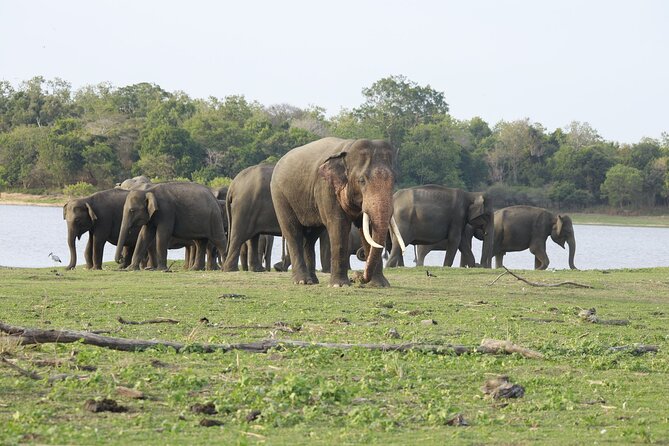
Minneriya is famous for a simple reason: when water concentrates, elephants concentrate. During the dry season, herds gather around the central reservoir area, and that’s when the safari feels most electric—because you’re watching real animals at the place they choose to be.
This half-day format matters because it’s long enough to get moving deep into the park, but short enough that you’re not spending your whole day in the seat. You’re out there for roughly 3 to 4 hours, which is a sweet spot for a wildlife outing—especially if you’ve already got other sights planned in Anuradhapura and the Cultural Triangle.
You can also read our reviews of more tours and experiences in Anuradhapura.
Minneriya vs Kaudulla: same vibe, different herd locations
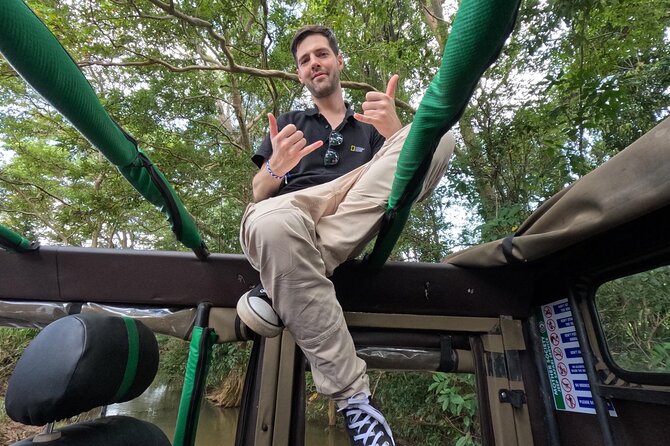
The operator runs safaris centered on Minneriya National Park with an option that can shift to Kaudulla National Park. In practical terms, this is about where the elephants are at that moment—not about changing the whole “kind” of day.
If you’re planning your schedule tightly, decide what you want most: the Minneriya scene (the classic elephant gathering focus) or the flexibility to chase where the elephants are that day. Either way, you’re still in the same 4×4 Jeep setup, with the same general promise: elephants first, then the extra wildlife if conditions cooperate.
One small budgeting thought: since park fees are charged separately, if your safari ends up centered on a different reserve than expected, you may find the entrance charges differ. I’d treat that as a normal part of the trip and confirm before pickup what park your driver is targeting.
Half-day timing and hotel transfers from Habarana or Minneriya
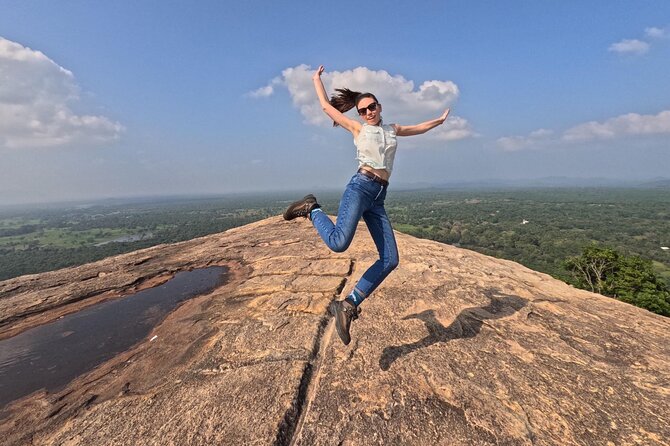
This tour is designed to be easy to plug into your stay. You get complimentary hotel transfers from either Habarana or Minneriya, and you choose a morning or afternoon safari slot.
That transfer detail sounds minor until you’ve done Sri Lanka logistics. Once you’re on the clock, it’s nice not to lose half your day negotiating a ride. For your planning, think of this as “tour time plus transit time” even though the safari itself is only half-day.
Also, keep in mind the simple reality of wildlife: weather and animal movement affect what you see. The experience is marked as weather-dependent, and if it’s canceled due to poor weather, you’ll be offered another date or a full refund.
What happens inside the Jeep: respectful driving and real animal encounters
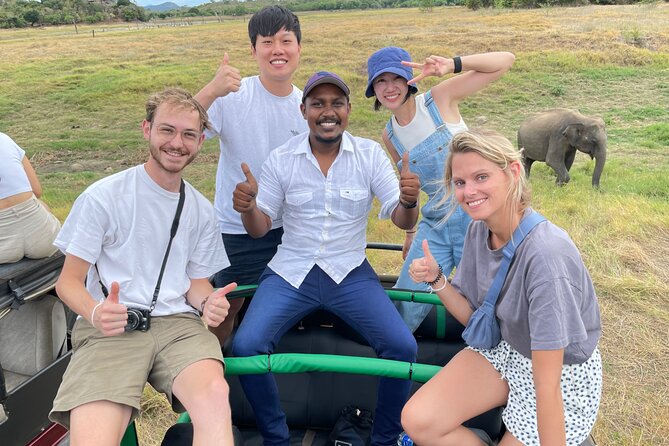
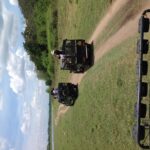
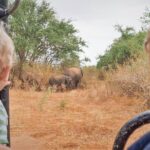
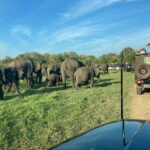
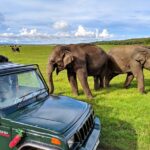
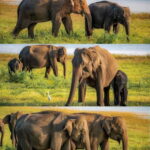
The core of the experience is a Jeep safari in a 4×4 vehicle. The goal isn’t just to drive around. It’s to position you where elephants are likely to be, then keep you there long enough to actually observe behavior—feeding, walking, social groups, and the small moments you miss when you’re rushed.
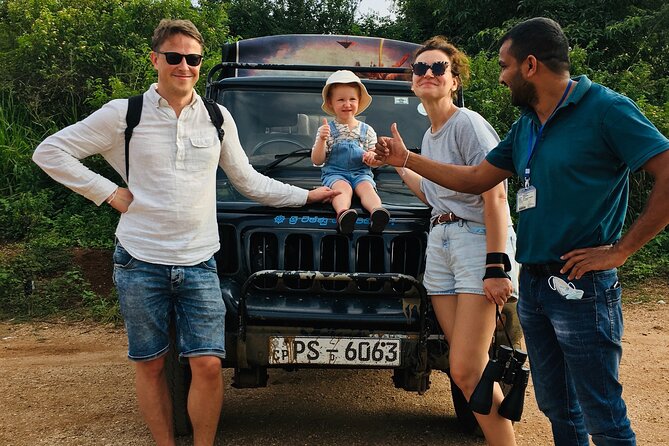
I’m especially impressed by the way strong guides handle the crowd factor. Some of the best moments in this kind of safari come from avoiding the chaotic “every Jeep for the same five seconds” situation. Guides such as Kumara and Vijith come up repeatedly for doing the opposite: seeking quieter spots and maintaining distance so the animals aren’t stressed.
That said, not every day or vehicle will feel the same. A few reports mention a Jeep that felt dirty and, in one case, a lack of detailed wildlife interpretation. So I’d go in with a realistic mindset: you’re paying for the chance to see wildlife at close range, and your guide is a big part of the quality.
The best part of the itinerary: Minneriya National Park, where elephants meet the water
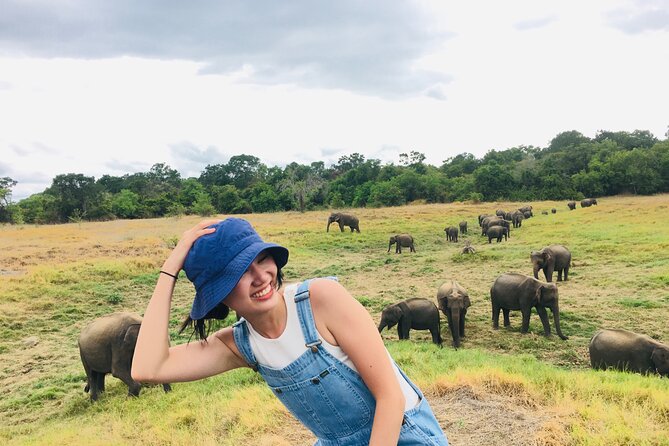
Once you reach Minneriya, the safari is focused on driving through the park’s terrain to find wildlife. The “why Minneriya” story is the reservoir area and the elephant gathering phenomenon in dry season conditions.
What you can realistically expect is a sequence: elephants first, then other species depending on where the herds move. With a good guide, you’re not just scanning the horizon—you’re getting the kind of “park reading” that helps you understand why animals are where they are (water, shade, trails).
Wildlife spotting is also where animal-friendly driving pays off. When a guide holds back and doesn’t chase, you get more natural behavior and better photo angles. When the driving is too aggressive, animals typically move away, and your sightings get shorter.
Beyond elephants: crocodiles, birds of prey, and the small stuff that makes it feel real
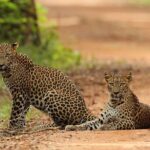
Even if elephants are your priority, this safari can reward you with variety. The experience is described as having chances for:
- Crocodiles
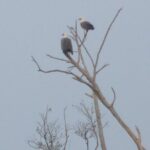
- Birds of prey (raptors)
- Deer, buffalo, and monkeys
- Various birds, plus smaller lizards
This is one reason I like a half-day format here. You’re not stuck searching for one species for hours. You might show up for elephants, and then get side surprises: a raptor circling where you didn’t expect it, or crocs near water edges.
A practical tip from the real world of safaris: if your guide is doing a calm, methodical job, don’t rush to count every sighting. Let the Jeep pause. Some of the best moments happen when the herd settles and you can watch them for a few minutes instead of constantly repositioning.
Price and ticket math: how the $75 base turns into the final total
Here’s the part people trip over: the base price is $75 per group (listed as up to 1), and admission fee & tax are not included in the National Park costs.
Park fees are listed like this:
- USD 45 per person, or USD 100 for 2 people, USD 120 for 3 people
- USD 140 for 4 people, USD 150 for 5 people, USD 165 for 6 people
That’s why the total cost can swing a lot depending on who’s in your group. Even though the safari itself is half-day, the park access fees are what make it feel like a “real-world” premium day out.
Also note: there’s an additional person charge of $25. That matters if your plans include adding a friend at the last moment.
My value test: if you’re coming with a partner, your per-person park fee can become more reasonable (based on the grouped pricing). If you’re solo, you’ll usually feel the park fee more sharply. Either way, factor the park admission into your budget before you fall in love with the idea of Minneriya.
Lunch, breakfast, and what to eat before the safari
This tour includes breakfast with coffee or tea plus bottled water. Lunch is not included, so you’ll want to eat earlier or plan something after.
For afternoon safaris, I’d treat breakfast as your main meal and bring a light snack for later if you’re the type who gets hungry in the late afternoon. For morning departures, you’re usually good to go, but confirm timing so you don’t end up skipping a full lunch.
One more practical note: if you’re the first to ask about food or drinks, you’ll get your rhythm faster. This safari style is simple—water plus breakfast is easy, but it’s not a “sit-down all-day” tour.
Small-group size (max 12) and the realities of safari crowds
This experience runs with a maximum of 12 travelers, which is one of its quiet advantages. Fewer people can mean:
- easier movement between viewpoints
- less confusion about where your Jeep is going next
- a better chance for the guide to keep a natural pace
However, the broader safari zone can still get busy. One recurring theme is that a lot of vehicles can cluster at the elephants’ gathering area. That’s not fully controllable by your driver, but a skilled guide can often reduce the time you spend in the thick of the crowd.
If you’re hoping for the “just us and elephants” feeling, you want a guide who prioritizes calm spotting over showy chasing. That’s where reports for Kumara and Vijith really matter—they’re associated with finding quieter spots and keeping respectful distances.
Morning vs afternoon Jeep safari: how to choose your slot
Both time slots can work, but the experience has an edge when you match your timing to elephant movement.
- Afternoon safaris: you might arrive right when elephants drift toward water and settle into easier viewing zones. Some guides are especially good at positioning you for late-day behavior.
- Morning safaris: you get the start-of-day energy and sometimes calmer roads inside the park, depending on conditions.
If you’re flexible, I’d pick the slot that best fits your itinerary rhythm, not the slot that “sounds” better. Then, ask your driver on the first touchpoint where they’re aiming to start within Minneriya and what they’re watching for.
Who this safari is best for (and who should think twice)
This is ideal if you want:
- Iconic Sri Lanka wildlife with elephants as the headline
- a short, focused outing rather than a full-day grind
- a setup with hotel transfers and a small group cap
- a chance at crocodiles and birds of prey, not just elephants
It might not be ideal if you expect a big, modern wildlife guide experience with deep explanation every minute. Some accounts describe limited wildlife interpretation, so if that matters to you, go in ready to ask questions and be proactive about what you want to learn.
It also might not be the best match if you’re extremely sensitive to vehicle cleanliness or crowd pressure. Most days are excellent with a good guide, but safari conditions can vary, and you’re sharing the park with other Jeeps.
Should you book the Minneriya half-day safari?
If your goal is elephants and you want a day that feels efficient and genuinely Sri Lankan, I’d say yes. This safari is built around the thing Minneriya does best: elephants at water, with the chance of crocs and raptors as bonus rewards. The small-group cap and included breakfast/water make it easier to justify the price.
But book with eyes open. The park entrance fee is separate, and your total cost depends on group size. Also, wildlife isn’t guaranteed—so choose the operator most likely to drive calmly, wait wisely, and position you well, not just drive fast.
If you’re comfortable with a short, high-impact safari day and you’re ready to pay the real entrance fee, this is a strong option.
FAQ
How long is the Minneriya half-day Jeep safari?
It runs about 3 to 4 hours.
Do I get to choose morning or afternoon?
Yes. You can select either a morning or afternoon Jeep safari option.
Are hotel transfers included?
Yes. The tour offers complimentary hotel transfers from Habarana or Minneriya.
Is park admission included in the $75 price?
No. National Park admission fee and tax are not included and must be paid separately.
How much are the National Park entrance fees?
The listed National Park admission and tax are USD 45 per person (with group rates like USD 100 for 2 people, USD 120 for 3 people, and higher tiers for larger groups).
Is lunch included?
No. Lunch is not included.
What’s included in the tour?
The package includes bottled water, and it also states breakfast with coffee or tea.
What animals can I expect to see?
You can have chances for Asian elephants, plus crocodiles, birds of prey, and other wildlife such as deer, buffalo, and monkeys.
What’s the group size limit?
This experience has a maximum of 12 travelers.
Is free cancellation available?
Yes. You can cancel for a full refund up to 24 hours in advance of the experience start time, based on local time.