REVIEW · ANURADHAPURA
Wilpattu National Park 4-Hours Safari | with Naturalist
Book on Viator →Operated by Travceylon Leisure · Bookable on Viator
Wilpattu is where your safari skills meet local expertise. I love that this trip is led by an English-speaking Naturalist-Guide, so you get help spotting more than just the headline animals. I also like the focus on Willus, the park’s natural, sand-rimmed lakes that shape how wildlife shows up.
One thing to keep your expectations grounded: leopard sightings are never guaranteed. Even with a guide scanning hard, the park’s rules of nature apply, and the timing window can feel tight if you’re hoping for a long cat-moment.
In This Review
- Key Points You’ll Care About
- Wilpattu in Plain Terms: Why This Safari Feels Different
- Meet the People: Naturalist-Guide + Experienced Driver
- Willus Lakes: The Park’s Signature Feature
- The Leopard Story: What You’re Actually Paying For
- Inside the 3-Hour Safari Loop: What to Expect From the Ride
- Wildlife Chances Beyond Leopards
- Photo Stops and Jeep Comfort: How the Stops Work
- Price and Value: Is $51 Worth It?
- Practical Tips That Make This Safari Smoother
- Who This Safari Suits Best
- Should You Book Wilpattu With a Naturalist?
- FAQ
- How long is the Wilpattu National Park safari?
- Where does the safari start and end?
- What’s included in the price?
- Are entrance fees included?
- Do I need to arrange pickup if I’m near the park gate?
- Is this tour private or shared?
- Is leopard viewing guaranteed?
Key Points You’ll Care About
- Naturalist-Guide in English helps you read tracks, trees, and behavior, not just scan for movement
- Willus lakes give the safari a real sense of place and often act like wildlife magnets
- Private safari jeep keeps the experience flexible for your group and your photo stops
- Pickup/drop-off within 5 km of the park gate reduces hassle before and after the safari
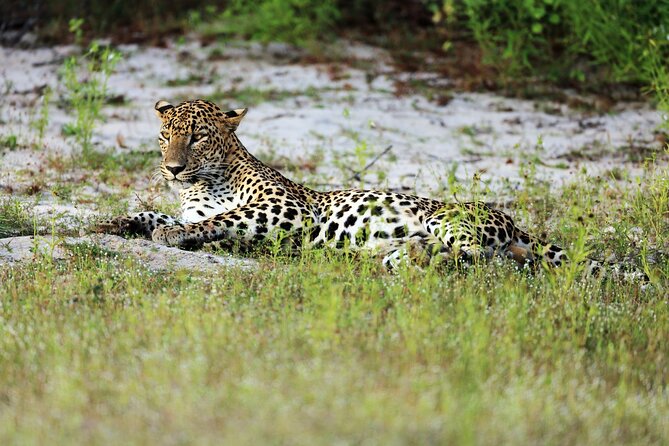
- Leopard focus matters here, since Wilpattu is known for a protected leopard population
- Expect a shorter ride window since the tour is listed around 3 hours even though it’s branded as a 4-hour safari
Wilpattu in Plain Terms: Why This Safari Feels Different
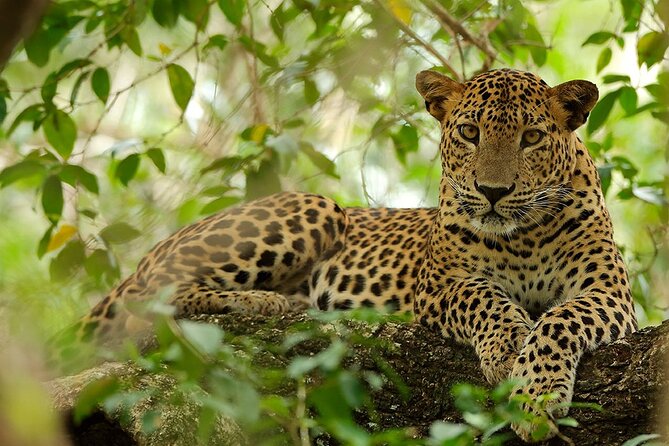
Wilpattu National Park is large, old, and built for serious wildlife watching. It covers about 1,317 square kilometers, sitting in Sri Lanka’s Northwest dry zone, and it’s known for its network of Willus—natural basins that fill with rainwater and create dramatic, ringed pockets across the park.
That “water pattern” matters for you. When an area has dozens of natural water sources, animals don’t just roam randomly; they repeat routes, linger near cover, and come back when conditions suit them. Even if you don’t see everything, the park’s layout gives your guide something concrete to work with.
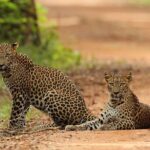
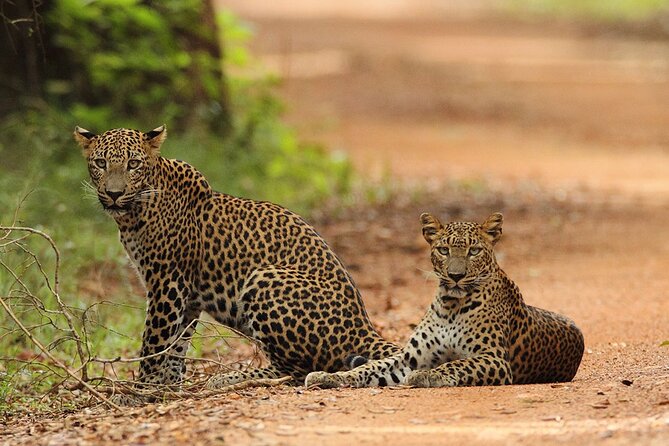
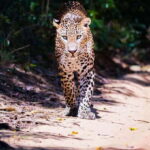
The other big reason to care is leopard country. Wilpattu is among Sri Lanka’s top parks for leopard, including the subspecies Panthera pardus kotiya. A remote camera survey run from July to October 2015 captured 49 individual leopards in the surveyed area, and the core area density was compared to block levels from Yala and Horton Plains.
You can also read our reviews of more tours and experiences in Anuradhapura.

Meet the People: Naturalist-Guide + Experienced Driver
This safari is built around an easy formula: a private jeep, plus a guide who can explain what you’re seeing. You’ll have an English-speaking Naturalist-Guide and an experienced driver, which means you’re not stuck guessing why the jeep stops where it stops.
Here’s what that changes for you in real life. When you’re in a vehicle bouncing across uneven ground, you can only do so much scanning. A good guide helps you spot wildlife faster by pointing out behavior signals—like where animals tend to pause, how birds react, and what vegetation suggests a good hiding spot.
I also like that the setup is intentionally low-stress logistically. You get water per person, and you’re not expected to figure out timing and routing on your own. The private arrangement also means you can take photos, ask questions, and adjust stops without the pace of a big crowd.
Willus Lakes: The Park’s Signature Feature
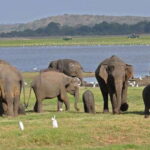
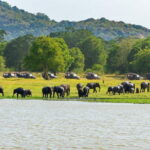
If you’ve only seen “jungle safari” photos, Wilpattu may surprise you. The park’s Willus are natural, sand-rimmed water depressions that fill with rainwater. With around 106 lakes and tanks spread across the park, the scenery isn’t one flat theme—it’s a map of small habitat pockets.
For wildlife watching, Willus matters because water is a magnet. You’ll often see wildlife behavior cluster around water edges: animals drinking, moving between cover, or using the lakeside to spot threats. Birds also tend to show themselves more near open water, and that can help you get your first wins even before a big cat appears.
You’ll also feel the difference in how the safari plays out. With Willus in the picture, the jeep loop isn’t just “drive and hope.” It’s more like “drive and read the habitat,” where your guide can connect scenery to sightings.
The Leopard Story: What You’re Actually Paying For
Leopards are the headline in Wilpattu, but the value here is how the safari is structured to maximize your odds. This park is world-renowned for its leopard population, and your guide’s job is to make your attention useful.
Still, here’s the honest part: leopard sightings are unpredictable. Even the best guide can’t force a cat to move on command. If you’re chasing a once-in-a-lifetime photo, you should go with patience and accept that sometimes you’ll only see a brief glimpse.
That said, a good safari guide can still pay off even without a perfect leopard moment. In practice, your guide is also scanning for other signs—crocodile presence, large mammals, and birds—plus flora details that help explain the ecosystem. Even if the leopard is short, your overall “wildlife hit rate” tends to be better when you have a naturalist doing the searching.
Inside the 3-Hour Safari Loop: What to Expect From the Ride
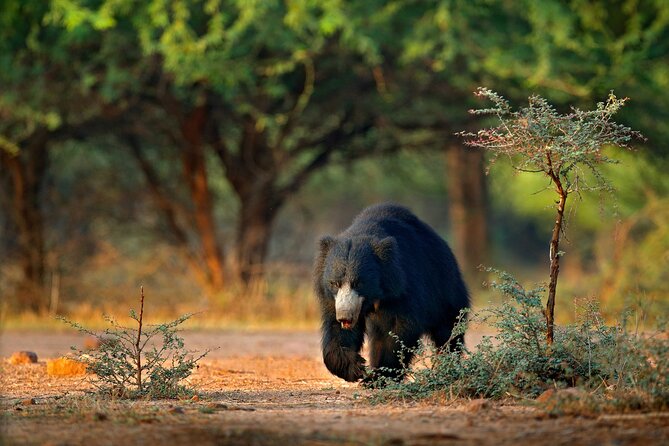
The experience is listed as a 3 hours (approx.) safari. The title calls it a 4-hours safari, so expect that the timing is more compact than the branding suggests. In plain terms, you’re getting a concentrated loop, not an all-day marathon.
That’s not automatically bad. A shorter ride often means you stay fresher and less restless, and you focus on what matters most at the moment—where animals are likely to be active. But it does create a real consideration: if you’re late due to transport issues, there may not be enough time to fully stretch the circuit.
I’d treat this as a “be on time and be ready” safari. If your driver or transfer runs behind, ask about what they can adjust, but also keep your expectations flexible. Nature doesn’t speed up for schedules, and a guide can only make tradeoffs.
Wildlife Chances Beyond Leopards
Leopards get the attention, but Wilpattu has plenty of other wildlife to look for. In this park, you can reasonably hope to spot large animals and reptiles, plus a range of birds. You should expect your guide to keep an eye on multiple categories—not just cats.
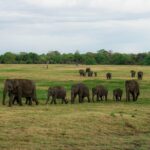
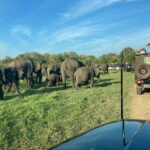
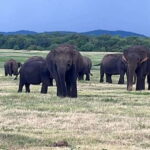
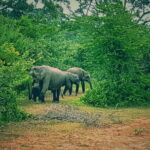
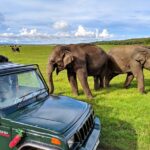
From real on-the-ground safari experiences in Wilpattu, guides often get chances to notice animals like elephants and reptiles such as crocodiles and varans. Birds can also show up regularly enough to keep you engaged even when the big cats stay quiet.
Here’s the practical takeaway: when you choose a naturalist-led safari, you’re paying for interpretation. If you only want to see animals, you might still enjoy a cheaper option. If you want to understand why sightings happen where they do—plus get help spotting wildlife you’d otherwise miss—this guide format is the advantage.
Photo Stops and Jeep Comfort: How the Stops Work
This is a private safari jeep setup. That matters because you’re not negotiating space with strangers every time you want a photo. You can ask the guide to pause for pictures, and the driver can position the jeep when it’s safe and legal to do so.
Of course, you’ll still be in a safari vehicle with bumpy ground and changing light. So think photo-practical: get your camera settings ready, keep your lens accessible, and be ready for quick moments. When wildlife moves, it can be fast and brief, so being prepared beats fumbling.
If you’re traveling with kids or you’re older, the jeep format tends to be easier than trekking-style safaris. You’re not required to hike through rough terrain to see what’s possible in the park.
Price and Value: Is $51 Worth It?
At $51 per person, this safari can feel like good value—especially because it includes the big-ticket pieces most people forget to price in. You get transport by private safari jeep, an English-speaking Naturalist-Guide, an experience driver, water, and free pickup/drop-off within 5 km of the park gate.
What’s not included is also important. Entrance fees for jeep-only bookings are paid in cash, and food and beverages aren’t part of the price. Gratuities are also not included.
So the value question becomes: do you want a naturalist-led experience that increases your odds and meaning of what you see? If yes, $51 often makes sense. If you’re purely chasing the cheapest vehicle ride and you don’t care about interpretation, you might feel the cost more.
Also watch the “time window” reality. Since it’s around 3 hours, you’re paying for concentrated time inside the park. That can be ideal, but don’t budget your energy like it’s an all-day outing.
Practical Tips That Make This Safari Smoother
Wilpattu is a park where weather and timing affect the day. The tour notes that it requires good weather, and if it’s canceled for poor conditions, you should be offered a different date or a refund.
Here’s how you set yourself up for a smoother safari:
- Plan to arrive early enough that you’re not stressed at the gate. The timing is compact.
- Bring a light layer if the mornings feel cool and use sun protection for the open stretches.
- Bring water even though you get one bottled water per person; safari days can run longer than you think.
- Have cash ready for entrance fees if you’re doing jeep-only entry.
- If leopard is your priority, go with patience and focus on the guide’s broader wildlife scanning, too.
If you want the best experience, pick this when you like wildlife and you prefer learning. If you just want a quick look with no guide-led explanations, you might find another format more efficient.
Who This Safari Suits Best
This trip fits a lot of travel styles, but it shines for specific types of visitors.
You’ll likely enjoy it if you:
- Want leopard-focused safari odds in a park known for protected leopard populations
- Like a guide who can explain what you’re seeing and help you notice more
- Prefer a private jeep pace instead of a crowd
- Appreciate Willus lakes as part of the safari story, not just a scenic add-on
It’s also a good choice for people who want a wildlife day without taking on a full-day commitment. You get a structured, guided experience that’s long enough to matter, but short enough to keep your day moving.
Should You Book Wilpattu With a Naturalist?
I’d book this safari if you care about maximizing sightings while also understanding what’s happening in the habitat. The combination of an English-speaking Naturalist-Guide, private jeep, Willus context, and the park’s real leopard reputation makes the experience feel purposeful, not random.
Skip it or reconsider if you need a long, slow safari day, because the ride window is listed at about 3 hours. And if leopard is the only reason you’re going, stay realistic—nature can be stingy with cats even when the conditions are right.
If you want a well-run, wildlife-forward half-day in one of Sri Lanka’s biggest leopard parks, this is a solid choice.
FAQ
How long is the Wilpattu National Park safari?
The tour runs for about 3 hours (approx.), even though it’s branded as a 4-hour safari.
Where does the safari start and end?
It starts and ends back at the Wilpattu National Park meeting point.
What’s included in the price?
Included are transport by a private safari jeep, an English-speaking Naturalist-Guide, an experience driver, free pickup/drop-off within 5 km of the park gate, and a water bottle per person.
Are entrance fees included?
Entrance fees for jeep-only bookings are not included and must be paid in cash.
Do I need to arrange pickup if I’m near the park gate?
If you’re within a 5 km radius of the park gate, pickup and drop-off are free.
Is this tour private or shared?
It’s private, meaning only your group participates.
Is leopard viewing guaranteed?
No. The safari is focused on wildlife spotting, including leopard in Wilpattu, but sightings are not guaranteed.