REVIEW · USHUAIA
Ushuaia Shore Excursions Tierra del Fuego National Park
Book on Viator →Operated by Ushuaia Shore Excursion · Bookable on Viator
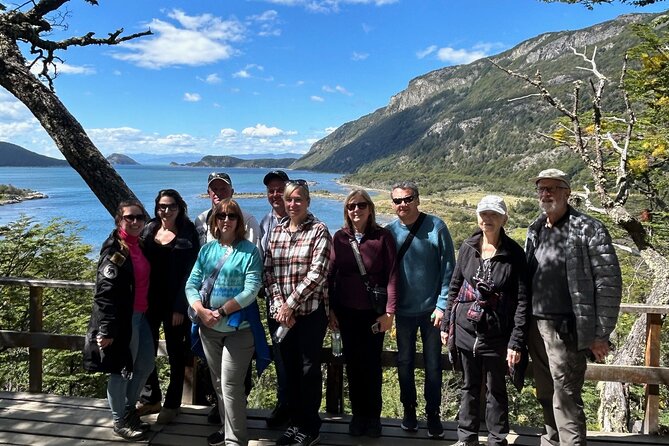
Beat the crowds, then hit the world’s end. This Ushuaia shore excursion is built around Tierra del Fuego National Park with multiple photo-and-story stops, plus a short city drive that helps you get your bearings fast. I like the way the day moves at a human pace, especially in a group capped at 18, so you spend more time looking at the scenery and less time waiting.
Two big wins for me: you get a sequence of park areas that covers both famous landmarks and quieter corners, including a picnic stop in the Cañadon del Toro region. And you’re not just handed a bottle of water—there are warm drinks (coffee, tea, mate cocido, even chocolate milk) and local alfajores as part of the stop for a proper break.
One thing to plan around: weather can change the day. On rainy or foggy days, visibility drops and even the picnic window can feel shorter or less comfortable than you hoped.
In This Review
- Key things to know before you go
- Tierra del Fuego with a small group and a real pace
- Ensenada Zaratiegui and the End of the World Post Office
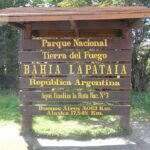
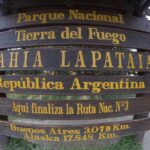
- Lapataia Bay: the end of Route 3 and the Pan-American Highway
- Lake Acigami: a short interpretive walk on the Argentina–Chile line
- Cañadon del Toro picnic: why this is the stop people remember
- A short loop through Ushuaia: seeing more than the main street
- Price and what you’re really paying for (the park fee matters)
- Weather planning: how to enjoy it when the sky doesn’t cooperate
- Who should book this Ushuaia shore excursion
- Should you book it?
- FAQ
- Is the Tierra del Fuego National Park fee included in the $120 price?
- What snacks and drinks are included during the picnic?
- Where do you meet in Ushuaia?
- How long is the excursion?
- Will the End of the World Post Office be open?
- What happens if the tour needs to be canceled?
Key things to know before you go
- Small group size (max 18): more flexibility and quicker movement than the big-bus rhythm.
- Mandatory park fee: plan on paying about $30 USD (credit card) at the park entrance.
- Four main park stops: Ensenada Zaratiegui, Lapataia Bay, Lake Acigami, and Cañadon del Toro.
- Food is part of the experience: alfajores plus coffee/tea/mate cocido/chocolate milk with picnic-style timing.
- Route 3 and Pan-American Highway history: Lapataia Bay is an easy place to connect the dots of where you are.
- Post Office access is not guaranteed: the End of the World Post Office may or may not open depending on the postman.
Tierra del Fuego with a small group and a real pace
Ushuaia sits at the edge of the South Atlantic, and Tierra del Fuego feels like the natural next step—windy, dramatic, and full of “how is this real?” moments. What makes this tour worth your time is the way it runs: a small air-conditioned vehicle, early movement out of the port area, and a schedule designed around short stops you can actually enjoy instead of rushing through.
You also get the benefit of guides who know how to talk like a human. People mention guides such as Guillermo, Federico, Maru, Pablo, Giselle, and Gui, and the common theme is the same: they connect what you’re seeing to local geography and culture, then adjust when conditions change. On clear days, that means panoramic viewpoints. In bad weather, it means you still leave with context, even if photos don’t look postcard-perfect.
The day clocks in around 4 hours 30 minutes total, and the pacing feels realistic for the kind of terrain you’re moving through. If you’re on a cruise and you want more than a checklist, this format tends to click.
You can also read our reviews of more tours and experiences in Ushuaia.

Ensenada Zaratiegui and the End of the World Post Office
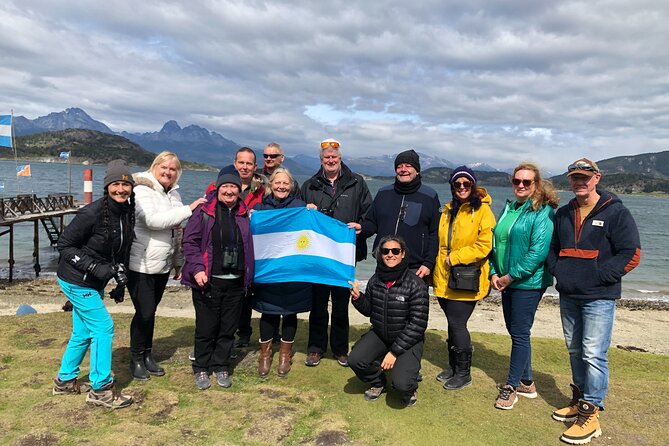
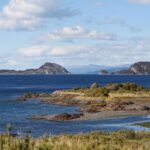
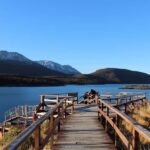
Your first park stop centers on Ensenada Zaratiegui, a spot that works on multiple levels. Yes, you get a great view out toward Isla Redonda and the Sampaio Mountains (Chile side). But it’s also one of those places where Ushuaia’s “end of the world” branding actually makes sense geographically.
You may also have a chance at the End of the World Post Office. Here’s the key detail: it’s not a guaranteed open-and-stamp every time situation. The post office depends on whether the postman decides to open it. So treat it like a bonus, not a must-do.
Even if you’re not sending postcards, I think this stop is worth it because it’s the first moment your brain fully switches into Patagonia mode. You’re no longer in “port sightseeing” land. You’re standing somewhere that feels remote, and you can see why the area has long held a fascination for explorers, locals, and visitors alike.
Practical tip: dress for wind at this stage of the day. It often feels colder once you’re in the open viewpoints.
Lapataia Bay: the end of Route 3 and the Pan-American Highway
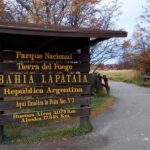
Lapataia Bay is one of the best “this place has a story” stops on the route. It’s tied to geography in a very direct way: this is where National Route N°3 ends, and where the Pan-American Highway reaches its southern limit.
That matters because your photos here are better when you understand what you’re looking at. You’re seeing a shoreline that sits at the physical end of a long, symbolic network of roads. It turns the drive story into a place story.
There’s also an Indigenous layer. You’ll visit archaeological sites linked to the Yamanas, the Indigenous people associated with this region. This is the kind of stop where good guiding pays off, because it’s not just about “standing somewhere.” It’s about understanding how people lived here and what parts of the landscape meant to them.
If you like history that’s grounded in real ground you’re standing on, Lapataia Bay hits that sweet spot.
Lake Acigami: a short interpretive walk on the Argentina–Chile line
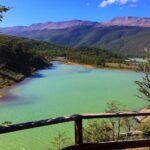
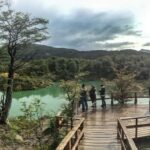
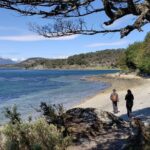
Next comes Lake Acigami, and the draw is simple: it’s a crystalline lake shared by Argentina and Chile. That border-through-nature idea can sound abstract until you’re there, looking at the water and feeling how the landscape doesn’t follow lines people draw on maps.
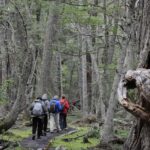
You’ll take a short interpretive walk. It’s not meant to turn your day into a hiking workout. It’s a guided pace that helps you notice what you would otherwise miss—how the area looks in different light, how the shoreline shapes the scene, and how the border concept shows up in everyday geography.
This is also a great stop for travelers who don’t want the day to revolve only around views from a bus window. You get one small “step into the world” moment.
If weather is gray, Lake Acigami can still be beautiful, but expect less photo clarity and more mood. The tour still works because it’s built for learning what you can see.
Cañadon del Toro picnic: why this is the stop people remember
Cañadon del Toro is described as a less visited area, and I get why. Big bus routes often cluster around the obvious stops, but this tour pushes you toward a quieter pocket where your time feels more personal.
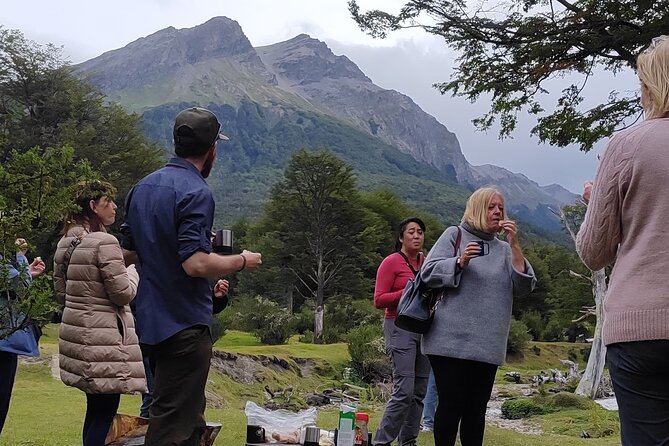
Here, the big feature is a picnic with local pastries—alfajores with dulce de leche (and also alfajores de maicena). Drinks are part of the break too: coffee, tea, mate cocido, and chocolate milk. Add one bottle of Ushuaia glacier water per person, and it becomes a proper mid-day reset rather than a snack you eat on the move.
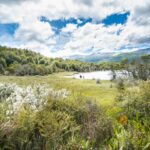
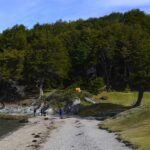
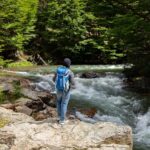
The picnic setting is often the highlight in the way it’s described by people who’ve taken it. Some mention a riverside area with wild horses nearby. That doesn’t mean you’ll always spot them, but it’s a good sign you’re not eating in a generic parking-lot moment.
Weather is the one wildcard here. In rain, the picnic portion can feel less comfortable or get shortened, and visibility can be reduced (including issues like foggy or dirty vehicle windows on the drive). Still, even then, you usually get the most “Patagonia realness” during this break.
Tip for comfort: wear layers. Even if it’s sunny in the morning, wind can sneak in and make your hands cold while you’re waiting.

A short loop through Ushuaia: seeing more than the main street
After the park, you get a brief city drive that helps the day feel complete. On the way out from the port, you’ll see the western area of Ushuaia. Then on the return, the tour takes another route so you can get a feel for parts of the city that aren’t just the most obvious tourist strip.
This part is only around 30 minutes, so don’t expect a full city walking tour. But it’s enough to pick up orientation: where the waterfront energy is, where neighborhoods sit against the hills, and what kind of town Ushuaia is beyond the cruise terminal.
It also helps if you’re trying to decide what to do after the excursion ends. Even a short drive can tell you which direction you’ll want to wander on your own.
Price and what you’re really paying for (the park fee matters)
The tour price is $120.00 per person for about 4 hours 30 minutes. On paper, that’s not “cheap.” In practice, it often feels fair because you’re paying for a guided small-group experience plus a structured day that includes time at multiple park areas—not just one viewpoint and done.
The key financial detail: the national park entrance fee is mandatory and not included in the base price. You pay it directly when you enter the park, about $30 USD via credit card (listed as ARS30,000.00 per person). Plan on handling that separately so you don’t get surprised mid-day.
What you do get for the base price is tangible:
- an air-conditioned vehicle
- picnic-style snacks with coffee, tea, mate cocido, chocolate milk
- alfajores (including dulce de leche and maicena)
- bottled Ushuaia glacier water (one per person)
So the value calculation is: you’re not only paying for transport and guide talk. You’re paying for organized time in the park plus the comfort of a real break built into the schedule.
Weather planning: how to enjoy it when the sky doesn’t cooperate
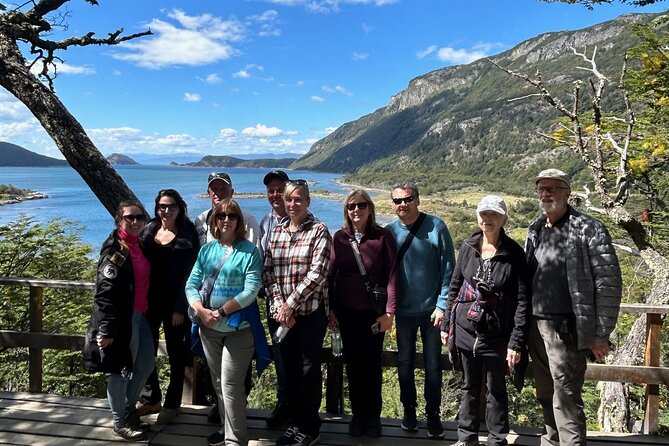
Tierra del Fuego can be unpredictable. This tour explicitly requires good weather, and you’ll want to take that seriously. On rainy days, the biggest impact tends to be visibility—views through the vehicle can be less clear—and comfort during the picnic break.
That said, guides appear to do a lot of on-the-fly adjustment. People describe the experience as still enjoyable even with bad weather, mainly because the guide keeps the stops meaningful and uses the time for explanations, flora and fauna pointers, and cultural context.
My best advice is boring but true:
- bring a rain layer (not just a light umbrella)
- wear warm socks and layers you can add quickly
- bring a small towel or something to wipe hands (your vehicle windows and surfaces can get damp)
- don’t rely on one perfect photo; aim for a few “different mood” shots
If the tour is canceled due to poor weather, you’re offered a different date or a full refund. That safety net is important in a place where conditions can shift fast.
Who should book this Ushuaia shore excursion
This is a strong fit if you want:
- a small-group day (max 18) that moves faster than large buses
- a guided introduction to Tierra del Fuego without turning it into a long hike
- a picnic that’s actually part of the experience, with mate cocido and alfajores
- history and Indigenous context at stops like Lapataia Bay
It’s also a good idea if you’re limited by cruise timing. The route is built around a port day, and the city loop gives you enough extra local context to make your arrival feel less random.
On the other hand, if your trip hinges on a specific “postcard weather” photo, you should expect to work with the day Mother Nature gives you. Weather isn’t a minor detail here—it’s part of the experience.
If you’re the type who enjoys learning on the go, the guided format will feel satisfying. If you only care about the biggest views and dislike any educational talk, you might wish for more free time at fewer stops.
Should you book it?
I’d book this if you’re visiting Ushuaia and want Tierra del Fuego with less crowd pressure and more meaning per stop. The tour’s biggest strengths are practical: small group size, multiple park highlights in one day, and a well-timed picnic break with warm drinks and local sweets. It’s also reassuring that the day can be adjusted when weather turns.
I’d pause before booking if you’re traveling in a season when rain and fog are common and you hate uncertainty around visibility. In that case, pack for comfort and be ready to enjoy the day even if the skies don’t cooperate.
One more real-world hint: this kind of port-day excursion tends to get snapped up early. The average booking lead time is about 118 days, so if your cruise dates are fixed, plan ahead.
FAQ
Is the Tierra del Fuego National Park fee included in the $120 price?
No. The park entrance fee is mandatory and is paid directly when you enter the park. It is about $30 USD via credit card (listed as ARS30,000.00 per person).
What snacks and drinks are included during the picnic?
You’ll have a picnic with options including coffee, tea, mate cocido, and chocolate milk. Alfajores are included, with dulce de leche and maicena.
Where do you meet in Ushuaia?
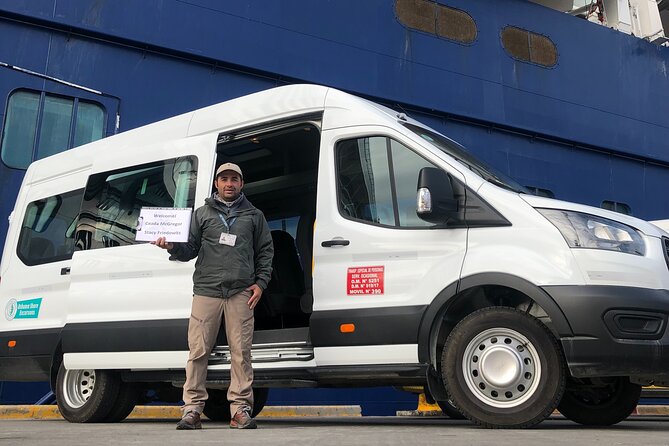
The start point is Puerto Comercial Ushuaia, Av. Prefectura Naval Argentina, V9410 Ushuaia, Tierra del Fuego, Argentina. Pickup is offered within the site’s operating window listed as 7:30 AM to 9:00 PM.
How long is the excursion?
The tour is approximately 4 hours 30 minutes total, with about 4 hours in the national park and around 30 minutes for the city drive.
Will the End of the World Post Office be open?
It may be open, but it depends on whether the postman decides to open it.
What happens if the tour needs to be canceled?
The experience requires good weather. If it’s canceled due to poor weather, you’ll be offered a different date or a full refund. You can also cancel for a full refund up to 24 hours before the experience starts.