REVIEW · MAUI
Road to Hana Halfway and Haleakala National Park
Book on Viator →Operated by Aloha Eco Adventures · Bookable on Viator
One long Maui day, two big worlds. You’ll start up at Haleakalā National Park (10,023 feet) with views over a massive volcanic crater, then work your way back down toward Paia and the Road to Hana highlights like Ho’okipa turtles, rainbow eucalyptus, and the Ke‘anae peninsula. I especially liked the Haleakalā summit access and the small-group size that keeps the day feeling personal instead of rushed.
The one thing to think about is the driving: the Road to Hana portion is curvy, and if you’re sensitive to motion you may want to plan for that. Long days can also stack up fast—this tour runs about 10 hours, so you’ll want snacks and downtime to stay comfortable.
In This Review
- Key highlights to know before you go
- A 10-hour Maui day that stitches Haleakalā to the Road to Hana
- Haleakalā summit at 10,023 feet: volcano views and rare silversword plants
- Haleakalā crater and the Pa Ka‘ōao trail: the overlook that’s worth the short hike
- Haleakalā observatory at Science City: why “seeing the sky” is a real thing
- Ho’okipa Beach Park: turtles, windsurfing winds, and a great reset
- Road to Hana halfway: waterfall walls, rainbow eucalyptus, and the bamboo cathedral
- Ke‘anae Point and the 1860 church: lava views plus real rural culture
- Pua‘a Ka‘a State Park falls: the last water show and swim-at-your-own-risk timing
- Price and comfort: what you’re really paying for at $259
- Who should book this tour, and who might want to choose differently
- Should you book this Haleakalā + Road to Hana Halfway day?
- FAQ
- How long is the tour?
- What does the tour cost?
- What pickup options are available?
- Where does the tour start?
- Is the tour limited to a small group?
- What is included during the day?
- What is not included?
- What is the cancellation policy?
Key highlights to know before you go
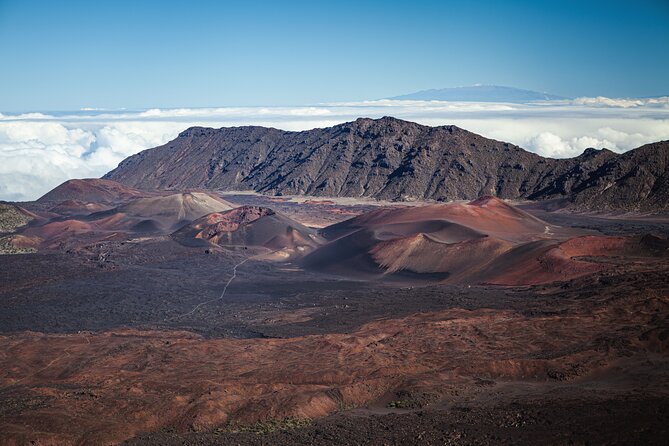
- Haleakalā summit at 10,023 feet with exclusive-permitted tour access for the high point of the day
- Short crater walk to a better overlook on the Pa Ka‘ōao Trail (about 0.4 miles total)
- Observatory stop at Science City near 10,000 feet, run by the University of Hawai‘i
- Ho’okipa Beach Park for honu (green sea turtles) and legendary windsurfing winds
- Road to Hana halfway photo stops like rainbow eucalyptus and the bamboo tunnel near mile marker 6.7
- Max 11 travelers in a van that still feels like a group, not a bus
A 10-hour Maui day that stitches Haleakalā to the Road to Hana
This is a combo tour that’s built for first-timers and repeaters who want both sides of Maui in one go. You get the big altitude moment at Haleakalā first, then you pivot into the Hana side: waterfalls by the roadside, windward beaches, and the kind of vegetation changes that make the drive feel like a different island every few minutes.
The timing matters. One recent day ran from about 9 am to roughly 4:30 pm, and the flow is designed so you don’t spend hours waiting at each stop. With a maximum of 11 travelers, you’re less likely to feel like you’re fighting the crowd for a good photo angle.
You can also read our reviews of more tours and experiences in Maui.


Haleakalā summit at 10,023 feet: volcano views and rare silversword plants
The day starts with the main event: Haleakalā National Park and a climb up to the summit area at 10,023 feet. What I’d expect you to care about here isn’t just elevation—it’s scale. Haleakalā is a dormant shield volcano, and from the top you’re standing in a high-altitude world that feels stark and otherworldly compared with the coast.
This tour is offered by one of only a limited number of permitted companies for Haleakalā tours, which is your clue that you’re not just getting a casual drive-by. At the summit, you’re there for the classic Haleakalā reasons: crater views, the rare endemic silversword plants (found nowhere else), and the sunrise-style timing that this park has inspired visitors to chase since the 1800s.
One practical benefit: parking fees to Haleakalā National Park are included, so you don’t get hit with surprise costs while you’re still wrapping your head around the day.
Haleakalā crater and the Pa Ka‘ōao trail: the overlook that’s worth the short hike
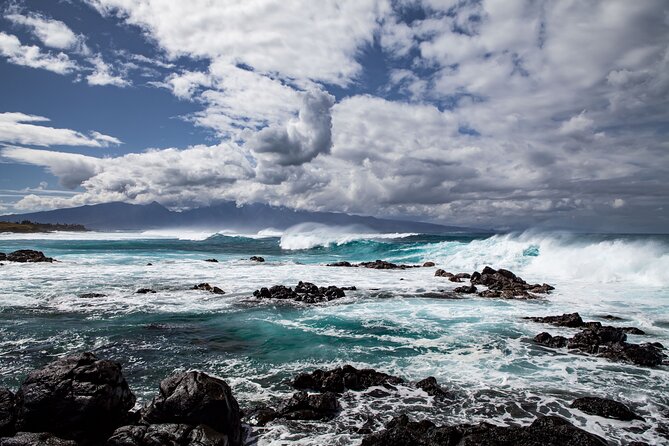
Next you head into crater country at Haleakalā Crater, where the numbers alone help you understand why people keep talking about this place: about 11.25 miles across, 3.2 miles wide, and dropping nearly 2,600 feet. That’s a lot of empty space to look into from above.
The tour includes a short walk on the Pa Ka‘ōao Trail, also called the White Hill Trail. It’s only about 0.4 miles total (described as a short hike from the visitor center to an elevated overlook). The big value here is the viewpoint upgrade: the views from up on that mound are said to be significantly better than what you see right at the visitor center.
If you’re trying to decide how much walking is too much on vacation, this stop is a good middle ground. It’s short enough for most people, but you’re rewarded with a vantage point that actually changes what you see.
Haleakalā observatory at Science City: why “seeing the sky” is a real thing
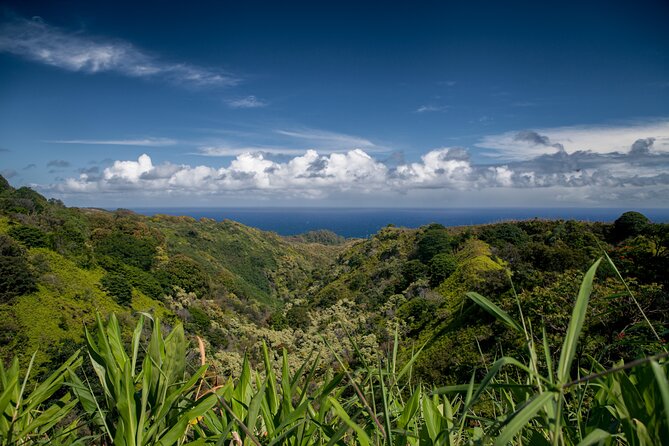
At about 10,000 feet, the Haleakalā High Altitude Observatory is often called Science City. The reason this place matters is practical: high-altitude air, plus a near absence of light pollution, makes it a serious site for astronomical research.
This stop is where the tour leans into science without getting overly technical. You get 30 minutes to see the observatory complex from visitor areas. Even though the facility itself is dedicated to research, being at this altitude and in this kind of darkness on a clear day is exactly why the observatory was built in the first place. It’s also operated and managed by the University of Hawai‘i across 18 acres.
If you like the idea of Maui being more than just beaches and clouds, this stop gives you a different angle—literally and figuratively.
Ho’okipa Beach Park: turtles, windsurfing winds, and a great reset
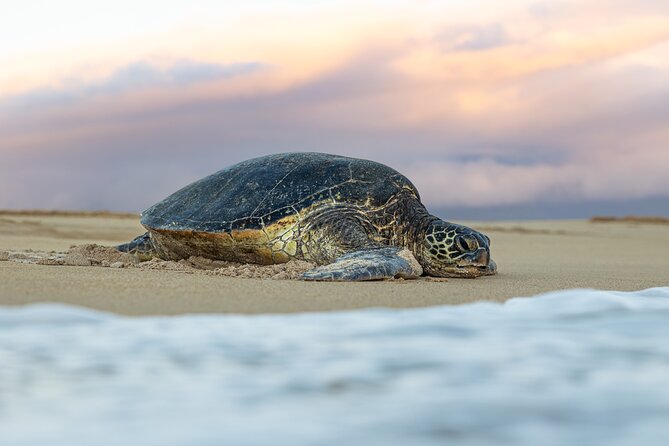
After the altitude, Ho’okipa feels like a full reset. This is one of the best-known stops on the Road to Hana side, and it’s famous for two things: consistent trade winds for windsurfing, and Hawaiian green sea turtles (honu) basking on shore.
Meaning: you can show up for the beach views, watch athletes carve through the water, and also keep an eye out for turtles on the sand. The beach itself is a dramatic crescent east of Paia, so even when the water is calm, the coastline photos don’t need a filter.
This is also a good “breather” stop in the schedule. You only spend about 20 minutes, but that’s enough time to scan for honu and get a couple of solid shots without turning the day into a long waiting game.

Road to Hana halfway: waterfall walls, rainbow eucalyptus, and the bamboo cathedral
Now you’re in the real Road to Hana rhythm: pullouts, roadside views, short photo windows, and lots of changes in vegetation as the road rises and falls.
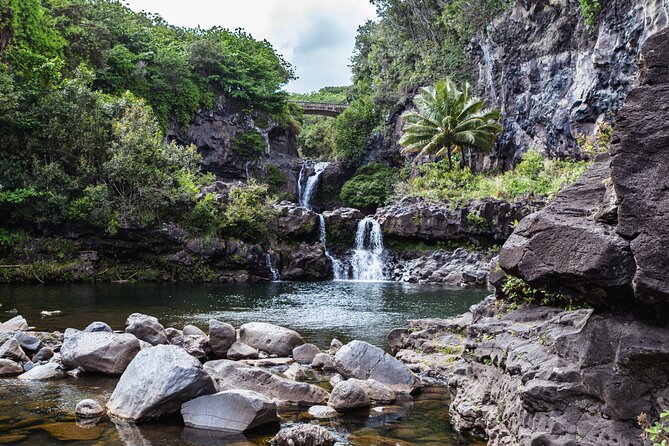
You’ll hit a stretch centered on waterfall walls—the kind of narrow, curtain-like drops that look especially good after heavier rain. If you get a wet day, the waterfalls look like they’re constantly refreshing instead of slowing to a trickle. If you get a dry day, you still get the lush “rainforest drive” feeling, but it’s more about greenery and motion of the water in smaller lines.
Then come two of the most camera-friendly roadside stops:
- Eucalyptus rainbow trees near mile marker 7, where the bark peels to show multiple layers of color—green, orange, red, purple, and yellow. The bonus here is that you don’t need to walk far. You see it from the vehicle window as you cruise.
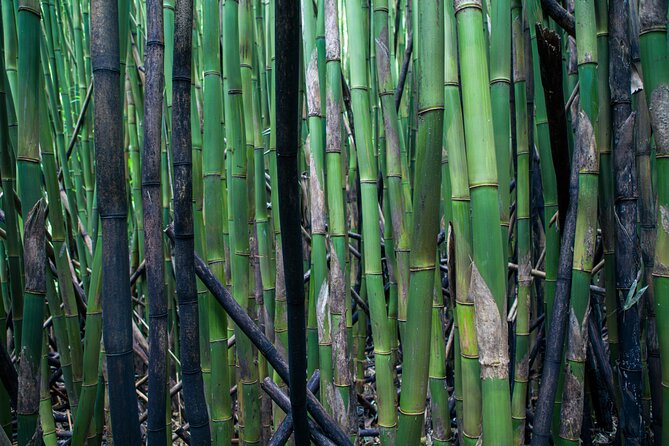
- The bamboo forest near mile marker 6.7, described as a dense bamboo tunnel. It feels like a green corridor, and it’s the kind of stop you’ll remember even if you don’t get a perfect photo.
And yes—both of these are quick stops. That’s their best trick. They’re memorable without chewing up your energy when the day is already long.
Ke‘anae Point and the 1860 church: lava views plus real rural culture
One of the most meaningful Road to Hana stops is Ke‘anae Point. This is a peninsula with a half-mile-long finger of ancient lava extending into the Pacific, plus taro fields that are still cultivated by local families.
The tour highlights cultural pieces as part of the scenery, not as a separate add-on. You’ll see traditional taro fields, black lava rock formations, and the Lanakila Ihiihi O Iehova O na Kaua Congregational Church, built in 1860. It’s a reminder that this stretch of Maui isn’t just dramatic geology—it’s lived-in island life.
Also, yes, there’s time for food. You’ll have the chance to buy Aunty Sandy’s banana bread, which is one of those small stops that turns into a quick vacation moment. Even if you’re not a big foodie, this is a nice break from the driving and a tasty payoff for the time on the road.
Pua‘a Ka‘a State Park falls: the last water show and swim-at-your-own-risk timing

The final Road to Hana stop in this day is Pua‘a Ka‘a State Park, paired with views of two waterfall spots along the way. First up is the Waikane Falls, also called Three Bears Falls, visible right from the highway between mile markers 19 and 20. Then you go on to Pua‘a Ka‘a Falls in the Pua‘a Ka‘a State Wayside Park at mile marker 22.5.
This is the point where the rainforest look gets extra lush in the photos: dense greenery, cascading water, and pools below. The tour gives about 30 minutes here, long enough to walk the park area, take pictures, and decide whether you want to cool off.
Swimming is mentioned as at your own discretion, so treat it like a practical decision, not a guarantee. If you’re traveling with kids or you don’t love slippery rocks, you might just enjoy the views and skip the water.
Price and comfort: what you’re really paying for at $259
At $259 per person, you’re not buying just a list of stops. You’re buying a planned day that includes the hard parts: timing around Haleakalā and a lot of transportation between viewpoints that are hard to stitch together yourself in one day.
Here’s what the tour covers that adds up:
- Bottled water, plus local juices, soda, seltzers, and snacks all day
- A big snack assortment (bars, trail mix, nuts, chips, and more)
- Parking fees to Haleakalā National Park
- Observatory admission included
- Many other stops are built in with admission costs marked free
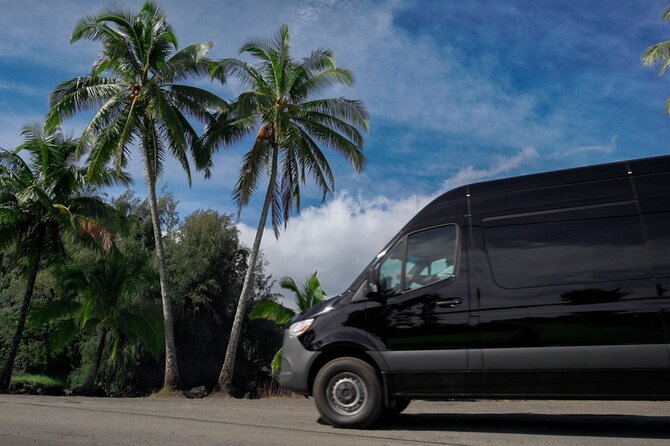
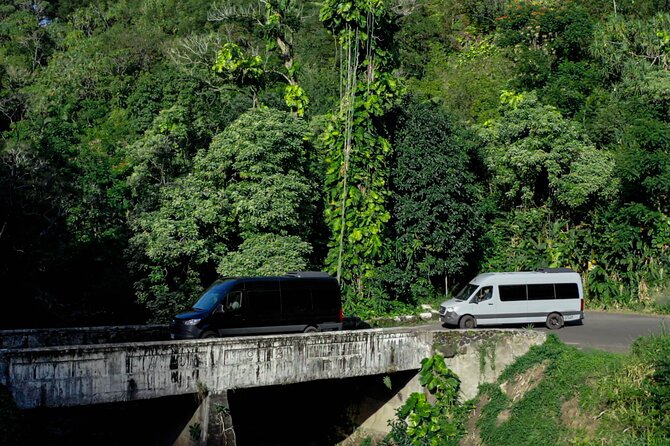
The driving setup also matters. You’re in a comfortable van for a max of 11 travelers, which usually means more legroom and fewer bathroom-rush moments than bigger buses. And the day is paced so you’re not stuck for long stretches without something to look at.
One more detail I’d file under value: guide quality. On this kind of day, the difference between okay and great is the story you get while you’re riding. In the feedback I saw, guides like Chad (highly knowledgeable and informative) and Shelly (a lifelong Maui resident with cultural context) came through as standout parts of the experience. That matters because you’re spending hours in the car—so hearing what you’re seeing changes the whole trip.
Who should book this tour, and who might want to choose differently
This tour is a good fit if you want:
- Haleakalā and Road to Hana in one day without figuring out timed entry, driving, and parking
- lots of photo stops with short walking, plus one short trail
- a small group setting with snacks and drinks included
- cultural stops like Ke‘anae, not just waterfalls and beaches
You might hesitate if:
- you’re very motion-sensitive on curvy roads (plan ahead for that)
- you want a more relaxed pace with longer time at fewer stops
- you can’t handle a full day away from your hotel
Should you book this Haleakalā + Road to Hana Halfway day?
I’d book this if your Maui wish list includes both the high-altitude volcano moment and the Road to Hana highlights. The price makes sense when you factor in the included snack-and-drink setup, the Haleakalā parking coverage, and the observatory access. Plus, the small-group van keeps the day from feeling like a factory tour.
If you’re prone to motion sickness or you’d rather do Haleakalā at a slower pace, it may feel like a lot in one go. But for most first-time visitors, it’s a strong way to turn one vacation day into two Maui experiences that are hard to match.
FAQ
How long is the tour?
It runs about 10 hours (approx.).
What does the tour cost?
The price is $259.00 per person.
What pickup options are available?
Pickup is offered, and you’ll receive details for selecting a hotel location on the correct side of the island (West side: Lahaina, Kaanapali, Kapalua; South side: Wailea, Kihei, Makena; Central side: Kahului).
Where does the tour start?
The listed start point is the Ritz-Carlton Maui, Kapalua at 1 Ritz Carlton Dr, Lahaina, HI 96761.
Is the tour limited to a small group?
Yes. The maximum group size is 11 travelers.
What is included during the day?
Included items are bottled water, local juices, soda, seltzers, and snacks. Parking fees to Haleakala National Forest are included, and observatory admission is included.
What is not included?
A driver gratuity is not included (15–20% is recommended).
What is the cancellation policy?
You can cancel for a full refund up to 24 hours before the experience’s start time. If canceled within 24 hours, the amount paid is not refunded. The experience requires good weather and may be rescheduled or refunded if canceled due to poor weather.