REVIEW · USHUAIA
USHUAIA | Tierra del Fuego National Park & Optional Train
Book on GetYourGuide →Operated by Patagonia Dreams · Bookable on GetYourGuide
The road ends in wild wind and ice. This 5-hour trip is interesting because it takes you to the symbolic End of the World area, right where the Pan-American Highway gives up. I especially like the guaranteed photo moment at the iconic milestone sign, plus the option to ride the historic prisoner-era train through Fuegian forest. One drawback to plan for: the key stops can be crowded at the same time, so you may have to share the view.
The pacing is good for a half-day: hotel pickup around 7:30 AM, a short drive west, and then guided time in the park with small walks and viewpoints. I also like that the guide connects the scenery to real places, like Ensenada Bay’s southernmost post office and the indigenous Yámana traces you can still notice. Just know this is mostly outdoors, so you’ll want warm layers and real walking shoes.
In This Review
- Key things that make this tour work
- Entering Tierra del Fuego National Park (the point isn’t just distance)
- The optional prisoner-era train: worth it for the atmosphere, not for comfort
- Ensenada Bay: where the photo is nice, but the postcard feels extra
- Guided hikes and wildlife spotting without overdoing it
- Acigami (Roca) Glacier Lake: shared with Chile, framed by mountains
- Lapataia Bay and the Pan-American Highway end sign: the milestone moment
- Price, park fees, and the real value math
- Transfers and drop-offs: you won’t go back to your hotel the same way
- What to pack for this Ushuaia day (warmth is the main currency)
- Who should book this tour, and who should think twice
- Should you book this End of the World tour from Ushuaia?
- FAQ
- How long is the tour?
- Where does the tour start?
- Is hotel pickup included?
- Is the return transfer to my hotel included?
- Do I have to pay the national park entry fee?
- Is the train ride included?
- What happens if I don’t take the train?
- What should I bring?
- What languages is the guide available in?
- Are pets and large luggage allowed?
Key things that make this tour work
- True End of the World photo stops: milestone marker and the Pan-American Highway end sign at Lapataia Bay
- Optional vintage train ride: a 60-minute journey once used by prisoners, through pristine Fuegian forest
- Ensenada Bay postcard moment: the southernmost post office in the Americas lets you mail a card from the edge
- Short guided hikes: interpretive stops designed for easy pacing and wildlife spotting
- Acigami (Roca) Glacier Lake viewpoints: shared with Chile, with dramatic mountain backdrops
- A guide who keeps you organized: you’re not wandering alone, and transitions between stops are planned
Entering Tierra del Fuego National Park (the point isn’t just distance)
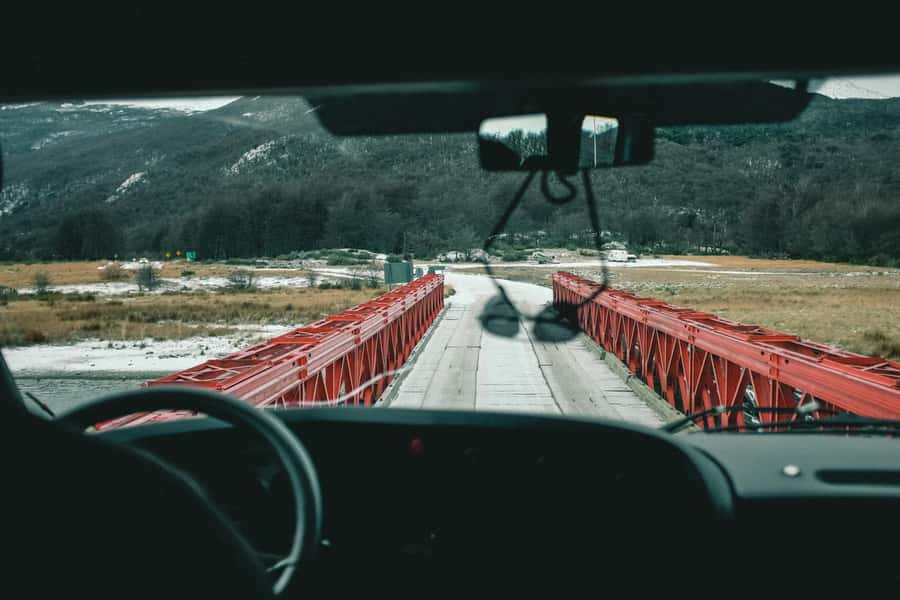
You start in Ushuaia with hotel pickup (the tour begins around 7:30 AM) and head about 12 km west to the park entrance. This is where the whole trip makes sense: you’re not just chasing photos. You’re getting to a place that feels like a final marker on the map—around 1,000 km from Antarctica, and the place where the Pan-American Highway, stretching over 15,000 km from Alaska, reaches its last stop.
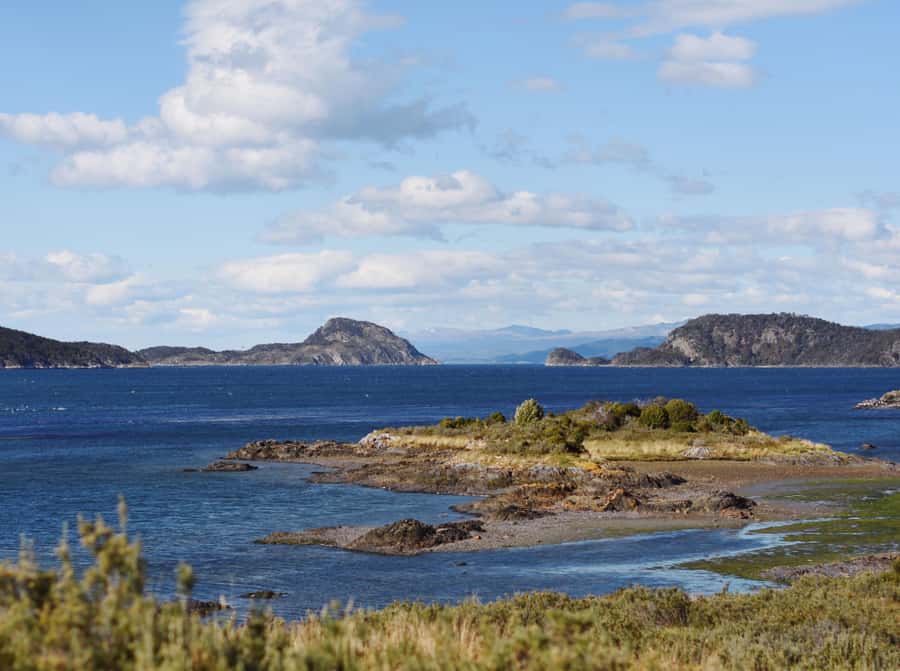
Once you’re in, the guide keeps you oriented so the day doesn’t turn into a random checklist. You’ll move from bay to bay and viewpoint to viewpoint, with short interpretive walks that help you understand what you’re seeing. That matters here because the environment changes fast—sea, mountains, and sub-Antarctic forest all meet in a small area.
What to watch for: the weather can shift quickly, and the park is outdoors most of the time. Bring warm layers even if the morning looks mild.
You can also read our reviews of more tours and experiences in Ushuaia.

The optional prisoner-era train: worth it for the atmosphere, not for comfort
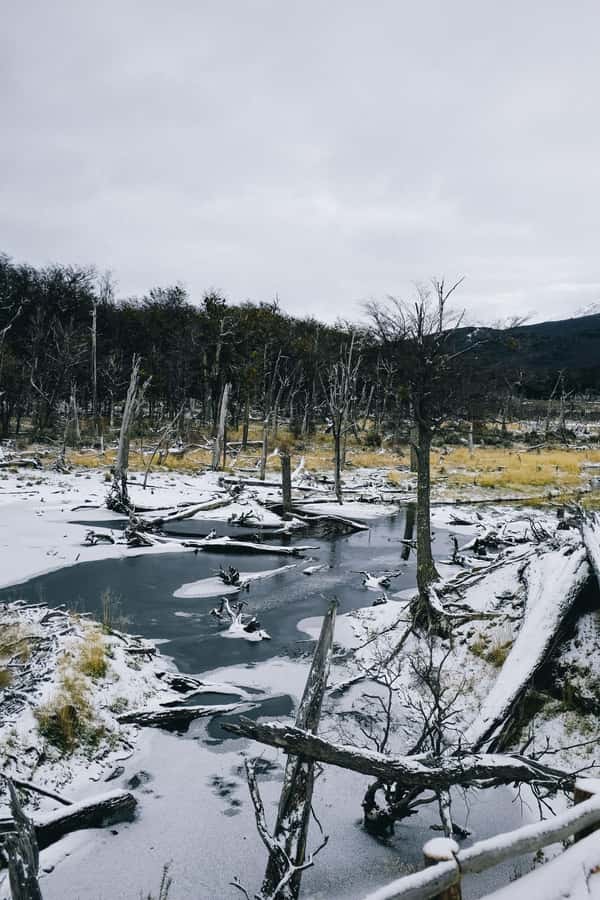
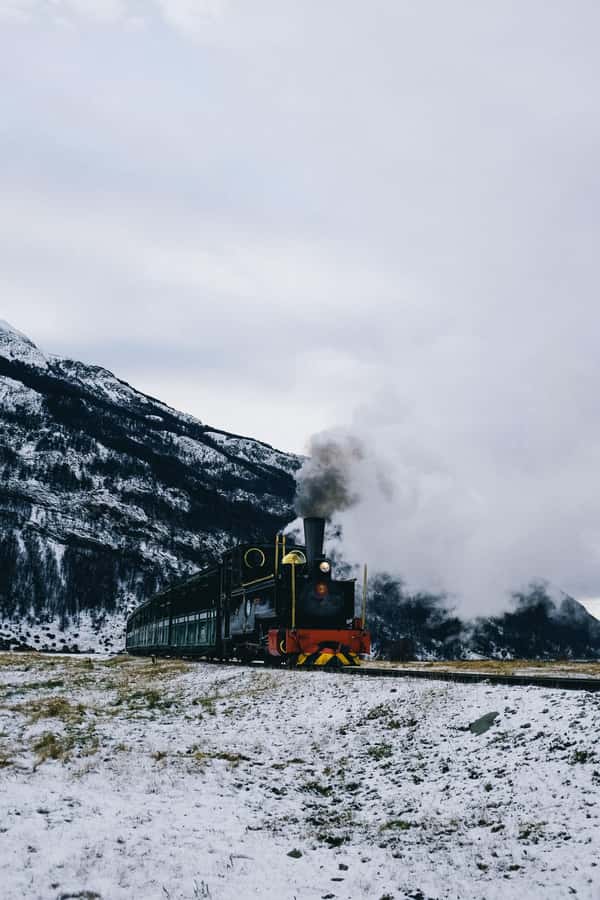
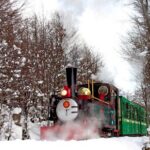
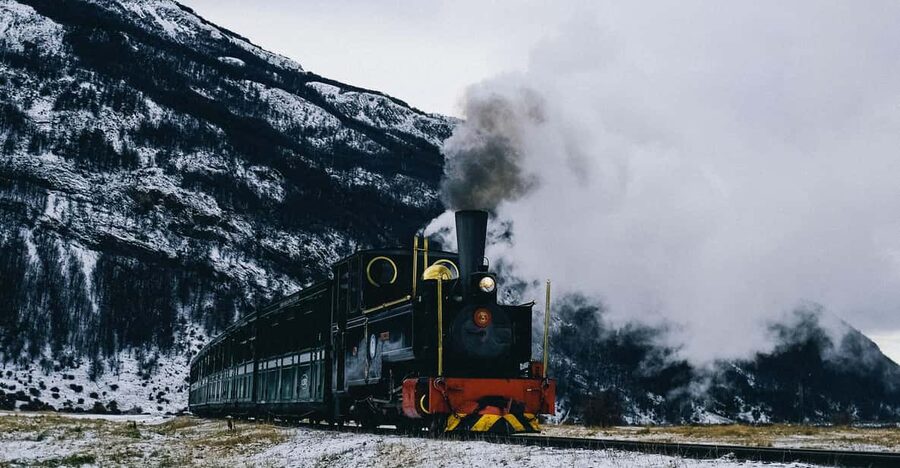
If you choose the train option, there’s an optional stop at the historic End of the World Train Station before you enter the park. Then you board a vintage line—once used by prisoners—for about a 60-minute ride through Fuegian forest.
This part is about atmosphere. You’re moving through the same kind of landscape that shaped the region’s past, and the train gives you a calmer, slower way to arrive inside the park compared with just stepping out at the entrance. I also like that it’s framed as a real historical experience, not a theme-park ride.
Now the honest consideration: the train can feel tight. One common concern is that the seating is cramped, so if you’re sensitive to space, you may prefer to skip it.
If you skip the train: you’ll enjoy a shorter walk in the Fuegian forest instead, then rejoin the group inside the park. That option can be nicer if you want flexibility and don’t want to sit.
Ensenada Bay: where the photo is nice, but the postcard feels extra
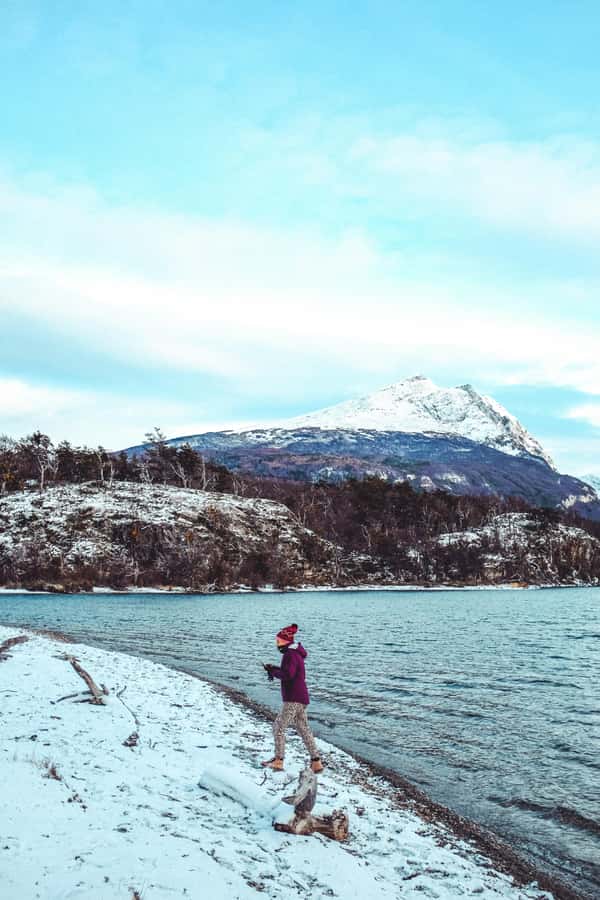
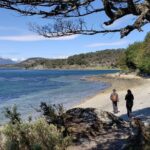
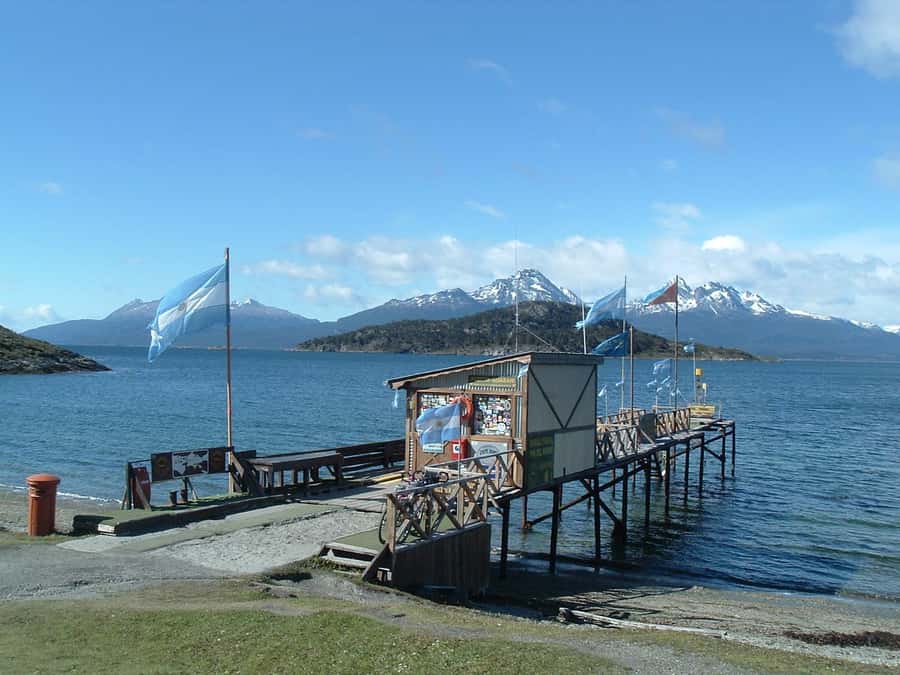
After the train segment (or the forest walk), you head toward Ensenada Bay. This is one of the most memorable parts because it’s not only about scenery. It’s about a small human ritual in a place that’s famously far from everything.
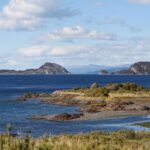
Here’s the standout: the southernmost post office in the Americas. You get the rare chance to send a postcard from the End of the World. Even if you don’t mail one, you’ll understand why people do once you see the setting—bay, sea, and sub-Antarctic forest all in the same view line.
The guide also points out cultural layers. Traces connected to the Yámana people are visible in the area, which adds meaning beyond the obvious “wow factor.” It makes the region feel lived-in, not just filmed.
Possible drawback: because Ensenada Bay is such a strong stop, it can attract attention at the same time as other viewpoints. If you want space for photos, arrive with patience and plan for brief crowd bottlenecks.
Guided hikes and wildlife spotting without overdoing it
Inside the park, your guide leads short interpretive hikes. The idea is simple: easy distances, clear explanations, and time to look closely for local flora and wildlife.
This is a good match for a half-day tour. You get the benefits of being with a guide—what to look for and why—without turning the outing into an all-day hike. And because this region sits at the southern edge of South America, the plant patterns and coastal-bay ecosystem feel distinct. The guide’s commentary helps you notice details you’d likely miss if you were just walking from viewpoint to viewpoint.
What to do: wear shoes with decent grip. Some paths can be uneven, and the weather can make surfaces slippery.
Acigami (Roca) Glacier Lake: shared with Chile, framed by mountains

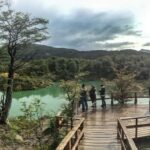
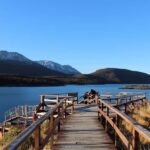
Next up is Acigami (Roca) Glacier Lake. This viewpoint comes with two big advantages: you’re seeing a specific named glacial lake (not a vague “somewhere by water”), and you get context that it’s shared with Chile.
The setting is also built for drama. You’re surrounded by mountain peaks, and the lake’s position in the landscape helps you appreciate why this area is such a magnet for photographers and nature lovers.
If you’re thinking about the best photo: the earlier you look, the better. With limited time, people tend to rush to the first angle. Take a few minutes to scan for the viewpoint that gives you both the lake and the mountain framing.


Lapataia Bay and the Pan-American Highway end sign: the milestone moment
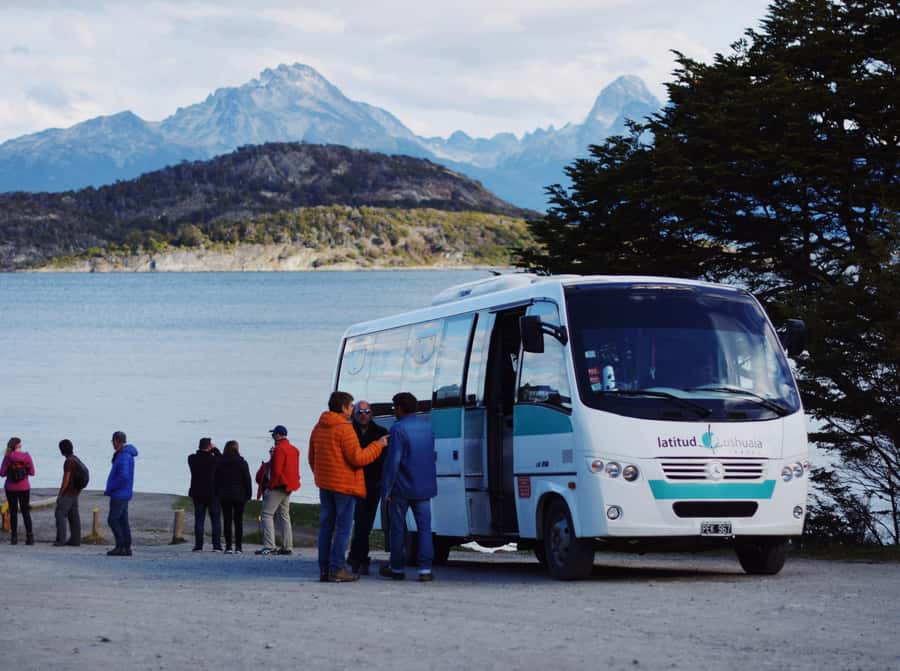
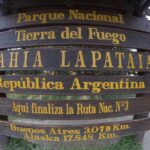
The tour’s iconic closer is Lapataia Bay. This is where you’ll find the sign marking the end of the Pan-American Highway—an image that’s basically synonymous with “the end of the world” for many people.
There’s also a milestone marker along the way where you can take the must-have photo. This stop is the emotional finish line: you’ve traveled from Ushuaia, crossed into the national park world, and now you’re standing at the point that connects the entire continent’s roadway story to a single place at the southern edge.
Crowd reality check: this is one of the easiest places to photograph and also one of the busiest. If you want a clean shot without too many heads, be ready to wait a moment for the right gap.
Price, park fees, and the real value math
The tour price is listed as $79 per person for a 5-hour outing. That covers the professional guide during the excursion and the transfer from your hotel.
But the costs don’t stop there. National park entry fees are not included: ARS 40,000 per person, or ARS 12,000 for Argentine residents. The train (if you choose it) is also an add-on, separate from the base tour.
So is $79 good value? In my view, it is if you:
- care about getting into Tierra del Fuego National Park with a guide,
- want multiple named stops (Ensenada Bay, Acigami/Roca Lake, Lapataia Bay) in one tight window,
- and plan your budget for the park ticket and optional train.
One more practical note from people’s experiences: some felt the total cost can climb quickly once park entry and the train are added together, and if you skip the train you might have some waiting time. That doesn’t ruin the tour, but it does mean you should decide in advance whether the train ride is your priority.
My advice: if you’re going because you want the historical vibe and don’t mind possibly tighter seating, choose the train. If you’re mostly there for the walking viewpoints and want fewer extras, skip it.
Transfers and drop-offs: you won’t go back to your hotel the same way
Your pickup is covered (transfer from your hotel), but return transport to your hotel is not included. The vehicle leaves you at the port of Ushuaia.
You may also see three drop-off locations listed: Tierra del Fuego National Park, Albatros Hotel, and Las Lengas. In practice, the key point is that you shouldn’t plan on a smooth hotel return with this one.
What to do before you go: decide how you’ll get yourself back from the port area or chosen drop-off spot. Keep your afternoon schedule flexible enough for that last step.
What to pack for this Ushuaia day (warmth is the main currency)
You’ll be outdoors in Tierra del Fuego conditions. Bring:
- comfortable shoes
- warm clothing
- thermal clothing
Also remember what you can’t bring: pets, smoking, and luggage or large bags. If you tend to travel with bigger daypacks, pack smart so you’re not stuck trying to manage storage rules in a small vehicle.
Who should book this tour, and who should think twice
This tour fits best if you want a guided “End of the World” experience without turning it into a long trek. It’s also a great choice if you like mixing:
- big symbolic photo moments (milestone marker, end of the Pan-American Highway sign),
- coastal-bay scenery,
- and small interpretive hikes.
You should think twice if:
- you hate crowds at set photo stops,
- you’re strongly sensitive to cramped seating (train option),
- or you’re working under a tight budget that can’t absorb park entry fees and optional add-ons.
On accessibility: the information provided includes wheelchair accessibility, but it also states the activity is not suitable for wheelchair users. That contradiction means you should double-check directly with the provider before booking if accessibility is a key factor for you.
Should you book this End of the World tour from Ushuaia?
I’d book it if you want to check off Tierra del Fuego National Park in one focused half-day, with the strongest symbolic stops handled for you and a guide who explains what you’re looking at. The Ensenada Bay post office moment and the Lapataia Bay end-of-highway photo are the kind of things you remember long after the weather fades.
Skip it if you’re already planning a park visit independently and don’t need guidance to connect the places. And if cost surprises are stressful for you, map out park entry fees first and decide up front if you want the optional train.
If you’re aiming for a classic Ushuaia “end of the world” day with minimal planning, this is a solid choice.
FAQ
How long is the tour?
The duration is 5 hours.
Where does the tour start?
It starts with hotel pickup in Ushuaia, with pickup details depending on the selected option.
Is hotel pickup included?
Yes. Transfer from your hotel is included.
Is the return transfer to my hotel included?
No. The vehicle leaves you at the port of Ushuaia.
Do I have to pay the national park entry fee?
Yes. National park entry fees are ARS 40,000 per person, or ARS 12,000 for Argentine residents, and they are not included.
Is the train ride included?
No. The End of the World Train Station stop and train ride are optional.
What happens if I don’t take the train?
If you opt out of the train, you’ll enjoy a short walk in the Fuegian forest, then rejoin the group inside the park.
What should I bring?
Wear comfortable shoes, and bring warm clothing and thermal clothing.
What languages is the guide available in?
The live guide operates in Spanish, English, and Portuguese.
Are pets and large luggage allowed?
No. Pets are not allowed, and luggage or large bags are not allowed.