REVIEW · USHUAIA
Ushuaia: National Park & Train of the End of the World Tour
Book on GetYourGuide →Operated by Info de Ushuaia · Bookable on GetYourGuide
Ushuaia sends you to the end of the road. I really loved the Train of the End of the World ride—slow, scenic, and full of the railway’s prisoner-built history. I also loved the End of Route 3 sign at Lapataia Bay, the exact spot most people picture when they imagine Ushuaia.
The big thing to plan for: the National Park entry fee is not included (it’s listed separately), so you’ll want to budget extra before you arrive.
In This Review
- Key moments that make this tour worth your time
- First, what this tour actually is (and why people book it)
- Pickup and getting set up in Ushuaia
- Tierra del Fuego National Park: guided time that’s short but focused
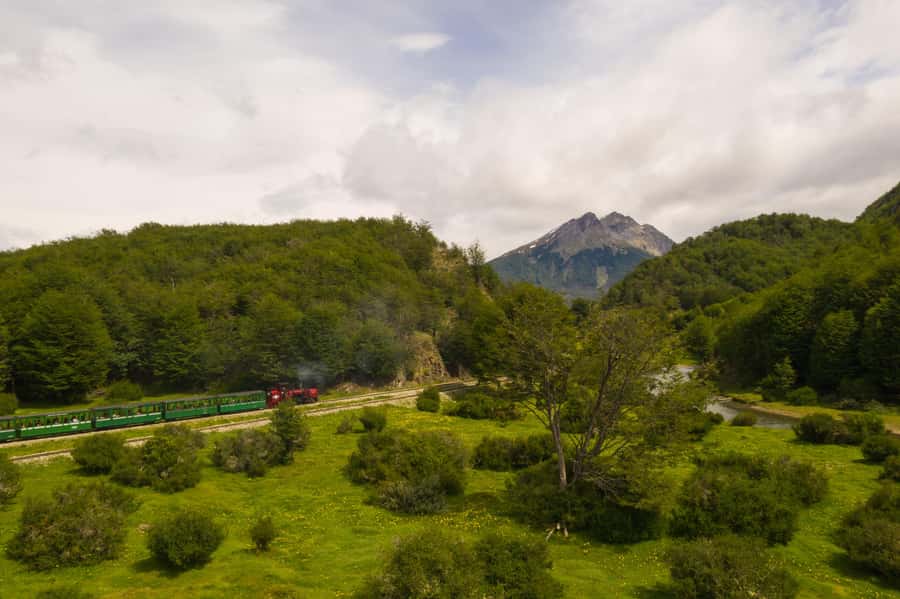
- Riding the Train of the End of the World (Southern Fuegian Railway)
- Lapataia Bay and the End of Route 3 sign: the photo stop you’ll remember
- Lake Roca: a Patagonian postcard with Chile connection
- Alakush Interpretation Center: where the story gets tied together
- Ensenada Zaratiegui and the post office passport stamp
- What the price covers, what it doesn’t, and how to judge value
- Timing, groups, and the weather reality
- Who this tour is for (and who might skip it)
- Practical notes before you go
- Should you book the Ushuaia National Park and Train of the End of the World?
- FAQ
- How long is the Ushuaia National Park & Train of the End of the World tour?
- What does the price include?
- What is not included in the tour price?
- Where does the tour start and end?
- Can I get a passport stamp on this tour?
- Is the tour wheelchair accessible?
Key moments that make this tour worth your time
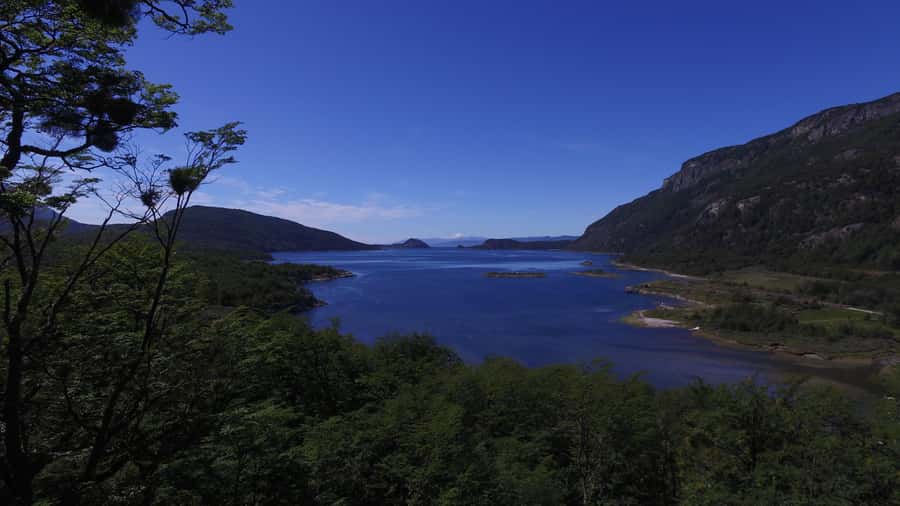
- Train ride with story: the Southern Fuegian Railway ties the scenery to how the region was shaped
- Lapataia Bay photo stop: the classic End of the World poster spot at the end of National Route 3
- Roca Lake viewpoints: one of the few lakes the region shares with Chile, for a true “Patagonia postcard” moment
- Alakush Interpretation Center: a focused break to connect what you’re seeing to local history and nature
- Ensenada Zaratiegui post office stamp: get a souvenir stamp there (yes, it’s an actual passport moment)
- Small, timed stops: a structured 5-hour format that hits the key sights without turning into a full-day hike
First, what this tour actually is (and why people book it)
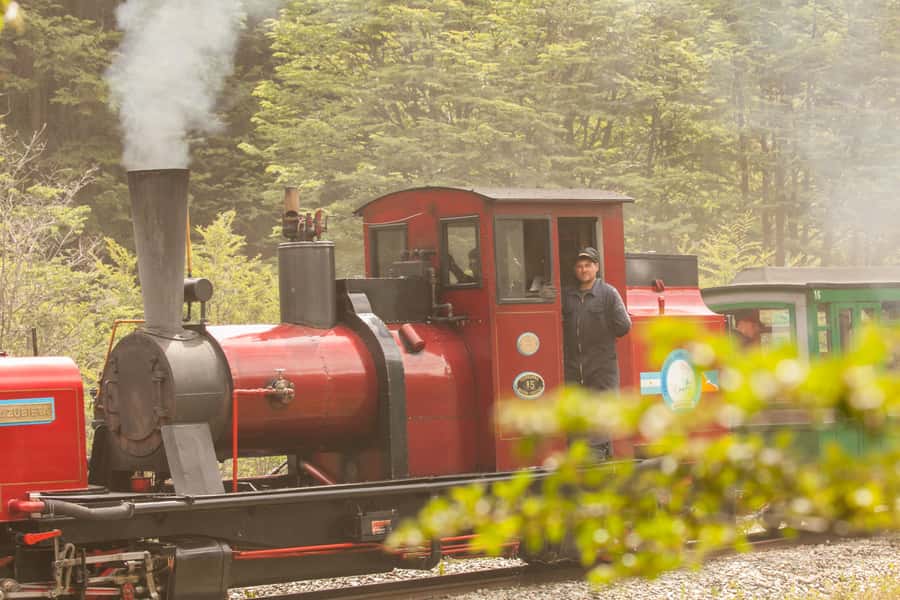
This is a tight, well-paced afternoon tour built around three ideas: Tierra del Fuego National Park, the famous Southern Fuegian Railway, and the “you’re really at the bottom” feeling you get in Ushuaia. You’re not spending hours on one trail. Instead, you’re moving from viewpoint to viewpoint with short guided segments, then finishing in town.
For most visitors, that’s the sweet spot. Ushuaia is far from home, weather can change fast, and not everyone wants a strenuous day in wind and cold. This tour gives you the highlights in about 5 hours, with transport included and the train ticket handled for you.
The value question is really about what’s included versus what isn’t. Your cost ($111 per person) covers pickup/drop-off in the city, the train ride ticket, and guided time in the national park. What’s missing is the park entry fee, listed separately—so check that number before you go and bring a payment method that works.
You can also read our reviews of more tours and experiences in Ushuaia.

Pickup and getting set up in Ushuaia
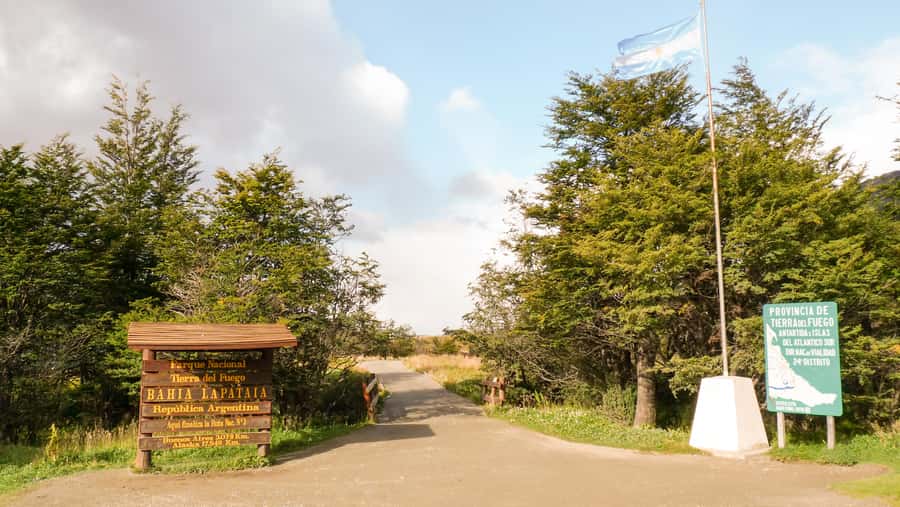
The tour starts with pickup around Ushuaia, anywhere within the Ushuaia metro area, and the day ends back at Av. San Martín 775, V9410 Ushuaia. If you’re staying in town (hotel, Airbnb, private address), this is straightforward. One important rule: they do not pick up from the Ushuaia airport area, because flight delays can mess with timing.
You’ll travel by minibus for about 45 minutes before you reach the national park area. This matters more than it sounds. A lot of the magic of Tierra del Fuego is in the atmosphere you build on the ride—the shift from town into colder, wilder terrain—so you want the day to start on time and not start late.
Also note the practical structure: the afternoon departure has a meeting point in the center of the city. If you’re arriving by cruise, tell the operator your ship schedule so the pickup plan matches reality.
Tierra del Fuego National Park: guided time that’s short but focused
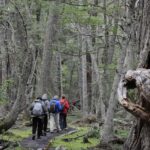
Once you’re in the park, you get a guided tour segment (about 30 minutes). That’s not long enough for deep hiking, but it’s long enough to understand what you’re seeing: the characteristic species of Fuegian forests and the way the park works as an ecosystem in the far south.
This short guided block is a smart trade for two types of people:
- You want nature time, but you also want the big “Ushuaia highlights” done in one trip.
- You’re traveling with limited daylight and don’t want to gamble on an all-day self-guided plan.
What I like about this approach is that you don’t wander lost. You get your bearings fast—then the rest of the day becomes easier photography. If you’re the type who loves long walks with lots of quiet, you may feel the park time is brief. But if your goal is to see the famous points plus the train, this format fits.
Riding the Train of the End of the World (Southern Fuegian Railway)
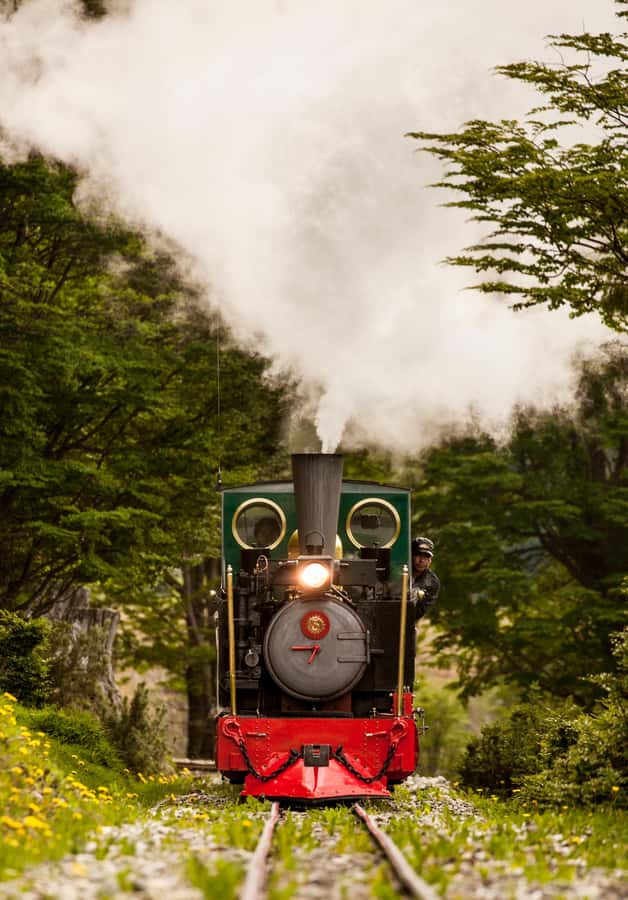
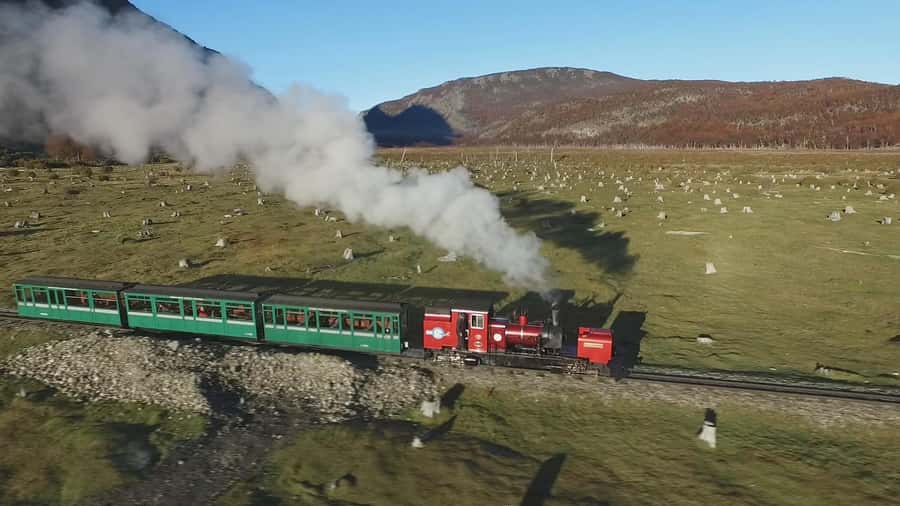
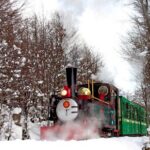
Now for the main event: the Southern Fuegian Railway ride, about 1 hour. This isn’t just transport. It’s an experience built around the region’s history and the railway’s connection to the people who were sent there long ago.
The best way to think about the train is this: it’s storytelling with windows. You’ll be on a panoramic ride, and you’re meant to look out while the guide narrative frames what you’re seeing. Even if you’ve already read about Ushuaia, the train helps it land in a physical way—because you’re moving through the same kind of terrain that made the railway necessary.
A small caution, based on how this sort of excursion tends to run: you may not spend the full hour in the most active viewing moment. If your personal “must-do” is constant movement and nonstop views, set expectations that the day is still mostly about scheduled stops and short guided viewpoints. For many people, though, that’s exactly why it feels manageable in cold weather.
Lapataia Bay and the End of Route 3 sign: the photo stop you’ll remember
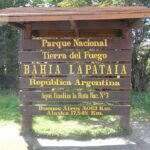
This is the stop people talk about because it’s the moment Ushuaia turns symbolic. At Lapataia Bay, you reach the famous End of Route 3 area, and that iconic sign that represents the idea of the road’s end.
Expect a guided tour segment (around 30 minutes) and time to take your photos. If you’re trying to photograph the famous poster-style shot, use that timing well:
- Arrive ready to shoot quickly, because everyone shows up for the same angles.
- Take a couple of wide shots first, then go for one or two closer images once the crowd shifts.
This is also where you get the feeling that you’ve reached the edge of maps. It’s not just a sign; it’s the point where the national route story meets the water and sky of Patagonia’s far south. Even on a cloudy day, the setting does its job.

Lake Roca: a Patagonian postcard with Chile connection
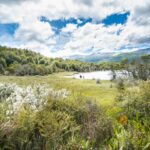
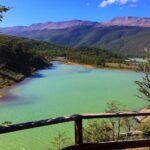
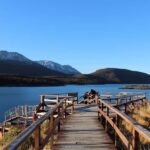
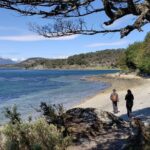
Next comes Lake Roca. You’ll have guided time (about 30 minutes) to look out over the shores. The standout detail here is that it’s one of the few lakes shared with Chile, which adds a subtle geographic punch to an otherwise simple viewpoint stop.
This is one of those places where short time works. You don’t need a long hike to appreciate the scale—waterline, weather shifts, and distant tones do most of the work. Your job is to take in the lake and then watch how the light changes as clouds move.
If you like photos, this stop is useful because it gives you a different “subject” from the train and the bay. It breaks up the day visually and gives you something calmer than a roadside sign moment.
Alakush Interpretation Center: where the story gets tied together
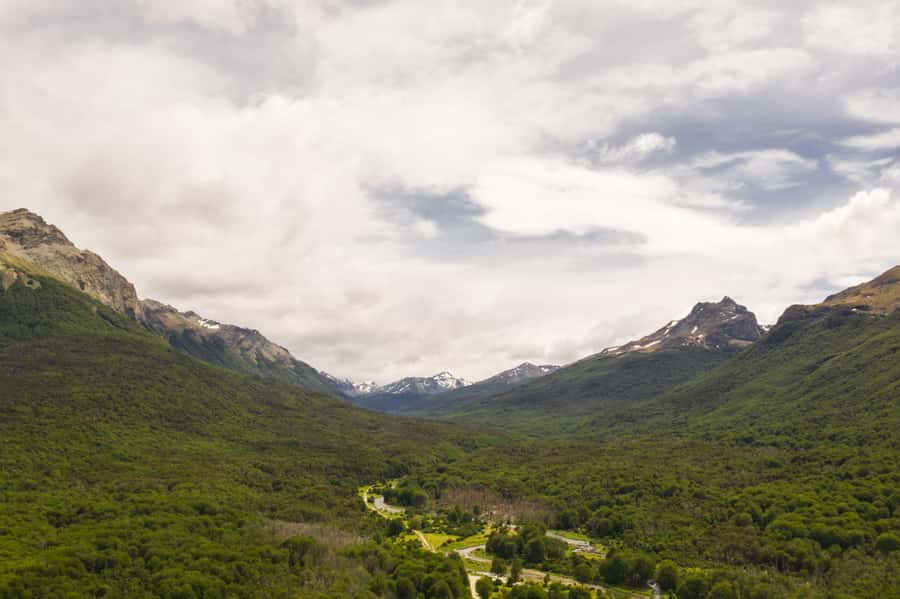
The Alakush Interpretation Center is your next stop, with a break time of about 30 minutes. This is where you can connect the dots between:
- the park you just visited,
- the history behind the railway,
- and the natural features you’re seeing around Ushuaia.
Even if you don’t read every label, the center helps you translate what’s around you into something more meaningful. It’s also a practical pause. In Patagonia weather, a short indoor or sheltered break can make the difference between enjoying the afternoon and feeling rushed and cold.
Ensenada Zaratiegui and the post office passport stamp
The final major highlight is Ensenada Zaratiegui, where Argentina’s last post office box is located. This is your passport-stamp moment. The tour includes a guided tour here as well (about 30 minutes), so you’re not just arriving at a box and guessing how it works.
This stop is special for two reasons:
- It’s tangible. You leave with a real stamp, not a vague memory.
- It fits the theme of the day: you’re not only going to natural “end of the world” places, you’re also doing the symbolic culture part—mail, records, and the human urge to mark an extreme location.
If you’re traveling with stamps as part of your souvenir system, plan how you’ll handle passport paperwork. Keep it accessible and protect it from wind or cold handling—Patagonia weather can be tough on paperwork.
What the price covers, what it doesn’t, and how to judge value
Price listed: $111 per person for about 5 hours.
What you get:
- Hotel/center pickup and drop-off
- the train ride ticket
- a guided tour segment in the national park
What you pay separately:
- the National Park entry fee (listed at AR$40,000 per person)
That separate fee changes the value equation. If you compare this to booking train-only or DIY bus-and-walk approaches, you’re paying for organization: the transport, timing, and guided explanation. The train ticket being included helps a lot, because that element alone often feels like the “real attraction.”
My rule for judging whether this is a good deal for you: if you want the train plus the top photo stops in one afternoon, and you’d rather not manage park entry, transit timing, and historical context yourself, this package is a solid buy. If you’d rather spend the whole time trekking inside the park and skipping structured stops, you might feel the guided segments are too short.
Timing, groups, and the weather reality
The day is built on short segments:
- van transfer,
- park guided time,
- train ride,
- multiple viewpoint stops around Lapataia Bay, Lake Roca, and Ensenada Zaratiegui,
- plus the Alakush break.
That structure is why it works for so many people. It also means you’ll likely spend most of your time outdoors in cool air, with breaks timed by the schedule.
A few common “make it better” tips:
- Dress in layers. Ushuaia can be colder than you expect even when the skies look okay.
- Bring a waterproof shell. Weather can turn quickly in the far south.
- Bring gloves or warm layers for the Lapataia Bay and train portions where you’ll stand and wait for photos.
Who this tour is for (and who might skip it)
This tour is a great match if:
- you’re visiting Ushuaia for a short stay and want the big hits in one afternoon,
- you care about both nature and history,
- you want a guide to explain what you’re seeing without extra research,
- you like iconic photo stops and clean planning.
It’s less ideal if:
- you’re a serious hiker looking for long trails and lots of unstructured time,
- you hate scheduled stops and prefer to roam freely,
- you need wheelchair accessibility. This tour is stated as not suitable for wheelchair users.
Also, keep in mind the tour ends in town at the same meeting address (Av. San Martín 775). It’s convenient for continuing your day on your own.
Practical notes before you go
A few rules are listed that you should take seriously in cold, guided settings: no drinks in the vehicle, no alcohol or drugs, and no feeding animals. The tour also doesn’t allow things like making fire or fireworks.
If you’re traveling as a cruise passenger, tell them your arrival/departure schedule so they can plan pickup timing correctly. The tour operator also expects guests at the designated start hour at the city-center address, so give yourself buffer time if you’re walking in from the port.
Should you book the Ushuaia National Park and Train of the End of the World?
I’d book this if you want one afternoon that clearly delivers on the Ushuaia “musts”: Tierra del Fuego National Park, the Train of the End of the World, the Lapataia Bay End of Route 3 sign photo, and the Ensenada Zaratiegui passport stamp. The fact that the train ticket is included is a real plus for value.
Don’t book it blindly if your priority is long hiking time. Park time here is guided and structured, not a full-day trekking plan. And make sure you budget for the park entry fee, since it’s not included in the tour price.
If you want an organized taste of the deep south—with iconic symbols, practical stops, and a strong history component—this is one of the easier ways to get it right without burning your whole day.
FAQ
How long is the Ushuaia National Park & Train of the End of the World tour?
The tour duration is listed as 5 hours.
What does the price include?
The tour includes pickup from your hotel or address in the Ushuaia metropolitan area, drop-off in the center of the city, the train ride ticket, and a guided tour at Tierra del Fuego National Park.
What is not included in the tour price?
The National Park entry fee is not included (listed as AR$40,000 per person).
Where does the tour start and end?
The tour starts with pickup from within the Ushuaia metro area, and it ends at Av. San Martín 775, V9410 Ushuaia, Tierra del Fuego, Argentina.
Can I get a passport stamp on this tour?
Yes. At Ensenada Zaratiegui’s post office, you can get a passport stamp.
Is the tour wheelchair accessible?
No. The tour is listed as not suitable for wheelchair users.