REVIEW · USHUAIA
Ushuaia: Tierra del Fuego National Park
Book on GetYourGuide →Operated by Tolkeyen Patagonia Turismo · Bookable on GetYourGuide
The end of the world is closer. This shared 5-hour trip from Ushuaia strings together Lake Acigami and wildlife stops like the beaver dam, with a live guide in English, Portuguese, or Spanish. I also like that you get to Lapataia Bay for those big, blown-open-by-the-wind photo chances. One thing to keep in mind: it runs on set timing, so some viewpoint moments can feel short if you like to linger.
For $40, you’re paying mostly for transportation plus a professional guide—good value if you don’t want to figure out routes on your own. But the national park entrance ticket is not included, and cell service can be sketchy once you’re out in the remote stretches.
In This Review
- Key highlights to look for
- From Ushuaia to the End of the World Station: the route and why it works
- Lake Acigami: glacial stillness, birdwatching, and practical photo tips
- Cormorants Island and the Beaver Dam: wildlife you can actually spot
- Alakush Visitor Center: your comfort stop with bathrooms, food, and a small museum
- Lapataia Bay and the footbridge: coastal views and the human connection
- Price and logistics: what $40 really buys (and what it doesn’t)
- The day in real time: pacing, stop length, and how to make it work for you
- What to bring (so the weather doesn’t run your trip)
- Should you book this Ushuaia to Tierra del Fuego park tour?
- FAQ
- How long is the Ushuaia: Tierra del Fuego National Park tour?
- Where does the tour start, and is pickup included?
- Is the national park entrance ticket included?
- What’s included in the price?
- What languages does the guide speak?
- Is the train or Redonda Island navigation guaranteed?
- What should I bring for the day?
- Are pets allowed on this tour?
- What’s the cancellation policy?
Key highlights to look for
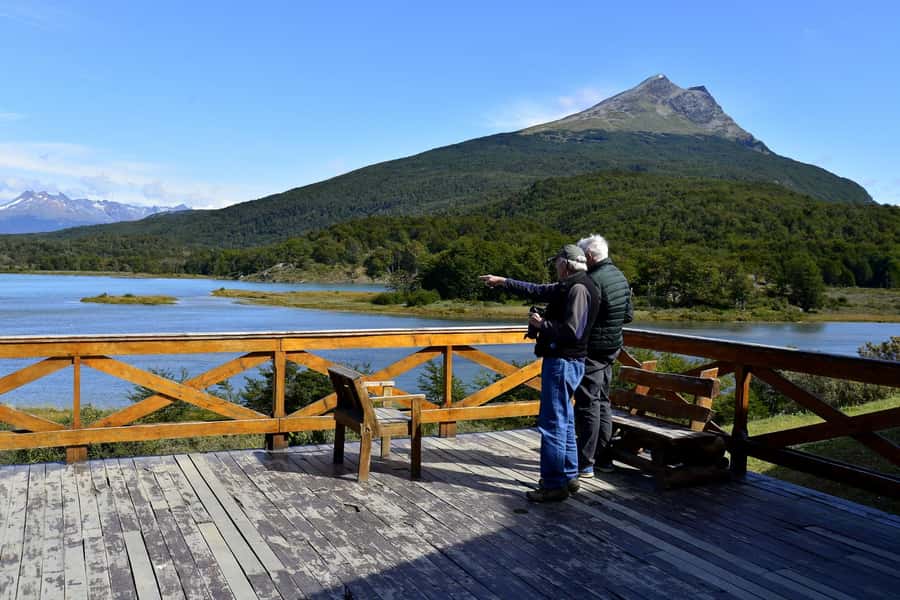
- End of the World feeling: the trip starts moving toward the End of the World Station, after crossing the Pipo River bridge.
- Lake Acigami views: glacial-lake scenery with forests and peaks, plus a chance to spot native birds.
- Beaver dam engineering: a dedicated stop for wildlife watching, including cormorants and beavers.
- Alakush Visitor Center break: bathrooms, snacks, a small museum, and a souvenir stop before the bay.
- Lapataia Bay photos: coastal views and a footbridge walk designed for pictures and perspective.
From Ushuaia to the End of the World Station: the route and why it works
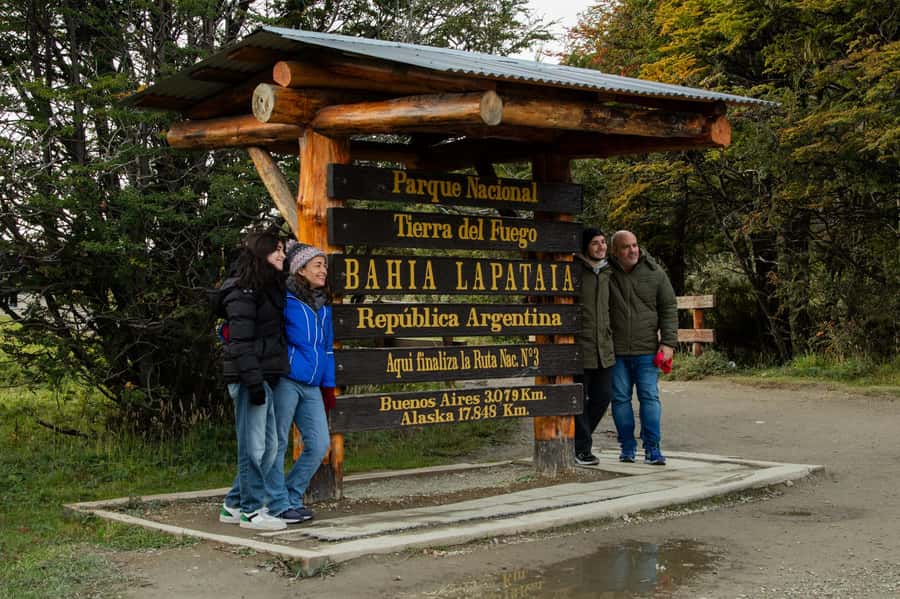
The experience begins with pickup in Ushuaia, and it’s built for convenience. You’ll travel along National Route No. 3 toward Tierra del Fuego National Park, crossing the Pipo River bridge near the Ushuaia Golf Club before the scenery starts to feel properly remote.
This drive matters because it sets the mood. Ushuaia is already “far southern” in a way that’s hard to fake, but the real shift happens once you’re committed to the park approach. You stop caring about your phone and start caring about weather, wind, and light—because the landscape changes fast here.
If you’re staying in a hotel area, pickup is straightforward. The one exception noted is Kauyenen Hotel, where pickup may be outside the urban area. If you’re in a private home, pickup timing comes via a WhatsApp link, and you may need to schedule around it—so double-check you can access that link before the day arrives.
You can also read our reviews of more tours and experiences in Ushuaia.

Lake Acigami: glacial stillness, birdwatching, and practical photo tips
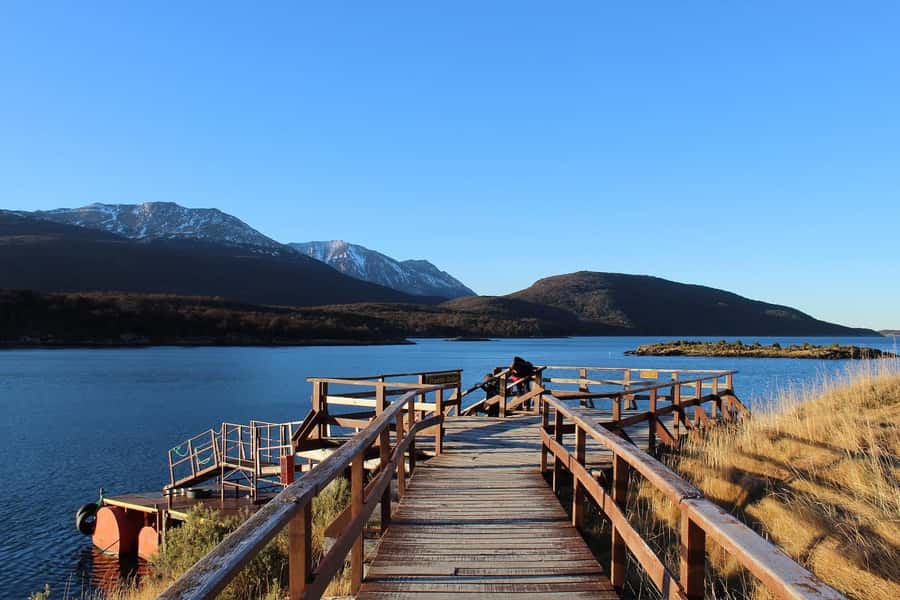
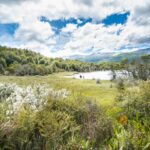
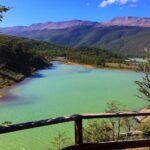
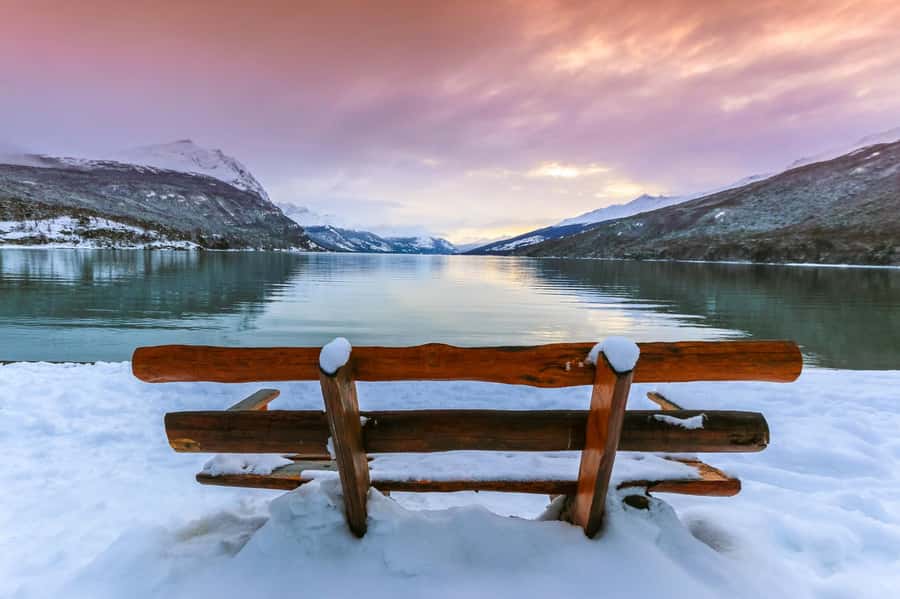
Lake Acigami is one of the main visual payoffs. You’re looking at a glacial lake framed by lush forest and majestic peaks, and the guide route is structured so you reach it without having to plan anything yourself.
Here’s what makes this stop worth your time: it’s not only about the water. Lake Acigami is a calm focal point where you can slow down, watch for movement, and catch birds that live in the area. The timing is part of the package, so you’ll want to show up ready—camera set, lens protected, and feet stable.
A couple practical notes I’d follow here:
- Wear shoes you can trust on uneven ground and potential damp surfaces.
- Keep sunglasses on even when the sky looks cloudy; reflection off water can still be intense.
- If you want photos, bring a hat that handles wind. This is southern Patagonia—gusts are part of the “atmosphere.”
You’ll likely get a brief orientation from the guide, then you’ll roam at your own pace within the stop’s limits.
Cormorants Island and the Beaver Dam: wildlife you can actually spot
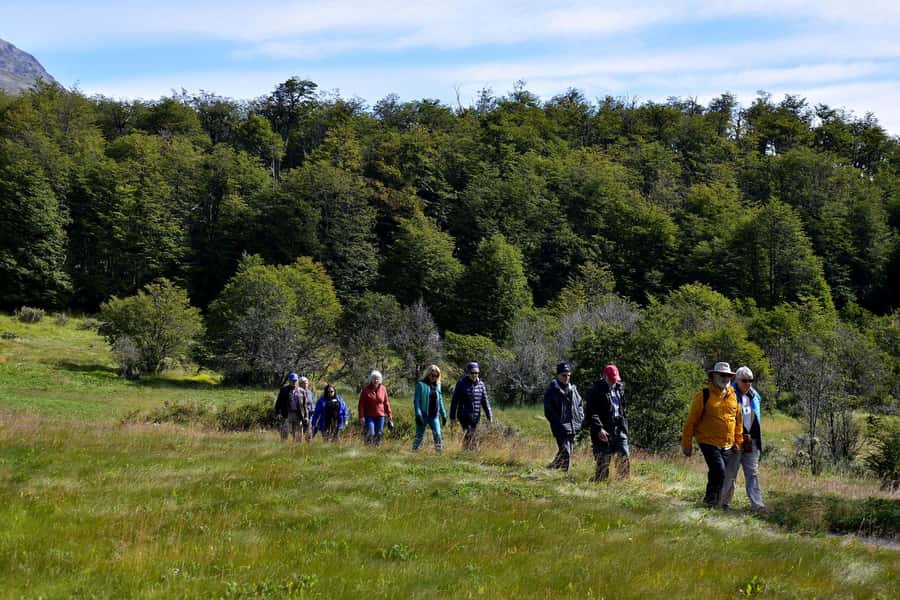
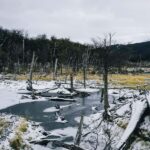
The wildlife segment is the heart of the tour for a lot of people. You’ll visit Cormorants Island and Beaver Dam, and the framing here is smart: beavers are not an abstract idea when you’re at a site where they’ve shaped the shoreline and waterways.
You’re looking for signs—movement, activity, and the kind of habitat details that make you go, so that’s how they live. It’s also one of the better places to watch without feeling like you’re “rushing through nature.” Yes, it’s still a group tour, but the stop is built around wildlife presence rather than just scenic viewpoints.
One drawback to keep in mind: wildlife can be unpredictable. If you’re going because you expect guaranteed close-up beaver action, temper that. If you’re going to look for evidence and enjoy the setting, you’re set.
Alakush Visitor Center: your comfort stop with bathrooms, food, and a small museum
After the wildlife, you’ll reach the Alakush Visitor Center, where you get free time. This stop is genuinely useful because it gives you the basics: a cafeteria, restaurant, bathrooms, a souvenir shop, and a small museum.
Why I like this kind of midpoint break: in places like Tierra del Fuego, the weather can change your mood in five minutes. A warm drink, a bathroom break, and a chance to browse without pressure can turn a rushed-feeling day into a good one.
It’s also where the tour helps you make sense of what you’re seeing. The museum section is small, but even a brief stop can connect the dots between the lake, the forest, and the coastal section later at Lapataia Bay.
If you have dietary needs, this is your best window based on what’s provided. If you want to buy something, the souvenir shop is there too—so you won’t be hunting for that later.
Lapataia Bay and the footbridge: coastal views and the human connection
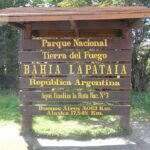
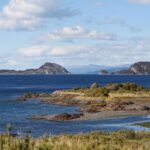
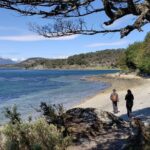
The final big scenic zone is Lapataia Bay. This is where the tour shifts from lakes and wildlife to coastline and cultural context. You’ll explore the bay’s coastal landscapes and learn about the ancient indigenous peoples who once thrived here.
That mix of nature plus people is part of what makes the end of the route feel meaningful, not just scenic. It also gives you a different type of photo: wider, horizon-heavy views rather than single-object shots.
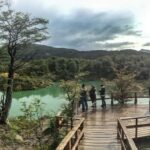
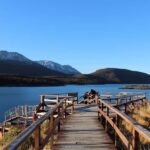
Then you’ll walk along a footbridge. This is the “camera out” moment many people wait for, because the footbridge is designed for clear framing and strong perspective. Even if you’re not a hardcore photographer, you’ll feel the difference when you step onto it: it helps you orient yourself, see distance, and understand how the bay sits in the broader terrain.
Weather tip: at the bay, wind can be strong. Hold onto hats, keep your balance, and plan for a few seconds of patience while the guide pulls the group back together.
Price and logistics: what $40 really buys (and what it doesn’t)
The headline price is $40 per person, and for a 5-hour shared excursion, that typically signals one thing: you’re paying for guided route value more than a long, slow hike.
Here’s the math in human terms:
- You get shared transportation, a professional guide, and multiple major stops across the park approach.
- You don’t get the national park entrance ticket.
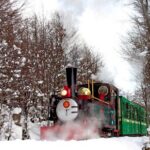
- You may get extra options depending on what you choose: an optional train ticket to the End of the World area and/or navigation to Redonda Island.
That optional add-on is a big decision point. If you select the train/navigation option, the day can feel more structured around those experiences. If you don’t, you may still spend time aligned with the same schedule—meaning you could feel stuck waiting at certain moments rather than using that time at viewpoints.
So, if your top priority is maximum time at miradores and photos, ask yourself this: do you want the included pacing, or do you want to build a more flexible day?
Also, the tour runs with a live guide in English, Portuguese, and Spanish. One important consideration: group language can vary in a shared format. If English is your main comfort language, consider confirming language expectations before you go, especially if you booked specifically for an English experience.
The day in real time: pacing, stop length, and how to make it work for you
This tour is designed as a “big highlights” circuit. That’s great when you only have a limited window in Ushuaia. It’s not great if you dislike timed stops.
From the feedback pattern, the two biggest complaints tend to be:
- Stops feeling short for the amount of sightseeing promised.
- Extra waiting time connected to the optional train component.
So here’s how to protect yourself from disappointment:
- Keep your expectations aligned with a highlights loop, not a slow nature walk.
- If the train is part of what you want most, make sure the add-on details are correct before departure. Having clarity can prevent awkward back-and-forth later.
- Assume limited connectivity in remote areas. Have offline plans ready, and don’t rely on mobile data to fix a problem.
On the flip side, the best experiences people report are often about the guide’s attention and friendliness, plus a comfortable vehicle. When the guide is on top of details and the group runs smoothly, the whole day feels better even if the stops are short.
What to bring (so the weather doesn’t run your trip)
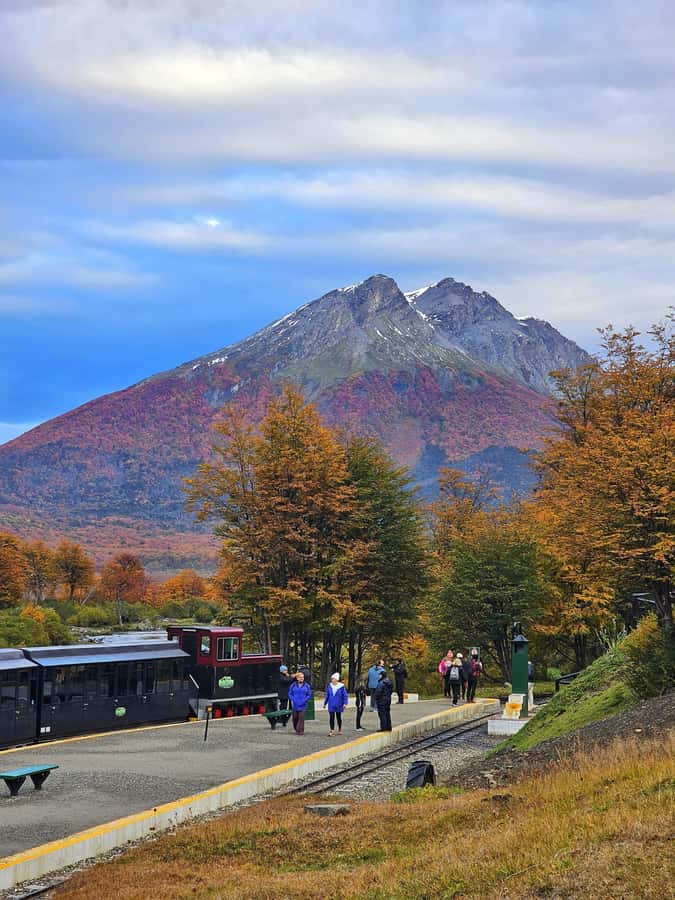
This is southern Patagonia, and conditions can shift. The basics in the provided info are a good start:
- Comfortable shoes
- Sunglasses
- Sun hat
I’d also add one common-sense layer tip: dress for wind. You can feel chilly faster than you expect here, even on brighter days. And if you’re camera-first, bring a way to secure your phone/camera gear against gusty moments.
Rules are simple: no pets and no smoking.
If you get motion sick, plan accordingly. Shared day trips involve repeated car segments, and the day moves steadily between stops.
Should you book this Ushuaia to Tierra del Fuego park tour?
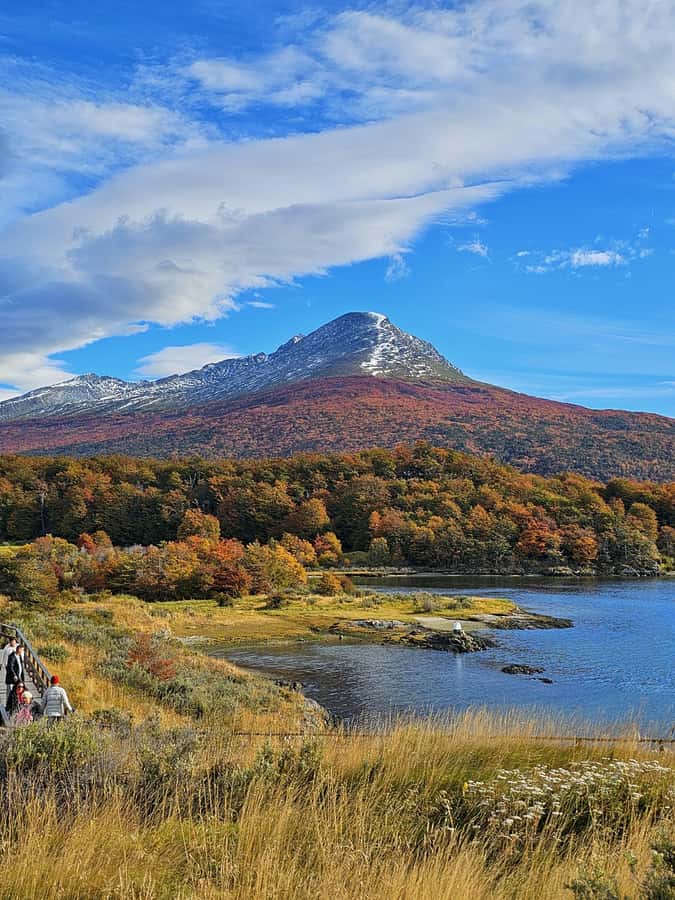
If you want an efficient, guided intro to Tierra del Fuego National Park from Ushuaia, I think this tour is a strong option. You get major highlights—Lake Acigami, wildlife like the beaver dam, a break at Alakush Visitor Center, and Lapataia Bay with the footbridge photo moment—without the stress of planning transport and timing yourself.
You might want to skip it or choose a different style of tour if:
- You’re picky about stop length and hate “scheduled” sightseeing.
- You care most about lingering at viewpoints.
- Language mismatch would ruin your day, since shared group formats can create surprises even when guides are multilingual.
My practical recommendation: book it if you want a guided highlights route and you’re happy trading “extra time” for “more places in one day.” If you’re the type who wants to stretch every stop for photos and calm contemplation, consider asking about how the pacing works with the optional train/navigation before you pay—so your expectations match the reality of the route.
FAQ
How long is the Ushuaia: Tierra del Fuego National Park tour?
The tour lasts about 5 hours (330 minutes).
Where does the tour start, and is pickup included?
It starts in Ushuaia and includes pickup at your accommodation in Ushuaia, except for Kauyenen Hotel (outside the urban area).
Is the national park entrance ticket included?
No. The national park entrance ticket is not included.
What’s included in the price?
The price includes a shared excursion with other passengers, a professional guide, and an optional train ticket to the end of the world or navigation to Redonda Island depending on the chosen option.
What languages does the guide speak?
The live tour guide speaks English, Portuguese, and Spanish.
Is the train or Redonda Island navigation guaranteed?
It depends on the option you choose. The train ticket and/or navigation to Redonda Island are optional based on the selected package.
What should I bring for the day?
Bring comfortable shoes, sunglasses, and a sun hat.
Are pets allowed on this tour?
No, pets are not allowed.
What’s the cancellation policy?
You can cancel up to 24 hours in advance for a full refund.