
REVIEW · SAWAI MADHOPUR
Ranthambore National Park
Book on GetYourGuide →Operated by THE RANTHAMBORE TIGER · Bookable on GetYourGuide
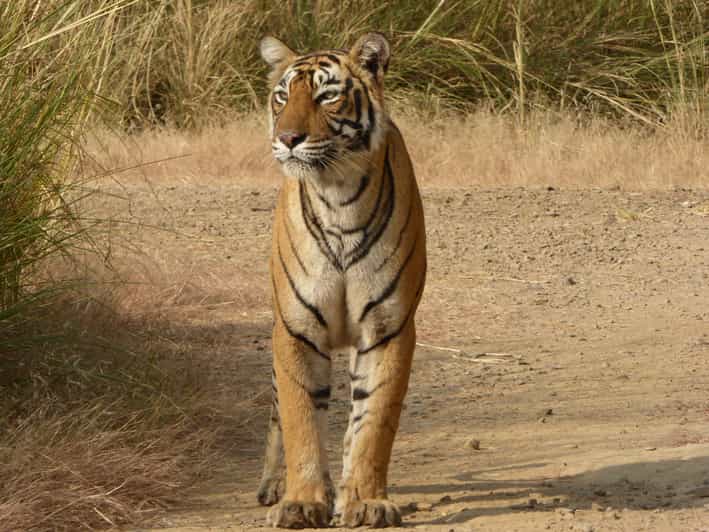
Your jeep becomes a front-row jungle seat. I like how this safari pairs guided wildlife spotting with the real tension of a tiger reserve where sightings are never guaranteed, and I also enjoy the chance to see animals up close from your vehicle. One thing to consider up front: the Royal Bengal tiger show can be hit-or-miss, and part of your 3 hours may be spent waiting for the park call.
If you end up with a great guide, the whole experience clicks. A guide named Meetha (one of the names you may encounter) has been praised for staying upbeat, finding strong wildlife positions, and finishing with a memorable tiger-and-cubs sighting for at least one group. You’ll want to go in with patience, and a camera ready, because this is all about watching, listening, and reacting quickly—inside an active forest.
In This Review
- Key Highlights You’ll Actually Feel
- Ranthambore Safari Basics: 3 Hours, Jeep vs Canter, and What Your Ticket Covers
- Getting from Your Hotel to the Park: The Part That Sets the Tone
- What Happens Once You’re Driving Inside the Reserve
- Tiger Reserves Are Not Guarantees: Managing the Real-World Expectations
- Wildlife Viewing Tips That Actually Help When You’re in a Jeep
- Photo Strategy: Getting Sharp Shots from a Moving Vehicle
- Group Size and Comfort: Why Jeep vs Canter Changes Everything
- Timing, Waiting, and Why Short Safaris Still Feel Worth It
- Who This Safari Suits Best (and Who Should Skip It)
- Small Rules That Keep the Safari Smooth
- Price and Value: Is $27 a Good Deal for Ranthambore?
- Should You Book This Ranthambore Safari?
- FAQ
- What’s the duration of the Ranthambore safari?
- Is pickup included from all hotels?
- What is included in the price?
- What should I bring for park entry?
- Can I expect to see a tiger?
- Are food, drinks, or a camera included?
Key Highlights You’ll Actually Feel
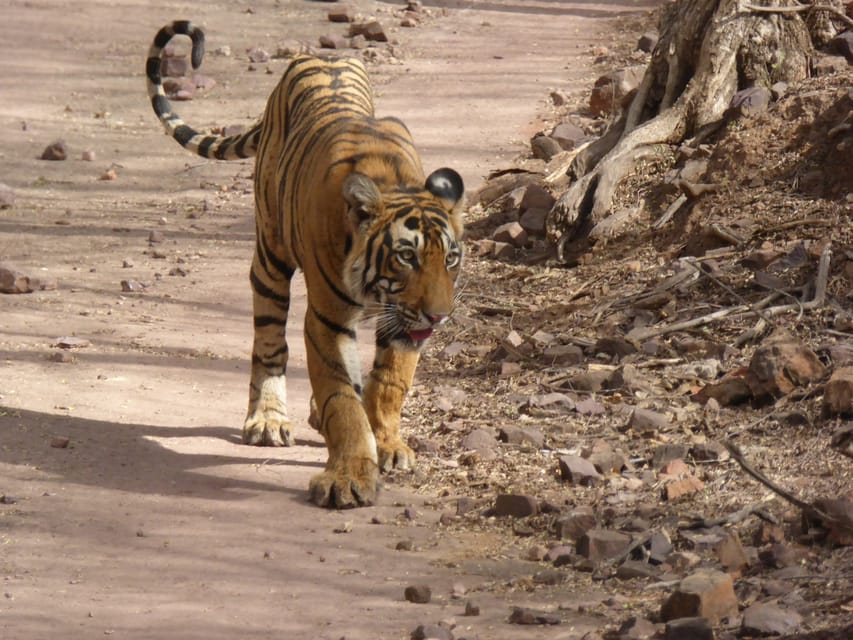
- Royal Bengal tigers in a real reserve (not a zoo setting), with spotting that depends on the day
- Guide-led commentary in English or Hindi, helping you read tracks, behavior, and likely sightings
- Jeep size up to 6 vs canter 16–20, which affects sightlines and how crowded it feels
- You may see leopards, bears, hyenas, deer, crocodiles, and wild boars, not just tigers
- Photos are from inside the vehicle, so bring a phone/camera and plan for quick bursts
- Many hotel pickup and drop options, with one notable exception for Six Senses Fort Barwara Hotel
Ranthambore Safari Basics: 3 Hours, Jeep vs Canter, and What Your Ticket Covers
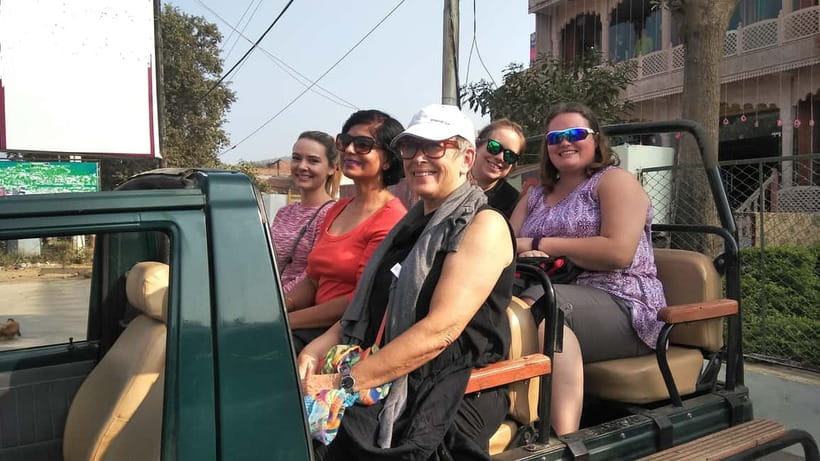
This is a short, focused 3-hour safari in Ranthambore National Park, priced around $27 per person. In plain terms, you’re buying access (entry tickets) plus a guide plus the vehicle that takes you into the reserve.
You’ll typically choose between a jeep (up to 6 people) and a canter (often 16–20). That one choice changes the whole feel. Jeeps tend to feel more personal and easier for spotting; canters can be louder and more crowded, but they’re common when groups are larger.
Included in the experience are the guide, safari, and entry tickets. Not included are food and drinks, plus tea, and the camera (so you’ll bring your own phone or camera). You’re also allowed to bring essentials like sunglasses, which is a small detail that matters once you’re looking through open vehicle rails and bright sun.
Pickup is optional depending on where you’re staying. If you are at Six Senses Fort Barwara Hotel, the normal pickup and drop are not included, and you’d need to arrange a tuk-tuk or car at an additional cost of Rs 3500 to Rs 4000.
You can also read our reviews of more tours and experiences in Sawai Madhopur.
Getting from Your Hotel to the Park: The Part That Sets the Tone
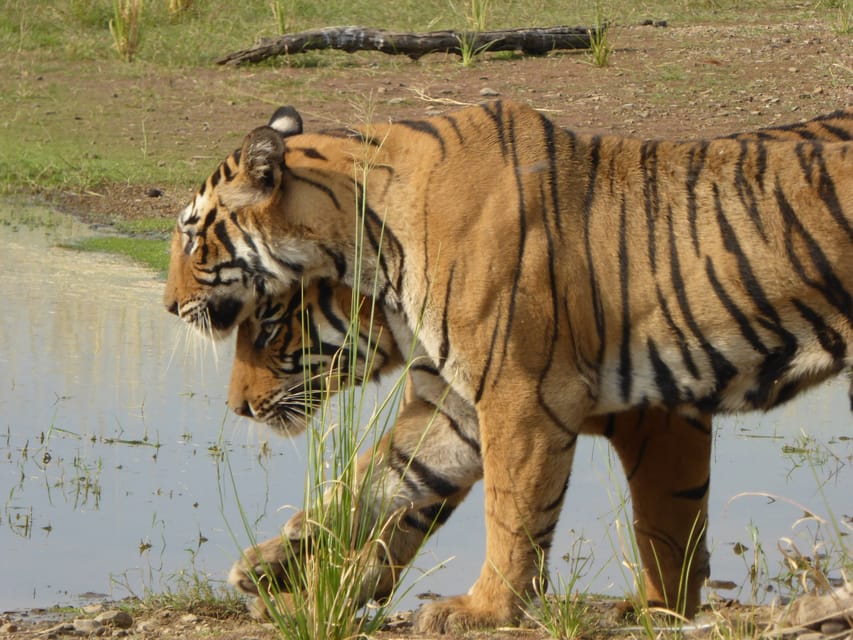
The day starts at your hotel. You meet the guide, then head toward Ranthambore National Park to begin your safari session.
Ranthambore is a tiger reserve run by the Forest Department, and that matters for your expectations. Wildlife isn’t scheduled like a museum exhibit, and entry timing can be tied to park procedures and the daily “go/no-go” rhythm.
That’s also why your 3 hours can feel longer than you’d guess. Even when you’re “in the safari,” you might spend time on the road and waiting for the right moment to enter. Bring a calm attitude. This part is where people lose patience—and where the good sightings tend to show up anyway, without asking permission.
What Happens Once You’re Driving Inside the Reserve
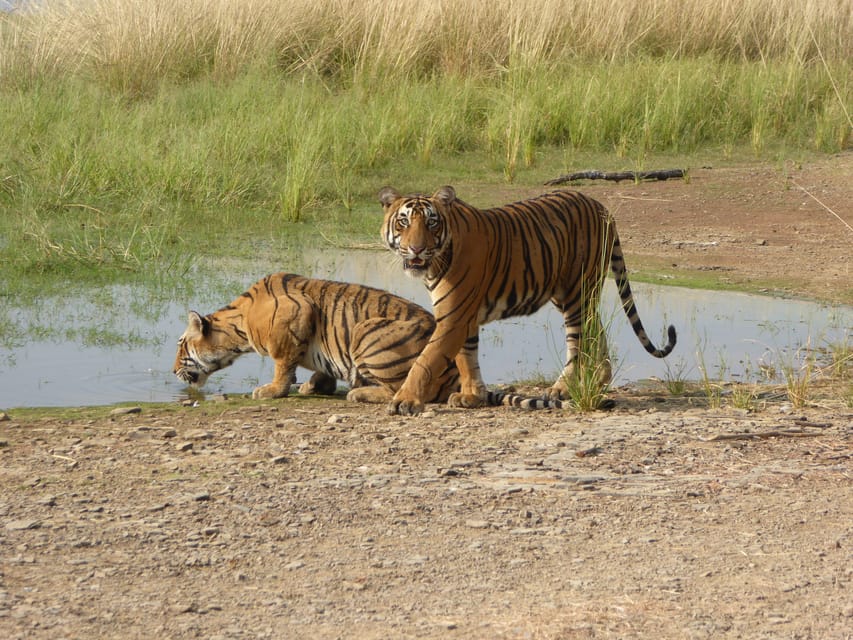
Once you’re on the road inside Ranthambore, the safari becomes a rhythm: scan, listen, pause, and then react. Your guide’s job is to help you read the jungle instead of just staring at trees.
You’ll drive through the reserve and look for the animals you’re hoping to see—especially Royal Bengal tigers. The goal isn’t only “find tiger now,” though that’s the dream. It’s also to notice how different species use the same habitat: what’s active, what’s quiet, and what looks like it’s watching you back.
Expect the guide to point out tracks and signs of animal presence, not just sightings. You may also hear commentary about the best areas to look from the safety of your vehicle—because on-foot wandering is not part of this experience. You’re there to observe.
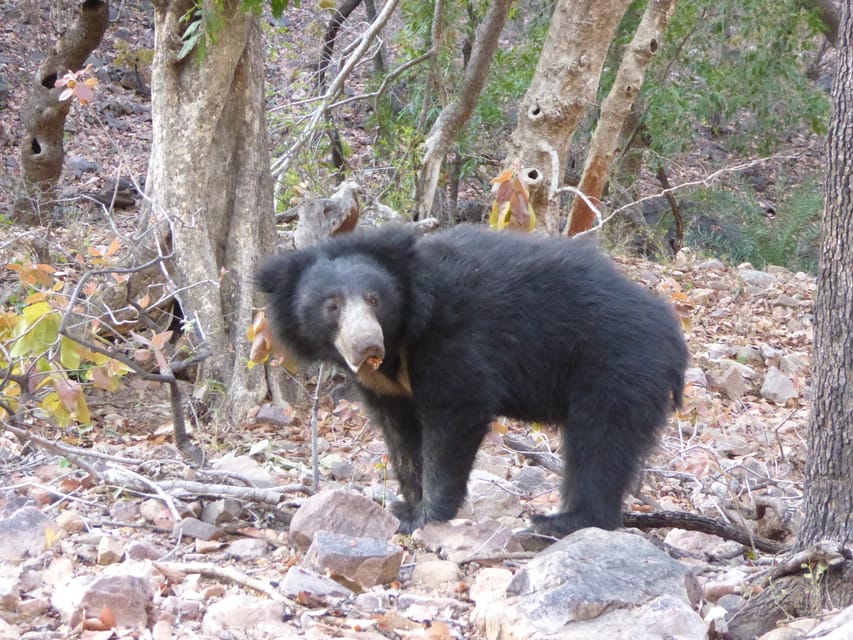
And yes, you’ll also keep an eye out for other wildlife: leopards, bears, hyenas, deer, crocodiles, and wild boars are specifically mentioned as possible. That’s a big part of the value. Even if tigers stay hidden, the reserve can still surprise you with behavior—watching how animals move along edges, how they pause near water, and how they react to each other.
Tiger Reserves Are Not Guarantees: Managing the Real-World Expectations
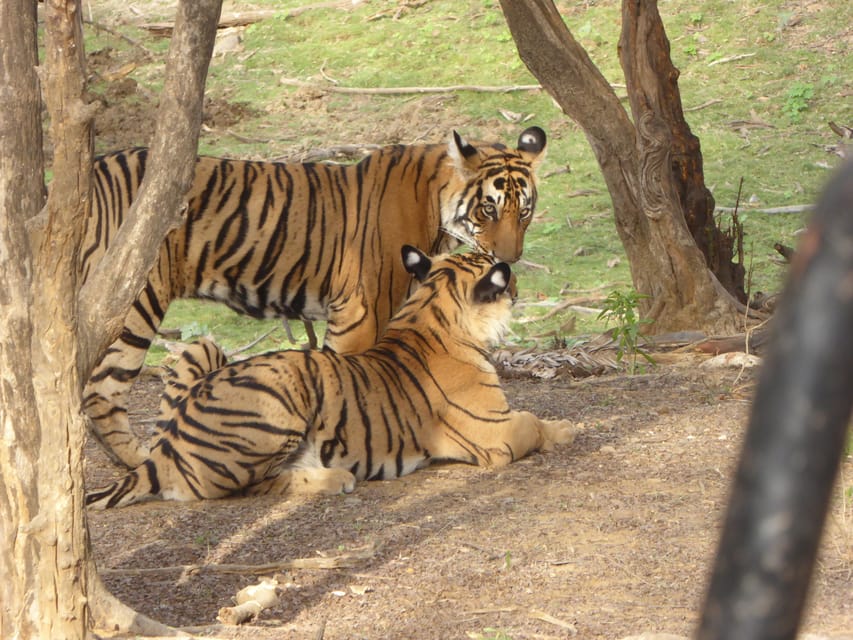
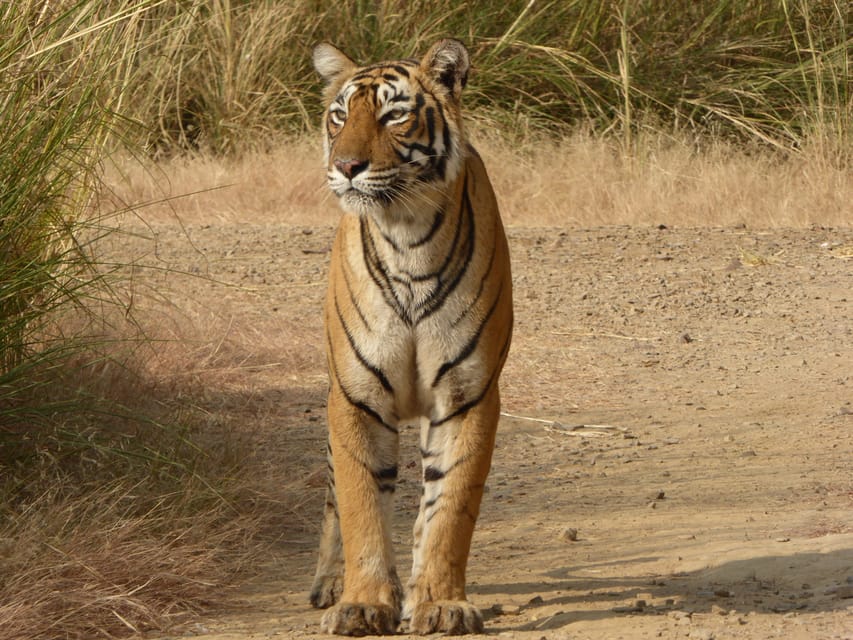
Let’s be blunt: you can’t guarantee tiger sightings here. The information is clear that sightings of tigers are unpredictable and cannot be promised, since this is a tiger reserve, not a zoo.
So what should you do with that reality? I’d treat tiger time like a bonus. The best mindset is to enjoy every “maybe” moment—the quick shape in tall grass, the sudden stop in the jeep ahead, the way your guide’s attention sharpens.
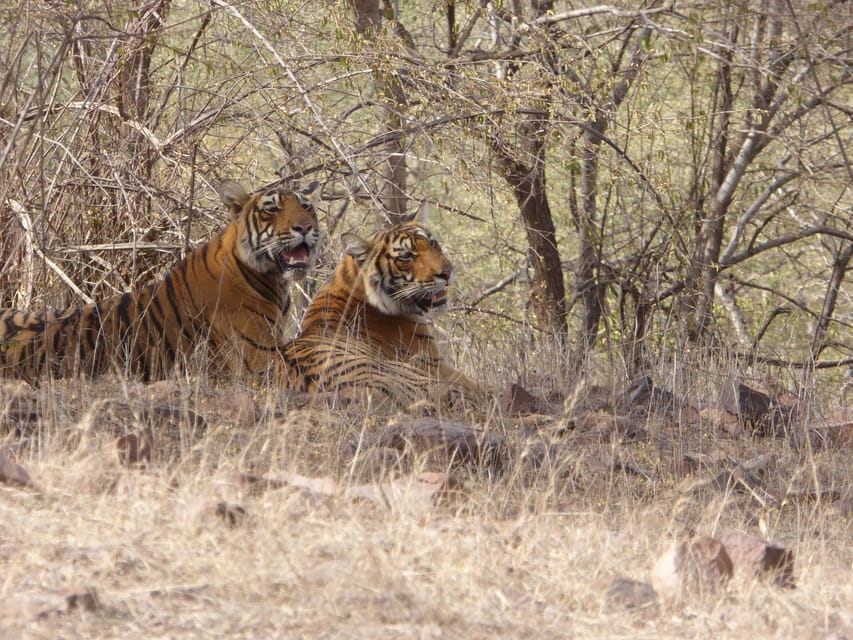
One of the strongest positives from past experiences is that the safari can end with a tiger moment, even when earlier scans take time. In one example, a guide named Meetha was credited with getting people to many beautiful spots and then finishing with a tiger and two cubs. That’s exactly how tiger days often feel: the waiting isn’t wasted, and the payoff can be sudden.
If you’re the type who gets frustrated by uncertainty, you might find Ranthambore emotionally tricky on a short schedule. But if you can enjoy a moving watch—one turn of the road at a time—you’re setting yourself up for a more satisfying safari.
Wildlife Viewing Tips That Actually Help When You’re in a Jeep
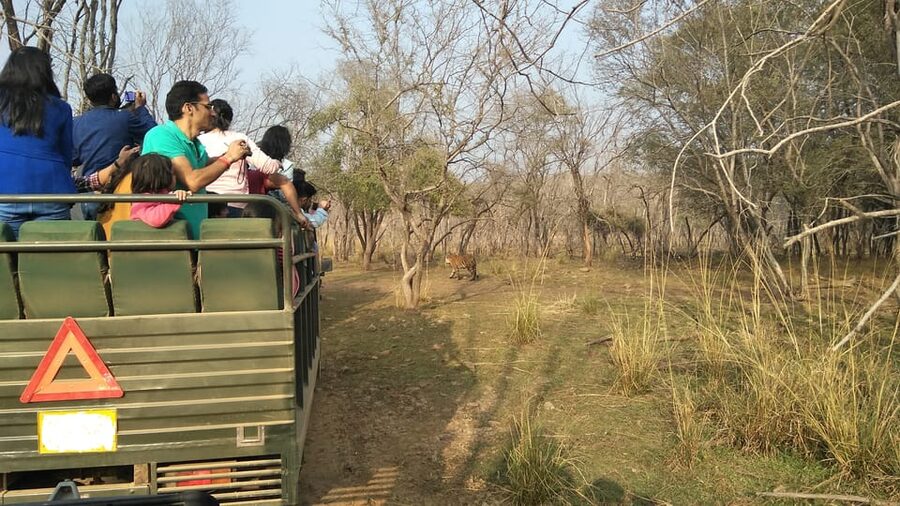
From your vehicle, you’ll have limited angles and movement. That means your best strategy is to be ready before your guide calls attention.
Here are practical things you can do:
- Keep your focus wide first. Scan treelines, clearings, and edges where animals like to cross.
- When you see one animal, pause scanning for a second. Let your eyes adjust and follow the behavior.
- Use your sunglasses to cut glare. You’ll see more if you’re not squinting.
- Listen for your guide’s cues. Often, the best “where to look” advice is about direction and timing, not just species.
Also remember: you’re driving in a reserve designed to protect wildlife, so your movement depends on what the park allows. The guide can only position the vehicle so much. Good spotting is partly about luck and partly about skill.
Photo Strategy: Getting Sharp Shots from a Moving Vehicle
This safari is built around watching and photography from inside the vehicle. Since a camera isn’t included, you’ll want to bring your own phone or camera and be ready for fast moments.
Here’s what tends to work best:
- Take short bursts rather than one long shot. Animals move in seconds.
- Keep your lens ready before your guide signals an animal position.
- Expect lighting swings. Sun + shade + tall branches can create contrast problems, so check your results quickly.
And don’t chase perfect composition. In a safari, the animal is the subject, not the framing. If you only look for Instagram angles, you’ll miss the real thing.
Also, manage expectations: “up close” doesn’t mean you’ll be beside the animal on foot. It means visibility from your seat, at a distance the park allows.
Group Size and Comfort: Why Jeep vs Canter Changes Everything
The vehicle size is one of the biggest practical differences you’ll feel.
A jeep can accommodate up to 6 people. That usually translates into better sightlines and easier conversation with your guide. You also tend to get a more personal experience—less noise, less waiting for everyone to shift.
A canter usually holds 16–20 passengers. That can be fun if your group is friendly, but it also means shared space, more bodies blocking views at times, and less individual attention from the guide.
There’s another factor: language. The tour information says your guide is available in English and Hindi. Still, based on real experiences, language experience can vary depending on the guide and the group. If you rely on English for details, I’d strongly consider confirming language expectations when you book.
If you’re traveling with a mixed-language group, you can still enjoy the safari—you’ll pick up a lot from behavior and from the guide pointing out where to look. But if you want full commentary, plan for a little uncertainty and be flexible.
Timing, Waiting, and Why Short Safaris Still Feel Worth It
A 3-hour safari sounds short. And it is. But the reserve’s drama isn’t measured in hours—it’s measured in moments.
You might find there’s waiting involved as you wait for the call to enter and as the vehicle cycles through areas allowed for viewing. That waiting can be frustrating if you came for instant gratification. The flip side is that you’re not sprinting around the reserve like a theme park.
The best approach is to treat those pauses as part of the experience. Jungle viewing works because animals come out when they feel safe and when conditions align. Your job is to watch longer than you think you need to.
Who This Safari Suits Best (and Who Should Skip It)
This activity is a great fit if you:
- want wildlife in a natural habitat rather than staged viewing
- enjoy guided interpretation and scanning for animals
- like the thrill of unpredictability, because that’s how tiger reserves actually work
It’s not suitable for pregnant women. Beyond that, the experience is very vehicle-based, so comfort with outdoor conditions matters. You’ll be sitting in the open jeep/canter setting, watching and reacting, often with sun, dust, and noise.
If you’re a “breathe-and-enjoy” traveler who can stay patient, you’ll likely have a better time than someone who needs a fixed script.
Small Rules That Keep the Safari Smooth
There are clear rules that keep wildlife stress low. Smoking and alcohol and drugs are not allowed.
Also, you need to carry your original ID or passport during the safari. The park requires ID for entry. After booking, you’ll be asked to send your passport for park entry via WhatsApp or email, and they note the activity can’t be booked without ID/passport.
So pack smart: bring your passport or ID card (and a copy may be accepted per the info), plus a driver’s license if you have it. At the very least, have your original travel ID on you that day.
Price and Value: Is $27 a Good Deal for Ranthambore?
For the cost, what you’re getting is access + guidance + transportation into the reserve, with entry tickets included. That’s real value, especially in a place where wildlife viewing depends heavily on permits and controlled entry.
The trade-off is uncertainty. If you’re unlucky on the day, you may still see plenty of animals (leopards, hyenas, bears, and others are all part of the possible mix), but the tiger moment might not land for you. And because this is a tiger reserve, you can’t “buy” guaranteed results.
Also note what isn’t included. Food and drinks are on you, and a camera isn’t provided. Bring a simple water plan, since you’ll likely spend time outside and may not want to leave the viewing loop.
Overall, if you’re open-minded and value wildlife observation over guaranteed tiger viewing, the price-to-experience ratio can make sense.
Should You Book This Ranthambore Safari?
I’d book it if you want a short, guided wildlife drive and you’re okay with tiger sightings being unpredictable. The biggest reason to say yes is the setup: entry tickets + a live guide + vehicle-based viewing in a real reserve, all in about 3 hours.
Skip it only if you need guaranteed tiger sightings or you’re not comfortable with shared vehicles and the possibility of waiting during park procedures. If you’re set on a super chatty English commentary, plan for variability and consider confirming guide language when booking.
If your goal is to spend a few focused hours in serious tiger country—listening for movement, scanning the edges, and grabbing photos from your seat—this safari style is a solid way to do it.
FAQ
What’s the duration of the Ranthambore safari?
The safari runs for about 3 hours.
Is pickup included from all hotels?
Pickup is optional and depends on where you’re staying. The info specifically says pickup and drop are not included for Six Senses Fort Barwara Hotel unless you arrange transport for an additional Rs 3500 to Rs 4000.
What is included in the price?
The experience includes the guide, safari, and entry tickets.
What should I bring for park entry?
Bring your passport or ID card (original required during safari). Sunglasses are also listed as something to bring. Copies may be accepted per the information provided.
Can I expect to see a tiger?
No. Tigers are unpredictable here and sightings cannot be guaranteed because this is a tiger reserve, not a zoo.
Are food, drinks, or a camera included?
No. Food and drinks (including tea) and a camera are not included, so you’ll need your own.