REVIEW · SAWAI MADHOPUR
Ranthambore National Park: Safari Ticket with Pickup Option
Book on GetYourGuide →Operated by Safarirajasthan · Bookable on GetYourGuide
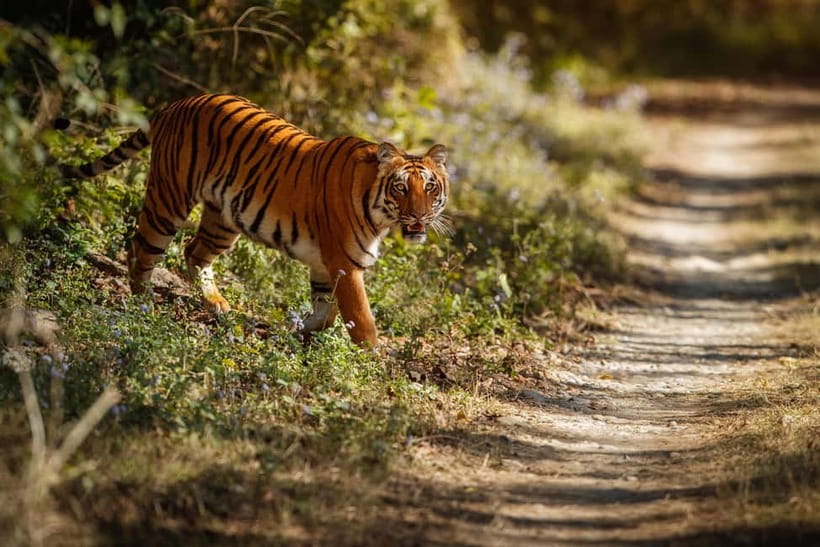
A Tiger is the headline, but the ride tells the story. In Ranthambore, I like the official safari setup with an expert naturalist guide and the real chance to spot Royal Bengal Tigers, leopards, and sloth bears in the same morning. One thing to keep in mind: forest zones are assigned and can’t be changed, and popular slots can fill quickly.
This is a 4-hour safari experience in Rajasthan that starts with pickup (from a long list of hotels, or the nearest accessible spot) and ends back where you started. You’ll choose between a Jeep (6-seater) or a Canter (20-seater), depending on availability, and the vehicle choice affects comfort, sightlines, and how close you can feel to the action.
In This Review
- Key takeaways before you go
- Ranthambore at dawn: what a 4-hour safari really feels like
- Jeep vs Canter: how vehicle choice affects comfort and viewing
- The zone rule: why your tiger odds depend on assignment
- More than tigers: what you’ll likely spot in Ranthambore
- Your naturalist guide: why the people on board shape the outcome
- Price and value: what $54 actually buys you
- Your timing, pickup, and drop-off: how the day flows
- What to bring (and what gets you stopped)
- Who this safari fits (and who should skip it)
- Should you book this Ranthambore safari ticket?
- FAQ
- How long is the Ranthambore safari?
- How much does the safari ticket cost?
- Do I get to choose between a Jeep and a Canter?
- Is pickup and drop-off included?
- What’s included in the ticket price?
- What should I bring for the safari?
- What items are not allowed during the safari?
- What’s the cancellation policy?
Key takeaways before you go
- Zone assignment is everything: You cannot swap to another zone once the Forest Department assigns yours.
- Jeep vs Canter changes the feel: Jeeps are faster and more intimate; canters are less cramped for bigger groups.
- Your guide matters: Many safaris succeed because guides work hard to read signs and point out animals and birds.
- You’re buying more than a ride: Entry ticket, forest permits/fees, and a DSLR permit are included.
- Rules are strict in the park: No flash, no feeding, no noise, and no littering.
- Your body matters: This isn’t a good match for wheelchair users or people with back problems.
Ranthambore at dawn: what a 4-hour safari really feels like
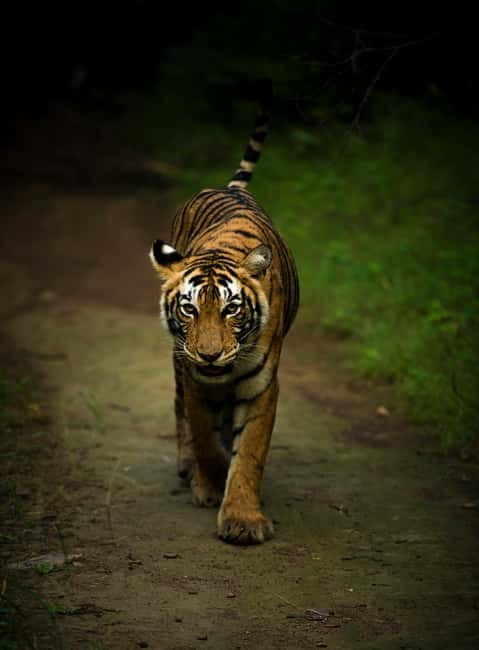
Ranthambore National Park is built for early mornings. You’re out during sunrise hours, when animals are more active and the light makes everything easier to spot—especially motion in the trees. The schedule is short on paper, but it doesn’t feel rushed. You get the off-road drive element, plus time built in for a break and sightseeing as you move through the area.
The practical upside of a tight time window is focus. You’re not doing a long day of transfers and waiting. Instead, you’re trading that time for actual time in the park zone, where sightings happen—or where you get a better feel for how the jungle works. And when you do see something, you’ll understand why it’s a big deal: this park is one of India’s most famous places to look for Royal Bengal Tigers.
The slightly less romantic part: a safari is also about patience. If your guide and driver can’t find fresh signs, you won’t force it. That’s why zone assignment and availability matter so much, which brings us to the next point.
You can also read our reviews of more tours and experiences in Sawai Madhopur.
Jeep vs Canter: how vehicle choice affects comfort and viewing
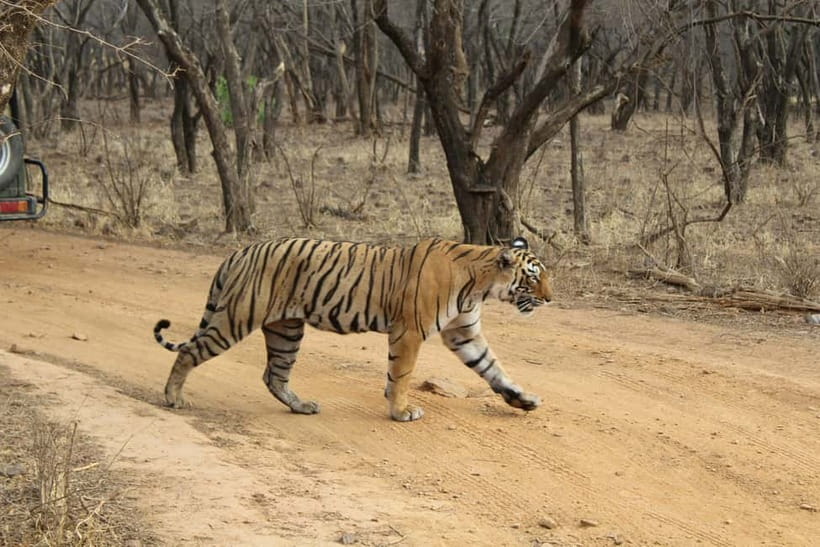
You have two common options here. A Jeep (6-seater) is the smaller vehicle, with a more intimate vibe and a feeling that you’re right in the action. A Canter (20-seater) is bigger, and the ride can feel smoother for longer stretches—plus you typically won’t feel as squeezed for seating.
If you’re sensitive to tight spacing, go in with your eyes open. One past booking mentioned the Jeep can be tight with three adults across the back, even if the seats are described as comfortable. On the flip side, canter seating has a more spread-out feel, and one review specifically noted it as comfortable.
What about viewing? In general, a smaller vehicle can help you concentrate on the same section of jungle. But a bigger canter often means more eyes scanning for motion. Your best bet is to choose based on what will make you less fidgety during the hunt—because you’ll do better spotting animals when you’re not adjusting every five minutes.
Also, your exact vehicle depends on availability. So, if you really care about one type, treat this as something you plan early rather than something you gamble on last minute.
The zone rule: why your tiger odds depend on assignment
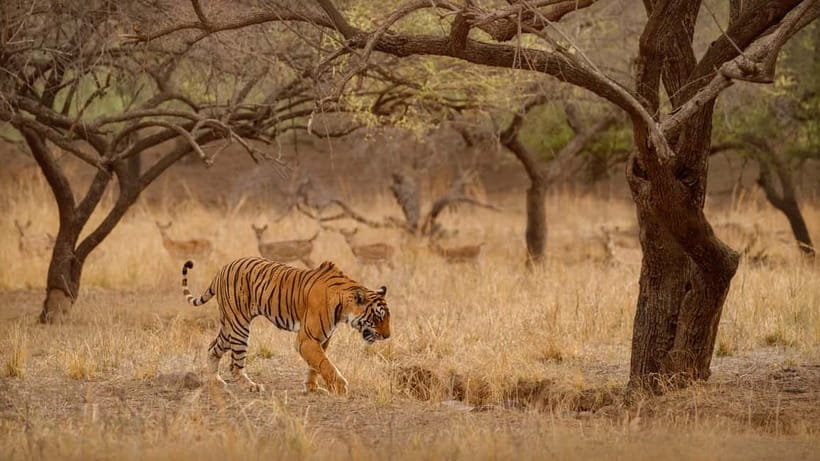
Here’s the key detail you should not ignore: safari zones are assigned by the Forest Department and cannot be changed. That means your itinerary is partly in your control (booking early, choosing this ticket), and partly not (which zone you’re placed into).
Why that matters: different zones can offer different mixes of open areas, cover density, and animal movement patterns. In real safari terms, that can change what you’re most likely to see, even with a great guide. In past safaris, people reported success in different zones—for example, sightings associated with zones like 2, 5, and 6.
So the smartest move is not to obsess over which zone you want. Instead, aim for two things:
- Book early so you get a better shot at the slot you want.
- Be mentally flexible once you’re assigned, because your guide’s job becomes finding the best activity within your assigned zone.
And because this is a popular park, advanced booking is strongly recommended. During peak times, availability can disappear fast.
More than tigers: what you’ll likely spot in Ranthambore
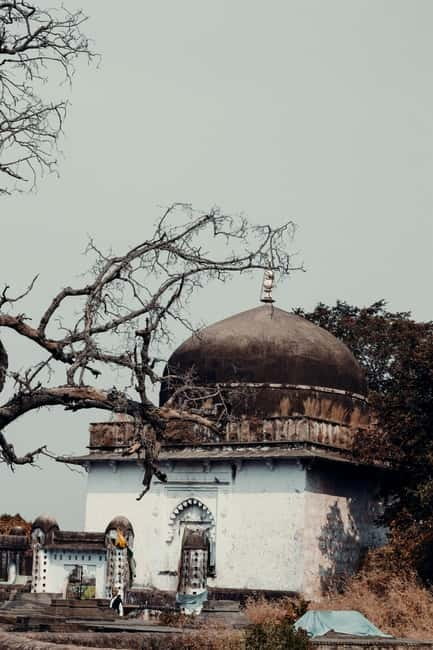
Yes, tigers are the big reason people come. But a good Ranthambore safari isn’t only about one animal. Your ticket puts you in the jungle ecosystem, where you can get a mix of mammals, birds, and reptiles.
Based on what’s been seen on these safaris, here’s the practical range:
- Leopards (sometimes for longer looks when luck and timing line up)
- Sloth bears
- Deer, including sambar deer
- Crocodiles (depending on the zone and water edges)
- Birds like eagles, plus peacocks that can show up when you least expect them
One standout detail from the safari feedback: when people had a specific interest in birds, the guide made a point of identifying and pointing them out, including species-level attention. If birds matter to you, say so at the start. It’s the easiest way to turn a generic safari into a more personal one.
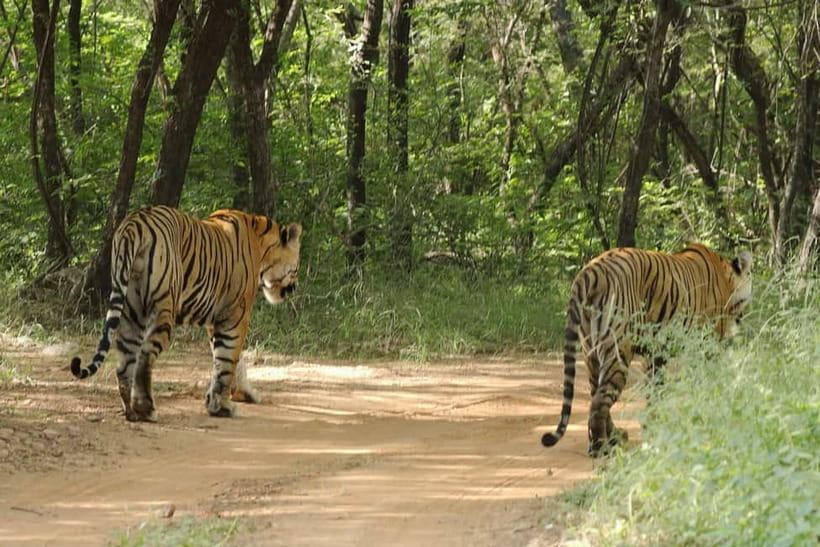
You should also expect that not every safari will deliver a tiger view. Some safaris reported no tiger sighting but still delivered a lot: deer, peacocks, eagles, and crocodiles. That doesn’t mean the safari was a miss—it means you’re seeing the park as a working habitat, not a vending machine.
Your naturalist guide: why the people on board shape the outcome
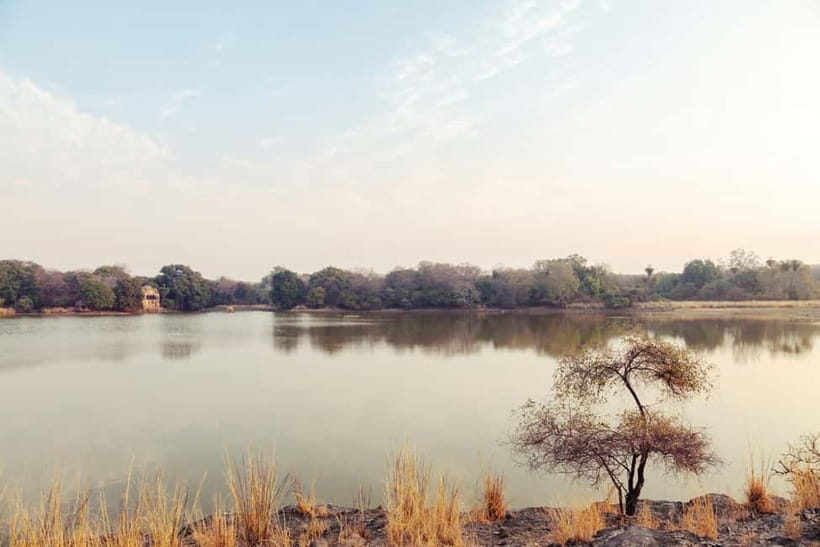
This safari includes an expert naturalist guide during the drive and spotting time. That guide role is more than reciting facts. A good guide helps you interpret jungle “stillness”—where animals are likely to be, what tracks mean, and where to look when the obvious spot is empty.
Two guide names came up in successful experiences: Bharti and Aman. In those cases, the guide was described as attentive, engaging, and full of knowledge. One booking also called out an impressive effort to organize things quickly after a change request—so if your timing or plans shift, it helps to communicate early.
There’s also a communication angle. Multiple safari experiences referenced smooth coordination ahead of time, including messaging through WhatsApp. If you book this safari, make sure you have a phone number you’ll actually use. Then keep an eye on the messages the day before. It’s a small thing, and it can prevent the classic travel-day scramble.
One language note: the live guide can work in multiple languages including English, French, German, Hindi, Russian, Spanish, and Italian. If you’re not fluent in Hindi, say your preference early so you get the experience you expect.
Price and value: what $54 actually buys you
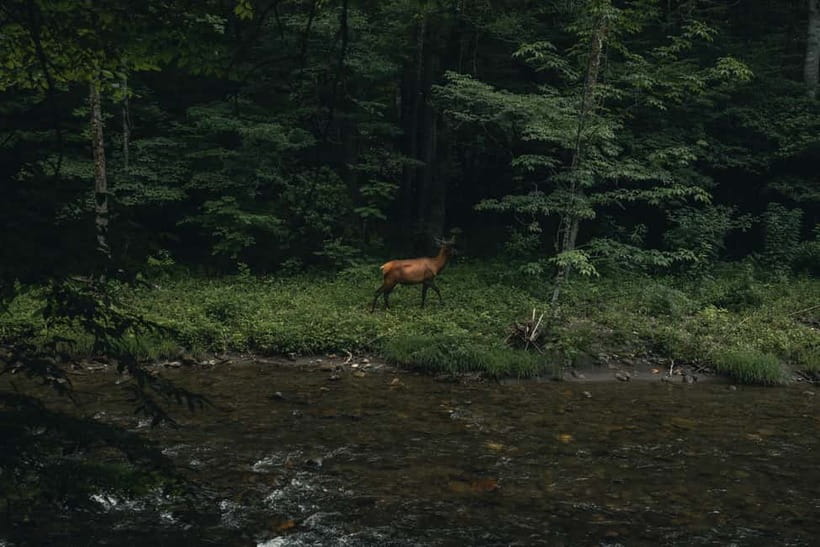
At about $54 per person for a 4-hour safari, the value comes from what’s bundled—not just the vehicle ride.
Included highlights that matter in real life:
- Official Ranthambore National Park entry ticket
- Government-approved safari vehicle (Jeep or Canter)
- All necessary forest permits and fees
- Pickup & drop-off if selected
- Expert naturalist guide
- DSLR camera permit
That DSLR permit detail is easy to overlook, but it matters if you’re bringing more serious gear. Also, the ticket is described as a way to skip the ticket line, which can save time when you’re traveling in the early morning window.
What’s not included:
- Meals and beverages
- Camera fees for video cameras (DSLR permit is included, but video camera fees are separate)
- Travel insurance
Here’s how I’d frame the value: if you tried to piece together the same elements separately—entry ticket, permits, a licensed vehicle, and a guided safari—you’d likely pay more and spend extra effort coordinating it. This package is set up for the simple goal: get you into the park at the right time with the right permissions.
Your timing, pickup, and drop-off: how the day flows
This safari is designed to be easy logistically. You’ll meet the guide at either the Ranthambore National Park entrance or your hotel if pickup is selected. The pickup list is large, covering multiple resorts and hotels around Sawai Madhopur and Ranthambhore.
One practical detail: if your hotel sits in narrow lanes or off-road areas, pickup is arranged from the nearest accessible point on the main road. That means your driver might not come right to your lobby doors. In that case, it’s helpful to know where the main road access is, so you’re not hunting for a vehicle in the half-light.
During the safari block, you’ll have time for the drive, a break, and sightseeing as the safari runs. Then you’ll be dropped back at one of the listed drop-off locations.
The main drawback to consider is simple: if you’re relying on a very specific pickup spot, confirm it. The system is structured, but the nearest accessible point rule can change where you walk from.
What to bring (and what gets you stopped)
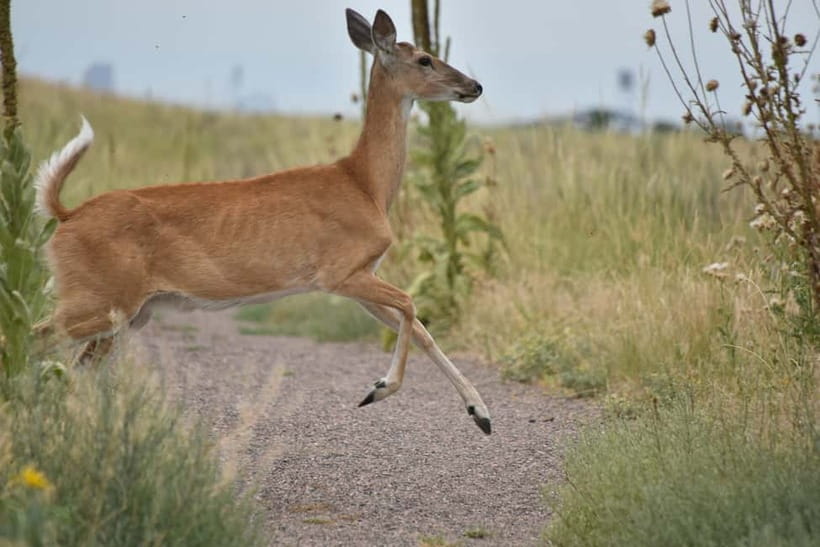
Ranthambore is a real park with real rules, and it’s not a place to wing it with the wrong gear.
Bring:
- Comfortable shoes
- Sunglasses
- Hat
- Camera (and plan for your camera permit rules)
- Water
Also bring your valid photo ID for entry verification. This is one of those items that can turn into a headache if you forget it.
Not allowed:
- Smoking
- Flash photography
- Littering
- Feeding animals
- Making noise
That may sound strict, but it’s also why wildlife behavior tends to be more natural and why guides can maintain a safer, calmer experience for everyone.
If you’re the type who wants to take great photos, remember the flash rule. Use natural light and zoom/positioning instead. A safari is fast—so having your camera ready and settings checked before you start scanning is a good habit.
Who this safari fits (and who should skip it)
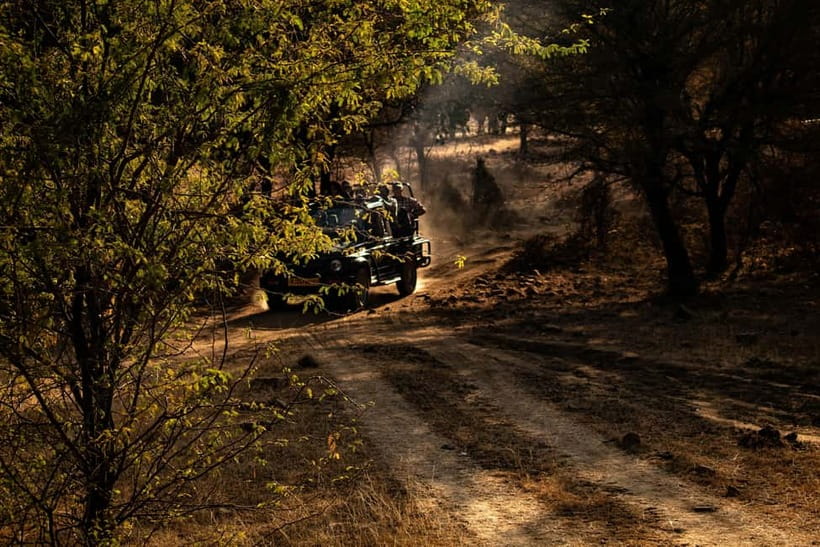
This experience can be a great match if you want a guided early safari in Ranthambore without turning it into a logistics project. It also says “small group available,” which usually means less chaos and more chance for the guide to respond to questions.
It’s not suitable for:
- Wheelchair users
- Pregnant women
- People with back problems
That makes sense when you consider the vehicle type, off-road driving, and the general physical demands of getting in and out at the start and end.
If you’re generally mobile, okay with a morning start, and you enjoy spotting animals quietly and carefully, this is a solid option.
Should you book this Ranthambore safari ticket?
If your goal is a guided Ranthambore safari with official tickets, permits, and a naturalist guide included, I’d say yes—especially if you can book early and lock in a slot.
Book this if:
- You want a 4-hour safari that is focused and not a day-long hassle.
- You care about chances to see tigers plus other wildlife like leopards, sloth bears, and birds.
- You’re bringing a DSLR and want a DSLR camera permit included.
Think twice if:
- You’re hoping to switch zones last minute. You can’t. Your best strategy is planning ahead.
- You need a high-comfort ride for mobility issues. This isn’t designed for that.
My final advice: treat this as a hunt in a real habitat, not a guarantee. When it clicks, it’s unforgettable—and when it doesn’t land a tiger, you can still leave with strong wildlife moments and a much better read on Ranthambore’s jungle rhythms.
FAQ
How long is the Ranthambore safari?
The safari duration is 4 hours.
How much does the safari ticket cost?
The price is listed as $54 per person.
Do I get to choose between a Jeep and a Canter?
Yes. You can choose a Jeep (6-seater) or a Canter (20-seater), subject to vehicle availability.
Is pickup and drop-off included?
Pickup & drop-off are included if you select the pickup option. If your hotel is not directly accessible, pickup is arranged from the nearest accessible main-road point.
What’s included in the ticket price?
Included items are the official Ranthambore National Park entry ticket, an expert naturalist guide during the safari, pickup & drop-off if selected, a government-approved safari vehicle, forest permits and fees, and a DSLR camera permit.
What should I bring for the safari?
Bring comfortable shoes, sunglasses, a hat, a camera, and water. You should also carry a valid photo ID for entry verification.
What items are not allowed during the safari?
Smoking, flash photography, littering, feeding animals, and making noise are not allowed.
What’s the cancellation policy?
You can cancel up to 24 hours in advance for a full refund.