
Tiger country, and you can feel it fast. After pickup from your Sawai Madhopur hotel area, you head into Ranthambore National Park for a 3-hour shared safari focused on one of the park’s zones, with the main draw being that you may spot the Royal Bengal Tiger and other big-name wildlife. What I especially like is the built-in convenience of pickup and drop, plus the fact that your driver/guide/ranger is there to help you understand what you’re seeing as you go. The main thing to consider: tiger sightings are never guaranteed, and one thing that can vary is the vehicle type depending on what’s available for that time slot.
In This Review
- A short practical note before you go
- Key things to know before booking
- How the safari setup works in Ranthambore (one zone, one plan)
- Price and value: what $41 really buys you
- Getting picked up: timing, confirmation, and what to watch
- What you’ll see on the drive: Ranthambore’s fort, ruins, and water
- Wildlife odds: what you might spot besides tigers
- Jogi Mahal: a heritage stop that adds meaning (and a tiger past)
- Shared safari reality check: vehicle, comfort, and the “what if” moments
- Guide help that actually matters: how to spot what’s worth seeing
- Timing in a short safari: 3 hours can be enough (if you’re ready)
- Reviews distilled: what people love most, and what to stay alert about
- Who this safari is best for
- Should you book this 3-hour shared safari in Ranthambore?
- FAQ
- How long is the Ranthambore safari?
- Is pickup and drop included?
- What’s included in the ticket price?
- Is tiger spotting guaranteed?
- How many zones can the safari visit?
- What time does the tour start?
- Where does the safari happen?
- Is food included?
- Is accommodation included?
- What is the cancellation policy?
A short practical note before you go
You’re not just cruising for photos. Ranthambore has water bodies, ruins, and a fort viewpoint that make the drive itself part of the experience, even if the tigers stay hidden. I also like that the safari is organized around a single zone (zones 1 to 10), which keeps the outing focused. Still, because this is a shared safari and zones run on availability, you should plan for a more flexible experience than a private, custom route.
Key things to know before booking
- One zone per safari (zones 1–10): your sightings depend on where you’re assigned that day
- Pickup and drop from nearby hotels: you avoid the hassle of figuring out transport on your own
- Ranthambore Tiger Reserve entry included: admission is covered in the price
- Wildlife range beyond tigers: deer, sloth bear, hyenas, leopards, plus monkeys and mugger crocodiles near water
- Jogi Mahal adds context: a heritage stop tied to royal hunting-era stories near the fort
- Uncertain tiger odds: you go for the chance, not a promise
You can also read our reviews of more tours and experiences in Sawai Madhopur.

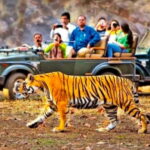
How the safari setup works in Ranthambore (one zone, one plan)
Ranthambore National Park is big, and the way this safari is run helps you keep your expectations grounded. Your safari is limited to one zone during your 3-hour outing, based on availability (from zone 1 to zone 10). That matters because tiger sightings are location-based. Even if you’re in the right mood, a tiger’s presence depends on that day’s animal movement and habitat use inside that assigned zone.
Also, a shared safari means you’re riding with others. The good news is that sharing doesn’t automatically reduce your experience—Ranthambore sightings depend more on where the safari vehicle goes and what the ranger/guide spots than on whether you’re alone. The tradeoff is that you won’t have total control over routing.
Price and value: what $41 really buys you
At $41 for about 3 hours, the value is strong because your safari isn’t just a vehicle rental. The price includes safari admission, entry to the Ranthambore Tiger Reserve, and pickup and drop from nearby hotels. You’re also getting a ranger/guide element that’s built into the experience format: they help identify and differentiate flora and fauna as you move through the park.
What’s not included is the part you’d normally budget anyway—meals and accommodation. So think of this as a focused wildlife block in your day, not a full-day package with everything handled.
Is it worth it? If you’re planning to do Ranthambore for tiger odds, this kind of short safari can be a smart buy—especially when admission and hotel-area pickup are included. If you’re the type who wants a long, slow, no-rush day with flexible timing and lots of driving time, you might find 3 hours a bit tight.
Getting picked up: timing, confirmation, and what to watch
You’re picked up from your hotel in Sawai Madhopur (pickup is offered from nearby hotels). Start time is listed as 12:00 am, but you should treat that as a placeholder and rely on your booking confirmation for the real pickup schedule. The important part for you: confirmation happens after booking, so you’ll have a clearer pickup time before you head out.
One practical detail: the experience includes a near public transportation note. That can help if you need to adjust your day around the pickup area. And because it’s described as a private tour/activity with only your group participating, your group won’t be mixed into other parties during transfers or organized segments. The safari ride itself still follows the shared-zone reality.
What you’ll see on the drive: Ranthambore’s fort, ruins, and water
The main stop is inside Ranthambore National Park, and the scenery is part of the show. The park is known for water bodies scattered across the grounds. In summer heat, those water points become major pull-factors for wildlife, so it’s smart to be alert near where animals might gather or travel to drink.
Then there’s the human history layer: Ranthambore is named for a huge fort that towers atop a hill, plus ruins of bygone eras scattered through the jungle. This gives your safari a mixed feel—wildlife plus old stone, old routes, and a sense of how long people have moved through this region.
The itinerary also notes that tigers at Ranthambore have been known to hunt in full view of human visitors. That’s a big promise in spirit, but it’s still “known” not “guaranteed.” Your best approach is to stay mentally ready—when the ranger brakes or points, you’ll want to be watching in that direction immediately.


Wildlife odds: what you might spot besides tigers
The highlight is always the Royal Bengal Tiger, but you’ll get more than one-track thinking here. As you drive through forests and grassland areas, the experience description sets up a pretty wide menu of possible sightings:
- Deer: look for movement near cover and edges where predators can ambush
- Sloth bear: often tied to specific habitats and food sources, so keep watching when the ranger slows
- Hyenas: tend to show up when conditions are right and they’re active
- Leopards: can be less predictable than tigers, but the park supports them
- Monkeys: you may spot them around roads and near activity zones
- Mugger crocodiles: these are most likely around water bodies
- Tigers (not guaranteed): you may also be able to spot an exclusive tiger in the grasslands
One of the best values of doing this with a guide/ranger is not just spotting animals—it’s figuring out what you’re looking at. The experience is designed so you’re not stuck guessing whether that silhouette is deer, bear, or something else. You’ll get help differentiating the park’s flora and fauna as you go, which turns your safari from luck-chasing into learning.
Jogi Mahal: a heritage stop that adds meaning (and a tiger past)
Between pure wildlife driving and the park’s bigger history, Jogi Mahal is a small stop with big context. It’s described as a place where tigers used to rule, partly because it sits close to Ranthambore’s tiger hub. The mahal is located about 500 meters from Ranthambore Fort, which is why it fits naturally into the story of the area.
What I like about Jogi Mahal is how it connects the park’s wildlife with a human timeline. The mahal is considered one of the oldest heritage buildings in the Ranthambore area and is tied to a time when it functioned as a hunting resort for the royal families. The royal family would spend time there during hunting expeditions in the nearby forests.
Even if you’re not into history-heavy stops, this is worth a look because it changes your perspective. When you then return to the wildlife part of your day, the ruins and water bodies feel less like scenery and more like a living system that humans have watched for centuries.
Shared safari reality check: vehicle, comfort, and the “what if” moments
You’re paying for a wildlife safari, not a luxury tour. Still, comfort matters because you’ll want to stay alert for movement, especially when animals are near road edges or water.
There’s one caution worth respecting: while the experience format is a safari, vehicle type can vary based on availability. One unhappy situation described a mismatch between expected jeep/gypsy and a canter (a 16-seater vehicle). That doesn’t mean this happens every time, but it’s a reminder for you to clarify expectations up front—especially if you’re booking at a busy time.
What to do:
- Ask what vehicle type you’re assigned for your safari slot
- Confirm the zone you’re likely to be in (since the safari is limited to one zone)
- Be ready for a shared ride dynamic even if transfers feel private for your group
If your priority is wildlife viewing first, then vehicle details are secondary. If you care about the feel of the ride, it’s worth getting clear before you go.
Guide help that actually matters: how to spot what’s worth seeing
Ranthambore isn’t a zoo. If you go in expecting a straight line of tiger sightings, you’ll get frustrated fast. The experience you’re considering is built around ranger/guide help to identify what’s around you—flora and fauna differences, and what the animals’ presence might signal.
In practical terms, that means you should do two things:
- Watch where the vehicle slows, not just where animals are already visible.
- Listen when the ranger points things out, even if you don’t immediately see the animal. Often the “there” arrives a few seconds later.
This is also why a 3-hour safari can work well. You’re not stuck for an entire day in one area. Instead, you get a focused window to use a guide’s expertise and your own eyes.
Timing in a short safari: 3 hours can be enough (if you’re ready)
This is a fast turn: roughly 3 hours total. In wildlife terms, that can be a good thing. Animals move. Light changes. Activity ramps up and slows down. A short, structured safari keeps your day efficient so you can pair it with other Ranthambore experiences.
The downside is obvious: you have less time to “wait out” a slow day. If that day’s tigers aren’t active in your zone, you might come away feeling like you got mostly background wildlife.
How to tilt the odds in your favor:
- Stay patient the moment you’re in position
- Keep your attention on edges, water points, and places where animals might travel
- Don’t treat the fort and ruins as filler—sometimes wildlife appears near structures and travel routes
Reviews distilled: what people love most, and what to stay alert about
The strongest positive themes are about service quality and smooth communication. People talk about a straightforward booking process, friendly staff, and no hidden charges. They also emphasize quick communication channels (including WhatsApp-style messaging) and clear details like vehicle registration info and pickup timing, plus getting a receipt after paying.
On the wildlife side, the best stories are memorable and simple: one family described luck with a mother tiger sleeping while her three cubs played in the grass—exactly the kind of moment Ranthambore is famous for.
The one negative theme to respect is the vehicle-type expectation issue. Because one person felt they were pushed from an expected jeep/gypsy to a canter, it’s smart for you to confirm what vehicle you’ll be on and what’s included in your specific slot.
Who this safari is best for
This 3-hour shared safari with pickup suits you if:
- You want tiger country without spending the whole day in transport
- You like a guided element that helps you interpret what you’re seeing
- You’re okay with tiger viewing being uncertain, as long as you get a solid park experience
You might not love it if:
- You need a long, slow wildlife day with more flexibility
- You’re very sensitive to vehicle differences and prefer a specific style of safari ride
- You’re expecting guaranteed tiger sightings
Should you book this 3-hour shared safari in Ranthambore?
I’d say yes if you want a practical Ranthambore hit: hotel pickup, park entry, and a focused chance at big cats in a tightly organized 3-hour window. For many people, the best part isn’t only the tiger—it’s how the ranger/guide help you turn sighting moments into real understanding of the park’s ecosystem.
Book it if you confirm two things first: the vehicle type you’ll be assigned and the zone you’ll be driving that day. Also remember this is non-refundable and can’t be changed for any reason, so you’ll want to be sure your plans are solid before paying.
If those checks work for you, this is a strong value way to see Ranthambore National Park and still keep your day moving.
FAQ
How long is the Ranthambore safari?
The safari lasts about 3 hours.
Is pickup and drop included?
Yes. Pickup and drop are offered from nearby hotels in Sawai Madhopur.
What’s included in the ticket price?
It includes safari admission and entry to the Ranthambore Tiger Reserve, plus pickup and drop.
Is tiger spotting guaranteed?
No. Tiger sightings are not guaranteed.
How many zones can the safari visit?
Each safari is limited to one zone, selected based on availability from zones 1 to 10.
What time does the tour start?
The start time is listed as 12:00 am, and you’ll receive confirmation at the time of booking (so your real pickup time should be confirmed then).
Where does the safari happen?
It takes place in Ranthambore National Park near Sawai Madhopur, Rajasthan.
Is food included?
No meals are included.
Is accommodation included?
No accommodation is included.
What is the cancellation policy?
The experience is non-refundable and cannot be changed for any reason.