REVIEW · MOAB
Canyonlands National Park Self-Guided Audio Tour
Book on Viator →Operated by Shaka Guide Apps · Bookable on Viator
Canyonlands gets guided without a guide. This self-guided GPS audio tour takes you through the Island in the Sky district with turn-by-turn directions and stories timed to where you are, not a rigid bus schedule. You can stop for viewpoints, short walks, and bigger hikes, then get back in the car and keep moving.
I really like the one price per group (up to 15 people) setup, because it turns a pricey national-park day into something that feels almost too fair. I also like that the app includes an offline map and GPS navigation, so you are not stuck waiting on cell service in a remote place.
One thing to plan for: Canyonlands is often a Wi‑Fi dead zone, and if you don’t fully download before you go, the narration can fail or not load. A couple of people also reported that narration cut out partway through, so I’d treat phone battery and a pre-trip app check as non-negotiable.
In This Review
- Key highlights worth planning around
- Why this Canyonlands audio drive works
- The value math: $12.79 per group and a real time commitment
- Getting set up in Moab: offline prep matters
- Island in the Sky and Dead Horse Point: what you’ll actually see
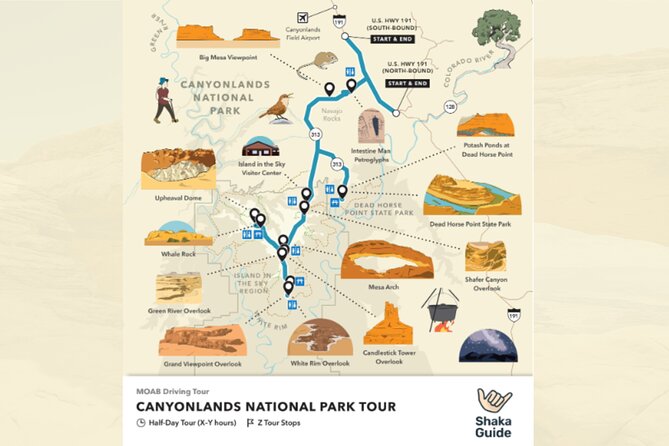
- Stop-by-stop: viewpoints and walks that fit your time
- Canyonlands National Park (Island in the Sky focus)
- Monitor and Merrimac Rock Formations viewpoint
- Navajo Rocks main parking lot (especially if you bike)
- Dead Horse Point State Park overlook
- Island in the Sky Visitor Center: your practical checkpoint
- Shafer Canyon Overlook and the Shafer Trail idea
- Mesa Arch: the sunrise-ready half-mile
- Candlestick Tower Overlook: 450-foot rock climbing vibes
- Buck Canyon Overlook: layers and depth
- White Rim Overlook Trail: a flat hike with a 360 view
- Orange Cliffs Overlook: Glen Canyon and the Maze district
- Grand View Point Overlook and the Mesa tip hike
- Green River Overlook: the river origin story
- Aztec Butte Trail: ancestral Puebloan granary structures
- Whale Rock: easy-moderate views with a fun name
- Upheaval Dome: the Belly Button mystery and two trail choices
- The long-hike option: Moses and Zeus towers
- Real-world tips: parking, timing, and when narration can act up
- Who should book this Canyonlands GPS audio tour
- Should you book this Canyonlands self-guided tour?
- FAQ
- How long is the Canyonlands self-guided audio tour?
- Is the park admission included in the tour price?
- Does the audio tour require Wi‑Fi or data during the drive?
- Is the tour available in English?
- Where do I start and where does it end?
- What’s special about the Island in the Sky Visitor Center stop?
- Can multiple people share one booking?
Key highlights worth planning around
- GPS-triggered stories: narration and directions activate as you drive past each spot
- Offline map support: no need for ongoing data during the tour
- Visitor Center utility: potable water and flushing toilets are available in the district
- Short walk rewards: Mesa Arch and other overlooks are quick but photo-heavy
- Big hike options: from an easy half-mile up to long, steep efforts like the Moses and Zeus towers
Why this Canyonlands audio drive works
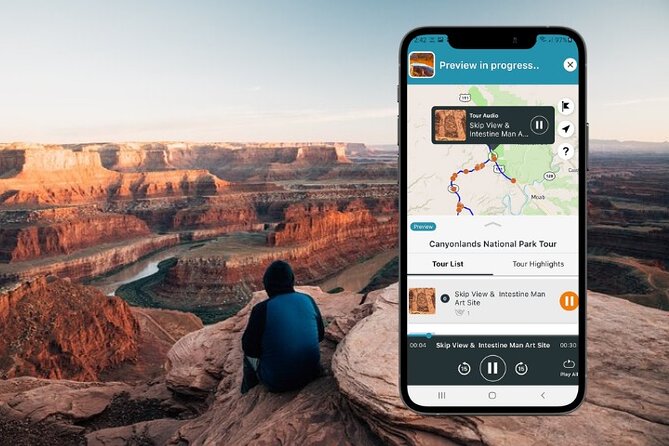
Canyonlands is big. Like, big-big. A guided vehicle tour can help, but it can also shove you along when you want to linger. This audio format solves that by letting you decide how long you stay at each view, then move on when you’re ready.
The route centers on Island in the Sky, where roads line up with major overlooks and trailheads. That means you get a lot of geology and canyon drama without needing to hike from place to place all day. The narration also helps you connect what you’re seeing to the names and stories behind it.
And since it is mobile-ticketed and works off GPS, you’re not fighting printed brochures or a paper map that never matches reality when you’re parked on a windy overlook road. You just follow the prompts, pull off when you want, and press play when you need a reset.
You can also read our reviews of more tours and experiences in Moab.


The value math: $12.79 per group and a real time commitment
At $12.79 per group (up to 15 people), the cost is basically driven by how many people you can fit into one car group. If you’re two or three, it can feel like a bargain meal that somehow includes a guide. If you’re a family or small group, it’s even better, because you’re not paying per person.
Duration is listed as about 6 to 8 hours, which is a useful planning number. It’s long enough to do multiple overlooks plus at least a couple of walks, but not so long you have to abandon all hope of seeing the sunset and getting back to Moab without stress.
One practical point: the tour notes that it’s often booked around 30 days in advance. That’s not a “panic now” warning, but it is a hint to plan your start date early—especially if you’re traveling in the high season.
Getting set up in Moab: offline prep matters
You start at 112 UT-313, Moab, UT 84532, and the experience ends back at the same meeting point. That makes it easy: you’re not committing to a one-way drive that strands your car or forces extra logistics.
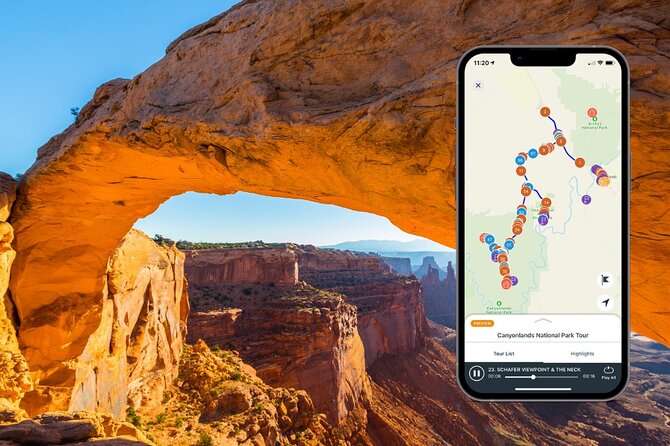
The setup flow is straightforward: you book, get confirmation by email, then redeem a code in the Shaka Guide app after downloading it. The key practical step is this: download the tour on strong Wi‑Fi before you head out, because once you are in Canyonlands, reliable connectivity is not something you should assume.
I’d treat phone readiness like you would hiking gear. Bring a charged phone, a car charger if you have one, and double-check that your audio and map prompts work before you get deep into the park. If the narration doesn’t trigger smoothly, it’s usually a “download and battery” issue, not a “Canyonlands is hard” issue.
Island in the Sky and Dead Horse Point: what you’ll actually see
This drive concentrates on big named features and viewpoints you can reach with short spur stops. The main payoff is variety: ironclad-named rock formations, quick arch hikes, tower views that look made for climbers, and canyon overlooks that show layers of time from multiple angles.
It also includes a very useful “basics” moment. In Island in the Sky, the Visitor Center is the only place in the district with potable water and flushing toilets. That’s the kind of detail that saves your day, especially if you’re stacking multiple short walks back-to-back.
You’ll also see how Canyonlands splits into different districts and how rivers did the heavy lifting. The narration ties major overlooks to the Colorado and Green Rivers carving through rock, which turns random scenic stops into a story you can follow.
Stop-by-stop: viewpoints and walks that fit your time
Here’s how the day tends to flow, and how to get the most from each stop.


Canyonlands National Park (Island in the Sky focus)
Your first big segment is the Island in the Sky district, with about two hours allotted for your arrival and early exploring. Admission tickets are not included in the audio price, so you’ll want to plan for park entry on-site.
This is a good place to set your expectations: you are not just grabbing photos—you’re building an understanding of how this mesa world works. The audio narration is designed to help you keep the names and formations straight as you move.
Monitor and Merrimac Rock Formations viewpoint
Next is the Monitor and Merrimac viewpoint, about 20 minutes. The rocks are named for Civil War ironclad warships, because their shapes reminded people of those ships.
Even if you don’t care about naval history, the story gives you a better eye for why the rocks look the way they do. It turns a quick pull-off into a moment where you “see” the name instead of just reading it.
Navajo Rocks main parking lot (especially if you bike)
At Navajo Rocks, the time is around 20 minutes. Canyonlands is a known biking area, and this stop is tied to the Navajo Rocks trail, described as singletrack with difficulty ranging from flowy to technical.
The audio also notes you’ll keep driving while it tells you about this spot. That’s a hint: don’t expect this to be a long stretch-limbs walk. If you want to move, you’re better off mentally treating it as a “spot awareness” stop.
Dead Horse Point State Park overlook
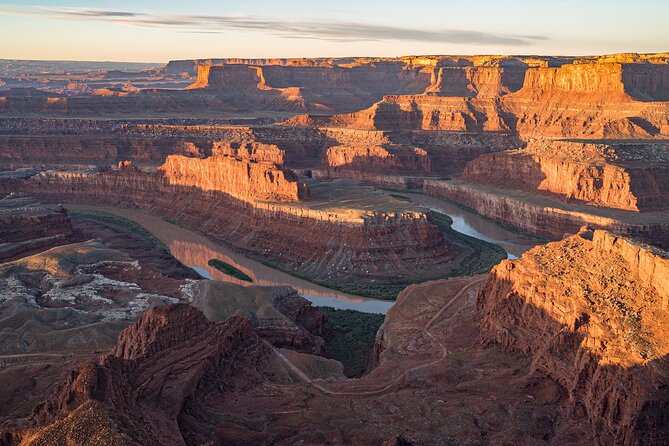
Then comes Dead Horse Point (about 20 minutes). It sits just off the road and shares the same general mesa setting as Island in the Sky, but the viewpoint angle feels distinct.
The tour highlights both ancient and modern history here, which helps you see the overlook as more than a pretty wall of rock. If you only have time for one quick stop for a big photo, this one is often a strong choice because it’s easy to do well.
Island in the Sky Visitor Center: your practical checkpoint
The Visitor Center stop is about 20 minutes. It’s the place to pay your entry fee, talk to a ranger, and use the facilities—potable water and flushing toilets are available here.
If you’re traveling with kids, older relatives, or anyone who wants comfort breaks, this is the moment to make that happen. I’d also use the time here to confirm the day’s driving and trail conditions, since Canyonlands weather and light can swing fast.
Shafer Canyon Overlook and the Shafer Trail idea
At the Shafer Canyon Overlook, plan around 20 minutes. You get a look down on the Shafer Trail switchbacks winding through the canyon.
The narration adds a practical caveat: if you’re feeling adventurous and have the right vehicle, you might consider taking the Shafer Trail back toward Moab after the tour. Since the exact vehicle requirements are not spelled out here, I’d treat this as a “check first, then commit” option, not an impulse plan.
Mesa Arch: the sunrise-ready half-mile
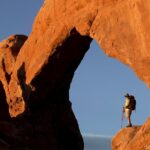
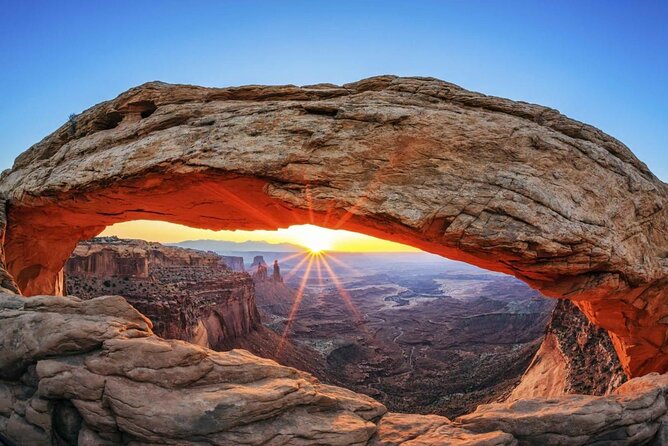
Mesa Arch is one of the big reasons people do this route. The hike is described as an easy half-mile round trip over dirt and slickrock, with the best results at sunrise.
Here’s the reality check: the parking lot fills while it’s still dark. That means you should start early if sunrise is your target. If you miss the dawn window, the tour suggests trying Mesa Arch in the afternoon after your main drive.
In other words: time it twice if you can. Once for sunrise, and if that fails, do a later revisit for a second chance at calmer parking and decent light.
Candlestick Tower Overlook: 450-foot rock climbing vibes
Next is the Candlestick Tower Overlook (about 20 minutes). The name comes from its shape, like a melting candlestick, and it’s a 450-foot tower. It’s also noted as a popular rock climbing spot.
If you visit in fall or winter, you might catch climbers up top. Even without that bonus, this stop is about recognition: you’ll look at a tower and understand why climbers care about it.
Buck Canyon Overlook: layers and depth
Buck Canyon Overlook is another 20-minute stop with an amazing view of Canyonlands canyon layers and distant mountains. It’s a good pause when you want a longer look at the canyon “stacking” rather than rushing to the next trailhead.
This is also a nice place to check your photos. Take a couple from different angles if you can, because Canyonlands rewards repositioning. A small move can shift your whole sense of depth.
White Rim Overlook Trail: a flat hike with a 360 view
At the White Rim Overlook Trail, you have options. You can hike a relatively flat 1.8-mile round trip for a stunning 360-degree view, or you can do a shorter walk from the overlook area if you want less effort.
This is where you can turn a “view stop” into a real leg-stretch. If you’re managing energy for later hikes like Upheaval Dome, this lighter trail can act like a pressure valve.
Orange Cliffs Overlook: Glen Canyon and the Maze district
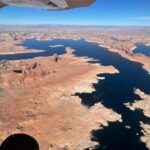
Orange Cliffs Overlook takes about 20 minutes. You can see the orange cliff section of the Glen Canyon recreational area, which borders Canyonlands, and you can also see the Maze district, the park’s most remote part.
That “remote part” note is useful because it gives you context for why your views feel so far-reaching. You’re not just seeing a canyon wall—you’re seeing a boundary of how Canyonlands is structured.
Grand View Point Overlook and the Mesa tip hike
At Grand View Point, the allotted time is about 20 minutes for the viewpoint experience, but the narration also flags a strong hike option: a two-mile round trip to the tip of the Island in the Sky mesa.
This is described as one of the best hikes in the entire park, so if you’re choosing just one “real hike,” you might pick this. It’s not a long-distance marathon, but it is enough effort to make the time feel earned.
Green River Overlook: the river origin story
The Green River Overlook is another 20-minute stop, with the canyon dropping more than a thousand feet below the road. The narration ties this view to the Green River’s role in shaping the area and notes its origin in Wyoming on the left side of the continental divide.
This is a great place to slow down and mentally connect your earlier stops. Rivers are doing the work, and the audio helps you see the evidence.
Aztec Butte Trail: ancestral Puebloan granary structures
At Aztec Butte Trail, you get an approximately 1.7-mile round trip hike to ancestral Puebloan stone granary structures. The granary is described as about 800 years old, built around 1200 AD.
This is more than scenery. It’s a clear example of why Canyonlands mattered to people long before modern roads made it accessible. The time on trail is long enough to feel like a hike, but short enough for most fitness levels.
Whale Rock: easy-moderate views with a fun name
Whale Rock is about 20 minutes at the stop level, but the hike is described as one mile round trip, rated easy to moderate, with great views on top.
The name comes from its resemblance to a blue whale, and the narration admits it takes a bit of imagination. That little nudge actually helps: you’re more likely to spot it when you try.
Upheaval Dome: the Belly Button mystery and two trail choices
Upheaval Dome is called by multiple nicknames, including Utah’s Belly Button, and it’s framed as a major geological mystery because scientists can’t agree on how it formed.
You have two exploration options. One is a recommended one-mile round trip trail to overlooks. The other is a challenging eight-mile trail that wraps around the ridge of the crater, and it’s described as where most rescues in the park happen. That’s a big warning sign, and it’s also a reason to pick the shorter option unless you’re truly confident in long-distance canyon terrain.
The long-hike option: Moses and Zeus towers
The final hike option described is a rough 12-mile round trip with a steep descent into the canyon to see two 500-foot rock towers named Moses and Zeus.
That’s not a “quick walk” add-on, and daylight and energy planning matter. If you want this, you’re building your whole day around it, not squeezing it in after a late start. For many visitors, this is the kind of hike they plan for another trip entirely.
Real-world tips: parking, timing, and when narration can act up
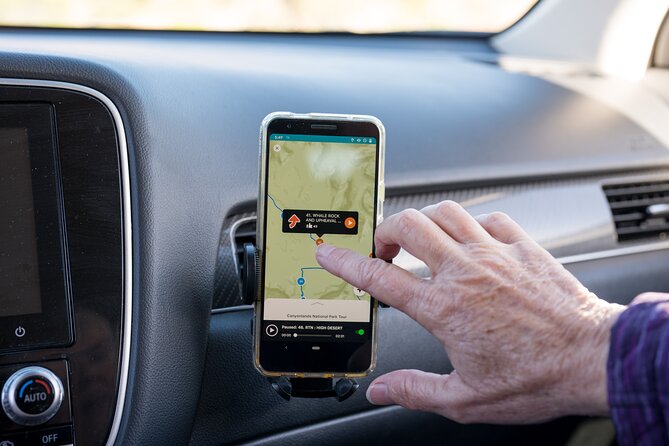
Audio tours sound simple until you hit the practical stuff: phone battery, charging access, and park connectivity.
Canyonlands is remote, so you should assume no Wi‑Fi and plan accordingly. The app’s offline map help is a real advantage, but it doesn’t fix the moment when you realize you never downloaded the tour data in advance. One user experience was basically: no Wi‑Fi in Canyonlands meant the app didn’t work as expected. So, download ahead on strong Wi‑Fi.
Battery is the other failure point. A separate issue was that narration stopped halfway through for one group. In your case, the “prevent it” checklist is simple: fully charge your phone, close other apps to save power, and confirm the audio triggers at the first couple of stops before you commit to a long walk.
Also, parking varies by stop. Mesa Arch is the big one: start early or be ready to adjust. For other overlooks, the good move is to arrive with enough light to walk safely and take your time, not with a hard clock panic.
Who should book this Canyonlands GPS audio tour
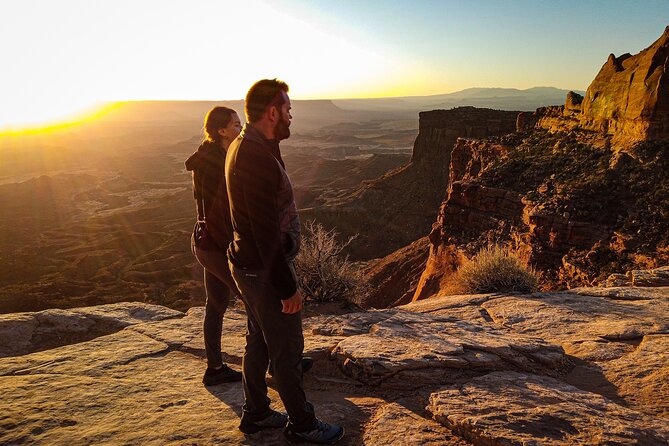
This tour fits best if you want:
- Flexibility to linger at views and skip what doesn’t grab you
- A road-trip style with GPS-triggered narration instead of a group schedule
- A cost-effective way to guide up to a carful of people at once
You might not love it if:
- You want full hands-on ranger-style instruction throughout every moment
- You plan to rely on streaming or last-minute internet in the park
- You prefer a single fixed itinerary where every hour is pre-choreographed
If you like self-guided learning, short hikes, and driving from one “wow” moment to the next, this matches your style.
Should you book this Canyonlands self-guided tour?

I’d book it if you’re doing Island in the Sky with a rental car (or any car), and you want the geology and place names explained without paying for a live guide. The value is strongest when you’re splitting the group price across multiple people, and the offline map is exactly what you want in a remote park.
I’d also book it if you care about getting your timing right. Mesa Arch at sunrise is a huge payoff, and the tour’s guidance about early parking helps you avoid the most common frustration.
Skip it (or at least be cautious) if you tend to ignore download steps and depend on spotty connectivity. Treat the app setup as part of the trip, not a side task. Do that, and this becomes one of the smarter ways to experience Canyonlands without overpaying or rushing.
FAQ
How long is the Canyonlands self-guided audio tour?
It’s listed as about 6 to 8 hours, depending on which stops you choose and how long you stay.
Is the park admission included in the tour price?
No. Canyonlands and related sites’ entry fees are not included, so you’ll need to pay entrance fees on-site.
Does the audio tour require Wi‑Fi or data during the drive?
The tour includes an offline map that works without wifi or data. You still need to download the tour ahead using strong Wi‑Fi before you start, since the app needs that content loaded.
Is the tour available in English?
Yes, the audio narration is offered in English.
Where do I start and where does it end?
You start at 112 UT-313, Moab, UT 84532 and the experience ends back at the same meeting point.
What’s special about the Island in the Sky Visitor Center stop?
It’s the only place in the district with potable water and flushing toilets, and it’s also where you can pay entrance fees and talk to a ranger.
Can multiple people share one booking?
Yes. Pricing is per group (up to 15), and it’s a private experience for your group only.