REVIEW · ANURADHAPURA
All-Inclusive Minneriya National Park Afternoon Safari
Book on GetYourGuide →Operated by Beyond Escapes · Bookable on GetYourGuide
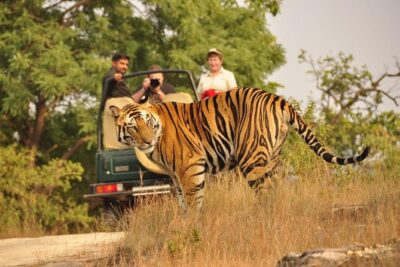
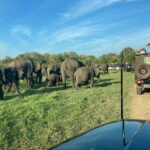
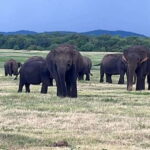
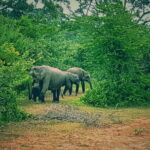
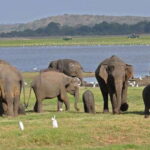
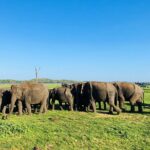
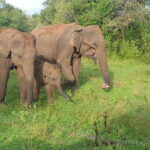
Elephants in the afternoon light are a real treat. This Minneriya National Park afternoon safari is a smooth hotel-to-hotel outing with a focused 3-hour jeep drive, built for maximum wildlife time without eating your whole day. You’ll be looking for elephant herds, plus Sri Lanka endemics like the Purple-faced Langur and Toque Macaque.
What I like most is how clearly the hunt is shaped around the park’s stars. Sri Lankan elephant herds are the headline, and the chance to spot the Purple-faced Langur and Toque Macaque makes it feel more specific than a generic safari. I also appreciate the practical touches: refreshments, bottled water, and an English-speaking driver that keep the experience easy.
One thing to keep in mind is the wildlife curveball. Depending on the season and animal movement, your sightings can swing from excellent to quiet, and in some cases the route may shift to a nearby alternative park like Kaudulla rather than staying strictly inside Minneriya.
Key things I’d mark on your mental map
- Elephant herd odds: you’re set up for close viewing of large Sri Lankan elephant groups
- Two endemic monkeys: look for the Purple-faced Langur and Toque Macaque
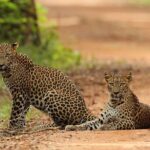
- More than elephants: you might also spot leopard, sloth bear, crocodiles, or pythons
- Afternoon, not all-day: 4 hours total, with 3 hours of driving in the park
- Private-group feel: you ride with your own group and an English-speaking driver
- Flexible routing can happen: some outings may adjust to conditions and go to Kaudulla
In This Review
- Minneriya Afternoon Timing: why the 4-hour format works
- Pickup and route: what your half-day will feel like
- What you’re actually hunting: elephants, endemic monkeys, and the long shots
- Elephant herds: the main event
- Purple-faced Langur and Toque Macaque: the Sri Lanka bonus
- The rare maybes: leopard, sloth bear, crocodiles, pythons
- Jeep drive reality: comfort, vehicle age, and respectful animal distance
- Park conditions and the Kaudulla possibility: how to protect your expectations
- Price and value: what $95 buys you (and when it won’t)
- Who should book this afternoon Minneriya safari?
- What to bring (and what to skip) for a smooth safari
- Should you book this afternoon safari?
- FAQ
- How long is the safari in Minneriya National Park?
- Where are the pickup and drop-off locations?
- What animals can I expect to see?
- What’s included in the price?
- What should I bring with me?
- Is the driver English-speaking and is it a private group?
Minneriya Afternoon Timing: why the 4-hour format works
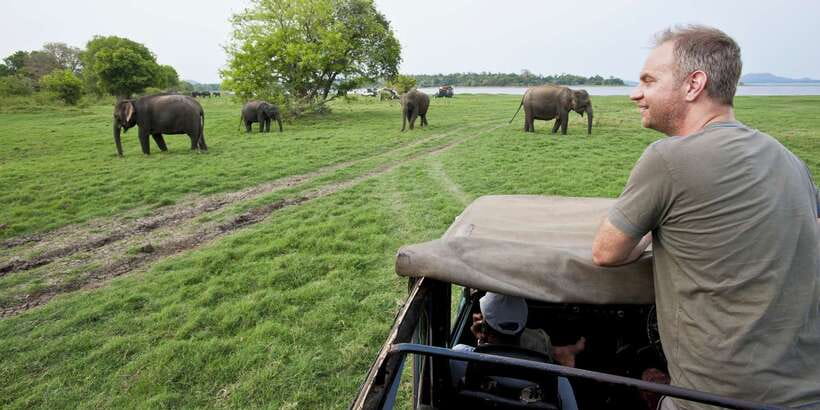
You’re signing up for an afternoon safari, so you’re not trying to beat the sunrise crowds or lose a full day to logistics. The big win here is that you get a concentrated wildlife window: 3 hours in the park, wrapped inside a total 4-hour experience with pickup and return.
Afternoons can be great for seeing big animals move and settle into feeding rhythms. Elephants especially tend to be easier to track once the light is softer and the park is active. And because your game drive is only 3 hours, you’re less likely to feel worn out before the best sightings happen.
The practical angle matters too: with pickup options around Polonnaruwa, Girithale, Sigiriya, Dambulla, and Habarana, this fits neatly between sightseeing days. You get your safari moment without turning it into a second full-day itinerary.
Pickup and route: what your half-day will feel like
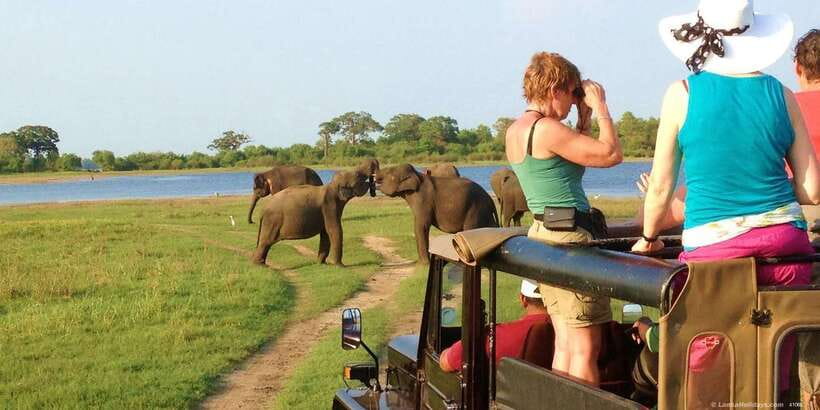
You’ll be picked up from centrally located options that include Polonnaruwa, Girithale, Sigiriya, Dambulla, and Habarana. That’s helpful if you’re already basing yourself in the Cultural Triangle area, because you’re not adding a long transfer from a remote hotel.
Inside the timing, expect this rhythm:
- A hotel pickup, then travel into the park area
- A 3-hour game drive with scenic views on the way
- Return transfer back to your selected drop-off town
Because it’s a private group, you also avoid the awkward shuffle of matching your pace to strangers. The ride is still a jeep safari, so it won’t be a silent luxury transfer, but it’s usually more comfortable than cramming a bunch of people into a shared tour dynamic.
One small detail that can affect your experience: the pickup time changes depending on where you’re being collected. If you’re lining up other activities that day, give yourself buffer time so the safari doesn’t feel like it’s chasing a clock.
You can also read our reviews of more tours and experiences in Anuradhapura.
What you’re actually hunting: elephants, endemic monkeys, and the long shots
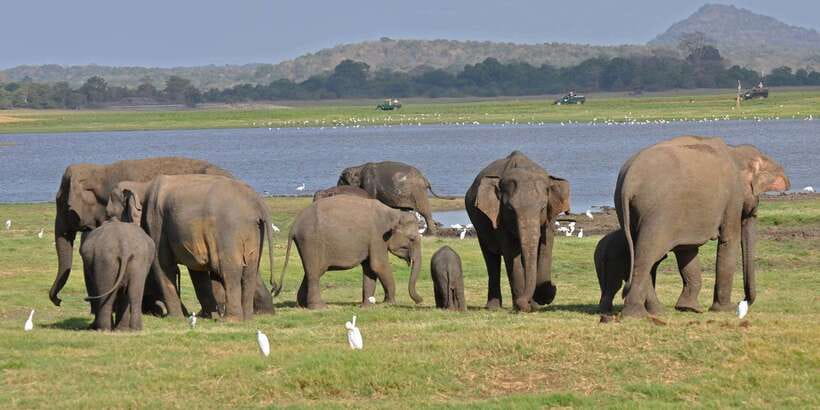
Minneriya’s reputation is real, but the key is knowing what to look for during your 3-hour drive.
Elephant herds: the main event
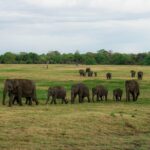
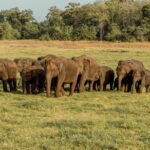
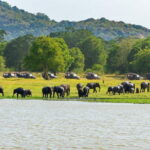
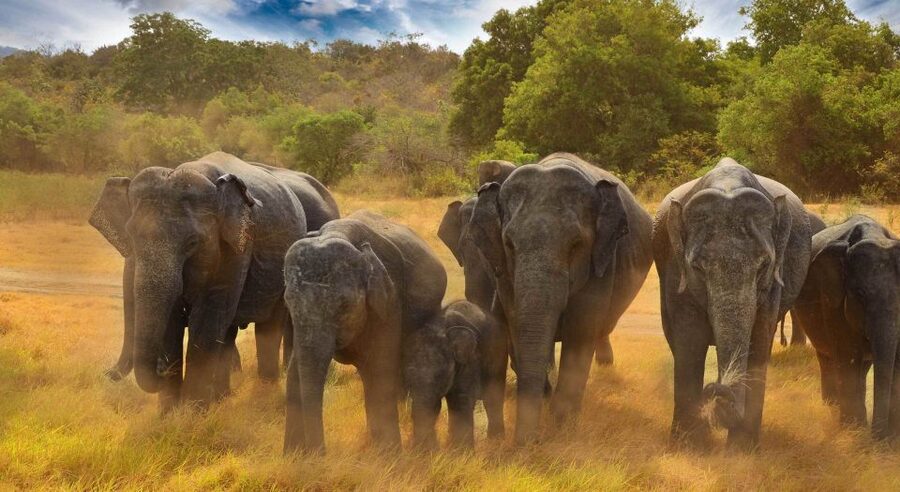
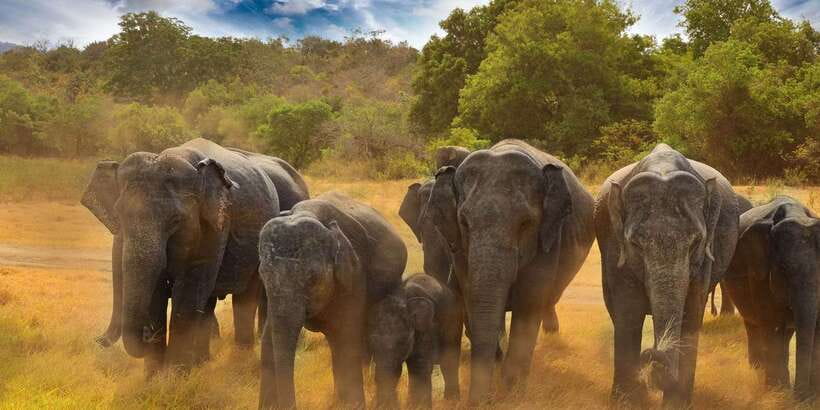
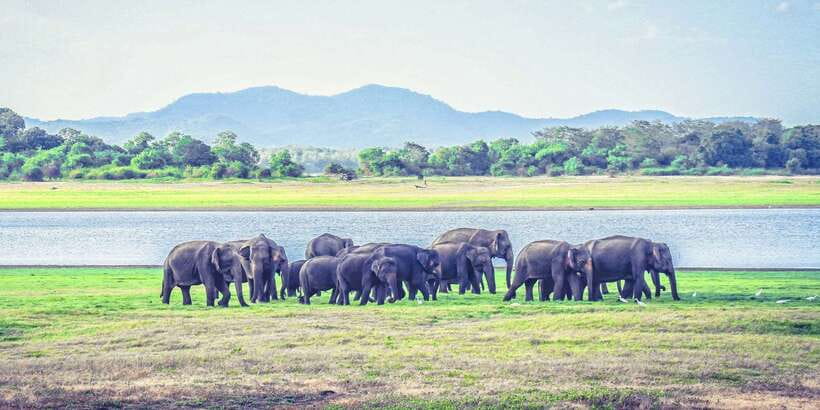
The goal is to observe large herds of wild Sri Lankan elephants in their natural habitat. That’s not just about seeing one elephant up close—it’s about finding the places where herds gather and move as a group, then watching how they feed, rest, and interact.
In practical terms, elephant sightings come in waves. If you land on a herd quickly, your jeep time feels effortless: you can watch calmly. If sightings are slower, your driver’s skill at reading the park terrain matters more, and you might have to be patient while the jeep searches for the right area.
Purple-faced Langur and Toque Macaque: the Sri Lanka bonus
Here’s why this safari feels more special than a generic “see animals” outing. You’re specifically hunting two endemic monkeys:
- Purple-faced Langur Monkey
- Toque Macaque
These monkeys can be harder to spot than elephants because they may move through trees and stay alert. But if you catch them, it’s a high-value moment because these are Sri Lanka specialists—you’re not just seeing wildlife, you’re seeing species tied to this island.
A tip that helps: keep your eyes up as much as you watch ahead. When you’re focused only on the ground or the road edges, you’ll miss the sightings happening in the tree canopy.
The rare maybes: leopard, sloth bear, crocodiles, pythons
Your chance list also includes a few big-ticket possibilities:
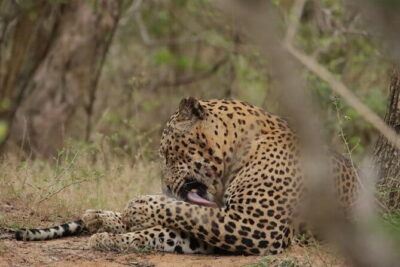
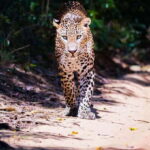
- Sri Lankan leopard
- Sri Lankan sloth bear
- Saltwater crocodiles
- Indian pythons
These are the “you might be lucky” targets. In a 3-hour drive, you shouldn’t build your whole day around them. Still, it’s worth knowing they’re in the mix, because it changes how alert your driver and your eyes should be. When you see signs like movement near water edges, thicker cover, or unusual quiet in an area, that’s when a rare animal becomes more plausible.
Jeep drive reality: comfort, vehicle age, and respectful animal distance
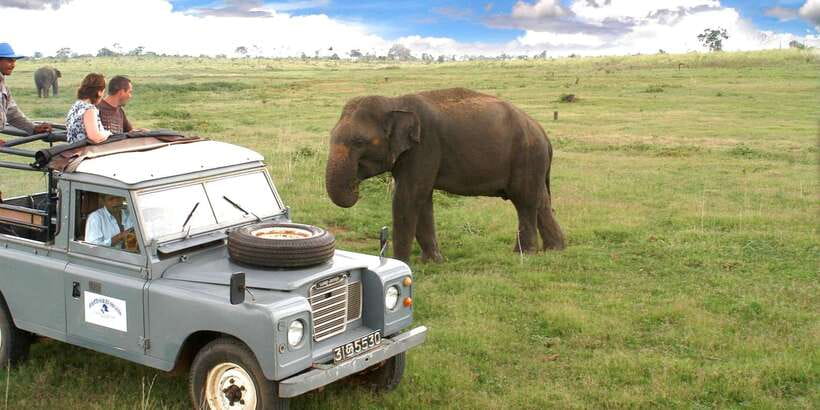
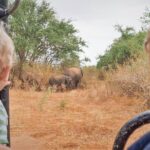
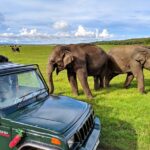
You’ll ride in a safari jeep, and you’ll have an English-speaking driver. You also get refreshments and water bottles during the safari, which is genuinely useful in Sri Lanka’s sun.
Now for the part that can make or break your experience: how the jeep behaves around animals.
Some experiences have been excellent, with tight group dynamics and extra small comforts. For example, one of the standout positives from past participants was the feeling of being only two people in the jeep, with the driver preparing a small snack/picknick-style finish on the cooler hood at the end. That’s not something you can count on every time, but it tells you what can make a driver’s approach memorable.
At the same time, you should pay attention to vehicle spacing. There’s a reasonable safety-and-welfare expectation that the jeeps should not crowd animals or force them to react to nearby traffic. If you notice the jeep moving in too aggressively or getting too close, it can reduce your long-lasting viewing chances and make the whole experience feel less ethical.
My practical advice: stay calm, keep your camera ready, and communicate quietly if you’re uncomfortable with the driving distance. Your goal isn’t to control the safari—it’s to encourage good behavior that gives animals room.
Park conditions and the Kaudulla possibility: how to protect your expectations
Here’s the uncomfortable truth about wildlife safaris: animals move. And they often move in response to water levels and food availability.
In at least one documented case, there were as good as no animals in the park during February because high water meant animals had moved elsewhere. That same experience still praised the friendly driver and the tour length, but it clearly didn’t feel worth the money.
There’s also a real-world possibility that your outing may route to a nearby park like Kaudulla instead of Minneriya depending on conditions. Even when elephant numbers are strong, that sort of swap can affect your sense of value and expectations.
So what’s the best way to protect yourself?
- Go in wanting elephants and monkeys first, not only a guaranteed “checklist”
- If you’re traveling during a time when wildlife distribution can shift, accept that the operator may adjust locations to chase animal sightings
- If wildlife volume is your top priority, consider stacking your plan with a second chance safari on a different day if your budget allows
This doesn’t mean the safari is unreliable. It means you’re buying the chance to see wildlife, and the park’s behavior is part of the deal.
Price and value: what $95 buys you (and when it won’t)
At $95 per person for a 4-hour private-group safari, you’re paying for the whole package: hotel pickup and drop-off, park entry fees, a jeep safari rental, government taxes, plus refreshments and bottled water.
That’s the key value point. A lot of the real cost in safari tours isn’t the driving—it’s the access, the permissions, and the transport coordination. Here, those essentials are already included, so you’re not doing extra math in the field.
Where value can drop is when sightings are slow. If animals are scarce due to water conditions and the park turnout is lower, you’ll feel that immediately. A “good” driver can still create a pleasant ride, but the experience can’t overcome the wildlife factor.
Also watch for vehicle comfort variation. Past participants noted that the car can sometimes feel old, which matters because jeep safaris come with bumps and long periods of sitting. The upside is that the guide and spotting effort can still deliver elephants when conditions are right.
Bottom line on value: this is a strong buy if you want a focused afternoon safari with hotel convenience and targeted endemic monkeys. It’s a less strong buy if you’re expecting guaranteed leopard or sloth bear sightings, or if you’re traveling in a period known for reduced animal presence.
Who should book this afternoon Minneriya safari?
This one makes the most sense if you:
- Want an efficient wildlife outing without taking half your vacation day away
- Care about Sri Lanka-specific species, especially the Purple-faced Langur and Toque Macaque
- Are based in Polonnaruwa, Girithale, Sigiriya, Dambulla, or Habarana and want a straightforward pickup-and-return plan
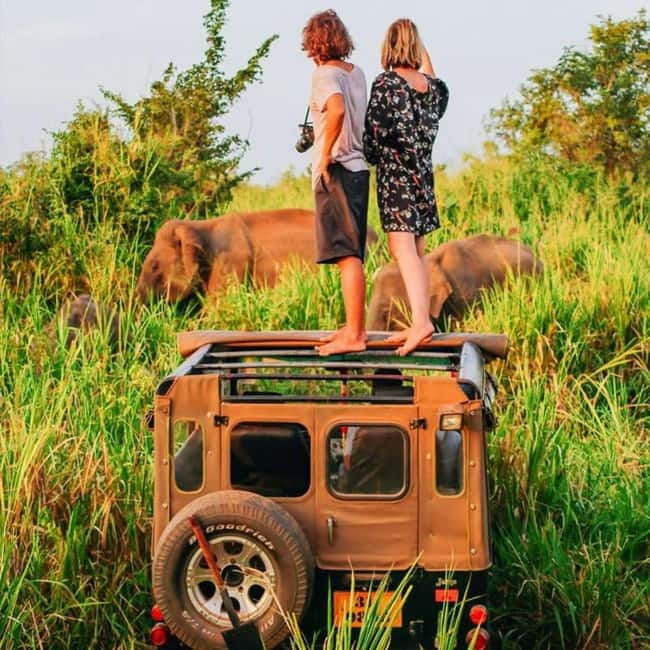
It’s also a good match for couples or small groups, since the format is private group, which can make viewing calmer and photography easier.
Who should think twice: the activity is not suitable for pregnant women and people with back problems. A jeep safari can be bumpy, and that’s the reason to avoid it if you have mobility or spinal concerns.
What to bring (and what to skip) for a smooth safari
You’ll want to pack for sun and wildlife viewing, not city weather.
Bring:
- Passport or ID card
- Sunglasses
- Sun hat
- Camera
Dress smart:
- Wear comfortable clothing. Light layers help because you’re moving between vehicle shade and open sun.
And skip:
- Pets
- Smoking
- Non-folding wheelchairs (foldable/collapsible wheelchair is mentioned as acceptable)
If you’re a serious photographer, keep your camera strap secure and your lens cleaned before you enter the jeep—dust can be part of the game drive environment.
Should you book this afternoon safari?
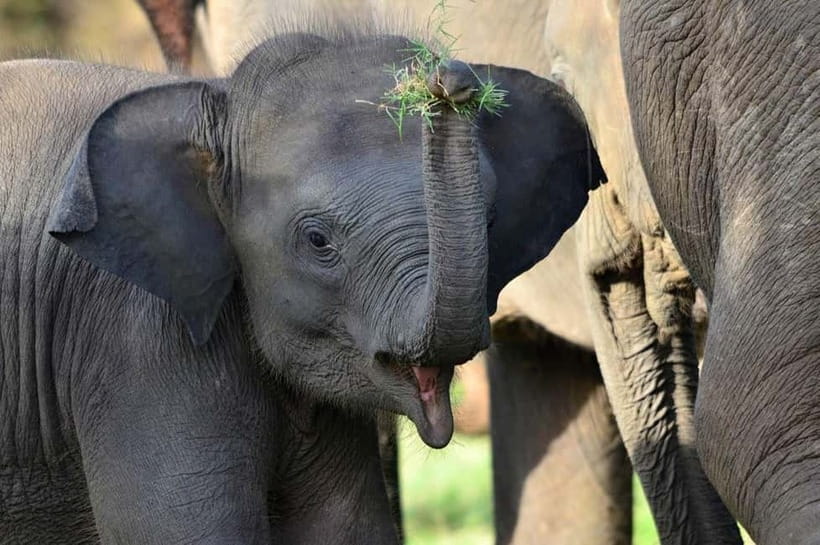
I’d book it if you’re aiming for the classic Minneriya-style experience: elephant herds, plus a real chance at seeing Sri Lanka’s endemic monkeys in the same 3-hour window. The convenience of hotel pickup/drop-off, included park fees, and the 4-hour total duration make this a practical choice when you want wildlife without turning it into a full-day mission.
But I would pause if your trip dates line up with a period when animals are known to shift elsewhere due to water changes, or if you’re going expecting guaranteed leopard/sloth bear sightings. In that situation, you’re still likely to enjoy the drive and company, but you could end up with a safari that feels light on animals.
If you do book, set your priority order like this: elephants first, then langurs and macaques, then enjoy the rare possibilities as bonuses. That mindset makes the day feel successful even when the wild cards don’t land.
FAQ
How long is the safari in Minneriya National Park?
The experience lasts 4 hours total, with a 3-hour jeep safari inside the park.
Where are the pickup and drop-off locations?
Pickup options include Polonnaruwa, Girithale, Sigiriya, Dambulla, and Habarana. Drop-offs include Girithale, Sigiriya, Polonnaruwa, Dambulla, and Habarana.
What animals can I expect to see?
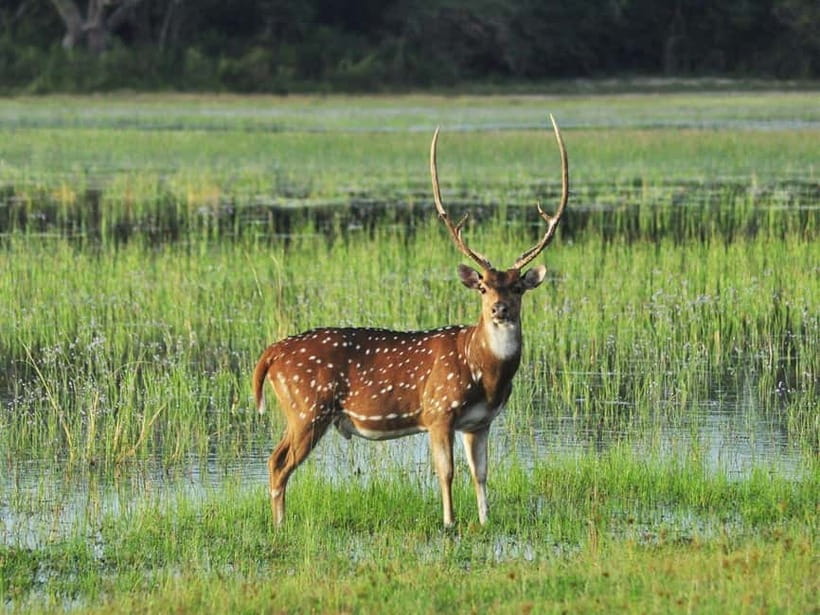
You’re likely to look for large herds of wild Sri Lankan elephants, along with endemic monkeys such as the Purple-faced Langur and Toque Macaque. There’s also a chance to see Sri Lankan leopard, sloth bear, crocodiles, and pythons.
What’s included in the price?
Hotel pickup and drop-off, refreshments and water bottles during the safari, all park entry fees, safari jeep rental, and all government taxes are included.
What should I bring with me?
Bring your passport or ID card, sunglasses, a sun hat, and a camera.
Is the driver English-speaking and is it a private group?
Yes. The driver is English-speaking, and the safari is offered as a private group.