REVIEW · TRANSYLVANIA
Carpathians in Romania: Piatra Craiului National Park with native Spanish guide.
Book on Viator →Operated by Hola Transylvania / Guia Español Transilvania · Bookable on Viator
Piatra Craiului makes Transylvania feel wild and real—fast. I like the circular hike through the Zarnesti Gorge area, and you’ll also get a native Spanish guide who turns the trail into a story about Romania, not just steps on a path. The one drawback: this is a mountain outing, so you’ll want solid shoes, waterproof layers, and a good fitness level.
You’re looking at about 15 km with roughly +700 m of climbing and a similar amount of downhill effort across the day. If the weather is rough, the plan can shift, so keep your expectations flexible.
This is a private activity (your group only), starting at 10:00 am at Fountain Botorog DJ112G and ending right back where you started. You don’t get transfers or meals included, so plan to arrive on time with snacks and water support in mind.
In This Review
- Key highlights you’ll actually care about
- Why Piatra Craiului feels like Transylvania’s wild spine
- The Fantana lui Botorog loop: what you’ll see from start to finish
- 1) Fantana lui Botorog: the day begins in the park, not at a viewpoint
- 2) Prapastiile Zarnestilor: the dramatic gorge section
- 3) Cabana Curmatura (1470 m): the climb gets real, then you reset
- 4) Poiana Zanoaga: where the pace often eases
- 5) Back to Fantana lui Botorog: finish with your senses switched on
- What Nacho’s Spanish guide style actually adds to your hike
- Cabana Curmatura and Poiana Zanoaga: the rest stops that make it sustainable
- Cabana Curmatura at 1470 m
- Poiana Zanoaga
- A note on meals and drinks
- Physical prep and mountain gear: keep this hike fun, not punishing
- Price and what you truly get for $96.33
- Weather, timing, and the Fountain Botorog start
- Timing
- Meeting point and end point
- Should you book this guided Piatra Craiului hike?
- FAQ
- What’s the duration of the hike?
- Where does the tour start and end?
- How far do we hike and how much climbing is involved?
- What language is the tour offered in?
- Is the guide Spanish?
- What’s included in the price?
- Are transfers included?
- Are meals or drinks included?
- Is this a private tour?
- FAQ
- What happens if the weather is bad?
Key highlights you’ll actually care about
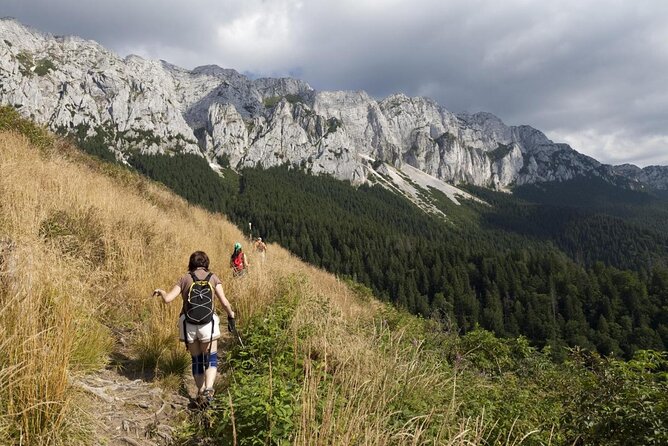
- Zarnesti gorges on foot: the route is built around the dramatic rocky section of Piatra Craiului
- A guide who explains Romania as you walk: history, legends, and everyday details tied to what you see
- A practical mountain setup mindset: guidance is hands-on about safety and gear, including pacing for conditions
- Cabana Curmatura at 1470 m: a high point that helps break up the day into manageable chunks
- Simple, efficient circular route: start at Fantana lui Botorog and loop back without transport hassles
Why Piatra Craiului feels like Transylvania’s wild spine
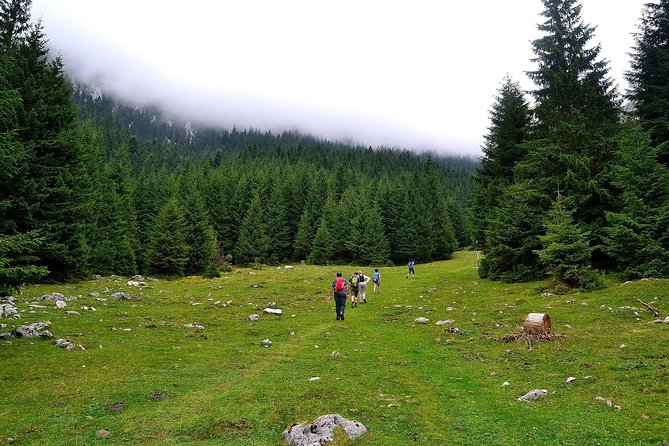
Piatra Craiului National Park sits like a long natural wall of limestone in the Romanian Carpathians. On this guided walk, you’re not just looking at a view from a distance. You’re moving through it, with the Zarnesti Gorge area giving you the kind of rocky drama that makes you stop thinking about your phone and start noticing the air, the rock, and the turns in the trail.
What I like most for your experience: the day is structured like a real hike, but it still stays human-sized. You’re not stuck in a long transfer chain, and you’re not wandering alone. You get a route that’s meaningful, plus a guide who can keep the walk lively with cultural context and regional stories.
The second big plus is the guide dynamic. People consistently describe Nacho as attentive and good at adapting—so if conditions change or your pace needs adjustment, you’re not just left to handle it yourself. That’s the difference between a day that feels tiring and one that feels rewarding.
The Fantana lui Botorog loop: what you’ll see from start to finish
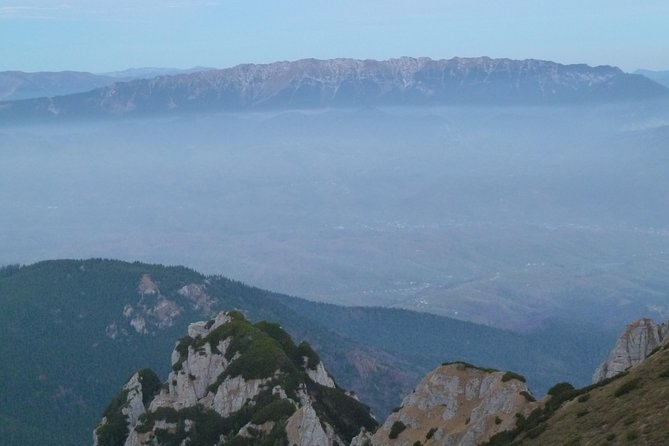
This is a circular route inside Piatra Craiului. You start at Fantana lui Botorog, then work your way through the gorge section, up toward Cabana Curmatura (1470 m), across Poiana Zanoaga, and back again to Fantana lui Botorog.
Here’s how the day usually “feels” segment by segment, and where to pay attention:
1) Fantana lui Botorog: the day begins in the park, not at a viewpoint
Starting at Fountain Botorog DJ112G keeps things straightforward. You’re immediately in the right zone, with no need to get yourself oriented to multiple transport legs.
Early on, you’ll want to get your rhythm. This part sets the tone: enough effort to wake up your legs, but not so steep that you’re already exhausted before the gorge portion.
2) Prapastiile Zarnestilor: the dramatic gorge section
The Prapastiile Zarnestilor are where the route earns its reputation. This is the part where the trail and the rock formations feel close and serious, and you’ll understand why people remember this area.
Practical advice: take your time on the footing. Even when it’s not technical climbing, the ground can feel uneven, and rain or lingering snow can make it slick. If you’re not used to mountain trails, this is the segment where your guide’s pacing matters.
3) Cabana Curmatura (1470 m): the climb gets real, then you reset
Reaching Cabana Curmatura at 1470 m is a key “turning point” in the route. It’s high enough to change how the hike feels. Air, wind, and light can all shift, and your body notices the altitude effort even when you’re not thinking about it.
This is also the kind of stop that makes the whole day work. A break here means you can steady your breathing, regroup, and enjoy the view without rushing.
Some departures include a chance to warm up or eat a simple shelter meal, and at least a few past days were described as including homemade food at a shelter. The exact timing depends on conditions, but plan on a rest where you can refuel.
4) Poiana Zanoaga: where the pace often eases
After the higher point, Poiana Zanoaga tends to feel more open. It’s the portion that helps you transition from “climbing mode” back into “enjoy the walk” mode.
This is a good stretch to slow down and look around. When the trail stops demanding your constant attention, you can take in the bigger picture: the shape of the park, how the gorge area sits within the wider mountains, and what local life looks like in the surrounding region.
5) Back to Fantana lui Botorog: finish with your senses switched on
The last part is a loop-back that lets you end where you started. It’s satisfying because you’re completing a full arc rather than turning around mid-trail.
You’ll likely feel the day in your legs here. That’s normal. The payoff is that you’ve earned your finish with a real route and not just a short walk-and-photos day.
What Nacho’s Spanish guide style actually adds to your hike
A guided hike can be two things: someone walking ahead of you, or someone adding meaning and safety. The guide on this experience seems to do both.
From what you’ll experience on the ground, the standout strengths are:
- Romania stories tied to the trail
Past days were described as full of legends and history, including Vlad Dracul and vampire-lore style storytelling. The key is that the stories aren’t random facts dumped on you. They’re timed to moments on the walk, so it feels like you’re learning the region, not memorizing it.
- A careful, detail-focused approach to the hike
Several accounts describe the guide lending equipment when needed (especially in snowy conditions) and bringing along the small essentials that make you less stressed. That might mean poles in slippery weather, or snacks and water support during the hike.
- Flexibility without chaos
People describe the guide as adapting to your needs and comfort level. That matters because mountain days rarely go perfectly. If wind picks up or the ground turns slick, you want a guide who can adjust the pace or plan.
- Conversation and humor
A lot of the praise isn’t just about scenery. It’s about how friendly the day feels—like hiking with someone who actually wants you to enjoy it, not just get it done.
One more thing: the experience includes a native Spanish guide. The tour is offered in English, so expect the overall experience to be explained in English while the guide’s native Spanish shows through in the way they communicate and connect with the region. If language is important to you, you might want to confirm how your guide will handle English on the day you book.
Cabana Curmatura and Poiana Zanoaga: the rest stops that make it sustainable
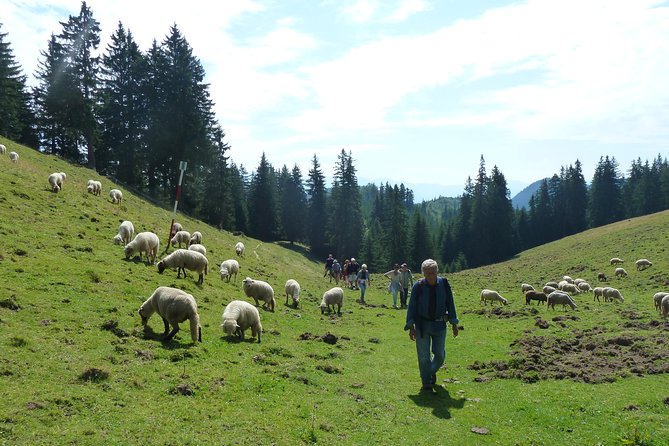
This route is about balance. You’re hiking enough to feel like you did something outdoors, but it’s also designed with natural breaks and turning points.
Cabana Curmatura at 1470 m
This is your high “checkpoint” moment. You’ll likely feel the climb into it, and you’ll probably welcome the chance to step aside and reset—breathing, water, and quick snacks if you brought them.
If you’re someone who gets hungry before you get tired, plan a small snack strategy. Even if the day includes a shelter meal on some departures, you shouldn’t rely on that as your only fueling plan.
Poiana Zanoaga
This is where the hike can feel more open and less strenuous. It’s the kind of stop that gives your legs a chance to catch up with your mind. Expect good photo moments too, because you’re leaving the tight gorge feel behind.
A note on meals and drinks
Meals and drinks are not included. That means you’ll want to bring your own small essentials or budget time for whatever shelter options exist on that specific day and season. Waterproof layers matter here, too—rain can turn “quick stop” into “long stop,” and you’ll be glad you’re not chilled.
Physical prep and mountain gear: keep this hike fun, not punishing
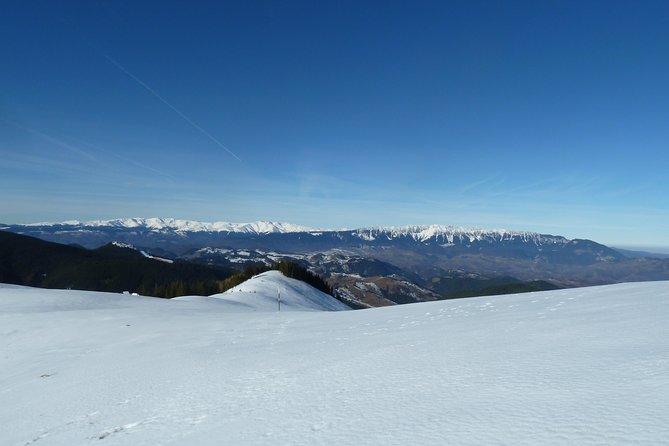
This outing asks for moderate physical fitness, and it’s clear in the numbers. With about +700 m ascent and 15 km total distance, you’re looking at a proper hiking effort. Think of it like a long walk with uphill work, not a stroll.
Your minimum gear checklist:
- Mountain boots with solid grip
- Waterproof clothing (rain and mist happen in mountain areas)
If you don’t have poles, that’s not automatically a deal-breaker, but poles can help on uneven ground—especially during slick conditions. On past snowy days, the guide was described as lending snow gear and poles, which hints at how seriously they take footing and safety.
One practical mindset tip: pace is everything. If you go out too fast at the start, you’ll feel it later on the gorge and the return. Your guide’s job is not just to lead—it’s to help you keep a rhythm that lets you enjoy the view instead of merely surviving the distance.
Price and what you truly get for $96.33
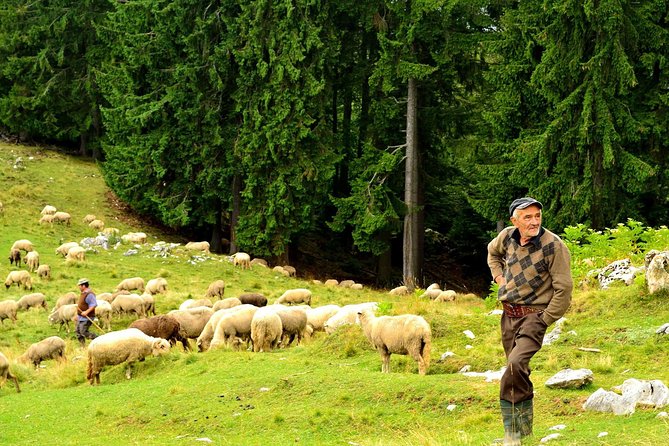
At $96.33 per person, this hike is priced like a guided mountain day, not a cheap bus-and-brochure activity. For your value check, focus on what’s included and what’s not.
What you get:
- Native Spanish guide
- Admission ticket included
- A route that runs on a real walking loop inside the park
What you pay extra for:
- Transfers
- Meals and drinks
The private-group setup is also a value lever. Private doesn’t automatically mean easy, but it does mean the guide can pace you and handle questions without crowd pressure. If you’re a small group, that’s often where this kind of guided nature outing becomes genuinely worth it.
Group discounts are mentioned, so if you’re booking with friends or family, you might get a better per-person rate. Also, you’ll use a mobile ticket, which usually reduces the hassle of printed vouchers.
If you’re staying somewhere close to the meeting point, this price feels more balanced. If you have to add a lot of transfer time and cost just to reach Fantana lui Botorog, the overall value shifts a bit.
Weather, timing, and the Fountain Botorog start
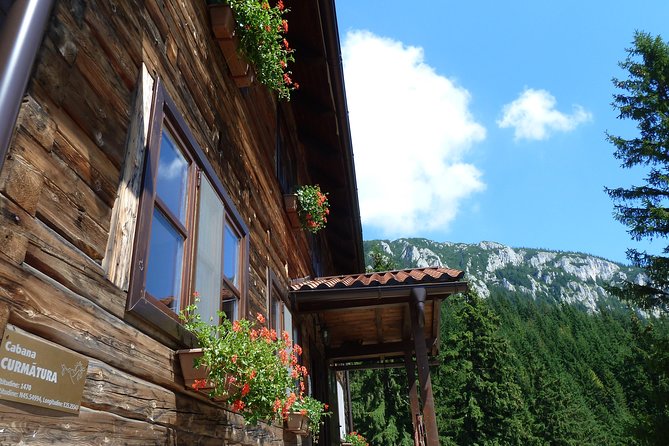
This experience requires good weather. That’s not just a marketing line—it’s mountain terrain, and conditions can change quickly.
If poor weather cancels the plan, you’ll be offered a different date or a full refund, so you’re not stuck with a dead booking when skies turn ugly.
Timing
- Start time: 10:00 am
- Duration: 5 to 7 hours (approx.)
That time range gives you room for breaks and for slower pacing if the terrain demands it. If you’re the type who hates rushing, this length tends to work well.
Meeting point and end point
- Start: Fountain Botorog DJ112G, Romania
- End: back at the meeting point
Because you finish where you started, you avoid the classic “how do we get back” problem. Still, you’ll want to plan your own transport to and from the area since transfers are not included.
Should you book this guided Piatra Craiului hike?
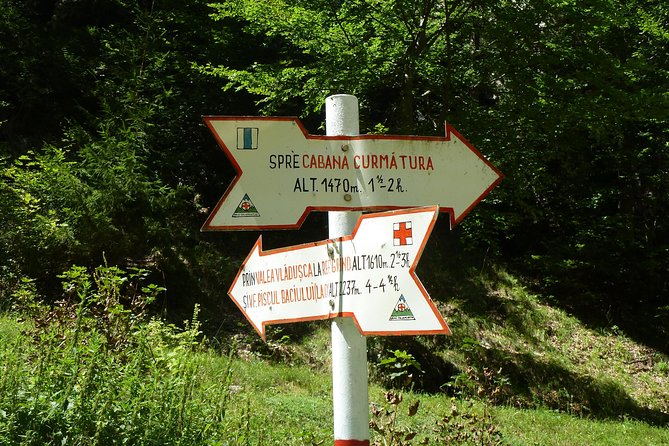
Book it if:
- you want a real mountain hike with a clear route and meaningful stops
- you care about the story side of Romania, not just views
- you’d rather have a guide help with pacing and safety than go solo
- you’re comfortable hiking about 15 km with a serious uphill component
Consider passing or adjusting your plan if:
- you’re not confident with uphill hiking or uneven terrain
- you hate rain-weather uncertainty (this outing depends on conditions)
- you need meals and transfers handled for you—those are not included
My take: for the price, the best part is the mix—Piatra Craiului in motion plus a guide who makes Romania feel close, funny, and understandable. If you show up geared up and ready to walk, you’ll come away with more than photos.
FAQ
What’s the duration of the hike?
It runs about 5 to 7 hours.
Where does the tour start and end?
It starts at Fountain Botorog DJ112G, Romania and ends back at the same meeting point.
How far do we hike and how much climbing is involved?
The route is approximately 15 km, with around +700 m total ascent and about -580 m total descent.
What language is the tour offered in?
The experience is offered in English.
Is the guide Spanish?
Yes, the experience includes a native Spanish guide.
What’s included in the price?
You get the native Spanish guide and an admission ticket included for the hike.
Are transfers included?
No, transfers are not included.
Are meals or drinks included?
No, meals and drinks are not included.
Is this a private tour?
Yes. It’s private, and only your group will participate.
FAQ
What happens if the weather is bad?
The experience requires good weather. If it’s canceled due to poor weather, you’ll be offered a different date or a full refund.