REVIEW · KATHMANDU
3-Day Chitwan National Park Jungle Safari Tour Package with Pick Up
Book on Viator →Operated by Welcome Nepal Treks P.ltd · Bookable on Viator
Chitwan’s animals come closer on this 3-day loop. This guided package pairs canoe-and-safari wildlife time with Tharu culture, and it handles big-ticket items like the national park fee plus most meals. I like the way the schedule builds mornings for wildlife and keeps the rest focused and doable, but the group bus ride can be long and bumpy with multiple stops.
You’re paying $180 per person for a lot of what usually adds up on your own: round-trip tourist-bus transfers between Kathmandu and Chitwan, two nights in a three-star resort near the park, and two breakfasts, two lunches, and two dinners. It’s capped at a max of 25 people, so it feels like a true group tour rather than a huge cattle call.
One real consideration: if you’re sensitive to motion sickness, you’ll want to plan for the ride—at least one solo traveler shared that the bus route didn’t agree with them, and the agency helped them sort an alternate plan after. That’s not a deal-breaker, but it’s worth taking seriously.
In This Review
- Key things I’d clock before you go
- What You’re Getting for $180: Meals, Park Fees, and Two Nights Near Chitwan
- Day 1 in Nepal: From Kathmandu Meet-Up to Tharu Village and Visitor Centre
- Day 2 Safari Rhythm: Rapti Canoe, Birding, and the Chitwan Wildlife Circuit
- Day 3 Morning and Return Drive to Kathmandu or Pokhara
- The Safari Reality: Rhino, Crocs, and Why Tigers Are a Maybe
- Hotel and Group Size: Comfort Level for a Three-Star Stopover
- Bus Transfers and Motion Sickness: What to Plan For
- Who This Tour Suits Best (and Who Might Prefer Something Else)
- Should You Book This 3-Day Chitwan Tour?
- FAQ
- What’s the meeting point for pickup?
- Does the price include the Chitwan National Park entrance fee?
- What activities are included in the tour?
- How many meals are included?
- Where will I stay during the two nights?
- How are transfers handled between Kathmandu and Chitwan?
- How long is the drive back to Kathmandu?
- What’s the maximum group size?
- Are personal expenses included?
- Can I cancel for free?
Key things I’d clock before you go
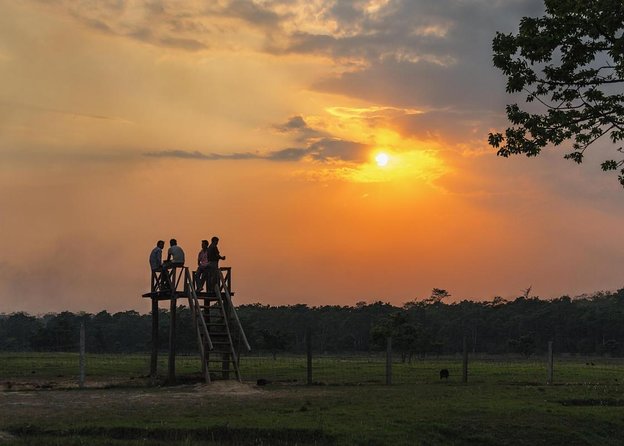
- National park fee included: you don’t have to budget extra at the gate.
- Two nights near Chitwan: you wake up close to wildlife prime time, not across the country.
- Tharu Village + visitor centre time: culture and context, not just driving around.
- Canoe on the Rapti River in the morning: great for birdwatching and crocodile spotting.
- Group size capped at 25: easier logistics, more chance to hear your guide.
- Bus transfers with en-route stops: expect a slower, stop-and-start travel day.
What You’re Getting for $180: Meals, Park Fees, and Two Nights Near Chitwan
At $180 per person, this tour is built for value. You get round-trip Kathmandu–Chitwan–Kathmandu transfers by tourist bus, meals across two full days (two breakfasts, two lunches, two dinners), and the Chitwan National Park entrance fee.
The “two nights” part matters more than it sounds. Instead of rushing in and out, you get a genuine rhythm: one day to settle and ease into the area with a cultural visit, then two mornings and wildlife-focused blocks during your stay.
Your accommodation is described as a three-star resort near Chitwan. From real-world feedback, one stay option was Safari Adventure Lodge—pleasant but on the basic side—so go in expecting “comfortable enough for safari” rather than luxury.
You can also read our reviews of more tours and experiences in Kathmandu.
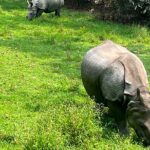
Day 1 in Nepal: From Kathmandu Meet-Up to Tharu Village and Visitor Centre
Day 1 starts with a staff handoff on arrival. Depending on how you arrive, you’ll be met around Sauraha bus park/Tadi or at Bharatpur Airport, then transferred to your resort for refreshments and a briefing.
Then comes your 15:00 cultural block: a tour of a nearby Tharu village. This is one of the best ways to break the travel day, because it gives you a human scale to match the wild scale you’ll see later. You’ll also visit the National Park Visitor’s Centre, where you can get a grounding in the area’s history and what to watch for.
Practical note: the day is lighter than the safari mornings, which helps if you’re arriving from elsewhere in Nepal and your energy is still rebooting. It’s also a good way to learn what wildlife signs look like before you start tracking them.
Day 2 Safari Rhythm: Rapti Canoe, Birding, and the Chitwan Wildlife Circuit
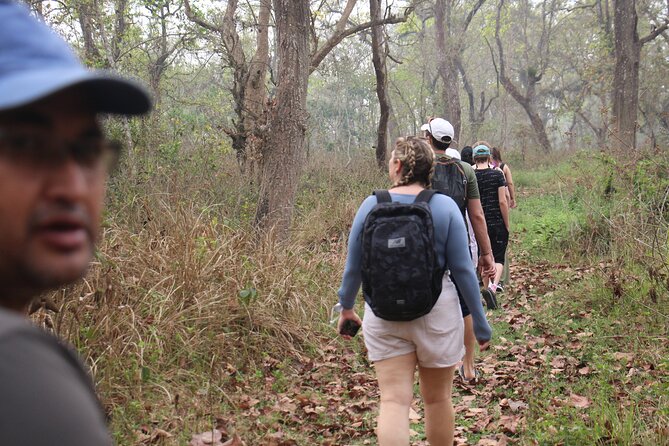
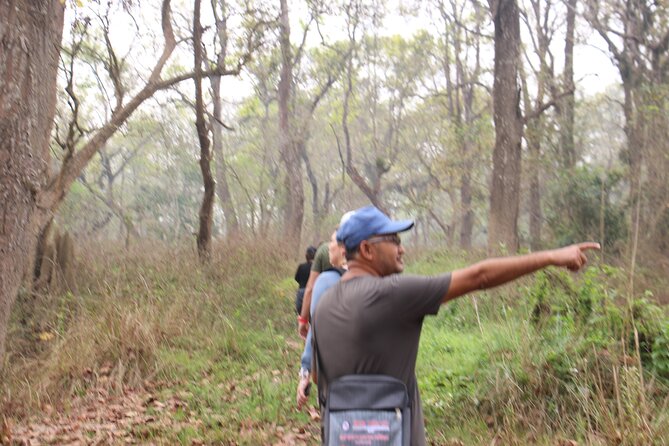
The day begins early—wake-up call at 06:00, then breakfast. Around 07:00, you’ll head out for a canoe ride along the Rapti River, which is a classic Chitwan move because it puts you on the water where birds and crocodiles feed and move.
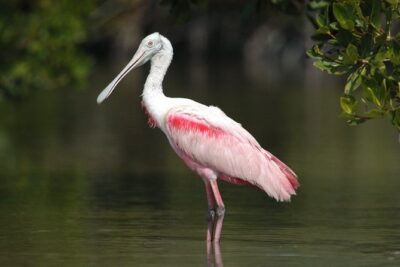
This part of the program is specifically set up for birdwatching, and it also highlights sightings of rare crocodile types, including Marsh Mugger and another fish-eating crocodile species. You’re not guaranteed every animal, but being on the river early increases your odds and keeps the experience calm compared with jeep driving.
After the canoe, expect more wildlife time built around birdwatching and guided safari activities. The tour description includes a jeep safari and a jungle walk, plus a Tharu cultural show as part of the overall package. Because your exact sequencing can vary by day and conditions, I treat Day 2 as the main “wildlife and wildlife signs” day—and I plan to stay flexible if things shift.
What I like about this design: your senses get trained. You learn to look for movement, calls, and the kind of shoreline or grassland features that animals use. That makes the later jeep safari feel less like random luck and more like a skill you’re practicing.
Day 3 Morning and Return Drive to Kathmandu or Pokhara
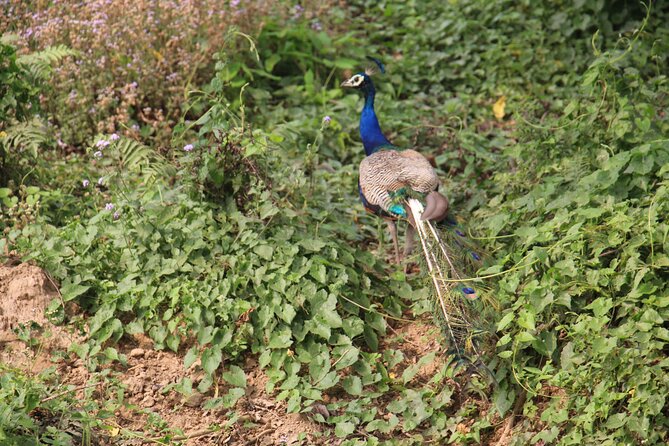
Day 3 also starts early: 06:00 wake-up call and breakfast, then birdwatching around 07:30. Departure from Chitwan begins at 08:00, and you’re back to Kathmandu in about 5–6 hours (or around 4 hours if you’re going toward Pokhara).
This is a “morning equals chances” day. If you’ve got your camera ready and you can handle early starts, the final birdwatching window can be one of the most rewarding parts, especially if your Day 2 timing didn’t line up with what you were hoping to see.
One thing to keep in mind: the transport is a real part of the schedule. If you’re prone to motion sickness, bring what you need (meds, ginger, water, and a seat comfort plan). One solo traveler noted they didn’t enjoy the long bus ride due to motion sickness, and the agency helped them work out an alternative for their return. That’s a good sign that the operator pays attention when comfort becomes an issue.
The Safari Reality: Rhino, Crocs, and Why Tigers Are a Maybe
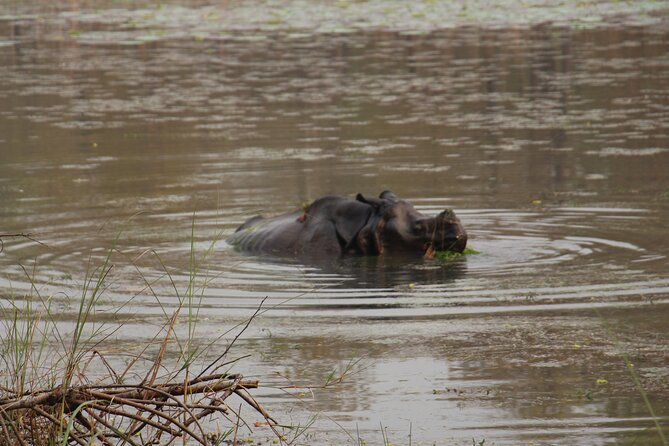
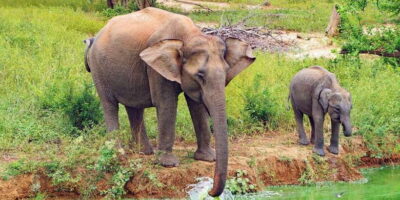
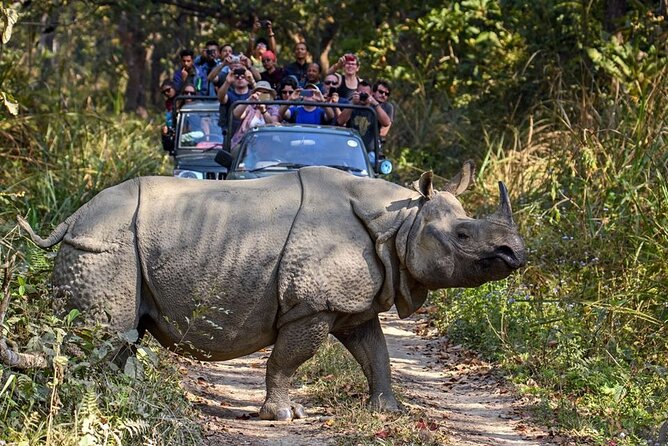
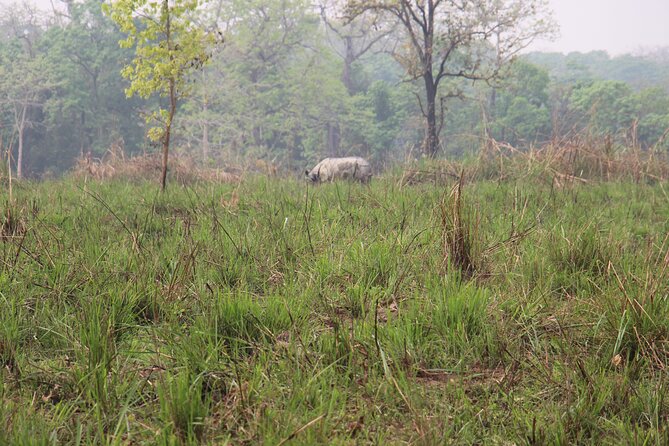
Chitwan National Park is famous for the one-horned rhinoceros, and this tour is explicitly set up to help you spot it. It also promises the chance of seeing Royal Bengal tigers, using the language of possibility rather than certainty—which is exactly the right mindset.
I like that the package doesn’t sell you a guaranteed tiger sighting. In real safari terms, wildlife depends on distance, animal movement, and the day’s conditions. You’ll still get the key activities that maximize your opportunities: canoe time for river wildlife and birding, then guided safari blocks for larger animals.
For crocodiles, the focus is clear: you’re aiming at rare species and specific river habitats. When you combine that with birdwatching, you’re covering both “movement on the water” and “life in the air and grasses,” which makes your mornings feel productive rather than slow.
Hotel and Group Size: Comfort Level for a Three-Star Stopover
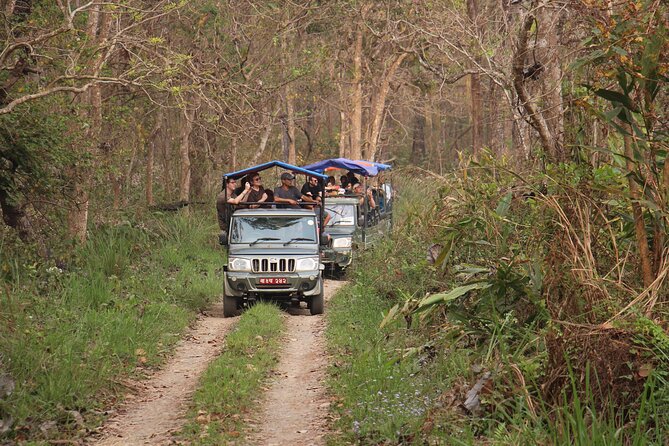
Your stay is for two nights in a three-star resort near Chitwan. The tone from feedback is that it’s functional and friendly, with rooms that won’t blow your mind but should work for a safari schedule.
One lodge name came up in real-world experience: Safari Adventure Lodge. It was described as pleasant but basic, which matches the common reality of wildlife areas. Expect the comfort you need, then spend your energy out in the park rather than inside.
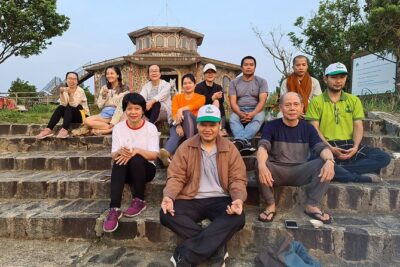
Group size is max 25. That’s important because it affects how much you can ask questions, how easily guides can spot things, and whether you feel lost in a crowd. For a tour built around early wildlife time, smaller groups tend to feel smoother.
Bus Transfers and Motion Sickness: What to Plan For
The tour includes return transfers by tourist bus, and your schedule includes a longer drive back to Kathmandu (roughly 5–6 hours). There can also be en-route stops. That’s normal for overland travel in Nepal, but it changes how comfortable the day feels.
Here’s what I’d do before you go:
- Pack simple comfort items for a long ride (water, snack, layers, and any motion sickness support you rely on).
- Choose your seat if there’s any option, and keep your patience for bathroom and stop breaks.
- If you’re very sensitive, treat this as a “plan it carefully” trip, not a casual hop.
I also saw a note that some passengers weren’t picked up right at the exact stated time and that the ride involved more stops than expected. That doesn’t mean the tour is unreliable, but it does mean you should build in some buffer and keep your expectations flexible.
Who This Tour Suits Best (and Who Might Prefer Something Else)
This is a strong fit if you want a guided, structured first trip to Chitwan National Park without getting tangled in park logistics. You’ll like it if you enjoy wildlife mornings, appreciate a cultural add-on like the Tharu village visit, and want meals and the park fee sorted for you.
It’s also appealing for solo travelers who want clear pickup/drop-off coordination. People shared that the experience felt safe, and that the organization took care of practical details like showing you where you sit on the bus.
I’d suggest a different style of trip if you:
- Hate early starts (both mornings begin around 06:00).
- Have severe motion sickness and can’t tolerate long road stretches.
- Want lots of free time to roam independently—this is a guided, group-first program.
Should You Book This 3-Day Chitwan Tour?
Book it if you want value and a clean plan: meals covered, park fee handled, two nights near Chitwan, and the big safari ingredients (canoe, jeep safari, jungle walk, and cultural moments). The price makes sense because it’s not just transportation—it’s the park entry and multiple guided activities, plus a real stay that positions you for early wildlife hours.
Skip (or consider alternatives) if bus comfort is your top priority. The ride can include multiple stops and takes a chunk of your day, and the tour’s success for you will depend on how you handle that overland piece.
If you go, bring your patience and your early-morning energy. Chitwan rewards that approach.
FAQ
What’s the meeting point for pickup?
You’ll be met on arrival at Sauraha bus park/Tadi or at Bharatpur Airport, then transferred to your resort.
Does the price include the Chitwan National Park entrance fee?
Yes. The national park fee is included.
What activities are included in the tour?
The program includes a jeep safari, a canoe ride, a jungle walk, Tharu cultural time (including a Tharu cultural show), and birdwatching.
How many meals are included?
Two breakfasts, two lunches, and two dinners are included over the three days.
Where will I stay during the two nights?
You stay for two nights in a three-star resort near Chitwan.
How are transfers handled between Kathmandu and Chitwan?
Round-trip transfers are provided by tourist bus.
How long is the drive back to Kathmandu?
Departure from Chitwan starts at 08:00, and it takes about 5–6 hours back to Kathmandu (about 4 hours if going to Pokhara).
What’s the maximum group size?
The tour has a maximum of 25 travelers.
Are personal expenses included?
No. Tips, beverages, laundry, and telephone calls are not included.
Can I cancel for free?
Yes. You can cancel up to 24 hours in advance for a full refund. If you cancel less than 24 hours before the experience’s start time, the amount paid isn’t refunded.