REVIEW · WEST GLACIER
Winter Glacier National Park Scenic Driving Tour
Book on Viator →Operated by Whitefish Outfitters & Tours · Bookable on Viator
Frozen views, guided and ready in hours. This winter Glacier National Park scenic drive strings together four high-impact stops with short windows for pictures and stories that make the snow-and-ice scenery easier to understand.
I like that you get private transportation from Whitefish, so you’re not stress-driving winter roads on your own. I also like the included snacks, bottled water, and soda/pop, which turns a 3 to 4 hour outing into something that feels thoughtfully planned.
The main drawback to consider is pacing: each stop is short, so this is not a long-hike tour. And since the tour requires good weather, you’ll want flexible timing if road conditions are limited.
In This Review
- Key Highlights You Should Know Before You Go
- Winter Glacier in a Few Hours: Why This Drive Works in the Cold
- Price and What You Actually Get for $219
- Getting There: Whitefish Meeting Point and Pickup Options
- Stop-by-Stop Winter Glacier: Hungry Horse Dam to Lake McDonald
- Stop 1: Hungry Horse Reservoir and Dam Area (About 30 minutes)
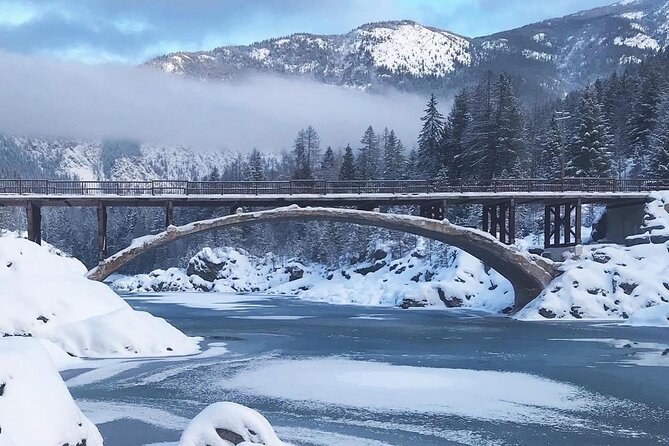
- Stop 2: Belton Bridge and the 1964 Flood Story (About 20 minutes)
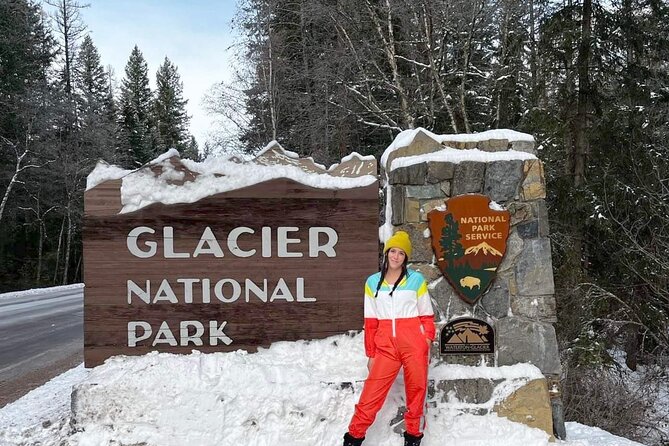
- Stop 3: Glacier National Park at Apgar Village and/or the Visitor Area (About 30 minutes)
- Stop 4: Lake McDonald Along Going-to-the-Sun Road (About 45 minutes)
- Going-to-the-Sun Road in Winter: How to Make the Most of Photo Time
- Guides Who Drive Carefully and Tell Stories That Land
- What’s Included Versus What You’ll Need to Bring
- Who Should Book This Winter Glacier Tour (and Who Might Skip It)
- The Weather Factor: Why This Tour Needs Good Conditions
- Should You Book This Winter Glacier Scenic Driving Tour?
- FAQ
- Where does the tour start and end?
- Is pickup available?
- How long is the scenic driving tour?
- Is this a private tour?
- What stops are included on the drive?
- Are admissions included?
- What’s included in the price, and is lunch provided?
- What language is the tour in?
- What happens if the weather is poor?
- Are service animals allowed?
Key Highlights You Should Know Before You Go
- Four winter-friendly viewing stops that are built around short photo walks and quick education
- Private pickup and return from Whitefish, with optional pickup outside downtown for a fee
- Included snacks and drinks so you’re not hunting for food mid-drive
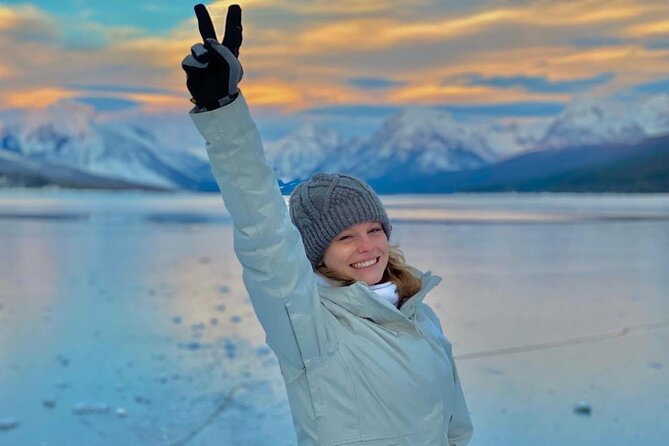
- Going-to-the-Sun Road time for Lake McDonald views and a classic Glacier photo line-up
- Guides who drive carefully and adjust to what your group wants to see
Winter Glacier in a Few Hours: Why This Drive Works in the Cold
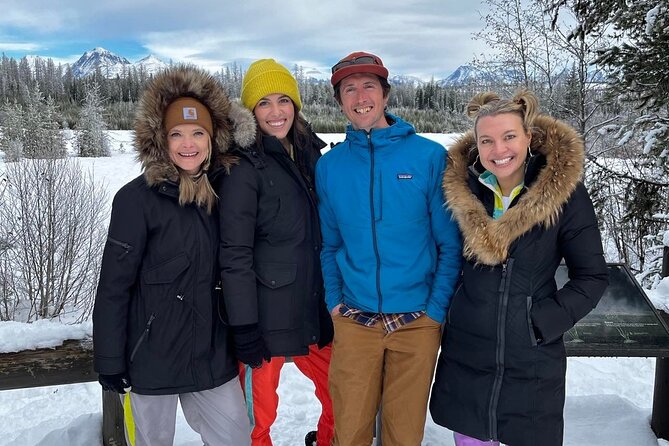
Winter Glacier is gorgeous, but it can also be a bit tricky to do on your own. Snow slows things down, roads may be partially limited, and you may not know the best pull-offs for views. This tour solves the puzzle by turning the day into a tight route: drive, stop, step out for photos, learn a few key stories, and keep moving.
What makes it especially appealing in winter is the balance. You get guided context at each stop, but you’re not stuck listening the whole time. You also get just enough time at the viewpoints to enjoy the scenery without feeling rushed out the door every minute.
You can also read our reviews of more tours and experiences in West Glacier.
Price and What You Actually Get for $219
At $219 per person, this isn’t a budget sightseeing bus. But it is priced like a true convenience tour: private transportation plus multiple paid stop locations covered by the tour (those stops are listed as free admission ticket-wise). For many people, the real value is outsourcing the winter logistics—planning the route, finding where you can safely stop, and timing it so you still get meaningful views.
In addition, the tour includes snacks, bottled water, and soda/pop. That small detail matters in winter. Cold air can kill your appetite and thirst signals get weaker when you’re bundled up. Having drinks and snacks already handled keeps the trip comfortable and keeps your focus on the views.
The one thing not included is lunch. If you’re doing this as part of a day out, I’d plan a meal before you leave Whitefish or after you’re back, so you’re not trying to solve hunger mid-tour.
Getting There: Whitefish Meeting Point and Pickup Options
The tour starts at 541 Spokane Ave, Whitefish, MT 59937, and it ends back at the same meeting point. This “start and finish in one place” style is simple and reduces decision fatigue, especially on snowy days.
Pickup is offered, and you’ll want to specify your pickup location. Pickup outside downtown Whitefish is possible for a fee, which can be useful if you’re staying a little farther out and don’t want to coordinate a cab or drive in winter conditions.
One more practical note: the tour is offered in English, and it’s a private experience, meaning only your group participates. That matters if you have people who prefer a quieter pace, want extra photo time in a couple spots, or have questions that don’t fit well on a larger group schedule.
Stop-by-Stop Winter Glacier: Hungry Horse Dam to Lake McDonald
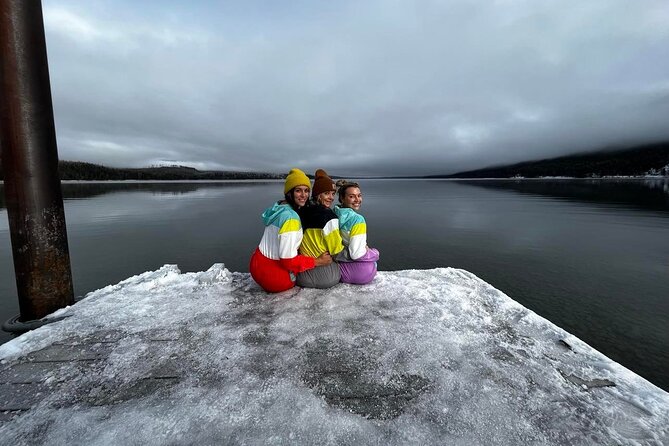
This route is built around a simple idea: use winter drive time to connect Glacier’s human stories with its major water features—dams, bridges, rivers, and the big lake.
Stop 1: Hungry Horse Reservoir and Dam Area (About 30 minutes)
You start at the Hungry Horse Dam & Reservoir area. This is a great first stop because it sets context fast. You’ll learn about the town’s connection to the reservoir and about the Forest Service land surrounding the dam.
Why I think this stop works well early: it’s a clear, easy-to-understand “why this place looks like this” lesson. Even if you’re not a technical person, the dam-and-reservoir story helps you read the region. In winter, when everything looks quieter, it also helps you understand how the water system shapes what you see.
The possible drawback: it’s about 30 minutes, so you should treat it as a viewpoint and story stop, not a full exploration.
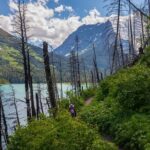
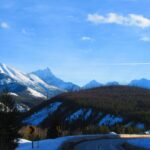
Stop 2: Belton Bridge and the 1964 Flood Story (About 20 minutes)
Next comes Belton Bridge in West Glacier. The guide shares what happened during the 1964 flood, along with history about Belton in Glacier and sights of the Middle Fork River.
This stop adds emotion and meaning to the scenery. Bridges and rivers are easy to admire, but learning how a disaster and recovery shaped the area turns a photo spot into a story you’ll remember. In winter, when the river may be quieter or visually changed, it helps you picture how powerful and dangerous it can be in other seasons.
Practical expectation: at around 20 minutes, you’ll likely have time for a quick walk and photos, but not extended wandering.
Stop 3: Glacier National Park at Apgar Village and/or the Visitor Area (About 30 minutes)
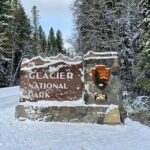
Then you head into Glacier National Park with a stop at Apgar Village and/or the Visitor Center, depending on operating hours.
This is the “get your bearings” portion of the tour. Even with winter restrictions and limited access, a short park stop is useful because you can connect the drive to the bigger Glacier picture: how the park is organized, what areas relate to Lake McDonald, and what you should keep an eye out for from the road.
A small consideration: if you’re someone who likes to browse museums or exhibits, you may not get long enough inside to do everything. But it’s a strong setup for the best part—your winter Lake McDonald viewing time.
Stop 4: Lake McDonald Along Going-to-the-Sun Road (About 45 minutes)
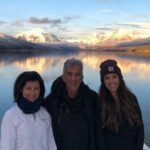
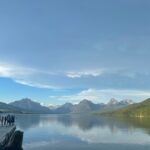
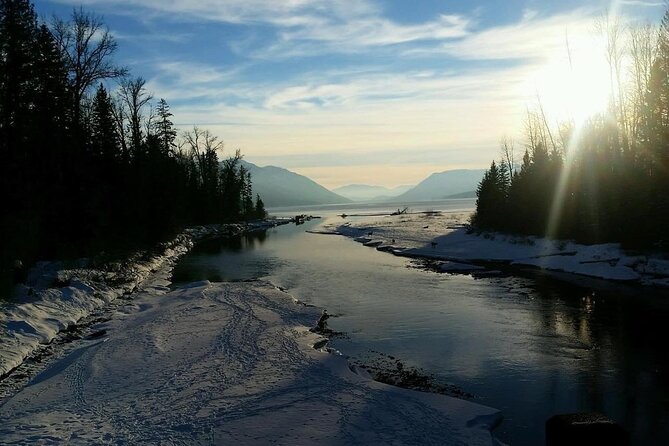
The final stop is the highlight for many people: Lake McDonald. You’ll drive along the Going-to-the-Sun Road to the Lake McDonald Lodge, with time to enjoy the lake views from the winter road corridor.
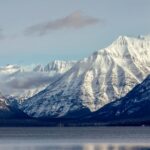
At about 45 minutes, this is your longest stop. That extra time matters because Glacier lake scenery can take over your attention. You’ll have a chance to take multiple photos, step out when permitted, and enjoy the way winter light plays on the water and shore.
This stop is also why this tour is worth doing if you’re short on time. In winter, access and viewpoints can be hard to plan alone. Here, the route is designed so you see the core Lake McDonald moments without turning your day into a drive-and-guess mission.
Going-to-the-Sun Road in Winter: How to Make the Most of Photo Time
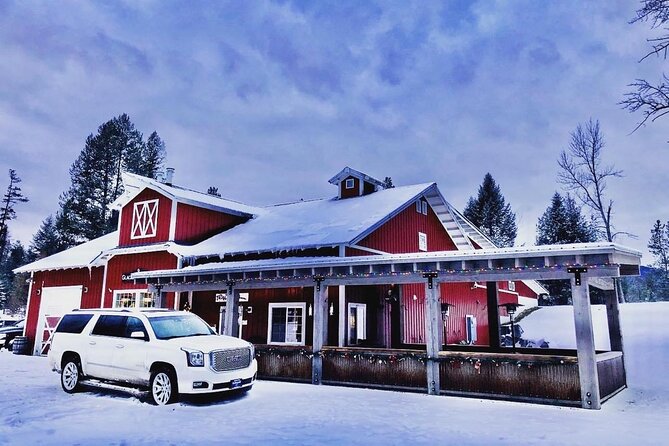
Winter photography in Glacier is simple: you want to get your camera ready before you step out. Cold also affects batteries faster than you expect, so keep your gear warm when you’re moving between stops.
Here’s how to maximize the experience without rushing:
- Dress in layers you can change without becoming a tangled mess. Winter wind can spike your comfort needs fast.
- Wear traction-appropriate footwear if you have it. You’ll likely be stepping on snow-packed surfaces around viewpoints.
- Treat each stop like a “photo window,” not a long stroll. The schedule is short by design, so you’ll get the best results by deciding what you want to capture before you walk out.
If you like taking photos, you’ll probably appreciate the pacing. The tour is built around multiple pull-offs and brief walk opportunities, so you get several chances to capture different angles rather than one long photo session.
Guides Who Drive Carefully and Tell Stories That Land
This tour stands or falls on guide quality, and the pattern here is clear: the guides put safety first and make the stories click.
Names you may see associated with this experience include Lincoln, Larry, Brandon, and Phil or Phillip. Across these guides, the most praised traits are consistent: kind, personable hosting; strong awareness of the area; and a cautious driving style that makes winter road travel feel calmer.
That cautious approach is not just about being careful on the road. It also makes the whole outing smoother. When your driver is confident and steady, you can relax, keep your eyes on the views, and stop thinking about logistics.
The other standout trait is adaptability. More than one guide is described as adjusting to what the group wants to focus on. That means if you’re more interested in the flood story at Belton Bridge, or you want extra time near Lake McDonald viewpoints, the tour tends to meet you there rather than forcing a rigid checklist no matter what.
What’s Included Versus What You’ll Need to Bring
Here’s the practical breakdown:
- Included: private transportation, snacks, bottled water, soda/pop, and landing/facility fees
- Not included: lunch
- Provided logistics: a mobile ticket, with confirmation at booking time
What you should plan for yourself:
- Winter clothing and footwear suited for brief walks
- Your own lunch plans (unless you eat before and after)
- Camera gear and spare battery management
Also, service animals are allowed, and most travelers can participate. If anyone in your group is concerned about stepping out briefly, it’s worth planning for short, weather-dependent walks and having a realistic expectation that the route is mostly drive-and-stop.
Who Should Book This Winter Glacier Tour (and Who Might Skip It)
This experience is a strong fit for you if:
- you want Glacier National Park winter views but you don’t want to handle winter driving stress
- you have only a half-day window and want the best “core stops”
- you like guided storytelling that gives context, not just random sightseeing points
- you care about photos and want multiple chances to get them
It may be less ideal if:
- you want long hiking time or full-day exploring
- you need a lot of flexibility to wander freely off-schedule
- you’re planning this as a lunch-centered outing, since lunch is not included
The Weather Factor: Why This Tour Needs Good Conditions
This experience requires good weather. The good news is that if the tour is canceled because of poor weather, you’ll be offered a different date or a full refund. Translation: you don’t have to “hope and pray” without a plan.
Still, it helps to build confidence in your winter mindset. In Glacier winter, road conditions can change quickly. If you’re the kind of traveler who packs for cold, expects minor delays, and stays flexible, you’ll be much happier with this style of tour.
Should You Book This Winter Glacier Scenic Driving Tour?
I think you should book it if you want a guided winter hit of Glacier without turning the day into complicated route planning. The combination of private transportation, included snacks and drinks, multiple stop opportunities, and strong guide performance makes it a practical choice for a short winter visit.
I’d hesitate only if you want long hikes or you’re looking for a lunch-included full-day experience. And if your trip dates are fixed and you can’t change travel plans, keep the weather dependency in mind.
If you’re coming to the area for Glacier’s winter look and want an efficient, comfortable way to see the best-known stops—Hungry Horse, Belton Bridge, Apgar/Visitor areas, and Lake McDonald—it’s a smart way to spend a few cold hours.
FAQ
Where does the tour start and end?
It starts at 541 Spokane Ave, Whitefish, MT 59937, USA, and it ends back at the same meeting point.
Is pickup available?
Yes. Pickup is offered. You’ll need to specify your pickup location, and pickup outside of downtown Whitefish is available for a fee.
How long is the scenic driving tour?
The duration is about 3 to 4 hours.
Is this a private tour?
Yes. This is a private tour/activity, so only your group participates.
What stops are included on the drive?
The tour includes stops at Hungry Horse Reservoir, Belton Bridge, Glacier National Park at Apgar Village and/or the Visitors Center (depending on operating hours), and Lake McDonald along Going-to-the-Sun Road to Lake McDonald Lodge.
Are admissions included?
Admission ticket costs for the listed stops are listed as free, and landing and facility fees are included.
What’s included in the price, and is lunch provided?
Included: private transportation, snacks, bottled water, soda/pop, and landing/facility fees. Lunch is not included.
What language is the tour in?
The tour is offered in English.
What happens if the weather is poor?
This experience requires good weather. If it’s canceled due to poor weather, you’ll be offered a different date or a full refund.
Are service animals allowed?
Service animals are allowed, and most travelers can participate.