REVIEW · BLED
Via Ferratas In Triglav National Park And Julian Alps
Book on Viator →Operated by Kofler sport-sport agency · Bookable on Viator
Cables, cliffs, and Alps that feel close. This one-day via ferrata adventure mixes hiking time with real rock-climbing excitement on fixed lines in and around Triglav National Park. I like how the day is run with serious safety coaching and how the group stays small, so you get real attention on the parts that feel exposed. The main drawback is that it’s not a casual stroll: you need strong physical fitness, plus basic mountaineering comfort and the right gear.
For me, the best part is the human factor. Guides like Gregor (from Kofler sport-sport agency), plus guides such as Ziga and Martin, are praised for being clear, calm, and reassuring when you’re nervous—especially on routes like Mala Mojstrovka. Still, it’s worth considering that the day doesn’t include food and drinks, so you’ll want to plan snacks and hydration on your own.
In This Review
- Key things that make this via ferrata day work
- Triglav National Park via ferrata: what you’re actually signing up for
- Meeting point and transfers: the day starts with less hassle
- The route options around the Julian Alps (and why that context helps)
- How the morning coaching keeps you safe (even if you’re nervous)
- What climbing feels like: exposure, cable movement, and choosing your line
- The hiking side: why it’s not just climbing
- Examples of routes you may do (based on what the guides run)
- Guides and organization: the real reason people feel confident
- Price and value: is $616.63 worth it?
- What to bring (and what to double-check before pickup)
- Who this tour is best for
- Should you book this via ferrata day?
- FAQ
- What time does the via ferrata start?
- How do I get my ticket?
- What is the maximum group size?
- What is the minimum age?
- What’s included in the price?
- Are transfers provided from Bled and nearby towns?
- What gear should I bring?
- Is food and drinks included?
- What is the cancellation policy?
Key things that make this via ferrata day work
- Small groups (max 10) mean more coaching and faster help when you need it
- Morning instruction and practice helps you get confident before the real climb
- Safety-first guiding with avalanche safety equipment included
- Choice of harder and easier sections on the route, so beginners can progress
- Efficient transfers from Bled, Mojstrana, and Kranjska Gora keep the day on schedule
Triglav National Park via ferrata: what you’re actually signing up for
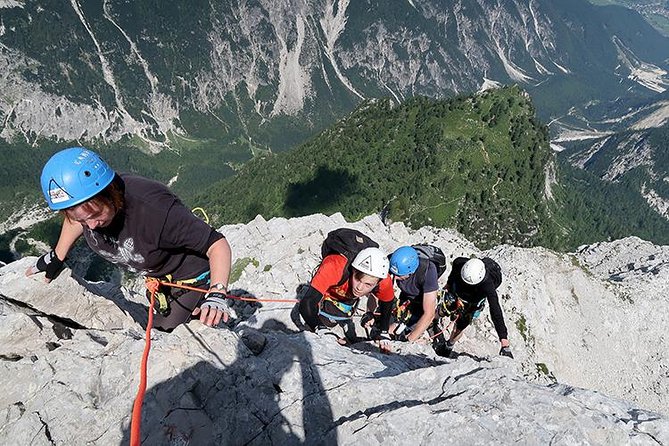
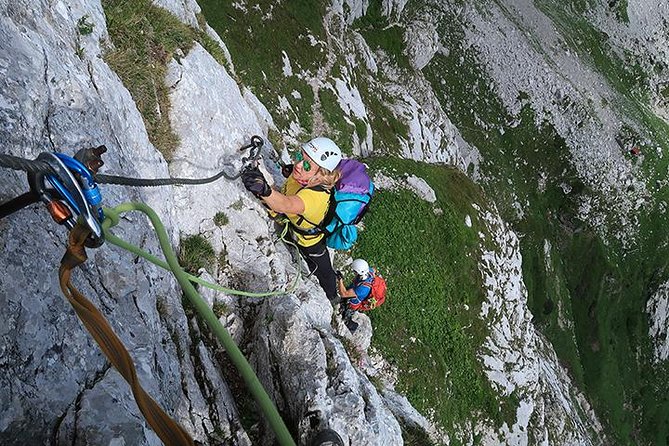
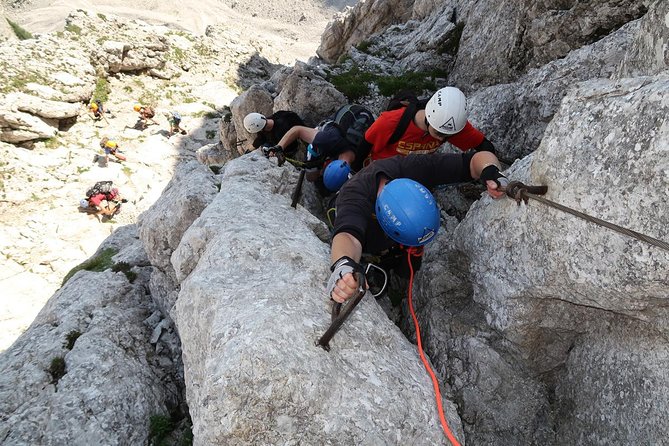
A via ferrata is a fixed rope-and-cable route built into steep rock. Think of it as a climbing path that lets you move through dramatic terrain with an attached safety system—so you get the thrills of exposure without the same guesswork as free climbing.
What makes this experience feel different from a basic hike is that the day is built for both movement and learning. You’re not just shown where to walk. You’re coached on how to clip in, how to move safely on the line, and how to keep your head in a place that’s naturally intimidating: steep rock, height, and limited room.
And you get the Julian Alps payoff: views that look bigger than the hike itself. The day is designed to keep you active—climbing, then hiking between sections—so you spend less time standing around waiting for a bus, and more time earning that “wow” feeling.
You can also read our reviews of more tours and experiences in Bled.
Meeting point and transfers: the day starts with less hassle
The experience meets at Kofler sport-sport agency (Gregor Kofler). The start time is 7:00 am, which is smart in mountain country. You’ll beat some crowds, and you’ll give yourself better weather odds for a physically demanding day.
Transfers are included from Bled, Mojstrana, and Kranjska Gora. That matters more than it sounds. Via ferrata days are early and timing-sensitive. When transport is handled for you, you can focus on shoes, harness, and breathing—not route planning and parking.
The small-group setup (maximum of 10) also tends to create a smoother flow. You’re not stuck watching a long line of people fumble with gear. The guides can manage the pace without turning it into a slow, painful shuffle.
The route options around the Julian Alps (and why that context helps)
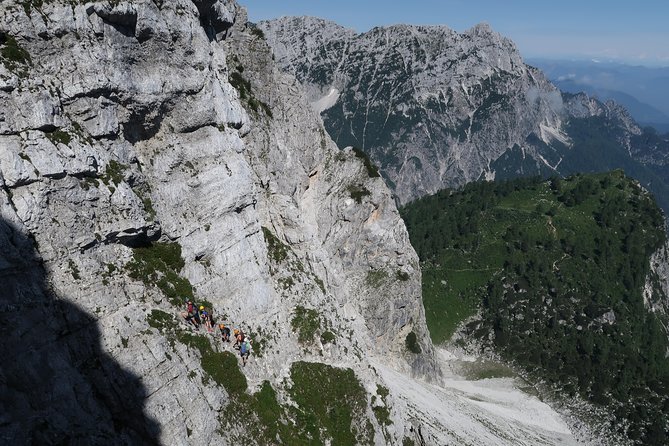
You’ll get more than one “random cable route.” The regional context is part of the value. You’ll hear about well-known via ferratas around the Julian Alps and surrounding mountain areas, including routes such as Mojstrovka, Triglav, Prisank, Škrlatica, Kamniško Savinjske Alps, and even Karawanks. There’s also mention of Via della vita, described as showcasing the might of the mountains and continuing toward Slovene Mangart.
Even if your exact climb is one specific route, this broader framing helps you understand what you’re stepping into. It also hints at what the area is like: steep, exposed, and scenic in a way that’s famous for a reason.
Practically, the guide’s role becomes clearer here too. When you know the area has multiple route styles, you start to understand why the guide adapts the day to the group’s comfort level—rather than forcing everyone to suffer through the same hardest line.
How the morning coaching keeps you safe (even if you’re nervous)
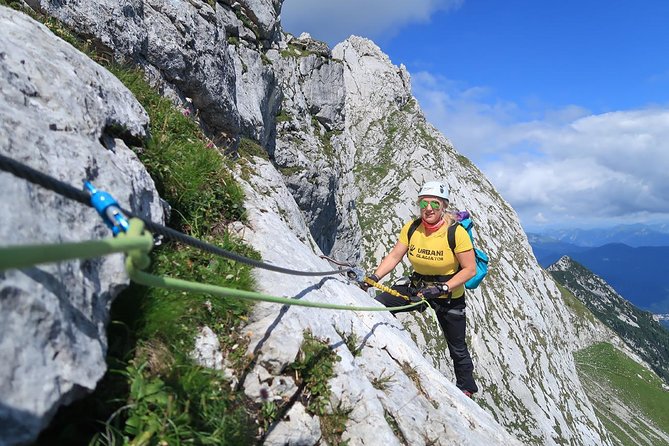
The day starts with instruction and gear basics, and—importantly—there’s time for learning before you go straight onto the main via ferrata.
In one common format, you get a brief explanation first, then you can practice on a small course. After that, you walk toward the start point. This sequence is a big deal if you’ve never done a via ferrata. You learn the motions with less pressure, so when you later encounter the steeper sections, your body already knows the routine.
Safety instructions are praised for being no-nonsense and clear. Guides like Gregor are specifically noted for being direct about what to do, and for helping people who are nervous feel grounded. Martin and Ziga show up in descriptions as experienced and supportive, too—especially when kids are in the group or when someone is pushing their limits.
What climbing feels like: exposure, cable movement, and choosing your line
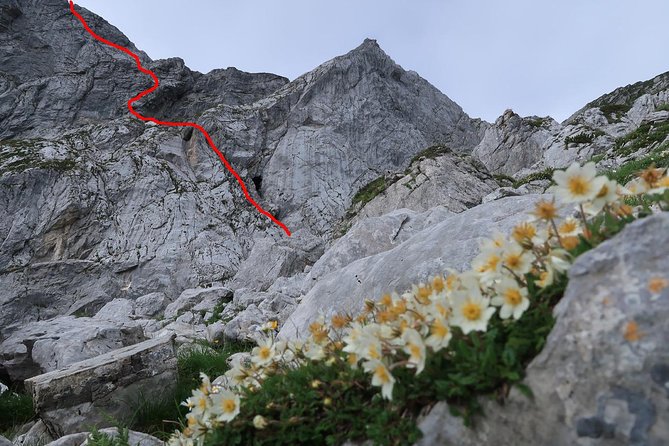
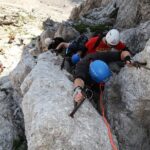
Once you’re on the via ferrata, you’ll move along fixed cables and use them for secure progression. The route can include sections with different difficulty levels. A key plus here is that you can often choose between more difficult and easier parts.
That means the day doesn’t have to be all suffering or all “walk and clip.” If you want a bigger challenge, there are usually segments for that. If you need a confidence boost, you can take the less intense sections and still finish with a real sense of accomplishment.
One detail worth noting: the routes can be advanced. Some people join courses described as more advanced (with difficulty levels referenced in the higher D to E range). If you’re a true beginner, the best strategy is to start with the route sections you can handle while trusting your guide’s calls and safety coaching.
The hiking side: why it’s not just climbing
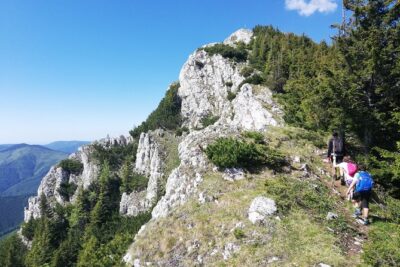
Even though this is a via ferrata experience, it’s still a hike day. You’ll spend time walking between the start of the climbing sections and the bigger viewpoints you earn along the way.
This matters because it breaks up the mental load. Pure climbing days can feel nonstop. Here, you get stretches where you can reset your focus, breathe, and enjoy the scenery before you clip in again.
You also get movement through the mountain terrain that you might not reach any other way—especially in a national park area where the good views often live beyond easy roads.
Examples of routes you may do (based on what the guides run)
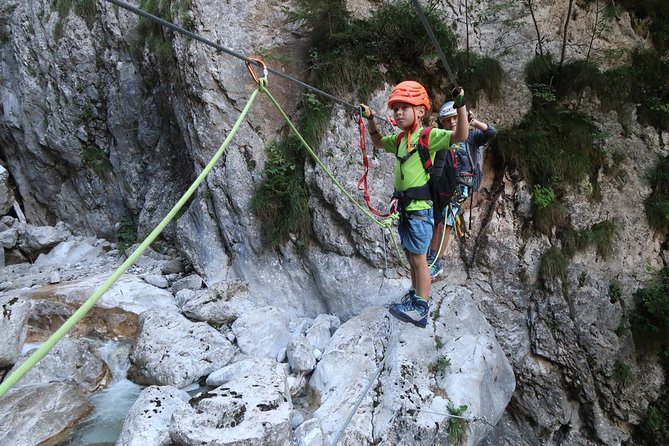
The day centers on one via ferrata route in the wider Triglav and Julian Alps region. Based on the routes that repeatedly show up in the experiences with this provider, you might encounter climbs like:
- Mala Mojstrovka (often described with the Hanzova Route), which gets mentioned in a first-time-friendly way
- Via ferrata in Mojstrana, where beginners practice and then progress on the main route
- Jerm’n and Hvadnik, showing that the operator can handle different skill levels
I’m intentionally keeping this flexible, because the exact route can vary with season, group level, and conditions. What stays consistent is the structure: briefing, practice, climbing with support, and a strong emphasis on feeling safe.
Guides and organization: the real reason people feel confident
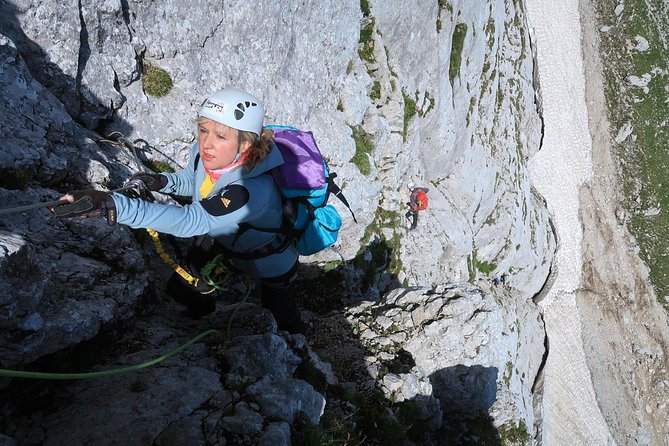
This is the part that shows up again and again: people feel safe because the guide is competent and the system is organized.
You’ll see praise for:
- clear safety instructions (even for first-timers)
- experienced guides who explain both technical and practical details
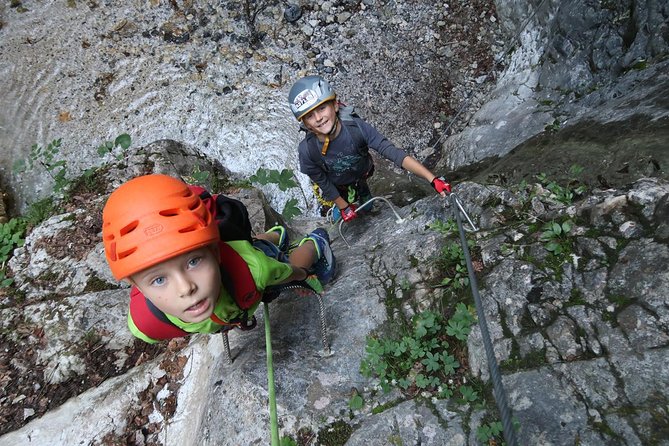
- guides who manage pace well, including support for kids
- easy communication and reassurance when needed
Gregor (and the Kofler sport team) is repeatedly associated with calm, structured instruction—described as “no nonsense” and thorough. That’s exactly what you want when a via ferrata gets steep: not drama, not guesswork. Just clear steps.
Also, the logistics get credit. People describe being picked up on time and transported in clean mini-buses. There’s even mention of celebrations after the climb, like beers and food, plus surprise thank-you gifts at the end. That’s not the point of via ferrata, but it does make the day feel cared for.
Price and value: is $616.63 worth it?
At $616.63 per person for an approximately one-day experience, you’re paying for more than a cable route.
Here’s what your money is buying:
- Guiding with instruction and security support throughout
- Transfers from your accommodation area (Bled, Mojstrana, Kranjska Gora)
- Avalanche safety equipment included
- A small group size (maximum 10)
Not included:
- Food and drinks
- Any food-free extras like ski touring equipment rental (listed as not included)
Is it good value? For anyone who wants a safe start, the pricing makes sense. You’d likely spend time and energy figuring out routes, gear, and local conditions on your own. Paying for a guide compresses that uncertainty into one day, and it gets you climbing sooner—with more confidence.
If you already have via ferrata experience and you’re comfortable arranging everything independently, the value might be less obvious. But if you’re learning, traveling with family, or you want a smooth day with minimal friction, this package is structured for that.
What to bring (and what to double-check before pickup)
The operator advises appropriate mountain clothing and shoes. You’ll also want:
- Helmet
- Climbing harness
- Via ferrata system
- Backpack
- Other equipment suggested by your guide
Here’s the practical angle: even if you plan to borrow or rent gear locally, don’t assume it. Ask early what’s provided versus what you must bring. The included list specifically calls out avalanche safety equipment and guiding—so your helmet/harness/via ferrata set may or may not be part of your individual package depending on how you book.
If you’re traveling with kids or first-timers, gear fit matters even more than courage. A harness that fits wrong makes the whole system harder to use.
Who this tour is best for
This is a great fit if you:
- want an active day with real mountain exposure
- prefer guided instruction over figuring it out yourself
- like the idea of climbing but also want the structure of safety coaching
- enjoy traveling with a small group
It’s also a strong choice for families who want kids supported through the process. Kids show up in the feedback with parents noting the guides took care of them.
The one big mismatch is people who don’t meet the fitness expectation. The experience requires strong physical fitness, and via ferrata movement asks more of your legs, core, and grip strength than you might think.
Should you book this via ferrata day?
I’d book it if you want a well-run introduction to via ferrata in the Triglav / Julian Alps area, with clear safety instruction and transportation handled. The organization and the guides’ calm approach are the standout reasons to choose this over a generic day out.
I’d pause and reconsider if you:
- don’t feel comfortable with height or exposed terrain (even with coaching)
- aren’t ready for early starts and a full active day
- would struggle to cover extra costs like food and drinks
If you do book, do yourself a favor: show up with the right clothing and shoes, and be honest with the guide about your nervousness. That’s not weakness. It’s exactly the kind of information a good via ferrata guide can work with.
FAQ
What time does the via ferrata start?
The start time is 7:00 am.
How do I get my ticket?
You’ll receive a mobile ticket.
What is the maximum group size?
The experience has a maximum of 10 travelers.
What is the minimum age?
The minimum age is 7 years.
What’s included in the price?
Included are transfers from your accommodation and back (from Kranjska Gora, Mojstrana, or Bled), guiding, and avalanche safety equipment.
Are transfers provided from Bled and nearby towns?
Yes. Transfers are provided from Bled, Mojstrana, and Kranjska Gora.
What gear should I bring?
You’ll need appropriate mountain clothes and shoes, and you should have (or be prepared to use) a helmet, climbing harness, via ferrata system, and a backpack. The guide may also suggest other equipment.
Is food and drinks included?
No. Food and drinks are not included.
What is the cancellation policy?
You can cancel for a full refund up to 24 hours in advance. If you cancel less than 24 hours before the start time, the amount you paid is not refunded.