REVIEW · WEST GLACIER
Half-Day Glacier National Park Whitewater Rafting Adventure
Book on Viator →Operated by Great Northern Rafting · Bookable on Viator
Glacier whitewater in just half a day. This half-day rafting trip in West Glacier gets you on the water fast, starting calm before turning into rapids in John Stevens Canyon.
What I like is how it keeps things beginner-friendly without babying you. You paddle with a professional guide, you’re fully geared up, and you get clear coaching all the way.
I also like the value math: $88 buys you about 2.5 hours outdoors, with small-group energy (a max of 50) and real Glacier scenery along the southern boundary. One thing to plan for is river conditions—water levels can change what you feel on the rapids, and in some seasons the trip may run shorter.
In This Review
- Key Points Before You Go
- A Quick Take on This Glacier Rafting Choice
- Rapids Level Reality: Class II–III and Why You Still Feel It
- What the 2.5 Hours Actually Feels Like on the Water
- Meeting Point at 12127 US-2: The Easy-Start Part
- The Trip Flow: Calm Stretch, Then John Stevens Canyon
- First: a calm paddling stretch
- Next: John Stevens Canyon rapids
- Guides Are the Main Attraction Here
- What to Wear: Water Shoes, Sandals, and Splash Control
- Price and Value: Getting Your Money’s Worth at $88
- Who This Trip Fits Best (and Who Might Want Another Option)
- Weather, River Levels, and Why Timing Can Shift
- Should You Book This Half-Day Glacier Rafting Trip?
- FAQ
- How long is the rafting trip?
- What rapids will we experience?
- Do I need any rafting experience?
- What are the age and weight requirements?
- Do trips run if the weather is bad?
- Where is the meeting point?
- Can I cancel for a refund?
Key Points Before You Go
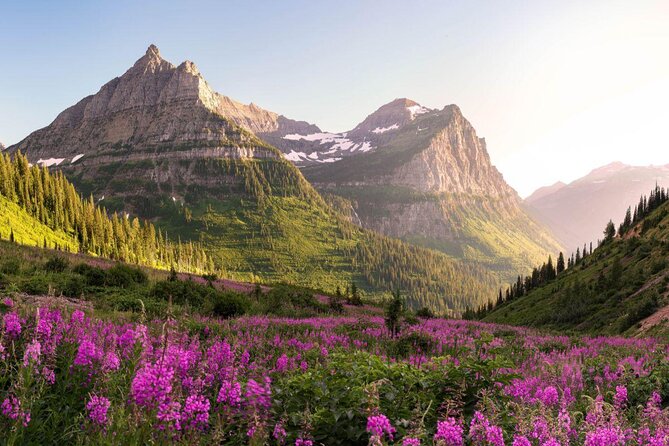
- Half-day timing (about 2 hours 30 minutes) makes this easy to fit with hikes and sightseeing
- Class II–III rapids with a warm-up stretch of calmer paddling
- Professional guides who teach while having fun, with named guides like Jackie, Luke, Grace, Todd, Dale, and Cash showing up in guest stories
- Rain or shine departures, but the exact ride can vary with river levels
- What you wear matters: water shoes and splash coverage are repeatedly recommended
A Quick Take on This Glacier Rafting Choice
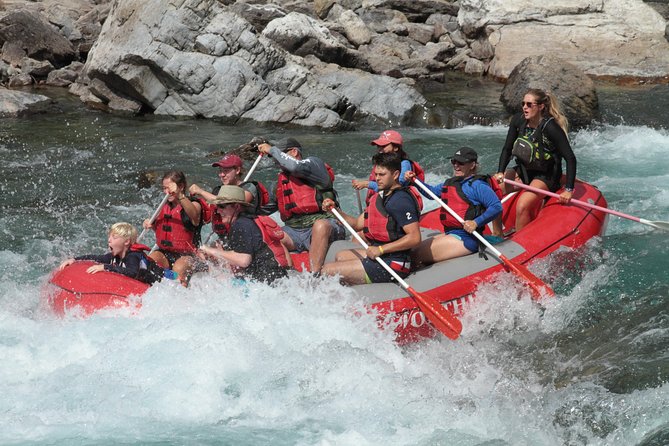
If you want Glacier National Park vibes without spending the whole day planning, this half-day rafting option is a smart move. You get the core experience—time on the water, guided paddling, and rapids—without needing a full-day schedule swap.
The trip is built around a simple progression: start on calmer water so you learn what to do, then move into a more active section along the southern boundary, including John Stevens Canyon. That structure is exactly what makes it work for first-timers. You’re not thrown into chaos; you’re taught, then tested a little.
And because it’s half-day, it’s also a good “add-on” after something else. If you’re already in West Glacier for a hike or a drive, this is the kind of activity that turns your trip into a story you’ll keep telling, not just a view you parked beside.
You can also read our reviews of more tours and experiences in West Glacier.
Rapids Level Reality: Class II–III and Why You Still Feel It
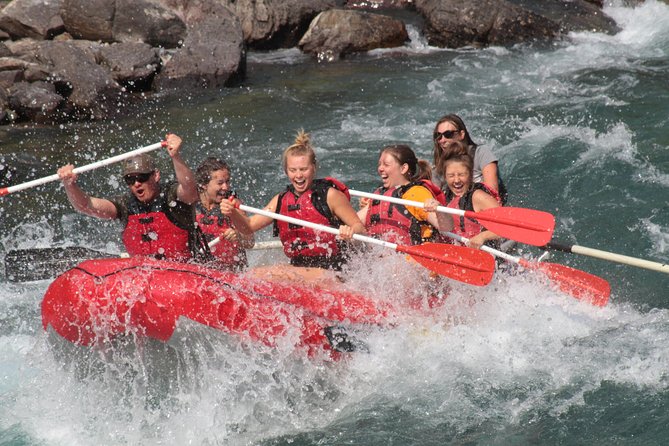
This ride is rated for Class II–III whitewater. In plain terms, you can expect playful action up to moderate rapids. You’ll get the jolt you came for, but you’re not signed up for extreme big-water danger.
The best part for many people: it’s designed so beginners can join in. Guides teach paddling basics and safety steps before things get spicy, and guests in the past have specifically said they felt safe while still getting excitement. You’ll often see phrases like professional, safe, and fun show up with guide names like Luke, Todd, and Grace.
Here’s the consideration: river levels change the feel of the trip. If the water is lower, rapids can end up milder and you may spend more time on scenic paddling. If river levels are higher, the trip timing can change (it may be shorter), and some minimum requirements can be higher earlier in the season. So you should treat this as a conditions-driven adventure, not a guarantee of the loudest possible ride every single day.
What the 2.5 Hours Actually Feels Like on the Water
Even though it’s only about 2 hours 30 minutes, the trip doesn’t feel like a rushed snack. The pacing usually builds. First comes check-in and outfitting. Then you get on the water for a calmer stretch to get your bearings. After that, you move into John Stevens Canyon for more of the rapid rhythm.
That calm-to-action pacing is the difference between “I survived rafting” and “I had fun rafting.” When you start with calmer water, you learn how the raft moves, how your paddle timing matters, and how to follow the guide’s calls. Then when rapids roll in, you’re not guessing.
Also, departures run both morning and afternoon, and they operate rain or shine. That matters if your Glacier plans are weather-sensitive. You may not control the sky, but at least you’re not always stuck waiting for perfect conditions.
Meeting Point at 12127 US-2: The Easy-Start Part
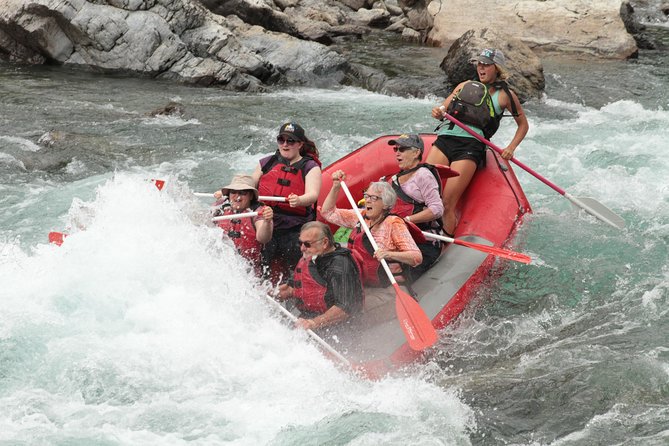
You’ll meet at 12127 US-2, West Glacier, MT 59936, and the trip ends back at the same starting point. That “easy in, easy out” style is great when you’re sharing a day with other plans.
You’ll use a mobile ticket, and you should receive confirmation at booking time. Practically, it means you want your phone charged and your reservation handy. Then you’ll be matched with your raft group and outfitted with safety gear (including a 58-inch chest life jacket, which you must be able to buckle).
Most people can participate, and the operator keeps groups to a maximum of 50. That size helps the experience feel organized rather than chaotic. You can also expect the guide to handle the “what to do next” part from the start.
If you’re traveling with kids or you’re newer to rafting, the meeting-point setup tends to reduce stress. The more time you spend thinking about logistics, the less fun you’ll have once you’re on the water.
The Trip Flow: Calm Stretch, Then John Stevens Canyon
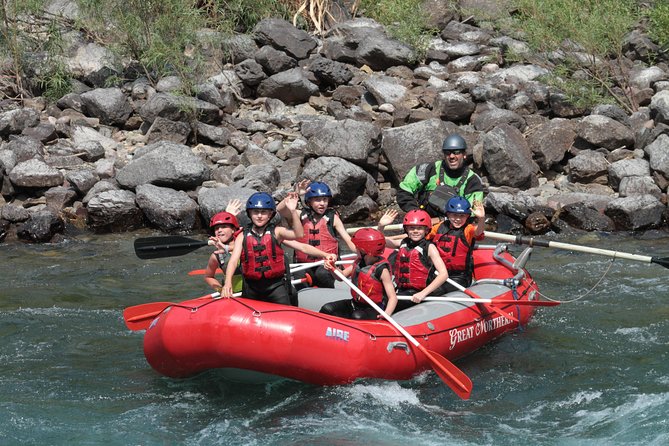
This is where the adventure shape becomes clear.


First: a calm paddling stretch
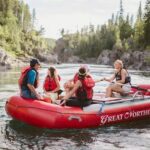
You start on calmer water so you can learn the basics quickly. This is where you get your bearings—how to hold your paddle, how to follow commands, and how to move together. It’s also where you settle into the scenery and feel the raft glide instead of slam.
This portion is valuable because it lowers the intimidation factor. If you’ve never done whitewater before, calmer water is where you build confidence.
Next: John Stevens Canyon rapids
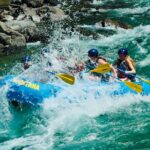
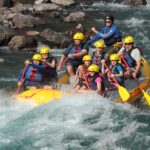
Then the trip moves into John Stevens Canyon, where the rapids bring the excitement. You’ll paddle through a variety of rapids that fit the Class II–III range.
What I like about this second stage is that it’s not “one big moment.” You’re usually in and out of different rapid sections, so the experience stays lively. Guests have also described the rapids as numerous, exciting, and not overly crazy—exactly what you want for a first major water adventure.
Guides Are the Main Attraction Here
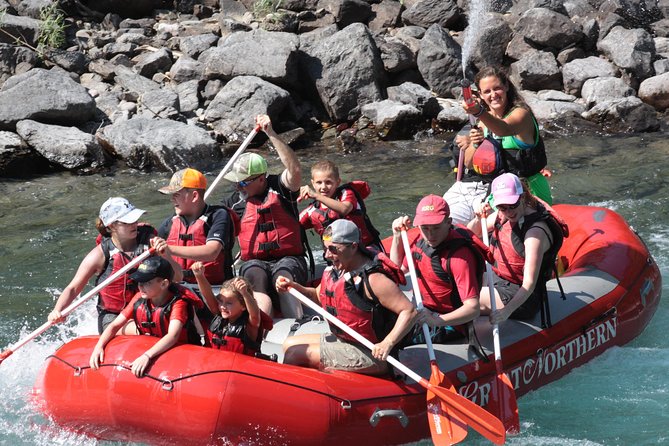
For many people, the guide isn’t just “safety.” The guide is the whole mood of the trip.
Across guest stories, guides like Jackie, Luke, Todd, Grace, Dale, Cash, Justin, Shaquille, and Lucy show up with praise for being fun, professional, and clear. People repeatedly mention that guides explain safety well and keep the energy light with humor and teaching moments.
One detail I’d call out: some guides build in hands-on learning beyond the normal “listen and paddle” basics. For example, there are accounts of guides letting guests swim briefly at a deeper, calmer spot toward the end and teaching a simple rescue technique on how to pull someone back into the raft. Even if your day doesn’t include the exact same moment, it’s a strong signal of how the guides think—practical skills paired with fun.
If safety is your number one priority, you’ll likely feel good about this style. If fun is your number one priority, you’ll probably feel even better.
What to Wear: Water Shoes, Sandals, and Splash Control
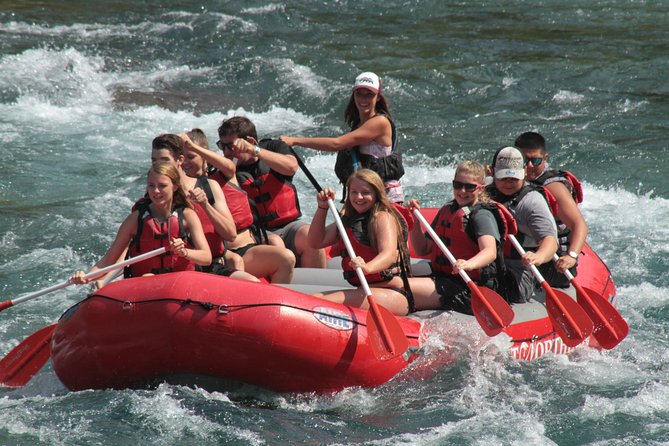
This kind of rafting is wet. Even in warmer months, glacier-fed water can feel cold, especially when you get soaked by rapids.
Here’s the footwear reality that shows up clearly in past experiences:
- Water shoes are a smart bet, and some people have been able to rent them on-site (one guest noted a $2 rental).
- Sandals may be allowed, but no slip-ons like Crocs/Birks was mentioned in one account.
- Splash jackets can be useful, and wearing proper water shoes helps you avoid sore feet.
Dress for layers you can still paddle in. You want gear that dries or at least doesn’t become a pain once wet. Bring a change of clothes for after, because you will not leave looking dry.
And if weather is cool, you may feel the cold more than you expect. A guide can control the route, but they can’t change the fact that you’re in moving cold water.
Price and Value: Getting Your Money’s Worth at $88
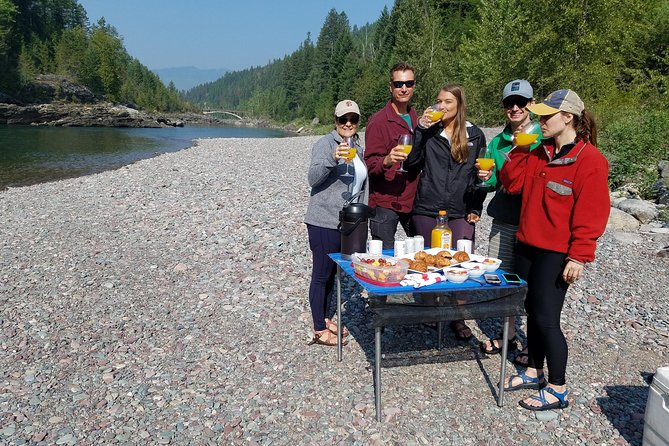
At $88 per person for about 2.5 hours, you’re paying for more than “a ride down a river.” You’re buying:
- a professional guide who runs the raft and instructs you
- provided safety equipment (life jacket at minimum)
- a curated section of river experience within Glacier National Park’s southern boundary
- the convenience of being picked up, launched, and brought back to the same meeting point
This is a good value when you look at what you’d otherwise have to cobble together yourself: guide services, safety planning, and the know-how that keeps a rafting trip fun instead of stressful.
One caution on value: there’s an optional photo element you may encounter. In one story, a guest said digital photo pricing was high (one digital photo noted at $25). In another, someone was disappointed there was no photographer. Translation for you: if photos matter, plan for the fact that photo availability and pricing can vary by day and service setup. Ask ahead if it’s important to you.
Also, remember what river conditions do to the ride. If water levels make the rapids milder, you may get more scenic time than peak-action time. Still, you’ll be on a glacier-water river in Glacier country, which is the core reason most people book.
Who This Trip Fits Best (and Who Might Want Another Option)
This rafting trip is built for broad participation. Minimum age is 5 and minimum weight is 50 pounds. There’s no maximum weight, but you must be able to buckle the 58-inch chest life jacket. That’s a real detail you should check for your group before you go.
This is a great choice if:
- you’re a beginner who still wants real whitewater
- you’re traveling with families and want an easier half-day plan
- you want Glacier scenery plus paddling, not just a scenic drive
- you like the idea of a guide-run, safety-first day with humor and instruction
You might consider a different option if:
- you’re looking for fully extreme rapids only
- you strongly prefer long-duration whitewater (this is half-day)
- you need guaranteed photo coverage (it’s not consistent based on what’s been reported)
Weather, River Levels, and Why Timing Can Shift
The trip runs rain or shine, which is a huge relief in the northern Rockies where weather can change fast.
But you should also be ready for river-level surprises. The tour timing depends on the season, and it may be shorter when river levels are higher. In early season, minimum ages and weights can be higher when river levels are elevated.
So the best mindset is flexible. You’re not booking a “fixed theme park ride.” You’re booking a real river day. That’s why the experience can feel different across weeks—and why guides still manage to make it fun even when conditions change.
Should You Book This Half-Day Glacier Rafting Trip?
I’d book it if you want Glacier National Park energy in a short window, especially if you’re new to rafting. The combination of beginner-friendly structure, clear instruction, and a strong guide culture makes it a safer bet than many “adventure” activities that feel vague when you read the description.
I’d hesitate only if you’re chasing one specific outcome, like maximum intensity every time, or if you need a guaranteed photo service. River levels control the feel, so you should choose this for the overall rafting-and-scenery experience, not for one exact rapid set.
FAQ
How long is the rafting trip?
The duration is about 2 hours 30 minutes (approx.).
What rapids will we experience?
The trip is described as Class II–III rapids, including time in John Stevens Canyon.
Do I need any rafting experience?
No experience is necessary. The tour is beginner-friendly and has guides/instructors with you.
What are the age and weight requirements?
Minimum age is 5. Minimum weight is 50 pounds. There is no maximum weight, but you must be able to buckle a 58-inch chest life jacket.
Do trips run if the weather is bad?
Trips depart rain or shine. If it’s canceled due to poor weather, you’ll be offered a different date or a full refund.
Where is the meeting point?
The meeting point is 12127 US-2, West Glacier, MT 59936.
Can I cancel for a refund?
Yes. You can cancel up to 24 hours in advance for a full refund. If you cancel less than 24 hours before the start time, the amount you paid will not be refunded.