REVIEW · TENERIFE
Tenerife: Teide National Park Sunset & Stargazing Tour
Book on GetYourGuide →Operated by Tenerife Stars · Bookable on GetYourGuide
Teide at sunset feels unreal. The Teide National Park sunset stop sets the stage, then the night turns into a guided sky lesson with green laser pointers and telescopes. One big love: the guide energy, with famed hosts like Ozzi turning constellations into something you can actually find. Another love: the stargazing happens in an area with very low light pollution, so the views are the point, not an afterthought.
One thing to plan around: the sky show depends on clouds, the Moon phase, and season. It can also get seriously cold, and you’re not given a jacket or blanket.
In This Review
- Quick hits you’ll care about
- Why Teide’s dark skies make this more than a sunset ticket
- Getting there: pickup zones and the blue-bus rhythm
- The cloud-sea sunset stop: the best kind of gamble
- Dinner in a traditional village: included, or optional depending on your choice
- Teide National Park guided time: what you’re doing and why it works
- Telescopes and laser pointers: the easiest way to find the sky
- What the Moon, planets, and Milky Way mean for your night
- The Moon rule
- Planets depend on season
- Milky Way visibility is seasonal too
- Shooting stars: when the sky does its own show
- Optional pro photos and smartphone tricks through the telescope
- Cold nights, warm clothes: pack like it’s winter
- Guide energy: Ozzi (plus the support team behind the telescopes)
- Price and value: does $47 make sense?
- Who should book this Teide sunset and stargazing tour?
- Should you book this Teide sunset and stargazing tour?
- FAQ
- How long is the Tenerife Teide sunset and stargazing tour?
- Where does pickup happen?
- Is dinner included in the tour price?
- What can I see through the telescopes?
- When can I see the Milky Way?
- Do I get jackets or blankets for the cold?
- Are toilets available during the tour?
Quick hits you’ll care about
- Starlight-certified skies in Teide National Park, designed for astronomy nights with minimal light pollution
- Ozzi (and the team) guides you through the sky with jokes, multitanguage delivery, and telescope setup help
- Green laser pointers make it easier to locate stars and constellations fast, even for beginners
- Season rules your targets: planets mostly work in autumn to winter; the Milky Way runs summer through winter; the Moon can dominate near full moon
- Optional photo upgrade exists, but standard professional photos are not included
- No toilets on the bus or at the national park, so plan your timing
Why Teide’s dark skies make this more than a sunset ticket
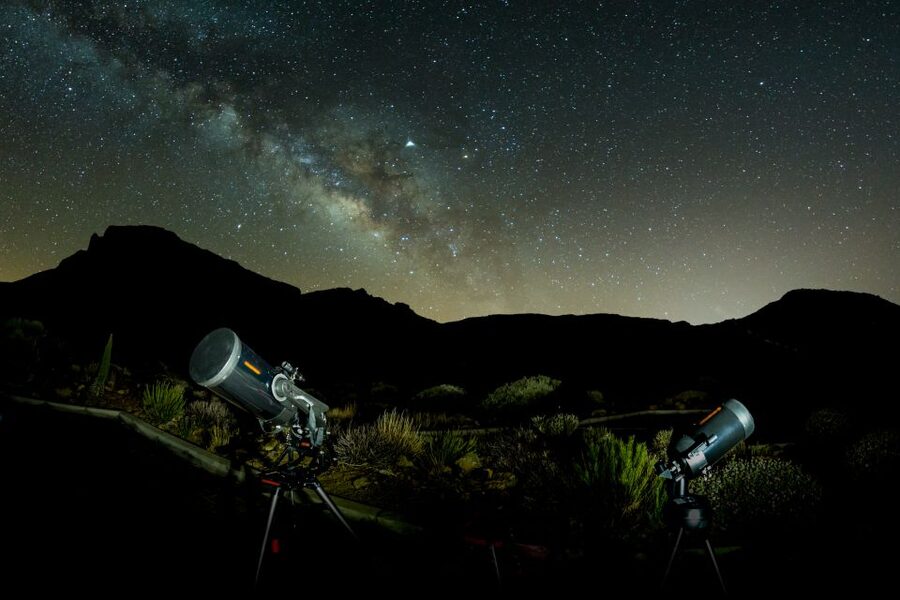
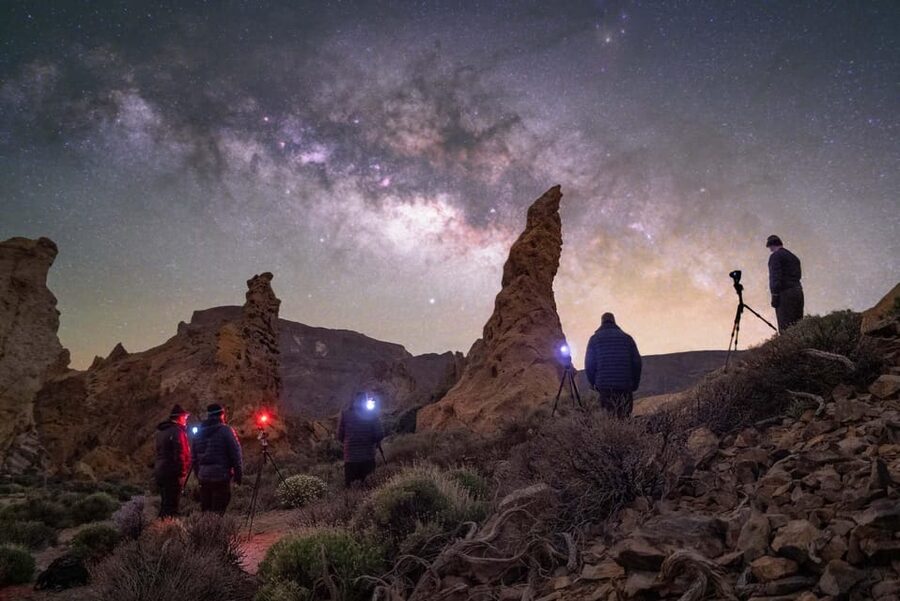
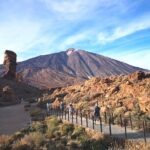
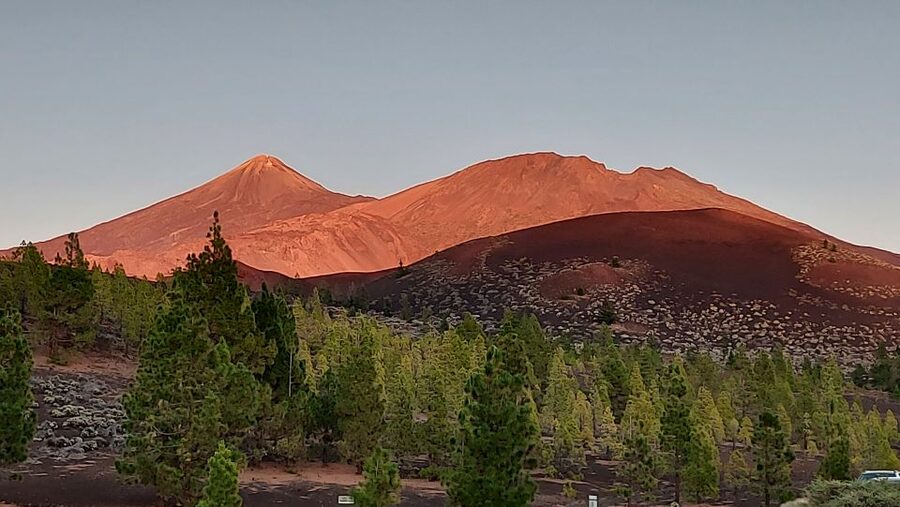
Tenerife’s Mount Teide sits high, and that altitude helps with clearer air and darker skies. This tour is built around that idea: you’re not just looking up once. You’re watching the sky change as it gets dark, then using telescopes to see objects you usually never get to spot from the coast.
The real value is how the experience is paced. You get a sunset moment first, which warms you up emotionally. Then, once night fully lands, you switch gears into identification: constellations, key stars, and celestial “where is it?” guidance. That’s the difference between a casual star walk and an astronomy outing you’ll remember.
Also, Teide National Park is treated as a true stargazing destination here—low light pollution is part of the pitch. Translation for you: when conditions cooperate, the sky doesn’t feel washed out. It feels deep.
You can also read our reviews of more tours and experiences in Tenerife.
Getting there: pickup zones and the blue-bus rhythm
This is a south-of-Tenerife style tour. Pickup is optional and available from the south only, typically from areas like Costa Adeje, Playa de las Américas, and Los Cristianos. If you book with transport, you’ll ride in an air-conditioned vehicle.
A couple practical notes I’d treat as rule-of-thumb:
- Your pickup time is shared as a starting time, and the exact time depends on the season.
- In the morning of your tour day, the provider confirms the meeting point and time (they use WhatsApp or a phone call).
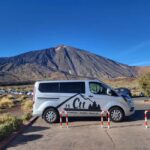
On arrival, your guide is on a blue bus, and you’ll be asked to confirm your booking and show your voucher. If you want a smooth start, be a little early at the stop listed for your option.
The cloud-sea sunset stop: the best kind of gamble
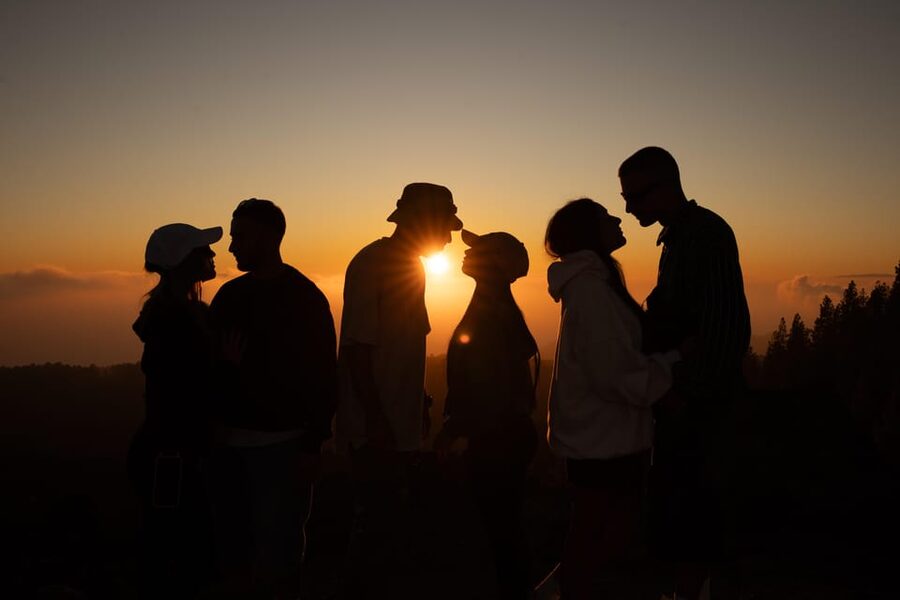
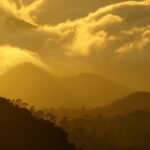
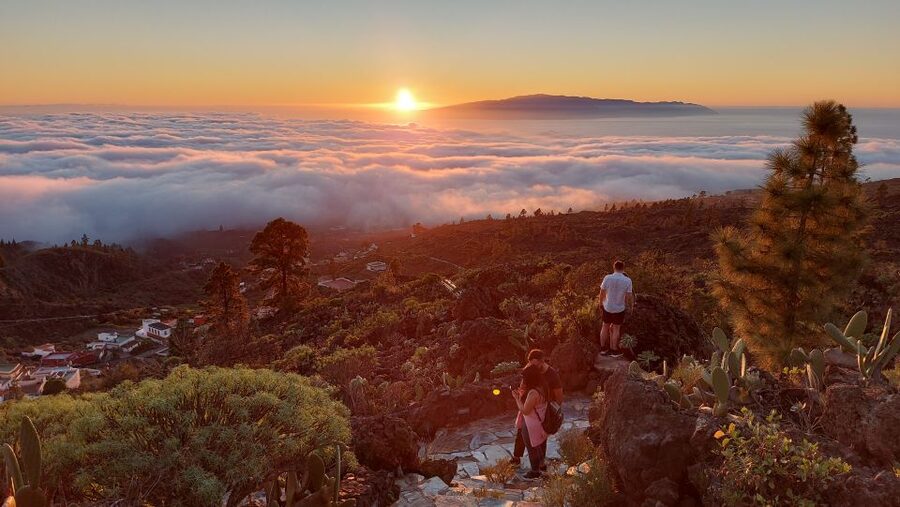
The sunset portion isn’t just “stand and watch.” You get a viewpoint stop with scenic pull-off time and a photo moment. This is where Tenerife Stars tries to give you one of the headline visuals: sunset above a blanket of clouds.
Here’s the catch, and it matters: the colors and the cloud effect depend on cloud height on that particular evening. Some nights you’ll see a dramatic cloud layer. Other nights you might get a simpler sky, still beautiful, just not the postcard effect.
The good news is that the viewpoint stop is scheduled to give you enough time to enjoy it, not just glance and run. In the itinerary it’s about a half hour at the viewpoint, so you can actually settle in and take pictures.
Dinner in a traditional village: included, or optional depending on your choice
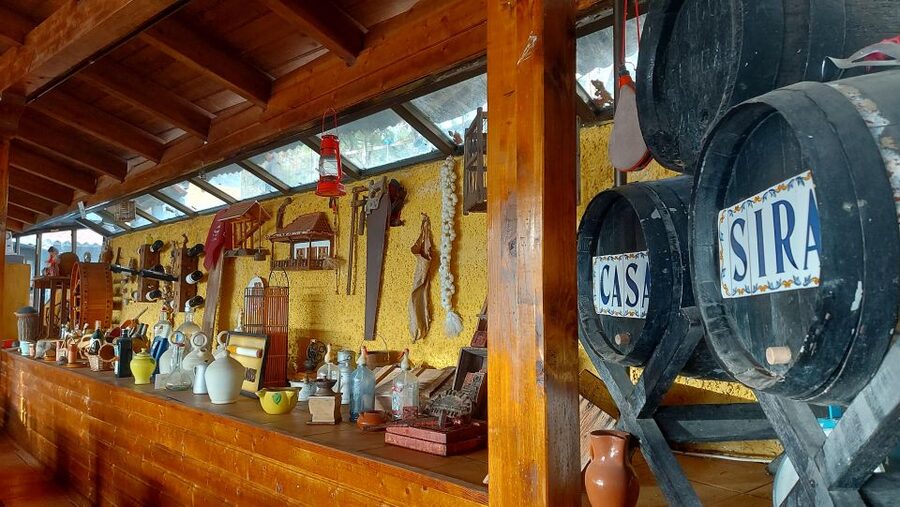
You’ll stop in a traditional village for dinner, typically lasting about 75 minutes. If your booking includes the meal, it’s a set menu: pumpkin soup, roast chicken with canary potatoes and salad, then chocolate mousse. Soft drinks, water, and white and red wine are included.
Vegetarian and vegan options are available, and gluten-free and celiac options are possible. There’s also a children’s menu (chicken nuggets and French fries).
If you book the option without a meal (and still with transportation), you won’t automatically get the full dinner. You’ll have around 1 hour of free time at the restaurant while others eat. One more detail that affects your comfort: it’s a roadside restaurant, so walking around isn’t an option.
Food is one of the clearest “could be amazing, could be just okay” parts of the night. Many people like the value, and wine/soft drinks being included is a nice plus. A few people report the dinner portion wasn’t as good as expected, especially with child meals. If your main goal is astronomy, treat dinner as a fuel stop, not the highlight.
Teide National Park guided time: what you’re doing and why it works
Once you reach Teide National Park, you get a guided tour segment lasting about 1.5 hours. The point here is to help you use your time at night wisely. Instead of wandering, you’re guided through what’s visible and how to interpret it.
Also, your guide will adjust based on weather and sky conditions. The itinerary is designed to select the best stargazing spot after assessing conditions—so the approach isn’t fixed regardless of what the sky does.
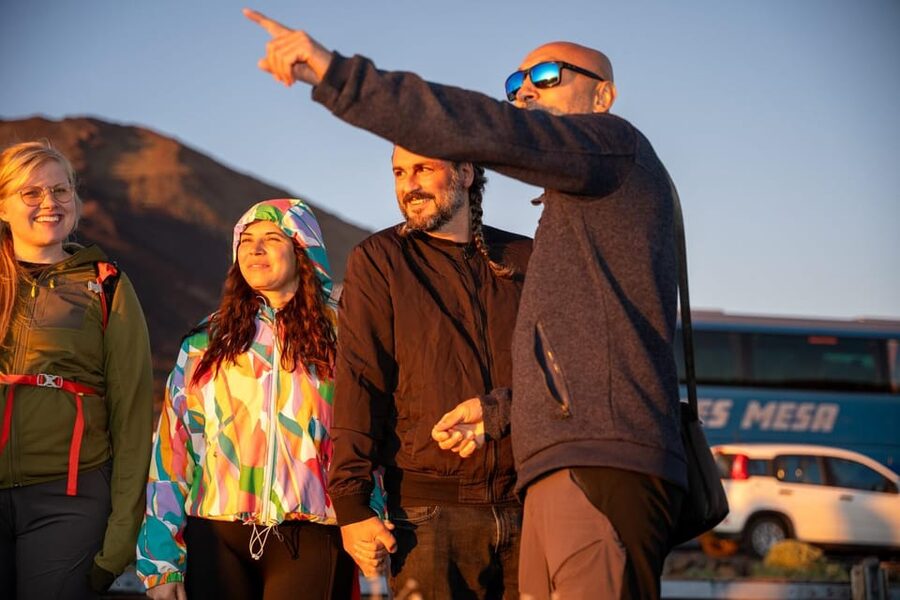
Even if you’re a total beginner, the guided structure helps. You’ll learn what to look for, how to find it, and what the telescope will show you tonight. That turns “stars” into specific targets.
Telescopes and laser pointers: the easiest way to find the sky
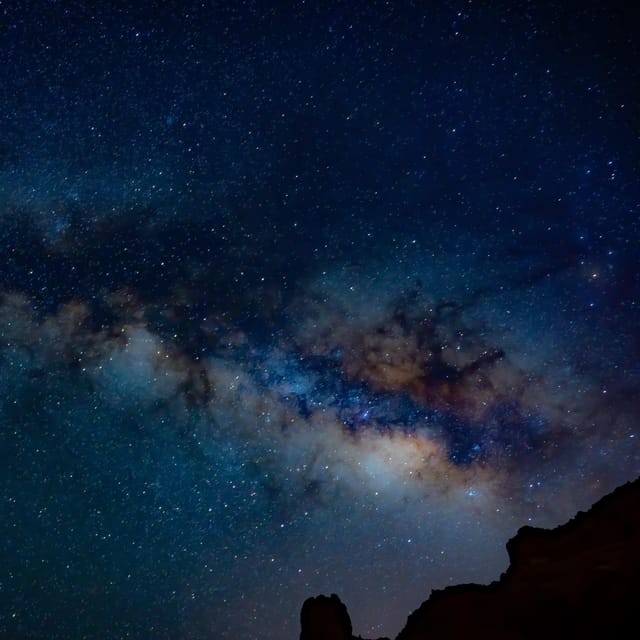
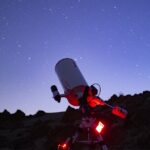
The centerpiece is the telescope time. You’ll have access to powerful telescopes, and you’ll also get laser pointers to point out stars and guide you through constellations and key objects. This combo is the secret sauce for most people, especially if you don’t know the sky.
What you might see depends on the night, but the tour format gives you a wide range:
- The Moon’s surface and craters when visible
- Planets depending on the season
- Nebulae and star clusters
- Double stars
- And when conditions allow, even the Andromeda Galaxy
You might also catch the Milky Way during the right seasons (more on that next). When the Moon is out, it can be a great target through the telescope—but it also means the sky can look brighter than you want for galaxy-hunting nights.
A few practical expectations:
- The tour isn’t a hands-free planetarium. You’ll be called out to look, then assisted with the telescopes.
- If you’re hoping for one exact object, remember conditions win. This is why the guide keeps pointing you to what’s visible rather than forcing a script.
What the Moon, planets, and Milky Way mean for your night
This tour openly frames the sky as seasonal and timing-based, and that’s honest—and helpful for you.
The Moon rule
The Moon dominates from two days before until full moon. That means you may see more lunar detail through the telescope, but the darker-sky targets can be harder.
Planets depend on season
Planet visibility is mainly from autumn to winter. So if you’re traveling in those months, your odds improve for seeing planets through the telescopes.
Milky Way visibility is seasonal too
The Milky Way is visible from summer through winter, depending on conditions.
One more planning tip: the tour experience won’t look the same every night. That’s not a failure. It’s the point of observing from a real sky with changing conditions.
Shooting stars: when the sky does its own show
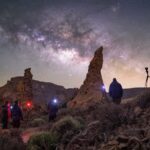
You may see shooting stars. The tour format is set up to maximize dark-sky time and keep you looking upward long enough for the sky to surprise you. Even when shooting stars are subtle, the overall vibe tends to feel more “event” than “lecture.”
Also, because you’ll have a guide pointing out targets throughout, you’re not stuck staring blindly. You can look for both: what you’ve been shown, and what appears unexpectedly.
Optional pro photos and smartphone tricks through the telescope
Professional photography is available as an optional extra cost during sunset and the stargazing portion. It’s provided by experienced photographers, and many people treat it as a worthwhile add-on because you’re capturing something you can’t replicate later in a normal setting.
If you skip the photo session, you can still get help with smartphone capturing. The tour includes moments that help you capture images through the telescope on your phone, which is a fun way to bring home proof that you were really under the dark sky.
If you do want pictures, plan for an extra time and cost decision. The basic tour doesn’t include professional photo results.
Cold nights, warm clothes: pack like it’s winter
Even if Tenerife feels warm in the afternoon, this is a high-altitude night. Warm clothing is not optional.
Bring:
- Comfortable shoes
- Warm clothing
- A jacket
- Water
The tour doesn’t provide jackets or blankets. That matters because the sunset and dark-sky time are long enough for your body to notice the temperature drop.
A line I’d follow from experience on nights like this: bring layers you can stand still in. Scarves and gloves are especially helpful if you tend to get cold easily. Several people suggest bringing a blanket too, because it helps you relax while waiting for telescopes to reset.
One more comfort note: there are no toilets on the bus or at the national park. If you’re going with kids or anyone who needs planning, handle bathroom breaks before you commit to the night.
Guide energy: Ozzi (plus the support team behind the telescopes)
The guide is the difference between a good tour and a memorable one. The names you’ll hear often here are Ozzi and, in some cases, other team members such as Je Marc (for telescope calibration) and Daniella (for helpful pre-event communication).
Ozzi is repeatedly praised for doing two jobs at once:
1) teaching you what you’re seeing, and
2) keeping the group laughing while the night progresses
That matters because stargazing takes patience. People get bored fast if the guide is dry or slow. Here, the humor and multi-language delivery are part of how you stay engaged as the sky shifts.
If you’re traveling as a couple, this kind of guide makes it feel like you’re on a guided quest rather than lined up in a crowd. If you’re traveling with kids or teens, it also helps because you’re not just staring at darkness. You’re learning targets and checking them off.
Price and value: does $47 make sense?
At around $47 per person for a sunset + stargazing experience, you’re paying for three things:
- the guided astronomy program
- telescope use
- the time commitment up high for dark-sky viewing
The transport component is also part of value when you select the option that includes pickup/transport from the south.
Where the price can swing a bit is food. If you add the meal option, you’re getting a full 3-course menu plus wine/soft drinks and multiple dietary accommodations. If you choose no meal, you’re still getting a restaurant stop, but with shorter time and no included menu.
So the best way to judge value is simple: ask yourself what you want most. If astronomy is the priority, the telescope time and guide explanations are the core value. If dinner and comfort are your priority, the meal option is likely the better fit.
Also, remember what you’re not paying for: cable car isn’t included, and you may want to budget for optional professional photos.
Who should book this Teide sunset and stargazing tour?
This fits best if you:
- want real dark-sky observing from a famous astronomy spot
- enjoy guided explanations more than just looking at a sky
- like the idea of seeing different sky targets with telescopes
- travel in seasons where planets are more likely (autumn to winter) or you want Milky Way time (summer through winter)
It may be less ideal if you:
- expect the same “Hollywood” sky every night
- hate cold and don’t want to dress for it
- need toilets available during the experience (there aren’t any on bus or at the park)
- want guaranteed professional photos (those are an extra)
If you’re the type who plans around weather and timing, this tour rewards that mindset.
Should you book this Teide sunset and stargazing tour?
If your goal is a guided night under one of the world’s best stargazing environments, this is a strong buy. The telescope + laser pointer approach makes astronomy feel doable, and the guide names like Ozzi show up for a reason: the teaching is paired with fun, not just facts.
Book it if you’re willing to dress for cold and accept that the sky is weather- and season-dependent. If you need perfect conditions, you might be disappointed. But if you’re happy with a real, living sky—and you want to learn how to see it—this is exactly the kind of Tenerife night you’ll talk about long after.
FAQ
How long is the Tenerife Teide sunset and stargazing tour?
The duration is listed as 3 to 6.5 hours, depending on the starting time and option you select.
Where does pickup happen?
Pickup is optional and available from the south of Tenerife. The provider confirms the exact pickup location and time in the morning before the excursion, and the stated time is only a starting time.
Is dinner included in the tour price?
It depends on the option you choose. One option includes a 3-course meal (pumpkin soup, roast chicken with canary potatoes and salad, and chocolate mousse) with soft drinks, water, and white and red wine.
What can I see through the telescopes?
You may be able to see the Moon’s surface (when visible), planets depending on the time of year, nebulae, star clusters, double stars, and sometimes the Andromeda Galaxy when conditions allow.
When can I see the Milky Way?
The Milky Way is visible from summer through winter, depending on conditions.
Do I get jackets or blankets for the cold?
No. Jackets or blankets are not included, so you should bring warm layers.
Are toilets available during the tour?
Toilets are not available on the bus or at the national park.