REVIEW · TENERIFE
Teide National Park: Guided Large Telescope Stargazing Tour
Book on GetYourGuide →Operated by Astrophototour · Bookable on GetYourGuide
Saturn looks different with a 32-inch telescope. In Teide National Park, I love the 32-inch private telescope and the way Alessandro tailors targets to what you care about, then wraps it up with a professional photo package. One thing to keep in mind: strong wind can pause telescope viewing, though you’ll still get guided sky time and images.
For 3 hours, you’ll sit in small groups (up to 12), under the kind of dark sky that makes beginners and regular stargazers grin at the same time. You can choose the classic Grand 32 scope experience or the Night Vision Voyage, which uses a smaller modified telescope for a totally different way to see the sky.
In This Review
- Key things I’d circle before you book
- Teide National Park at night: why this spot works
- The big difference: 32-inch telescope vs Night Vision Voyage
- Grand 32: the classic “giant mirror” experience
- Night Vision Voyage: amplified light, different vibe
- What happens during the 3 hours (and how to get the most from it)
- Start: meet-up that depends on wind
- Guided observing: targets chosen for the night
- When wind cuts in: you won’t be left hanging
- The telescope views you’re paying for (it’s not just “staring at stars”)
- The photo package: why it matters more than you think
- Group size and guide attention: the practical win
- What to bring (so you’re comfortable at 3,000+ meters vibes)
- Price and value: is $58 worth a private telescope night?
- Weather and season reality: how to plan without stress
- Who this tour suits best (and who might want a different plan)
- Should you book the Teide telescope stargazing tour?
- FAQ
- How long is the Teide National Park stargazing tour?
- What telescope is used on the main Grand 32 experience?
- What is the Night Vision Voyage option?
- How big are the groups, and are private options available?
- Where is the meeting point, and when will I get the details?
- What should I bring, and what isn’t allowed?
- What happens if the weather conditions are bad?
Key things I’d circle before you book
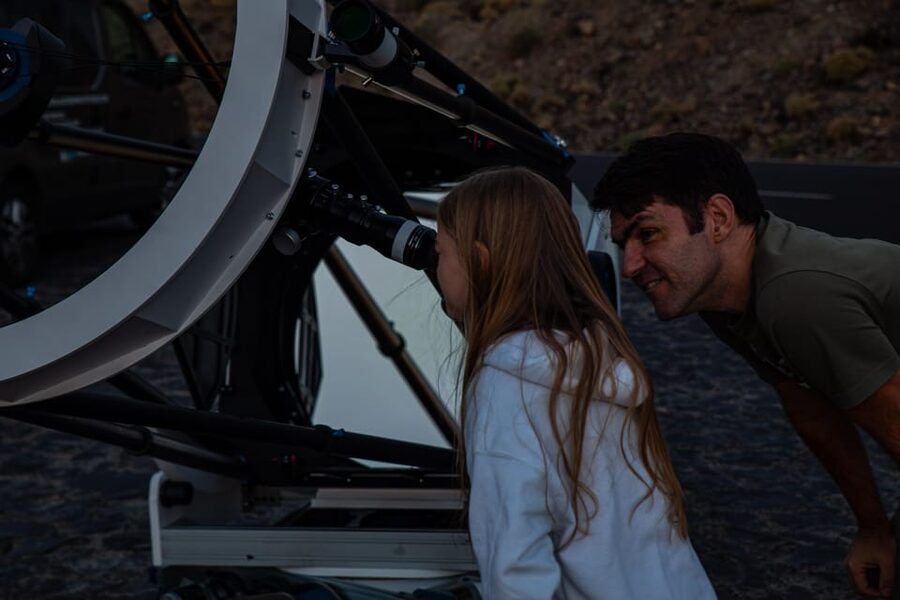
- 32-inch private Dobsonian telescope for crisp, high-contrast views of galaxies, nebulae, and more
- Small group size (up to 12) so you actually get time at the eyepiece
- Night Vision Voyage with a modified 12-inch scope that amplifies light for real-time viewing
- Professional astro-photography package includes images from that evening and previous sessions
- Alessandro’s guiding style: patient explanations with options for both beginners and people who want deeper astrophysics
Teide National Park at night: why this spot works
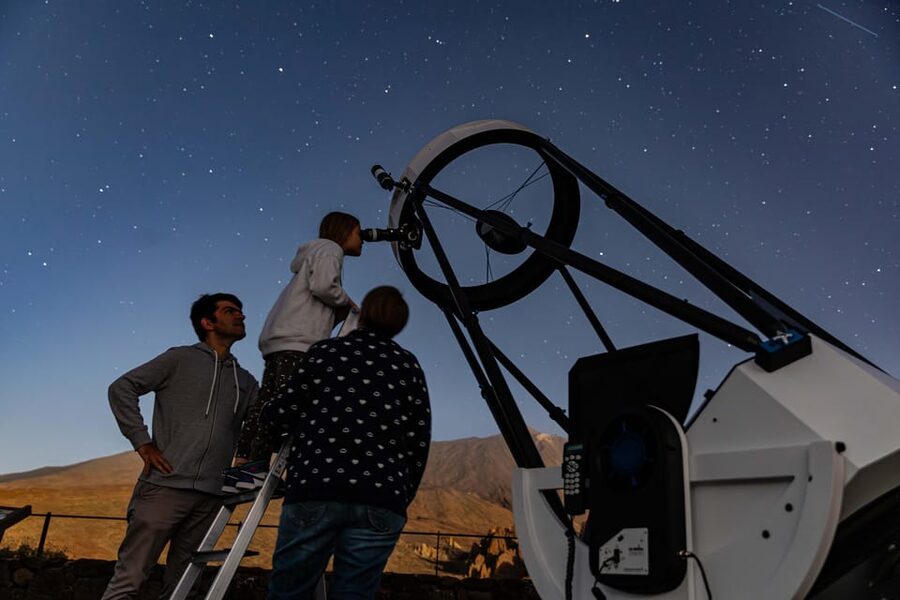
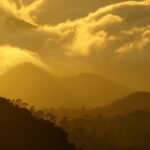
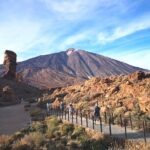
Teide National Park is the kind of place where the night sky stops feeling like a background and starts feeling like the main event. The park’s high-altitude setting helps with sky clarity, and the tour leans into that with careful telescope use and a real focus on what you can see that night, not a generic show.
The best part is that you’re not just handed a star chart. You’re there for guided observing—then for telescope photos that help you remember what your eyes caught in real time.
You can also read our reviews of more tours and experiences in Tenerife.
The big difference: 32-inch telescope vs Night Vision Voyage
You’re choosing between two ways of seeing.
Grand 32: the classic “giant mirror” experience
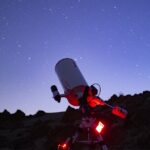
The centerpiece is a computerized 32” Dobsonian telescope. It’s described as the largest private telescope in the Canary Islands, built for optimal clarity and brightness, and it’s paired with a dedicated cooled astro-camera.
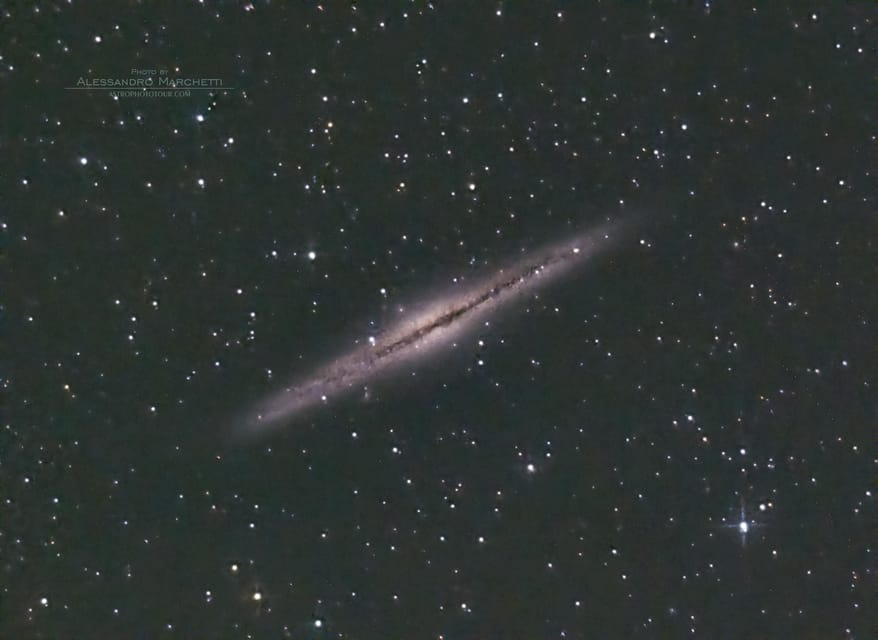
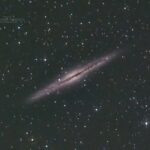
What you’re meant to do here is straightforward: look, then look again—long enough for your brain to register detail. You’ll get views of objects like galaxies, protostellar nebulae, and supernova remnants (and the guide picks targets that fit the season and what the telescope can show well).
Night Vision Voyage: amplified light, different vibe
If you want a more unusual, playful approach, go for Night Vision Voyage. It uses a modified 12” telescope with a Night Vision system that amplifies light to reveal the sky in a new way. The scope is smaller, but the experience is built around real-time observational fun—more “look and react” than “wait and interpret.”
This option is great if you’re the type who learns by watching something unfold step-by-step, especially if you don’t want the session to feel too technical.
What happens during the 3 hours (and how to get the most from it)
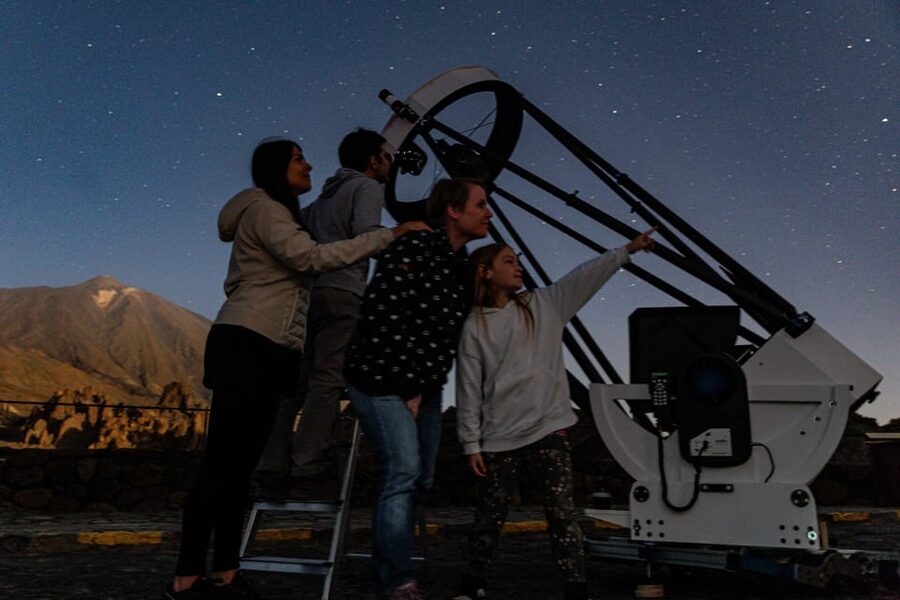
This tour doesn’t rush. It’s built around one main goal: enough time at the instruments for you to actually understand what you’re seeing.
Start: meet-up that depends on wind
The meeting point and exact time are sent by WhatsApp around 9:30 am on the same day, based on weather conditions. You’ll also receive GPS coordinates because the provider adjusts the meeting location depending on wind direction—large telescopes need a spot with less wind for stable observing.
Practical tip: plan for a “follow the GPS” arrival, not a “walk in and find it” approach. Give yourself time to park and reach the coordinates before the observing window.
Guided observing: targets chosen for the night
Once you’re set, Alessandro takes over. Based on many accounts, his explanations are both accessible and adjustable—he can explain basics clearly, but he also answers deeper questions about astrophysics and how astrophotography works. In other words, you don’t feel stuck with a lecture.
He tends to connect the story of celestial objects to what your eyes can see through the telescope. That makes the observing feel like a guided journey, not a list of objects.
When wind cuts in: you won’t be left hanging
One recurring detail from the experience is that strong wind can make telescope use difficult or stop it early. When that happens, the session doesn’t collapse. You may shift to seeing the guide’s amazing photos and doing constellation talk with what’s visible to the naked eye.
So even if conditions aren’t perfect, you still leave with a night of astronomy instead of just a canceled plan.
The telescope views you’re paying for (it’s not just “staring at stars”)
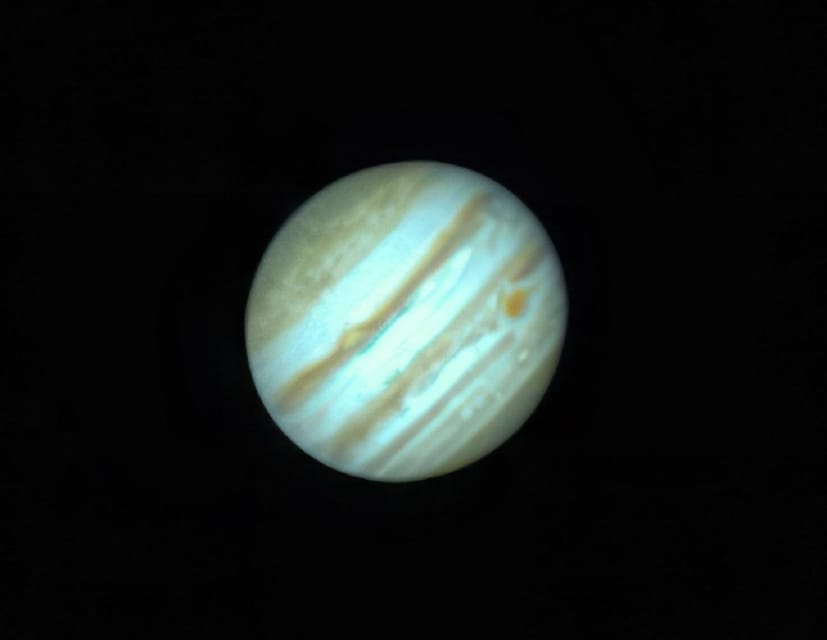
A 32-inch telescope changes the nature of what you notice. With a smaller scope, you often spot “something there.” With this setup, the guide emphasizes objects that show real structure—places where galaxies and nebulae have enough detail to feel like you’re looking at physical features, not just points of light.
The tour description also highlights the chance to see:
- Galaxies with intricate detail
- Protostellar nebulae and supernova remnants (when season and conditions line up)
- Planet views that are classic telescope highlights in many seasons
You’ll also hear why the guide is selecting targets that work for untrained eyes, not only for people chasing technical observing trophies.
The photo package: why it matters more than you think
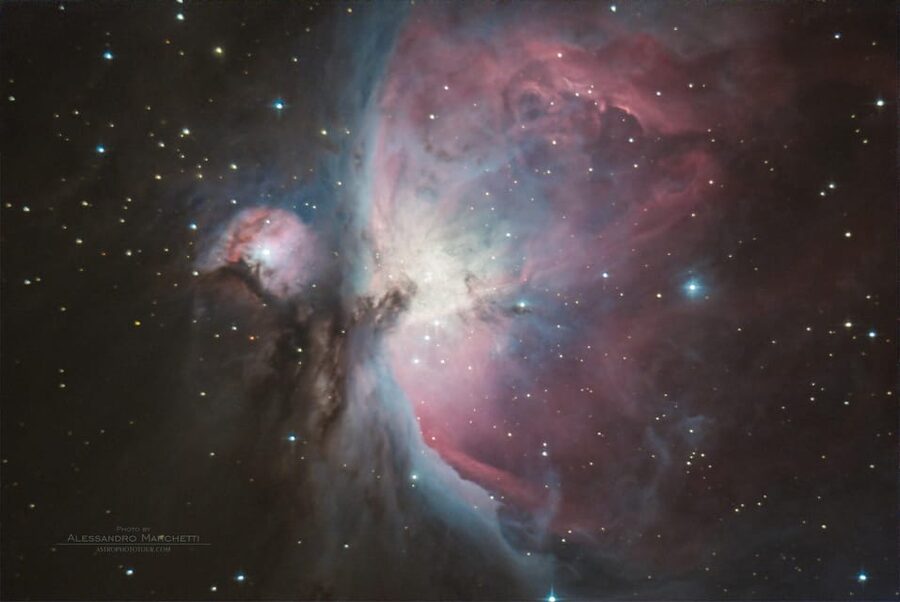
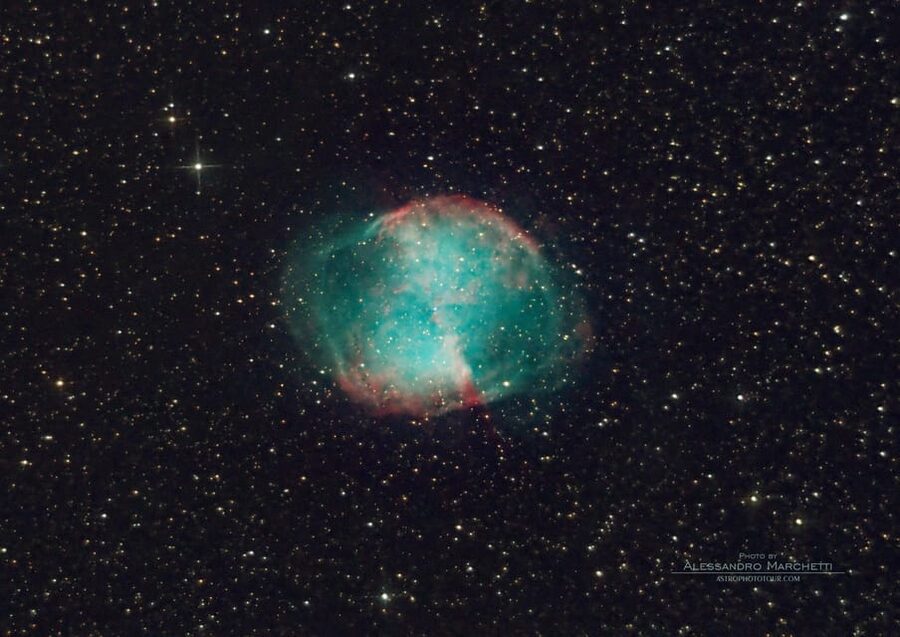
This is one of the most valuable parts of the tour. You don’t just get “some photos.” You get a professional astrophotography package taken with the cooled astro-camera—plus images captured that evening and also from previous sessions.
That matters because astrophotography is partly about timing and conditions. Having a photo set that isn’t dependent on one single perfect minute makes your memory less fragile. If you’re traveling, you also get images you can actually show friends without squinting at blurry phone shots.
In real terms, I love this because it turns the tour into both an experience and a keepsake. And based on feedback, people often feel the photos are exciting even to kids, which is a good sign that the session lands visually, not only academically.
Group size and guide attention: the practical win
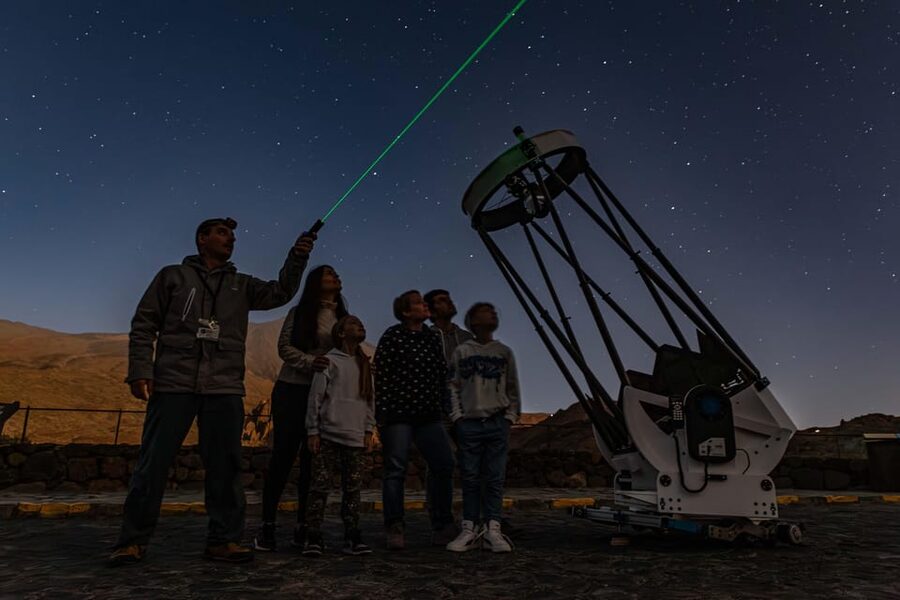
Small groups (up to 12) are not just a comfort perk. They directly affect how long you get at the eyepiece and how much time you have for questions. With a big crowd, the telescope becomes a “take your look and move on” moment. Here, the structure supports time.
Alessandro’s style shows up again and again in feedback: he’s patient, and he makes sure people understand what they’re looking at. If you’re traveling with someone who wants more science vs someone who wants a calmer pace, this setup gives you a better chance to match the moment to the person.
Also: multiple accounts mention warm, friendly touches—like tea and cookies in colder months—and even extra coats if you need another layer. That kind of hospitality may not be “astronomy,” but it affects how much you enjoy the sky because you’re not fighting cold.
What to bring (so you’re comfortable at 3,000+ meters vibes)
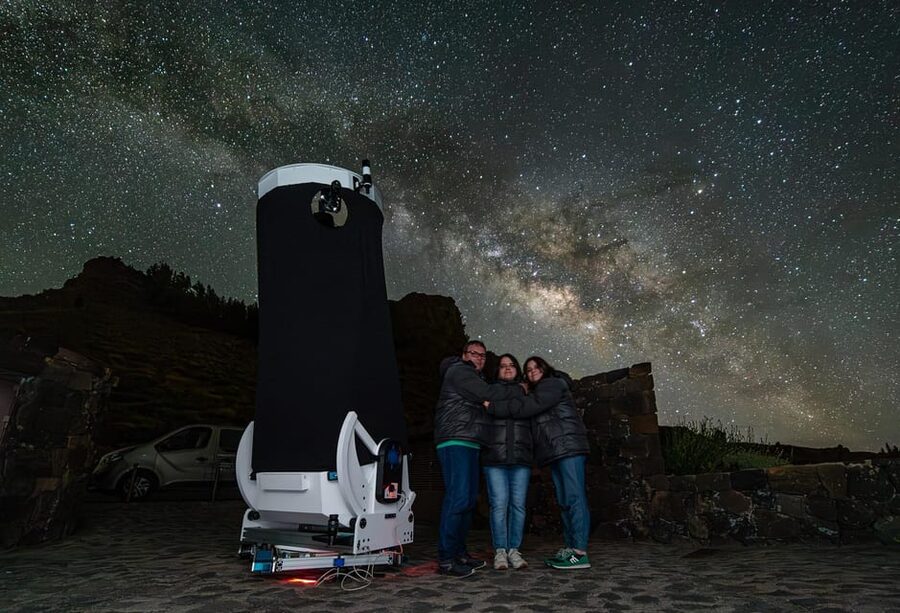
You don’t need to be an astronomer. You do need to dress for the cold and wait.
Bring:
- Warm clothing
- Snacks and water
- Comfortable clothes
Avoid:
- Shorts
- Open-toed shoes
- Flashlight
And here’s my friendly advice: treat this like a night hike plus a night class. Comfortable layers beat fashion every time, especially when wind and temperature drop can sneak up on you.
Price and value: is $58 worth a private telescope night?
At $58 per person for a 3-hour experience, the value comes from the mix of three things:
1) Time on a big, private telescope (not a shared public instrument)
2) Guidance tuned to what you want to see, from beginner-friendly explanations to more advanced discussion
3) A professional astro-photography package with images from that evening and prior sessions
If you’re used to paying for tours where you get a quick bus stop and a rushed photo opportunity, this feels different. You’re paying for equipment time, guidance, and finished images. You’re also paying for the small-group format, which makes the experience feel less like a ticket and more like a real night out.
The main “hidden cost” is your planning effort: you’ll want warm layers and you’ll rely on the WhatsApp GPS for the right meeting spot. But that’s not money—it’s just logistics.
Weather and season reality: how to plan without stress
The session start time depends on sunset, and it changes with the seasons. The meeting details come via WhatsApp around 9:30 am on tour day, and the location can shift with wind direction.
The tour also states that if conditions aren’t good for observing, the activity can be postponed to the next day or you can get a refund. That’s important if you’re on a tight schedule. It means your best bet is to have at least a little flexibility around that night.
If you’re the type who hates uncertainty, you can still make this work—you just shouldn’t book it as the one thing you can’t shift.
Who this tour suits best (and who might want a different plan)
This tour is a strong match if you:
- Want real telescope time, not just a sky talk session
- Like guided explanations and don’t mind learning new things
- Care about photos you’ll actually keep
- Travel as a couple, family, or small group
The tour also notes it’s not suitable for children under 5 years, so plan with that in mind if you’re traveling with little ones.
If you’re someone who hates cold or waiting in the dark, you’ll still enjoy the astronomy—but you’ll want to pack smart. Warm clothing isn’t optional here.
Should you book the Teide telescope stargazing tour?
I think you should book this if you want a real night of astronomy in Teide National Park with a serious instrument, a patient guide like Alessandro, and photos that do the sky justice. The small group size is a big deal, because it gives you time to see, ask, and understand.
Skip it only if you’re extremely sensitive to cold and waiting, or if you don’t have any flexibility at all and you’re booking only one single night with no backup. With that small caveat, this is the kind of tour that turns “I saw stars” into “I saw specific objects, and I can remember what they were.”
FAQ
How long is the Teide National Park stargazing tour?
It lasts 3 hours.
What telescope is used on the main Grand 32 experience?
The tour includes a computerized 32″ Dobsonian telescope.
What is the Night Vision Voyage option?
It uses a modified 12″ telescope with a Night Vision system that amplifies light for real-time viewing.
How big are the groups, and are private options available?
The experience is offered in small groups up to 12 people, and there is also an Exclusive Starlight Experience that is private for couples, families, or groups of friends.
Where is the meeting point, and when will I get the details?
The provider confirms the meeting point and time via WhatsApp around 9:30 am on the same day. The exact location depends on wind direction, so you’ll also get GPS coordinates.
What should I bring, and what isn’t allowed?
Bring warm clothing, snacks, and water, and wear comfortable clothes. Shorts, open-toed shoes, and flashlights are not allowed.
What happens if the weather conditions are bad?
If conditions aren’t good for observation, the tour can be postponed to the next day or you can receive a refund.