REVIEW · TENERIFE
Sunset and Stars at Teide National Park
Book on Viator →Operated by Stargazing Tenerife · Bookable on Viator
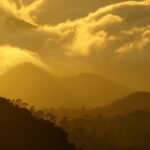
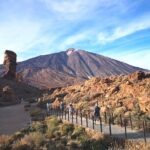
Teide at sunset feels like a movie set. This tour strings together sunset viewing with cava and then a guided stargazing session in Teide National Park. I love that you get your own pickup from the South, and you’re not stuck bargaining for taxis in the dark. The one real catch is comfort: you’ll be standing outside in wind and cold at night, and you should plan for that.
What makes it work is the rhythm. You start at a viewpoint over the islands in the Atlantic, then after dark you move up for clearer sky. Guides such as Jaime and Filipe (and others on different nights) use laser pointers to point out constellations and big targets like Polaris and the Andromeda Galaxy, with a bit of Greek mythology thrown in.
Still, I’d go in with clear expectations: telescope time depends on what’s visible that night and where you’re allowed to set up. If you’re hoping for nonstop telescope viewing, reality will be a little different, especially when the sky or crowd situation shifts.
In This Review
- Key things I found most interesting
- Sunset Over Tenerife’s Sea Viewpoints, With a Cava Pour
- Moving Up After Dark: Teide National Park Stardust Logistics
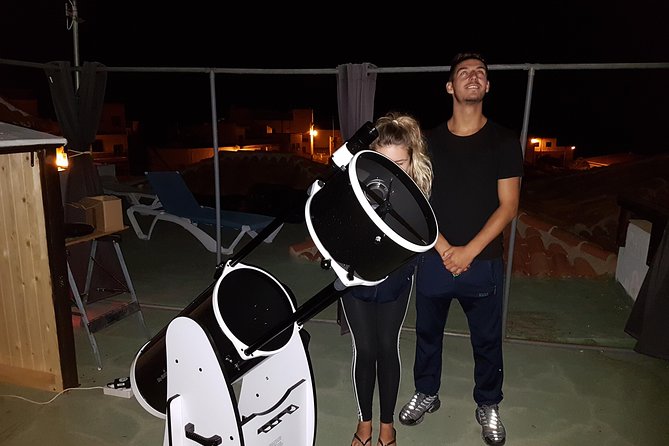
- The Telescope Moment: What You’ll See Through the 12-inch Dobsonian
- The Guides and the “How to Find It” Astronomy
- Cold Weather, Warm Jackets, and Altitude Reality
- When Weather Changes the Plan (and You Still Get a Good Night)
- Photos Under the Stars: A Souvenir Worth Considering
- Price and Value: Is $72.59 a Good Deal for This?
- Who This Tour Is Best For (and Who Should Think Twice)
- Should You Book Sunset and Stars at Teide National Park?
- FAQ
- What’s included in the sunset drink?
- Do I need to pay extra for transportation to the viewpoints?
- Where does pickup happen in Tenerife?
- Do I have to bring my own telescope?
- What will I see in the sky?
- Is a meal included?
- What age can children attend?
- How do I get pickup information and updates?
- Are photos included?
- What if the weather is bad?
- Can I cancel for a full refund?
Key things I found most interesting
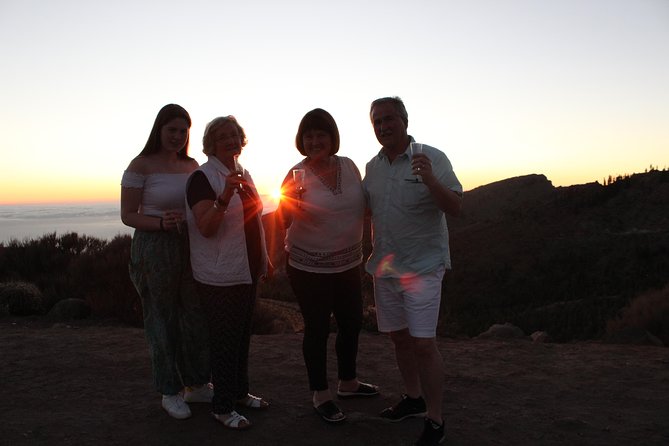
- Cava with the sunset at a Tenerife viewpoint, plus a non-alcoholic option
- Private, air-conditioned pickup and transport from the South coast (not inland towns)
- A 12-inch Dobsonian telescope for real observing, not just a slideshow
- Laser-guided sky explanation: Polaris, Andromeda, constellations, and stories
- Seasonal sky targets like the Moon (often before full moon) and winter favorites like the Pleiades
- Individual astrophotography-style pictures taken for you, downloadable later (high-res not included)
Sunset Over Tenerife’s Sea Viewpoints, With a Cava Pour
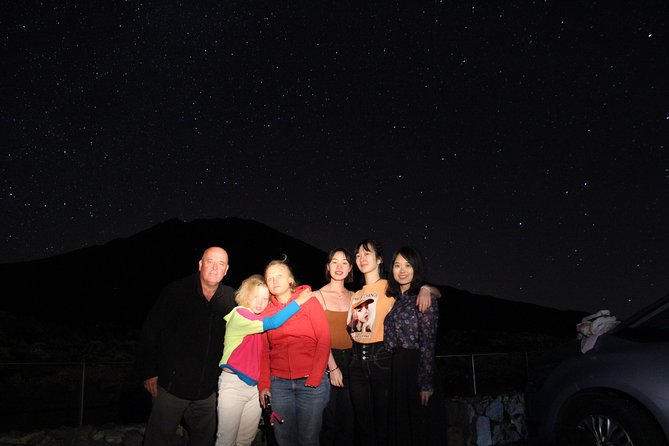
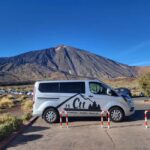
Your evening starts with pickup from selected hotels or near-coast meeting points in the South. Think El Médano to Los Gigantes along the coastline on the main TF1 corridor. The big advantage here is simple: you’re not trying to coordinate your own rides for a time-sensitive sunset.
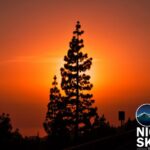
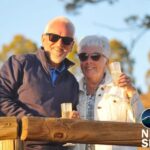
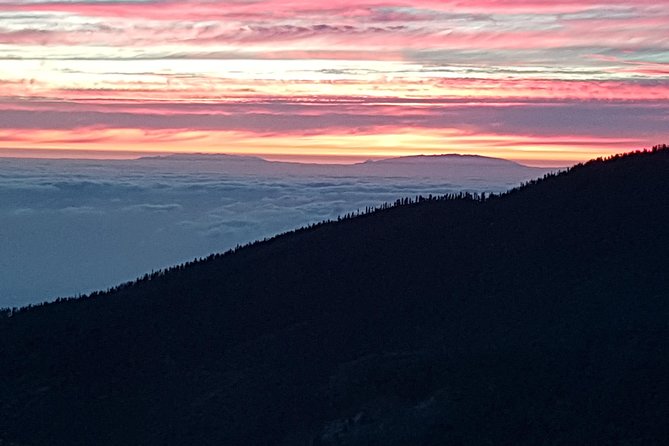
Once you’re in the vehicle, you’ll head to a viewpoint where the sky is still warm enough to enjoy the colors dropping over the islands. The tour includes a glass of cava, and you’ll watch the light change in that classic Atlantic way—soft gold, then reds and purples as the sun sinks.
A practical note: this first stop can run a bit busy. Some nights feel like multiple small groups funnel into the same public viewing areas. That doesn’t ruin the sunset, but it can affect how quickly you’ll find a calm angle for photos. If you’re the type who hates crowds, come ready to accept a little “shared mirador energy.”
You can also read our reviews of more tours and experiences in Tenerife.
Moving Up After Dark: Teide National Park Stardust Logistics
After sunset, the plan shifts from “pretty sky” to “serious looking.” You’ll transfer to a second viewpoint inside/near Teide National Park for stargazing. The point is to get you above the cloud line when possible and into a darker pocket where the night sky actually shows detail.
Here’s what I like about this two-step approach: it gives you two different experiences without forcing you to do anything complicated. First you get the spectacle; then you get the science-and-story part. You’re also in the right place geographically—Teide’s altitude and protected conditions help make the sky feel sharp.
Do not expect indoor warmth or bathroom facilities. Several people flag the lack of toilets for a 4.5-hour evening, and the reality of protected miradors is that you’ll be standing outside. If you know you’ll need a long stretch of time without a restroom, plan accordingly before you leave, and consider bringing a small layer kit.
The Telescope Moment: What You’ll See Through the 12-inch Dobsonian
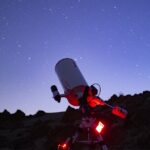
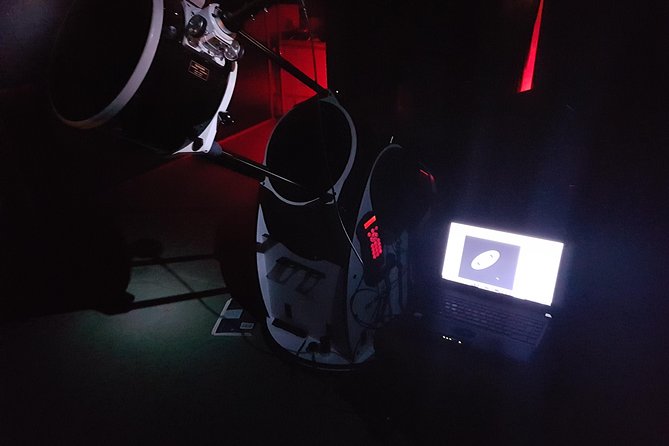
The centerpiece is the observing time with a 12-inch Dobsonian telescope. A Dobsonian is the kind of setup that’s designed for clear views—big enough to show features, simple enough to keep things focused on observing rather than fiddling.
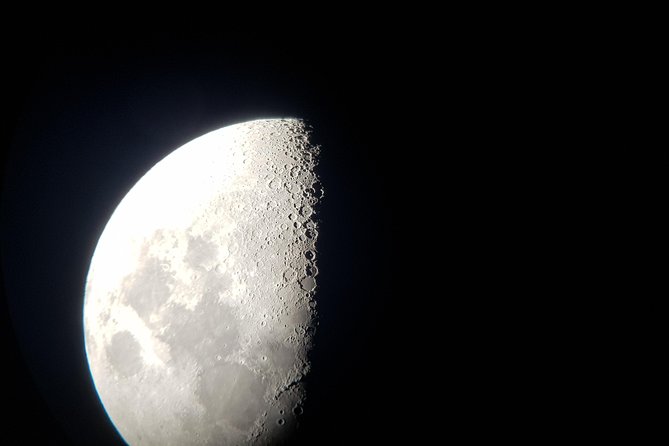
What you see depends on the night and the season. The tour is built around whatever is best visible at that time. In many seasons, the Moon becomes the main target, especially in the days leading up to a full moon. Other nights highlight deep-sky objects such as star clusters (including the Pleiades, the Seven Sisters, in Taurus during winter), plus galaxies and nebulae.
Then there are the “everyone notices this” planets. Based on firsthand experiences on different nights, you may get views of bright planets like Saturn (often praised for its rings) and Jupiter. You’ll also likely see stars sharp enough that the night feels less like darkness and more like a field of pinpoints.
One more expectation-setter: telescope time may not feel constant. It’s not just about swapping the eyepiece every minute. The guides have to align the telescope, explain what you’re seeing, and rotate through objects based on visibility. Some nights you’ll get fewer telescope “sessions” than you’d hoped. That usually isn’t a failure; it’s a visibility-and-setup reality.
Also, you won’t be choosing your own stargazing spot. You’ll use designated miradors/viewpoints because this is a protected-area setup. That matters for darkness and safety, but it also means you might occasionally notice parked vehicles or other lights at the observing point.
The Guides and the “How to Find It” Astronomy
This is where the tour earns its rating. Guides run a commentary that isn’t just facts. They teach you how to locate things in the sky so you leave with skills, not just photos.
You’ll use laser pointers while they explain what you’re looking at. You’ll learn how to find Polaris, the North Star, and how to locate the Andromeda Galaxy. They’ll also talk about the constellations with story bits pulled from Greek mythology. If you’ve ever stared at the sky and felt lost, this is the kind of session that gives you a mental map.
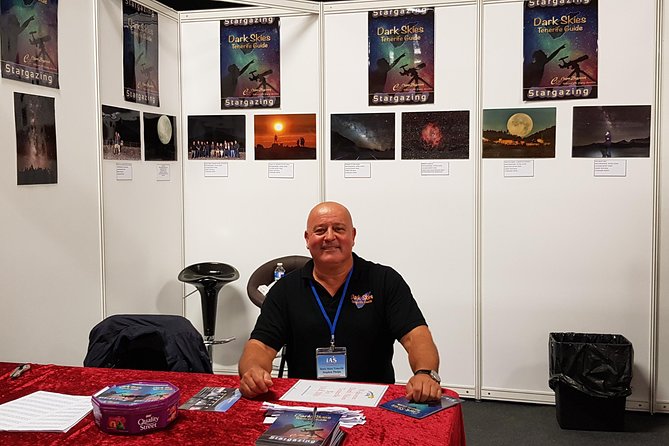
On different nights, guides you might hear include people like Jaime and Filipe. Other evenings are led by guides such as Alessandro, Stephen, Daniele, Mike, Marco, and others. What stays consistent is the style: you’re guided through targets, and there’s a lot of Q&A energy.
One more thing I appreciate: some nights include extra help for first-timers, including time taken to show you what’s visible and answer questions about how to interpret what you see.
Cold Weather, Warm Jackets, and Altitude Reality
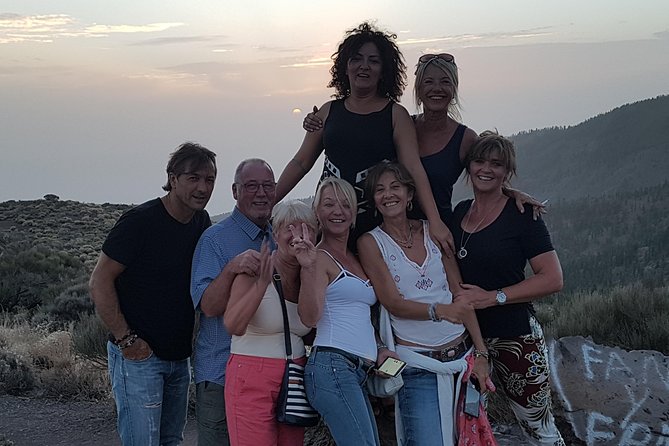
If you only remember one practical thing, make it this: bring warm clothes. Even in Tenerife, night stargazing at altitude can feel cold and windy.
Some people come ready and still say it wasn’t warm enough. The good news is that the operation may provide extra warm jackets/warm outer layers for guests who need them. Still, plan to dress like you’re going to be outside for a while, not like you’re just stepping out for sunset photos.
There can also be altitude discomfort. One person noted altitude sickness symptoms on the way down and mentioned heavy ear pressure. That doesn’t happen to everyone, but it’s enough that it’s worth taking seriously. If you’re prone to motion or altitude issues, consider packing the basics that help you feel okay and go slow when you can.
When Weather Changes the Plan (and You Still Get a Good Night)
The tour is weather-dependent. Clouds can soften the sunset and limit stars. When conditions are mixed, the best version of the evening happens when the sunset viewing is cloudy-but-beautiful and the later viewpoint gets clearer.
On some nights, the sunset viewpoint may not deliver the dramatic colors you expected. You might feel stuck waiting, especially if you’re standing in a group at a busy mirador and the sky won’t cooperate. The upside is that the guides don’t just wait out the night. They shift focus to the darker-sky part and make the science portion the priority when skies improve.
If the weather affects the entire plan, you may get a different date or a full refund, depending on how the operator handles it. Either way, the core idea stays the same: they’re trying to protect the astronomy part, not just run the clock.
Photos Under the Stars: A Souvenir Worth Considering
One of the nicest “extras” is that they take individual photos during the observing session. The photos are shot using astrophotography-style techniques that aim to capture the blanket of stars above you.
You’ll typically download them later from the provider’s Facebook page. One detail to know: the high-resolution picture is not included, so think of this as a memory snapshot rather than a full print-ready professional package.
Some people say the photo session can take time at the end—especially when there’s a full set of guests. That’s often the tradeoff for a more personalized photo rather than a quick group shot.
Price and Value: Is $72.59 a Good Deal for This?
At $72.59 per person, this is not a bargain-basement excursion. It costs more than a standard “bus to a viewpoint” because you’re paying for several real things:
- Transport included (private pickup/air-conditioned vehicle)
- An included drink (cava or non-alcoholic option) with the sunset
- A big telescope setup (12-inch Dobsonian) and the staff time to align it and guide you
- Guided astronomy work using laser pointers and structured explanations
- Individual astrophotography-style photos
If your top priority is learning the sky and actually seeing detail through a telescope, the price starts to look fair. If your top priority is a quiet, guaranteed, uninterrupted viewing experience with constant telescope use, you might feel the cost more sharply—because night skies and protected miradors come with constraints.
For me, the “value equation” comes down to this: you’re buying the whole evening package, not just a view. You’ll likely leave with both the memory (sunset + Milky Way experience) and a better idea of where to look next time you’re under a dark sky.
Who This Tour Is Best For (and Who Should Think Twice)
I think this tour fits best if you:
- Want a single evening that covers sunset plus stars
- Like hands-on learning, including how to find features like Polaris and Andromeda
- Appreciate a guided group dynamic rather than wandering on your own
- Are okay dressing for the cold and standing outside
I’d think twice if you:
- Hate cold and don’t like long outdoor waits
- Need lots of restroom breaks during a 4.5-hour stretch
- Expect unlimited telescope eyepiece time every few minutes
- Are looking for a tiny, silent, private observing platform—this uses designated viewpoints and can be shared
Families can do well here, and the tour includes booster-seat handling for children older than the minimum age, but small children under 5 aren’t allowed.
Should You Book Sunset and Stars at Teide National Park?
Yes—if you want an evening that mixes drama (sunset over the islands) with actual astronomy guidance (laser pointing, Polaris/Andromeda lessons, and telescope views). The tour’s best strength is how it turns the night sky from confusing to understandable, plus the fact that private transport and cava are included so you can focus on the experience.
Book it if you’re willing to dress for real outdoor cold and accept that weather and setup rules affect telescope timing. If you’re the kind of traveler who needs a perfectly quiet, perfectly timed sunset every time, keep expectations grounded.
If you want to maximize your odds: choose a night you’re not rushed, bring warm layers even if you run hot, and send your WhatsApp number so you get the correct pickup details the day-of.
FAQ
What’s included in the sunset drink?
You’ll be served a glass of cava (Spanish sparkling wine) or a non-alcoholic drink during the sunset stop.
Do I need to pay extra for transportation to the viewpoints?
No. Private transportation is included, using an air-conditioned vehicle.
Where does pickup happen in Tenerife?
Pickup is from hotels or near-coast points in the South between El Médano and Los Gigantes along the main TF1 highway area. The tour does not pick up inland towns from the main road, and it does not pick up in Costa del Silencio, Las Galletas, or Palm-Mar.
Do I have to bring my own telescope?
No. Telescopes and tripods are supplied for you to use during the stargazing portion.
What will I see in the sky?
It varies by season and visibility. The Moon is often the main focus before full moon, and in winter you may see objects like the Pleiades. You may also see galaxies, nebulae, star clusters, and planets such as Saturn and Jupiter depending on conditions.
Is a meal included?
No dinner is included. You may bring snacks, but eating is not allowed in the buses.
What age can children attend?
Kids under 5 years old are not allowed. Booster seats are used, and seats are available only for children older than about 6–7 years.
How do I get pickup information and updates?
You must provide a WhatsApp number. The operator sends the exact pickup time and place via WhatsApp the morning of the tour.
Are photos included?
The guides take individual photos using astrophotography techniques. You can download them from the provider’s Facebook page, but high-resolution pictures are not included.
What if the weather is bad?
This experience requires good weather. If it’s canceled due to poor weather, you’ll be offered another date or a full refund.
Can I cancel for a full refund?
Yes. You can cancel up to 24 hours in advance for a full refund. If you cancel less than 24 hours before the start time, the amount paid is not refunded.