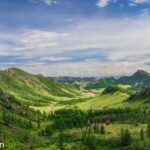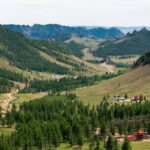
A fast route to Mongolia’s big names. This 3-day sweep pairs nomad life in the semi-Gobi with the Genghis Khan Statue complex, plus Karakorum history and Terelj National Park scenery. You’ll spend two nights out of Ulaanbaatar, including time in a traditional yurt with a local family and hands-on animal encounters.
In This Review
- What I Like Most: Yurts, Animals, and the Road Trip Energy
- One Thing to Consider Before You Go
- Key Highlights You’ll Care About
- Semi-Gobi Nomad Day: Yurt Life, Livestock, and Camel Dunes
- Karakorum After Dark: Seeing History From the Ground Up
- Buddhist Mongolia and Terelj National Park: Monasteries, Ariyapal, and Turtle Rock
- Horse Riding and the Genghis Khan Statue Complex: Iconic, Photogenic, and Practical
- Value and Logistics: Does $518.20 Make Sense for 3 Days?
- Who Should Book This Semi-Gobi to Terelj Mix?
- Should You Book NGA Tour Bureau’s 3-Day Experience?
- FAQ
- How long is the semi-Gobi, Karakorum, and Terelj trip?
- What time does the tour start?
- Is pickup from Ulaanbaatar included?
- Where do you stay overnight?
- What activities are included?
- How many people are in the group?
- What if the weather is bad?
- Can I get a full refund if I cancel?
What I Like Most: Yurts, Animals, and the Road Trip Energy
I love the way this trip mixes daily life with outdoor time. You’re introduced to nomads and their livestock (goats, sheep, horses, and camels), then you ride a camel over sand dunes with views toward the semi-Gobi and the Gobi tree called Zag.
One Thing to Consider Before You Go
The schedule is ambitious, with long stretches of driving and early starts. If you’re picky about comfort during road travel, double-check what the driving day will feel like for you, because a short trip like this can pack in a lot of wheel time.
You can also read our reviews of more tours and experiences in Ulaanbaatar.
Key Highlights You’ll Care About
- Traditional yurt overnight with a nomadic family: real contact, real routines, not just a photo stop.
- Camel ride in the semi-Gobi dunes: a classic Mongolia moment, right where the scenery changes fast.
- Karakorum evening hike for city views: you get to see the ancient place from above after dark.
- Monastery and museum time in one day: Buddhist practice in an active monastery plus historical context.
- Terelj National Park hikes to Ariyapal and Turtle Rock: temple visit with big views, plus a recognizable rock formation.
- Horse riding plus the Genghis Khan Statue complex: two iconic experiences on the same final day.
Semi-Gobi Nomad Day: Yurt Life, Livestock, and Camel Dunes
Your day begins with pickup from your hotel in Ulaanbaatar at 9:00 am, then a drive toward the semi-Gobi that takes about 4 hours on paved roads. You’ll get the usual practical breaks along the way: coffee stops, toilet breaks, and a few short photo stops so the day doesn’t feel like nonstop bus riding.
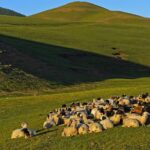
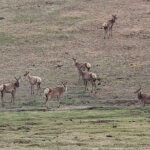
Once you arrive, the focus shifts from scenery to people. You’ll meet a nomadic family and get introduced to their daily life, inside their yurt world. This matters because Mongolia’s reputation can sound like “wide-open space,” but the real story is how families live with the land. You’ll also learn about their livestock: goats, sheep, horses, and camels. That’s not a throwaway fact. In the semi-Gobi, animals aren’t just animals. They’re food, mobility, and livelihood.
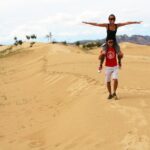
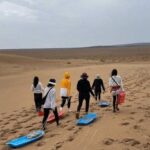
After lunch made by the local family in their yurt, you move outdoors for one of the signature experiences: a camel ride over the sand dunes. It’s paced as an activity, not a stunt. The views are described as stunning over the semi-Gobi, with the Zag tree appearing in the wider landscape. Even if you’ve seen steppe photos before, seeing dunes up close changes the scale fast.
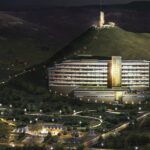
Then you head toward Karakorum and stay overnight at the camp. Dinner is a traditional Mongolian meal, followed by a little hiking up toward a mountain top for panoramic views of the city. That evening hike is one of those “worth the effort” moments in short tours. You get the sense that history isn’t trapped in museum cases—it sits in the terrain.
What can feel challenging: long travel days and time outdoors. Dress in layers. Even if the day starts bright, mornings and evenings can feel cool, and you’ll be walking and hiking more than you might expect from a 3-day trip.
Karakorum After Dark: Seeing History From the Ground Up
Karakorum is one of those names that sounds like a textbook term until you experience the setting. Here, you don’t just arrive and depart. You also earn the viewpoint. After dinner at the camp, you hike to get a panoramic view of the city.
That sequence is smart for a short itinerary. If you did only a daytime stop, you’d miss the mood shift that comes with dusk. A mountain top view after dinner gives you a different sense of how the ancient city worked—where it sat, how it connected to travel routes, and why higher ground matters.
The trip also keeps you moving: the next morning starts with cultural visits, so you’ll get one “history evening” plus another “history day.” If you like a mix—ruins and viewpoints one day, monastery architecture and museum context the next—this format fits nicely.
Small drawback to watch for: some people may find the pace intense. This is a 3-day package that still tries to cover multiple regions, so you’ll likely feel time compressed. If you want slower travel with extra downtime, consider adding nights in between destinations rather than trying to fit everything into a single long weekend.
Buddhist Mongolia and Terelj National Park: Monasteries, Ariyapal, and Turtle Rock
Day two starts with breakfast at the camp, then moves into history and culture before the national park.
First stop: museums and monasteries. You’ll visit a 13th-century museum connected to the Mongol Empire and a 16th-century Buddhist monastery that’s still active today. The key detail here isn’t just age—it’s that you can see monks performing their praises and offerings. Even if your Mongolian reading skills are zero, you’ll recognize that this is a living spiritual routine, not a staged performance.
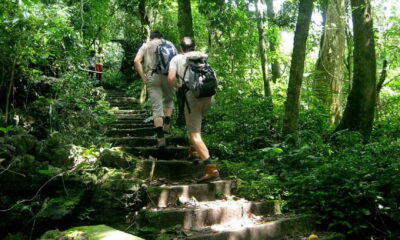
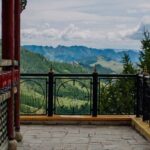
Then there’s lunch before the long drive to Terelj National Park, around 5 to 6 hours. That’s a big chunk of time, so plan to use the breaks well and keep your expectations flexible. After arriving, you head straight into nature with a hike to the meditation temple called Ariyapal. The payoff is the view: Terelj National Park scenery paired with a temple visit.
After that, you visit Turtle Rock, a recognizable natural landmark within the park. This is the kind of stop that works well for short trips because it’s specific and memorable. You’re not guessing what you’re looking for—you arrive at a place with a name and a form people can point to.
Dinner and the second overnight happen at the camp. If you’re traveling in a group, you’ll likely find that these evenings are when the trip’s pace starts to feel calmer: shared meals, less rushing, and time to talk with your guide about what you saw that day.
Tip for your comfort: you’ll be hiking and walking on uneven ground at least once, likely more. Wear shoes with grip and bring a light rain shell if conditions look uncertain. Terelj can surprise you with weather changes.
Horse Riding and the Genghis Khan Statue Complex: Iconic, Photogenic, and Practical
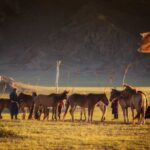
Day three has the highest “active Mongolia” energy. You start with horse riding in one of the most spectacular places of Mongolia. Local horses and local guides attend you for the whole ride, alongside your group guide. That “local guides the whole time” detail matters. It usually means better handling of the route, the pace, and the horse dynamics, especially for riders who are less experienced.
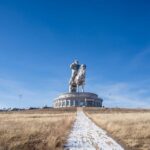
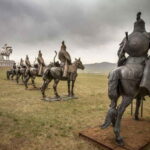
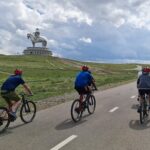
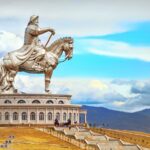
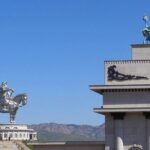
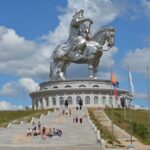
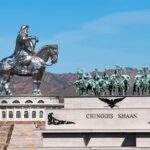
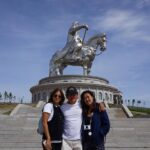
After horse time, you head to one of Mongolia’s must-sees: the Genghis Khan Statue Complex. You’ll do more than take a selfie on horseback-style angles. The complex includes museums and an art gallery inside it, so you get context around the figure and the themes presented there.
A good part of visiting this kind of attraction on a tour is the time efficiency. You’re not just rushing in for photos; you get a structured visit that includes the indoor pieces too. Then you head back to Ulaanbaatar and drop off at your hotel.
What to consider if you’re sensitive to crowds or viewpoints: statue complexes can be popular. If you want quieter moments for photos, keep your eyes open for the timing of your visit inside the complex and plan to move with your group rather than waiting alone.
Value and Logistics: Does $518.20 Make Sense for 3 Days?
At $518.20 per person for about 3 days, you’re paying for a lot of included movement: pickup, long drives, two nights out, meals at the camps and family yurt, multiple hikes, camel and horse riding, and entry-style access to museums/monasteries and the statue complex.
In other words, you’re not just buying “sightseeing.” You’re buying convenience and coordination across multiple regions. That’s the real value in Mongolia, where spacing between stops is part of the challenge.
The mixed part is that the trip is tight. It’s designed for limited time, and that always comes with trade-offs: more road time, fewer free hours, and an itinerary that keeps you productive. If you’re the type who wants spontaneity—extra time at one site, or a slower pace after a long hike—this can feel like too much, even when the stops are excellent.
My practical advice: ask yourself what you want most—more checkmarks in a short window, or more breathing room. If you want a fast overview of nomads, Buddhist Mongolia, national park hikes, and the Genghis Khan monument, this price can feel fair for what’s packed in. If you’re aiming for a calm, unhurried style, you might do better with fewer destinations and longer stays.
Who Should Book This Semi-Gobi to Terelj Mix?
This is a strong fit if:
- you have limited time in Mongolia but want both people and places
- you like active, hands-on travel (camel riding, horse riding, hiking)
- you want a short taste of nomad life without organizing separate transport yourself
- you’re comfortable joining a group of up to 45 people and following a schedule
It’s probably not ideal if:
- you hate long drives or tight time blocks
- you need lots of free time for wandering without direction
- you’re expecting a minimalist trip with very few moving parts
Also note: service animals are allowed. If that affects your planning, confirm details with the provider before you go.
Should You Book NGA Tour Bureau’s 3-Day Experience?
If your goal is a most-wanted Mongolia hit list in only 3 days, this trip makes sense. You get the semi-Gobi nomad experience with a real yurt introduction, you get animal encounters that are built into the day, and you still land in famous spots like Terelj and the Genghis Khan complex. The structure is designed for “see a lot without doing all the work.”
I’d book it if you’re flexible about pace and you’re excited by the idea of switching settings fast: yurt life, ancient city views, monastery visits, national park hikes, then horse riding and a major monument.
I’d hesitate if you know you’ll feel stressed by packed driving days or you want slower travel. In that case, you can still chase similar experiences—just consider spreading them out across more days.
FAQ
How long is the semi-Gobi, Karakorum, and Terelj trip?
It runs for about 3 days.
What time does the tour start?
The start time is 9:00 am.
Is pickup from Ulaanbaatar included?
Yes, pickup is offered from your hotel in Ulaanbaatar.
Where do you stay overnight?
You’ll have 2 days overnight: in a traditional Mongolian yurt on the first night, and then at a camp on the other night.
What activities are included?
You can expect camel riding over sand dunes, hiking (including to a panoramic mountain top and to the Ariyapal meditation temple), a Turtle Rock visit, horse riding, and a visit to the Genghis Khan Statue complex with museums and an art gallery.
How many people are in the group?
The group has a maximum size of 45 travelers.
What if the weather is bad?
The experience requires good weather. If it’s canceled due to poor weather, you’ll be offered a different date or a full refund.
Can I get a full refund if I cancel?
Yes. You can cancel up to 24 hours in advance for a full refund. If you cancel less than 24 hours before the experience start time, the amount paid isn’t refunded.