REVIEW · ULAANBAATAR
From Ulaanbaatar: Day Trip to Hustai National Park
Book on GetYourGuide →Operated by Travel Mongolia · Bookable on GetYourGuide
Wild horses feel close when you’re only minutes from town. This day trip into Hustai National Park pairs an English-speaking guide with real countryside time, where wild horses (part of an international conservation reintroduction) graze in mountain valleys. I like the Mongolian nomad details you pass on the way and the chance to look, photograph, and walk around with a guide who can explain what you’re seeing. The main drawback is simple: wild-horse sightings are not guaranteed, and in hot summer weather you may need to start earlier to catch them when they’re more visible.
You’re looking at a straightforward, 6-hour format with hotel transfers and lunch handled for you, which is great when you want a wilderness taste without planning a whole day on your own. Just keep your expectations realistic: this is a short trip, and timing matters more than anything once you’re out in the park.
In This Review
- Key Highlights You’ll Care About
- Why Hustai National Park Makes a Great 6-Hour Escape
- The Drive From Ulaanbaatar: Tents, Asphalt, and Mountain Valleys
- Your English-Speaking Guide and How the Day Gets Better
- Horse Spotting at Hustai: Timing, Heat, and Photo-Friendly Spots
- Bird Watching and Short Hikes Where You Actually Have Time
- Lunch at Park Area and a Look at Local Food Traditions
- Conservation Story: Why These Horses Are Here
- Price and Logistics: What You Really Get for $195
- What to Pack and How to Handle Mongolian Weather
- Who Should Book This Hustai Day Trip (And Who Should Skip It)
- Should You Book This Hustai Day Trip?
- FAQ
- FAQ
- What time does the tour start?
- How long is the day trip?
- Is hotel pickup and transfer included?
- What’s included in the $195 price?
- What isn’t included?
- Are wild horse sightings guaranteed?
- Is the tour suitable for people with mobility impairments?
Key Highlights You’ll Care About
- Closest wilderness-style escape from Ulaanbaatar: Hustai is about 95 km west, so you get out fast and back in time.
- English-speaking guide + real explanations: from everyday life to park details and conservation context.
- Wild-horse spotting depends on timing: summer heat can change when you see horses.
- Nomadic tents on the drive: you’ll pass the countryside way of life before you even reach the park.
- Lunch and a local food stop: included lunch plus an extra cultural meal stop after.
- All-weather operation: you go rain, dust, or shine, so dress for it.
Why Hustai National Park Makes a Great 6-Hour Escape
Hustai National Park is one of the easiest ways to feel Mongolia’s outdoors without committing to a full day (or a multi-day tour). The reason is basic math: you’re leaving Ulaanbaatar and reaching a real protected area after a drive of about 95 kilometers west. In a country where nature can feel huge and far away, that closeness is a big deal.
I also like that Hustai isn’t just a “look at animals” stop. You’re meant to do a little bit of everything: bird watching, photography, and hiking or walking around scenic spots. Even if you only spend a portion of the day out of the truck, the mix of activity makes it feel like an actual outing, not a rushed photo stop.
The other reason this works is the conservation story. The park is known for wild horses that were reintroduced through an international project, including work by a Netherlands group. So when you’re standing in the valley, it’s not random luck—you’re seeing the result of conservation effort, not just “wildlife tourism.”
You can also read our reviews of more tours and experiences in Ulaanbaatar.
The Drive From Ulaanbaatar: Tents, Asphalt, and Mountain Valleys
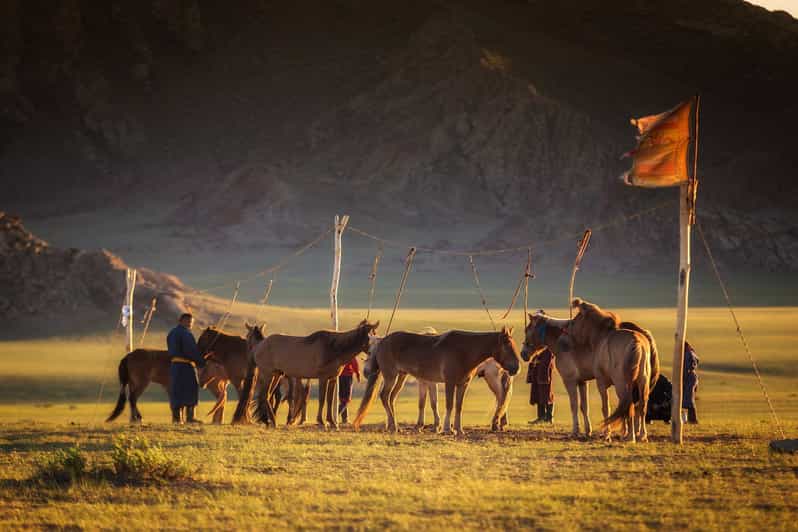
This day starts with pickup from your downtown hotel in Ulaanbaatar, typically with a 9:00 AM meeting. From there, you drive roughly 60 miles (about 95 km) west. The road is described as asphalt and in good condition for a couple of hours, which matters because it keeps the ride from turning into a full-day travel tax.
On the way, you’ll pass nomadic tents spread across the countryside. That’s not just scenic window dressing. It sets the tone for the day: this isn’t only about animals; it’s about how life moves across Mongolia’s open spaces.
Once you reach the park area, the scenery changes into mountain valleys where the horses are more likely to be seen grazing. That’s why the day works even when the trip is short. You’re compressing the “getting out of the city” part and the “actually being in nature” part into one compact route.
Do expect some real travel on a day tour. Even with good asphalt for part of the drive, you’re still in Mongolia, and country roads can be dusty and bumpy depending on conditions.
Your English-Speaking Guide and How the Day Gets Better
The tour is built around a local English-speaking guide, and that’s where a short day trip can either feel flat or feel meaningful. The best guides don’t just point; they explain. In this case, you can expect conversation about Mongolian history, how people live, and what’s special about the national park.
Some guide styles really matter for you as a visitor. One guide, Bachi/Bashi, is described as an early connector who also adjusted the plan to help someone see what they wanted most. That kind of flexibility is useful in the park, where visibility can change quickly.
You’ll also find that the guide’s role isn’t only “wild horses, end of story.” They can guide where to look, how to read the terrain, and what behavior might mean the horses are nearby but moving. That’s especially helpful because horse spotting isn’t guaranteed.
A small practical note: your exact pickup time and location get confirmed by email after booking. Since some people have had trouble getting messages promptly, I’d treat email (including spam) as part of your planning, not something to ignore.
Horse Spotting at Hustai: Timing, Heat, and Photo-Friendly Spots
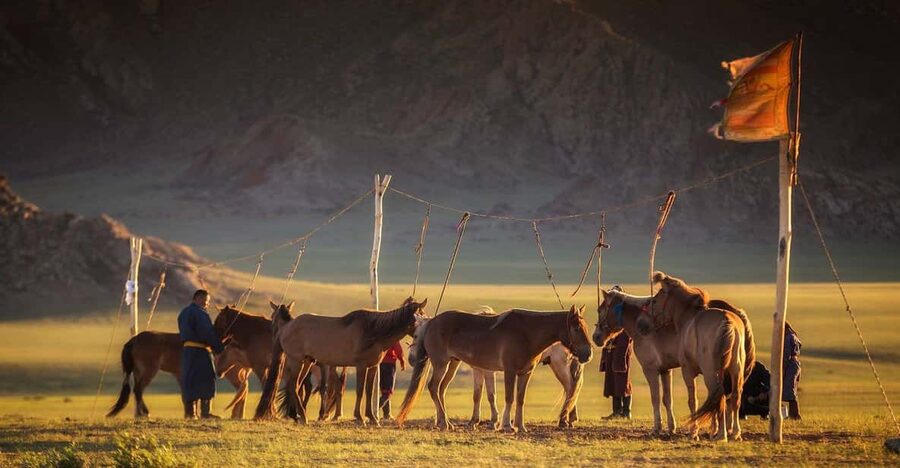
Let’s talk about the big question: will you see the horses? The honest answer is no one can promise it. Hustai is famous for wild horses, but sightings depend on where they are and how they’re behaving that day.
Here’s the pattern that helps most: in hot summer weather, the tour may start earlier than 9:00 AM so you have a better chance of seeing horses before heat pushes them toward cover in the woods or less visible areas. Some days have been described with early starts around 4:00 to 4:30 AM, or even before sunrise, specifically for that reason. If you’re booking for midsummer, plan mentally for an earlier start time.
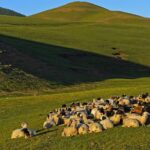
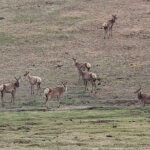
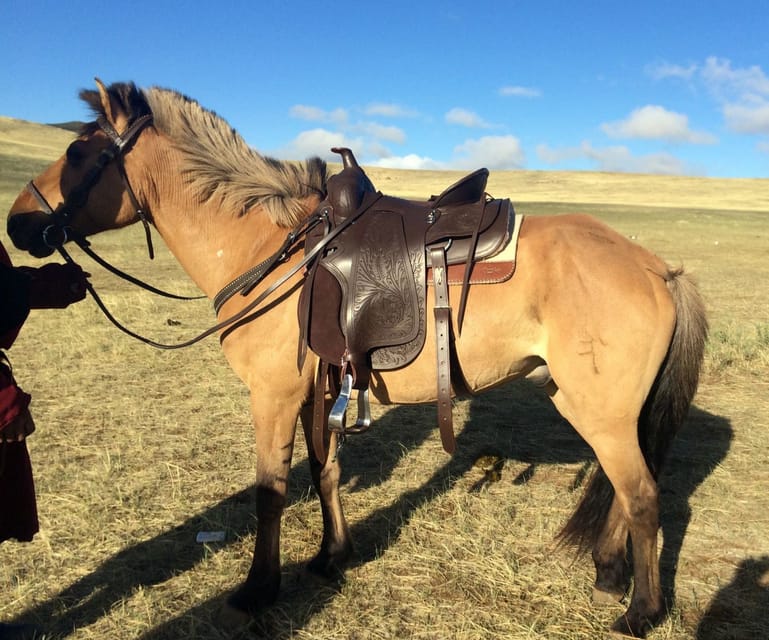
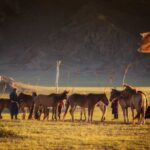
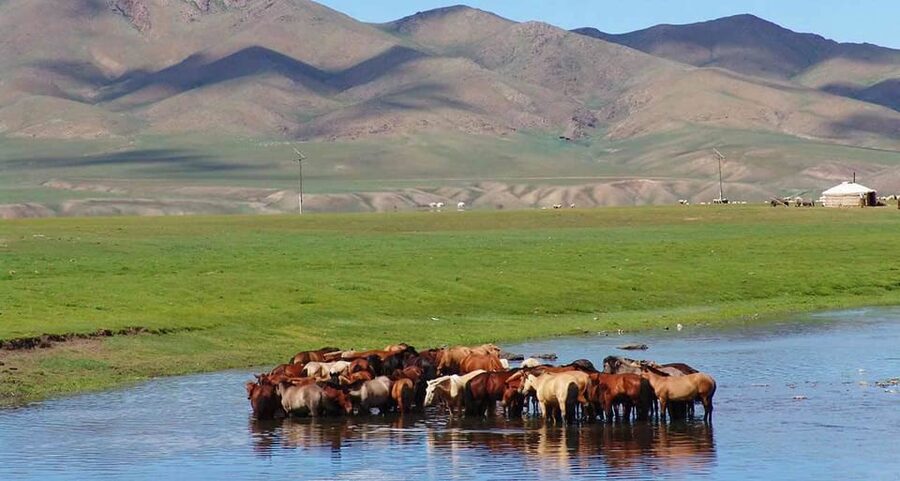
When horses do show up, the setting is what makes it special. You’re usually looking out over a valley beneath huge mountains, with grazing and movement that makes for great photos and video. This is also where a guide’s timing matters—if you’re standing in the right place at the right hour, you get that “wild but close” feeling.
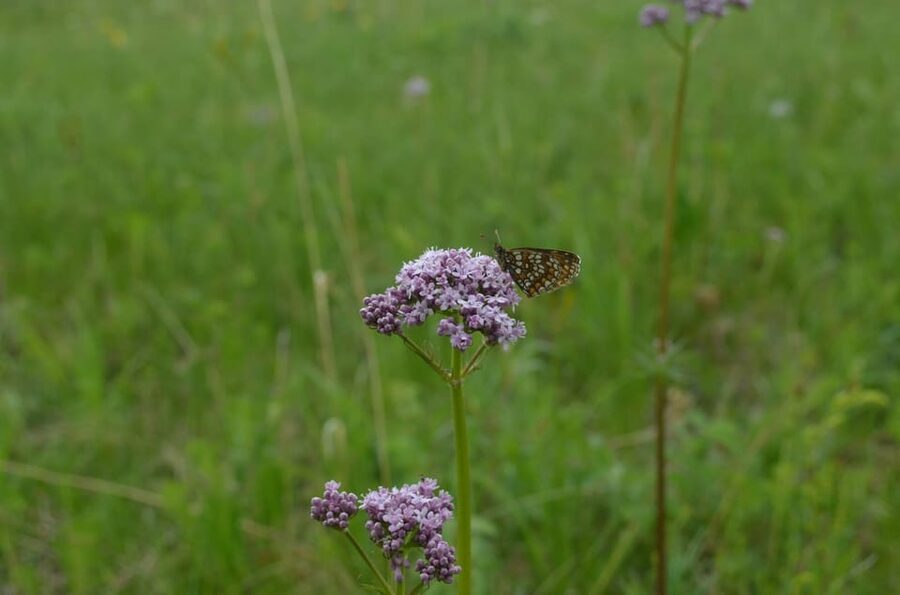
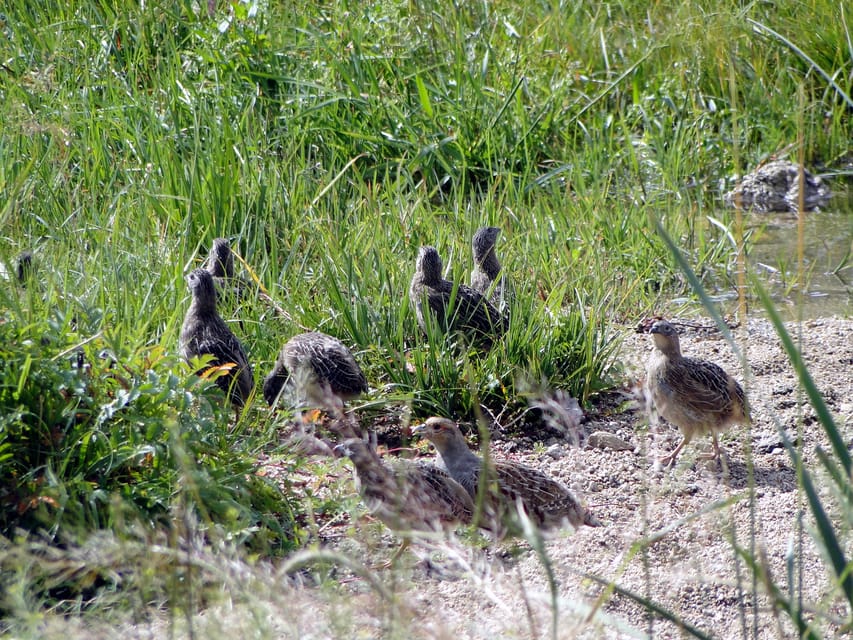
One more consideration: part of the fun is that other animals show up too. Birds are mentioned as a focus (bird watching is part of the plan), and you may see more wildlife once you’re exploring the park’s scenic spots.
Bird Watching and Short Hikes Where You Actually Have Time
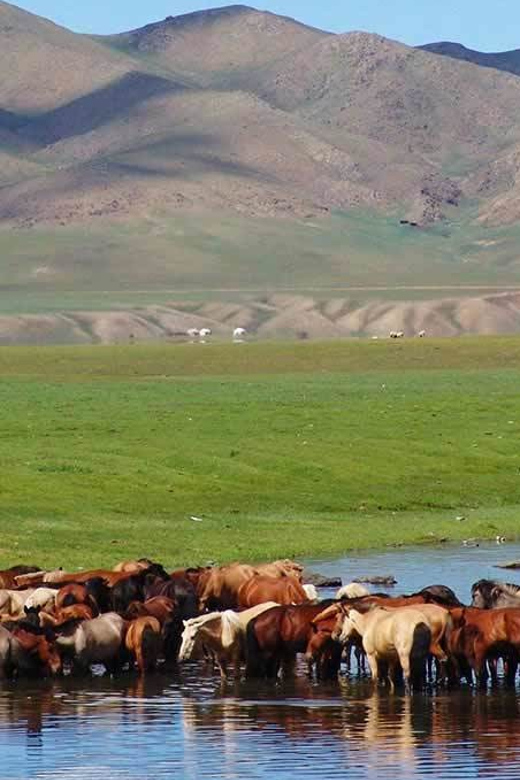
One thing I like about the design of this outing is the balance between “stay mobile” and “don’t overdo it.” In a 6-hour structure, the trip can’t become a long trek. Instead, you get time for walking around park areas and enough flexibility to step out for photos or brief hiking/foot time depending on what the guide is seeing.
This is especially practical for bird watching. Birds are often easiest in the morning and around areas where you can pause quietly. If you’re constantly rushing, you miss the smaller moments. A short guided stop where you can slow down for 30 to 60 minutes makes a real difference.
You may also encounter situations where the guide keeps a close eye on logistics while you get to hike for a limited stretch. That can work well because it gives you your movement time without turning the day into endurance travel.
The main drawback for hikers is the weather and temperature. The tour runs in all weather, and Mongolia can shift fast. Wear layers and be ready for cooler conditions later in the day.
Lunch at Park Area and a Look at Local Food Traditions
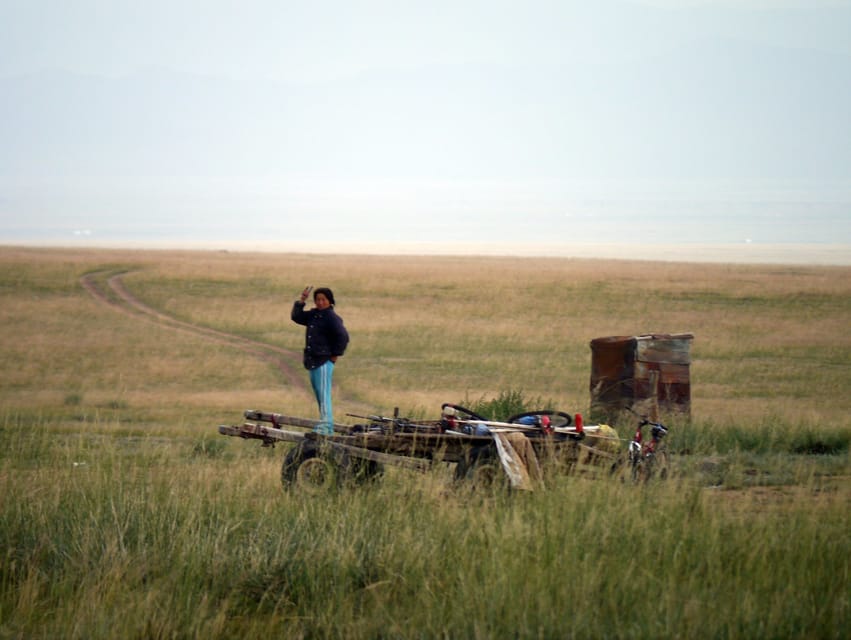
Food is handled in two parts. First, you have a local style lunch included at the park area. Then, after lunch, you visit a local small food place where you can see culture and traditions through how people cook and serve food.
This isn’t a long sit-down restaurant tour. It’s more of a cultural stop inserted into the day so you leave the park with more than just animal photos.
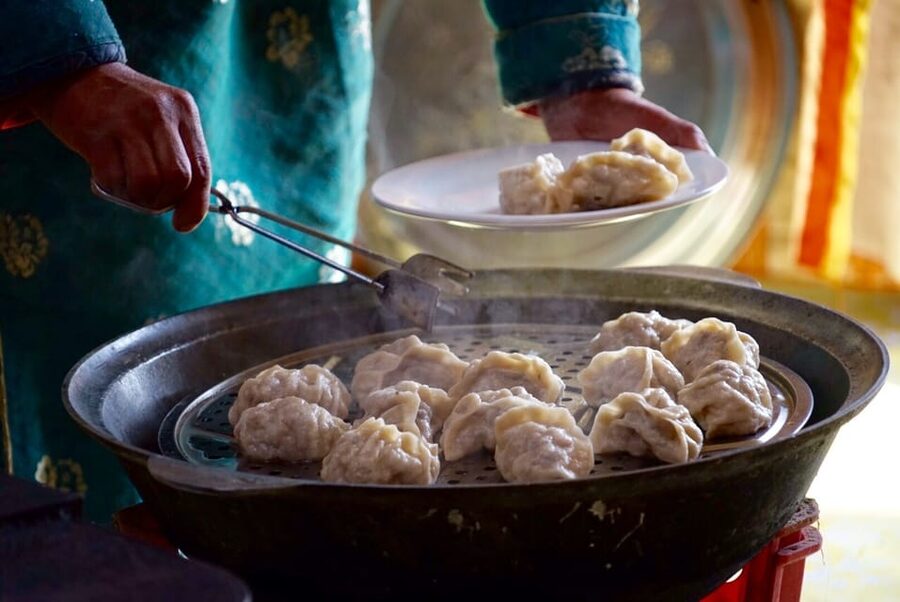
In at least one account, the extra stop involved meeting a family running a restaurant in their ger (traditional round home) and trying items like horse milk and cookies. Even if your stop is different, the intent is consistent: you’re getting a taste of local life, not just a meal between drives.
Here’s what you should watch for. On any short tour, food stops can affect your time outside. If your priority is maximum time in the park for horses, make sure the guide is clear about the order and timing once you’re there.
Conservation Story: Why These Horses Are Here
Hustai’s wild horses are part of a broader conservation program. The tour description explains that these horses were reintroduced by a Netherlands group as part of an international project. That detail matters because it changes how you look at the animals.
If you understand they’re there because of active conservation, you’re more likely to notice the ecosystem in which they live. You’re not just thinking, “There’s a horse.” You’re thinking, “This is a carefully managed wildlife situation in a real Mongolian valley.”
This also helps explain why the experience can vary. Reintroduced wildlife can move in response to weather, food availability, and habitat use. That’s why an early start in summer isn’t just a marketing trick—it’s the best shot at matching your visit to the horses’ daily behavior.
And because this is a day trip near the city, it’s a good entry point if you’re curious about Mongolia beyond the capital. Hustai gives you a direct line from urban life to protected land and conservation work, all in one afternoon.
Price and Logistics: What You Really Get for $195
At $195 per person for about 6 hours, you’re paying for more than transportation. The included parts are the real value drivers:
- Local English-speaking guide
- Local style lunch
- Entrance fees
- Hotel transfers within Ulaanbaatar city
When you add those up, the cost starts to make sense for a short outing. You’re not arranging park entry, finding a driver, and hunting for a meal spot on your own. You’re also getting a guide who can interpret what you see, which is often the difference between a quick glance and a memorable experience.
Now the trade-off. You’re paying for convenience, but you’re still constrained by time. If horses don’t appear in the most visible locations, your “park time” is still limited. It’s worth knowing that some people have felt the schedule drifted in ways that reduced time in the park, like unexpected extra food stops. That’s not guaranteed behavior, but it’s the type of thing to keep an eye on with any time-boxed day trip.
If you want the closest nature hit to the city with minimal planning, this price can feel fair. If you’re chasing guaranteed horse sightings only, then no price will change nature’s timing.
What to Pack and How to Handle Mongolian Weather
This tour runs in all weather conditions, so your clothing has to do the heavy lifting. Dress appropriately for the day, and the guidance is clear about temperature changes: take an extra warm sweater for when it cools off in the evening.
That advice matters because a 6-hour schedule often includes a morning start and later return, which can mean a big swing between “cool at the start” and “warm in the middle” and then “cool again” depending on the season.
Also plan for a lot of time outdoors. Even when you’re mostly in the vehicle, you’ll be stepping out for spotting and photography. Layers are your friend.
If you’re sensitive to dust, keep in mind that rural roads can be rough or dusty beyond the asphalt portion. It’s not listed as a specific issue, but it’s a practical reality of country driving.
Who Should Book This Hustai Day Trip (And Who Should Skip It)
You should book if you want:
- A short, guided wildlife outing from Ulaanbaatar
- An English-speaking guide to translate Mongolian life and park context
- A realistic chance at wild horse sightings, with the option of an earlier start in hot season
- Lunch and transfers handled so you can focus on the experience
You might skip if:
- You need full mobility accessibility. This tour is not suitable for people with mobility impairments.
- You’re visiting with the expectation that you’ll see horses for sure. Sightings aren’t guaranteed, and timing plays a major role.
If you’re the kind of traveler who loves stopping for birds, taking photos, and learning while you walk, this fits well. If you’re only interested in one outcome and nothing else, you might find the uncertainty frustrating.
Should You Book This Hustai Day Trip?
If you want an easy, guided way to reach Hustai National Park and get a countryside taste without full-day planning, I think it’s a strong choice. The included lunch, entrance fees, and hotel transfers make it feel like a real package, and the guide-driven explanation turns the trip from animal spotting into learning.
Just be honest with yourself about horse sightings. If you’re booking in summer, expect the tour may start earlier than 9:00 AM to avoid heat hiding the horses. And even with good timing, nature decides.
FAQ
FAQ
What time does the tour start?
You meet your guide and driver at your downtown Ulaanbaatar hotel at 9:00 AM. In summer’s hot days, the start time may be earlier depending on the season.
How long is the day trip?
The duration is listed as 6 hours.
Is hotel pickup and transfer included?
Yes. Pickup is included from accommodations within Ulaanbaatar city, and your exact pickup time and location are confirmed by email after booking.
What’s included in the $195 price?
It includes a local English-speaking guide, local style lunch, entrance fees, and hotel transfers.
What isn’t included?
Travel insurance is not included, and it’s recommended that you purchase your own travel insurance.
Are wild horse sightings guaranteed?
No. Spotting wild horses is not always guaranteed.
Is the tour suitable for people with mobility impairments?
No. This tour is not suitable for people with mobility impairments.