REVIEW · PASHCHIMANCHAL WESTERN REGION
From Kathmandu/Pokhara: 3-Day Chitwan National Park Tour
Book on GetYourGuide →Operated by Nepal Wildlife Tour Office · Bookable on GetYourGuide
Chitwan is wildlife close-up, not just sightseeing. I love the mix of canoe trip plus jungle and jeep safari time, which gives you several chances to spot big animals. I also love how the package keeps things simple with smooth transport and comfortable basics, something people like Minhua and Bart called out in their feedback. One thing to consider: you’ll be doing walking and day activities, and the ride to Chitwan takes about 5 to 6 hours.
This is a 2-night safari built around Sauraha, with time for a sunset point stop, a cultural show, and a visit to an elephant breeding centre. In those sessions you’re looking for one-horned rhinos, tigers, sloth bears, crocodiles, deer, and lots of birds—plus smaller critters if conditions line up. Just be ready for heat, insects, and wildlife rules, because the goal is seeing animals without messing with their space.
In This Review
- Key Highlights You’ll Care About
- Chitwan’s Wildlife Safari Gets You Multiple Ways to Spot Animals
- Getting From Kathmandu or Pokhara to Chitwan Takes Time (Plan for It)
- Day 1 in Chitwan: Check-In, Briefing, Sunset Point, and Tharu Culture
- Day 2 on the River: Canoe Trip for Crocodiles and Water Birds
- Jungle Walk and Elephant Breeding Centre: Learn the Park’s Edges
- Day 2 Jeep Safari: Your Best Chance for Tiger, Sloth Bear, Leopard, and Rhinos
- Day 3 Departure: One Last Reset Before You Head Out
- Price and Value: What $136 Covers (and Why It Can Be a Good Deal)
- What to Bring for Chitwan Comfort (So You Don’t Hate Day 2)
- Wildlife Rules You’ll Be Asked to Follow (Please Take Them Seriously)
- Who This Tour Fits Best (And Who Should Skip It)
- Should You Book the 3-Day Chitwan National Park Tour?
- FAQ
- FAQ
- How long is the tour?
- Where does the safari base operate from?
- What wildlife can I expect to see?
- What activities are included in the package?
- What about the hotel and meals?
- How do I get from Kathmandu or Pokhara to Chitwan?
- What should I bring?
- What is not allowed during the tour?
- Is the tour available in English?
- Is this tour suitable for everyone?
Key Highlights You’ll Care About
- Canoe time on the river to look for crocodiles and water birds from a different angle
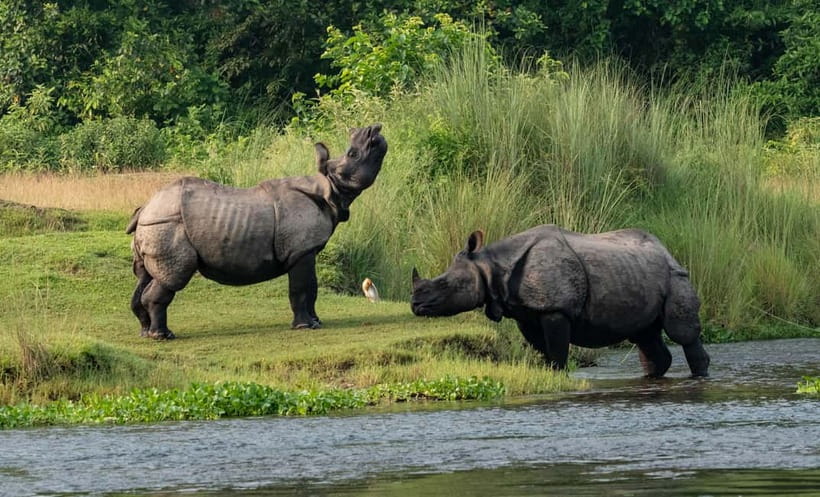
- Rhino and deer searching on a jungle walk, with a guide keeping you on the right track
- Jeep safari as your fastest route to spot bigger animals like tiger, sloth bear, leopard, and rhinos
- Elephant breeding centre visit to see baby elephants as part of the day’s rhythm
- Tharu culture show and community insight so the day isn’t only about animals
- Park entry fees and activities included, so you can plan your spending up front
Chitwan’s Wildlife Safari Gets You Multiple Ways to Spot Animals
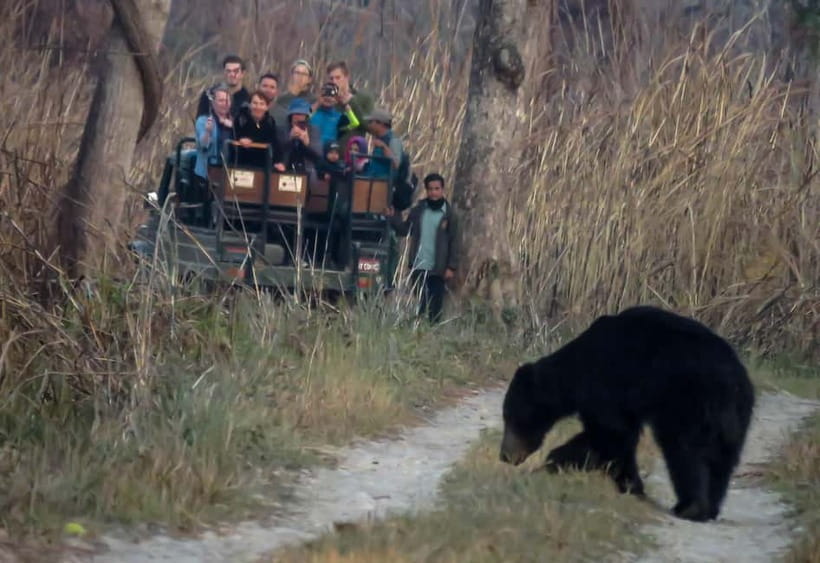
Chitwan National Park is the kind of place where you don’t just stare at one spot and hope. You move through the ecosystem in different ways, and that’s what makes this format work for most visitors.
On the water, in the jungle on foot, and then out in a jeep, you’re basically changing your odds and your view. Canoes are great for slow scanning—watching river edges, water birds, and the sort of movement that belongs near crocodile habitat. Walking helps you understand how deer and other animals share the same spaces you’re crossing, and it can also make birdlife feel more active because you’re lower and slower. Then the jeep is the momentum tool, the quickest and safest way to cover more ground when you’re hunting for bigger sightings.
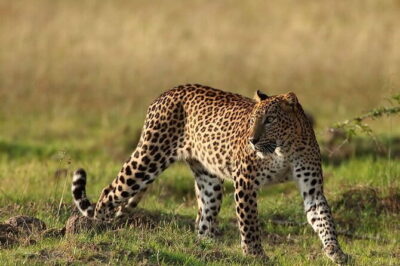
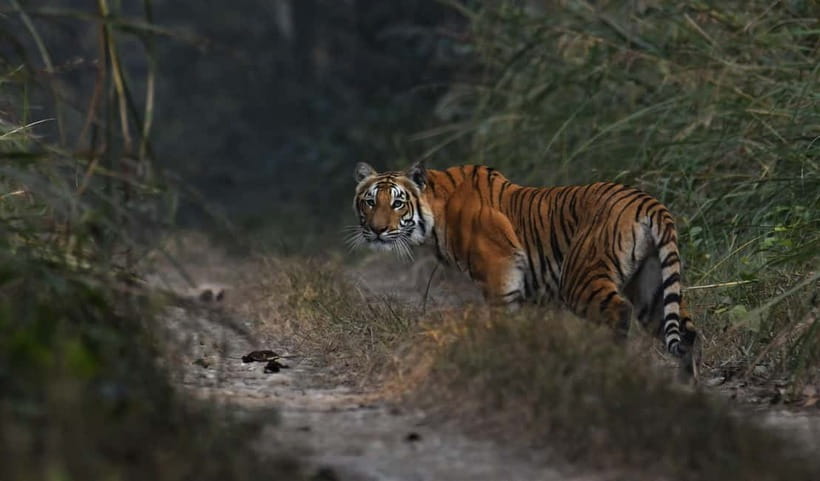
I also like that the animal list isn’t vague. You’re specifically aiming for one-horned rhinoceros, Royal Bengal tiger, sloth bear, deer, and more birds than most first-time visitors expect. Even when a tiger sighting isn’t guaranteed, the day is designed to keep you looking in the right places and using the right transport modes.
Getting From Kathmandu or Pokhara to Chitwan Takes Time (Plan for It)
Most of your first day is about transit, and you should treat it like part of the tour instead of something to endure. The drive from Kathmandu or Pokhara to Chitwan is listed as 5 to 6 hours, typically on a tourist bus.
That matters because you’ll want to arrive ready for check-in, lunch, and a briefing, not exhausted and cranky. Bring water, use sunscreen before you’re far from the city, and wear shoes you can stand and walk in later. If you’re the type who travels fine for hours but gets stiff after, do a little stretching when you stop.
You should also know what’s not included: meals during the travel by bus to Chitwan and back aren’t part of the package. In other words, your arrival-day stomach needs a bit of planning on your side.
Day 1 in Chitwan: Check-In, Briefing, Sunset Point, and Tharu Culture
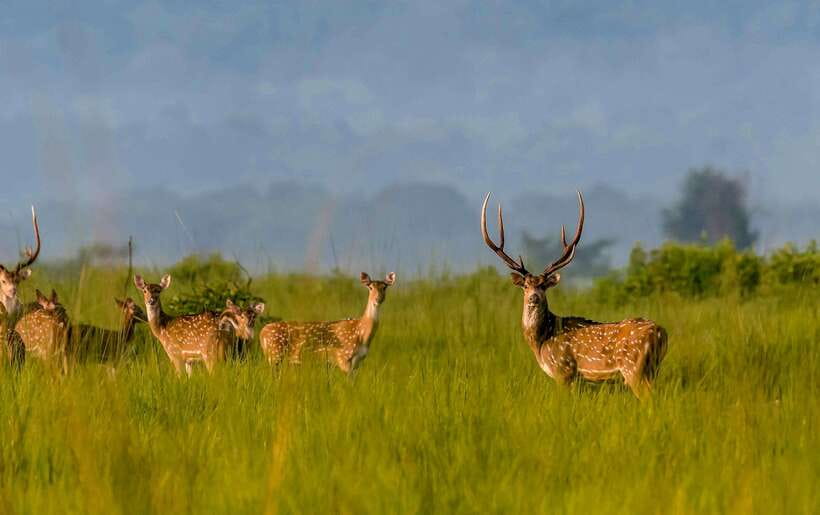
After you reach Chitwan, you’ll check in, freshen up, and have lunch. Then you get a briefing about what comes next, which is honestly one of the most helpful pieces of any safari day—because it sets expectations for how you’ll move, what you’ll look for, and the basic wildlife rules.
In the evening, you’ll head to a sunset point for sightseeing and then finish with dinner and an evening culture show. This is where the Tharu community comes in. You get a look at local culture and you learn about the Tharu community, which balances the wildlife focus and makes your first night feel like more than waiting for the morning.
A smart way to use Day 1: keep your camera ready but don’t expect perfect wildlife right at sunset. Instead, use the light and the views to get oriented—this park is easier to understand once you’ve seen how the area sits and how animals move through it.
Day 2 on the River: Canoe Trip for Crocodiles and Water Birds
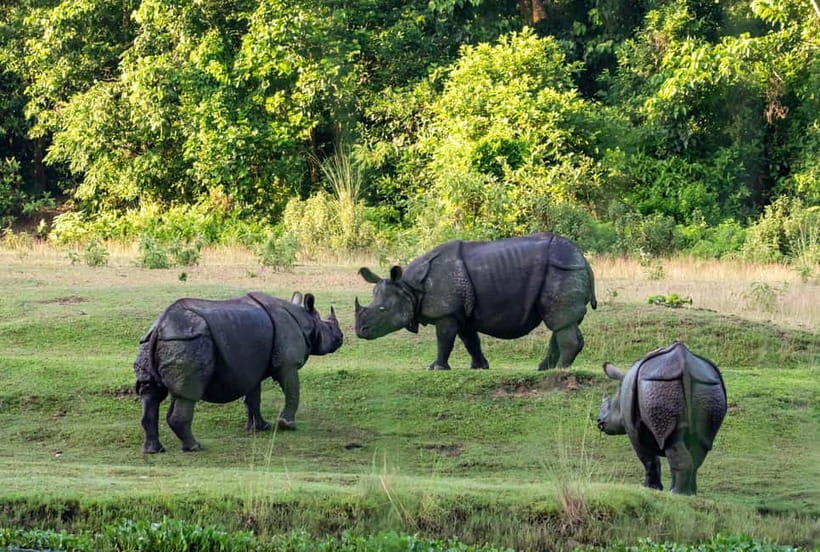
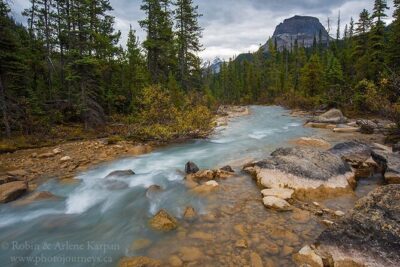
Day 2 starts with the most unique feeling part of the experience: the canoe trip. You head out on the river looking for crocodiles and water birds, and you might even encounter other animals depending on the conditions.
What I like about doing wildlife from a canoe is the pace. You’re not chasing. You’re scanning. With water birds, you can often spot patterns—where they gather, how they react to movement, and what signals tell you something bigger might be nearby.
For crocodile viewing, the goal is usually observation without disturbance. That lines up with the rules you’ll be asked to follow around wildlife. If you keep your movements calm and give the guide room to steer and position, you’ll likely get more time with the moment instead of rushing past it.
You should also expect that the canoe time is weather-and-river-condition dependent. If the water is calm you’ll settle in quickly; if it’s not, you may feel it in your posture. Either way, you’ll end this segment with a clearer idea of what animals do near the river corridors.
Jungle Walk and Elephant Breeding Centre: Learn the Park’s Edges
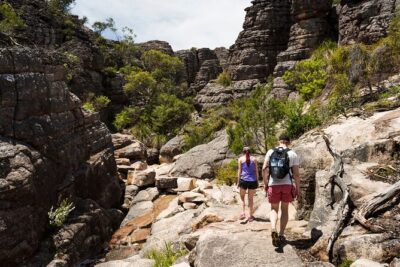
After the canoe segment, you’ll switch gears to a jungle walk. This is a searching walk—your guide takes you into the area to look for animals like rhinos and deer, and to spot signs of other wildlife.
Walking changes the experience in a big way. From a jeep, you’re scanning far. On foot, you’re reading the ground, the vegetation lines, and the kind of bird activity that often happens right before something larger moves. It’s also where you’ll feel the reality of park behavior—animals aren’t always seen, but you understand the rhythm of their habitat.
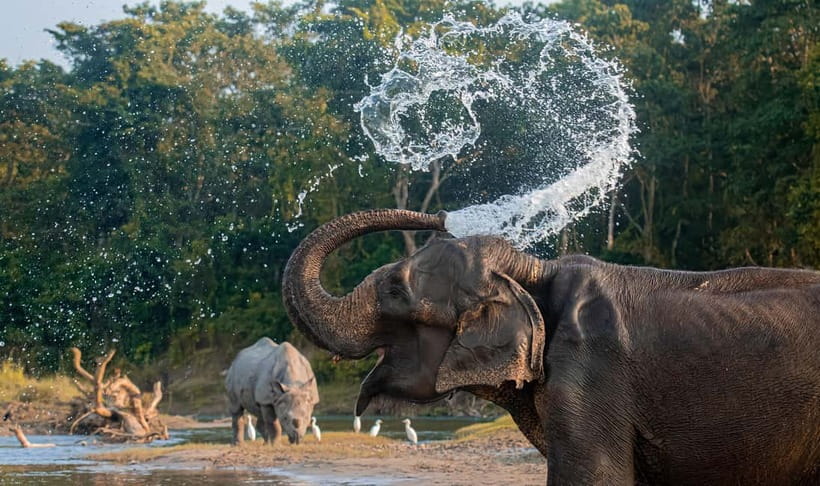
Then comes a contrast stop that many people appreciate: the elephant breeding centre visit. You’ll see baby elephants there, which adds a family-friendly, educational element to a day that otherwise leans into wild predators and big wildlife viewing.
This mix of wild and human-care settings works because it doesn’t pretend they’re the same. The breeding centre offers a window into elephant conservation efforts, while the park activities focus on observing wildlife in their natural spaces.
Day 2 Jeep Safari: Your Best Chance for Tiger, Sloth Bear, Leopard, and Rhinos
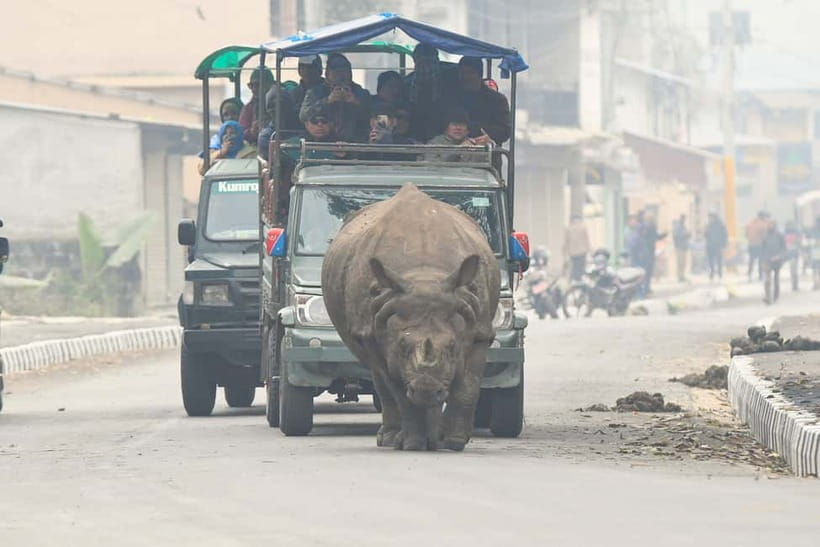
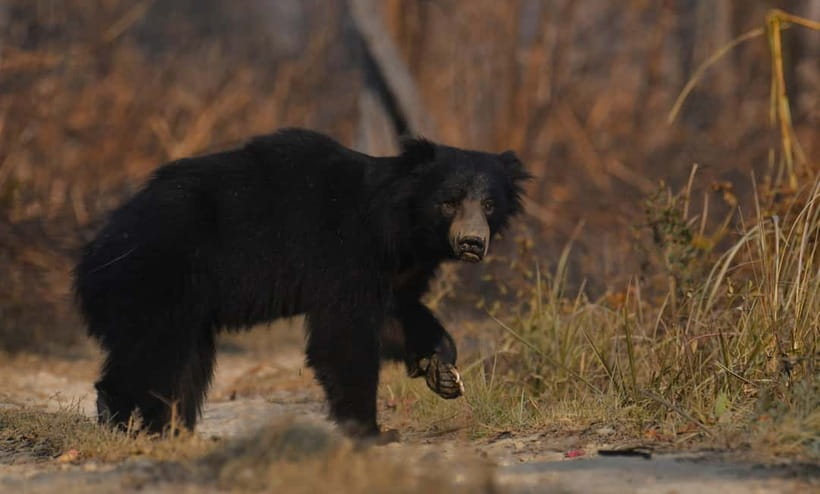
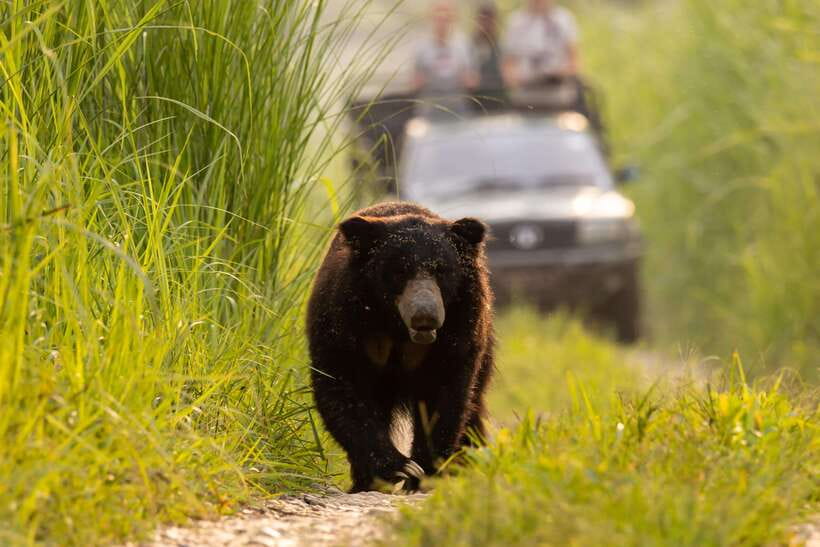
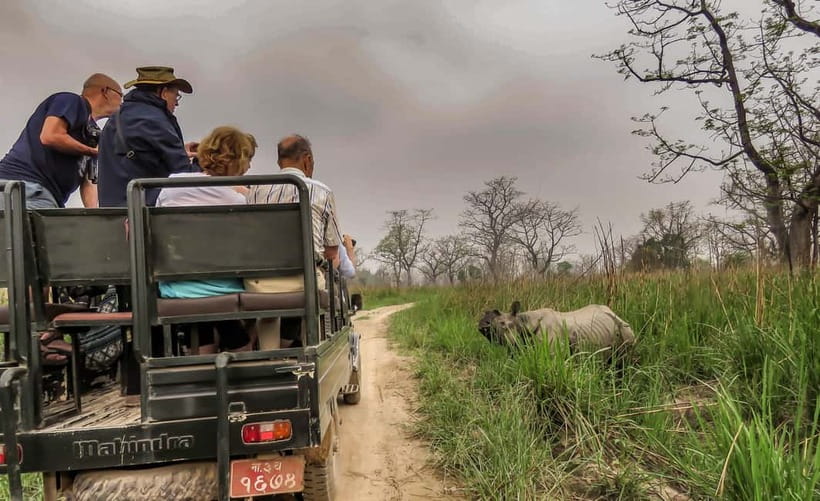
If you want the short version, the jeep safari is built for coverage and speed. It’s described as the fastest and safest way to explore the national park and look for wildlife like tiger, sloth bear, leopard, and rhinos.
I like this because it helps you avoid the common safari mistake: trying to do everything on foot. The park is big, and animals don’t stay put. A jeep allows the guide to move toward likely habitat and then spend time when something shows up.
Also, jeep time is where people often realize Chitwan isn’t only about the headliners. You may spot different deer species, larger birds, and other critters that share the same habitat. One of the strengths of this tour structure is that it keeps you looking for more than one type of animal, so your day doesn’t feel ruined if you miss one category.
Safety also matters. The guide’s job is to keep you at the right distances and follow the park’s rules. You’re there for wildlife viewing, not for close contact.
Day 3 Departure: One Last Reset Before You Head Out
On the final day, breakfast comes first, and then you depart from the hotel to your destination. Since this is a 3-day / 2-night format, the structure keeps things focused: you get two full days of wildlife activities and one morning to close the loop.
Use that last morning practically. If you’re the type who wants a final photo set, do it after breakfast while you still have energy. Then pack up, because check-out moments come quickly when you’re waiting for transport.
Price and Value: What $136 Covers (and Why It Can Be a Good Deal)
The price listed is $136 per person, and the value comes from what’s bundled rather than from the ticket number alone. This package includes 2 nights’ accommodation, national park entry fees, and a full set of major activities: canoe trip, jungle walk, and jeep safari. It also includes an elephant breeding centre visit and a local culture show.
Food inside Chitwan is also included, plus a sunset point visit. The big catch is meals during travel by bus to Chitwan and back aren’t included, so you may want a little spending cash or snacks ready depending on your personal travel style.
When you compare this to piecemeal safaris, what you’re really buying is coordination. Your transport, park fees, and key guided experiences are handled in one package, which is especially helpful if you’re visiting Nepal on limited time.
Also, the reviews signal that the basics matter. Minhua praised the bus, hotel, and local guide as nice and comfortable. Bart recommended it strongly. Alexander highlighted that seeing rhinos, crocodiles, birds, deer, and even big lizards was possible in the span of the trip—so the structure seems to deliver real variety, not just one highlight.
What to Bring for Chitwan Comfort (So You Don’t Hate Day 2)
You’ll do both walking and guided wildlife time, so pack like you expect dust, heat, and insects. The tour’s list is simple and smart:
- Comfortable shoes for jungle walk and uneven paths
- Hat and sunscreen for sun exposure
- Water and an insect repellent to handle daytime bugs
- Camera ready for birds and wildlife moments
- A refillable water bottle (helps you stay hydrated without buying constantly)
One more practical tip: keep a small layer for early morning or late evening if you’re sensitive to temperature shifts. You won’t need a full hiking kit, but being comfortable makes the wildlife part feel easier.
Wildlife Rules You’ll Be Asked to Follow (Please Take Them Seriously)
Chitwan’s rules aren’t just formalities. They protect animals and they protect your viewing odds. You won’t be allowed to smoke, use alcohol and drugs, litter, feed animals, or touch plants.
If you want better sightings, follow the spirit of those rules. Move calmly, keep your distance, and let the guide position you. Feeding or pushing closeness may create short-term excitement, but it damages the habitat behavior that makes safaris work in the first place.
Who This Tour Fits Best (And Who Should Skip It)
This tour makes sense if you want a guided wildlife focus with built-in cultural time, and you prefer a structured package over planning each day yourself. It’s also ideal if you want English language guidance.
It’s not suitable for:
- pregnant women
- people with back problems
- people with heart problems
- wheelchair users
I’m calling this out because the jungle walk and general movement during the day are part of what you’re paying for. If your body needs minimal walking, you’ll likely feel the strain.
If you’re comfortable with basic outdoor walking and you want a realistic shot at rhinos, tiger chances, sloth bear odds, and lots of birds, you’ll probably enjoy the pace.
Should You Book the 3-Day Chitwan National Park Tour?
Book this tour if you want a well-organized 2-night safari with multiple wildlife viewing styles—river canoe, jungle walk, and jeep time—plus a culture show and an elephant breeding centre stop. At $136, the price looks strongest when you value included park entry fees, accommodation, and the fact that someone else lines up the major parts for you.
Skip it if you can’t do walking, have heart or severe mobility concerns, or you know you’ll struggle with the long transfer day. If that’s you, look for a more relaxed option with fewer physical activities.
FAQ
FAQ
How long is the tour?
It runs for 3 days with 2 nights in Chitwan.
Where does the safari base operate from?
The tour runs through Chitwan with activities based out of Sauraha.
What wildlife can I expect to see?
The package highlights one-horned rhinoceros, Royal Bengal tiger, sloth bears, deer, crocodiles, and many types of birds. Jeep safari and jungle walk aim for these sightings.
What activities are included in the package?
Canoe trip, jungle walk, jeep safari, elephant breeding centre visit, sunset point visit, and a local culture show are included.
What about the hotel and meals?
Two nights’ accommodation is included, and food and a Chitwan hotel are included. Meals during bus travel to and from Chitwan are not included.
How do I get from Kathmandu or Pokhara to Chitwan?
You travel by tourist bus (the drive takes about 5 to 6 hours). Transfers from Kathmandu or Pokhara are offered as part of the experience.
What should I bring?
Bring comfortable shoes, a hat, camera, sunscreen, water, and insect repellent.
What is not allowed during the tour?
Smoking, alcohol and drugs, littering, feeding animals, and touching plants are not allowed.
Is the tour available in English?
Yes, the tour language is English.
Is this tour suitable for everyone?
It is not suitable for pregnant women, people with back problems, people with heart problems, or wheelchair users.