REVIEW · ANURADHAPURA
Minneriya National Park 4×4 jeep Safari Include Entrance Fee
Book on GetYourGuide →Operated by Sri Lanka Car Hire with Driver · Bookable on GetYourGuide
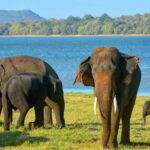
Elephants are the headline here. I love that this private Minneriya National Park jeep safari uses an open-top 4×4 jeep and aims straight for the famous elephant gathering.
I also like the way you get photography and observation stops plus a game driver who explains what you’re seeing as you go.
The main thing to watch is driving pace and safety. One experience described fast, abrupt driving that made it harder to enjoy animals and raised concerns on the road and inside the park.
In This Review
- Minneriya’s Elephant Gathering: Why This Safari Format Works
- Key Details at a Glance: What’s Included
- Pick-Up From Habarana or Sigiriya (Early Morning or Afternoon)
- Entering Minneriya: Tickets and Meeting Your Driver
- Inside the Safari: How the 3 to 3.5 Hours Play Out
- Photography and Observation Stops That Actually Help
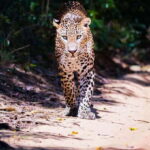
- Wildlife Beyond Elephants: Deer, Monkeys, Crocodiles, Birds
- Elephant Gathering Reality Check: How to Set Expectations
- Open-Top Jeep Comfort: What to Bring and What Not to Do
- Price and Value: Is $120 Worth It?
- How to Choose the Right Slot and Get Better Sightings
- Who This Minneriya Private Jeep Safari Fits Best
- Should You Book This Private Minneriya Jeep Safari?
- FAQ
- What is included in the Minneriya jeep safari price?
- How long is the safari inside Minneriya National Park?
- Do I need to pay the entrance fee separately?
- What time does the pick-up happen?
- What should I bring with me?
- Is food included?
Minneriya’s Elephant Gathering: Why This Safari Format Works
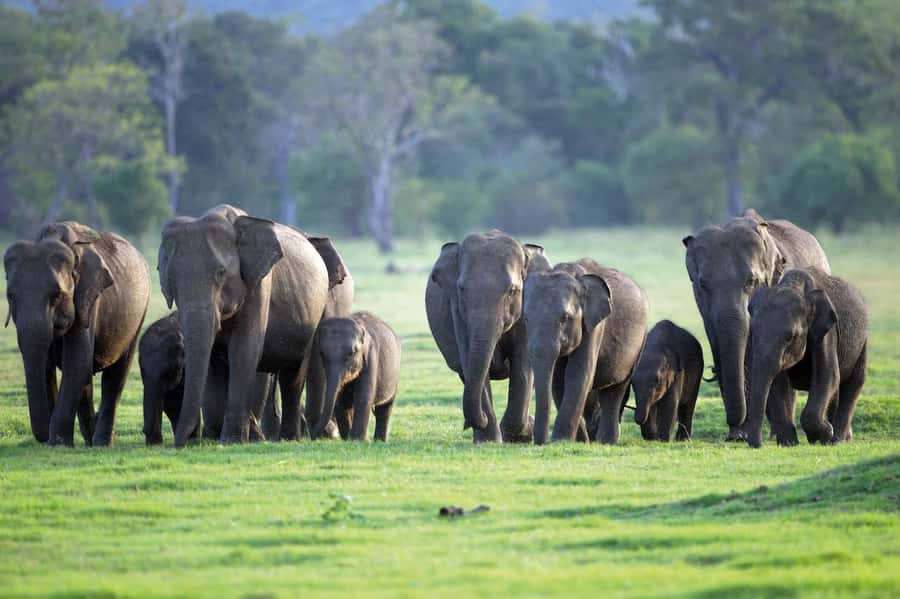
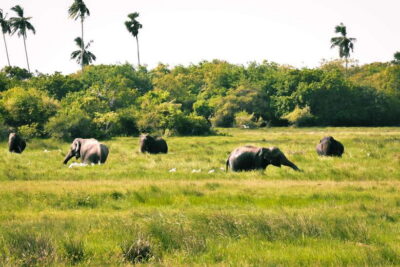
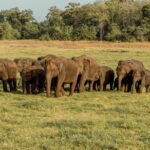
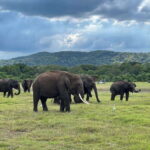
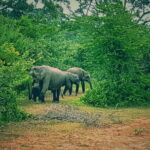
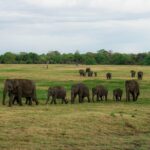
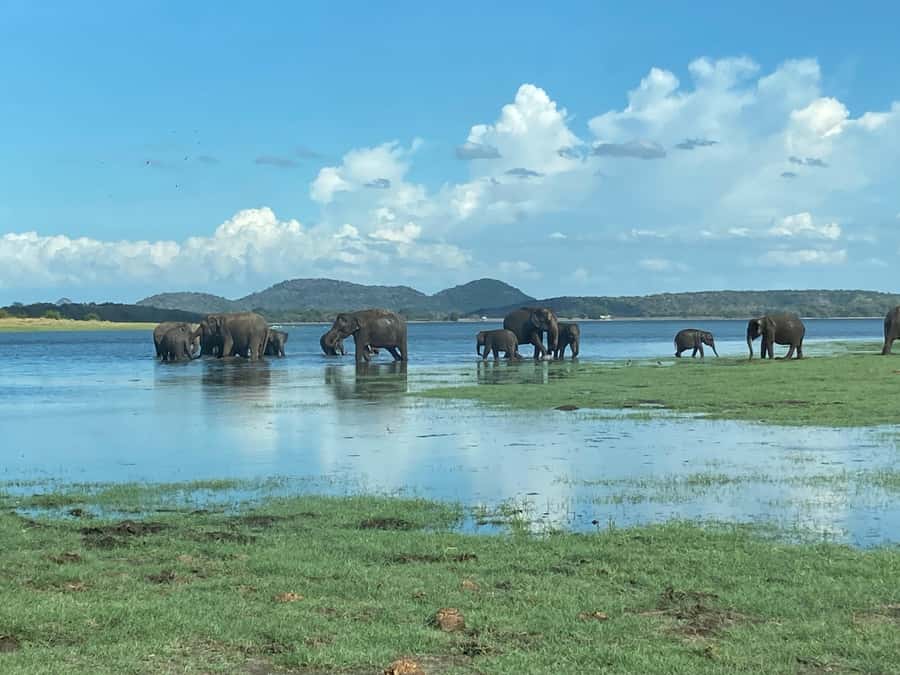
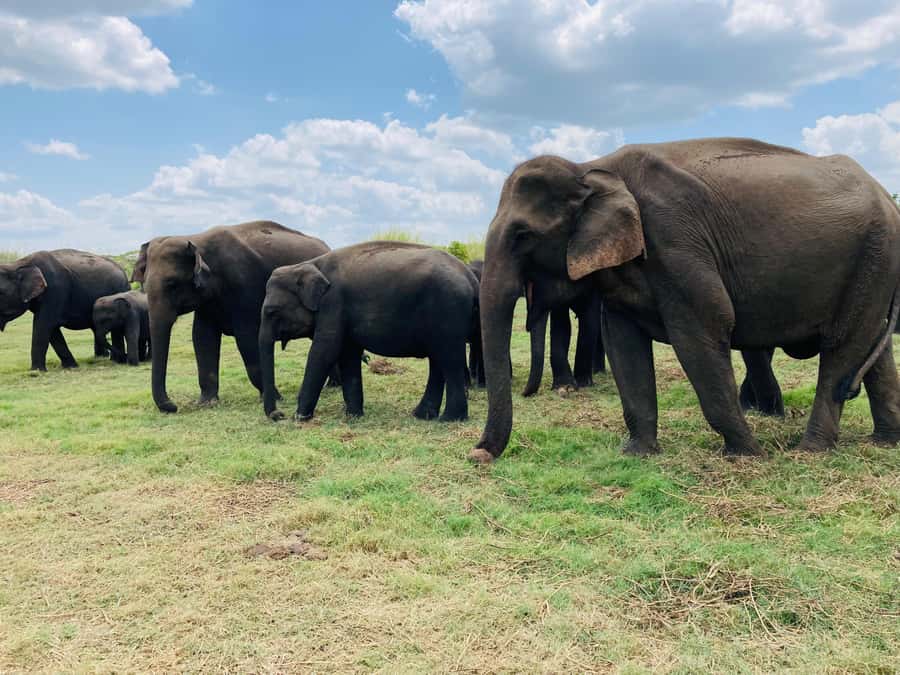
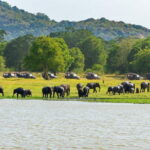
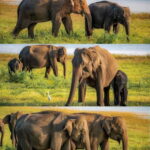
Minneriya is the kind of place where one moment can change everything. The park’s star event is the elephant gathering—big herds that often include baby elephants—especially in the dry season. A regular bus ride just doesn’t help you see that kind of action up close.
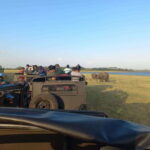
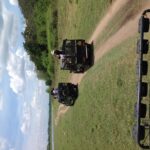
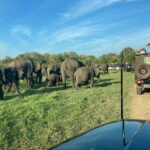
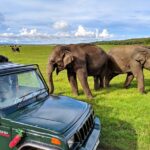
That’s why a private open-top jeep matters. You can stop when wildlife appears, adjust how you photograph, and take in animals without feeling rushed by a crowd. It also gives your guide room to steer the safari toward the best viewing areas rather than locking into a one-size-fits-all schedule.
And because this is a 3 to 3.5 hour safari, it’s long enough to build momentum but not so long that everyone turns into a tired logistics headache. You’ll also have bottled water in the jeep, which is a small detail that makes a difference early in the day or during a hot afternoon slot.
Key Details at a Glance: What’s Included
Here’s what you’re really buying with this Minneriya safari package—clear, practical value.
- Entrance fee included so you’re not scrambling at the gate
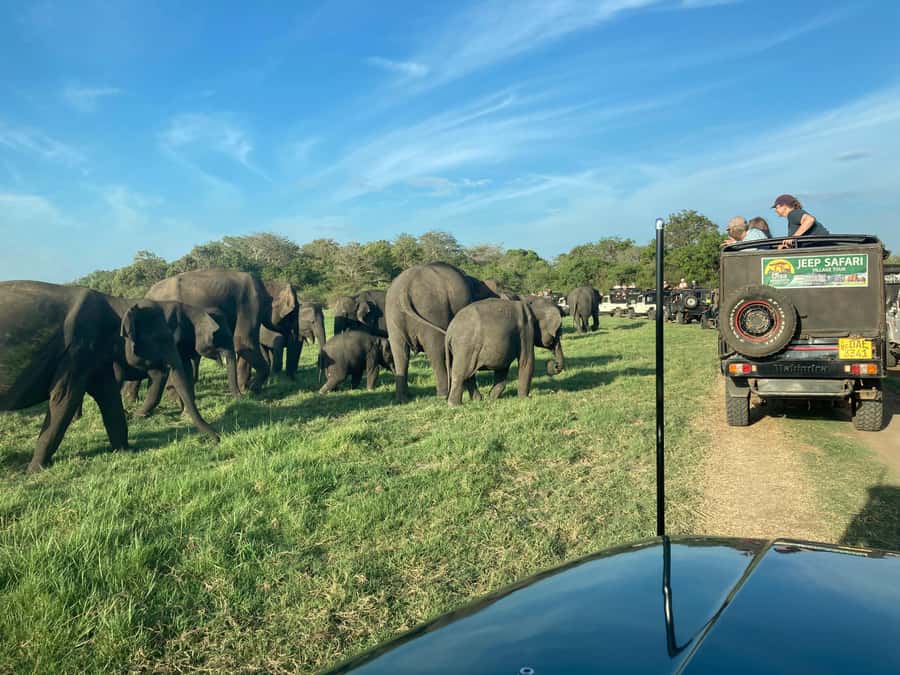
- Private safari in an open-top 4×4 jeep
- Experienced game driver guide throughout the drive
- Photography and observation stops at key points
- Bottled water during the safari
- Pick-up and drop-off from Habarana/Sigiriya (no extra taxi tango)
And the “Not included” part is equally important: guest food isn’t covered. Plan to eat before pick-up or after you return.
You can also read our reviews of more tours and experiences in Anuradhapura.
Pick-Up From Habarana or Sigiriya (Early Morning or Afternoon)
Your day starts with pick-up from your accommodation in the Minneriya area, specifically with transfer offered from Habarana or Sigiriya. You can choose an early morning or afternoon departure based on what fits your plans.
That choice is more meaningful than it sounds. In dry-season wildlife watching, lighting and animal movement can change your odds of seeing elephants clearly. An early slot often helps if you want that cooler start and the park’s morning rhythm. An afternoon slot can work well if you’re already sightseeing elsewhere and want a calmer lead-in rather than a pre-dawn start.
Either way, the private nature means you aren’t waiting on other hotels or getting pulled into someone else’s timetable. Just know that punctual, smooth driving from hotel-to-park matters for comfort. One safari experience flagged unusually fast driving between the accommodation and the park, plus concerns about tire tread. That doesn’t mean it will happen to you—but it’s a good reminder to prioritize safety when you’re choosing your operator.
Entering Minneriya: Tickets and Meeting Your Driver
Once you arrive at the park entrance, you check in using pre-arranged entrance tickets. That removes one common hassle: standing in the wrong line, then realizing your timing is off.
Next comes your game driver guide—the person who makes the safari feel like more than just “sit in a jeep and hope.” A strong guide reads the park like a map. They’ll point out animal behavior, explain why animals are where they are, and help you understand what you’re seeing in the grasslands, wetlands, and forested areas you’ll pass through.
Language is English, which is a big plus for getting real answers instead of vague nods. If you have a specific question—elephant behavior, bird activity, or how crocodiles manage water edges—this is where you’ll want to ask.
Inside the Safari: How the 3 to 3.5 Hours Play Out
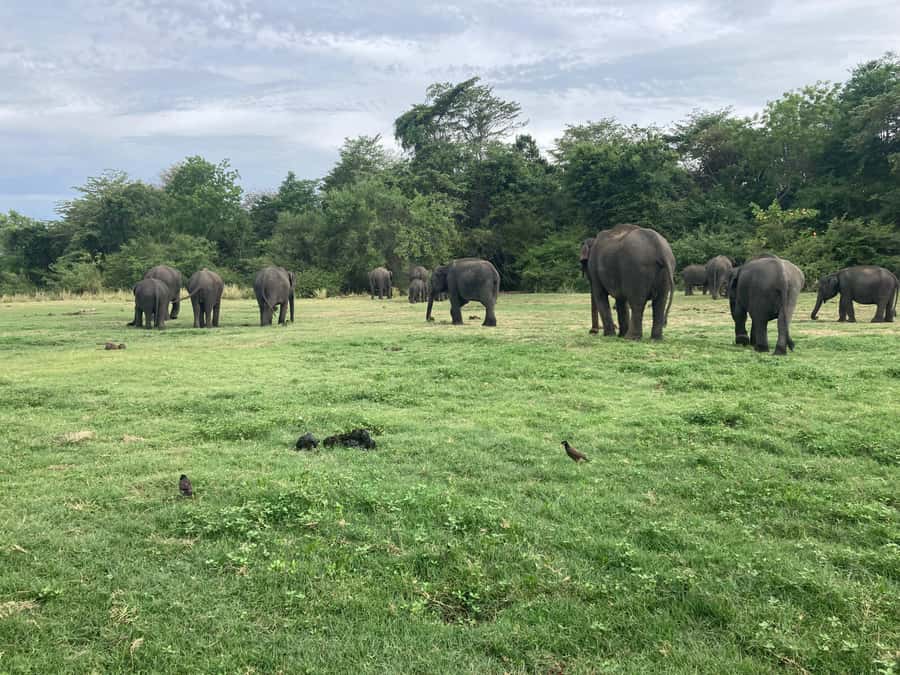
Your safari time in the park is about 3 to 3.5 hours, and the route is built around moving through different habitats. You’ll likely experience a mix of:
- Grasslands (where large mammals can appear suddenly)
- Wetlands (useful for spotting wildlife around water)
- Forested areas (often where smaller animals and birds show up)
This habitat variety is the reason the safari is worth doing privately. If you’re pushed into only one area, your chances drop. With a guide who can adjust, you’re more likely to hit multiple “wildlife moods” in the same outing.
The highlight you’re hoping for is the elephant gathering, where large herds can congregate, sometimes with baby elephants visible. Sightings aren’t guaranteed—this is nature, not a theme park—but the structure of the safari is designed to put you in the right places when elephants are active.
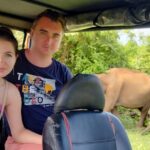
Also: you’re riding in a sturdy open-top jeep. Open sides make a real difference for spotting and photography. It’s also a reminder that you’ll feel movement more. Hold your camera firmly, and plan for dust.
Photography and Observation Stops That Actually Help
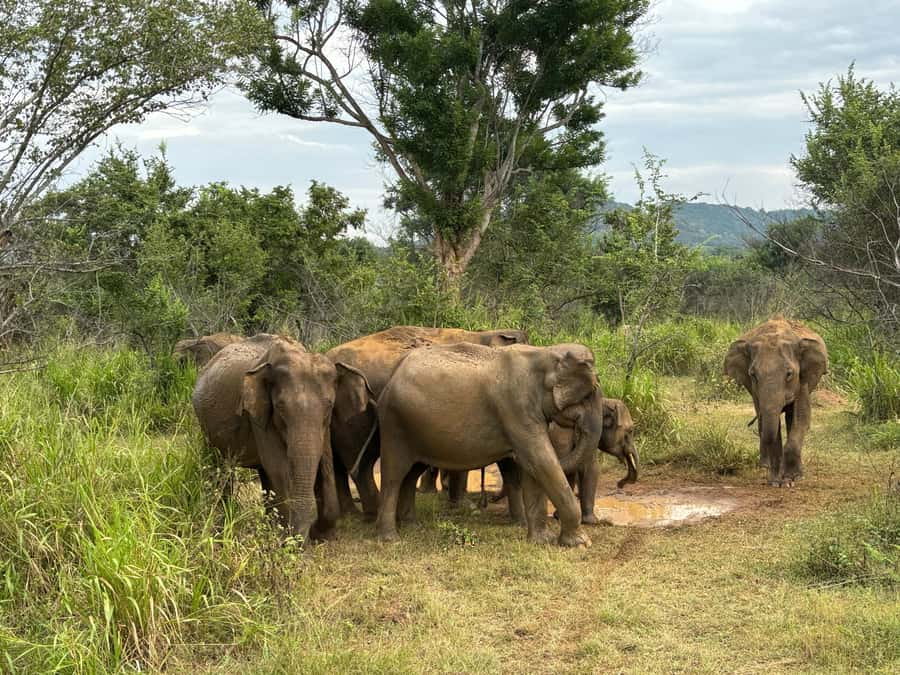
This safari includes photography and observation stops, and those short breaks are where your trip becomes memorable instead of just moving.
Here’s what I’d look for during each stop:
- Time to frame your shot (not just “one second and go”)
- A chance to watch behavior, not only location
- Space to step your attention from elephants to other animals when opportunities appear
Your guide can also help you switch focus. Elephants may grab your attention, but the park’s smaller wildlife is often nearby. The better guides don’t treat everything else as background—they point it out, then explain what to look for.
One tip: keep your camera ready but don’t lock yourself into a single stance. Some animals appear briefly near edges—especially around water or along forest shadows.
Wildlife Beyond Elephants: Deer, Monkeys, Crocodiles, Birds
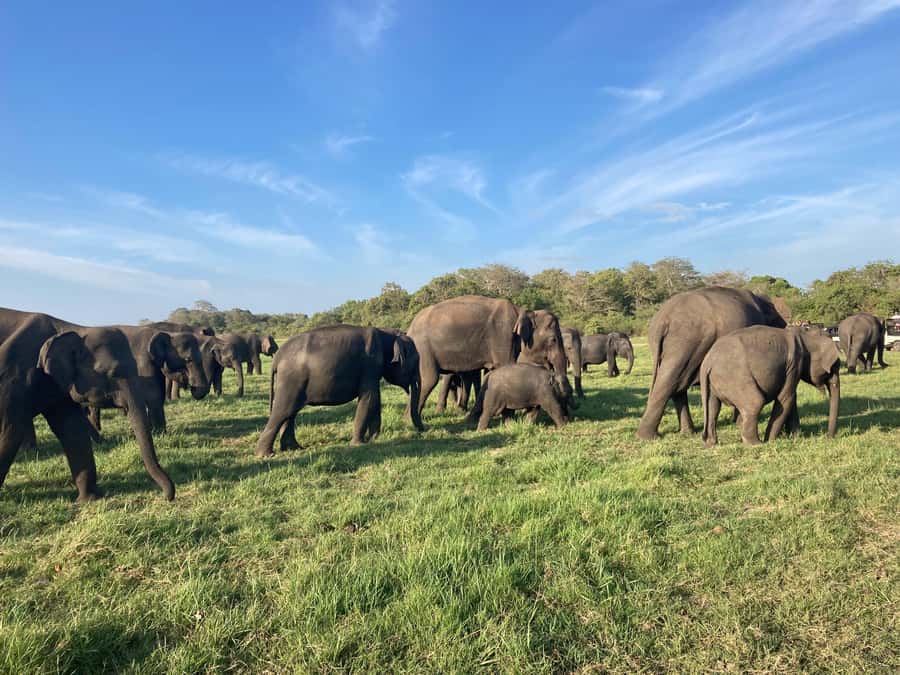
Elephants are the main draw, but you don’t have to leave empty-handed if the day’s herd density varies.
From the safari structure, you can reasonably expect your driver to scan for:
- Deer
- Monkeys
- Crocodiles
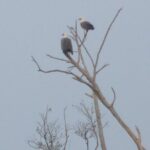
- Bird species (many, depending on the habitat you pass)
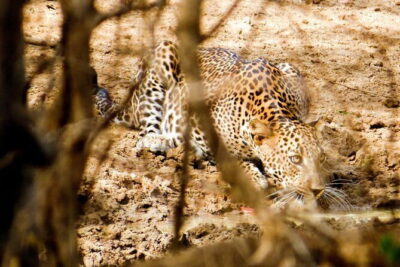
The guide’s job is to help you interpret what you’re seeing. Crocodiles, for example, tend to be easier when you’re close enough to water edges and patient enough to spot stillness. Birds can pop up fast in forest edges and open patches. Deer often show up where grass meets cover.
One experience described seeing lots of animals thanks to the driver, plus detailed guidance on what to watch for. That’s exactly what you want from a guide: not just locations, but context.
Elephant Gathering Reality Check: How to Set Expectations
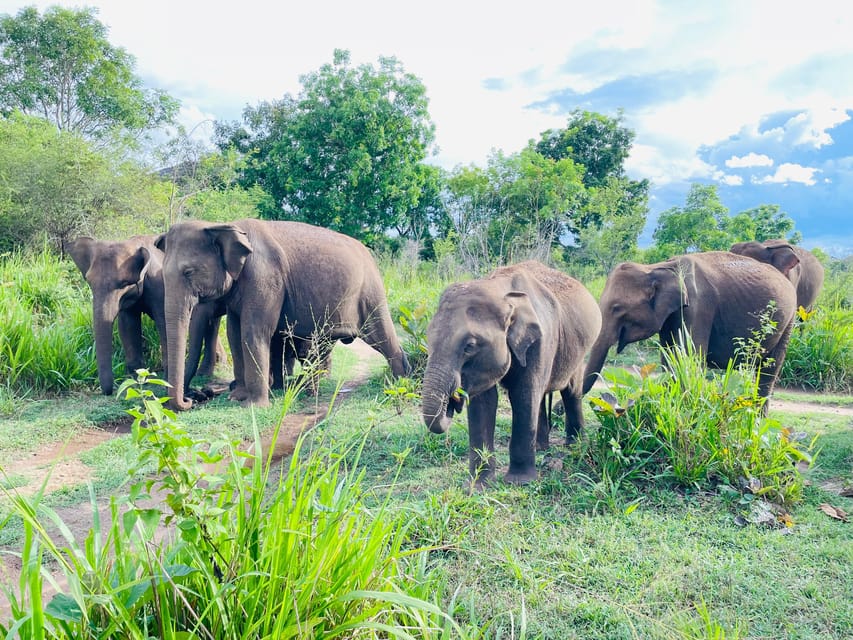
The elephant gathering is the big promise, but you should set expectations like a smart safari-goer, not like a gambler.
A few things you can’t fully control:
- Weather and water conditions
- Where herds are that day
- How quickly animals move between viewing areas
That said, there is a practical way this safari handles uncertainty: if elephants aren’t found where expected, your plan can shift. One experience noted a last-minute change to Kaudulla National Park after checking conditions for elephants in Minneriya. The operator adjusted pickup timing (an earlier vehicle time) to keep the plan workable, and the result still included strong elephant viewing.
So the best mindset is flexible. If you want elephants only at any cost, you’ll be disappointed when nature has a different script. If you want the best possible wildlife viewing within a structured safari, this approach makes more sense.
Open-Top Jeep Comfort: What to Bring and What Not to Do
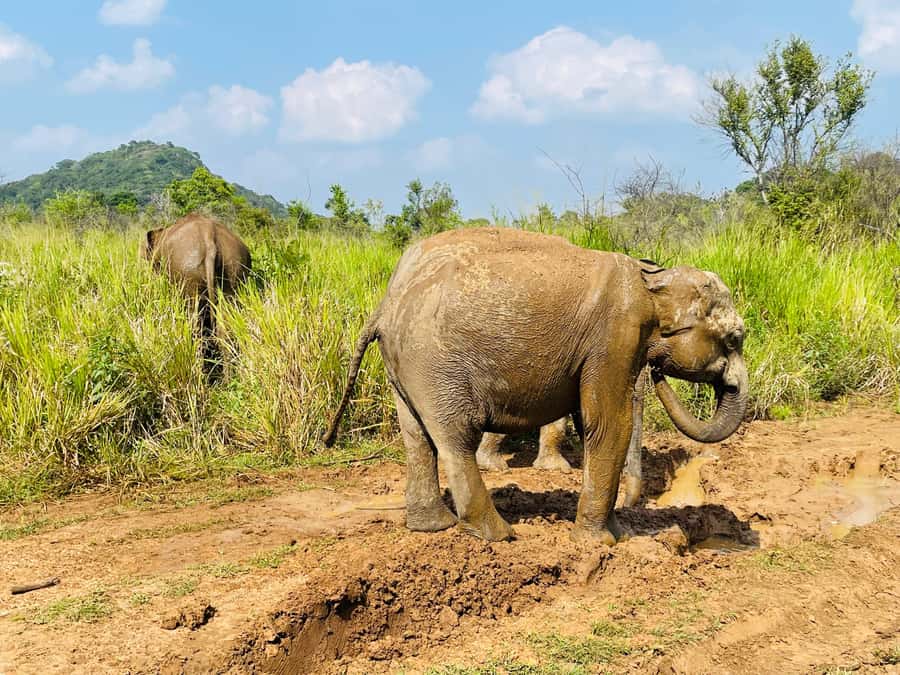
This safari has a simple packing list, and it’s worth following.
Bring:
- Sun hat
- Camera
There’s bottled water provided, so you don’t need to carry a big bottle. Still, you’ll appreciate the water after stops when you’re watching and waiting.
Know what’s not allowed:
- Feeding animals
- Touching animals
- Riding the animals
It’s basic, but it matters. These rules protect wildlife and keep the park experience respectful. It also keeps your guide from getting stuck in situations that ruin viewing.
If you’re sensitive to sun or glare, consider how you’ll protect your eyes while aiming a camera out of an open jeep. And keep your seat secure—open-top means less “cabin safety,” more “pay attention.”
Price and Value: Is $120 Worth It?
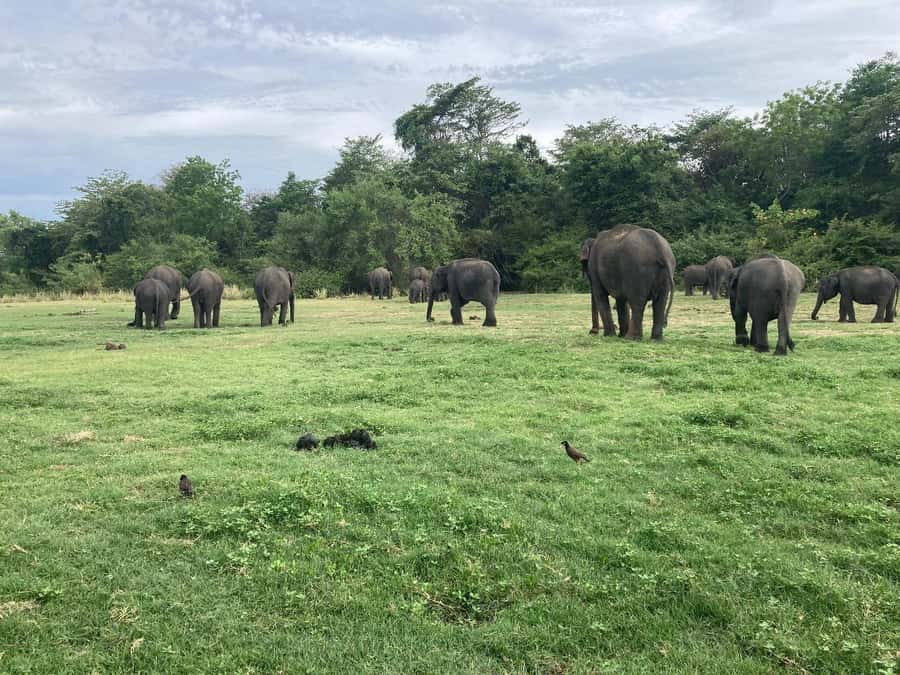
At $120 per person, this is not a budget bus safari. But it’s also not priced like a luxury private experience where you pay extra just for nicer branding. The key value drivers are practical:
- Entrance fee included
You’re not adding a separate gate cost on arrival.
- Private safari
You’re not sharing the jeep with random strangers or losing prime viewing time to group logistics.
- Open-top jeep plus guide time
The driver isn’t just driving. You’re paying for scanning skills, route judgment across habitats, and explanations in English.
- Transfer from Habarana/Sigiriya + bottled water
The pick-up and drop-off removes friction. Bottled water is small, but it’s still included.
If you’re the kind of traveler who values animals plus education—what you’re seeing and why—this price can make sense quickly. If you’re mostly chasing the lowest cost possible, you may find cheaper group safaris. But you’ll feel the difference when it’s time to stop for a shot, wait for elephants to reposition, or ask a question and get a real answer.
How to Choose the Right Slot and Get Better Sightings
This safari gives you an option: early morning or afternoon. If you want to maximize your viewing odds, choose the slot that matches your energy level and your schedule, then follow one rule: stay patient during observation stops.
A better plan for day timing:
- If you’re going to be fresh, consider early morning.
- If you already have a full day and don’t want a very early start, choose the afternoon slot.
Also, pay attention to how your driver drives once inside the park. The best viewing comes from controlled positioning, not frantic motion. One experience noted that rushed driving scared animals away and made viewing less enjoyable. That’s the opposite of what you want.
So when you settle in, watch for:
- Smooth positioning during stops
- Time spent looking rather than rushing through
- A habit of scanning before moving on
Even if you can’t control animal movement, you can control how your safari behaves around it.
Who This Minneriya Private Jeep Safari Fits Best
This is a strong match if you:
- Want private wildlife viewing instead of crowded routines
- Plan to photograph and need observation stops
- Prefer an English-speaking guide with wildlife explanations
- Are staying around Habarana or Sigiriya and want door-to-door pick-up
It may be less ideal if you:
- Get carsick easily (open-top motion can be intense)
- Expect a completely hands-off ride with zero variability
- Are very sensitive to speed changes and want a slower, calmer style at all times
If you’re traveling with kids, the private setup can help because you’re not stuck in a strict group pace. Just remember the jeep is open-top, so sun and movement management matters.
Should You Book This Private Minneriya Jeep Safari?
Book it if you want the elephant gathering experience with the extras that make it work in real life: entrance fee included, private open-top 4×4, guide-led viewing, and photography/observation stops. The package is also well-structured for travelers staying in Habarana or Sigiriya, since pick-up and drop-off are included.
Before you go, do two simple checks:
- Confirm you’ll be picked up on time for your chosen early morning or afternoon slot.
- Ask what you can about vehicle readiness and comfort (tire condition came up as a concern in one separate experience), because safety should never be a gamble.
If you want flexibility, the offer includes a reserve & pay later option, and changes/cancellation are handled with a 24-hour window for a full refund. That’s useful if your plans are still moving around.
If you’re hoping for a predictable, scripted “show,” you might be disappointed. If you want the most practical way to chase Minneriya’s wildlife—especially elephants—while traveling on your own schedule, this safari is a solid choice.
FAQ
What is included in the Minneriya jeep safari price?
The price includes a private safari in an open-top jeep, an experienced game driver guide, entrance tickets to Minneriya National Park, bottled water, and pick-up and drop-off from Habarana/Sigiriya.
How long is the safari inside Minneriya National Park?
The safari duration is 3 to 3.5 hours in Minneriya National Park.
Do I need to pay the entrance fee separately?
No. Entrance tickets to Minneriya National Park are included as part of the safari package.
What time does the pick-up happen?
Pick-up is offered early morning or afternoon, depending on your preference, and it’s from your accommodation in the Minneriya area (including Habarana/Sigiriya).
What should I bring with me?
You should bring a sun hat and a camera.
Is food included?
No. Guest food is not included. You’ll want to plan meals outside the safari time.