REVIEW · HILO
Hilo: Hawaii Volcanoes National Park Flight
Book on GetYourGuide →Operated by Safari Helicopters · Bookable on GetYourGuide
A helicopter turns the Big Island into a map. You’ll get that fast, big-picture sense of scale as you fly over the Kilauea caldera and the Pu‘u ‘Ō‘ō volcanic cone, plus black-sand coasts and jungle cuts carved by water. The main trade-off is simple: weather can change what you see, so the waterfall views and some angles may vary.
I also like that this is a small-group flight with a live English guide, so the time in the air is focused. And because safety comes first, there are real limits: weight balance rules can mean you’ll need an additional seat above 250 lbs, and it’s not a good fit if you’re dealing with claustrophobia, vertigo, or fear of heights.
In This Review
- Key Things to Know Before You Fly Over Kilauea
- Why This Hilo Helicopter Flight Makes Volcanoes Click
- Price, Time, and Group Size: Is $379 Worth It?
- Before You Go: Weight Limits, Health Limits, and What to Bring
- The Flight Path in Plain English: From Hilo to Kilauea, Then Beyond
- Stop-by-Stop: What You’ll See at Each Point
- Starting point: 2220 Kekuanaoa St (Safari Helicopters)
- Stop at Hawaii Volcanoes National Park
- Kilauea (caldera area)
- Pu‘u ‘Ō‘ō
- Mauna Kea (distant big-mountain views)
- Mauna Loa (distant big-mountain views)
- Return to 2220 Kekuanaoa St
- Weather Is the Captain: How Conditions Affect the Waterfalls
- Pilots, Safety, and Getting the Best Views From Your Seat
- Who This Tour Fits Best (and Who Should Skip It)
- Should You Book This Hilo Volcano Helicopter Tour?
- FAQ
- How long is the helicopter tour from Hilo?
- Where do I meet for the flight?
- What stops are included during the flight?
- Is the tour suitable for children?
- What are the weight requirements?
- What should I bring?
Key Things to Know Before You Fly Over Kilauea
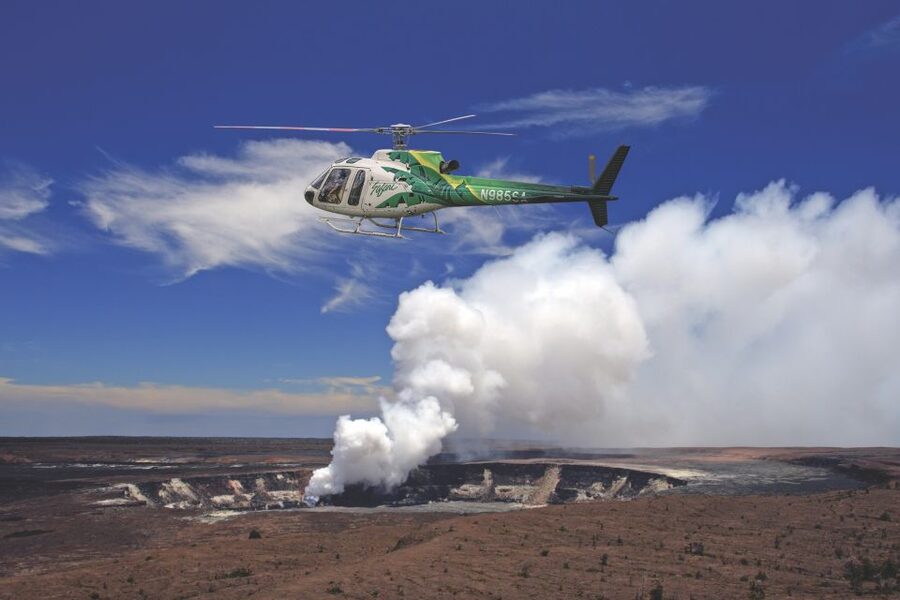
- Kilauea caldera views from above: you’ll look down on the crater area and see how active geology spreads out in layers.
- Pu‘u ‘Ō‘ō spotting: a clear aerial way to identify this volcanic cone and understand where it sits in the park.
- Mauna Kea + Mauna Loa in one flight: you don’t have to choose between them when time is tight.
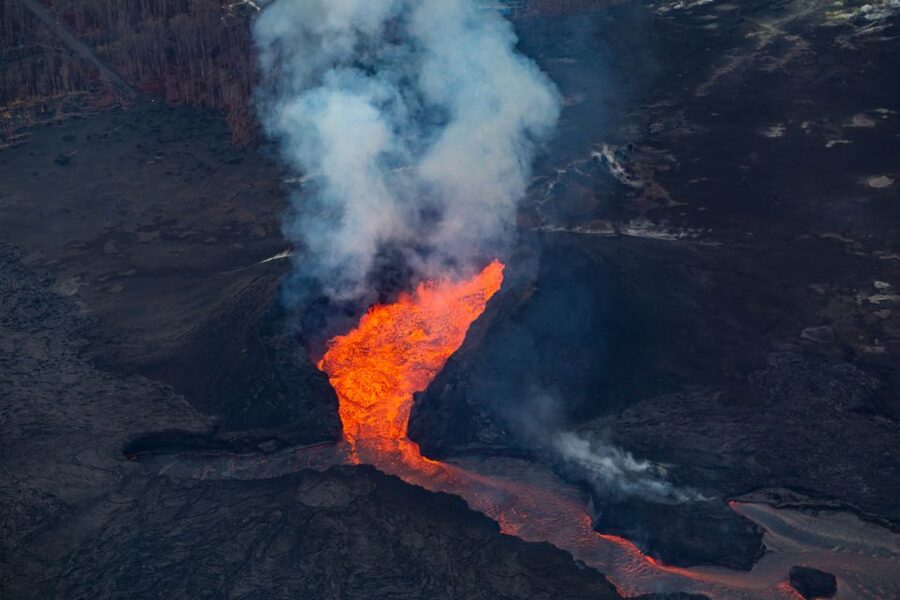
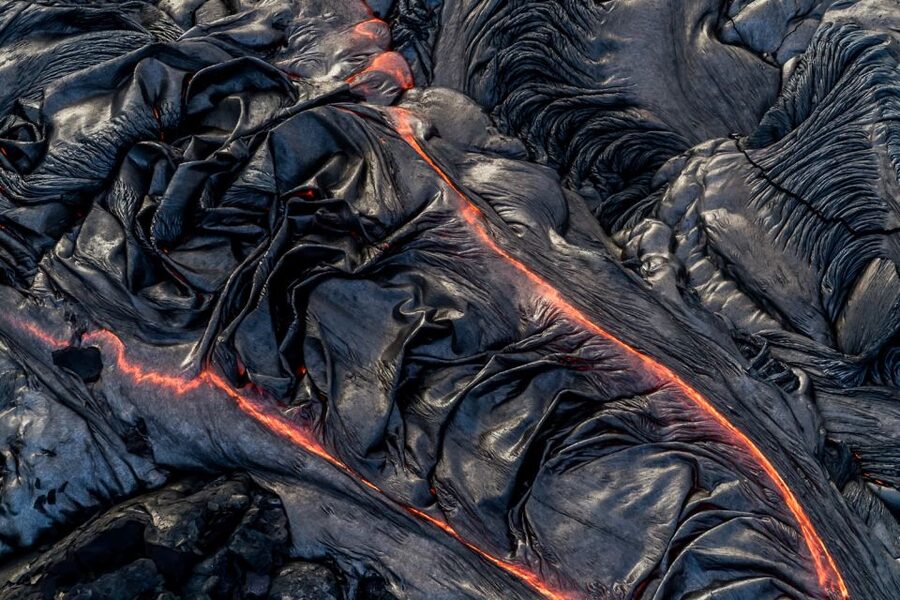
- Fresh vs. older lava fields: the route is designed to show change over time, not just one static view.
- Waterfalls and deep blue pools, weather permitting: you may see waterfalls dropping into jungle greenery, but it’s not guaranteed.
- Pilots can adjust for conditions: the flight may reroute if weather improves higher up, which can mean better sightlines and photos.
Why This Hilo Helicopter Flight Makes Volcanoes Click
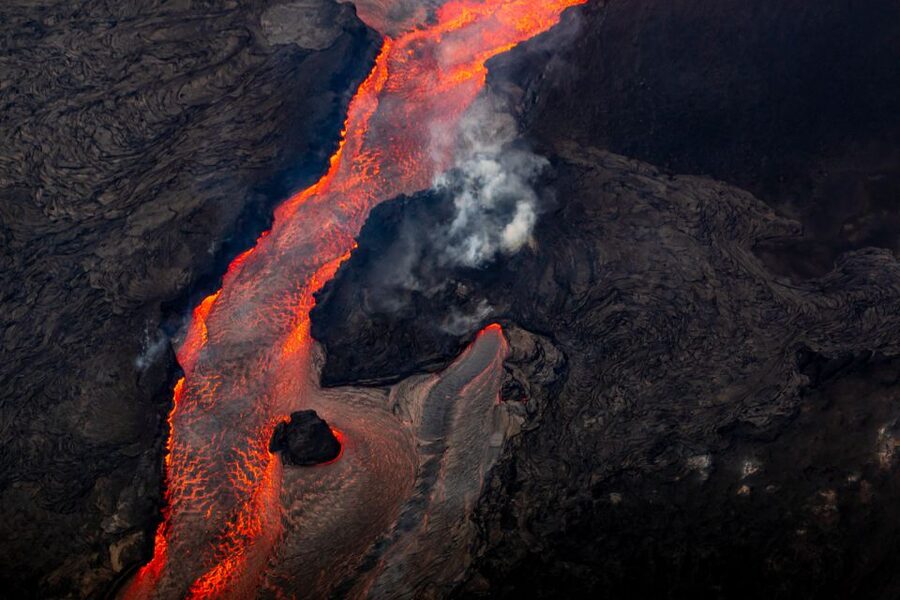
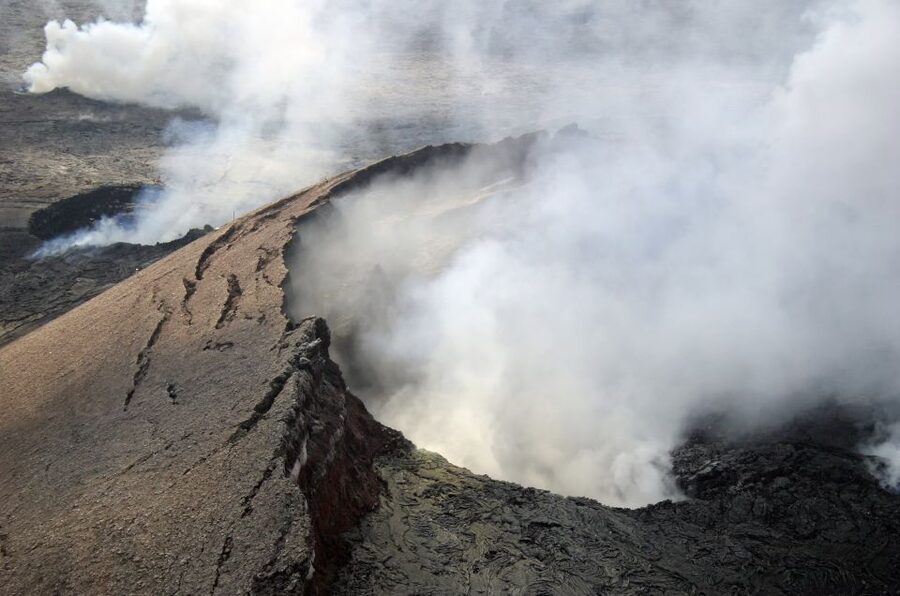
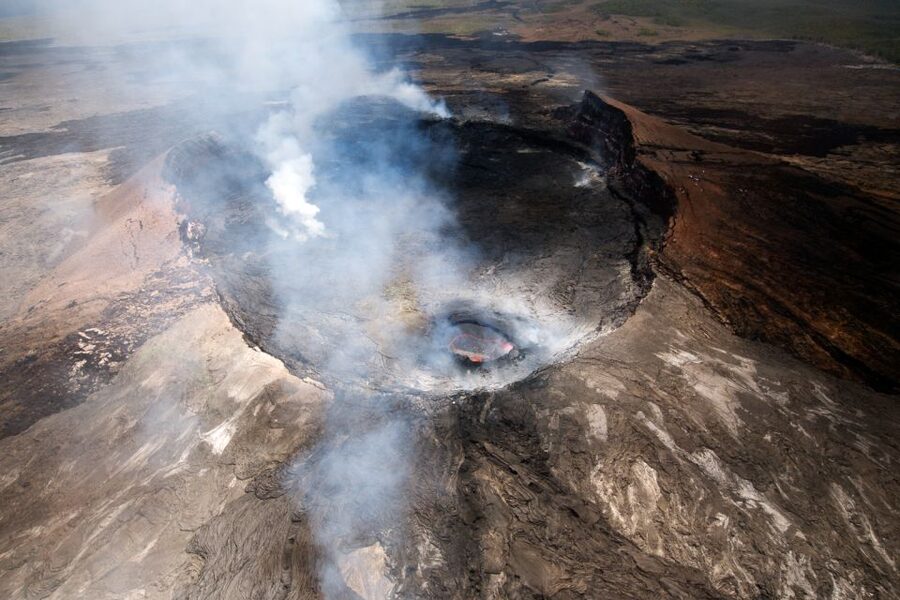
If you’ve ever looked at volcano photos and thought, I get it… but I don’t feel it, this flight does the opposite. From the air, the park stops being a set of trails and becomes a working system. You can see the shapes: crater bowls, lava paths, and the way forest grows where rock used to be bare.
Two things really help the experience land. First, you get the scale—Kilauea’s crater world looks enormous when you’re floating above it, not standing beside it. Second, you get the timeline. The flight is planned to show both older lava and new lava fields forming, so you get a sense of motion in the terrain.
The drawback is that you’re dealing with an outdoor, weather-driven product. If clouds or rain roll in, the pilot will still fly, but the specific angles and the waterfall portion can shift.
You can also read our reviews of more tours and experiences in Hilo.
Price, Time, and Group Size: Is $379 Worth It?
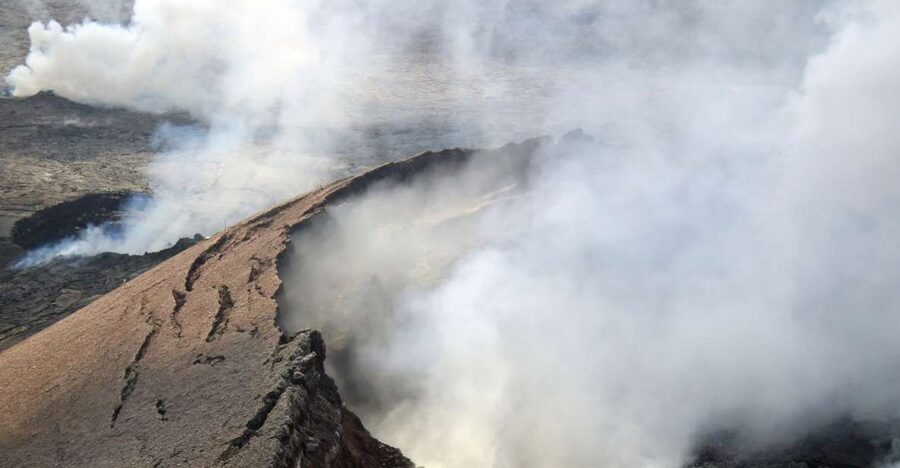
The price is $379 per person for a tour duration of about 1 hour (starting times depend on availability). That’s not cheap, but it’s also not a “buy a seat and hope for luck” situation. You’re paying for time in a helicopter over an area that’s hard to cover well by road in the same limited window.
You’ll also notice how the structure supports value:
- Small group of up to 6 participants means more attention and less chaos.
- A live English guide helps you connect what you’re seeing with what it means.
- The route is built around multiple iconic targets, including the Kilauea area, Pu‘u ‘Ō‘ō, and views toward Mauna Kea and Mauna Loa.
If you’re planning your Big Island trip around one high-impact “wow” activity, this can be a strong pick—especially if you want volcano context without spending an entire day driving and hiking.
Before You Go: Weight Limits, Health Limits, and What to Bring
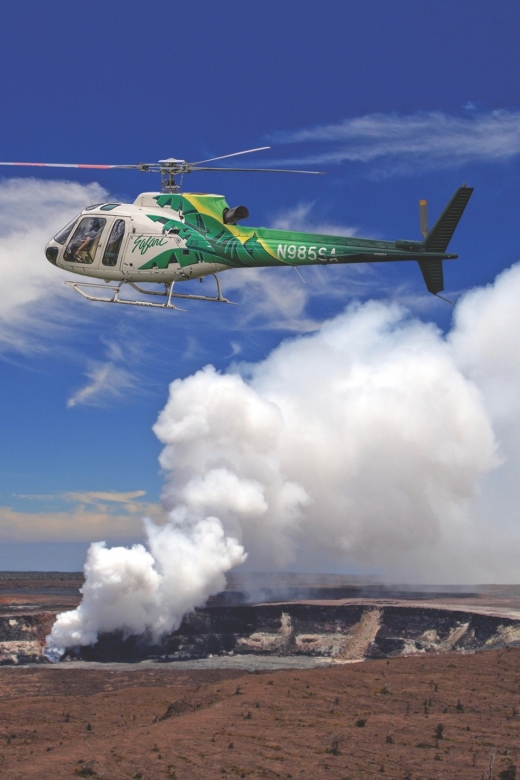
This is a safety-first ride, and the rules are clear. You should plan around them early so there are no surprises.
Bring:
- A passport or ID card
- A credit card (this is explicitly listed)
Know the key limits:
- Weight balance rules are strict. If you individually weigh 250 lbs (113 kg) or more, you’ll be required to purchase an additional seat.
- If two guests each weigh under 250 lbs but together weigh 420 lbs (190 kg) or more, you’ll also need an additional seat.
- Passengers who can’t sit upright won’t be permitted.
- It’s not suitable for children under 2 years, pregnant women, people with claustrophobia, fear of heights, vertigo, motion sickness, or for anyone with a cold.
Also, since it’s weather-dependent, I recommend you treat this as an outdoor flight: dress for air temps and be ready for conditions to shift during the day.
The Flight Path in Plain English: From Hilo to Kilauea, Then Beyond
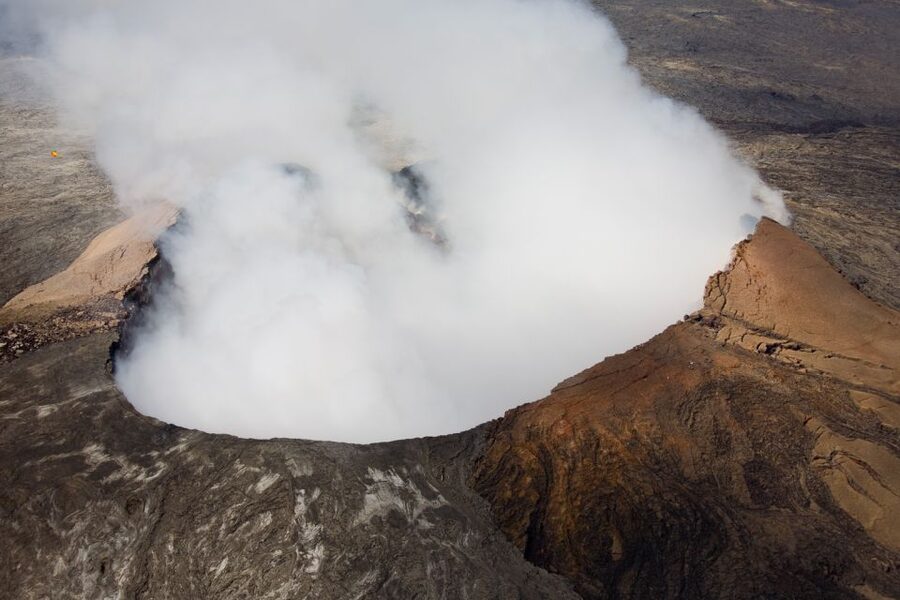
The tour starts at the Safari Helicopters office at 2220 Kekuanaoa St in Hilo. From there, you fly directly toward Volcano National Park.
The route is focused on giving you layered views:
- Start with the volcanic park area and Kilauea’s caldera
- Move toward key volcanic features like Pu‘u ‘Ō‘ō
- Continue for wide-angle views toward Mauna Kea and Mauna Loa
- Include visual stops over places shaped by lava and the way water feeds the forest—again, weather dependent
One extra detail I appreciate: the flight description includes black-sand coastlines where lava once flowed into the sea. Even if you don’t get every single angle, it’s the kind of context that makes the volcano story feel complete.
Stop-by-Stop: What You’ll See at Each Point
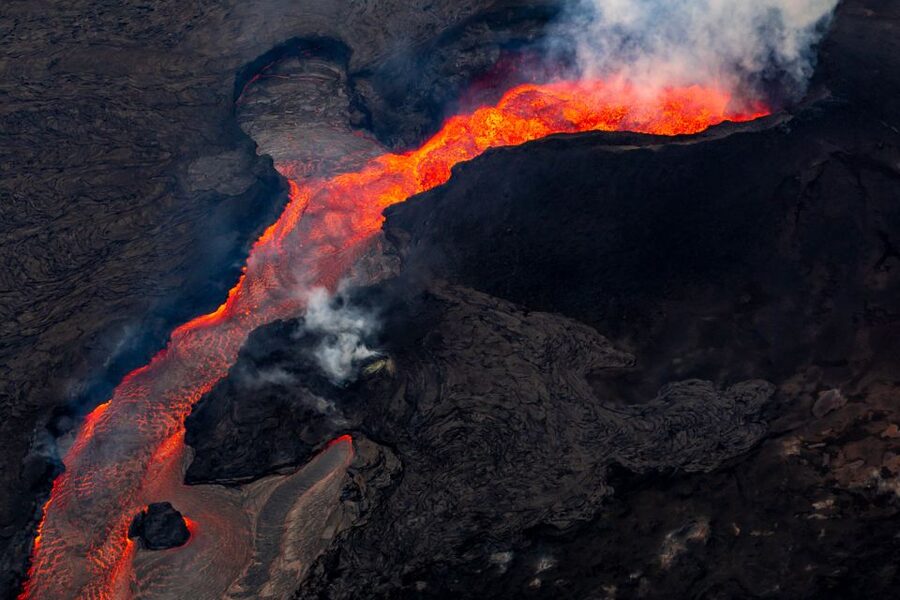
Below is what you can expect from each named stop. With helicopters, the exact look can change with clouds and visibility, but the order and the purpose are consistent.

Starting point: 2220 Kekuanaoa St (Safari Helicopters)
You’ll meet at the Safari Helicopters office. The key here is timing and comfort. You’ll want to arrive with enough buffer to check in smoothly and be ready for seating and safety instructions before lift-off.
Stop at Hawaii Volcanoes National Park
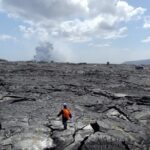
Once you’re over the park, the view shifts fast. This is where you start connecting the dots between:
- the crater and volcanic forms
- black-sand shoreline areas tied to past lava flow
- dense jungle where life has moved in around rough rock
This is also often the first moment you realize how much of the park you’d miss on the ground.
Kilauea (caldera area)
This is the headline stop for many people. From the air, you’re set up to look down into the caldera area and understand how the volcanic system is laid out. The aerial angle helps you see how steep and layered everything is, and why Kilauea is such a visual subject even before you know the science.
Pu‘u ‘Ō‘ō
Pu‘u ‘Ō‘ō is a volcanic cone you’ll get to admire from above. Aerial viewing is especially useful here because cone shape and positioning are hard to fully grasp when you’re just viewing from the road or a distant viewpoint.
Mauna Kea (distant big-mountain views)
Mauna Kea shows up as part of the wider “two giants” story. Even if you don’t get the closest, most detailed look, you’ll still gain valuable perspective on how these mountains sit in the same island system.
This stop is less about finding one exact feature and more about the overall geography and scale.
Mauna Loa (distant big-mountain views)
Mauna Loa is the other half of the view toward the great volcano mass. Seeing both Mauna Kea and Mauna Loa during the same flight is one of the most efficient ways to understand why people talk about the island’s volcanic character in the way they do.
Return to 2220 Kekuanaoa St
After the final views, you fly back to the meeting point. The total flight time stays around the 1-hour mark, with the overall experience designed to feel like a focused hit rather than a drawn-out travel day.
Weather Is the Captain: How Conditions Affect the Waterfalls
This tour is explicitly weather dependent. That matters most for the parts of the description tied to waterfalls and certain sightlines over the jungle.
Here’s how to think about it:
- If visibility is good, you’ll have a better chance at seeing waterfalls and the deep blue pools they feed.
- If clouds or rain limit what the pilot can safely show you, the flight can still be worthwhile, but some of the “wow detail” angles may be reduced.
I consider this a fair trade. The helicopter still gives you Kilauea and the major volcanic views, even when the weather doesn’t cooperate fully.
Pilots, Safety, and Getting the Best Views From Your Seat
Safety is part of the product here, not a side note. The operation has strict rules tied to weight balance, seating posture, and medical suitability, which keeps the flight from feeling casual.
You’ll also benefit from how pilots handle conditions. One passenger note highlighted that Sam adjusted the planned route when weather improved higher up, helping the group get better photos. Another mention praised Drew and the crew for making people feel safe throughout.
For your end of the deal, I’d focus on practical steps:
- Ask about seating priorities when you check in.
- Keep your phone secure but ready; you’ll likely want quick shots when you spot caldera features or cone shapes.
- If you’re prone to motion sensitivity, you should take the “not suitable” warnings seriously rather than guessing.
Who This Tour Fits Best (and Who Should Skip It)
This flight is a great match if you want:
- a short trip that still covers major volcano landmarks
- aerial understanding of Kilauea’s caldera and Pu‘u ‘Ō‘ō
- a high-impact way to see Mauna Kea and Mauna Loa without dedicating a full day to driving and hiking
It’s a poor fit if you have any of the listed concerns: fear of heights, vertigo, claustrophobia, motion sickness, or if you’re currently dealing with a cold. It’s also not recommended for pregnant women, and there are firm restrictions around children under 2.
And if weight limits are relevant, check them early. The additional seat rules aren’t there to be annoying—they’re there because helicopters are all about balance.
Should You Book This Hilo Volcano Helicopter Tour?
Here’s the decision shortcut I’d use:
Book it if you want one-hour access to the most dramatic parts of the park story—Kilauea caldera, Pu‘u ‘Ō‘ō, and big-picture views toward Mauna Kea and Mauna Loa—without turning your day into a long drive-and-hike plan.
Skip it if weather uncertainty would stress you out, or if any of the medical/safety limits apply to you. Also, if you’re expecting guaranteed waterfalls no matter what, adjust expectations because the tour is weather dependent.
If you’re a “see it from above” person and you’re traveling with the right health constraints, this is one of the best ways to turn volcano fascination into real visual understanding fast.
FAQ
How long is the helicopter tour from Hilo?
The duration is about 1 hour. Starting times depend on availability.
Where do I meet for the flight?
You meet at the Safari Helicopters office at 2220 Kekuanaoa St in Hilo.
What stops are included during the flight?
The route includes Hawaii Volcanoes National Park with stops/points for Kilauea, Pu‘u ‘Ō‘ō, Mauna Kea, and Mauna Loa, then you return to 2220 Kekuanaoa St.
Is the tour suitable for children?
It’s not suitable for children under 2 years.
What are the weight requirements?
If you individually weigh 250 lbs (113 kg) or more, you must purchase an additional seat. If two guests together weigh 420 lbs (190 kg) or more, even if each is under 250 lbs, they also must purchase an additional seat. Passengers who can’t sit upright will not be permitted.
What should I bring?
Bring a passport or ID card and a credit card. You should also be prepared for weather since site specifics are weather dependent.