REVIEW · MARIA ISLAND
Hobart: Maria Island National Park Active Full-Day Tour
Book on GetYourGuide →Operated by Tours Tasmania · Bookable on GetYourGuide
Maria Island has a way of quieting your brain. From Hobart you get history at Darlington and wildlife on the island, all with guided walks and an easy-to-follow plan. The only real catch is the day is outdoors and active: expect around 10km of walking over uneven ground, plus an early start.
What I like most is how the itinerary mixes big-ticket sights without feeling frantic: the convict buildings, then the Painted Cliffs, then the Fossil Cliffs. I also like the small-group feel that many people flag as part of the fun, with guides such as Heather, Hannah, and Ben shaping the day around what you’re seeing. If you want a slow, sit-on-the-beach-only day, this isn’t that tour.
In This Review
- Key Points I’d Prioritize Before You Go
- Getting to Maria Island: Hobart Pickup, Ferry Time, and the First Quiet Moment
- Darlington Convict Settlement: UNESCO Buildings You Can Actually Walk Through
- Painted Cliffs 4.5km Walk: Sandstone Colors Up Close Without a Hard Grind
- Fossil Cliffs Circuit: 300 Million Years of Rock on the Western Side
- Wildlife on Maria Island: Wombats, Wallabies, Devils, and How to Spot Them Respectfully
- Time on the Island: How the Day Flows From Darlington to Cliffs to Beach Breaks
- Price and Value: Is $152 Worth It for 10 Hours on Maria Island?
- What to Bring (and What to Leave Behind) for a Comfortable Day
- Who This Tour Fits Best (and Who Should Skip It)
- Should You Book This Maria Island Active Full-Day Tour?
- FAQ
- How long is the Hobart to Maria Island tour?
- Where do I meet in Hobart?
- What time does the tour depart in summer and winter?
- How much walking is involved?
- Are meals included?
- Are return ferry tickets included?
- Is this tour suitable for kids or wheelchair users?
Key Points I’d Prioritize Before You Go
- Ferry + early start: you’ll get full daylight for the walking program and a calm start on the island
- Darlington convict settlement (UNESCO): best-preserved probational convict camp feel, with guided interpretation
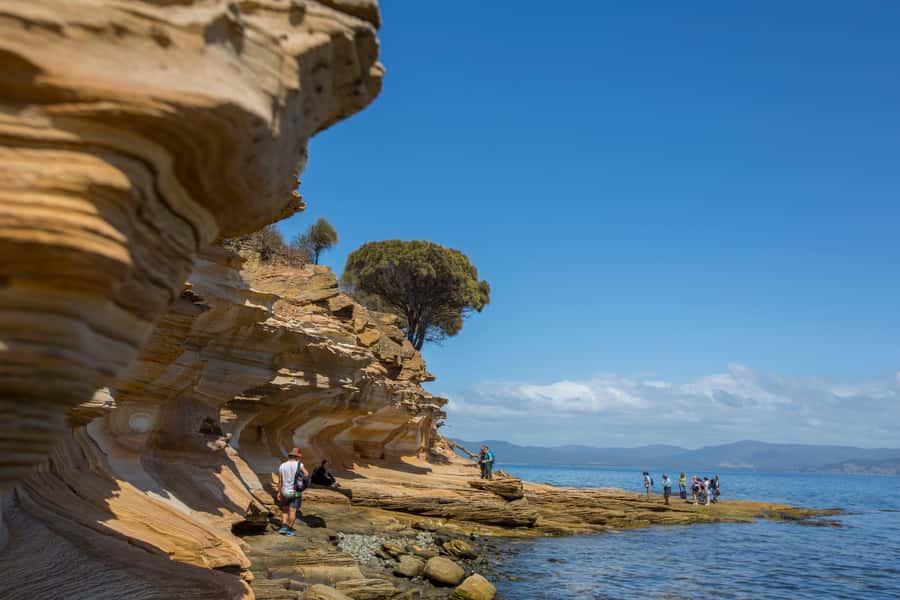
- Painted Cliffs walk (4.5km round trip): gentle route to see surreal sandstone formations up close
- Fossil Cliffs circuit (4.5km): western-side views with exposed rock and 300-million-year-old fossils
- Wildlife spotting is a real part of the day: wombats, wallabies, Cape Barren Geese, Tasmanian Devils, plus more
- Pack for weather: the tour runs in both summer and winter, so layers matter
Getting to Maria Island: Hobart Pickup, Ferry Time, and the First Quiet Moment
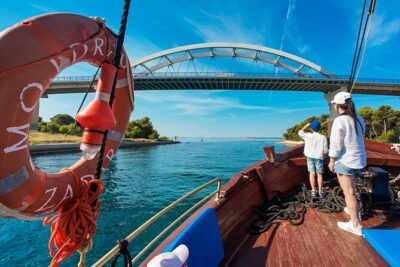
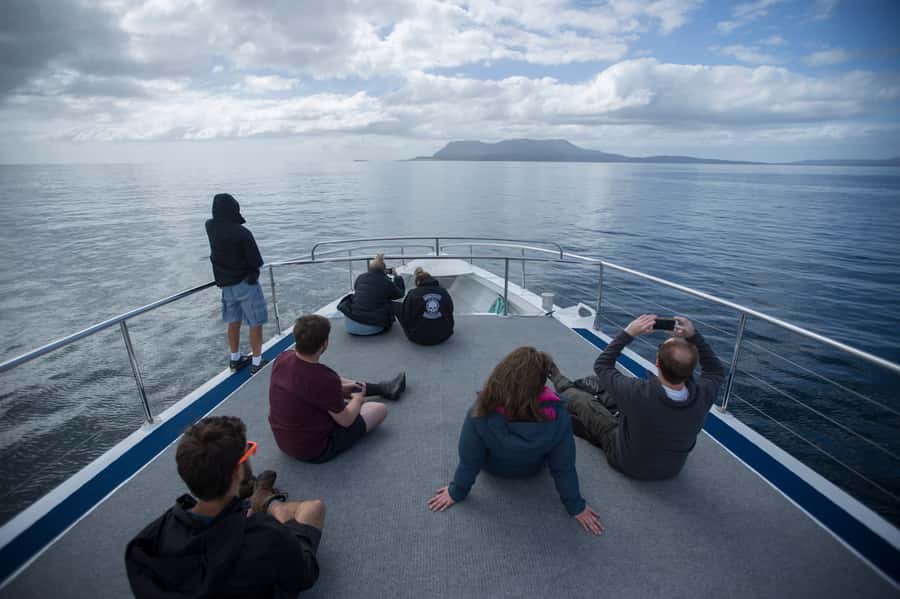
The day starts in Hobart at the Tasmanian Travel & Information Centre, 20 Davey Street. In summer (01 Oct–30 Apr) you meet at 6:40am and leave at 6:45am; in winter (01 May–30 Sep) it’s 7:55am to meet and 8:00am to depart. You’ll have roughly an hour by bus/coach, then the ferry crossing takes about 30 minutes.
Once you step off the boat, the vibe changes fast. There are no vehicles on Maria Island, so you get that rare feeling of space: quiet air, open sky, and the sense that the island runs on its own rhythm. Add in the island’s wildlife roaming around and you’ll understand why people talk about this as an “otherworldly” day.
Practical note: you’ll want to be early at pickup—late arrivals can’t be waited for because the ferry timing drives the schedule. And if you’re coming by car, know there’s no parking at the general meet point, so plan that part before you roll into Hobart.
Darlington Convict Settlement: UNESCO Buildings You Can Actually Walk Through

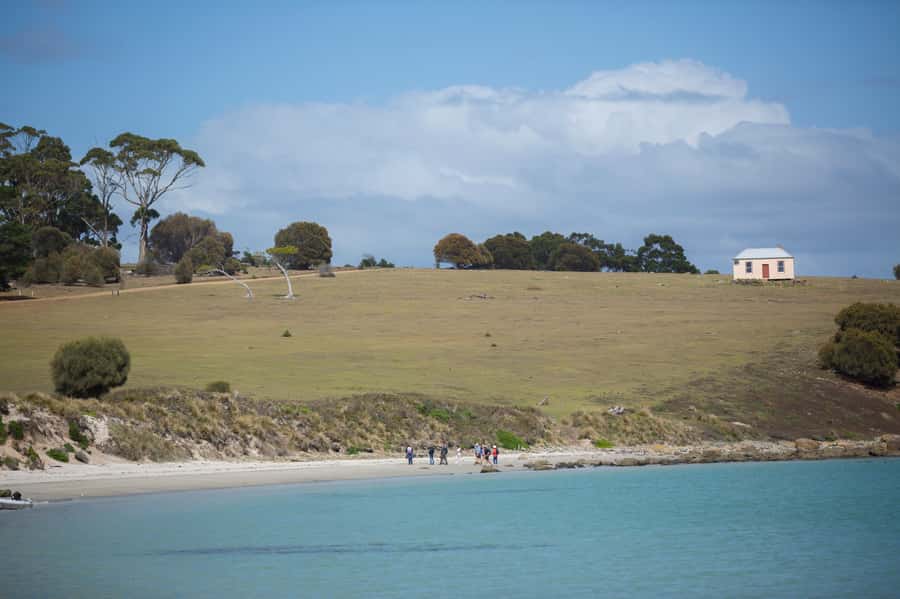
Darlington is the anchor for the island’s human story. This UNESCO World Heritage convict site is a probational convict camp, and it’s preserved in a way that makes the past feel tangible, not just like dates on a sign.
On your guided time in Darlington, you’ll be walking through the settlement area with interpretation that connects daily life on the island to the larger convict system. Guides in past departures have leaned into storytelling while also pointing out how the site fits the island’s setting—so it feels like you’re learning why this place mattered, not just where it is.
Two things to look for here:
- How the buildings and remnants are laid out—it helps the whole “camp” idea click.
- Your guide’s pacing—when the group moves at a steady rhythm, you get time to read what you’re seeing instead of rushing past it.
If you love history but still want an active outdoors day, Darlington is the sweet spot: enough structure to make it meaningful, not enough to feel like you’re on a museum tour.
Painted Cliffs 4.5km Walk: Sandstone Colors Up Close Without a Hard Grind
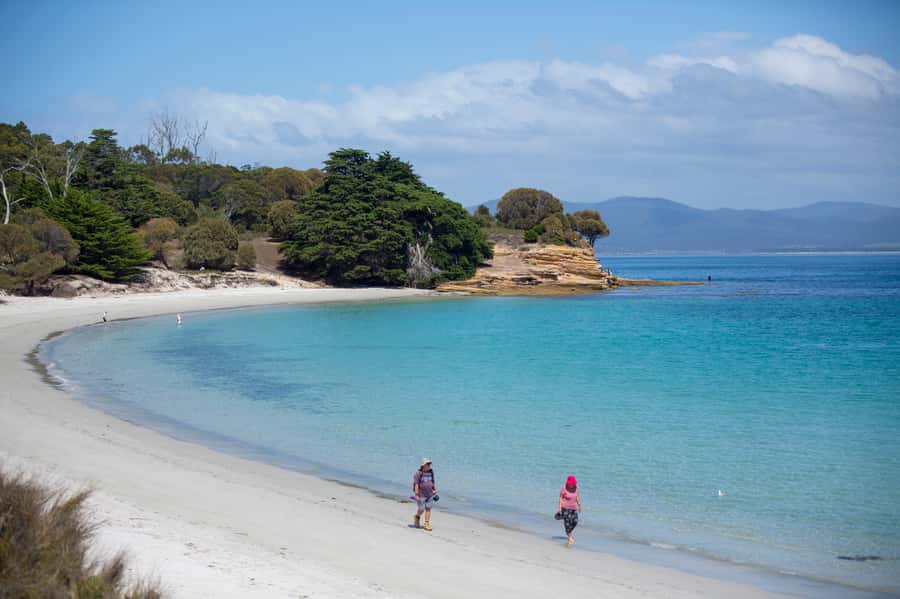
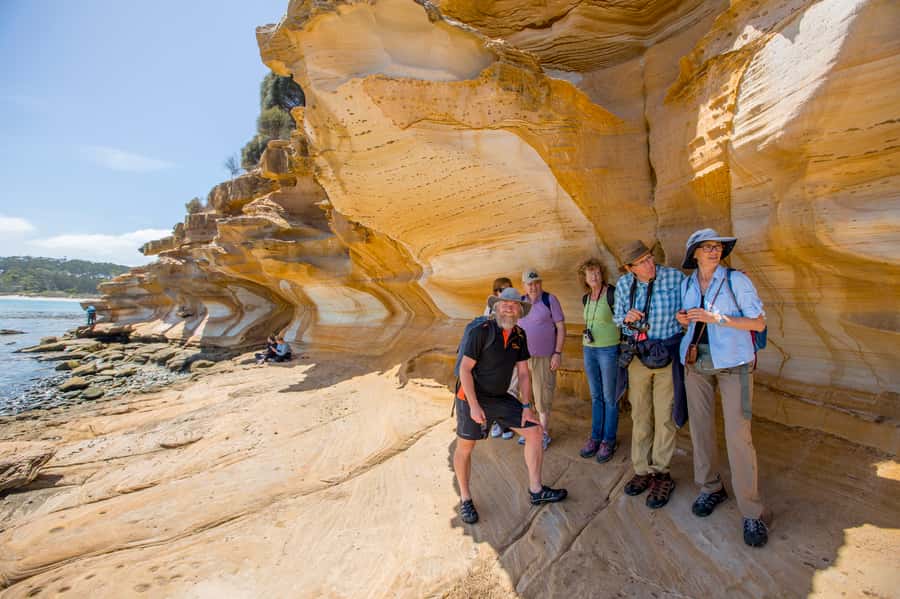
The Painted Cliffs walk is listed as an easy 4.5km round trip, which matters because it keeps the day moving while still letting you stop and look. This is the part where you’ll get close to surreal, colourful sandstone formations—the kind of rock shapes that make you question whether they were carved or somehow painted.
The best way to enjoy this walk is to slow down in the small moments. Use short pauses at viewpoints, and if you pass rockpools or calmer sections near the coast, take a few minutes there too—those little details are where the island stops feeling like a checklist.
What you’ll likely feel on this section:
- Your breathing stays steady, since it’s not pitched as a steep hike.
- Your eyes stay busy because the rock itself is the show.
- Wildlife spotting becomes a side quest, not a distraction.
Weather matters here. If it’s breezy or damp, bring a jacket and plan for some wind exposure on the cliffs. The walk is manageable, but conditions can change how it feels hour-to-hour.
Fossil Cliffs Circuit: 300 Million Years of Rock on the Western Side
After Painted Cliffs, you’ll head into the Fossil Cliffs experience. This second walk is another easy 4.5km circuit, but the scenery is different in a good way: western-side hills and cliff edges where the geology takes center stage.
The big payoff is the fossils. You’ll traverse windswept terrain while exposed rock shows evidence of 300-million-year-old history. Even if you’re not a geology person, a good guide can turn this into something you can picture—how to read what you’re seeing, and why those rocks are here at all.
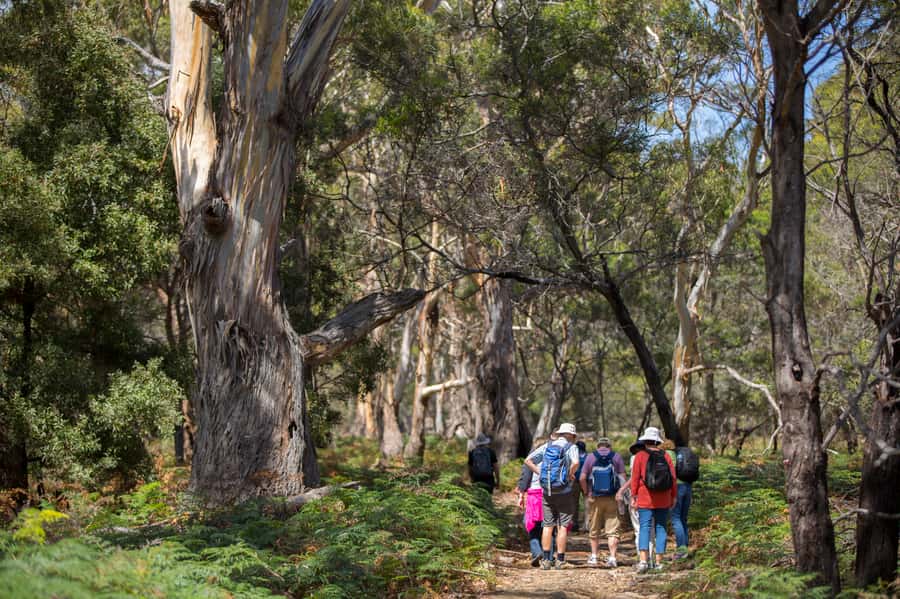
A practical tip: this is where closed-toe shoes really earn their place. The circuit is on varied, unpaved ground, and the “easy” label still means you should focus on footing. If you’re prone to getting tired on uneven trails, treat this as your “pace-control” time: steady steps, frequent pauses, and don’t sprint between photo stops.
Also, keep an eye on the coastline views. You’ll likely get moments where the cliffs frame the sea, which is exactly when people pull out phones and start sharing the good spots.
Wildlife on Maria Island: Wombats, Wallabies, Devils, and How to Spot Them Respectfully
Maria Island’s wildlife is the headline, and the tour is structured so you don’t miss it. From the moment you arrive, you can encounter wombats, wallabies, Cape Barren Geese, and Tasmanian Devils that roam across the island. Depending on conditions and timing, you may also see kangaroos, pademelons, possums, and bandicoots.
In guides you might encounter, you’ll often see a pattern: they’ll scan with purpose, then tell you where to look without pushing you into a crowd. Guides such as Heather and Ben have specifically leaned into wildlife spotting while also encouraging respect for the environment—that means give animals space, move slowly, and avoid trying to “make” an encounter happen.
Here’s how I’d maximize your chances without stressing out the island:
- Stop for a minute before you change direction. Wildlife often moves when you do.
- Look low. Many people focus on treetops and overlook ground-level activity.
- Pause at rockpools and in quieter bush edges. Small creatures and seabirds show up there.
And yes—wombats are a frequent highlight. Some days it’s one or two sightings; other days it’s more. Either way, the best mindset is to treat each encounter as bonus, not a demand.
Time on the Island: How the Day Flows From Darlington to Cliffs to Beach Breaks
The tour is built around a full-day rhythm: bus/coach to the ferry, ferry to the island, then a steady sequence of guided stops and walks. You’ll return to Hobart around 5:00pm, so plan on a long, packed day even if the walking sections feel “easy” on paper.
The best part of this pacing is that you don’t just move from point A to point B. You’ll also get space to:
- relax on the beach
- play around rockpools
- take photos of the coastline and cliff formations
That said, don’t expect this to be a leisurely “linger forever” plan. If the group is slower on the trail, you may feel like the day is tight once you factor in transport back to the ferry and Hobart. I’d treat lunch and downtime as something you manage efficiently rather than something that will stretch into extra hours.
A smart move: bring the food you want, because meals and drinks are not included. If you show up with a plan—lunch, water, and a light snack—you’ll feel in control when the day gets busy.
Price and Value: Is $152 Worth It for 10 Hours on Maria Island?
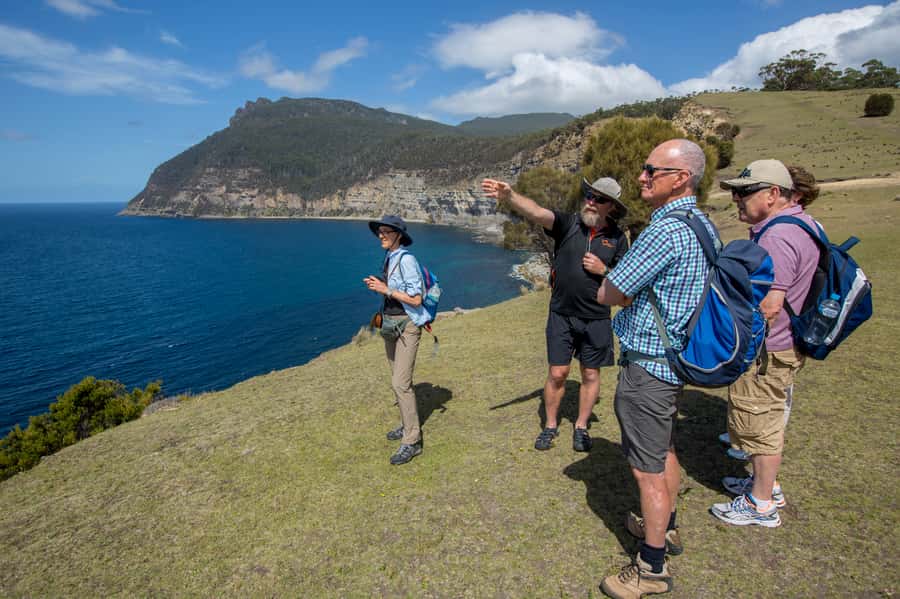
At $152 per person for a 10-hour full-day experience, value comes from what’s bundled, not just the sightseeing. The price includes the national park fee and return ferry tickets, plus a small-group experience, an expert English-speaking guide, and the guided walks with interpretation.
That matters because Maria Island isn’t a casual add-on. You’re paying for the whole system: getting out there, getting your transport timed to the ferry, then having a guide translate the island’s convict and geological stories while you’re walking. With wildlife sightings as part of the deal, the guide’s ability to spot and explain can genuinely change how satisfying the day feels.
Where it can feel less “good value” is if you’re hoping for a relaxed day with minimal walking. The tour is active, around 10km of walking across varied, unpaved terrain. If you’re only after a viewpoint and a beach stroll, a different style of tour might fit better.
My practical take: if you can handle an early start and you like being outside, this price makes sense because you’re buying time with a guide plus the logistics to reach a remote national park in one clean package.
What to Bring (and What to Leave Behind) for a Comfortable Day
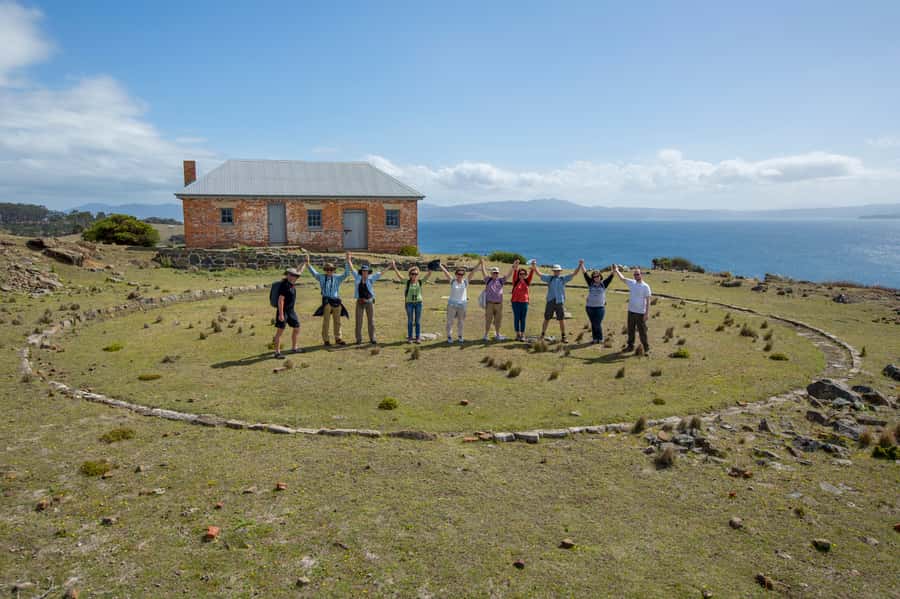
This tour is outdoors all day. The essentials are pretty clear, and I’d follow them closely:
- comfortable shoes (closed-toe for uneven, unpaved ground)
- hat and sunscreen
- water in a reusable bottle
- a jacket and weather-appropriate layers
- food and drinks since meals aren’t included
- a daypack
You should also think about how you’ll carry things on the walk. A daypack is recommended, and luggage or large bags aren’t allowed. If you’re traveling in Tasmania with a lot of gear, plan your packing so you can travel light for the island ferry and the trails.
One more detail: the day includes beach time and rockpool chances, so bring the right clothing for getting a bit damp or windy. If you tend to run cold, treat this as a “layers first” day, not a “feel it out” day.
Who This Tour Fits Best (and Who Should Skip It)
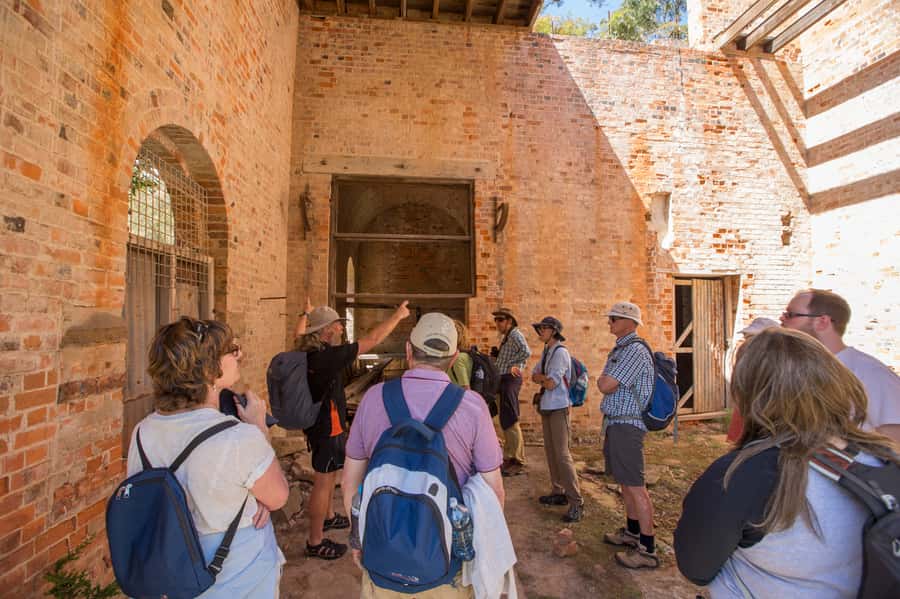
This is a great fit if you want:
- active nature time with guided interpretation
- convict history that you can walk through
- geology that’s explained while you’re standing in the right place
- frequent wildlife spotting opportunities
It’s also ideal if you like small-group days. Past departures have included group sizes as small as six, which makes the guide’s attention feel more personal and helps the pace stay comfortable for most people.
Who should consider skipping:
- children under 8 years (minimum age is 8)
- people with mobility impairments
- wheelchair users
Even though some walks are labeled easy, the terrain is still varied and unpaved. If your mobility is limited, you could end up stressed rather than enjoying it.
Should You Book This Maria Island Active Full-Day Tour?
Book it if you’re planning a Tasmania trip and you want one day that hits big themes: wildlife, convict history at Darlington, and real geology at the Painted and Fossil Cliffs. The guided walks and small-group format are the backbone of the experience, and the included ferry + park access keeps the day simple once you’re in Hobart.
Don’t book it if you want a low-effort day. This is outdoors all day with about 10km of walking across unpaved terrain and an early departure. If that sounds like your kind of challenge, you’ll probably come away with photos, stories, and at least one moment where you stop walking just to watch the island do its thing.
FAQ
How long is the Hobart to Maria Island tour?
The tour runs for about 10 hours and returns to Hobart around 5pm.
Where do I meet in Hobart?
You meet at the Tasmanian Travel & Information Centre, 20 Davey Street, Hobart.
What time does the tour depart in summer and winter?
In summer (01 Oct–30 Apr) you meet at 6:40am and depart at 6:45am. In winter (01 May–30 Sep) you meet at 7:55am and depart at 8:00am.
How much walking is involved?
It’s an active day with approximately 10km of walking across varied, unpaved terrain.
Are meals included?
No. Meals and drinks are not included, so you’ll want to bring your own food and water.
Are return ferry tickets included?
Yes. Return ferry tickets are included.
Is this tour suitable for kids or wheelchair users?
The minimum age is 8 years. It is not suitable for wheelchair users or people with mobility impairments.