REVIEW · DARWIN
From Darwin: Kakadu National Park Full Day Tour
Book on GetYourGuide →Operated by Wildlife Tours Australia · Bookable on GetYourGuide
Kakadu hits you fast, even on day one. This Darwin tour pairs an air-conditioned minibus with Ubirr Rock Art at Kakadu National Park, a World Heritage Aboriginal site, plus wildlife-watching stops across the wetlands.
I also like how the ride is turned into a learning day, with guides such as Leigh, Boogey, Tim, and Daryl sharing stories that make the place feel lived-in, not lecture-y. One possible drawback: it’s still a 12-hour day, and the smaller vehicle can feel snug for taller folks, with any pickup slippage or extra toilet breaks cutting into Kakadu time.
In This Review
- Key highlights
- How a full-day minibus tour works in Kakadu
- Meeting point to first stop: what your morning sets up
- Fogg Dam Conservation Centre: wetlands wildlife and Limilngan-Wulna care
- Ubirr Rock Art: seeing Aboriginal storytelling in World Heritage form
- Cahills Crossing: croc country and the view that makes it worth the drive
- Jumping Croc Cruise on the Adelaide River: the closer look option
- Comfort, group pace, and guide delivery in the minibus
- Price and value: what $155 really buys you
- What to bring (and what to skip) for a hot, long day
- Who this tour suits best (and who should rethink it)
- Should you book the Darwin to Kakadu full-day tour?
- FAQ
- How long is the Kakadu National Park full-day tour from Darwin?
- Where do I meet for the tour in Darwin?
- What is the price per person?
- What’s included in the tour price?
- Is a park pass required for Fogg Dam Wetlands?
- What do we actually see during the day?
- Is the Jumping Croc Cruise included?
- What language is the guide tour in?
- What should I bring?
- Is the tour suitable for children and wheelchair users?
Key highlights
- Ubirr Aboriginal rock art with time to look closely and take photos
- Fogg Dam Conservation Centre on Limilngan-Wulna lands, built for spotting wildlife like birds and turtles
- Cahills Crossing crocodile viewing at a natural croc-watching hotspot
- Optional Jumping Croc Cruise on the Adelaide River for a closer look at saltwater crocs
- Outback driver-guide commentary that connects plants, animals, and ancient culture
- Included Kakadu Park pass entry for the main sites on the tour
How a full-day minibus tour works in Kakadu
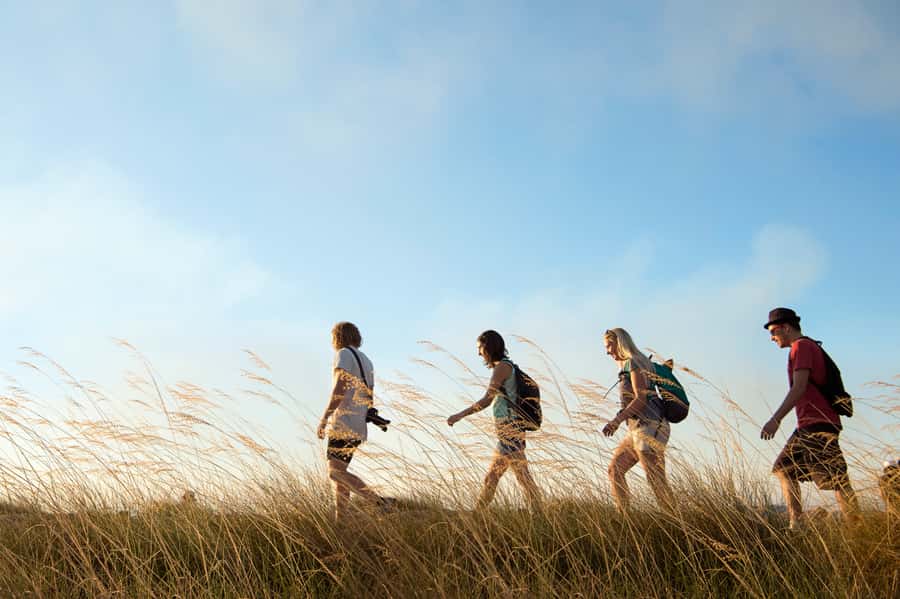
This is a long-haul day trip by air-conditioned minibus from Darwin, usually running in the morning and returning late. The tradeoff is simple: you’ll cover big distances without needing to drive yourself, but you’re committing to 12 hours of heat, roads, and stops.
The tour is designed around getting you to 3–4 major sites and lookouts inside Kakadu National Park, which is huge. That matters because Kakadu is not a place you “speed through.” You need a plan that prioritizes a few unforgettable stops rather than trying to cram in everything.
Price-wise, it’s $155 per person, and that includes Kakadu Park pass entry fees and the guide-led sightseeing with transfers to and from Darwin City. Food isn’t included, so if you want a comfortable day, you should budget for drinks and snacks along the way.
You can also read our reviews of more tours and experiences in Darwin.
Meeting point to first stop: what your morning sets up
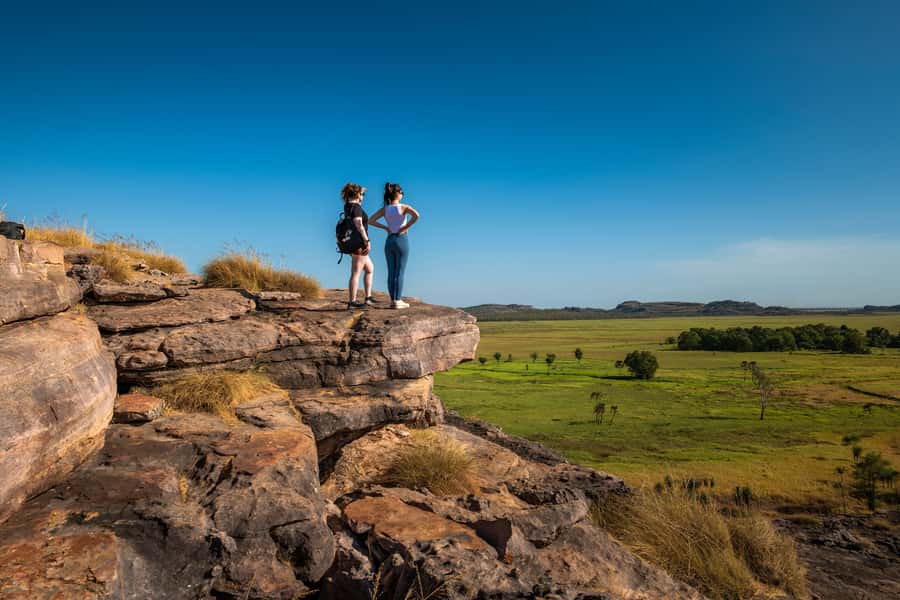
You meet outside the front of THE LEEA DARWIN, 64 Cavenagh St, Darwin City, and you should arrive 10 minutes early. I’d treat that as non-negotiable. When a tour group is on a tight schedule, being even a bit late can create delays, and the whole day is already long.
From there, you head to the first major stop: Fogg Dam Conservation Centre. This is where the tour’s “Top End wildlife” theme starts, and it’s also a smart warm-up because you’re in a wetlands environment rather than straight into rock art. It helps your brain shift from coastal Darwin vibes into Kakadu’s wet-season rhythms.
A practical tip: this kind of day runs on being ready. Wear closed-toe shoes, bring insect repellent, and plan your water like a marathon runner. You don’t want to spend your best hours thinking about thirst or sunscreen.
Fogg Dam Conservation Centre: wetlands wildlife and Limilngan-Wulna care
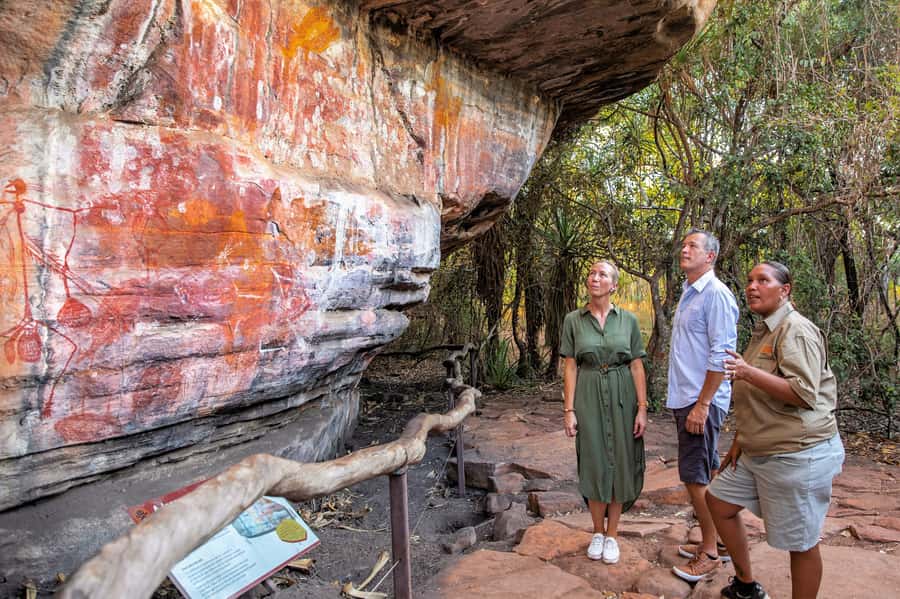
Fogg Dam Conservation Centre is the first stop, and it’s set on traditional lands of the Limilngan-Wulna people, who are active in reserve management. That adds an important layer: you’re not just “visiting nature,” you’re visiting country that has ongoing cultural responsibilities.
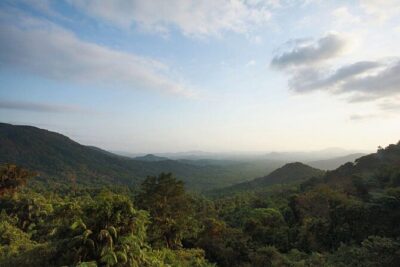
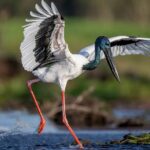
This area is well known for wildlife, and the tour is built to help you notice it. Expect to keep an eye out for birds, turtles, water pythons, and crocodiles—especially the iconic saltwater crocodile that this region is famous for.
Why I like starting here: wetlands are where Kakadu’s animal life becomes visible fast. Even if you don’t spot everything, the environment itself teaches you what you’re seeing. And if you do spot a crocodile nearby (there are plenty of chances on this route), you’ll understand what to watch for before you reach the more famous crossings.
One consideration: this is a stop-and-look type of day. If you’re the type who gets restless, plan for short bursts of walking and lots of waiting for wildlife moments.
Ubirr Rock Art: seeing Aboriginal storytelling in World Heritage form
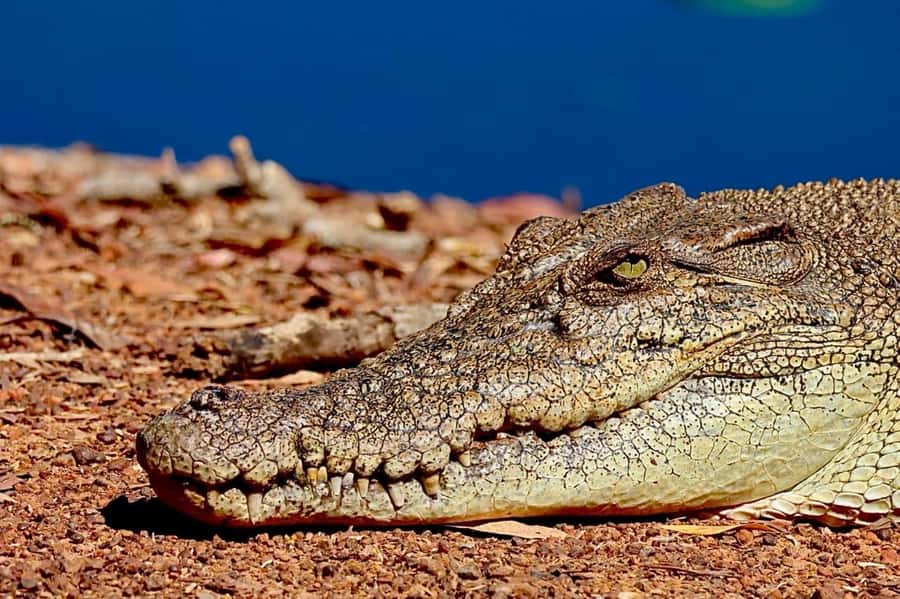
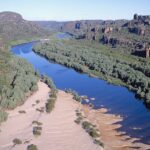
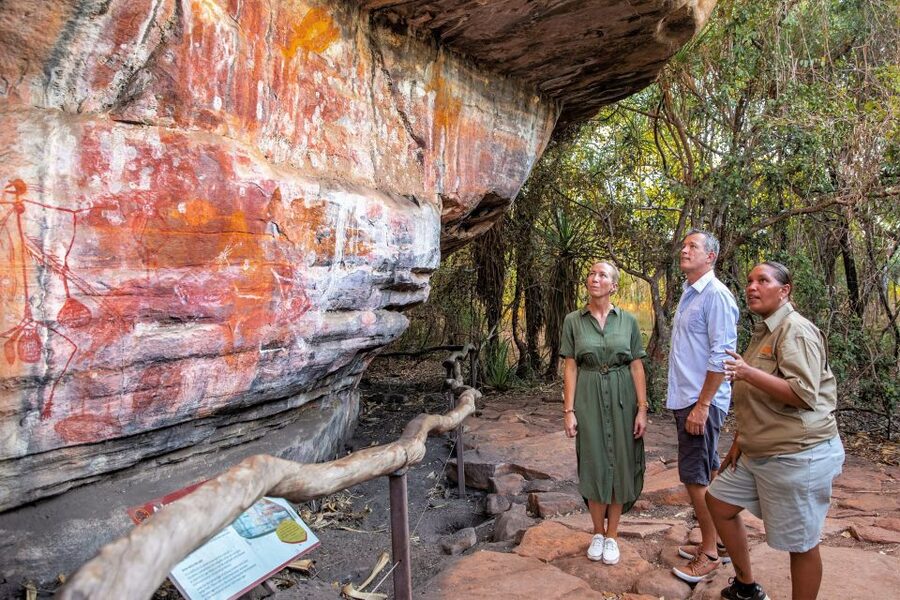
The heart of most Kakadu days is Ubirr. This tour includes Aboriginal Ubirr Rock Art, and it’s a World Heritage Listed site. The experience isn’t just about photos—it’s about learning how the art relates to the place, the animals, and the people connected to the land.
What makes this stop valuable is the way the guide frames it. You get stories about how the paintings formed, their history, animals seen in the region, and the ancient inhabitants tied to the rock art tradition. Guides such as Leigh and Tim were singled out in the past for turning the information into something you can actually hold in your head—not just facts tossed out over the microphone.
The tour also gives you time at each site after arrival, so you’re not glued to the back of the group. Use that time to look slowly. Rock art rewards patience. If you zoom too fast or rush through, you’ll miss layers of detail.
Photo tip: bring your hat and sunglasses, but don’t treat Ubirr like a quick viewpoint. The best photos often come from standing back, letting your eyes adjust, and then moving closer for the clearer sections.
Cahills Crossing: croc country and the view that makes it worth the drive
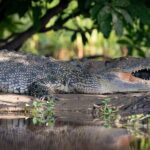
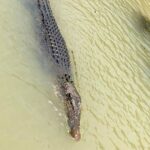
Cahills Crossing is another major highlight, and it’s where the tour focuses on saltwater crocodiles. The idea here is simple: you’re in the right spot, at the right kind of terrain, where crocs often show themselves as they warm up or move through the shallows.
The tour doesn’t treat this like a theme park. You’re watching wildlife in its natural behavior window, and the guide adds context so you understand what you’re seeing.
How to get the most out of it:
- Arrive ready to stand and watch quietly for a bit
- Keep your eyes on the waterline and edges, not just the open water
- Use the time for photos, but don’t let the camera replace attention
A small drawback to expect: time at each stop can feel limited, especially when something else on the schedule needs attention. Some people have felt that the Cahills Crossing stop could have been longer. If it’s your main reason for booking, you might want to choose days when the tour’s timing feels most reliable, and accept that group logistics can compress viewing time.
Jumping Croc Cruise on the Adelaide River: the closer look option
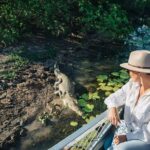
There’s an optional Jumping Croc Cruise on the Adelaide River. If you choose it, you’re likely going to get a more intimate look at the saltwater crocodiles than you would from shore-based viewing.
This is the “bonus” add-on that can turn the day from good to unforgettable. The Adelaide River cruise format is built around getting you into croc country at close range, while still keeping it guided and structured.
Even if you don’t do the cruise, the rest of the day is still packed with wildlife and culture. But if crocodiles are your top interest, it’s worth planning your day around the option and bringing the energy for it.
Comfort, group pace, and guide delivery in the minibus
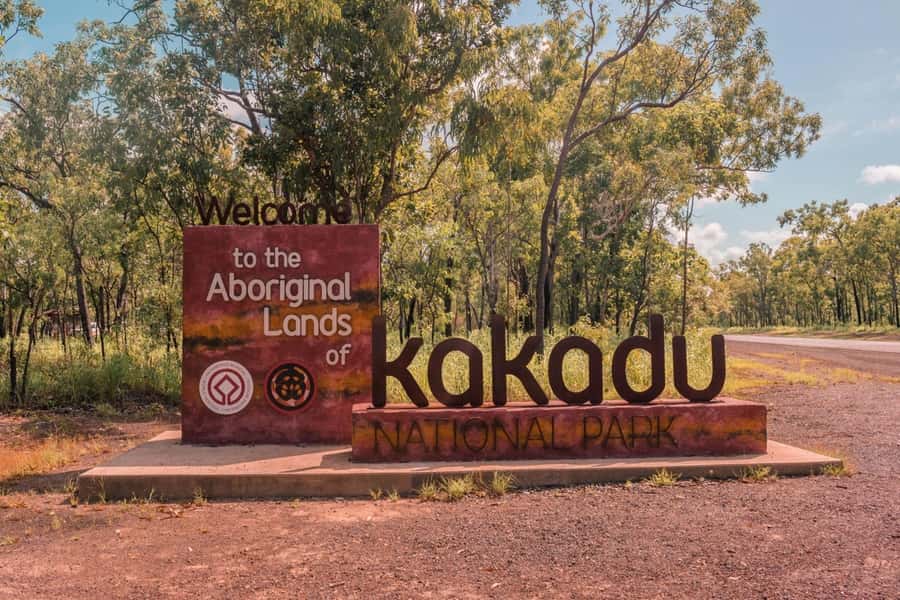
The tour is by minibus, and that explains a lot about the day. The air-conditioned vehicle helps, but the seating can be tight—especially for taller riders. Some past riders have described cramped legroom and seats at capacity.
This is one of those situations where your comfort choices matter:
- Bring breathable clothing
- Wear shoes you can stand in for short periods
- Keep your daypack light, because there’s limited space in the vehicle
Guide quality shows up as a theme in the feedback. People praised guides like Boogey, Daryl, Alex, Darrell, Becca, Becs, Andrea, and Danni for balancing safety, driving, and storytelling. You can expect explanations about the art, animals, and the wider region as you move between stops.
Microphone volume came up once as a mild issue—harder for non-English speakers to hear. So if audio clarity is important to you, sit where you can hear well and don’t assume it’s always perfect.
Price and value: what $155 really buys you
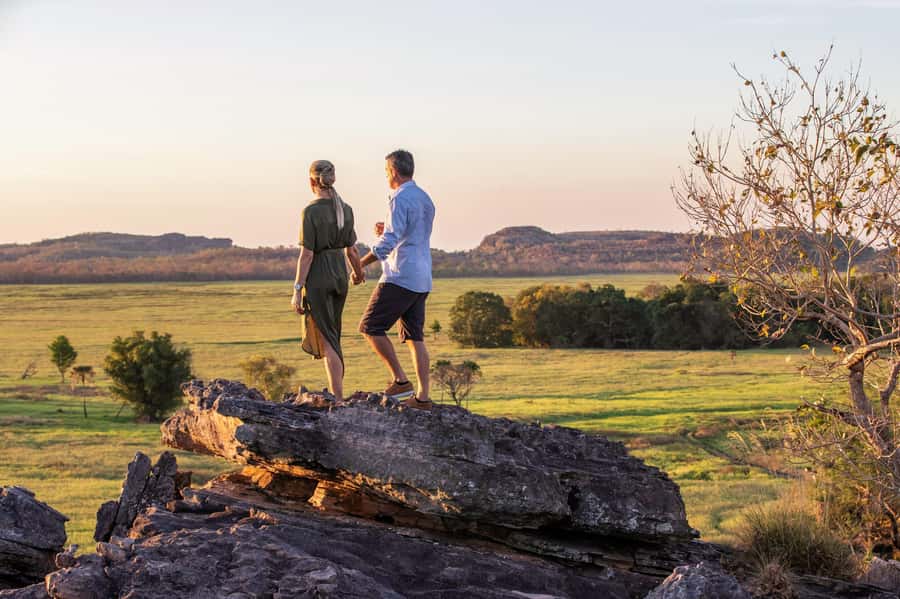
At $155 per person, this tour sits in the mid-range for long-distance day trips, and the value comes from what’s included.
Included:
- Kakadu Park pass entry fee (for the tour’s main Kakadu stops)
- Aboriginal rock art experiences tied to the Ubirr visit
- Outback driver-guide commentary
- Transfers to/from Darwin City
Not included:
- Food and drinks
- Travel insurance
- Personal expenses
Also note: the NT Park pass is required for Fogg Dam Wetlands under a specific fare type (WKD fare type only). That’s easy to miss if you assume everything is covered. If you’re planning around the day like a checklist, double-check this detail before you go.
What I think makes it good value:
- You get a guided day where you’re not spending hours figuring out routes, entrances, and which spots are worth your limited time.
- You’re paying for interpretation. Rock art and crocodile viewing are better with context.
What could make it feel like less value:
- If you plan to add lots of extras and buy meals on the road, the day’s total cost climbs fast.
- If you’re expecting long unhurried time at every stop, the shared-group schedule can feel tight.
What to bring (and what to skip) for a hot, long day
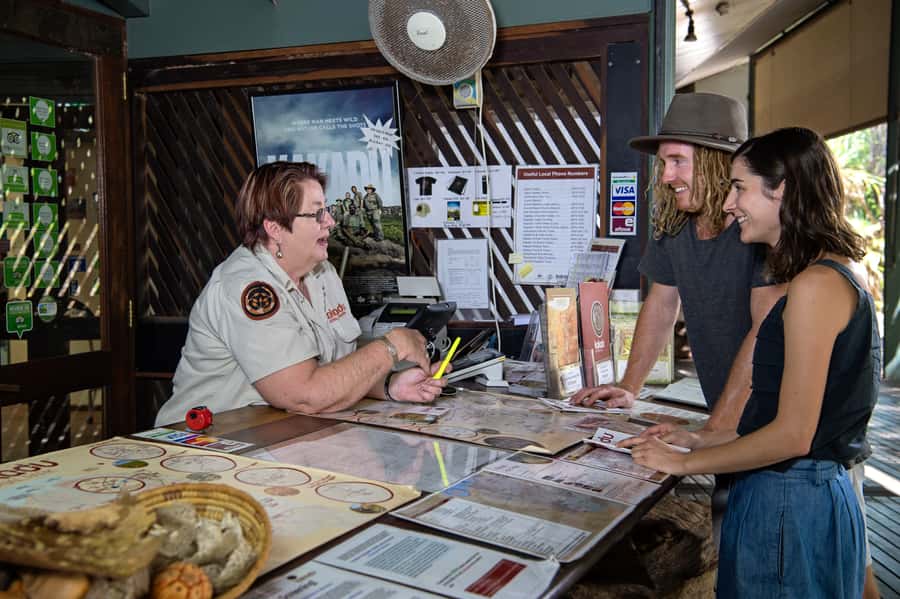
You’ll be in the Top End for hours, and the packing list is refreshingly practical. Bring:
- Sunglasses and a sun hat
- Sunscreen and insect repellent
- Breathable clothing and a daypack
- Hiking shoes or other closed-toe footwear
- A reusable water bottle
What’s not allowed includes oversize luggage and large bags, mobility scooters, and smoking in the vehicle. Backpacks are also listed as not allowed, and there’s limited storage on board. The tour limits luggage to 1 bag weighing about 5–7kg per person, and you should expect space to be tight.
This is one of those days where you pack like you’re going for a day hike. You don’t need a suitcase vibe. You need water, sun protection, and shoes that handle uneven ground at lookouts.
Who this tour suits best (and who should rethink it)
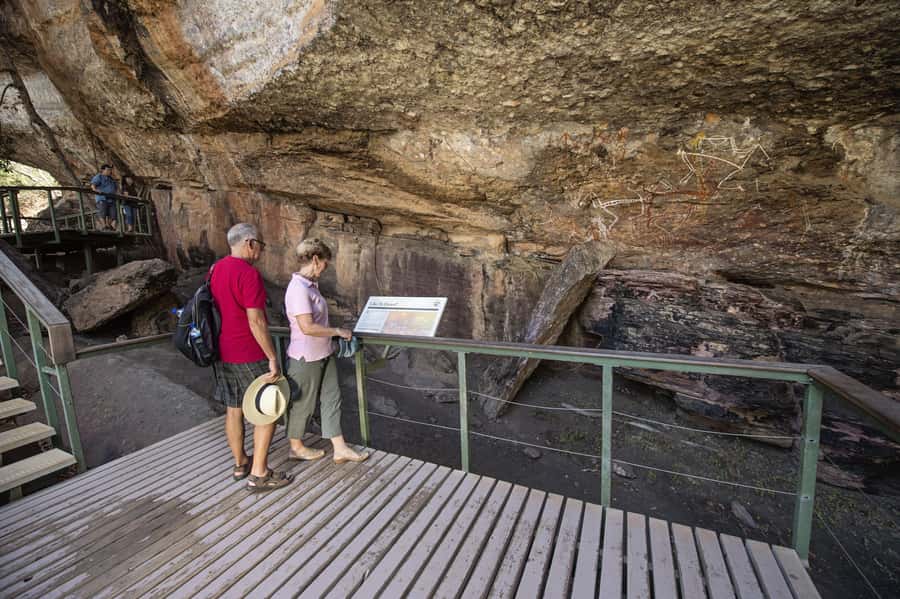
This works best for people comfortable with a long day and some walking. It’s described as good for families, groups, and adventure-seekers, but it’s not a fit for everyone.
Not suitable for:
- Children under 6 years
- People with mobility impairments
- Wheelchair users
- People with low fitness
So if you need a lot of step-free access or prefer minimal walking, look at other options. The schedule and vehicle constraints are part of the design, and they’re not easily changed for individual needs.
It’s also not a great match if you’re very tall and sensitive to cramped seating. Some riders have mentioned legroom problems, and that’s not the kind of thing you can fix once you’re on the road.
Should you book the Darwin to Kakadu full-day tour?
If your dream day in the Northern Territory includes Ubirr rock art, crocodile spotting at Cahills Crossing, and wetlands wildlife at Fogg Dam, then this tour is a strong choice. The timing is long, but the structure helps you see the most important highlights without needing to plan every turn yourself.
I’d book it if:
- You want guided context for Aboriginal culture and the natural history
- You’re okay with a 12-hour schedule and multiple short site stops
- You’re happy with a minibus day (even if it’s not luxury space)
I’d rethink it if:
- You need lots of accessibility accommodations
- You’re very sensitive to tight seating and limited legroom
- You hate long drives with planned photo stops and waiting time
If you’re willing to pack smart—water, sun protection, and light luggage—and lean into the guided storytelling, you’ll come away with a day that feels like Kakadu in proportion, not chaos.
FAQ
How long is the Kakadu National Park full-day tour from Darwin?
The tour lasts about 12 hours.
Where do I meet for the tour in Darwin?
Meet outside the front of THE LEEA DARWIN, 64 Cavenagh St, Darwin City NT 0800. Arrive 10 minutes before departure.
What is the price per person?
The price is $155 per person.
What’s included in the tour price?
Included are Kakadu Park pass entry fees, Aboriginal rock art paintings, an outback driver-guide, informative tour commentary, and transfers to/from Darwin City.
Is a park pass required for Fogg Dam Wetlands?
Yes. An NT Park pass is required for Fogg Dam Wetlands, and it specifies a WKD fare type.
What do we actually see during the day?
The tour includes Kakadu National Park highlights and focuses on 3–4 top sites/overlooks. Key stops mentioned are Fogg Dam Conservation Centre, Ubirr Rock Art, and Cahills Crossing, with an optional Jumping Croc Cruise on the Adelaide River.
Is the Jumping Croc Cruise included?
No, it’s listed as optional.
What language is the guide tour in?
The live tour guide and audio guide are in English.
What should I bring?
Bring sunglasses, sun hat, hiking shoes (closed-toe), sunscreen, insect repellent, breathable clothing, a daypack, and a reusable water bottle.
Is the tour suitable for children and wheelchair users?
It’s not suitable for children under 6 years, people with mobility impairments, and wheelchair users.