REVIEW · HUA HIN
Hua Hin: Kui Buri National Park Wild Elephant Watching
Book on GetYourGuide →Operated by Ken Diamond Tour and Travel Branch001 · Bookable on GetYourGuide
Elephants in the wild, with zero fence drama. This Kui Buri safari is built around watching wild elephants in Thailand’s protected habitat, plus the fun of an open-view 4-wheel-drive ride with a ranger and an English-speaking guide. I like the respectful setup here, where you look from viewpoints and let the animals stay animals.
The second thing I really like is the quality of guidance. Names like Amp and Meow show up in the experience: clear English, good wildlife spotting, and quick decisions when an animal appears. The only drawback is also the point: this is not a zoo, so you’re working with nature. Even with a strong chance of elephant sightings, you can still see elephants from farther off, or sometimes not at all.
In This Review
- Key points before you go
- Kui Buri National Park: Why This Elephant Safari Feels Different
- Timing From Hua Hin or Cha Am: A Smart Afternoon Window
- 4WD Vehicles Inside the Park: Ranger Help and Small-Group Spotting
- What You Might See: Elephants, Gaurs, Leopards, and Birds
- The Viewing Experience: Distance, Patience, and the Best Kind of Excitement
- Dinner at a Local Thai Restaurant: Why the End of the Day Matters
- Price and Value: Is $93 a Fair Trade for This Safari?
- Tour Rules That Keep It Ethical and Comfortable
- Who This Safari Is Perfect For (and Who Should Skip It)
- Should You Book This Kui Buri Wild Elephant Watching Tour?
- FAQ
- Where does the tour start from?
- How long is the safari time in Kui Buri?
- What animals can you see on this tour?
- Is this elephants-in-a-zoo experience?
- What are the chances of seeing elephants?
- What is included in the ticket price?
- Are binoculars provided?
- Are there any rules or restrictions?
Key points before you go
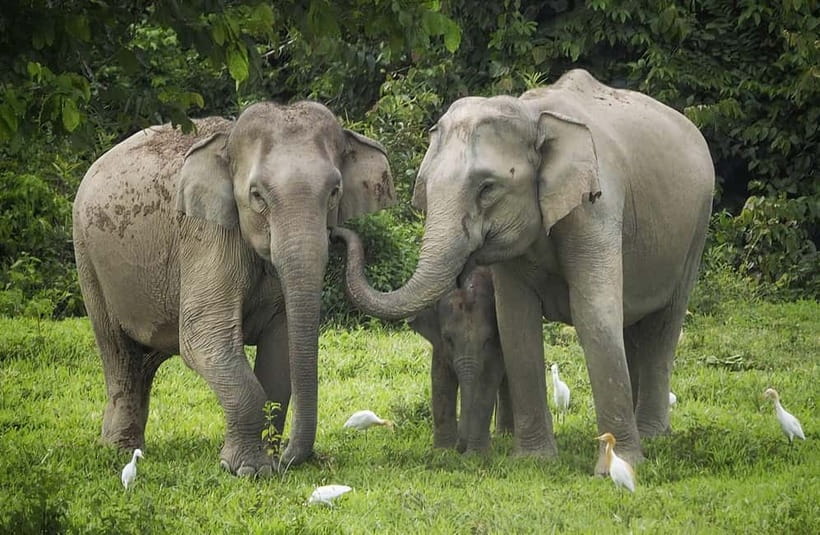
- Kui Buri is a real elephant stronghold, with over 320 protected wild elephants roaming freely
- 95% elephant sighting odds mean you’re likely to see them, but it’s never 100% guaranteed
- Small groups inside the park use 4-wheel-drive vehicles so the spotting feels focused, not chaotic
- You’re not only chasing elephants. Gaur, occasional leopards, and bird species like Crested Fireback show up
- Guides matter here, and English-speaking rangers and tour guides help you find the right viewing spots
Kui Buri National Park: Why This Elephant Safari Feels Different
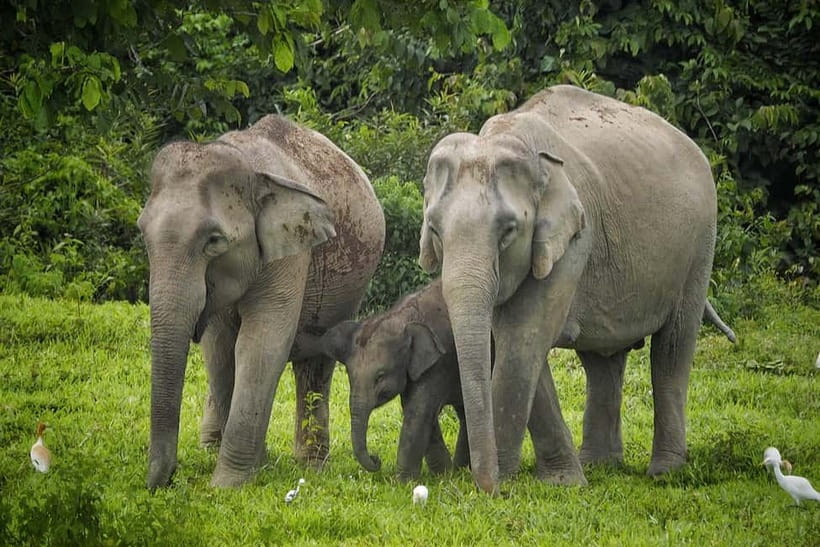
Kui Buri National Park is one of the few places in Thailand where you’re watching elephants that live their daily lives in the forest, not staged for visitors. You’re not there to “get close.” You’re there to notice patterns: where animals move, how they feed, and how they react to the dry-season rhythm and the people quietly observing from the road.
That’s exactly why this tour works so well. You get the excitement of wildlife without the heavy guilt that often comes with elephant tourism elsewhere. The park staff coordinate with each other, and the whole operation is designed around shared viewing, not animal handling.
And yes, you’re in the Gulf of Thailand region near Hua Hin/Cha Am. That matters because it keeps this feeling like a real day trip, not a complicated expedition. You’re out in the park during prime afternoon wildlife hours, then back down for a Thai meal.
You can also read our reviews of more tours and experiences in Hua Hin.

Timing From Hua Hin or Cha Am: A Smart Afternoon Window
The day starts with pickup from your hotel area in Hua Hin or Cha Am. You then travel to Kui Buri National Park and enter the viewing zone with the help of the park’s team and your tour guide.
The main safari window runs from 3:30 PM to 6:00 PM. That timing is practical. It gives you afternoon light for spotting animals and the chance to catch activity before dusk. After the safari, you shift gears into dinner at 6:30 PM at a local Thai restaurant, and you typically return around 8:00–8:30 PM.
This structure is one of the reasons I think the experience is good value. You get meaningful time in the park, then you’re not stuck waiting forever for the day to end. It’s a clean arc: drive, watch, eat, sleep.
4WD Vehicles Inside the Park: Ranger Help and Small-Group Spotting
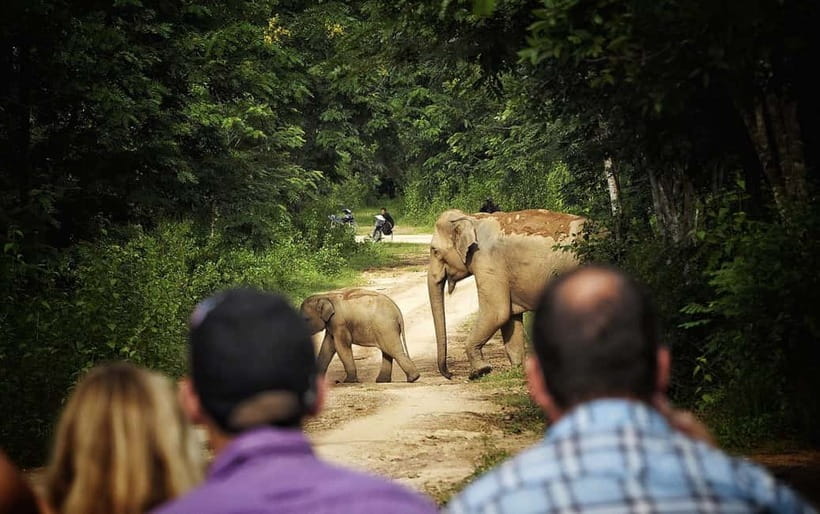
Inside the national park, you transfer to a 4-wheel-drive vehicle. These vehicles are used for access and visibility, and each car holds only a small group of people. That small size is a quiet upgrade. It’s easier to hear the guide, easier to keep an eye on movement, and easier to react when rangers point out something sudden in the trees.
You also ride with a local ranger. Rangers are the difference between seeing “nothing” and understanding what you’re looking at. They help with the basic reality of wildlife viewing: animals might be moving through cover, pausing along clearings, or appearing briefly at a distance. A good ranger also helps you keep expectations reasonable, which makes the whole experience more enjoyable.
One more small detail that matters: you get share binoculars. You don’t need them for everything, but they help you read the forest from a viewpoint when animals are a few hundred meters away.
What You Might See: Elephants, Gaurs, Leopards, and Birds
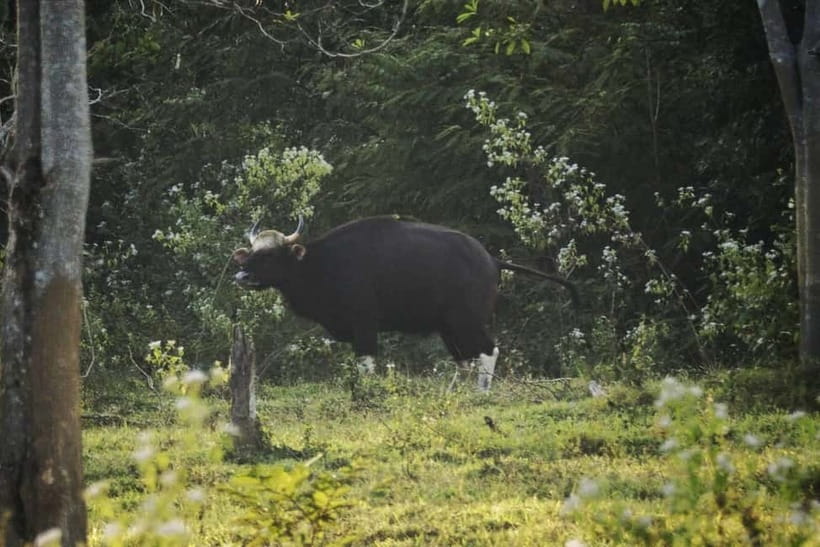
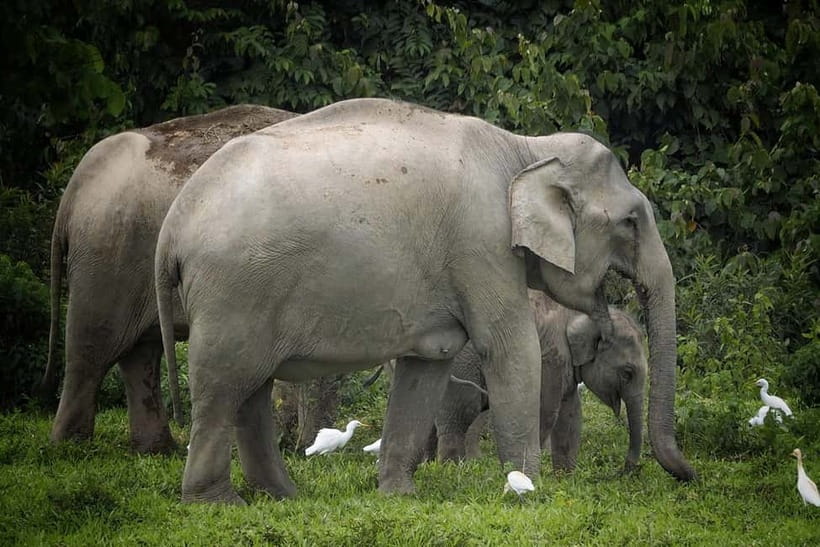
The headline is wild elephants, and the numbers are why Kui Buri is famous. The park has 320+ protected wild elephants. Your odds are strong: the experience notes around a 95% chance of seeing elephants in the wild. Still, it can’t be a 100% promise, because the animals aren’t waiting on a schedule.
Here’s what elephant viewing can realistically look like:
- You may see groups at different distances, from clear viewpoint sighting to a more distant silhouette
- Sometimes you spot family groups, including young elephants, partially hidden by trees
- On certain days, you might see multiple groups across different viewpoints rather than one long encounter
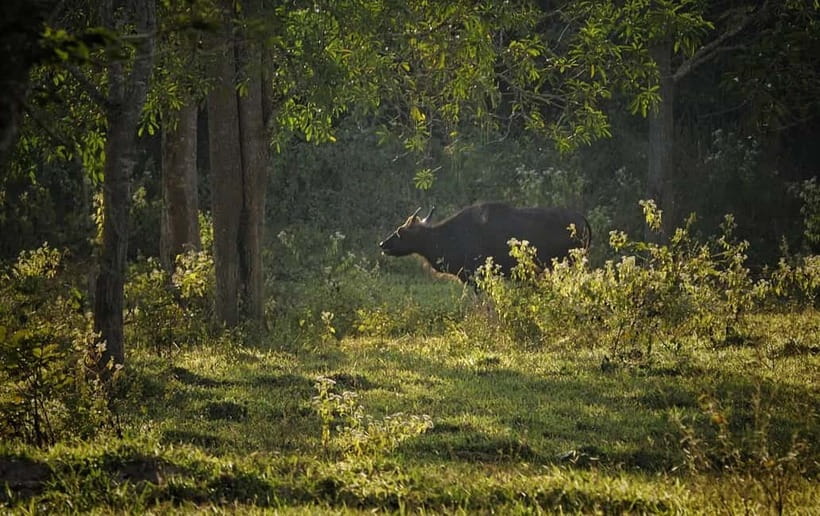
The tour also includes the expectation of other wildlife. You keep an eye out for gaurs (the large wild cattle) and leopards, which are less predictable but can appear. Even when big mammals are quiet, the bird life keeps your attention busy.
Birdwatching is not an add-on here. The ecosystem supports species like the Crested Fireback, Indian Roller, and Asian Openbill. You’ll likely notice hornbill-type birds too, depending on what’s active that afternoon. The point is that your time in the park isn’t only one high-stakes moment. Even if elephants are far, you can still enjoy a living forest.
And if you’re wondering about ethics: this is a wildlife national park, not an animal garden. The experience is designed around respectful viewing from public access.
The Viewing Experience: Distance, Patience, and the Best Kind of Excitement
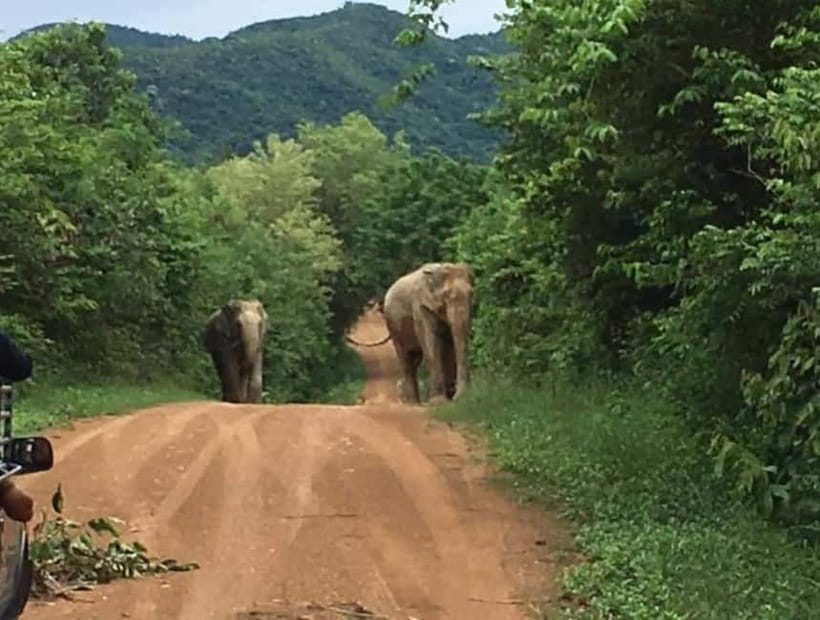
A lot of elephant tours accidentally teach you bad habits: shouting, chasing, trying to force closeness. This one nudges you in the opposite direction. You’re there to watch behavior, not demand a selfie.
That changes how you feel when you finally spot them. When elephants appear from the trees or step into view at a distance, it feels earned. And when you see multiple groups across different viewpoints, it becomes more like a safari rhythm than a single spectacle.
If your expectation is up-close interaction, adjust it before you book. This is not designed for close contact. If that’s what you want, the experience notes a separate option through a wildlife rescue-focused center, run by the Wildlife Rescue Center Foundation. For most people though, the Kui Buri style is the right match: look, learn, observe, repeat.
Dinner at a Local Thai Restaurant: Why the End of the Day Matters
After the park, you move to dinner at 6:30 PM at a local Thai restaurant. This isn’t a fancy “tourist buffet” setup described as a highlight, but it plays a useful role. You get time to reset after hours of scanning treelines and watching where animals are.
Dinner also gives you a chance to process what you saw. That’s when the guide’s explanations land. You’ll often leave with a clearer idea of the forest “logic” you were seeing—where animals feed, how they use the terrain, and why certain viewpoints worked.
It’s a good final act for a wildlife day trip: practical food, local flavor, and no awkward long stretch after you’ve already checked the big box.
Price and Value: Is $93 a Fair Trade for This Safari?
At $93 per person, you’re paying for a bundle that’s more than a basic transfer. Your ticket includes the national park entrance fee, a 4-wheel-drive vehicle inside the park, dinner, a professional English-speaking tour guide, travel insurance, and drinking water. You’re also given share binoculars.
That matters for value because the biggest real-world costs of this day are park access and the vehicle used for wildlife viewing. The park entrance and in-park transport don’t feel like an afterthought here; they’re built into the experience, along with guided interpretation.
Also, you’re not paying just for elephants on a poster. You’re paying for a small-group wildlife setup at peak viewing hours, with ranger help and a guide who can interpret what you’re seeing. When you factor in the dinner and the overall timeline, the cost doesn’t feel inflated compared to typical “half-day” tours that skip meaningful guidance.
The one value caution is the nature factor. You’re paying for an opportunity with about a 95% elephant sighting chance, not a guaranteed elephant sighting. If seeing elephants is your one and only mission and you can’t handle the possibility of distance (or the rare chance of no sighting), you’ll need to mentally prepare for that reality.
Tour Rules That Keep It Ethical and Comfortable
This experience is set up with some clear behavior rules. No smoking is allowed, and alcohol and drugs are also not permitted. That keeps the wildlife viewing calmer, and it also helps keep the vehicles and viewpoints respectful.
There’s also a comfort reality check. The experience is not suitable for pregnant women and not suitable for people with back problems. That’s not surprising given the use of 4-wheel-drive vehicles and time spent in uneven, outdoor terrain. If either of those applies to you, it’s worth choosing a different wildlife option.
If you want the best viewing mindset, wear practical clothing, be ready for changing weather, and remember that the animals get the final say.
Who This Safari Is Perfect For (and Who Should Skip It)
This tour fits you well if you want:
- Ethical wildlife viewing in a national park setting
- A guided safari feel without animal handling
- Chances to see more than one type of wildlife, including birds
- A day trip that stays in a manageable timeframe from Hua Hin or Cha Am
You might skip it if:
- You need guaranteed, close-up elephant viewing
- You have mobility or back limitations that make bumpy outdoor transport hard
- You’re pregnant and this type of vehicle and park time isn’t recommended for you
For everyone else, this is the kind of outing that can recalibrate how you think about wildlife tourism. You go in for elephants, and you often leave with a deeper appreciation for the whole ecosystem—elephants, gaurs, birds, and the forest details in between.
Should You Book This Kui Buri Wild Elephant Watching Tour?
I’d book it if you’re traveling from Hua Hin or Cha Am and you want a wildlife-focused elephant experience with responsible viewing. The 95% elephant sighting odds, the small-group 4WD setup, the English-speaking guide/ranger team, and the fact that it happens in a real wildlife national park add up to solid value for a day.
I’d hold back only if you absolutely require an assured elephant sighting or close-range interaction. This is nature first. You’re buying the chance, the guidance, and the respectful viewing platform, not a guaranteed moment.
If that trade-off sounds fair to you, Kui Buri is one of the more meaningful elephant encounters you can choose in Thailand.
FAQ
Where does the tour start from?
Pickup is available from your hotel in Hua Hin or Cha Am, followed by travel to Kui Buri National Park.
How long is the safari time in Kui Buri?
The main wildlife safari time in the park runs from 3:30 PM to 6:00 PM.
What animals can you see on this tour?
You can look for wild elephants, gaurs, and leopards (which are described as occasionally seen). You’ll also have birdwatching opportunities, including species like Crested Fireback, Indian Roller, and Asian Openbill.
Is this elephants-in-a-zoo experience?
No. The elephants are freely in the wildlife national park, not in a zoo or animal garden.
What are the chances of seeing elephants?
The experience states there is about a 95% chance of seeing elephants in the wild, but it cannot guarantee 100% certainty or how many you’ll see.
What is included in the ticket price?
Included are the national park entrance fee, 4-wheel-drive car in the park, dinner, travel insurance, a professional English-speaking tour guide, and drinking water.
Are binoculars provided?
Yes. You’ll be provided with share binoculars.
Are there any rules or restrictions?
Smoking is not allowed, and alcohol and drugs are not permitted. The experience also notes it is not suitable for pregnant women or people with back problems.