REVIEW · SEVILLE
From Seville: Doñana National Park Day Trip
Book on GetYourGuide →Operated by Naturanda Turismo Ambiental · Bookable on GetYourGuide
Doñana feels like a different planet. I like how this day trip pushes you through big habitats in one go, with wildlife-focused stops and time in El Rocío. I also like that your guide keeps an eye on sightings, so you’re not just driving past scenery. One thing to plan for: you’ll spend a lot of time on the road, so it’s not a hike-your-way-through-everything kind of day.
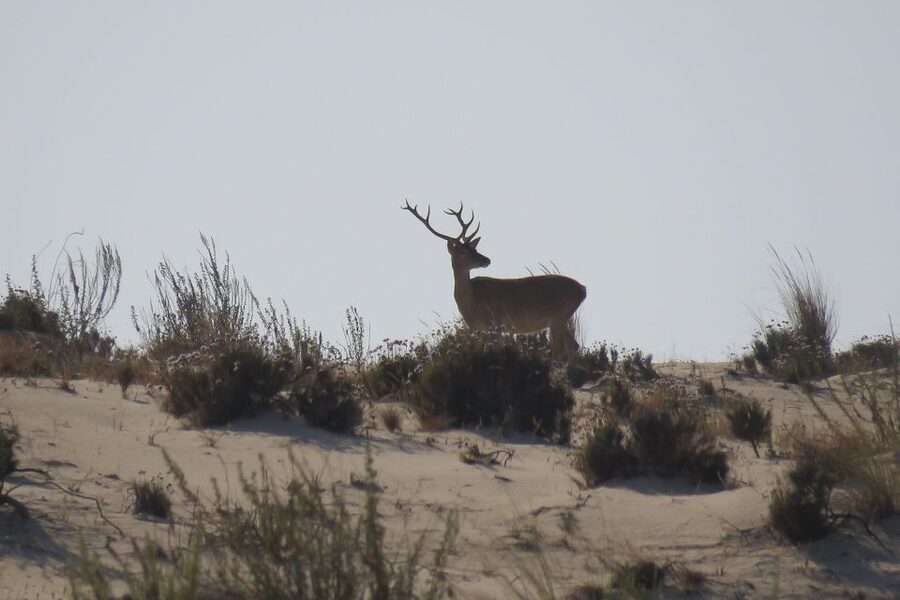
From Seville, you’re set up for the real point of Doñana: birds, marsh life, and those rare moments when bigger animals show up. I especially love the chance to scan for Spanish imperial eagles and the famous mix of storks, herons, and flamingos in the right zones. The trade-off is that the famous lynx is always a maybe, not a promise, so I’d set your expectations accordingly.
This is a strong choice if you want a 10-hour highlights circuit with a guide doing the spotting for you. If you hate vans, hate long transfers, or need lots of free time on your own, look closely at the pacing before you book.
In This Review
- Key reasons this day trip works
- Seville to Doñana: the ride that sets the tone
- Entering Doñana via Dehesa de Abajo visitor area
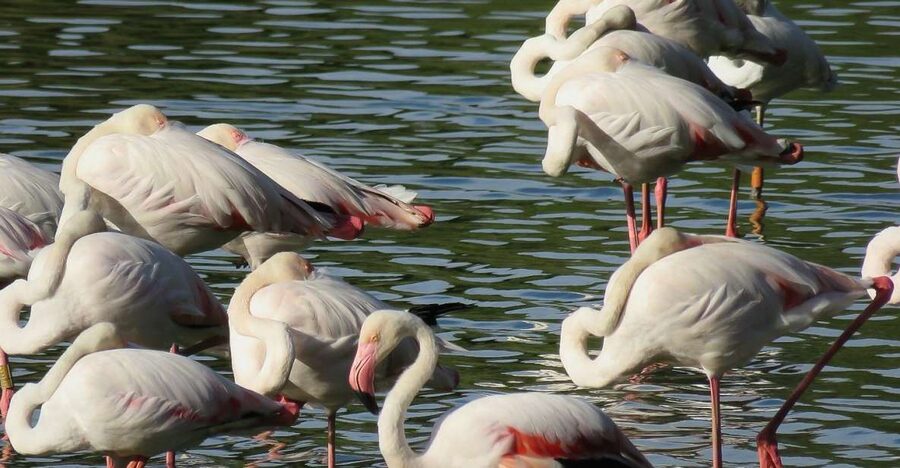
- Marsh birds, rice fields, and the stork-and-flamingo zone
- El Rocío: chapel, observatory, and a break from the wild
- The La Rocina walking trails: where you feel the park up close
- Lunch area and the pace question
- Matalascanas and the Atlantic beach stop
- Asperillo at sunset: pines, light, and one last wildlife push
- Chasing the lynx (and what to do with that reality)
- Price and logistics: is $105 good value?
- What to bring so the day feels easy
- Who this tour is best for
- Should you book Naturanda’s Doñana day trip?
- FAQ
- How long is the Doñana day trip from Seville?
- Where does the tour start and end?
- What’s included in the price?
- Are meals provided?
- What languages are available for the guide?
- Do I need to bring binoculars?
- Is a private option available?
- Is there a cancellation policy?
- What should I wear or pack?
- Are pets allowed on the tour?
Key reasons this day trip works
- Real habitat variety: marshes, pine forests, river-adjacent areas, dunes, and a coastal beach stop
- Birding with intent: guides reposition to improve sightlines for big species like imperial eagles
- Storks and wetland birds: rice fields and marsh edges are part of the main route
- El Rocío as a cultural break: chapel and observatory in a place tied to Doñana traditions
- Summer beach time: Matalascanas makes it easy to cool off in the Atlantic
- Prismatics included: you’re equipped for spotting without lugging your own gear
Seville to Doñana: the ride that sets the tone
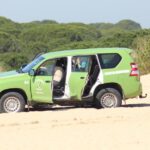
Leaving Seville early matters here. You start with pickup in town, then settle into a van for the long haul out to Doñana’s northern zones. The drive cuts through nearby landscapes, including Coria del Río along the Guadalquivir River, before you start hitting the park’s entry points.
What I like about this first stretch is the mental shift: you’re not going to a “viewpoint,” you’re going to ecosystems. You’ll feel it in the guide’s rhythm—photo stops, short explanation, then back on the move—so your eyes start looking for wildlife patterns, not just pretty scenery.
One practical note from what people report: if you’re prone to motion sickness, consider going with a small snack rather than a heavy meal. The road can feel bumpy at points during the transfer, and it’s smart to prep.
You can also read our reviews of more tours and experiences in Seville.
Entering Doñana via Dehesa de Abajo visitor area
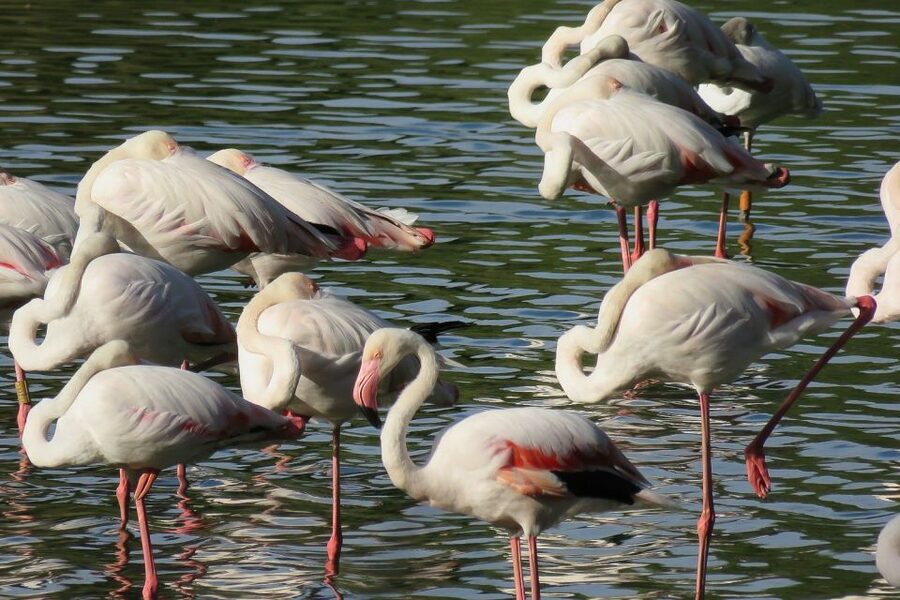
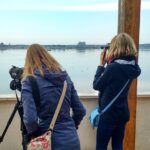
The day begins to click at the Dehesa de Abajo visitor center, in Doñana’s northern marshes. This is the launchpad for why Doñana is so famous: you get forests and pastures that support a huge number of bird species, plus the right kinds of open habitat where animals can show themselves at close enough range to matter.
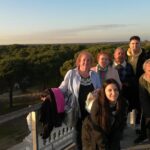
Expect a guided introduction here, then photo time. People repeatedly mention that the guide is the difference-maker—spotting animals quickly and making repositioning decisions so you can actually see what they’re pointing out. Names you may encounter include Juanka, José, Sergio, and Patricia, and the common thread is the same: they’re paying attention to the living map of the park, not just sticking to a schedule.
This part of the route is also where you’re most likely to get “birding moments” that feel immediate: watching movements in the distance, then tightening focus when something lands or takes off.
Marsh birds, rice fields, and the stork-and-flamingo zone
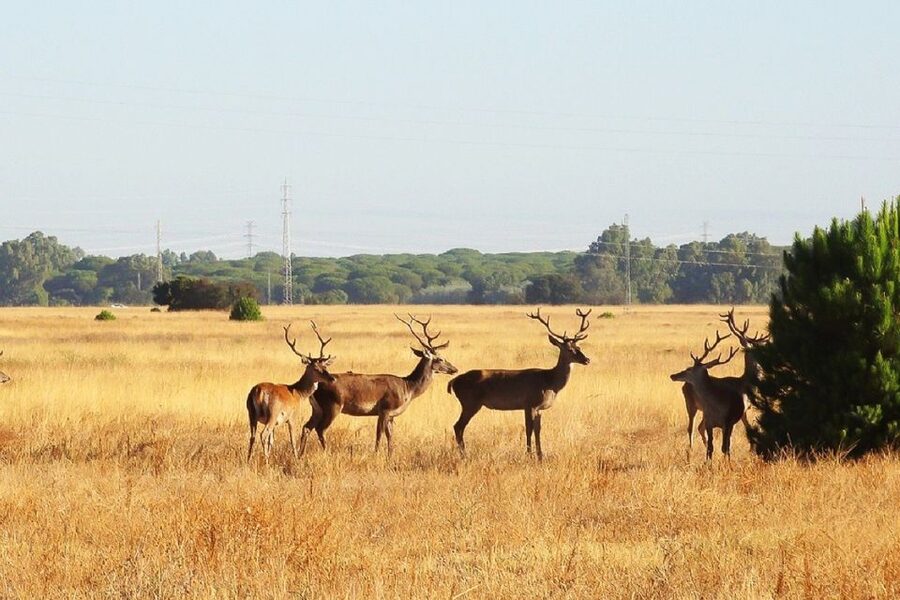
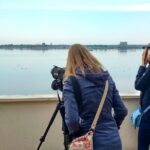
After the visitor-area introduction, the route carries you through wetland-adjacent scenery: pine forests, pastures, and rice fields. One standout stop is the rice field area tied to one of Europe’s largest stork colonies. Even if you’re not a hardcore birder, storks are big, graphic birds—once you spot the activity, you keep wanting to raise your eyes.
Doñana’s bird density is the headline: the park supports roughly 300 bird species, including flamingos and Spanish imperial eagles. And yes, you may still miss a specific bird on a given day. That’s wildlife. But the tour’s design helps: guides aim for the right zones and spend time scanning, rather than rushing through.
This is where I’d bring your patience. If you’re chasing only one animal, you can end up stressed. If you enjoy watching how habitats “work,” you’ll have a better time—because you start to notice the same species showing up in predictable ways across marsh, open ground, and forest edges.
El Rocío: chapel, observatory, and a break from the wild
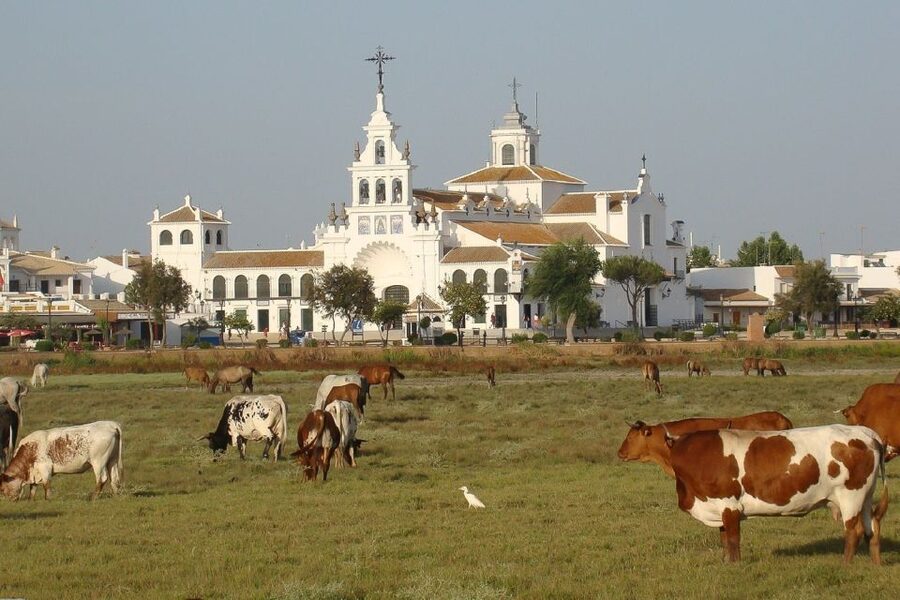
Then the day pivots to El Rocío, a village tied to Doñana by tradition and by how people use the land. You’ll get a guided visit with time for photos and a look around areas connected to the chapel and observatory.
Why I think this stop is valuable: it gives context. Doñana isn’t just wildlife; it’s also human culture shaped by seasonal rhythms. El Rocío helps you understand the emotional pull of this landscape, especially in the way people watch the marsh and move through it.
One drawback to consider is time balance. Some people feel El Rocío gets a shorter look than they’d prefer, especially if your true passion is staying in the park longer. If you love the outdoors more than the village vibe, you may want to think of El Rocío as a cultural pause, not a full “wander on your own” window.
The La Rocina walking trails: where you feel the park up close
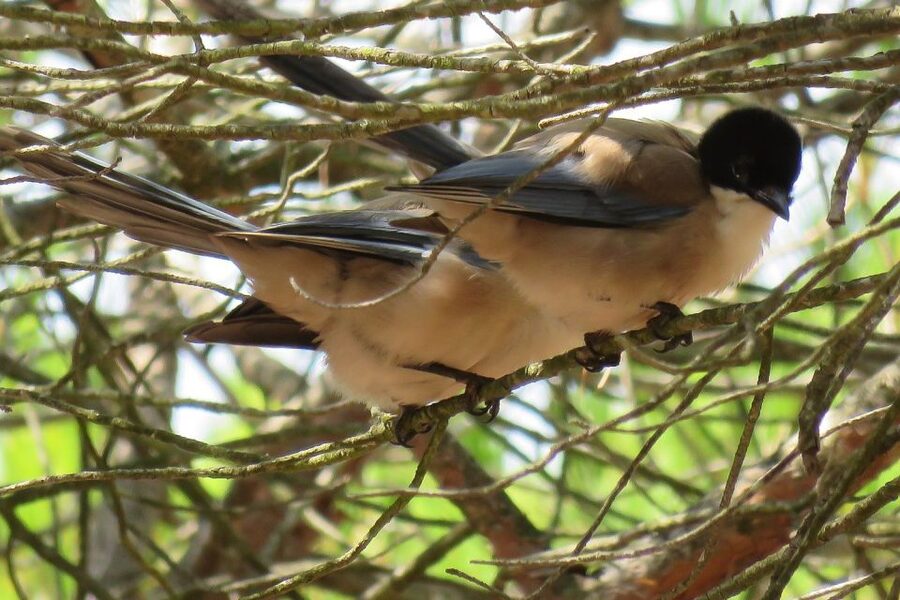
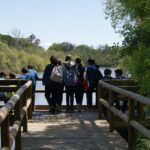
Back in the park, you’ll walk along trails near La Rocina, typically during the morning-to-midday stretch. This is the part that adds texture to the day. Van windows are great for scanning, but a short walk puts you at ground level.
Here’s what to expect: guided explanation, a calmer pace, and more opportunities to spot smaller life—birds moving low, insects along the edge, and animal traces depending on the season. Even if you’re mostly thinking about eagles and flamingos, the walking segment helps you understand why Doñana supports so many species in one place.
It also gives you a break from the constant “look-left-look-right” scanning. After this, the day continues into dune and beach territory, so your legs will appreciate having been reactivated rather than stuck in a chair all day.
Lunch area and the pace question
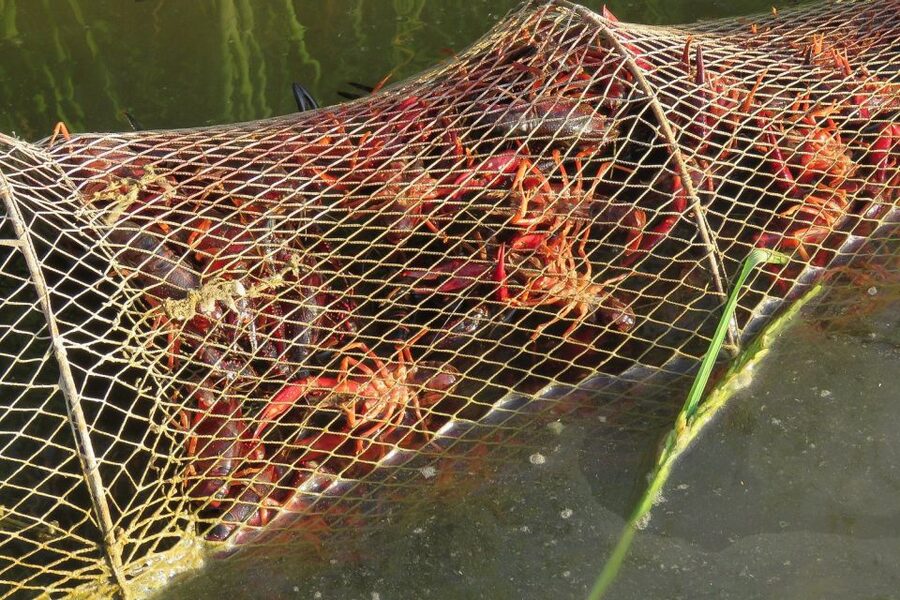
Lunch is part of the overall flow, and for many people it’s a welcome reset. Some days include time to relax near the coast before the dunes and beach areas.
The pacing question comes up for a reason: Doñana is huge, and a day trip has limits. Some people wish there were more walking time in the park or more time at specific stops like the lake or dunes. Others are happy with the balance because the tour is built around maximizing wildlife chances with minimal wasted time.
My practical advice: go in with the mindset that you’re buying access and structure, not full DIY freedom. If you want a slow, long, deep hike, you’ll be happier with a longer stay elsewhere.
Matalascanas and the Atlantic beach stop
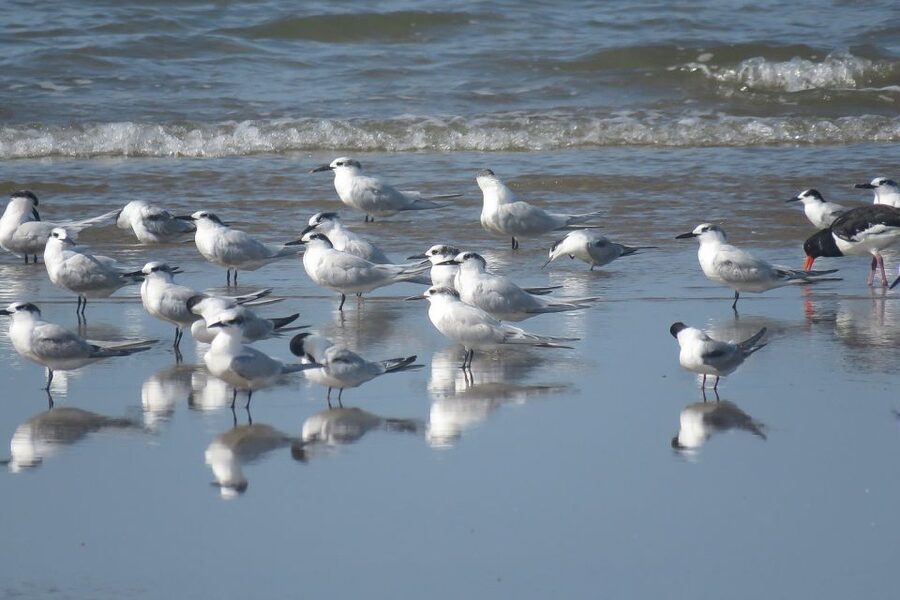
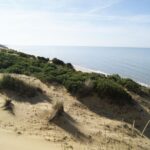
Next up is Matalascanas, where you get a longer guided block and a coastal break. This is the stop that often turns the day from “bird safari” into “memory-making day trip,” especially in summer when conditions make a water break realistic.
You’ll likely have a chance to cool off during the summer months and get some classic Atlantic views. Even if you don’t swim, it’s a good mental switch: after marsh and dunes, the coastline feels crisp and open.
In winter and shoulder seasons, don’t expect the beach to be the main wildlife engine. The value here is more about relief—stretch your legs, photograph the coast, and reset before the final park zones.
Asperillo at sunset: pines, light, and one last wildlife push
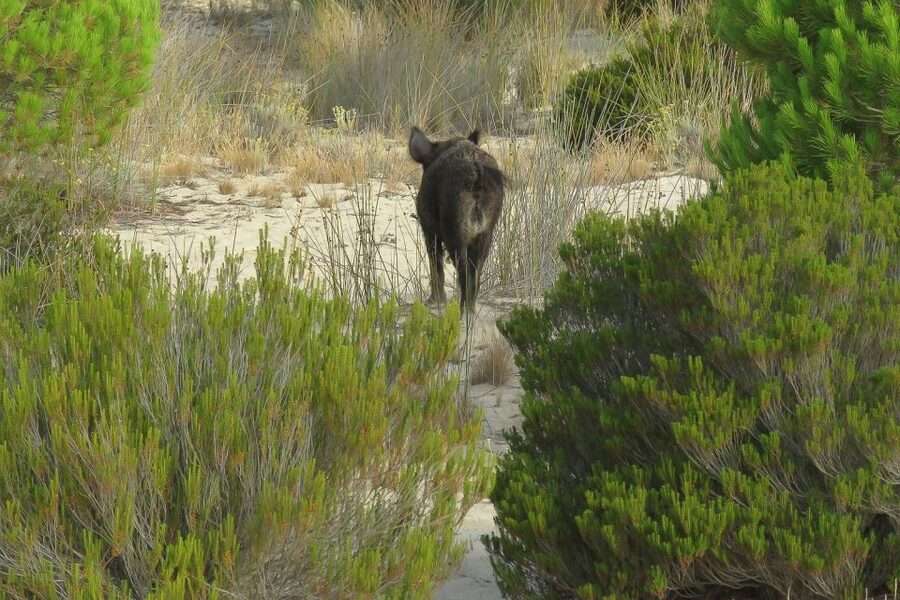
Later in the day, the route takes you through Asperillo and sets you up for sunset through the pine forest. This portion is easy to underestimate because it’s not always framed as a wildlife moment. But the light is often perfect for scanning and photography, and the pines help create visual corridors where birds and other animals can be easier to spot.
More importantly, this is when the day starts to feel like a complete story—from marsh entrances to inland textures to dunes and coast. The drive at the end can also be your decompression time, letting the day’s sightings settle in.
Chasing the lynx (and what to do with that reality)
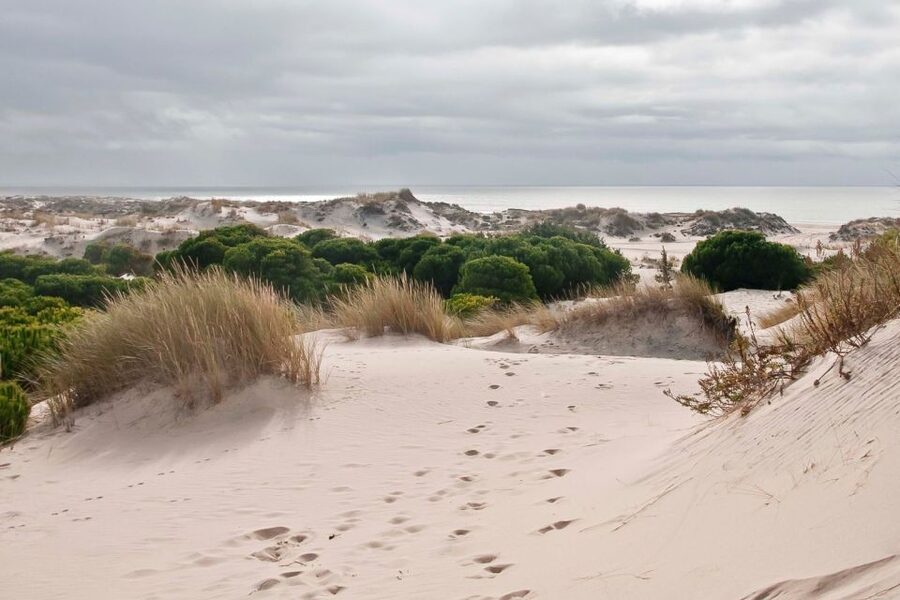
One headline promise you’ll see with Doñana day trips is the chance to spot the lynx. Here’s the honest framing: lynx are elusive. A sighting can happen, but many trips don’t deliver a full view, even with excellent guiding.
Some people come away with something almost as useful: tracks or hints rather than a direct encounter. If you’re excited about lynx specifically, treat the tour as a strong opportunity, not a guarantee.
What helps: stay flexible. If the guide suggests a reposition to look for tracks or to scan a likely stretch, take it. A good guide is reading the land in small ways—wind direction, cover types, animal pathways—so your best chance is usually when you stop trying to “force” the sight.
Price and logistics: is $105 good value?
At about $105 per person for a 10-hour day with hotel pickup and drop-off, transport, a guide, and included prismatics, the price is fair for a full wildlife routing from Seville.
Here’s the value logic I use for trips like this:
- You’re paying for access to long distances and multiple habitats without having to manage navigation.
- You’re paying for a guide who can spot wildlife faster than most people can from a moving van.
- You’re getting equipment support (prismatics), which matters for birds and distant animals.
The main catch is that meals and drinks aren’t included, so you’ll want to plan for lunch expenses or bring snacks. Also, group size can affect how much window time you get on the best sides of the vehicle. People report comfy modern vans, but full seating can limit personal space.
If you’re a birder, wildlife person, or you just want the Doñana highlights in one structured day, this pricing usually makes sense. If you hate guided rigidity or would rather spend more time wandering on your own, it may feel rushed.
What to bring so the day feels easy
Doñana is hot, bright, and occasionally dusty. To keep it comfortable, I’d pack for sun and walking.
Bring:
- Comfortable shoes for uneven ground near trails and dunes
- Sunglasses and sunscreen
- A hat
- Your own sense of curiosity (seriously)
Not allowed:
- Pets
Binocular help:
- Since prismatics are included, you don’t have to rent or buy gear. If you already own binoculars, you might still prefer them, but the tour provides spotting support.
Who this tour is best for
This is a strong fit if you:
- Want a structured wildlife day trip from Seville
- Like birds and don’t mind that animal sightings are never guaranteed
- Appreciate guides who move you to improve your odds, like the guides people mention by name (José, Sergio, Diego, Luis, Miguel, and others)
It’s less ideal if you:
- Want lots of independent time (the stops are guided and timed)
- Need very long walking stretches
- Are sensitive to vehicle time and don’t enjoy long road transfers
Season note: you’ll get different results depending on time of year. People also note that some seasons can be better for bird volume, so if you can choose, plan around what you want to see most.
Should you book Naturanda’s Doñana day trip?
I’d book it if your goal is simple: a big, varied Doñana day without planning it yourself. The included transport, guiding, and prismatics make it good value for $105, and the route hits multiple habitats—marsh zones, El Rocío culture, walking at La Rocina, dunes, and a coastal beach break.
Skip it (or at least reconsider) if you’re mainly after a guaranteed lynx sighting or you need lots of free, unstructured time. Doñana is not a controlled zoo, and this trip works best when you treat it like a wildlife day: flexible, watchful, and happy with whatever shows up.
If you do book, I’d prepare mentally for the van time and focus on the joy of scanning—because when the guide calls something out, that moment is why the day exists.
FAQ
How long is the Doñana day trip from Seville?
The tour runs for about 10 hours from pickup in Seville to return back to Seville.
Where does the tour start and end?
It starts with pickup in Seville (hotel pickup) and ends with drop-off back in Seville.
What’s included in the price?
Included are hotel pickup and drop-off, transportation, a guide, and prismatics. Meals and drinks are not included.
Are meals provided?
No. Meals and drinks are not included, so plan for lunch on your own.
What languages are available for the guide?
The live guide is available in English, French, Italian, and Spanish.
Do I need to bring binoculars?
Prismatics are included. If you have your own binoculars, you can bring them, but you won’t be left without spotting equipment.
Is a private option available?
Yes. You can choose between shared or small groups, and private is also available.
Is there a cancellation policy?
Free cancellation is available up to 24 hours in advance for a full refund.
What should I wear or pack?
Bring comfortable shoes, sunglasses, a sun hat, and sunscreen.
Are pets allowed on the tour?
No, pets are not allowed.