REVIEW · COLOMBO
Udawalawe National Park: Elephant Safari with Expert Guide
Book on GetYourGuide →Operated by Udawalawe Wild Safari Tours · Bookable on GetYourGuide
Udawalawe feels like a live wildlife documentary, minus the subtitles. The big draw is seeing wild elephant herds moving through open grasslands and water edges, with an expert guide who helps you read animal behavior instead of just chasing sightings. I especially like how guides such as Gimhana often steer you toward prime viewing spots and give you time to watch and photograph without rushing.
Two standout wins for me: you get close views while still keeping respectful distance, and the trip covers more than elephants—crocodiles, sambar deer, jackals, and serious birdwatching with endemic species. One thing to consider: the park entry fee is extra ($37 per person), and the wider Udawalawe reserve means each new sighting can take a bit of driving time (sometimes 10–15 minutes between sightings).
In This Review
- Key highlights you’ll care about
- Udawalawe National Park: where elephants are the main character
- Choosing a 4 to 10 hour safari: match your day, not just your wishlist
- How the jeep experience works: 4×4 routes, respectful stops, and smarter waiting
- Guide names you might see (and why it matters)
- Elephant sightings: how to get the best views without crowding
- Photo timing and patience
- Wildlife beyond elephants: crocodiles, deer, jackals, and the surprise extras
- Birdwatching at Udawalawe: junglefowl and the joy of scanning slowly
- Price and value: $30 plus the park entry fee
- What’s included: jeep, guide time, and the practical perks
- Rules of the road: what you can’t bring and who should skip the safari
- What to pack: dust, cold mornings, and camera-friendly reality
- Should you book this Udawalawe elephant safari?
- FAQ
- How long is the Udawalawe elephant safari?
- Where do you get picked up and dropped off?
- Is the national park entry fee included?
- What kind of vehicle is used?
- Is this a private tour?
- What languages are the guide services in?
- Does the tour include lunch?
- What is the cancellation policy?
- Are drones allowed during the safari?
Key highlights you’ll care about
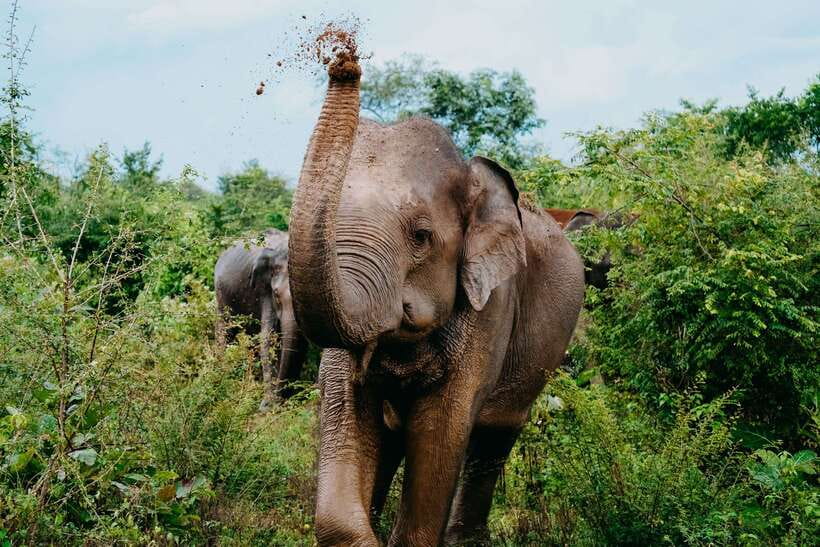
- Elephant herds in open grasslands: Udawalawe’s habitat makes elephants easier to spot than in denser forests.
- Expert guiding with 10+ years: your driver-guide is there to interpret signs and move you to good positions.
- Respect-first safari habits: many guides turn off the engine near animals and avoid pushing them.
- More wildlife than you expect: crocodiles, water buffalo, deer, lizards, and occasional jackals.
- Endemic bird chances: look out for Sri Lankan junglefowl and spurfowl.
- 4×4 private jeep comfort: pickup, a focused route, and less crowd pressure (especially on earlier departures).
Udawalawe National Park: where elephants are the main character
Udawalawe National Park sits on the border of Sabaragamuwa and Uva Provinces in Sri Lanka’s Eastern Province. It covers 308 square kilometers, and it was set up to protect the watershed feeding the Udawalawe Reservoir. In plain terms: the park is built around water, grass, and animals that rely on it.
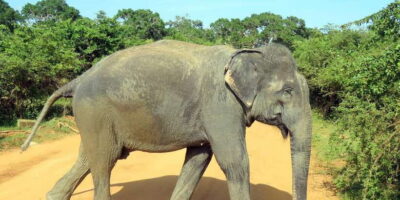
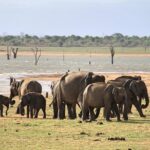
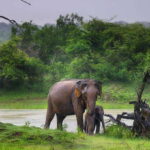
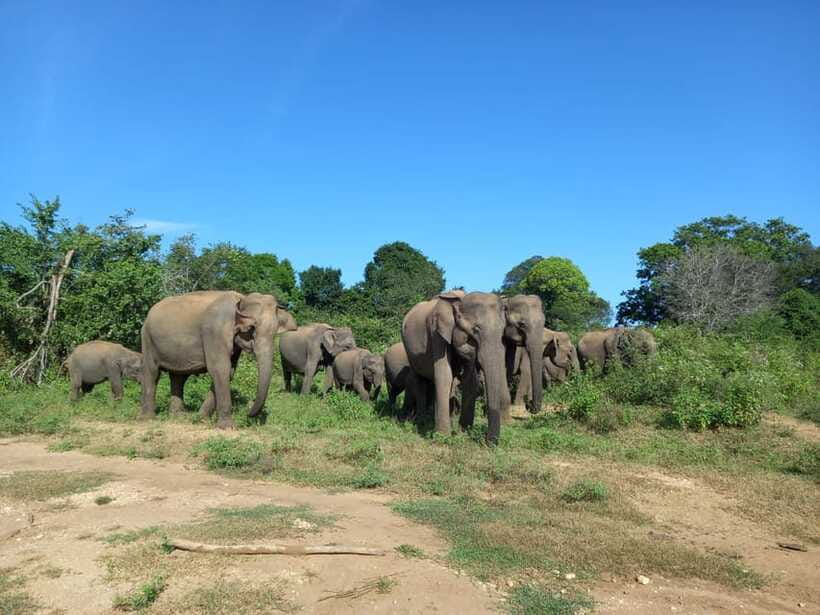
This is also one of Sri Lanka’s best places to expect large numbers of elephants. You’re told to plan for over 500 elephants in the area, and that matches the vibe of the safari: herds show up regularly across grasslands, forest edges, and wetlands. The best part is that elephant sightings don’t always feel like luck. With an experienced driver-guide, you start noticing patterns—where animals feed, where they pause, and what time of day they’re likely to cross open ground.
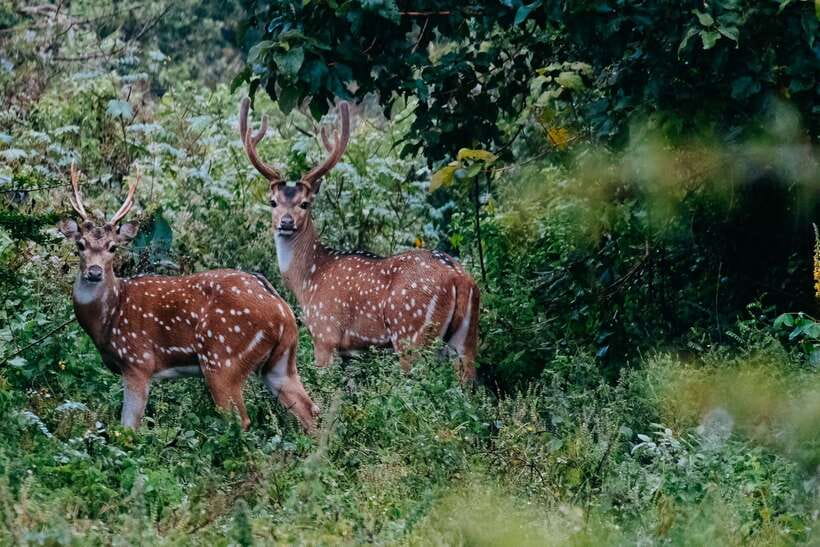
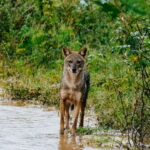
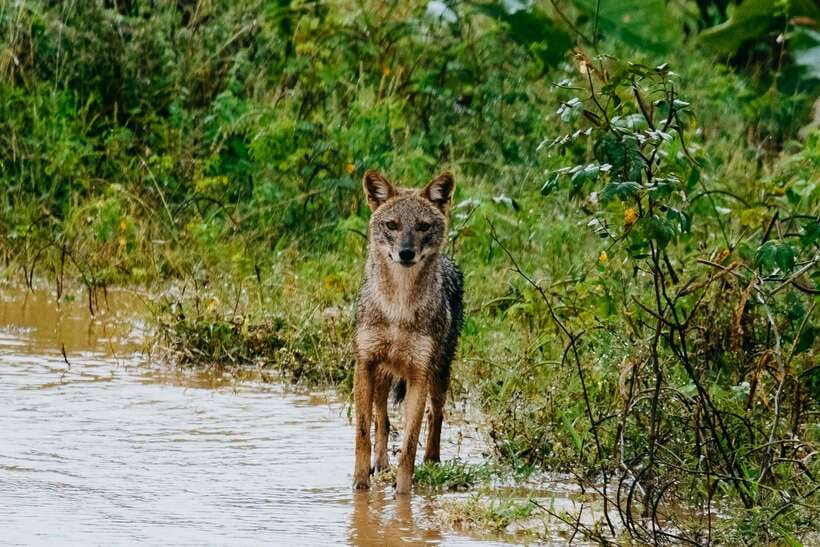
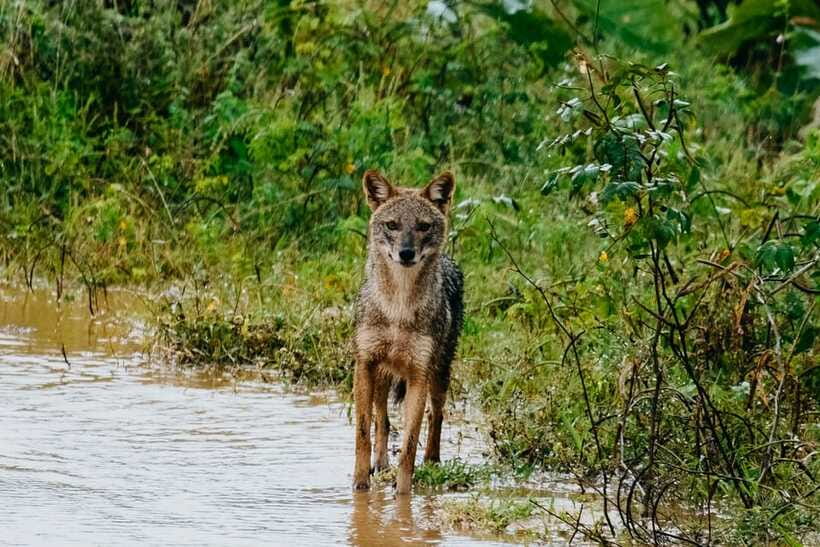
And yes, it’s not just “elephants, elephants, elephants.” Udawalawe’s mix of habitats also brings in other wildlife. You may see jungle cats, crocodiles near water, jackals in the distance, and sambar deer grazing calmly in the same wide spaces.
You can also read our reviews of more tours and experiences in Colombo.
Choosing a 4 to 10 hour safari: match your day, not just your wishlist
This safari has flexible duration options from 4 to 10 hours, which matters because Udawalawe is big. A shorter safari can still be excellent, but you’re more dependent on timing and the day’s animal movement. Longer time gives your guide more chances to reposition as herds shift and as other species become active.
If you’re deciding between the options, think like this:
- 4 hours is a focused hit. You’ll likely spend more time in the most promising zones for that day’s elephant activity and birding.
- 7–10 hours gives breathing room for multiple animal types and a calmer pace. The longer option also includes lunch and water, which is practical when you’re out for most of the day.
Morning and afternoon can both work, and the difference shows up in the mood. Early outings often mean fewer jeeps and more wildlife activity before the heat builds. Afternoon runs can feel more leisurely and still deliver big sightings—especially when your guide knows where to go and when to wait.
One honest detail: there can be stretches of driving before the next sighting. Even with an expert guide, the park is massive, and herds don’t stay pinned to one spot. Some people also note that it can take around 10–15 minutes between sightings. In other words, you’re not watching a guaranteed slideshow. You’re doing safari-style hunting for animal moments.
How the jeep experience works: 4×4 routes, respectful stops, and smarter waiting
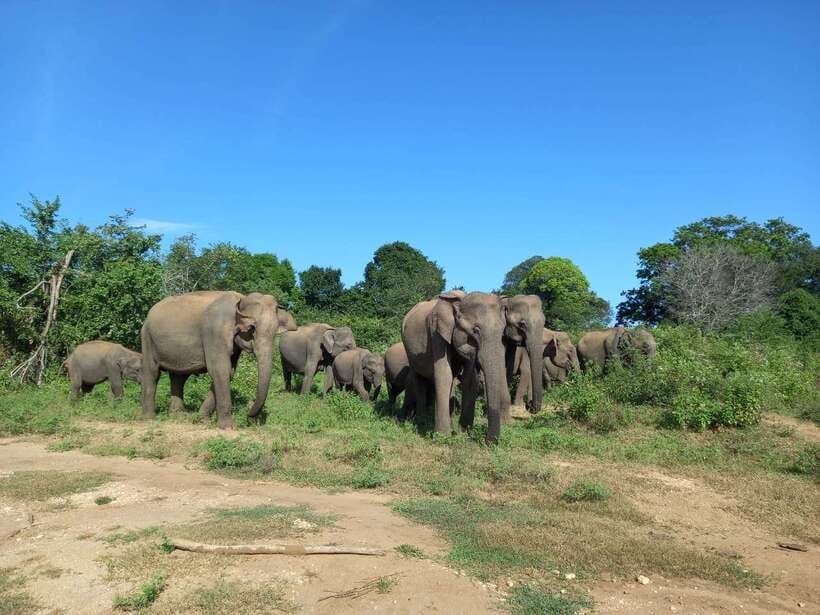
Your tour uses a private 4×4 jeep with pickup and drop-off in the Udawalawe area. That matters because Udawalawe roads can be bumpy, and a good driver makes the ride feel safe and steady. Many guests mention guides driving carefully over rough patches, which is not just comfort—it’s also about staying in control on uneven tracks.
A big part of the value is the guide’s decision-making in the field. On many safaris, you’ll see vehicles crowding animals. Udawalawe can still attract that behavior at times, but the better guides tend to do the opposite:
- they keep distance,
- they stop when animals choose to move closer,
- and they often turn off the engine when you’re near wildlife.
That “wait and watch” approach is the difference between stressful viewing and great photos. When animals aren’t disturbed, they behave more naturally, and you get longer moments—like seeing babies drink, herds pause to feed, or birds switch perches without panicking.
You’ll also notice how guides handle timing. People describe guides who were quick to spot movement and willing to stop for small details—like a bird on a branch or a jackal pattern in tall grass. That’s why your safari doesn’t feel only like elephant spotting. It becomes wildlife reading.
Guide names you might see (and why it matters)
The experience often comes down to who’s at the wheel. Names that show up in strong feedback include Gimhana, Jayashan, Jaya, Udith, Lasindu, and Deneth. Across different names, the common theme is the same: animal-first driving, solid spotting, and frequent stops for birds and reptiles.
Elephant sightings: how to get the best views without crowding
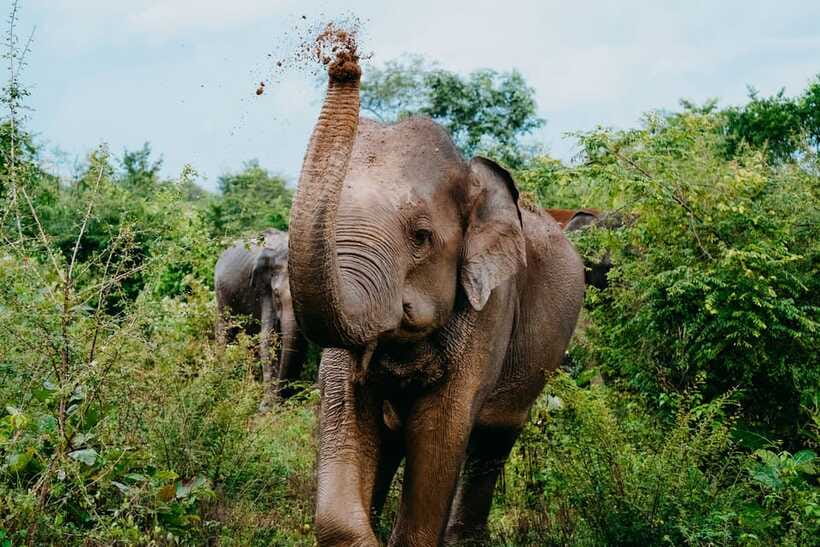
Let’s talk about what elephant viewing actually looks like. In Udawalawe, you’re usually scanning open areas—grasslands and edges near water—where herds can come out in plain view. When the guide finds fresh activity, the goal is not to rush forward. The goal is to get into a position where you can see behavior.
Look for the small tells:
- ears adjusting and head tilting as they listen,
- slow shifts in walking rhythm when they’re about to cross open ground,
- and calves staying close while adults fan the group with quiet movement.
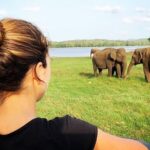
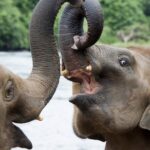
Guests often note seeing elephants in family groups, including young calves. That’s one of the best parts of Udawalawe: you’re not only seeing adult elephants. You may see mothers and younger elephants near the areas where feeding happens.
Also, you might spot elephants at different distances within the same herd moment—sometimes close enough for clear detail in photos, other times in a wider view that still feels intimate because you can watch the whole “herd logic” in action.
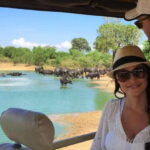

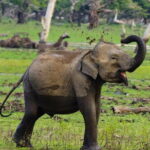
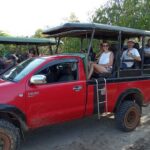
Photo timing and patience
Your guide’s job includes pacing. Some sightings may require a short wait before the animals are visible at the right angle. The upside of a private tour is that you don’t waste time negotiating a group’s pace. If you want photos, you get time. If you want stillness, you get stillness too.
Wildlife beyond elephants: crocodiles, deer, jackals, and the surprise extras
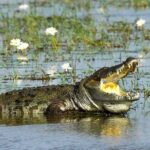
Udawalawe does not limit itself to megafauna. In many safaris, crocodiles are an afterthought. Here, they can become a real second star. People describe seeing multiple crocodiles—often near water channels or edges—when the guide picks the right viewing spots.
Then there are the grazers and smaller predators:
- sambar deer grazing in open areas,
- water buffalo in and around wet patches,
- wild boar as a possibility (depending on the time and day),
- and jackals that may appear in the distance when you’re scanning patiently.
Lizards and reptiles also show up, including monitor lizard types in some sightings. And you may even spot animals that feel “too specific to be luck,” like rare jackal appearances. Those are the moments that happen when your guide isn’t only looking for elephants.
One more safari truth: your day is shaped by animal movement. Your guide will do the best routing possible, but you’ll still want to bring flexible expectations. If you’re chasing one species only, you’ll either love it or feel disappointed. If you’re open to what shows up—especially birds and reptiles—you’ll likely feel like you got more than you paid for.
Birdwatching at Udawalawe: junglefowl and the joy of scanning slowly
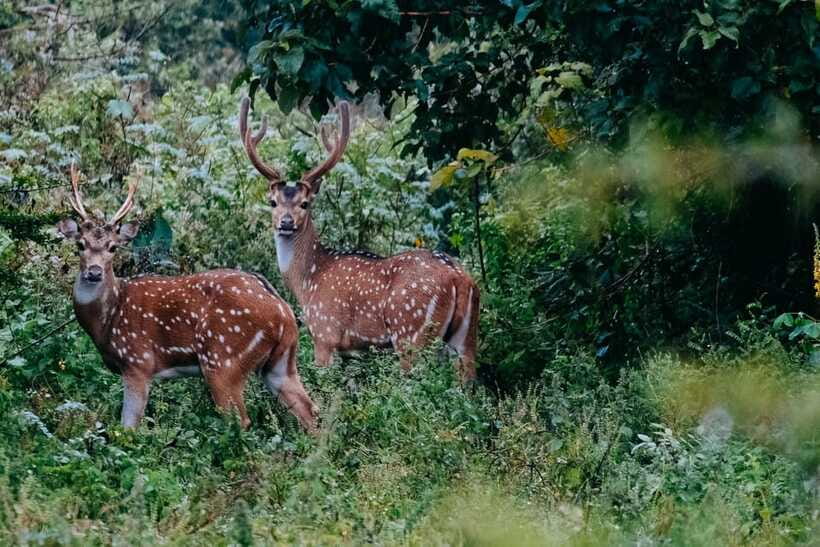
If you like birds, Udawalawe can be a treat. The park’s open grasslands and woodland edges create spots where birds pop up on the move between perches. Your guide should help you identify them, and that’s a big part of why birdwatching here works during a safari.
Two endemic names that come up are:
- Sri Lankan junglefowl
- and spurfowl
Bird sightings aren’t only about rare species. People mention lots of bird activity in general—eagles, peacocks, and smaller birds that you might miss if you were just looking out the window on your own.
Practical tip: bring a calm scanning rhythm. When your guide calls out something small, don’t sprint to the next viewpoint. Let your eyes adjust. Many birds show up for seconds, then vanish into cover. That’s where having a guide trained to notice movement becomes a real advantage.
Some guides also use extra tools. A few guests mention being provided binoculars, and that can upgrade bird viewing instantly. If you have your own binoculars, bring them too. If you don’t, ask in advance whether binoculars are available.
Price and value: $30 plus the park entry fee
The activity price is listed at $30 per person, with a duration range of 4 to 10 hours. But the key cost detail is the park entry fee, which is separate at $37 per person. So the realistic starting total is $67 per person, before any additional extras you might choose.
Here’s why the value can still be solid:
- You’re paying for a private 4×4 jeep and a driver-guide experience level tied to animal spotting and routing.
- You get pickup and drop-off in the Udawalawe area, which saves you time and hassle.
- You’re not just doing a generic bus ride to a gate and hoping for elephants. The guide is meant to take you to viewing positions and keep the experience moving at an animal-friendly pace.
The value depends on your priorities. If you want the best chance at elephants plus birds plus a careful, respectful approach, a guided private safari usually beats DIY. If you’re happy with a random drive and you don’t mind missing the better spots, then cost-conscious travelers might feel the extra guide expense less necessary.
Still, most people who book this style of safari are not just buying the destination. They’re buying the human ability to find animals, interpret behavior, and keep things safe for both people and wildlife.
What’s included: jeep, guide time, and the practical perks
Included in the tour typically means:
- hotel pickup and drop-off in the Udawalawe area,
- a private safari tour,
- a driver-guide with 10+ years of experience,
- transportation in a private 4×4 jeep,
- and lunch and water if you choose the 10-hour option.
Languages are listed as English and Singhalese, so you should get clear guidance about what you’re seeing. Your guide is also described as available live during the tour.
Not included is the Udawalawe National Park entry fee.
A few extra practical touches show up in feedback, even if they aren’t always guaranteed. People mention guides sometimes bringing simple breakfast for early start safaris, and some tours come with small additions like water and helpful items for comfort. If you have strict dietary needs or want to ensure lunch timing, it’s smart to confirm what’s covered for your exact departure time.
Rules of the road: what you can’t bring and who should skip the safari
This safari has standard wildlife-appropriate rules. Drones are not allowed, and alcohol and drugs are not allowed. That’s good for safety and for keeping the viewing atmosphere calm.
It’s also not suitable for:
- pregnant women
- people with mobility impairments
This makes sense when you think about the jeep ride and the uneven ground near viewpoints. If you’re unsure, ask before booking so you don’t end up uncomfortable.
What to pack: dust, cold mornings, and camera-friendly reality
Udawalawe can be dusty, especially if you’re on an early departure or during dry conditions. Some families even mention it being cold in the morning on certain trips. So plan for layers and protection.
My packing advice:
- a light jacket for early morning and for wind while riding,
- something to cover up in dust (a scarf or buff works well),
- sunscreen and sunglasses (you’ll be in the open a lot),
- and a camera strap you can trust on bumpy jeep roads.
If you’re traveling with kids, consider how they handle the ride. The safari can be exciting, but it’s still time on uneven tracks. Older kids who can stay patient with waiting between sightings usually enjoy it more than toddlers who want action every minute.
Should you book this Udawalawe elephant safari?
Book it if you want a high-confidence day of elephants plus real wildlife variety, and you prefer your viewing guided by someone who knows where to look. The private 4×4 setup, plus the guide’s experience and the respectful way many guides drive, is a strong combo for people who care about both photos and animal welfare.
Skip or reconsider if:
- your budget is tight and you don’t want to pay park entry on top of the tour price,
- you need accessibility support for mobility limitations,
- or you’re looking for a guaranteed, nonstop parade of elephants without waiting.
If you can handle a bit of patience between sightings, you’ll likely leave Udawalawe feeling like you actually learned the park instead of just passing through it.
FAQ
How long is the Udawalawe elephant safari?
The safari duration options range from 4 to 10 hours, depending on availability and starting times.
Where do you get picked up and dropped off?
Hotel pickup and drop-off are included for locations in the Udawalawe area.
Is the national park entry fee included?
No. The Udawalawe National Park entry fee is listed separately at $37 per person.
What kind of vehicle is used?
You’ll travel in a private 4×4 jeep during the safari.
Is this a private tour?
Yes, a private safari tour is available, including private group options.
What languages are the guide services in?
The live tour guide is offered in English and Singhalese.
Does the tour include lunch?
Lunch and water are included if you choose the 10-hour option.
What is the cancellation policy?
Free cancellation is available up to 24 hours in advance for a full refund.
Are drones allowed during the safari?
No. Drones are not allowed. Alcohol and drugs are also not allowed.