REVIEW · SEVILLE
Donana National Park and El Rocío: Guided Tour from Seville
Book on Viator →Operated by Naturanda Turismo Ambiental · Bookable on Viator
Birds and dunes, far from Seville traffic. This full-day trip pairs Doñana National Park guided walking with 4×4 drives toward El Rocío, plus chapel and viewpoint time for serious bird spotting.
What I like most is the mix of habitats packed into one day: marshes, rice-area ecosystems, pine forest, and the coastal dunes near Matalascanas. You also get a structured route with multiple interpretive stops, so it feels more like fieldwork than a bus tour.
One thing to think about first: wildlife and English delivery can be hit-or-miss depending on season, conditions, and the guide’s language balance, and some seats on the vehicle can make photo-taking awkward.
In This Review
- Key highlights in plain terms
- Doñana + El Rocío: what this day trip is really about
- Getting moving from Seville: pickup points and seat reality
- Stop 1: Naturanda luggage storage and a fast start
- La Puebla del Río and the water story behind the birds
- Dehesa de Abajo: storks, olive trees, and constant motion
- El Rocío: chapel atmosphere and an ornithology lookout
- Palacio del Acebrón and the La Rocina connection
- Lunch timing: plan for own expense
- Playa de Matalascanas: dunes, beach time, and picture moments
- Return drive and the lynx question on everyone’s mind
- English delivery: the key to enjoying every stop
- Price and value: what $107.68 buys you (and what it doesn’t)
- When to go: season affects birds and your odds
- What to pack so the day feels easy
- Should you book this Doñana & El Rocío day trip?
- FAQ
- How long is the Doñana National Park and El Rocío guided tour from Seville?
- How much does the tour cost, and what’s included in that price?
- Is the tour offered in English?
- Does the tour include food or drinks?
- What’s the maximum group size?
- Where do you meet for the tour?
- Does the itinerary include Iberian lynx searching?
- Is the tour in Doñana walking-friendly?
- What happens if the weather is poor?
- FAQ
- Can I cancel for free?
- How late can I cancel and still get a full refund?
Key highlights in plain terms
- 4×4 time inside the Doñana region to reach places buses usually can’t.
- El Rocío chapel + ornithologists’ observatory for a village-and-birds combo.
- Guided walking near La Rocina where you learn how the park works at ground level.
- Serious bird focus, including stork-and-waterbird areas by the marshes and rice fields.
- Small group (up to 15), which usually makes it easier to ask questions and move efficiently.
- Lunch is on your own, so plan food stops based on your budget.
Doñana + El Rocío: what this day trip is really about
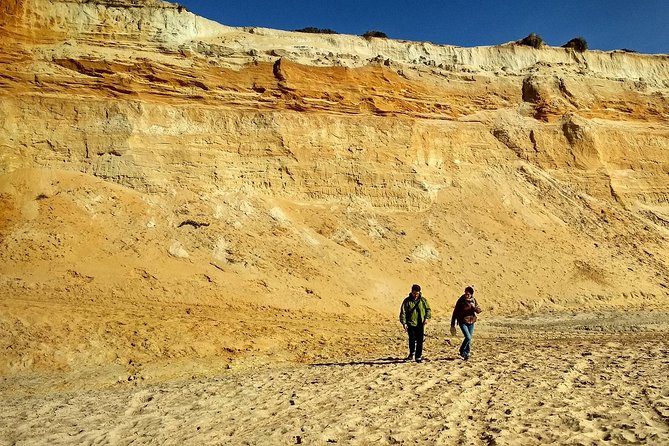
This is a long day out of Seville designed for people who want nature with context. Doñana isn’t one single “pretty place” here. You’re moving through different zones—marsh edges, forested areas, and the coast—so you see how habitats change and why birds concentrate where they do.
I like that the tour isn’t only driving. There’s time set aside for a guided walk near the La Rocina stream, plus stops that are built around observation rather than check-the-box scenery. If birdlife is your priority, this route gives you multiple chances to spot species where the conditions make sense.
The tradeoff is timing. You’re not spending all day in one spot. You’re hopping between key areas, so what you see depends on water levels and the day’s access rules.
You can also read our reviews of more tours and experiences in Seville.
Getting moving from Seville: pickup points and seat reality
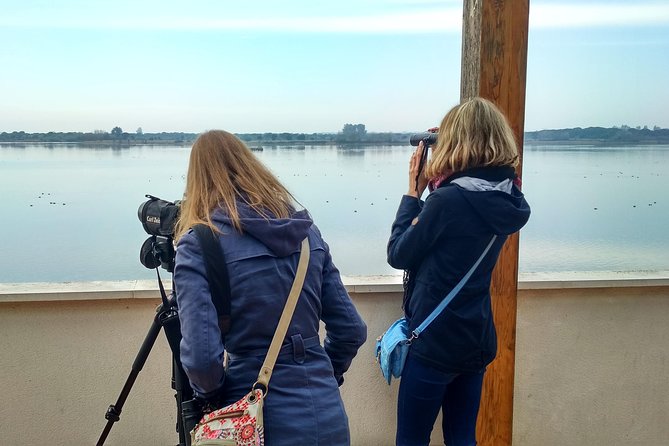
The schedule starts early with pickup arranged via downtown hotel routes in many cases, but the tour also uses specific meeting points in Seville. The listed options include a check-in at Naturanda Tourism Information for luggage storage, then pickup near C. Rastro, 12a.
This matters because some days you may not be right at your hotel door. One review experience complained about a pickup walk; another praised smooth communication. My advice: plan to be at your assigned pickup spot early enough to breathe, not hustle.
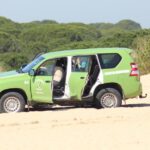
Vehicle comfort can vary. The trip is described as a 4×4 experience, but at least one departure was in a minivan setup. If you’re sensitive to cramped rear seating or camera angles, choose your seat wisely when possible and be ready for limited window views in some vehicles. Also, if you care about photos, bring a strap and keep your camera ready during the best stops, not during the transfer time.
Stop 1: Naturanda luggage storage and a fast start
The tour begins with a quick stop at Naturanda Tourism Information, where you can use luggage storage. It’s brief, but useful if you’re traveling with extra bags and want hands-free movement later.
From there, the route starts pushing out of Seville toward the Doñana region. This is one of those trips where the early start pays off. You get more daylight for wildlife spotting and better odds of birds being active.
La Puebla del Río and the water story behind the birds
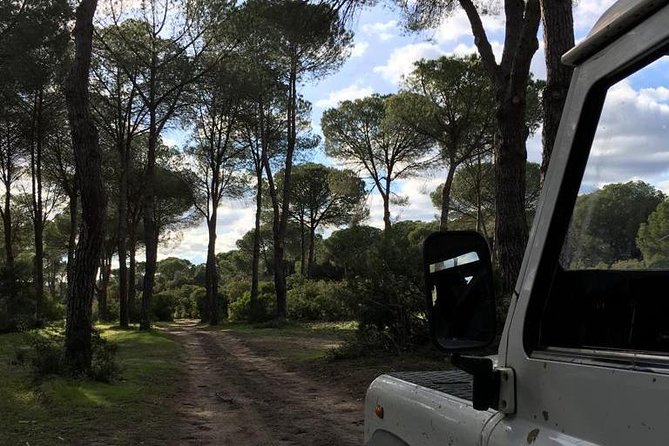
La Puebla del Río is a smart first ecosystem stop because it explains the park’s biggest secret: water. This area is described as the only place in Doñana where birds can find water easily year-round, helped by rice fields that grow in spring and summer.
In practical terms, this is where your bird spotting mindset clicks. Instead of scanning randomly, you learn what to look for and why. The marsh-and-rice setup can concentrate birds, especially waterfowl and wading species, and it gives you a natural “why” behind what you’re seeing.
If you’re a bird lover, this is also where the guide’s interpretation really matters. Some guides emphasize the bird ecology and species patterns more strongly than others, so your best move is to ask simple questions early: What’s active today? Where should I focus my eyes?
Dehesa de Abajo: storks, olive trees, and constant motion
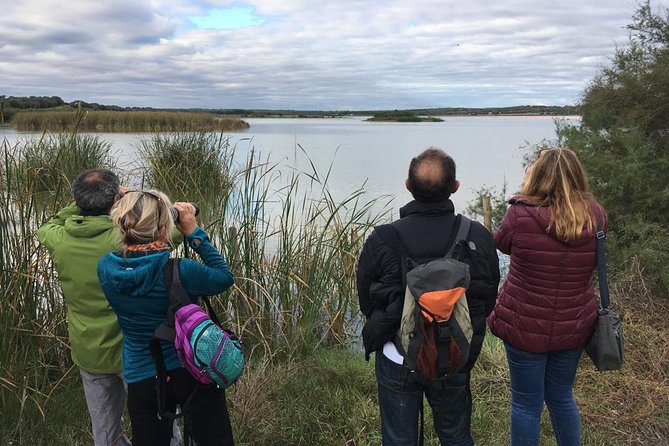
Next you head to a wooded area with ancient olive trees and oaks, a stop described as Dehesa de Abajo. This is where the tour leans into Europe’s largest colony of white storks in the nearby area, plus lots of other birds.
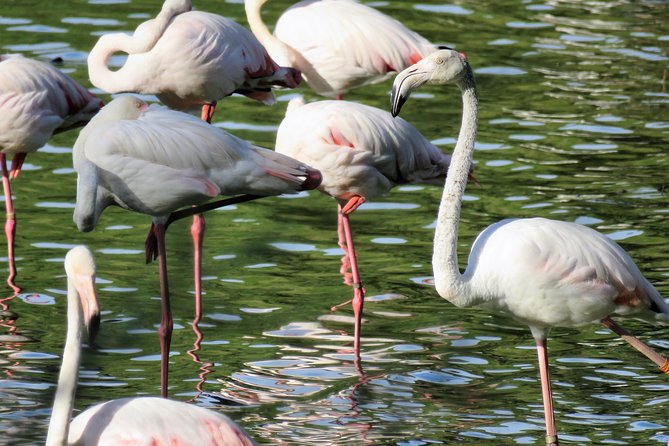
Even if you don’t count species, you’ll notice movement: birds nesting, birds flying between trees and open fields, and the general rhythm of a working habitat rather than a staged viewpoint. Reviews also mention water birds like flamingos and spoonbills being spotted in this general day, which fits the tour’s repeated focus on water and marsh cues.
If you’re going in late fall or early winter, keep expectations flexible. One review noted that October can limit animals you see. That doesn’t mean it’s bad. It means you’re visiting a system that changes with seasons.
El Rocío: chapel atmosphere and an ornithology lookout
El Rocío is one of the emotional anchors of the day. You’ll reach the hermitage village and visit the Virgin of El Rocío area, where the atmosphere is described as older-fashioned—sandy streets and a slower pace.
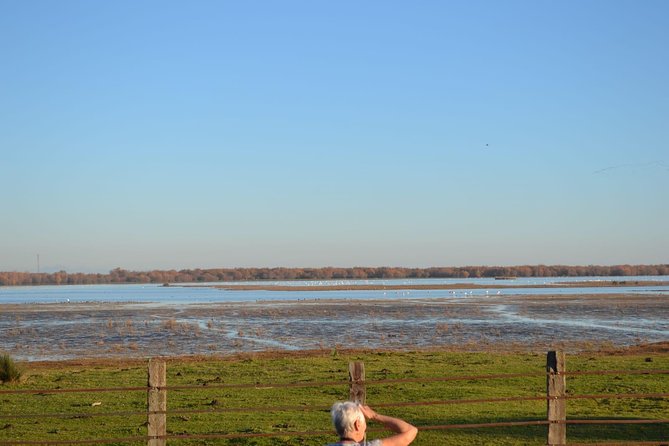
Then there’s also the ornithologists’ observatory component. That’s a big deal for bird watching because it’s built for looking, not just walking through a town. If birds are your main goal, spending time here can feel more productive than another generic photo stop.
Time here is limited, so decide what you want from El Rocío:
- If you want the village vibe, go at a walking pace and take in the chapel area.
- If you want birds, focus on the viewpoint/observatory time and don’t let shop wandering eat up the best windows.
Palacio del Acebrón and the La Rocina connection
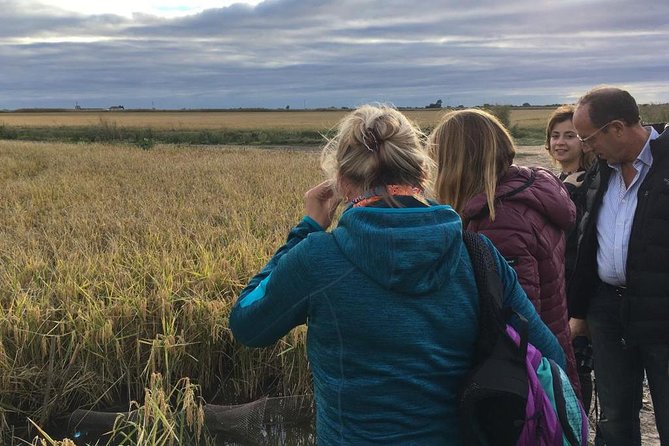
The itinerary includes a stop at Palacio del Acebrón near the Arroyo de la Rocina. This works as a transition point: you’re moving from village-town energy back into the park’s natural flow.
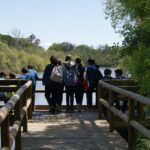
After that, you do a circular hiking route along trails near the La Rocina stream. This section is where you start learning how trails double as animal pathways and how plants tie into the bigger ecosystem story.
The walking portion is time-limited, but it’s a good stretch after hours of driving. Wear shoes with solid grip. This is a park with uneven ground, and you’ll likely walk on paths meant for wildlife movement as much as human feet.
Lunch timing: plan for own expense
Lunch is not included. The tour description explicitly says food and drinks aren’t part of the price, and the day has you stopping for lunch breaks on your own.
That’s also why choosing what you bring matters. If you’re the type who needs a proper sit-down meal, budget for it and be ready for a restaurant stop that might not match everyone’s tastes. One review specifically called out a lunch restaurant as not worth it, while another noted a lunch stop that worked well.
My practical suggestion: bring a small snack and water if you know you get hungry early. Then buy a meal when you feel good about the choice. This keeps you from feeling rushed.
Playa de Matalascanas: dunes, beach time, and picture moments
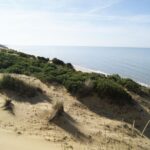
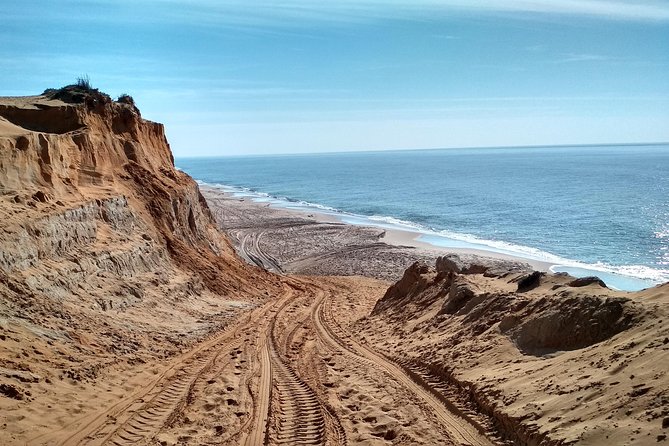
Then comes the coast: Playa de Matalascanas and the ecosystem of Doñana’s transforming dunes. The tour positions this as an education stop, not just a quick dip.
Some departures include enough beach time for swimming. One review even recommended packing for a swim, which is a helpful hint for warm-weather visits. Even if you don’t swim, the beach segment can be one of the most memorable visually because dunes show up as shifting forms rather than fixed scenery.
If weather turns grey, don’t write the day off. One review said cloudy conditions made photos striking. In other words: light changes the mood of dunes and birds, and you don’t always need sun to get great results.
Return drive and the lynx question on everyone’s mind
On the way back, the tour includes a longer return stretch that aims to cross forested areas in a 4×4 setup to spot mammals, including the Iberian Lynx. That’s an exciting promise, and at least one review reported seeing an Iberian lynx cub.
Still, lynx spotting isn’t something you can count on. Your best odds come from being alert when the guide slows down, and listening to guidance about where to look. Some days you’ll see deer, rabbits, and wild horses. Other days wildlife is quieter, especially when conditions reduce animal movement.
Also note a real-world factor: some access can be closed due to weather conditions for security. So if you notice the route shifting, it’s often because the operator is protecting the experience and the park—just not giving you the exact same path every time.
English delivery: the key to enjoying every stop
The tour is offered in English, but the real test is how much the guide can keep it balanced across the group. Several reviews mention that explanations were sometimes mostly Spanish, especially during busy stops.
Here’s how to handle it:
- Ask your most important questions early when English is strongest.
- If you get left out in conversation, don’t wait until you’re stuck in the back seat. Ask for a quick summary in English when you can.
- If you speak Spanish too, you’ll likely get more from mixed-language moments.
Guide personality can also shape the experience. Names that come up include Jose, Ramon, Sergio, and Miguel. Reviews describe guides as passionate about birds and patient with questions, but the pacing and language balance can change by departure.
Price and value: what $107.68 buys you (and what it doesn’t)
At about $107.68 per person for roughly 10 hours, the value is mostly in transportation and expert guiding across multiple habitats. You’re paying for:
- A guided route through Doñana’s key zones
- Small-group handling (max 15)
- Vehicle transport including 4×4 time
- Transfers from Seville
What you’re not paying for is food and drinks, plus any personal spending in towns. Also, wildlife density isn’t something the price can guarantee. If you’re expecting guaranteed lynx or constant flamingo close-ups, you’ll need to adjust your mindset toward chances, not certainty.
For the right traveler—nature-focused, bird-curious, and okay with a long day—this can be an efficient way to experience Doñana without organizing your own logistics.
When to go: season affects birds and your odds
The tour experience is strongly tied to water and season. One review said October can limit the animals you see, while another guide explained that the tour is best in spring when there’s plenty of water.
So think of your trip like this:
- Spring: more water, more active bird life
- Autumn: fewer birds can show up depending on conditions
- Any time: you’ll still get ecosystem education, walks, and a chance at mammals if the day cooperates
Weather matters too. The experience requires good weather, and if poor weather forces a change or cancellation, you’ll be offered a different date or a full refund.
What to pack so the day feels easy
This isn’t an airport-to-hotel day. You’re out in nature with long drives and a beach segment.
Pack for:
- A light layer for early morning
- Comfortable walking shoes for the circular trail
- Sun protection and a hat for the dunes and open areas
- A swimsuit if you like the idea of beach time
- Camera gear that works even with potential window limits
If you’re bringing a camera, keep in mind that rear seating on some vehicles can be less photo-friendly. If there’s a chance to switch seats or establish a rotation pattern, do it early.
Should you book this Doñana & El Rocío day trip?
Book it if you want an efficient, structured day in Doñana with guided interpretation, bird-focused stops, and a real shot at mammals during the return drive. I’d especially recommend it if you don’t want to rent a car and you like learning as you watch—Marsh, rice fields, pine forest, and dunes in one itinerary.
Skip it or go into the day with softer expectations if you need guaranteed wildlife sightings or perfect English at every moment. Wildlife can be limited by season, and access can change with conditions. Also, if you’re picky about comfort, remember that vehicle type may vary by departure.
If you’re the type who values the journey across habitats more than one single big animal moment, this is a strong choice out of Seville.
FAQ
How long is the Doñana National Park and El Rocío guided tour from Seville?
It runs about 10 hours (approx.) as a full-day experience.
How much does the tour cost, and what’s included in that price?
The price is $107.68 per person. It includes a professional driver/guide, hotel pick-up and drop-off in most downtown hotels, round-trip shared transfer, transport by 4×4 vehicle, and a small group guided day trip.
Is the tour offered in English?
Yes, this experience is offered in English.
Does the tour include food or drinks?
No. Food and drinks are not included.
What’s the maximum group size?
The group is capped at a maximum of 15 travelers.
Where do you meet for the tour?
Start points listed include Naturanda Tourism Information for luggage storage, with pickups at Calle Trajano nº6 (near Hotel Don Paco), Plaza Padre Jerónimo de Córdoba nº4, and Calle Rastro, 12A. The activity also lists C. Rastro, 12a as the start meeting point.
Does the itinerary include Iberian lynx searching?
Yes. The return portion (Step 8) is described as a 4×4 crossing of forested areas with a chance to see mammals, including the famous Iberian Lynx.
Is the tour in Doñana walking-friendly?
You’ll do a circular hiking route with interpretation in Doñana, plus walking at other stops like near the La Rocina stream.
What happens if the weather is poor?
This experience requires good weather. If it’s canceled due to poor weather, you’ll be offered a different date or a full refund.
FAQ
Can I cancel for free?
Yes. There is free cancellation, and you can cancel up to 24 hours in advance for a full refund.
How late can I cancel and still get a full refund?
To get a full refund, you must cancel at least 24 hours before the experience’s start time. If you cancel less than 24 hours before, the amount paid isn’t refunded.