REVIEW · SEVILLE
Doñana National Park Off-Road Tour from Seville
Book on GetYourGuide →Operated by Descubre · Bookable on GetYourGuide
Doñana hits different from a 4WD seat. This day trip pairs Seville pickup with a special permit for off-road access in Doñana National Park, plus a pilgrimage town stop in El Rocío and time on Spain’s longest beach. It’s one of those trips where the scenery does a lot, and the wildlife chances do the rest.
I especially like two things. First, you’re not just driving past habitats—you’re inside the protected reserve route by off-road vehicle, in areas known for wetlands, migratory birds, pine forests, and coastal dunes. Second, you get the human side of Andalusia in El Rocío, then swap back to nature with a beach walk near seabird territory.
One thing to think about: this is a long day (10–11 hours) and wildlife sightings are partly up to the day’s luck and conditions. If you have back problems, the rougher route isn’t the best fit.
In This Review
- Key takeaways before you go
- What Doñana Off-Road really means (and why it’s worth the effort)
- Starting from Seville: pickup, timing, and what to expect on the road
- El Rocío: the pilgrimage town stop that adds real Andalusian flavor
- Entering the protected reserve by 4WD: the heart of the day
- Coto del Rey: 13th-century royal hunting grounds in lynx country
- Wildlife spotting: what you should look for, realistically
- The virgin beach and seabirds: your calm ending on Spain’s longest shore
- What to bring so the day stays comfortable
- Price and value: is $105 fair for what you get?
- Who this tour suits (and who should skip it)
- My honest booking verdict: should you do it?
- FAQ
- FAQ
- How long is the Doñana National Park off-road tour from Seville?
- What’s included in the tour price?
- Are meals included?
- What wildlife can I look for?
- Do I need a special physical condition for the tour?
- What should I bring, and are pets allowed?
Key takeaways before you go
- Off-road permit inside the protected reserve: You’re guided through areas that standard road access can’t reach.
- Wildlife-focused route: You’ll look for species like Iberian lynx and imperial eagle, with your guide pointing out what matters.
- El Rocío break built in: You get free time to wander the pilgrimage town and handle lunch on your own.
- Coto del Rey stop: You’ll visit the 13th-century royal hunting grounds, a special setting for the nature talk.
- Spain’s longest beach: Expect seabirds and a relaxing shore walk after the park portion.
- Comfort helps: Bring comfortable shoes and plan for a full day outside, with stops for meals.
What Doñana Off-Road really means (and why it’s worth the effort)
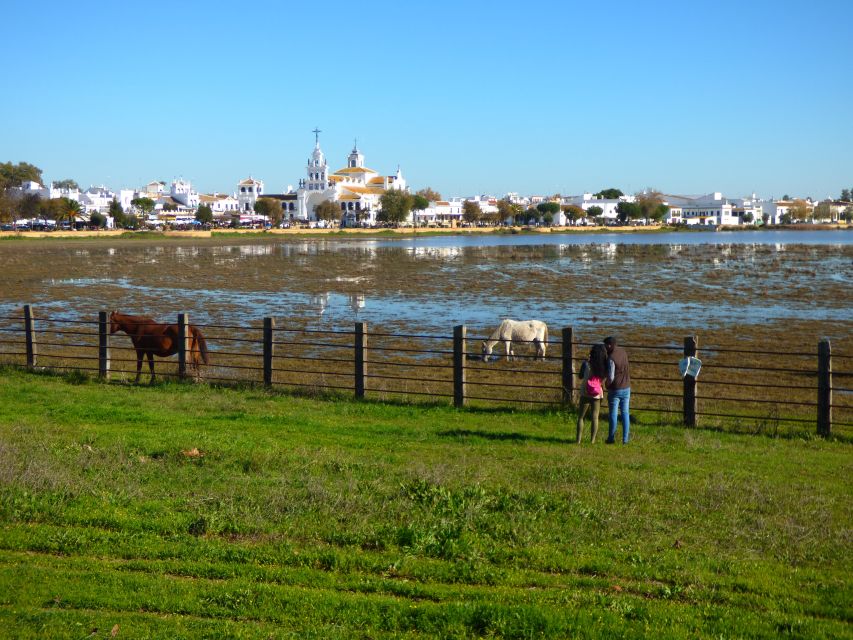
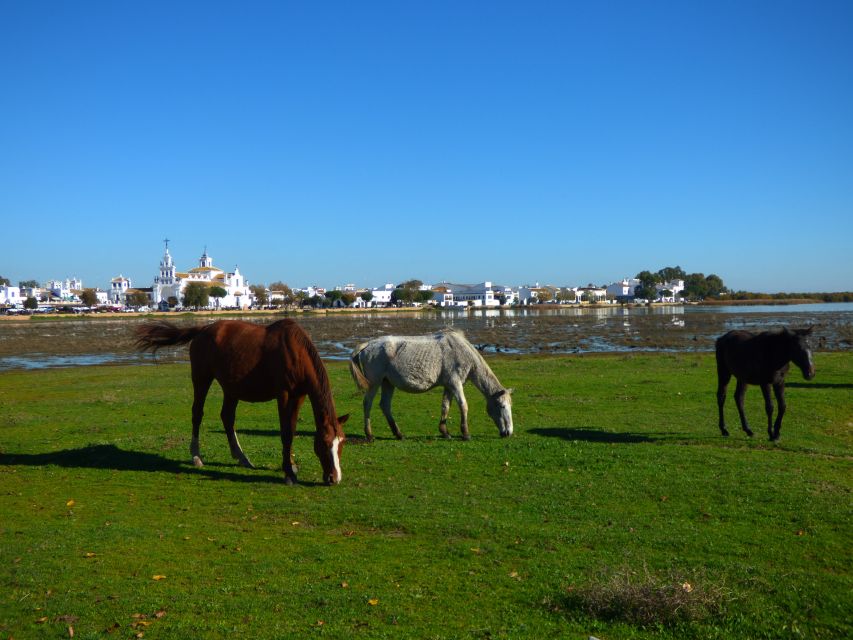
Doñana National Park is famous for one reason: it’s a living patchwork. Wetlands pull in migratory birds. Pine forests offer shade and structure. Coastal dunes soften the horizon. And because the park protects these habitats tightly, you don’t get the same experience from a bus window.
That’s where the off-road permit matters. Your route is done by off-road vehicle, with a guide and access rules that keep you in the right zones. The big value here is that the day is built to help you see and understand the park, not just to cover distance.
The park is also a conservation story in real time. The Iberian lynx (Lynx Pardinus) is critically endangered, and Doñana is one of the densest places for it. Even if you don’t spot a lynx on the day, you still get the context—what the habitats support and why certain animals are hard to see but worth looking for.
You can also read our reviews of more tours and experiences in Seville.
Starting from Seville: pickup, timing, and what to expect on the road
The tour runs about 10–11 hours, starting with pickup from your hotel in Seville. After that, you’re transferred to the pilgrimage town of El Rocío first, then you head into the park for the off-road segment.
Because it’s a full day, the timing does matter. You’ll have stops for breakfast and lunch along the way, but meals and drinks aren’t included, so plan to buy what you need during those breaks. I’d treat this like a “be ready for a long nature day” outing, not a quick morning drive.
A good thing to know: the tour is subject to change due to weather conditions and ticket availability. That’s not a small detail. In a place like Doñana, conditions can affect where vehicles can go and how the route runs. If you’re the type who hates plan changes, keep expectations flexible.
El Rocío: the pilgrimage town stop that adds real Andalusian flavor
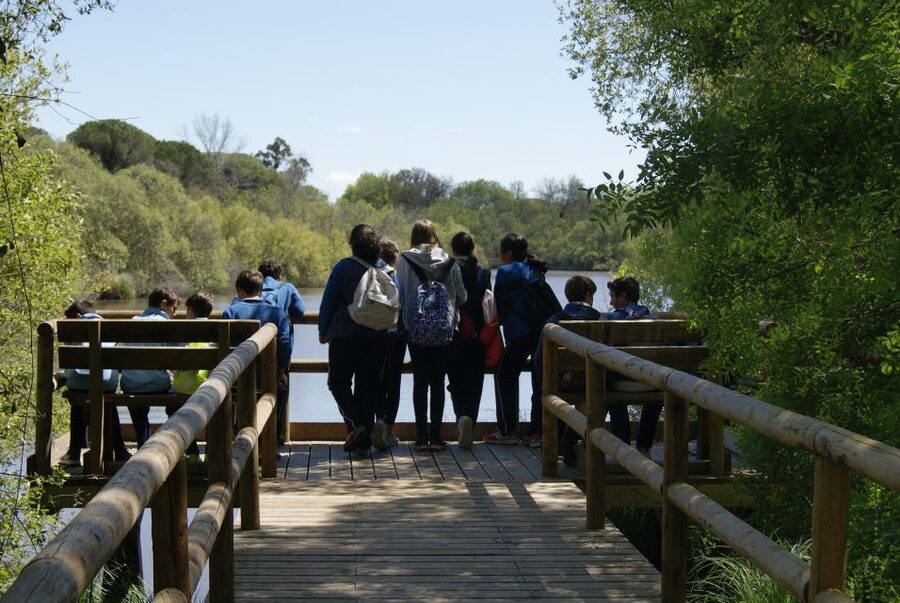
El Rocío isn’t just a convenient stop. It’s a pilgrimage town tied to tradition, and it gives your day trip a rhythm shift: nature, then people, then nature again.
You’ll go there early, and later you’ll return for some free time. That’s your chance to slow down, stretch your legs, and get lunch at your own pace. You don’t need a checklist here. The practical value of this break is that it helps you recharge before the off-road part and it keeps the day from feeling like nonstop bus time.
Also, having a town stop means you get a more complete picture of the region around the park. Doñana doesn’t exist in a vacuum—it’s part of daily life nearby, and El Rocío is one of the clearest examples.
Entering the protected reserve by 4WD: the heart of the day
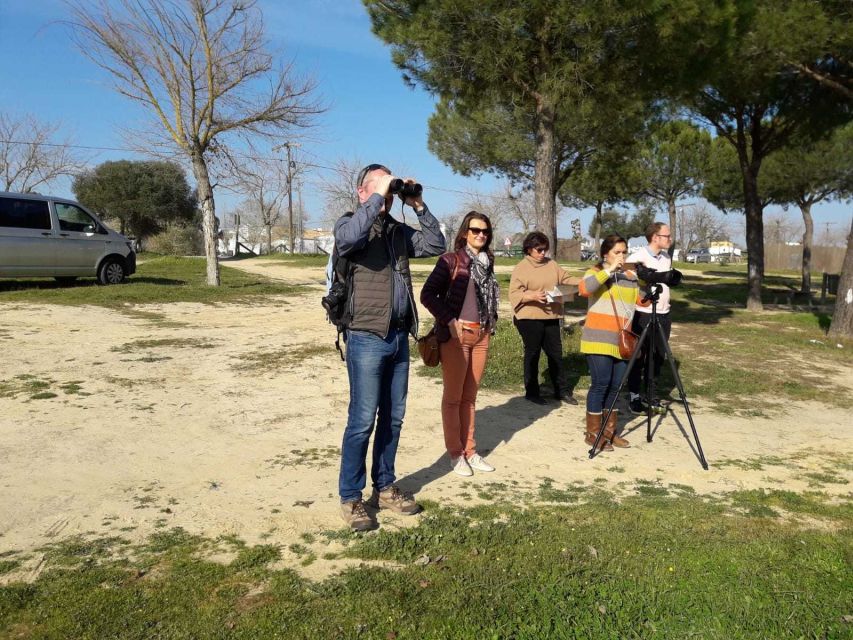
Now for the reason to book: the off-road route through Doñana’s protected reserve. You’ll have a special permit to explore by 4WD, which is the big difference between this tour and most “see the park from the road” experiences.
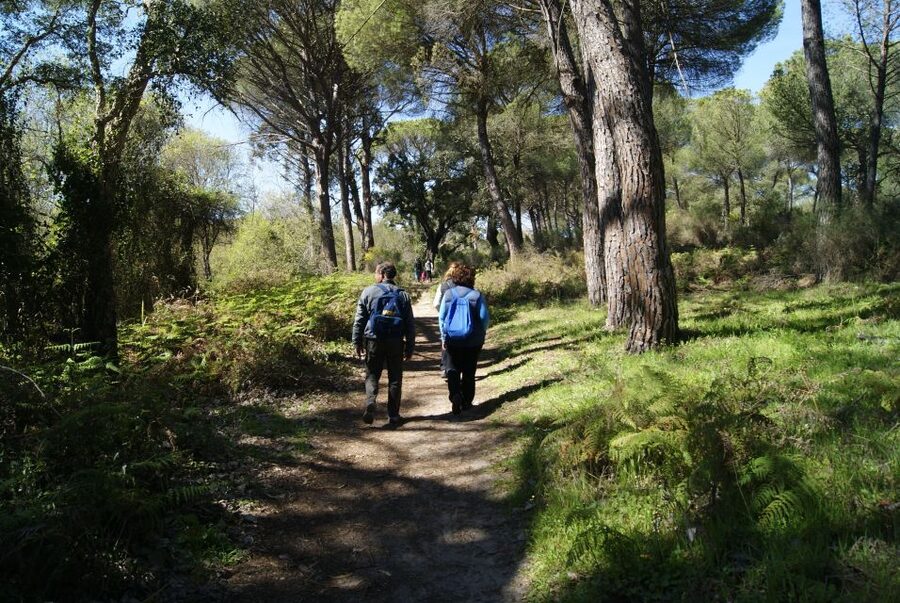
What you’re chasing here is habitat. Your guide helps you scan for signs tied to the wetlands, migratory birds, pine forests, and coastal dunes. In plain terms, you’re learning where animals tend to be and what the park looks like when it’s functioning well.
Here’s the balancing thought I’d give you: wildlife watching is part chance, part skill. Your odds rise with the right route and guidance, but no operator can guarantee sightings. The best attitude is to go in ready to enjoy the landscapes and the “why” of what you’re seeing, not only the “gotcha” of a rare animal moment.
Coto del Rey: 13th-century royal hunting grounds in lynx country
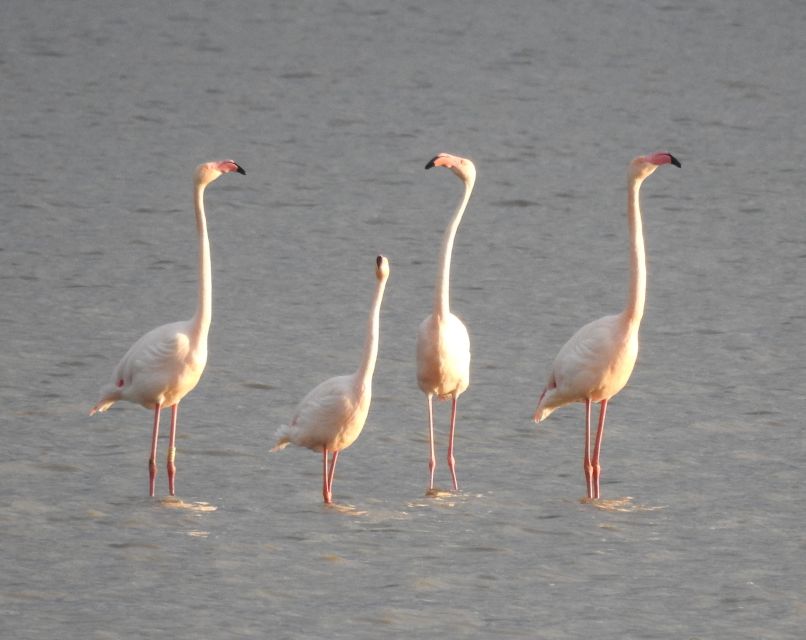
One of the most interesting segments is the visit to Coto del Rey, the royal hunting grounds dating to the 13th century. This matters because it gives you a sense of how long people have valued this territory—then contrasts that history with today’s conservation focus.
In that area, you’ll also be in excellent “listening and looking” territory for Iberian lynx. The tour specifically highlights that Doñana holds one of the densest populations of Lynx Pardinus in the world, so your guide’s job is to help you connect habitat to species.
From the experience of guides on this kind of route, the best part is usually the explanations. A few guide names stood out from past trips: Luismi was praised for being well-prepared, Ramón for giving clear explanations while you watch, and Jose for being passionate and great with the group. When you’re in a protected area where you might not see an animal instantly, a good guide turns the waiting into something meaningful.
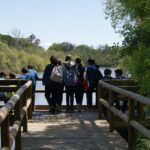
Wildlife spotting: what you should look for, realistically
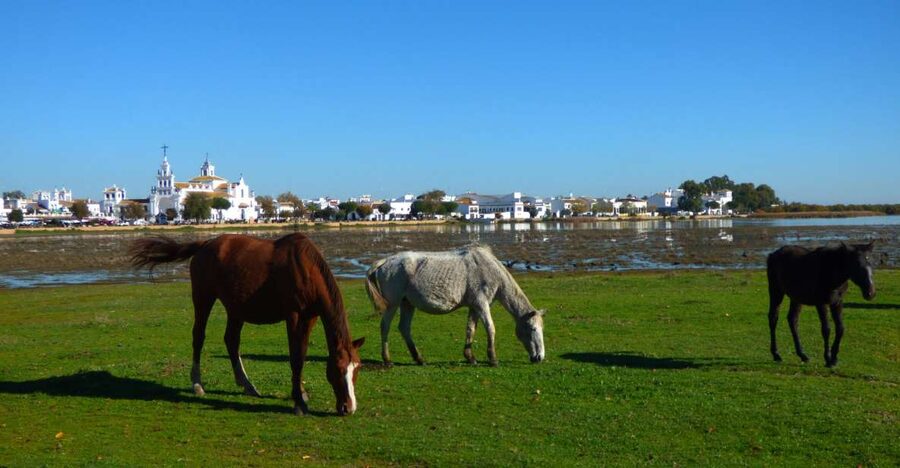
This tour is built around looking for endangered and notable animals, including Iberian lynx and imperial eagle. It also points out other animals you might encounter, like foxes and deer, depending on the day.
But I want to set expectations in a useful way. On a wildlife route, the “what you see” is never 100% predictable. Even strong guides can’t summon a lynx on command. What they can do—and what the best reviews highlighted—is help you make sense of animal activity, plants, and the patterns that guide where animals might be.
So if you’re nervous about spending the day and seeing nothing “headline-worthy,” don’t be. This trip isn’t only a luck lottery. The value comes from:
- guided scanning and habitat knowledge
- time spent in the right zones
- the sense of being inside a real protected landscape, not just passing it
The virgin beach and seabirds: your calm ending on Spain’s longest shore
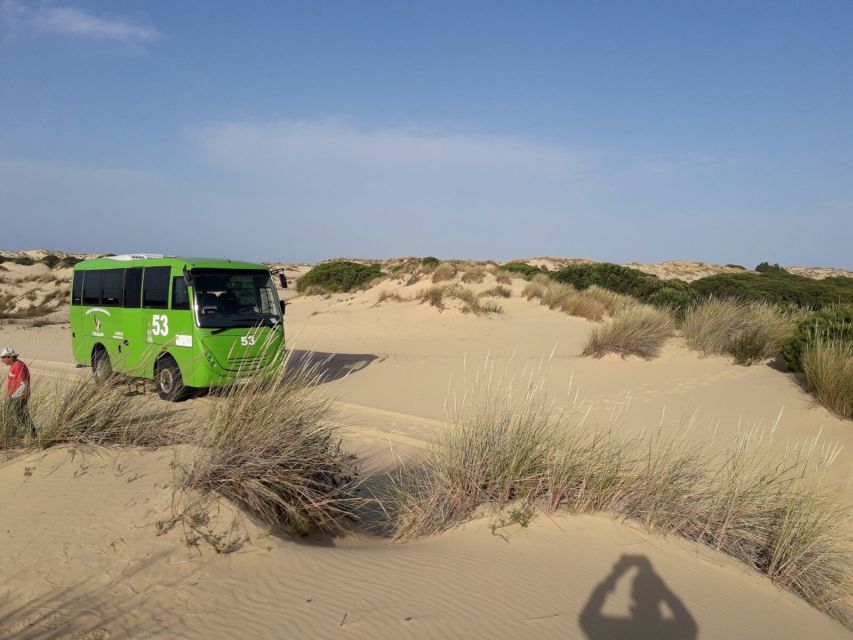
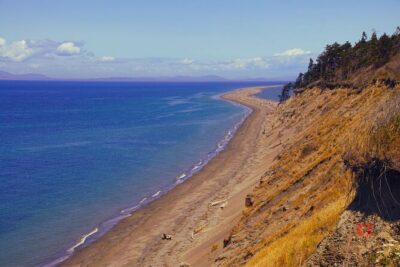
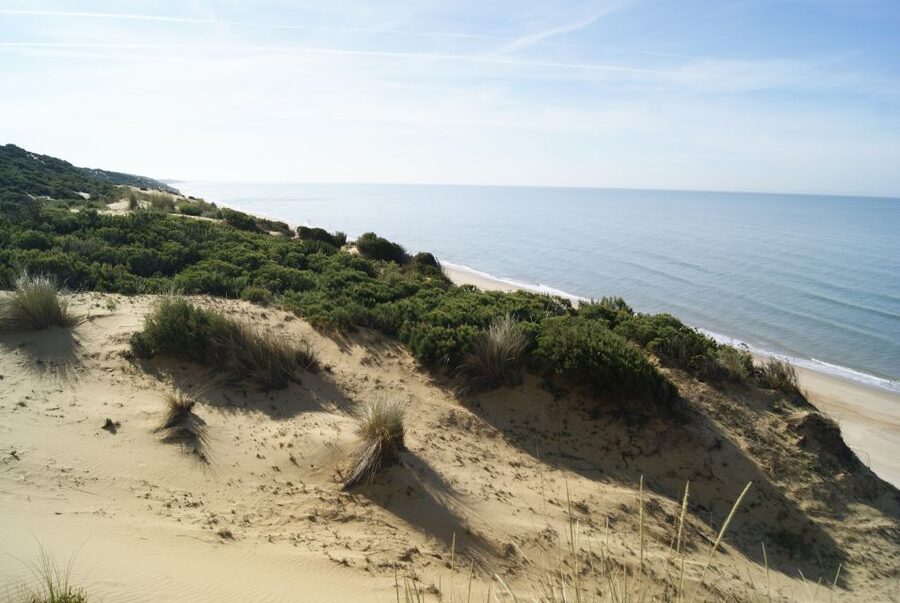
After the park, you head to one of the region’s beautiful virgin beaches, described as the longest beach in Spain. This is a nice way to close the day: less off-road focus, more open-air walking.
Your guide will still keep you in “look mode,” because the beach area is connected to seabird spotting. Then you get a relaxing shore walk. This part is more forgiving than the park portion—you can slow down, take photos without feeling rushed, and enjoy the contrast between dunes and wide, windy coastline.
If you’re the kind of traveler who likes a payoff at the end—something visual and peaceful after hours of searching—the beach stop is that payoff.
What to bring so the day stays comfortable
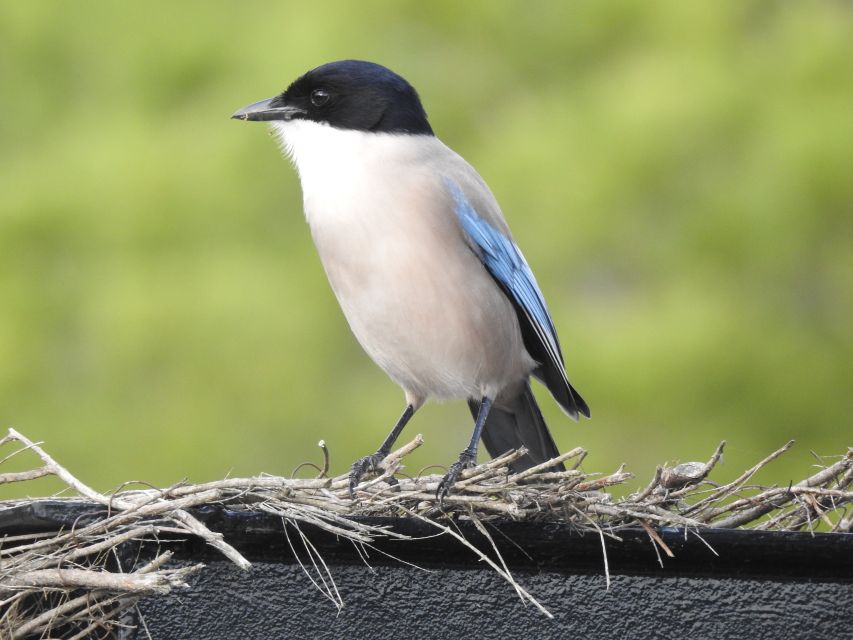
You don’t need special gear, but a few things will make a big difference:
- Comfortable shoes. You’ll be walking in town and along the shore.
- Sunglasses. Bright light and sun glare are real here.
- Plan for weather changes. Because the tour can shift with conditions, clothing layers help.
Also consider sitting comfort. The route includes off-road driving, and the tour notes it’s not suitable for people with back problems. If that’s you, it’s better to choose a more standard park option.
Price and value: is $105 fair for what you get?
At $105 per person, this is a mid-priced day tour. Whether it feels like a bargain or a splurge depends on what you care about.
Here’s what you’re paying for, in practical terms:
- round-trip transportation from Seville
- an English or Spanish-speaking guide (French also available)
- the off-road route through the national park with the permit
- time in El Rocío and then the beach portion
What you’re not paying for:
- breakfast and lunch (meals and drinks not included)
So the value story is strongest if you want more than scenery—you want access. Getting the permit and going by 4WD is the expensive part, and that’s the core of the experience. If you’re happy with roadside viewpoints only, you’d probably feel overcharged. If you want the guided, habitat-first wildlife search plus a real conservation setting, $105 starts to look reasonable.
If you’re traveling on a tighter budget, I’d plan your lunch spending ahead of time and treat this as a “pay for access” outing.
Who this tour suits (and who should skip it)
This tour fits best if you:
- love wildlife watching and don’t mind that you may not see every headline species
- want a guide-led interpretation of wetlands, dunes, and pine-forest habitats
- appreciate a mix of culture and nature (Seville to El Rocío, then beach)
You might want to skip or reconsider if you:
- have back problems, because off-road driving isn’t recommended
- dislike full-day outings with limited meal inclusion
- need very rigid timing and hate weather-related changes
If you’re going in a group, keep an eye on the vibe: this is small-group friendly, and private or small groups are available. That can make the guide interaction feel more personal, especially when you’re stopping to scan the habitat.
My honest booking verdict: should you do it?
I’d book this tour if you want a hands-on Doñana day. The best reason is the off-road permit—that’s not a small perk, it’s the difference between watching and understanding. Add in the Coto del Rey stop, the El Rocío break, and the final beach walk, and you get a day with real variety, not just one long ride.
I’d think twice if your priority is guaranteed Iberian lynx sightings. This isn’t that kind of trip. You’re paying for access and guidance, not a photo contract. If you can accept wildlife luck as part of the deal, you’ll likely feel satisfied even when the day is quiet.
FAQ
FAQ
How long is the Doñana National Park off-road tour from Seville?
It lasts about 10–11 hours, depending on starting time and the day’s conditions.
What’s included in the tour price?
You get round-trip transportation from Seville, a Spanish-, English-, or French-speaking guide, and an off-road route through the national park (with the permit for the protected reserve).
Are meals included?
No. Breakfast and lunch are not included, though there will be stops during the day.
What wildlife can I look for?
The tour focuses on endangered species and also highlights the chance to look for Iberian lynx and imperial eagle. Other animals may be seen depending on conditions.
Do I need a special physical condition for the tour?
It is not suitable for people with back problems, due to the nature of off-road driving.
What should I bring, and are pets allowed?
Bring comfortable shoes and sunglasses. Pets are not allowed.