REVIEW · OLYMPIC NATIONAL PARK
Self-Guided Audio Driving Tour in Olympic National Park
Book on Viator →Operated by GuideAlong (GyPSy Guide) · Bookable on Viator
Olympic National Park is big, foggy, and full of surprises. This self-guided audio driving tour helps you plan a full day by playing stories and directions exactly where you are on your route. You control the pace, start and stop when you want, and can build your own day around the places that grab you.
I especially like the GPS-based autoplay that keeps you oriented without constant phone-tapping. I also like the mix of nature, history, and practical tips, plus the fact the guide keeps working even when cell service disappears. It’s the kind of format that turns a long drive into a guided day without the scheduling stress.
One thing to keep in mind: you’re relying on your phone (battery and sound). If the volume or connection isn’t right for your setup, it can be annoying, and you’ll want to be ready with a car charger.
In This Review
- Key Points Worth Knowing Before You Drive
- Olympic National Park, but With a Real Plan
- Price and Value: $19.99 for Up to 8 People
- Offline-Ready Setup: How to Make the GPS Audio Behave
- Your Driving Day: How to Think About Time and Stops
- Stop-by-Stop: What Each Place Adds to Your Olympic Day
- Stop 1: Olympic National Park Orientation on the Road
- Stop 2: Dungeness Spit, Wildlife Refuge, and a Lighthouse Walk
- Stop 3: Madison Creek Falls in Elwha Valley
- Stop 4: Hoh Rain Forest, Where You Can Actually Slow Down
- Stop 5: Hurricane Ridge, Alpine Views Without a Big Commitment
- Stop 6: Lake Quinault and the Slow Loop Drive
- Stop 7: Quinault Rain Forest and the Sitka Spruce Detail
- Stop 8: Rialto Beach, Tidepools and the Hole-in-the-Wall Arch
- Stop 9: Ruby Beach, Easy Access and Tide Timing for Abbey Island
- Stop 10: Sol Duc Falls and a Post-Drive Mineral Soak
- What Makes the Narration So Useful in Olympic
- A Few Smart Planning Tips Before You Hit the Road
- Who This Tour Fits Best
- Should You Book This Olympic Audio Driving Tour?
- FAQ
- How much is the self-guided audio driving tour?
- Does the tour include park entrance fees?
- Is there cell service needed to use the audio tour?
- How does the audio know when I’m at a specific stop?
- Where does the tour start and end?
- What stops are included in the route besides Olympic National Park itself?
Key Points Worth Knowing Before You Drive
- 420+ location-based audio points that play automatically as you move through the park areas
- Private, one-price-per-vehicle style touring for groups up to 8 people
- Offline listening after downloading in advance, so you’re not stuck when service drops
- A smart hit list that balances rain forest, alpine views, glacial lakes, and big beaches
- Real-world details like tide timing for beach walks and what to look for in the wildlife areas
- Narration by Lee, praised for being clear, timely, and packed with history and science
Olympic National Park, but With a Real Plan
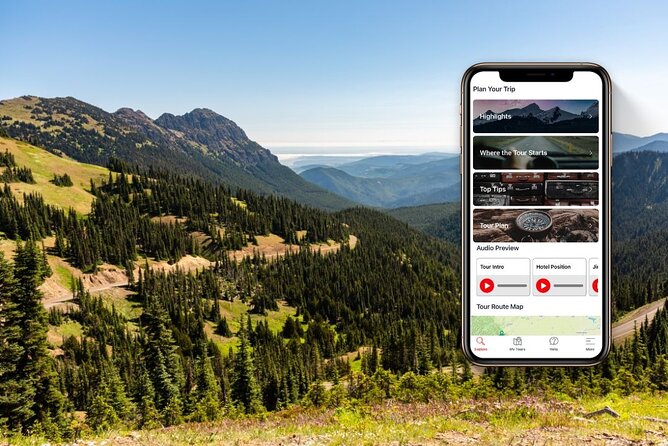
Olympic National Park can feel like three parks in one: rain forest, alpine, and ocean beaches. The hard part is deciding what order to do it in, especially when weather, daylight, and road conditions change your mood. This tour’s biggest strength is that it doesn’t try to force one rigid script. Instead, it uses your phone’s GPS to trigger commentary and direction as you drive, which makes it easy to shape your day on the fly.
The pace is also friendly. You’ll spend about an hour at most stops, with options to linger where the place deserves it. And if you want to move faster, you can. That flexibility matters in Olympic, where a “quick walk” can turn into an hour if you’re watching birds or taking in views.
You can also read our reviews of more tours and experiences in Olympic National Park.
Price and Value: $19.99 for Up to 8 People
At $19.99 per group (up to 8), the audio portion is priced for families and small groups. The key value isn’t just the low cost. It’s that you’re covering a full day’s worth of driving and decision-making support with one purchase per vehicle.
You’ll still pay normal park costs on top. The National Park Pass is not included (it varies based on length of stay, ages, and group size), and the guide estimate is around $30 per vehicle for 2024. Also, Dungeness Spit has its own entrance fee (around $3 daily per family or group in 2024). If you’re already planning to enter Olympic for the day, the tour price is relatively small compared to the value of having clear stop-by-stop guidance and rich context for what you’re seeing.
Offline-Ready Setup: How to Make the GPS Audio Behave
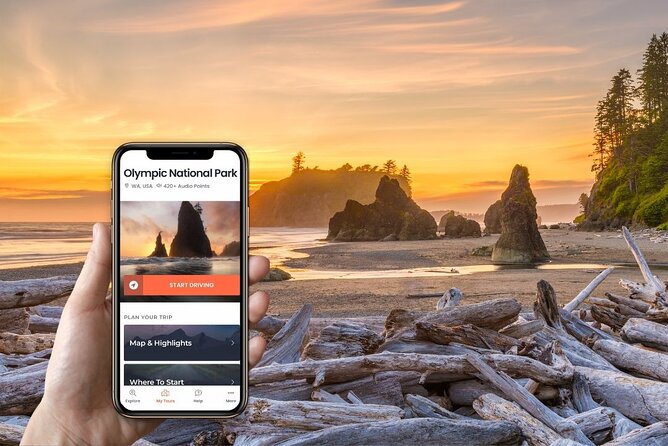
This is a download-first experience. After booking, you’ll get instructions to redeem a voucher code, then download the GuideAlong app and the tour data under My Tours. The important part: once downloaded, it works offline. That’s crucial in Olympic, where cell service can be inconsistent.
A few practical moves that will save you stress:
- Charge your phone fully before you leave, and bring a USB/C car charger.
- In the app, you can open the tour early to preview start locations, route options, and your trip planner.
- If you plan to play music through your car system, note that the audio is designed to interject with the narration and then return to your music afterward. That was specifically called out as a smooth feature.
If volume feels off, adjust it through your phone settings or your car speaker settings. One common complaint is simply that the narration can be too loud, and it isn’t always a quick fix inside the app.
Your Driving Day: How to Think About Time and Stops
This tour is designed for roughly 8 hours to 1 day. That doesn’t mean you’ll do everything at a single strict schedule. It means the audio points line up with a route where each stop gives you about an hour of story and sights, with a recommendation to spend longer at the biggest draw.
Olympic’s roads also shape your day. Some stops are close and easy, like the beaches. Others ask you to plan around driving time and viewpoints. My advice: treat the suggested stop times as a baseline, then choose where you slow down. In Olympic, slowing down is often where the best memories happen.
Stop-by-Stop: What Each Place Adds to Your Olympic Day
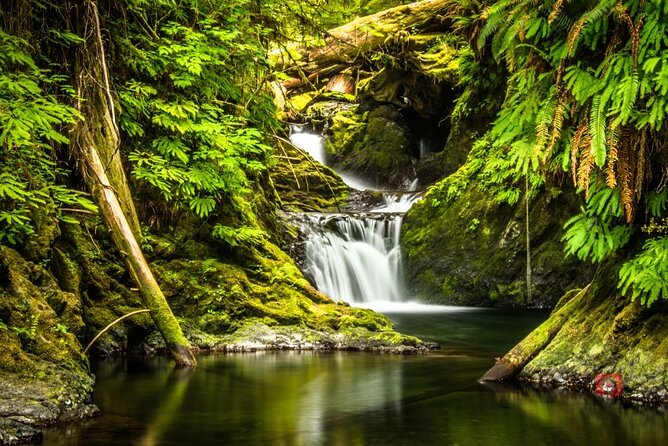
Stop 1: Olympic National Park Orientation on the Road
The tour opens with Olympic National Park at 3002 Mt Angeles Rd, Port Angeles, WA 98362. Even though there’s a start point, you’re not trapped there. Because commentary plays based on your current GPS location, you can effectively begin and end along the route and still catch relevant audio.
This first section is useful because it helps you get your bearings fast. Instead of feeling like you’re just driving to random pull-offs, you start hearing why certain areas are special and what to watch for as you go.
Stop 2: Dungeness Spit, Wildlife Refuge, and a Lighthouse Walk
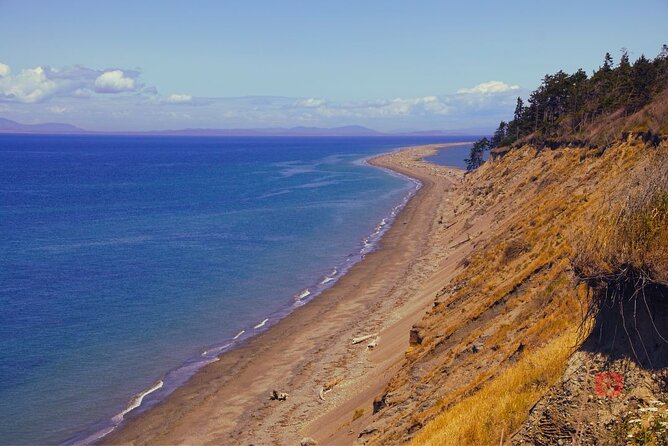
Dungeness Spit is not inside Olympic National Park boundaries, but it’s a very “Olympic” kind of place. The spit stretches about 5 narrow miles into the Strait of Juan de Fuca and grows each year (roughly 14 feet annually). It’s known as the world’s longest sandspit, and it functions like a refuge for birds and marine life.
What makes it worth a stop:
- You can walk out the length of the spit for the big payoff: a lighthouse.
- Birdlife is a major focus here, with 90 bird species known to nest.
- You might spot harbor seals, orcas, and minke whales offshore, though sightings can be hit-or-miss.
Practical note: the entrance fee is not included. Plan on paying around $3 daily per family or group (2024). Also, while the full walk is optional, the area can feel exposed and windy, so bring layers.
Stop 3: Madison Creek Falls in Elwha Valley
This stop is a short deviation near Port Angeles, with a reward that’s more gentle than dramatic: a stroll to Madison Falls. The route also includes what’s left from early homesteaders drawn to the friendly valley.
The nature angle is the standout here. The Elwha story is one of “before and after” restoration: after dams were in place for about a century, Congress ordered two dam removals so the river could run freely again. That reopening helps restore fertile conditions from flooding and brings salmon access back to the river. Even if you’re not a river-ecology person, it gives you context for what you’re seeing.
Stop 4: Hoh Rain Forest, Where You Can Actually Slow Down
If Olympic has a single poster-child ecosystem, it’s the Hoh Rain Forest. Expect a temperate rainforest feel with giant trees, thick moss, and lots of ferns. The “every shade of green” vibe is real, and the groundcover changes the whole walking experience.
The wildlife possibilities add energy. The tour highlights a chance of seeing elk and black bears. You won’t always get wildlife, but the forest structure gives you plenty to look at even when you’re not spotting animals.
Time tip: you’ll want at least 2 hours here. Even though the stop section is listed at about an hour, this is one of those places where rushing makes no sense. Build in extra time for the main paths and for pausing just to absorb the atmosphere.
Stop 5: Hurricane Ridge, Alpine Views Without a Big Commitment
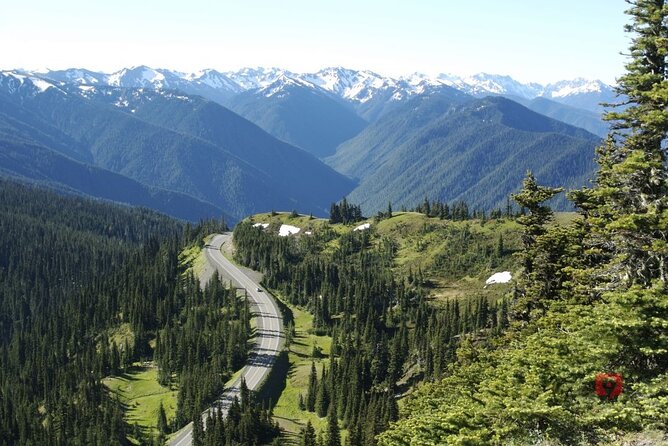
Hurricane Ridge is the most easily accessed alpine area in the park. The drive is 18 miles from Port Angeles, and it gives you that sudden shift from forest to elevation—often with big views and cooler air.
You’ll find a range of trail options. If you want an alpine taste without a heavy effort, the Meadow Trails are recommended. If you want more challenge, the area also offers steeper or longer options that branch from the parking zone.
One reason this stop consistently wins people over: it makes Olympic feel like a real mix of ecosystems. Even if you keep your hiking short, the viewpoints do a lot of work for you.
Stop 6: Lake Quinault and the Slow Loop Drive
Lake Quinault is a great “reset” stop. You can spend an hour or more driving the loop circuit around the lake. The lake itself was carved by an ancient glacier, and glacial runoff still feeds it today. A moraine leftover from past glacial movement helps hold the water in place, which is a cool reminder that Olympic’s geology is still actively shaping what you see.
Hiking options are scattered along the route, and you’ll also have services in the area, including lodging, restaurants, campgrounds, and a small museum. If you want an easy stretch of the day with options to do more or less, this is the place.
Stop 7: Quinault Rain Forest and the Sitka Spruce Detail
This is another lush rain forest drive, and it comes with a specific “look for this” detail: the world’s largest Sitka spruce is mentioned along the way. The tour also points out that this rainforest ecosystem is similar to Hoh, with heavy rainfall that can reach up to 12 feet per year.
If you’ve already visited Hoh, this stop adds variety without repeating the exact same feeling. It’s more of a “walk the edges with your eyes open” stop as you drive and catch key moments of forest scale.
Stop 8: Rialto Beach, Tidepools and the Hole-in-the-Wall Arch
Rialto Beach is famous for sunset photos, but it’s also strong at other times, especially if the weather gives you a break and it’s warm enough to enjoy the walk.
You’ll see rock pillars, and there’s a half-mile walk to the Hole-in-the-Wall arch. The interesting detail here is that it’s expected the arch will eventually become two new pillars, often described like haystacks in the future. That kind of forward-looking geology makes the place feel alive.
Tidepools are part of the fun, too. If the tide is low, you’ll likely spend longer here than you planned, just scanning the shoreline for small life and interesting shapes.
Stop 9: Ruby Beach, Easy Access and Tide Timing for Abbey Island
Ruby Beach is easy to visit because parking is right off the highway. You walk straight onto the beach, which is ideal when you want something simple and scenic.
A big feature is Abbey Island, a giant sandstone block out in the water. At low tide, you can walk to it, but you need to head back before the tide rises too high. The tour specifically calls that out, and it’s exactly the kind of safety detail that’s worth respecting.
What about rubies? You won’t find actual gems. Instead, you can “hunt” for almandite, a type of garnet that looks pretty but isn’t precious in the same way people expect. It’s a fun way to give your brain a mission on the beach.
Stop 10: Sol Duc Falls and a Post-Drive Mineral Soak
Sol Duc is a scenic valley side trip off Highway 101. The tour mentions salmon during spawning season, so if you’re in the area during that window, you might catch salmon battling up the Sol Duc River.
The main attraction is the waterfall. The triple-tier Sol Duc Falls is less than a mile from the car park, which makes it a satisfying stop without long hiking. Afterward, you can finish with a relaxing soak at Sol Duc Hot Springs Resort, where the pool is described as a relaxing hot mineral option.
This last stop is a smart way to end the day. You get the outdoor payoff, then the body-friendly cooldown.
What Makes the Narration So Useful in Olympic
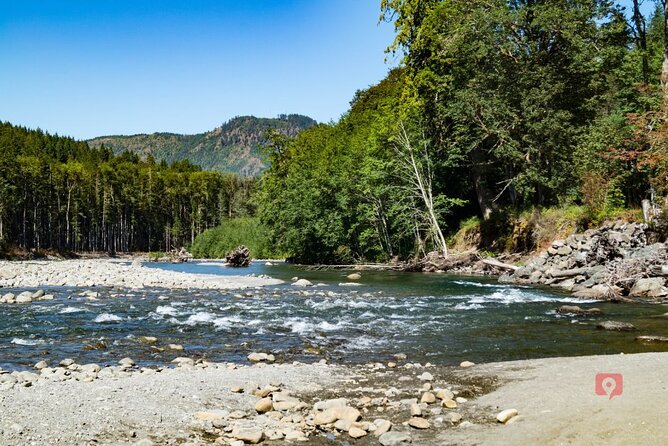
The audio isn’t just facts. It’s built around timing and location, and that changes how you experience places.
The biggest praised aspect is the narration itself, credited to Lee in one set of comments. The focus is on local history, flora and fauna, and practical guidance, and there’s also mention of a droll sense of humor. That humor matters, because Olympic can be visually intense. A light touch keeps the drive from turning into a lecture.
You also get stories that help connect dots: why homesteaders settled where they did, what the river restoration means, and why rain forest ecology looks like it does. When you understand the “why,” you stop treating it like a scenic drive and start treating it like a place with layers.
GPS accuracy also came up in feedback, including performance even when there was no cell service. That’s another reason the offline download is so important: it keeps the audio tied to your location even when you can’t stream.
A Few Smart Planning Tips Before You Hit the Road
Olympic rewards flexibility, and this tour supports it. Still, a few realities can help you enjoy the day more:
- Charge first. You’re using GPS and audio all day, so bring a car charger and don’t leave with a half-dead battery.
- Plan around tides at Rialto Beach and Ruby Beach. You can enjoy tidepools and sand features, but you should respect the walk timing (especially at Ruby Beach for Abbey Island).
- Choose your hiking effort wisely. Some stops are short and forgiving (like Sol Duc Falls), while others are best approached slowly (like Hoh Rain Forest).
- Expect wildlife as a possibility, not a guarantee. The tour highlights elk, black bears, seals, and whales in specific areas. Bring patience and keep your eyes moving.
Also, one nice feature from the experience format: you may get different commentary depending on driving direction. That’s handy if you’re doing an out-and-back style day and don’t want the same story repeated.
Who This Tour Fits Best
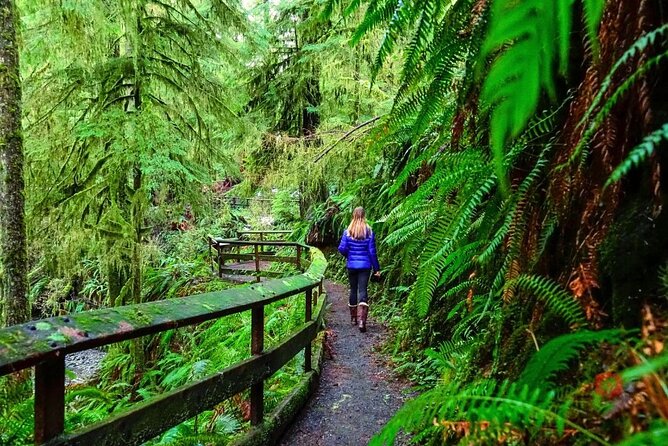
This works especially well if you want guidance but don’t want to join a group with a fixed schedule. It’s also a strong match for anyone who prefers choosing their own walking pace.
It’s been used by people who can’t walk far, because most stops are reachable by car with options for shorter walks. Even if you’re not mobility-limited, the style helps when you have energy limits, kids in the group, or simply want breaks without waiting.
If you’re the kind of person who likes context while you drive—history plus ecology plus practical tips—you’ll probably enjoy it. And if you’re already doing Olympic as a self-drive trip, this is a relatively low-cost way to turn driving time into informed sightseeing.
Should You Book This Olympic Audio Driving Tour?
Yes, if you want a low-cost, flexible way to experience major Olympic highlights in one day without paying for a guided group tour. The GPS autoplay, offline use, and the detailed stop ideas make it a practical tool for first-timers and repeat visitors alike.
Hold off if you’re expecting a hands-free “automatic tour” with zero phone attention. You’ll still need to manage battery life and audio volume. And if you’re allergic to extra costs beyond the tour price, remember you still may need a National Park Pass and you’ll pay at Dungeness Spit.
If you’re planning an Olympic self-drive day and want the park to feel more understandable and less random, this is an easy recommendation.
FAQ
How much is the self-guided audio driving tour?
It costs $19.99 per group and supports groups of up to 8 people.
Does the tour include park entrance fees?
No. National Park Passes are not included and the cost varies depending on your plans. Dungeness Spit also has an additional entrance fee.
Is there cell service needed to use the audio tour?
No. After you download the tour, it can be used offline, so you do not need internet or cell service while driving.
How does the audio know when I’m at a specific stop?
The commentary is location-based. It plays automatically based on your phone’s GPS as you drive through the route.
Where does the tour start and end?
The listed start and end location is Olympic National Park, 3002 Mt Angeles Rd, Port Angeles, WA. You can effectively start and end along the route since the audio plays based on where you are.
What stops are included in the route besides Olympic National Park itself?
Dungeness National Wildlife Refuge / Dungeness Spit is included as a stop, even though it is described as not officially within the national park. The route also includes Madison Creek Falls area, Hoh Rain Forest, Hurricane Ridge, Lake Quinault, Quinault Rain Forest, Rialto Beach, Ruby Beach, and Sol Duc Falls.