REVIEW · HAMBANTOTA
Bundala National Park Safari
Book on Viator →Operated by Shehan Safari · Bookable on Viator
Saltwater lagoons make Bundala feel alive. I like the private safari jeep ride through a UNESCO World Biosphere Reserve, and I love the chance to focus on wildlife and birds around the saltwater lagoons, including elephants and crocodiles. One thing to plan for: food and drinks aren’t included on half-day safaris, so you may need to budget extra or bring your own snacks.
If you’re deciding between a morning, evening, or full-day option, Bundala’s layout makes it easy to tailor the pace. I also appreciate the practical touches like hotel pickup (if you choose it) and a mobile ticket, plus the straightforward return to the same meeting point. The park is at its best when you give it enough time, though, so a half-day is fun but can feel like a quick taste.
In This Review
- Key safari takeaways before you go
- Bundala National Park in plain terms: lagoons, birds, and UNESCO status
- Morning vs evening vs full day: choosing the right length for your goals
- What you should aim for
- The jeep ride: what you’re really doing when you’re scanning for animals
- Wildlife odds: elephants, crocodiles, flamingos, and the fun surprises
- Your guide matters: how guides like Sakun and Yasanka change the day
- Sunset safari planning: what the evening option gives you
- Price and value: what $88 covers (and what you’ll likely add)
- So is it worth it?
- Food plan: keep your energy up without overthinking it
- Where you start and how pickup affects your day
- Group size: you’re not alone, but you’re still in control of the experience
- What to pack (so the day doesn’t feel like work)
- Is Bundala right for you? Who this safari fits best
- Should you book the Bundala National Park Safari with Shehan Safari?
- FAQ
- FAQ
- What options are available for the Bundala National Park safari?
- How long is the safari?
- Is pickup from your hotel included?
- Does the safari include food?
- Is there a mobile ticket?
- Can I cancel for free if plans change?
Key safari takeaways before you go
- UNESCO World Biosphere Reserve setting, with saltwater lagoons as the star attraction
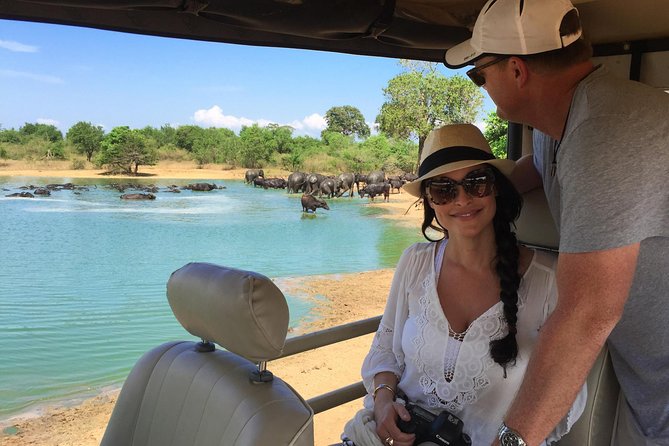
- Private jeep experience for your group, giving you a better chance to follow animals as they move
- Bird focus: more than 200 avian species, including greater flamingos and spoonbills
- Wildlife variety you might spot in one circuit—elephants, crocodiles, tortoises, and more
- Evening safari adds a dramatic sunset element if you want the golden-hour feel
- Meals are length-dependent: full-day includes picnic breakfast and lunch, half-day is extra
Bundala National Park in plain terms: lagoons, birds, and UNESCO status
Bundala National Park is one of Sri Lanka’s top wildlife areas, and the reason is simple: it’s a place where the ecosystem is doing the work for you. The park’s saltwater lagoons concentrate life in a way that’s great for both wildlife spotting and birdwatching. You’re not just driving through random trails. You’re moving through a landscape that feeds animals and attracts visitors’ attention for a reason.
It’s also part of a UNESCO World Biosphere Reserve. That matters because it signals conservation value and, in practical terms, it helps explain why the area is managed as a real habitat—not just a backdrop. You’ll hear and see the connection fast once you’re in the jeeps and scanning the waterline and open flats.
From what I’ve seen in guidance and safari experiences shared by others, Bundala tends to feel calmer than some more famous safari regions. If you want a wildlife day with less pressure and fewer stop-and-go moments, this park can fit that mood really well.
You can also read our reviews of more tours and experiences in Hambantota.
Morning vs evening vs full day: choosing the right length for your goals
This safari gives you three main ways to do Bundala: a morning safari, an evening safari, or a full-day outing. The total time is approximate—about 4 to 12 hours—so you’re not stuck with one pace.
A half-day is the right choice when you:
- want a focused wildlife circuit without a full day commitment
- are pairing Bundala with other stops around Hambantota
- prefer the easier schedule (and you’re okay with food costs being your responsibility)
A full day is the better choice when you want maximum odds of seeing more wildlife and more birds. The park is large and animals can be spread out, so extra time usually translates into more chances to connect with what’s active that day.
The evening safari has one clear advantage: you’re in the park during the time when a dramatic sunset can happen. Even if your big sightings come earlier, the evening vibe is part of why people pick Bundala at that hour.
What you should aim for
If your priority is birds—especially flamingos and waterbirds—longer time helps because bird activity can shift throughout the day. If your priority is larger animals like elephants and crocodiles, longer time also helps because sightings can be intermittent.
The jeep ride: what you’re really doing when you’re scanning for animals
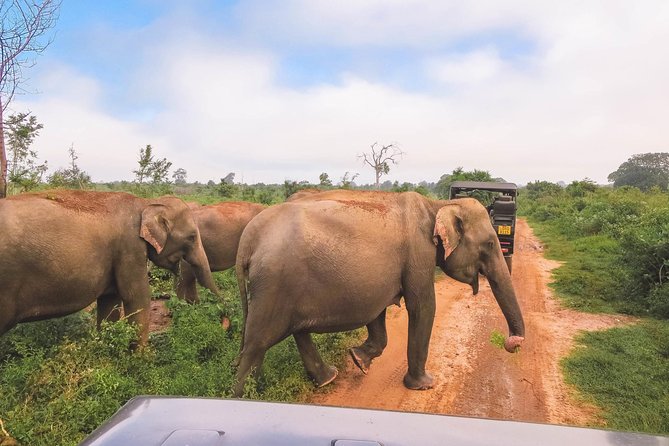
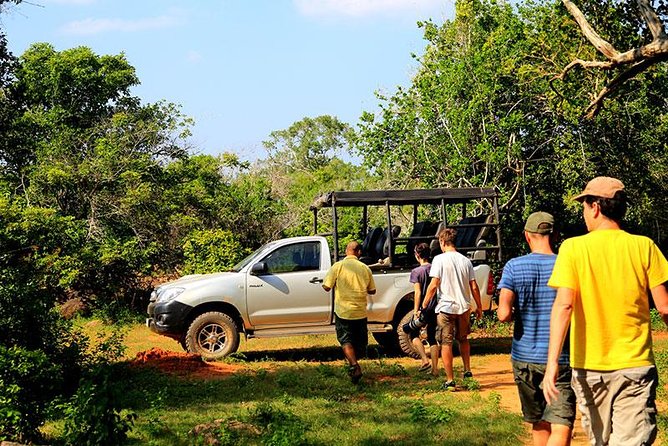
This is a drive-and-scan safari from start to finish, done from a private safari jeep with a driver/guide. That style matters. You’re not walking for miles, and you’re not trying to “beat” the animals on foot. Instead, your job is to watch the edges: water, shoreline, open grass, and the points where animals might appear between lagoons.
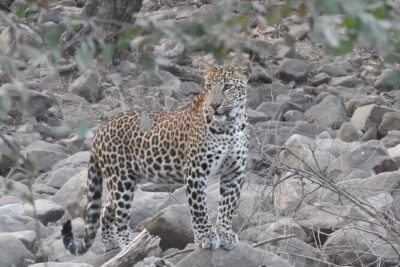
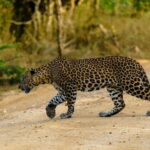
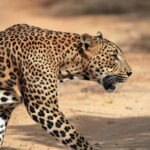
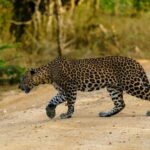
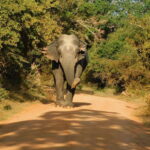
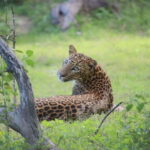
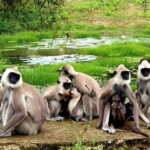
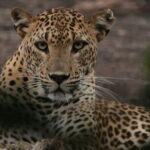
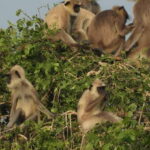
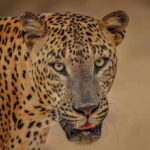
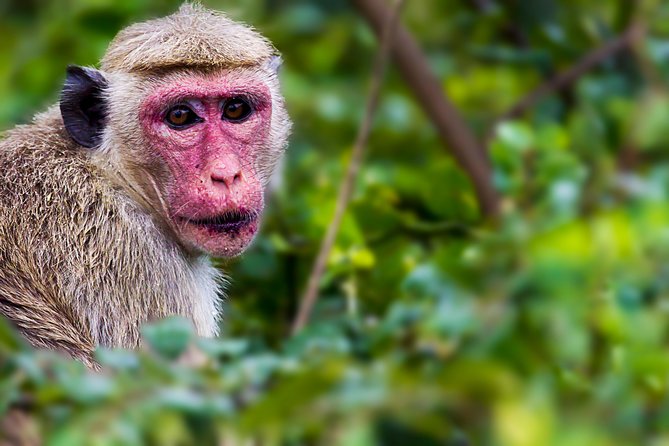
You’ll be looking for a broad mix of wildlife. Expect the possibility of elephants, pangolins, barking deer, rusty-spotted cats, jackals, wild boars, langurs, crocodiles, snakes, and tortoises, among other species. The list is wide enough that you’ll almost certainly see something—even if it’s not the one animal you were hoping for.
Crocodiles and tortoises are especially connected to water and marsh edges, which is why Bundala’s lagoon setting is such a big deal. And if you like the “slow wow” moments, this park can deliver them—watching animals move calmly in a space that feels more natural than staged.
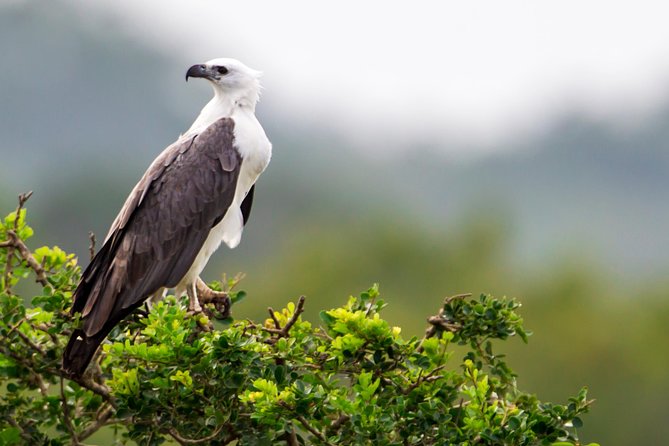
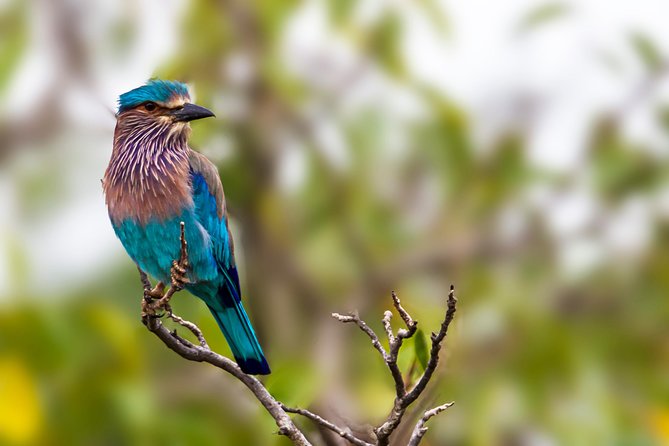
On the bird side, you’re in one of Sri Lanka’s better zones. The park’s collection includes more than 200 avian species. Greater flamingos are a highlight, and you might also spot cormorants, the Eurasian coot, storks, ducks, and spoonbills.
In real safari terms, that means you’ll likely spend plenty of time with your eyes on waterbirds and shoreline movement. If you’re the type who loves spotting birds more than checking boxes, you’ll probably enjoy Bundala a lot.
Wildlife odds: elephants, crocodiles, flamingos, and the fun surprises
Let’s talk about what “chances to see” looks like in Bundala. No safari can promise specific sightings, but Bundala’s ecosystem stacks the odds in your favor.
Here’s what you can keep in mind for a mental checklist:
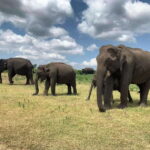
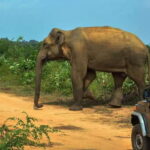
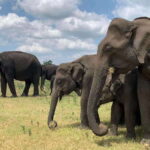
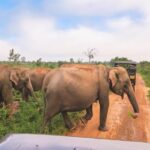
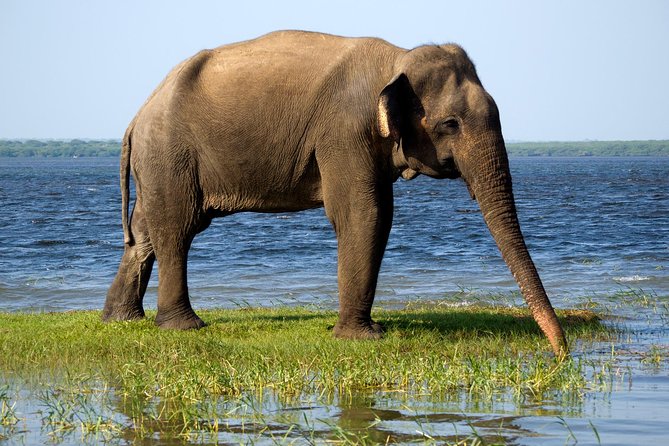
- Elephants: you may see herds roaming the park. Even if you don’t catch them up close, their presence changes how animals behave around them.
- Crocodiles: linked to lagoon areas, so shoreline scanning matters.
- Tortoises: often show up when conditions allow them to be active and visible.
- Flamingos: the big visual payoff. If they’re in the lagoons you’re driving past, it’s a strong moment.
- Monkeys and water buffalo: these come up in safaris people describe, especially in the “we saw a lot” kind of day.
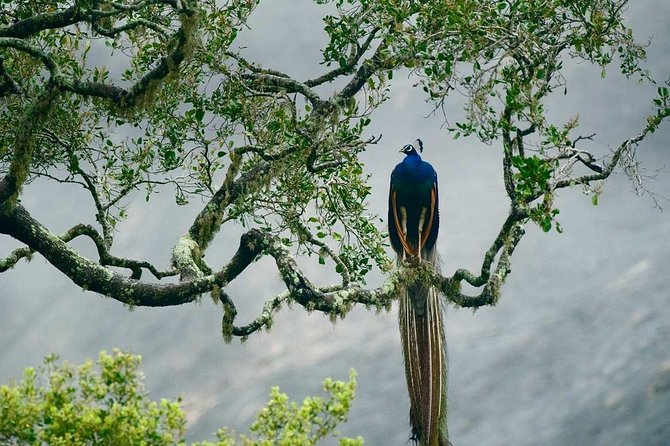
And yes—there are plenty of smaller, less predictable sightings too: snakes, peacocks, and a long list of bird species beyond the headline names. The point is not to memorize a list. The point is that your guide isn’t just driving; they’re steering your attention to the right zones.
Your guide matters: how guides like Sakun and Yasanka change the day
A safari is only as good as the spotter in the jeep. In Bundala, that’s the driver/guide’s role: reading the land, picking good scanning angles, and helping you notice wildlife that’s easy to miss from a moving vehicle.
Two names that show up in people’s experiences are Sakun and Yasanka. Both are described as friendly and helpful, with strong eyesight for spotting animals even when they are far away. That matters because wildlife in national parks doesn’t sit politely in the center of the road. It blends into distance, shadows, and shoreline edges.
Here’s my practical advice: when your guide slows down, don’t stay half-focused. Take 10 to 20 seconds to look where they’re pointing, even if it’s just a tiny movement. That’s often where the “how did you see that?” moments happen.
Also, if birdwatching is your focus, ask your guide to point out the species you’re seeing—especially flamingos and waterbirds. The guides in this style of safari tend to make the bird identities feel doable instead of confusing.
Sunset safari planning: what the evening option gives you
The evening safari includes a key highlight: the chance to enjoy a dramatic sunset. That alone is worth considering if you like the atmosphere of a nature outing more than only the wildlife checklist.
Even if you don’t get your top sighting at the exact sunset moment, evening generally changes how the park feels. You often slow down emotionally when the light turns warm, and that makes it easier to stay patient with scanning.
If you’re the kind of traveler who wants a “day story” instead of a “grab photos fast” routine, evening is a good fit. It also pairs well with the idea of a calmer safari vibe.
Price and value: what $88 covers (and what you’ll likely add)
At $88 per person, this safari is positioned as a real-value nature day rather than a bargain-basement excursion. Here’s what the price includes:
- all taxes, fees, and handling charges
- national park fees
- driver/guide
- hotel pickup and drop-off if you select that option
What’s not included:
- food and drinks
That “not included” part is the one thing that can surprise people—especially if you’re doing a half-day morning or afternoon safari. Full day is different. Full-day tours include picnic breakfast and lunch, so you’re not scrambling for food midway.
For half-day tours, you can arrange picnic food for an extra charge:
- Picnic breakfast: 8 USD per person
- Picnic lunch: 10 USD per person
So is it worth it?
For most people, yes—if you’re thinking of this as a guided wildlife day with park access and a driver/guide already built in. If you’re only doing a short half-day and you’re hungry, add the meal cost into your planning so your budget doesn’t get squeezed at the last moment.
And if you’re doing the full day, you’re paying for time, park immersion, and food coverage together. That often makes the math feel cleaner.
Food plan: keep your energy up without overthinking it
Because food and drinks aren’t included on standard half-day safaris, your best strategy is simple: don’t assume there will be a convenient buy-anywhere option. If you’re doing morning, you might be fine with breakfast before you leave, but bring a snack plan. If you’re doing the afternoon, plan for hunger after the safari too.
If you choose the full day, you get picnic breakfast and lunch, which takes the stress out of timing. That’s one of the strongest practical reasons to pick the full-day itinerary when you can.
Where you start and how pickup affects your day
Your safari begins and ends at the same place: Bundala National Park, Weligatta, Bundala 82004, Sri Lanka. The trip ends back at the meeting point.
Hotel pickup and drop-off can be included, but only if you choose the pickup option. That changes how smooth your day feels. If you’re staying in or near the Hambantota area, pickup can reduce stress. If you’re already planning to travel to Bundala directly, meeting at the park can be straightforward.
This tour also uses a mobile ticket, which is useful if you’re traveling with your phone as your main travel document.
Group size: you’re not alone, but you’re still in control of the experience
The maximum number of travelers listed is 99, and there’s a minimum of 2 people per booking. That tells you the safari provider can run multiple bookings at once.
The good news is that the safari itself is described as a private safari jeep experience for your group. In other words, you’re still in a controlled setup rather than being dumped into a giant bus where you can’t see or ask questions.
For you, the sweet spot is clear: go in with realistic expectations about “group atmosphere,” but trust that the jeep format is meant to keep your viewing experience more focused.
What to pack (so the day doesn’t feel like work)
This is where you make your safari easier, because the listing doesn’t include food and drinks. Pack with that in mind.
Bring:
- water and snacks of your choice for half-day safaris
- basic sun protection (light matters a lot in open landscapes)
- a camera or phone with enough storage, because birds and animals can show up when you least expect it
If you’re doing an evening safari, you’ll want to be comfortable with the fact that you’ll be out later and relying on natural light for your best photos.
Is Bundala right for you? Who this safari fits best
This is a great match if you:
- love birdwatching or want birds as a main goal (flamingos, spoonbills, coots, and more)
- want a wildlife day that includes both larger animals and smaller surprises
- prefer a calm, scenic safari pace over a chaotic rush
- like the idea of choosing morning, evening, or full day based on your schedule
It’s also a good choice if you want a UNESCO-linked nature experience that feels practical rather than overly formal.
It might be less ideal if you:
- want a fully catered tour with no meal planning
- dislike any possibility of not seeing your exact target animal
Because no safari can promise sightings.
Should you book the Bundala National Park Safari with Shehan Safari?
If your priority is wildlife plus serious bird time, I’d book this. The combination of a UNESCO biosphere setting, saltwater lagoons, and a private jeep format makes the day feel built for spotting. And if you pick the full day, the meal situation is handled with picnic breakfast and lunch—so you can stay focused on the park instead of logistics.
Choose morning or evening based on the vibe you want. If sunset matters to you, the evening safari is the obvious pick. If you’re trying to maximize variety in a single trip, go full day and give yourself enough time to follow the park’s rhythm.
FAQ
FAQ
What options are available for the Bundala National Park safari?
You can choose between a morning safari, an evening safari, or a full-day safari option.
How long is the safari?
The duration is listed as approximately 4 to 12 hours.
Is pickup from your hotel included?
Hotel pickup and drop-off are included if you select the pickup option. Otherwise, the tour starts and ends back at the Bundala National Park meeting point.
Does the safari include food?
Food and drinks are not included. Only the full-day tour includes a picnic breakfast and a picnic lunch. For half-day tours, you can arrange picnic breakfast for 8 USD per person or picnic lunch for 10 USD per person.
Is there a mobile ticket?
Yes, the tour includes a mobile ticket.
Can I cancel for free if plans change?
Yes. Free cancellation is available up to 24 hours in advance for a full refund. Canceling less than 24 hours before the start time is not refunded.