REVIEW · CUSCO
From Cusco: Manu National Park 3 Day Tour
Book on GetYourGuide →Operated by XPLORA AMERICA · Bookable on GetYourGuide
Parrots, caimans, and cloud-forest birds in 3 days. This Manu National Park trip from Cusco mixes Andean culture with serious jungle time, and you’ll do it in a small group capped at 17. I love how the guide turns wildlife into real learning, not just quick spotting, from the Andean cock-of-the-rock courtship to plant clues you can actually notice.
Two things I especially like: the slow, early-morning search for animals in the forest, and the unforgettable parrot feeding moment at a clay lick on the riverbank. One drawback to plan around is that timing can feel a little fluid day-to-day, so I recommend you stay close to your guide and confirm what’s next—especially in the morning rush.
In This Review
- Key Things You’ll Remember From This Manu 3-Day Tour
- The Cusco-to-Manu Road: Culture Stops Before the Jungle
- Day 1 in the Cloud Forest: Birds, Plant Clues, and That Courtship Moment
- Day 2: Early Forest Walks, Coca Culture, and Kayaking on the Alto Madre de Dios
- Day 3: Speedboat to the Parrot Clay Lick (The Clay Wall Moment)
- Price and Value: What $370 Covers (and What It Doesn’t)
- Group Size, Pace, and Comfort: How This Tour Actually Feels
- Wildlife Highlights: What You’re Most Likely to See
- Who This Manu Tour Suits Best (and Who Should Think Twice)
- Should You Book This Manu 3-Day Tour From Cusco?
- FAQ
- Where does this tour start and end?
- How long is the Manu National Park tour?
- What wildlife activities are included?
- Is there an English-speaking guide?
- What is included in the price?
- What meals are not included?
- Is there vegetarian food available?
- What should I bring?
- Are plastic bottles allowed?
- Who is the tour not suitable for?
Key Things You’ll Remember From This Manu 3-Day Tour
- Cock-of-the-rock courtship explained in plain terms while you watch for it in the cloud forest
- Coca plantation + wildlife rescue center stops that add human context to the wildlife story
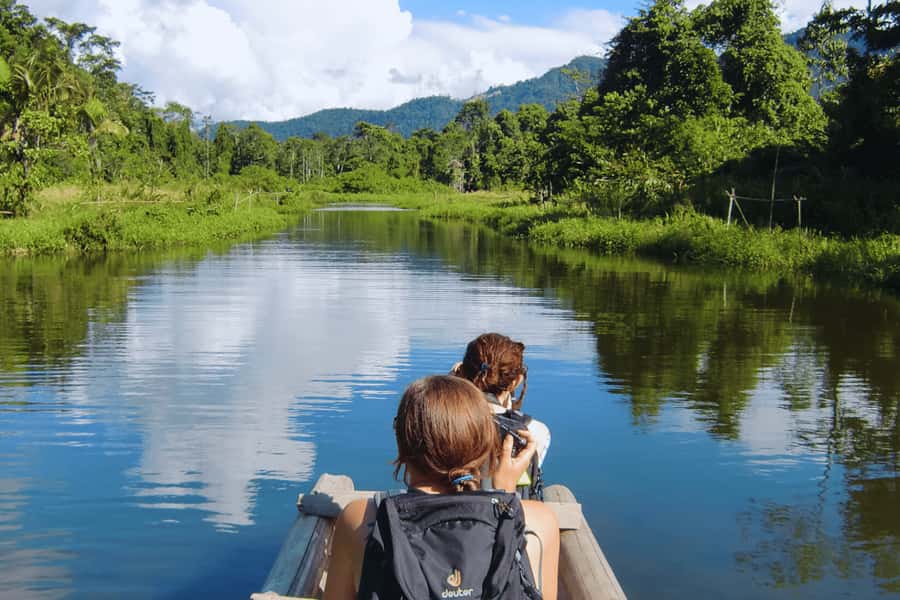
- Kayaking on the Alto Madre de Dios River for bird spotting and a calmer way to travel
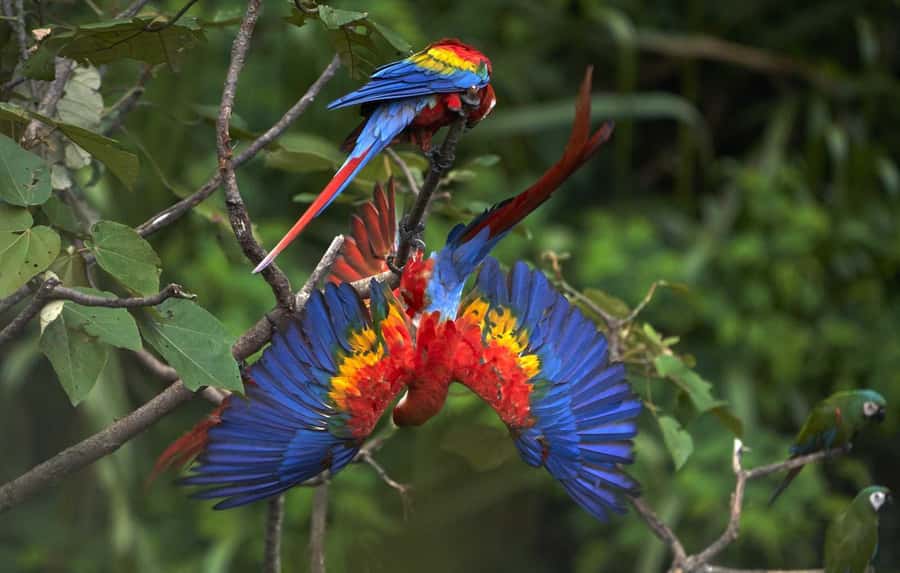
- Parrot clay lick at the river: a clay wall where multiple parrot species feed for digestion and toxin removal
- A tight small group setup (max 17) that makes it easier to hear the guide and stay together
The Cusco-to-Manu Road: Culture Stops Before the Jungle
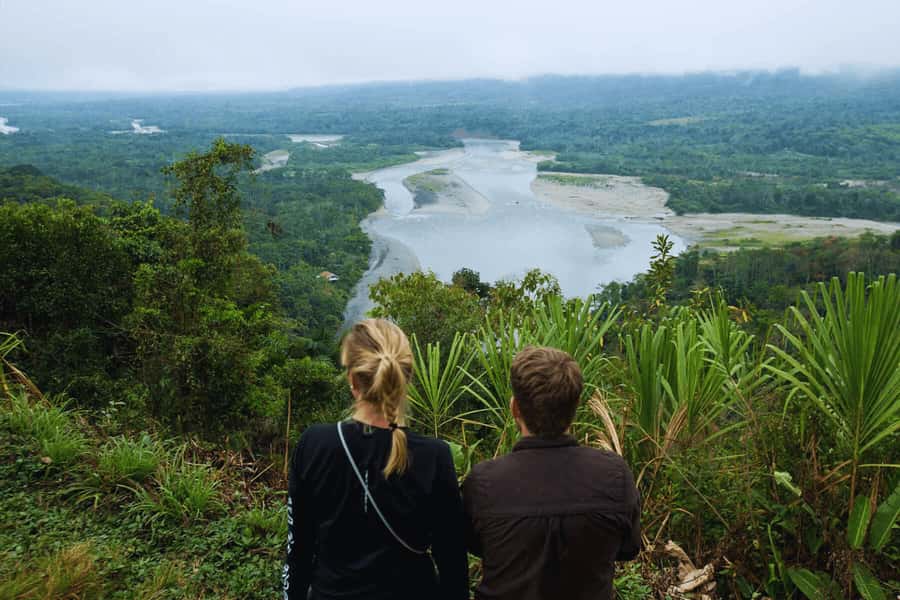
This tour starts with pickup in Cusco and a drive through the valleys that sit between the Andes and the greener world heading toward Manu. You’re not thrown straight into the rainforest mood; you build up to it. That matters, because it makes the whole trip feel connected: people, land, and wildlife all share the same story.
On the way, you stop at pre-Inca tombs tied to the Lupaca culture. It’s a quick but meaningful pause to remember this region isn’t just scenery—it’s history layered over time. Next comes Paucartambo, a colonial city where you’ll visit a museum that helps you understand local life and traditions before the forest takes over.
You’ll reach the cloud-forest area for lunch, and that’s where the tone shifts. One moment you’re watching the road through mountain valleys; the next you’re eating surrounded by native fauna and plant life like orchids, bromeliads, and ferns. If you like travel days that feel purposeful instead of rushed, this approach works.
Practical note: the drive day includes several stops, so wear comfortable clothes for sitting in a vehicle for hours. Also, bring a light layer even if Cusco feels warm—cloud forest weather can shift.
You can also read our reviews of more tours and experiences in Cusco.
Day 1 in the Cloud Forest: Birds, Plant Clues, and That Courtship Moment
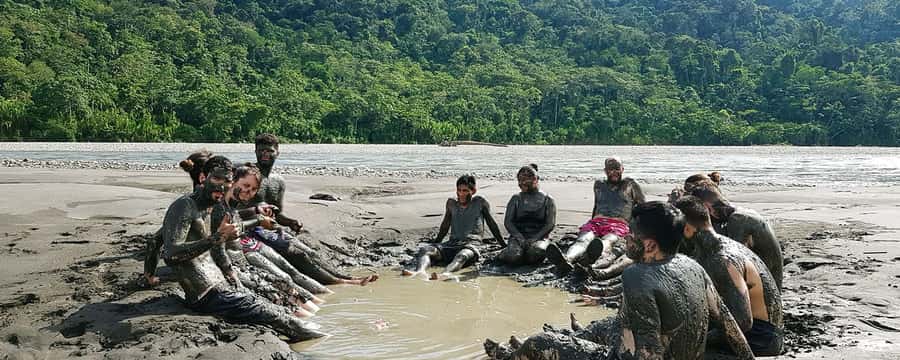
Day 1 is built around learning what you’re seeing. You’ll stroll in the cloud forest around lunch, with your guide pointing out details you might otherwise miss. The goal isn’t just to say there are birds—it’s to show you how to notice them.
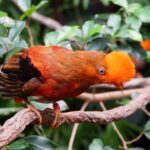
The big wildlife moment here is the Andean cock-of-the-rock. You’ll learn about its courtship ritual, which is the kind of behavior that’s much easier to understand when someone explains what you’re looking for before you see it. This is one of those species that can feel magical in the field, but it’s also very learnable once the guide gives you the setup.
You may also spot other native wildlife like the Andean bear, depending on conditions. Either way, the real win is your guide training your attention: sounds, movement, and plant patterns that hint where animals may be.
Expect plenty of plant variety too. The guide highlights orchids, bromeliads, and ferns—good reminders that cloud forests are not just about animals. They’re about the whole system, including the plants that host insects and provide cover.
Then you’ll arrive at your hostel for the night. After a day like this, you’ll probably be ready to sleep like a rock. Just remember: Day 2 starts early.
Day 2: Early Forest Walks, Coca Culture, and Kayaking on the Alto Madre de Dios
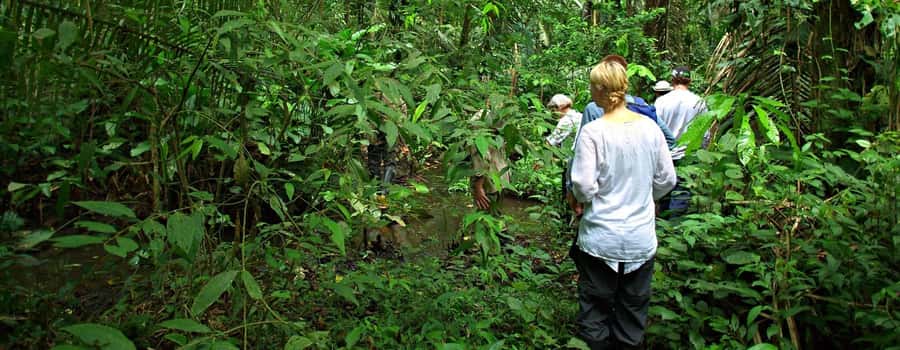
If you prefer your animals with a bit of calm, Day 2 is your day. You’ll have breakfast very early, then go for a walk to check out what’s active in the forest. Early timing matters in the jungle—many animals move when it’s cooler and quieter.
After the forest walk, the tour turns toward human and conservation context. You’ll visit a coca plantation and a wildlife rescue center. This helps you connect the wildlife story to the region’s realities. You’re not only seeing nature; you’re also seeing how people live nearby and how conservation efforts work on the ground.
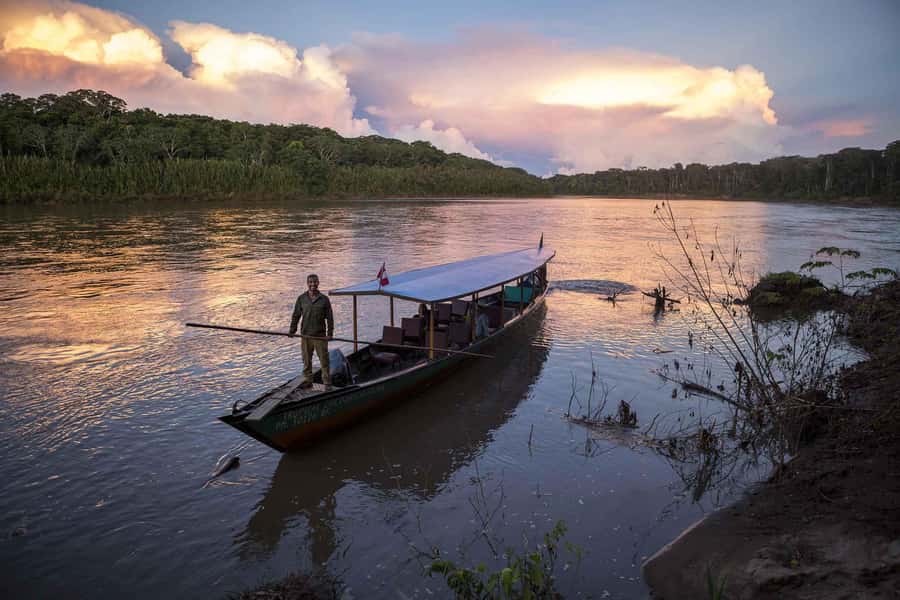
From there you head toward Atalaya on the banks of the Alto Madre de Dios River. This is the handoff point where the trip becomes more river-and-wetland focused, and less cloud-forest trail.
Next up: kayaking for about an hour. You’ll paddle with the chance to spot birds like herons, vultures, and cormorants. Even if you’re not an expert paddler, the goal here is watching—staying steady, listening, and looking for movement along the water.
Once you reach the hostel, you’ll get free time, including the option to take a dip in the river and grab lunch. That break is important because it keeps the day from feeling nonstop.
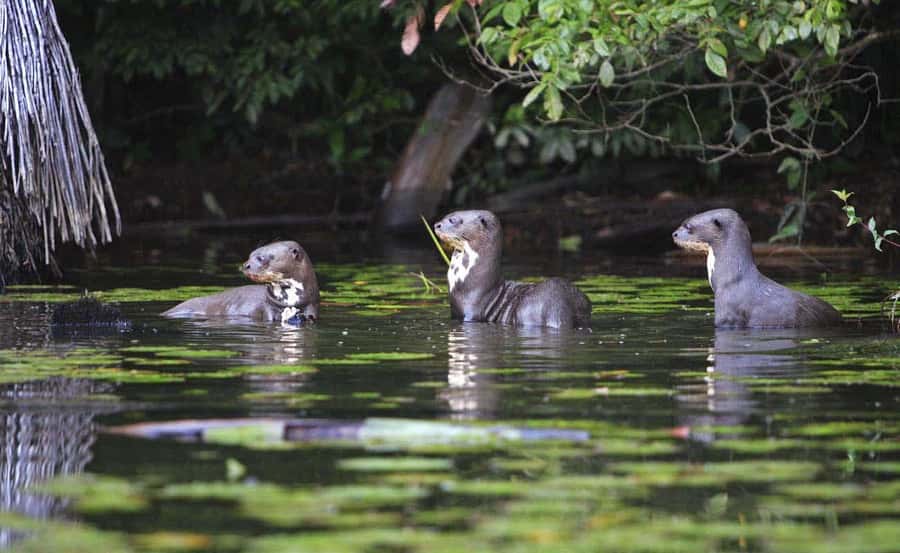
Later you visit a swamp where toucans, woodpeckers, and parrots reside. This swamp stop also sets you up for a classic jungle “maybe today” activity: you’ll go in search of caimans. Whether you see them or not, the hunt itself is part of how the jungle feels—quiet stretches, then sudden movement and interest.
Drawback to keep in mind: the day has several activity blocks. If you dislike early starts or long transition days, Day 2 may feel like a lot. Build in personal pacing by drinking water and taking a moment between stops to breathe.
Day 3: Speedboat to the Parrot Clay Lick (The Clay Wall Moment)
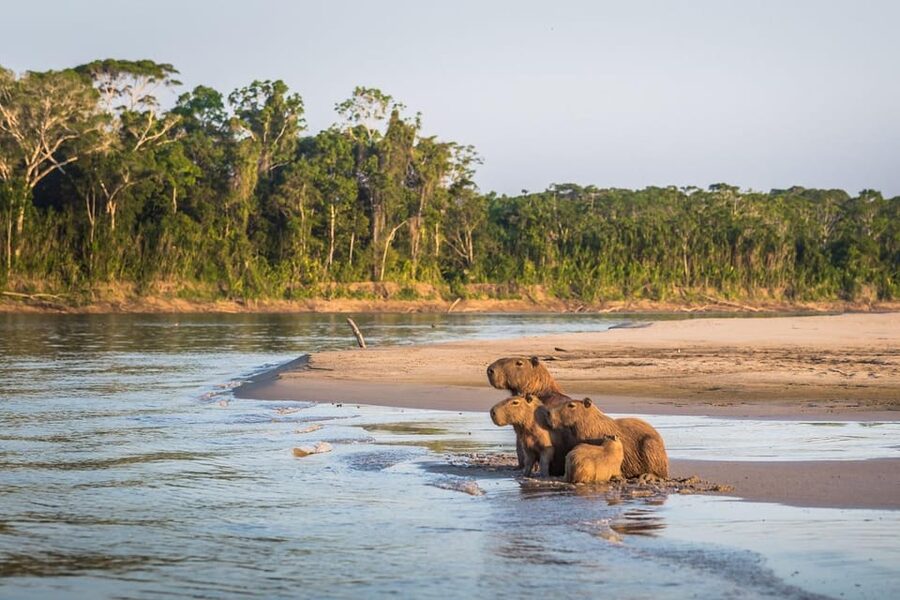
Day 3 starts early again, because the best wildlife moments don’t wait for late risers. You’ll hop onto a speedboat and head toward a parrot clay lick—described as a clay wall on the riverbank where different parrot species come together to feed.
This is the tour’s signature finale. The reason clay matters is practical biology, not just a cool spectacle: the clay is full of minerals and helps parrots digest food and rid themselves of toxins. When you know the purpose, watching the birds feed feels even more meaningful.
You’ll return for breakfast at the hostel, then cruise back by speedboat toward Puerto Atalaya. A coach then meets you and takes you back to Cusco, with lunch on the way. You typically arrive in Cusco between 5:30 pm and 6:30 pm, which means you can still enjoy your evening without losing the whole day to transport.
If you want a trip that ends with a visual memory that’s hard to replace—this is it. It’s also one of those rare nature moments where you see lots of species converging in one place for a shared reason.
Price and Value: What $370 Covers (and What It Doesn’t)
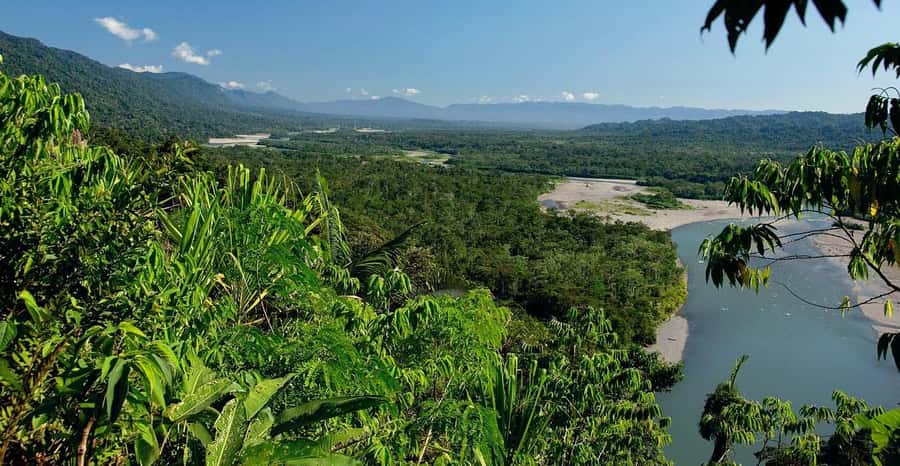
At about $370 per person for a 3-day trip, the value comes from how packed-but-managed the experience is. You’re paying for more than “a tour.” You’re paying for access, guiding, and transport across very different environments.
What’s included:
- English-speaking guide (and you’ll hear Spanish too)
- Manu National Park admission
- Two nights of accommodation
- Most meals: 2 breakfasts, 2 lunches, 2 dinners
- Kayaking
- Transport: coach or minibus plus speedboat
- Hotel pickup and drop-off
- Mineral water
What’s not included:
- Breakfast on day 1
- Dinner on the final day
- Drinks
For your money, you’re getting park entry, guided wildlife time, river activities, and multiple meals that keep the day moving. That matters because in this kind of region, food and transport delays can wreck a schedule. Here, the structure helps you spend your time where you want it: in the field.
My advice on budgeting: bring cash for the missing meals and for drinks. Also pack lightly on water since plastic bottles are not allowed, and you’ll want a reusable bottle ready.
Group Size, Pace, and Comfort: How This Tour Actually Feels
This is a small group tour with a maximum of 17 participants. That size is big enough to keep things social, but small enough that your guide can still manage who’s where. It also helps during forest stops, where hearing instructions can affect safety and your ability to watch animals.
The pace is active. You’ll do early mornings, trails in the cloud forest, kayaking, and swamp/riverside search time. It’s not an all-sitting itinerary.
Comfort tips that directly match what you’ll need:
- Comfortable shoes for walking trails
- Hat for sun and quick shade changes
- Rain gear because weather can shift and you don’t want to cancel your day comfort
- Insect repellent for evenings and humid areas
- Swimwear if you want the optional river dip
- Camera + binoculars if you like detail spotting
You’ll also want to follow the on-the-ground rules: no smoking, no littering, no feeding animals, and no touching plants. You’ll also need a reusable water bottle because plastic bottles aren’t allowed. Those rules aren’t busy-work; they protect both wildlife and your own experience.
One on-the-ground consideration: one review noted the first overnight area had visible litter that was fixable. I’d treat that as a cue to unpack thoughtfully when you arrive, keep your space tidy, and let staff know if something affects your comfort. Small problems are easier to solve quickly than later.
Wildlife Highlights: What You’re Most Likely to See
This tour is designed around specific wildlife moments, and the route supports those chances.
In the cloud forest, focus on:
- Andean cock-of-the-rock and its courtship ritual
- Possible sightings of Andean bear
- Plenty of bird life and movement in the understory
On the river and swamp side (Day 2 and Day 3), you’ll be in the zone for:
- Birds during kayaking like herons, vultures, and cormorants
- Toucan, woodpecker, and parrot activity in the swamp
- A chance to spot caimans during the search
Then the finale:
- Multiple parrot species at the clay lick on the riverbank
From a practical standpoint, wildlife viewing is a patience game. I’ve found the best results come when you stay quiet, watch for sudden changes in bird behavior, and don’t rush to move positions. If you carry binoculars, they give you a real advantage for reading the jungle without disturbing it.
And one more thing: you might also notice other large eye-candy wildlife like monkeys and giant butterflies, depending on what the day gives you.
Who This Manu Tour Suits Best (and Who Should Think Twice)
This tour fits best if you:
- Want a structured 3-day introduction to Manu National Park ecosystems
- Love birds and are excited by behavior, not just names
- Enjoy early starts and walking in natural areas
- Prefer guided learning about culture and wildlife, not just transportation from place to place
It’s not suitable for:
- Children under 3
- Pregnant women
- People with back problems
- People with heart problems
- Wheelchair users
If you know walking days or river activities won’t work for your body, skip it. A jungle trip shouldn’t be a test of endurance.
Should You Book This Manu 3-Day Tour From Cusco?
I’d book it if you want a tight, well-managed route that blends culture stops with hands-on nature time and finishes with the clay lick parrot feeding you’ll remember. The price makes sense because it includes park entry, river transport, guided wildlife time, two nights, and most meals—so you’re not juggling logistics while trying to spot animals.
I’d think twice if early mornings and an active schedule feel like a problem for you, or if you need full accessibility support. Also, keep your expectations flexible about timing and field conditions; this is the jungle, and conditions can shape what happens.
If you’re the type of person who likes understanding what you’re seeing—how courtship works, why clay matters, and how local culture fits into the bigger picture—this is a strong choice.
FAQ
Where does this tour start and end?
It starts with pickup in Cusco and ends with a return to Cusco by coach after the final speedboat trip, typically between 5:30 pm and 6:30 pm.
How long is the Manu National Park tour?
The tour runs for 3 days.
What wildlife activities are included?
Kayaking is included on Day 2. Day 3 includes a speedboat trip to a parrot clay lick, and Day 2 includes swamp time and a search for caimans.
Is there an English-speaking guide?
Yes, the guide is listed as English-speaking (and Spanish is also available).
What is included in the price?
Included are hotel pickup and drop-off, coach/minibus and speedboat transport, the English-speaking guide, kayaking, Manu National Park admission, 2 nights of accommodation, 2 breakfasts, 2 lunches, 2 dinners, and mineral water.
What meals are not included?
Breakfast is not included on the first day, and dinner is not included on the final day. Drinks are also not included.
Is there vegetarian food available?
Vegetarian meal options are available.
What should I bring?
Bring comfortable shoes, a hat, swimwear, a camera, sunscreen, water, rain gear, comfortable clothes, insect repellent, and binoculars.
Are plastic bottles allowed?
No. Plastic bottles are listed as not allowed. The guidance is to bring a reusable water bottle.
Who is the tour not suitable for?
It is not suitable for children under 3, pregnant women, people with back problems, people with heart problems, or wheelchair users.