REVIEW · HAMBANTOTA
Ahangama: Udawalawe National Park Safari with Hotel Pickup
Book on GetYourGuide →Operated by Lakpura® · Bookable on GetYourGuide
Ahangama to Udawalawe is a long trip, but this one feels organized. I like the smooth hotel pickup/drop-off and the fact you get a dedicated 3-hour jeep safari with a guide focused on wildlife spotting. The only real watch-out is timing: it’s a full day and the park entrance fee and any meals are not included.
Best part for me is how practical it is for a South Coast base like Ahangama. You can also choose the safari time window (morning or afternoon), and the English-speaking chauffeur/guide handles the handover so you’re not juggling logistics. If you’re sensitive to bumpy rides or have mobility limits, this is not the best match since it’s a jeep safari, and it’s listed as not suitable for back problems or pregnancy.
In This Review
- Key things to know before you go
- Ahangama to Udawalawe: the big advantage is the door-to-door plan
- Pickup timing and the transfer drive (what your day actually feels like)
- The 3-hour jeep safari: how the route supports better animal spotting
- What can you expect to see?
- Elephants, birds, reptiles, and the realistic safari pace
- Lunch, toilet breaks, and the practical cost picture
- Entrance ticket: pay at arrival
- Vehicle comfort and the “handover” experience
- Who this safari suits best (and who should look elsewhere)
- Is it worth the price? Value vs. what you still pay
- Booking decision: should you choose Udawalawe from Ahangama?
- FAQ
- What is the pickup location for this safari?
- How long is the total tour experience?
- Is hotel pickup and drop-off included?
- What’s included in the tour price?
- Do I need to pay an entrance ticket?
- How long is the jeep safari inside Udawalawe National Park?
- What time does the safari day start?
- Is this a private group tour?
- Is the tour suitable for everyone?
Key things to know before you go
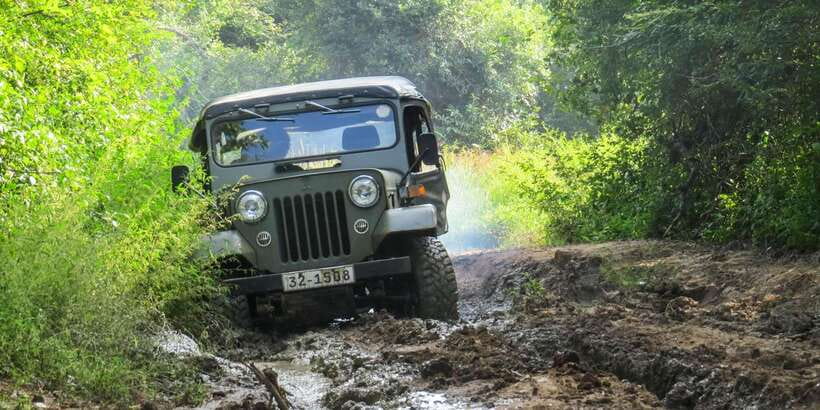
- Ahangama hotel pickup included so you don’t waste time figuring out transport
- English-speaking chauffeur/guide helps with the handover and park talk
- 3-hour jeep safari focused on wildlife viewing routes through marshes, forests, and grasslands
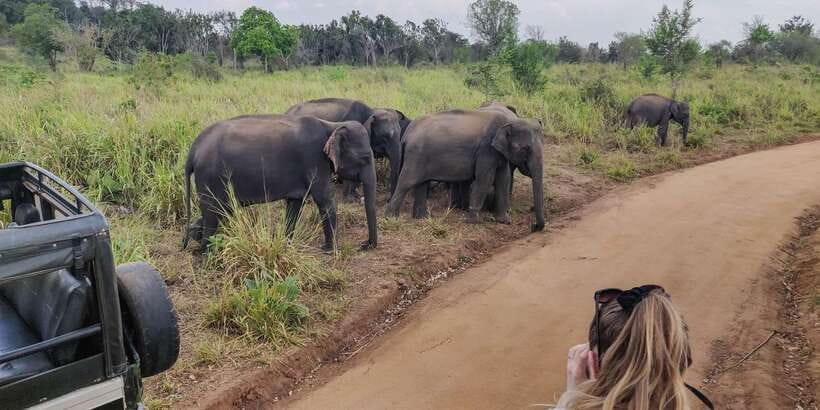
- Sri Lankan elephants + water birds are the big draw, with chances for other animals and insects
- Entrance ticket not included and is paid at arrival (per jeep pricing)
- Private group setup with an air-conditioned vehicle for the transfer
Ahangama to Udawalawe: the big advantage is the door-to-door plan
If you’re staying on the South Coast, getting to Udawalawe can be the hassle. What makes this experience worth your attention is the hotel pickup from Ahangama and the return transfer at the end of the day. You’re basically buying the convenience of not having to coordinate separate rides, meet-up points, and timing games.
I also like that the transfer is in an air-conditioned vehicle, driven by a local. That matters because you’re sitting for a good chunk of the day before the safari even starts. Add in an English-speaking chauffeur guide, and you’re not left guessing what to do when you reach the park area.
The trade-off is simple: it’s a long day. You’ll be out from late morning until the evening, and the safari itself happens after you’ve already traveled to Udawalawe and done the vehicle handover.
You can also read our reviews of more tours and experiences in Hambantota.
Pickup timing and the transfer drive (what your day actually feels like)
Your day starts in Ahangama around late morning. The tour information lists pickup at 11:30 am in one schedule and 11:00 am in another, with the goal of arriving at Udawalawe around 2:00 pm to meet your safari jeep.
That timing shape matters. It means you’re not rushing immediately into the park, but you also don’t burn half the day doing nothing. In practice, there’s usually a handover process where you switch from the transfer vehicle to the jeep safari vehicle near the park area.
The day runs long, and the return time depends on which schedule you’re assigned. One itinerary variant returns you by 8:00 pm, and another says 9:00 pm. Plan dinner after you get back and avoid scheduling anything tight the next day.
The 3-hour jeep safari: how the route supports better animal spotting
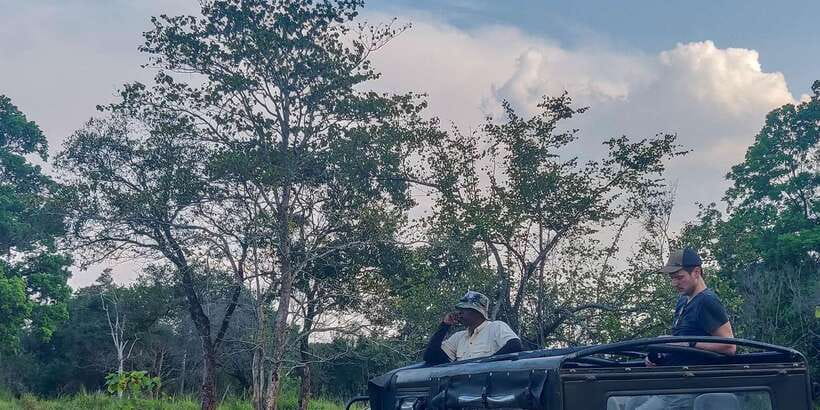
Once you meet your safari jeep, you’ll get a three-hour ride inside Udawalawe National Park. This is the heart of the day, and the structure is designed to give you meaningful time rather than a quick drive-by.
You’ll travel through marshes, forests, and grasslands—the park’s mix of habitats. That variety is key because different animals and birds tend to use different areas. The park itself was created as a wildlife sanctuary in the 1970s, so it’s managed with animals in mind, not just scenery.
Your guide also isn’t just there to point. The safari format is built around wildlife viewing, and the guide’s job is to help you connect with what’s happening out on the ground—where animals are feeding, moving, or pausing to water and rest.
What can you expect to see?
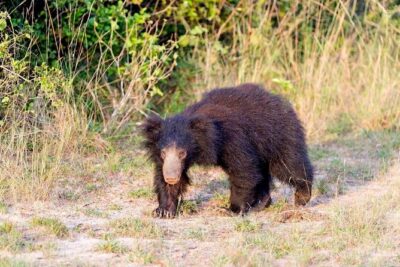
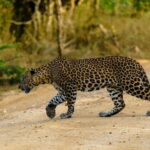
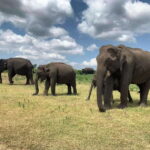
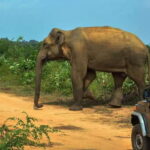
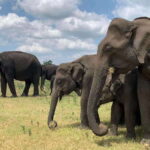
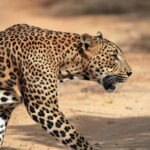
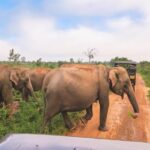
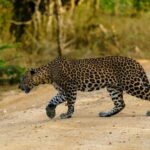
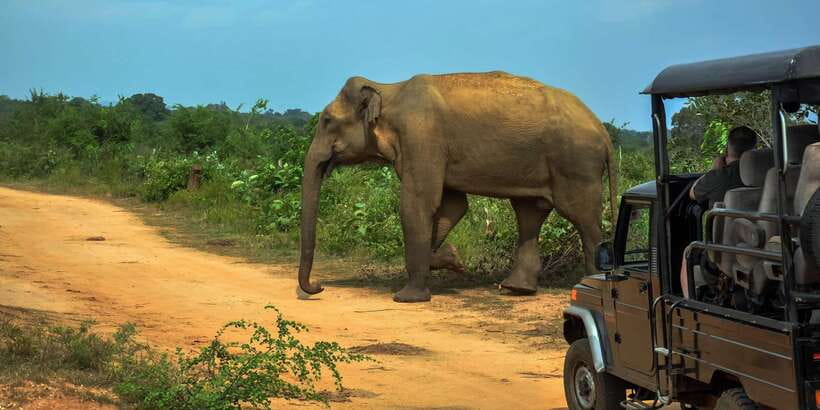
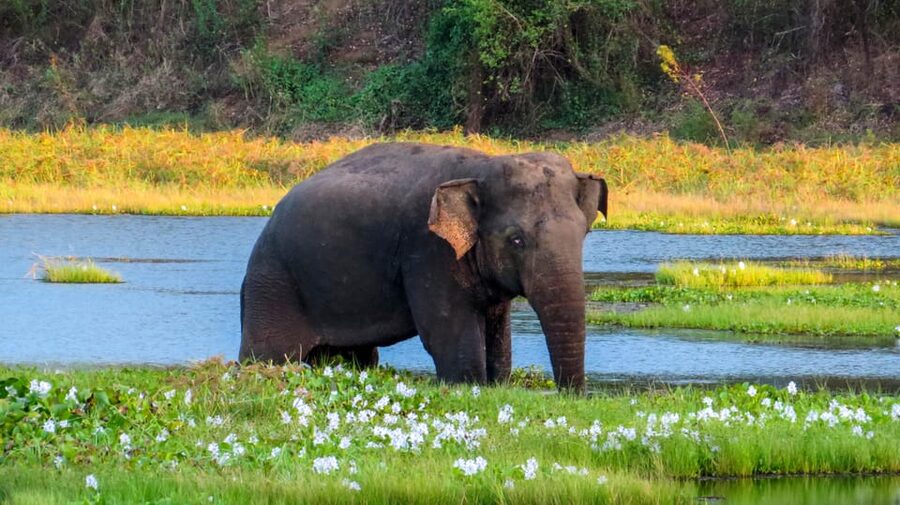
Udawalawe is famous for elephants, and your chances are strong for that centerpiece. You’re also set up for water birds (the park’s water areas matter) and other wildlife types scattered across the habitat mix.
The tour description also notes chances to spot mammals and birds, plus reptiles, amphibians, and butterflies. That doesn’t mean you’ll see everything every time, but it’s a good sign: your guide is working a route that isn’t only about elephants.
Elephants, birds, reptiles, and the realistic safari pace
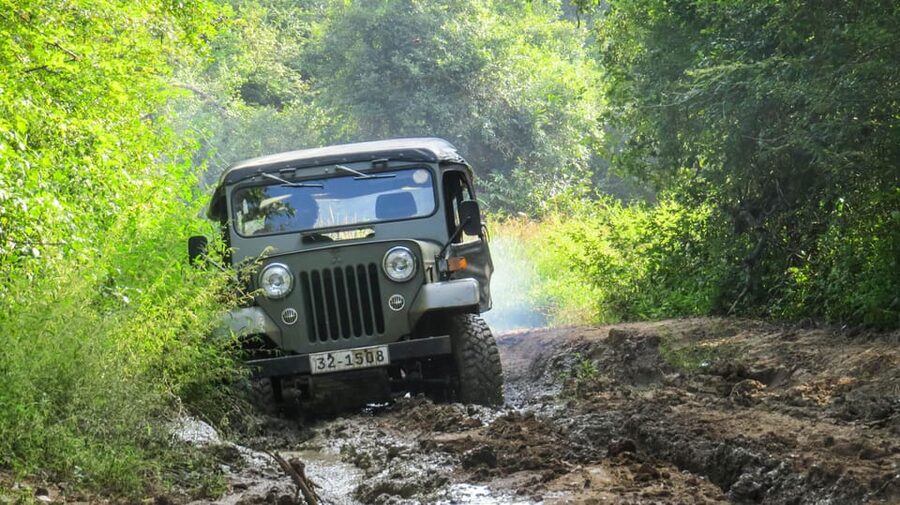
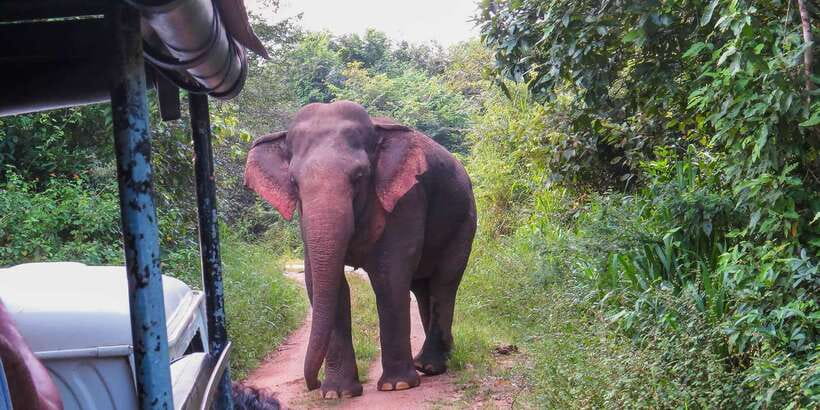
Let’s talk elephants first, because they’re the reason most people book Udawalawe. The safari is specifically geared toward the Sri Lankan elephants Udawalawe is famed for, and the timing of the safari (with plenty of viewing hours during your 3-hour jeep window) gives you time to react when animals appear.
A good thing to know: elephant sightings aren’t instant or guaranteed on any safari. Your best move is to think of the jeep safari as a mix of patience and opportunity. The guide can also choose good viewing spots when an animal is active or when the light and distance help you see clearly.
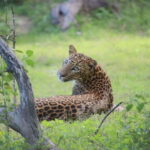
Beyond elephants, you’re also in a park where birds show up in noticeable ways. The inclusion of water birds in the plan makes sense because water areas often concentrate activity—both bird feeding and other wildlife coming to drink.
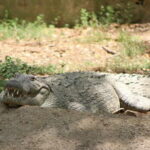
And while the tour is a jeep safari, it’s not purely mammals. You might also catch glimpses of reptiles and amphibians, plus butterflies. That’s a nice bonus if you like watching the small stuff too, because not every safari gives you that wider lens.
Lunch, toilet breaks, and the practical cost picture
This is where expectations matter most. Food and drinks are not included, and so is the park entrance ticket. That doesn’t make the tour bad value—it just means you should budget like a pro.
One helpful detail: there can be a chance to stop for a toilet break and, if you want, lunch at a café near the vehicle swap area. If you choose lunch there, expect a local style meal. The tour team notes a café option is available if desired, and you can bring your own food as well.
Entrance ticket: pay at arrival
You’ll pay the entrance fee on arrival, and it can be paid in local currency or by card (when available). The fee is priced based on how many people are in the jeep.
As a reference point from one booking, a group of three reported an entrance total around 32,000 Sri Lankan rupees (paid for their jeep). Your exact amount can vary, so treat that as a useful ballpark—not a promise.
Vehicle comfort and the “handover” experience
For most wildlife tours, the biggest friction is logistics: meeting the right vehicle, timing the handover, and not getting stuck in confusion. This tour is set up to reduce that stress.
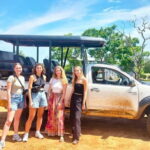
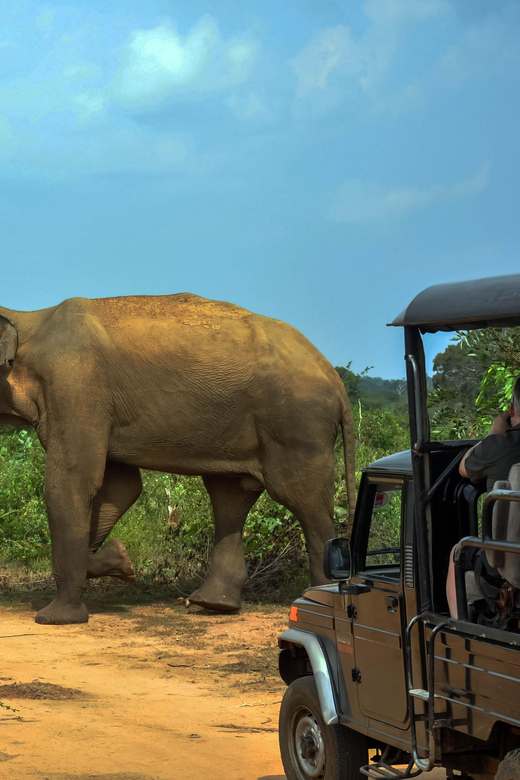
You’re picked up in an air-conditioned vehicle, then you transfer onward and meet the safari jeep at the planned arrival time. The handover is a key part of the day, and the overall setup is meant to feel problem-free so you can focus on seeing wildlife instead of counting steps and checking directions.
The driver/chauffeur part also matters for first-timers. You’ll have an English-speaking guide/chauffeur working the route, which helps if you have questions about timing, what to expect, or what to do next once you reach the park area.
Also, it’s listed as a private group. That usually means you’re not sharing the transfer with random strangers and worrying about split schedules. One solo traveler specifically noted having a whole car to themselves, which is exactly the kind of comfort private setups are good for.
Who this safari suits best (and who should look elsewhere)
This works well if you’re:
- Based in Ahangama (or the surrounding South Coast area) and want pickup without doing complicated travel planning
- Interested in Udawalawe’s elephant reputation, but also want a chance at birds, reptiles, amphibians, and butterflies
- Prefer a guided safari route rather than self-driving through the park area
- Want an English-speaking guide/chauffeur for easier communication
It’s not suitable for:
- Pregnant women
- People with back problems
- Anyone who relies on a strictly smooth, flat ride (jeeps + wildlife roads can be bumpy)
And note the simple rule: no smoking.
If you’re traveling with mobility concerns or you’re easily uncomfortable on rugged vehicle routes, you’ll likely be happier choosing a different style of tour.
Is it worth the price? Value vs. what you still pay
At $110 per person, the value mostly comes from what’s included:
- Hotel pickup and drop-off
- Air-conditioned transport
- English-speaking chauffeur guide
- A 3-hour jeep safari in Udawalawe National Park
- Taxes and service charges
What you still pay for:
- Food and drinks
- Entrance tickets at the park
So your real cost is the base tour price plus whatever you decide for meals and the entrance fee. Once you factor in that entrance fee varies by group and that you’re being transported door-to-door, the math usually favors this kind of packaged safari—especially from a South Coast base where transport logistics can be a headache.
If you were trying to arrange everything yourself—pickup, drive, jeep access, timing—you’d likely spend time and risk confusion. Here, you’re paying to remove that friction and get straight to the safari experience.
Booking decision: should you choose Udawalawe from Ahangama?
Book this safari if you want a low-stress, guided Udawalawe jeep day starting from Ahangama. The main reason to pick it is the combination of hotel pickup, an organized vehicle handover, and a real 3-hour wildlife viewing window.
Skip it or think twice if you:
- Need a very short day (this one runs until evening)
- Have back issues or are traveling during pregnancy
- Want food included in the price (it isn’t)
If elephants are on your Sri Lanka wishlist and you’d rather spend your energy watching wildlife than solving transport, this is one of the most sensible ways to do Udawalawe from the South Coast.
FAQ
What is the pickup location for this safari?
The pickup is from your hotel in Ahangama.
How long is the total tour experience?
The duration is listed as 8.5 hours.
Is hotel pickup and drop-off included?
Yes. Hotel pickup and drop-off are included.
What’s included in the tour price?
The tour includes transport with an air-conditioned vehicle, an English-speaking chauffeur guide, and a half-day jeep safari in Udawalawe National Park, plus all taxes and service charges.
Do I need to pay an entrance ticket?
Yes. The park entrance ticket is not included and you pay it on arrival.
How long is the jeep safari inside Udawalawe National Park?
You get a three-hour jeep safari.
What time does the safari day start?
Pickup is scheduled from Ahangama around 11:00 am or 11:30 am, with arrival at the park area around 2:00 pm to meet the jeep.
Is this a private group tour?
Yes, it’s listed as a private group.
Is the tour suitable for everyone?
It is not suitable for pregnant women or people with back problems, and smoking is not allowed.