REVIEW · ISLAND OF HAWAII
Big Island: Hawai’i Volcanoes National Park Guided Hike
Book on GetYourGuide →Operated by Volcanoes Hiking Guides · Bookable on GetYourGuide
A volcano hike that teaches as you walk. This guided trek through Hawai’i Volcanoes National Park pairs the big visuals with real context, and the Thurston Lava Tube stop is the kind of moment you talk about later. I especially like the human touch the guides bring, including stories from guides such as Jennifer, and I love that you get both a breakfast and a picnic built into the day. One thing to consider: while a buffet breakfast is listed, at least one booking reported getting snacks instead, so don’t assume it will look exactly the same every time.
You start at the Kilauea Visitor Center, then move from rainforest trails to crater overlooks, and finally into a subterranean lava tunnel. The format is a small group (up to 10), so you get time for questions without feeling rushed. If you have mobility limitations or you’re traveling with kids under 8, this won’t be the best fit because the hike includes uneven terrain and heat exposure.
In This Review
- Key highlights to watch for on this hike
- Kilauea Visitor Center start: where your day really clicks
- Breakfast and Kilauea Iki: the solidified-lava view that makes it real
- Steam vents to caldera walls: learning the geology with your feet
- Thurston Lava Tube: going underground after you’ve seen the sky
- Picnic timing and pacing: good food, but plan for a long day
- Price and park fees: what $230 really covers
- Who should book this guided hike (and who shouldn’t)
- Practical tips for a rain-or-shine volcano day
- Should you book this Hawai’i Volcanoes National Park guided hike?
- FAQ
- Where is the tour meeting point?
- How long is the guided hike?
- Is park entry included in the price?
- What’s included with the tour besides the hike?
- What should I bring?
- Is the tour offered in English, and what’s the group size?
Key highlights to watch for on this hike
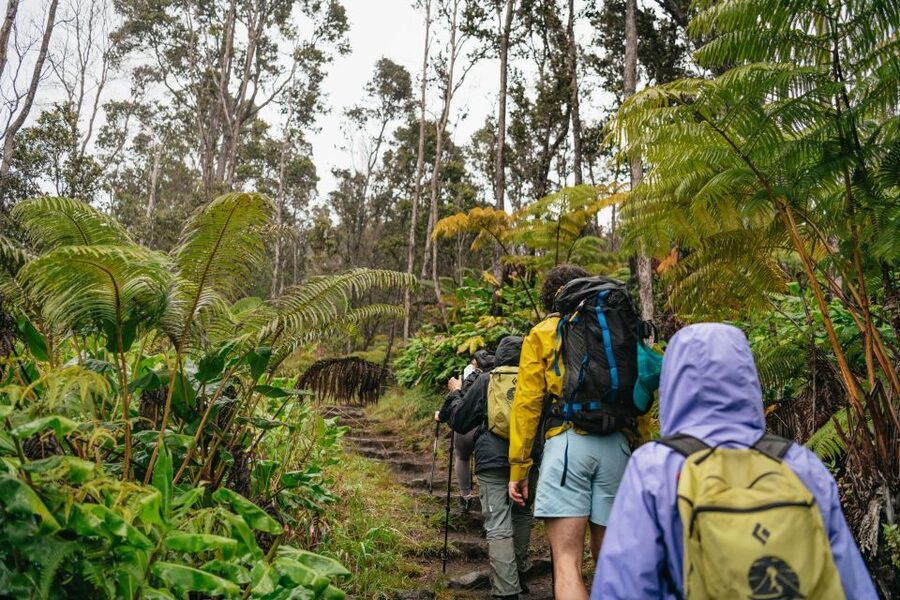
- Native Hawaiian forests and wildlife potential as you move from crater to caldera
- Kilauea Iki Crater viewpoint with panoramic views over a solidified lava lake
- Steam-vent field walking that makes the geology feel immediate and close
- Caldera walls and heat where the scale of past eruptions becomes real in front of you
- Thurston Lava Tube for an underground walk through a cave carved by ancient lava
- Breakfast + gourmet picnic that keep energy up through a long day (about 6.5 hours)
Kilauea Visitor Center start: where your day really clicks
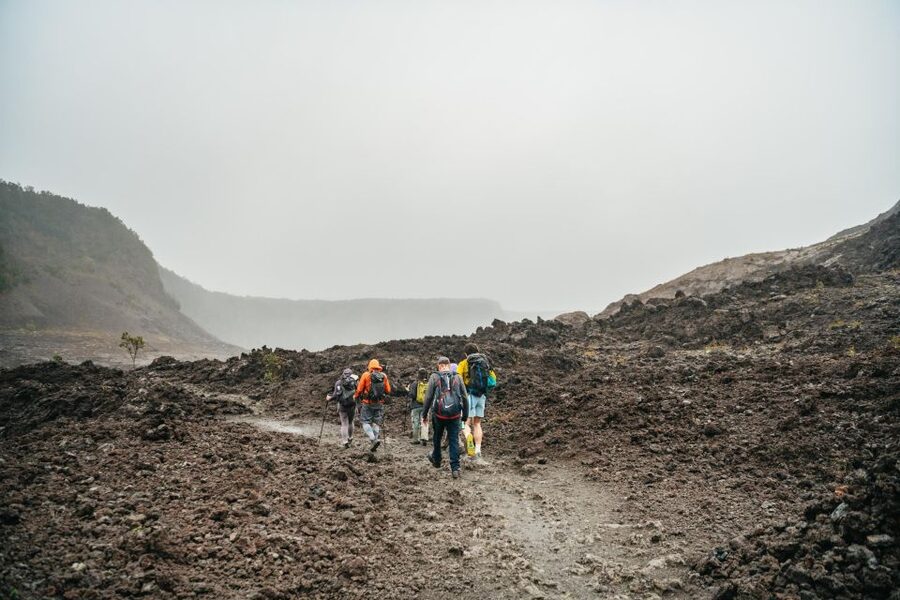
The day begins at the Kilauea Visitor Center, inside Hawai’i Volcanoes National Park. Meeting here matters because you’ll be in the right place, at the right time, with the right baseline info before you start hiking. Your guide also sets expectations early—what to watch for in the forest, how steam and volcanic features show up along the route, and what to focus on for the best views at Kilauea Iki.
This is where you’ll want to do a quick “hike math” check. If you’re coming from outside the park, give yourself buffer time, because once you miss the start, you’ll miss the planned pacing. Plan for a full chunk of the day on foot: the total duration is 390 minutes, so you’ll want your water sorted and your gear ready before the group moves.
What I like here: the hike doesn’t feel like a random walk. It starts like a guided conversation you can physically follow—forest first, then crater, then caldera, then the lava tube.
You can also read our reviews of more tours and experiences in Island Of Hawaii.
Breakfast and Kilauea Iki: the solidified-lava view that makes it real
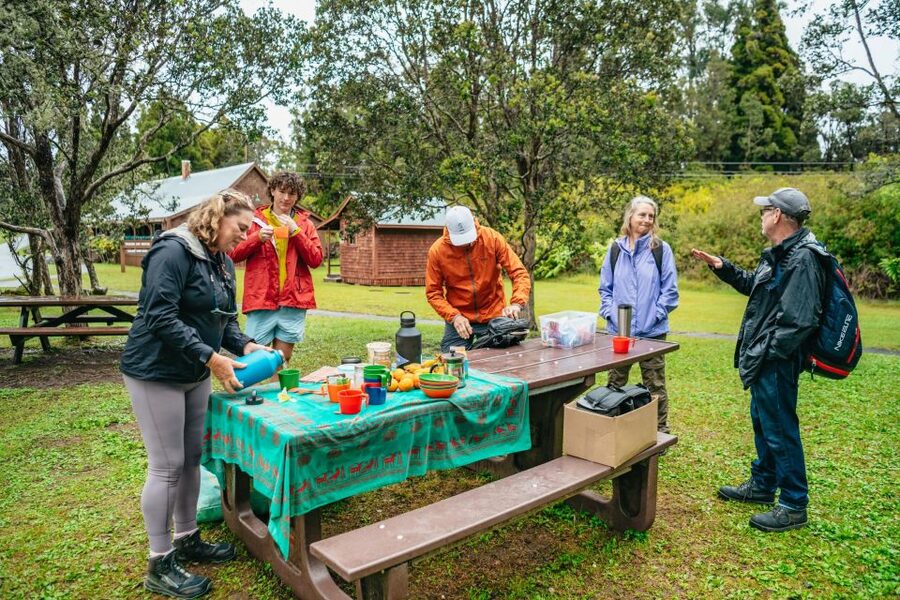
Before the hiking ramps up, you’ll have a buffet breakfast with items like fruit, salmon, cheese, and hot drinks (teas and coffee). This matters for the overall value of the day because you’re not paying extra for breakfast nearby and then trying to locate food mid-hike.
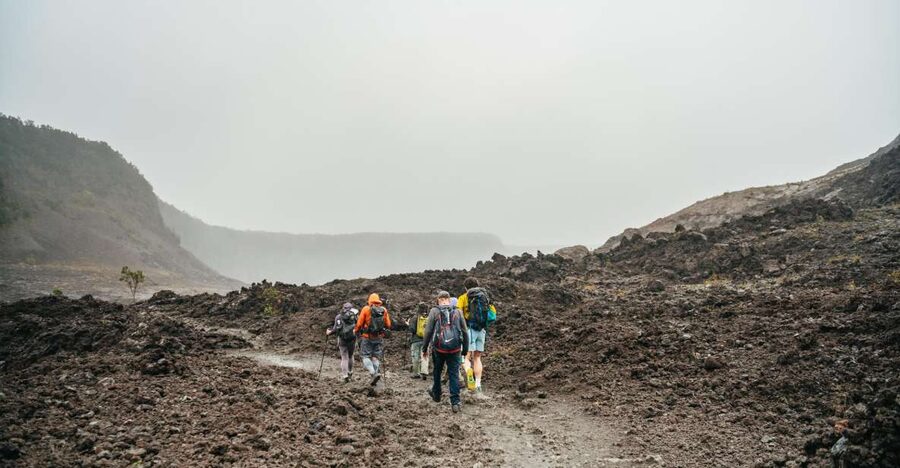
You’ll head into the park’s lush trails and make your way toward Kilauea Iki Crater. When you reach the crater overlook, the moment shifts from “cool volcano story” to “wow, that’s massive.” You’ll have panoramic views over a solidified lava lake in Kilauea Iki. Seeing it from the right angle is what helps you understand how lava can transform the ground—and how long it takes for nature to grow back.
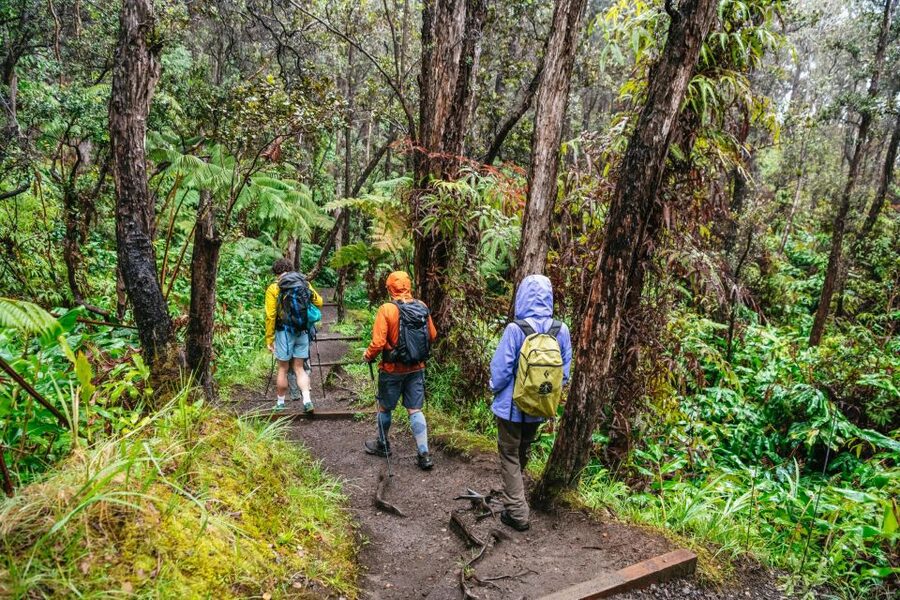
You’ll also keep an eye out for native Hawaiian wildlife as you trek through the forest. Wildlife spotting is never guaranteed, but the guided element helps because your guide can point out what to watch for and when. Even if you don’t spot anything dramatic, you’ll still come away with a stronger sense of place: how rainforests and volcanic features coexist here.
One practical thought: bring hydration seriously. Your guide will be moving the group at a steady pace, and there are stretches where you’ll be focused on views and terrain rather than stopping frequently for long breaks.
Steam vents to caldera walls: learning the geology with your feet
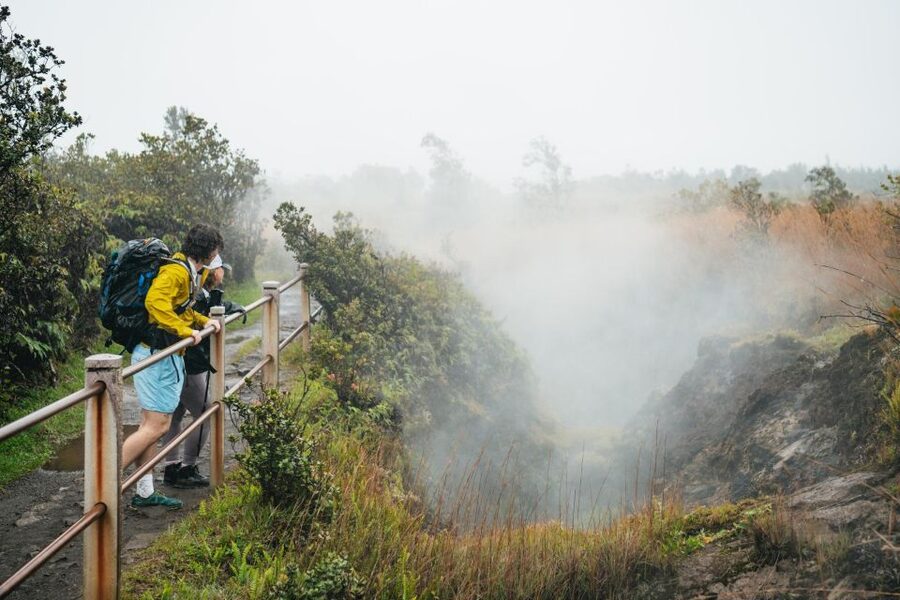
After Kilauea Iki, the hike heads toward an area with steam vents and then into native Hawaiian forest. Walking through a field of steam vents does something subtle but powerful: it turns the volcano into a living system. You’re not just looking at rock—you’re experiencing heat, humidity, and the way volcanic activity shows up in the environment.
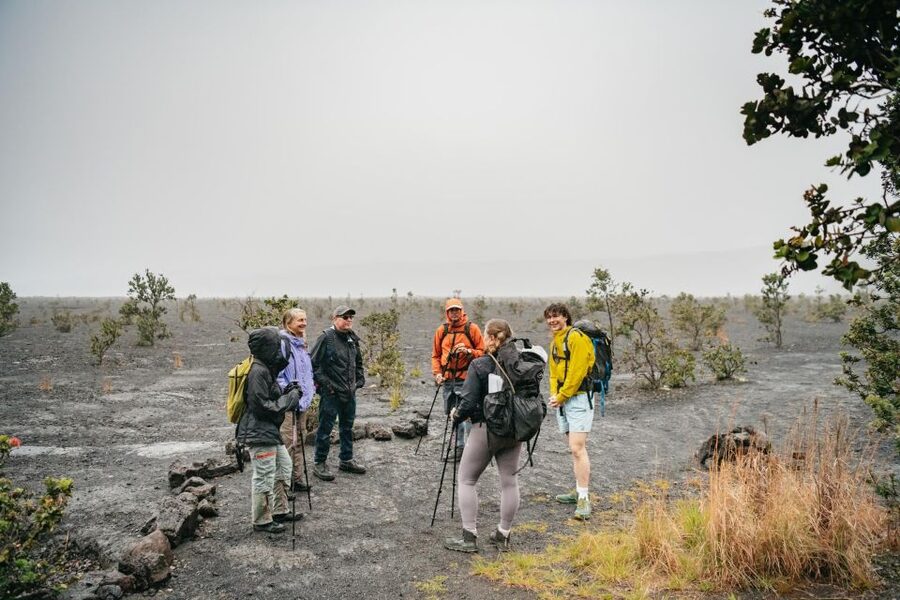
From there, you reach the caldera of a volcano. This is where your guide’s explanations start to matter most. You’ll look up at the gigantic volcanic walls, and you may actually feel heat against your skin. That physical cue is a huge learning aid. Instead of memorizing facts, you connect the story to what’s in front of you.
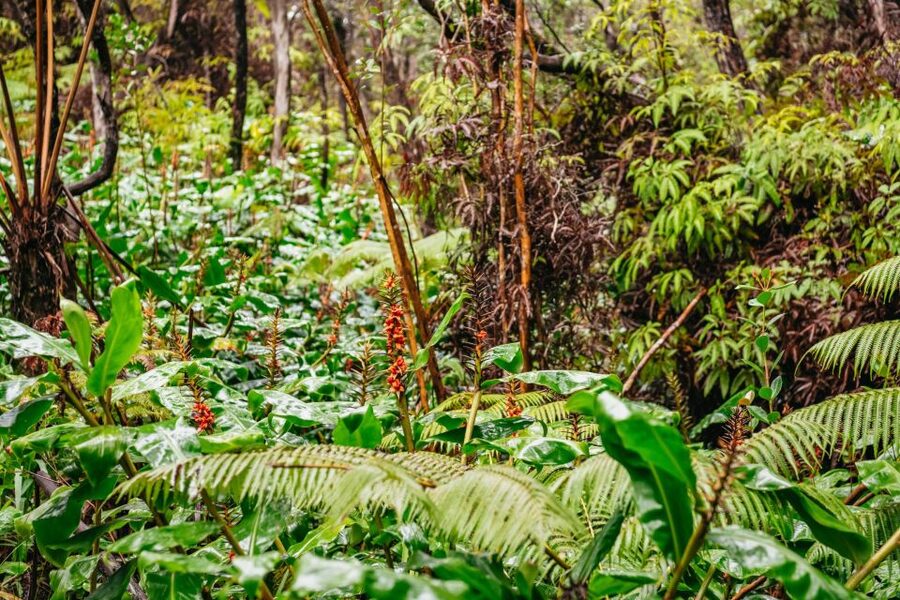
Your guide will also cover the ecology of Hawai’i Volcanoes National Park and how volcanic history shaped what you see today. This is the part I think you’ll appreciate most if you like understanding what you’re looking at—how plants persist, how ecosystems respond to disturbance, and why the park looks the way it does.
The main drawback to keep in mind: this is rain or shine. If it’s wet, steam and damp air can make surfaces slick, and cool rain can also make you underestimate how long you’ll stay warm enough. Pack for weather changes, not just the forecast.
Thurston Lava Tube: going underground after you’ve seen the sky
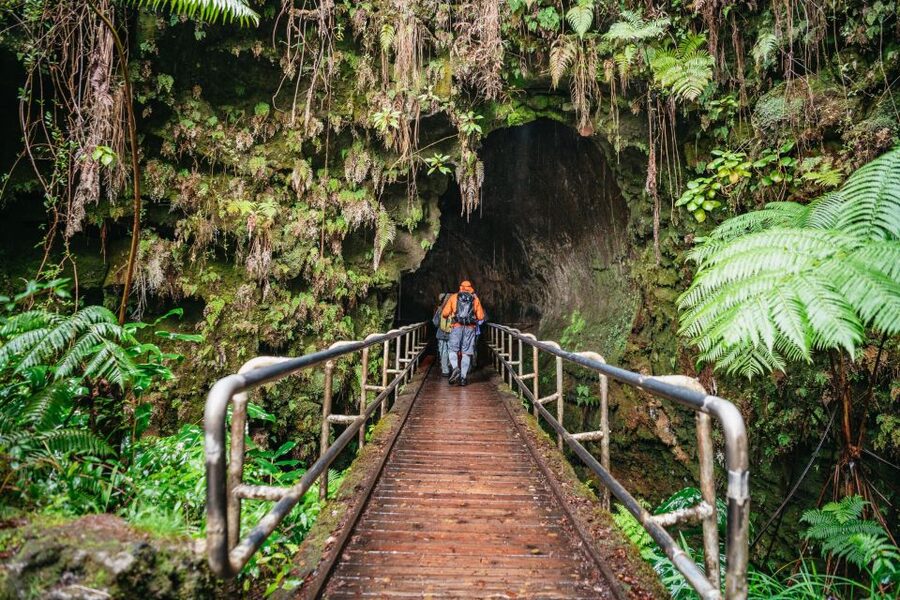
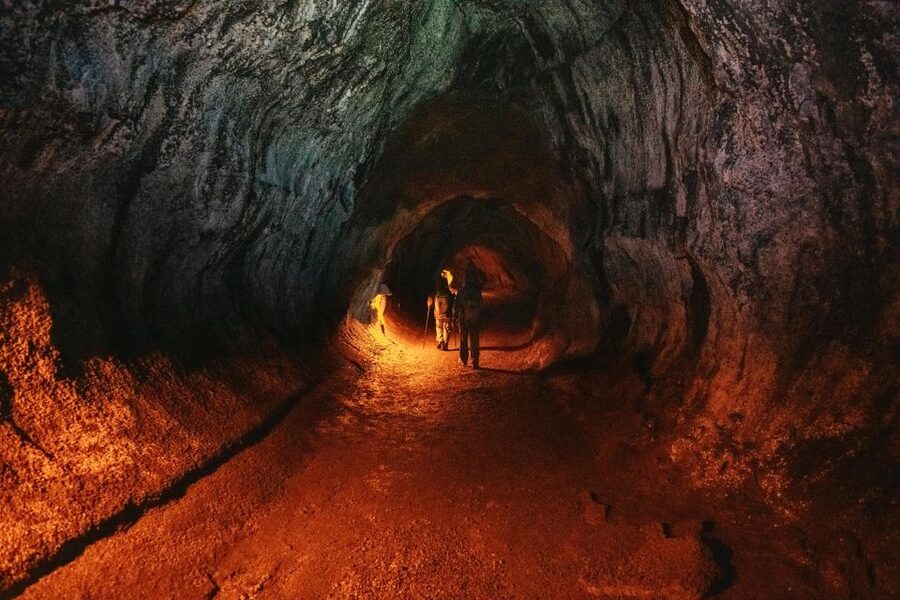
The final signature stop is Thurston Lava Tube. This is a subterranean passage formed by ancient flowing lava—an underground space you explore on foot as the route descends. After all the outdoor views, walking into a lava tube feels like stepping into a different world. The scale changes, the air changes, and you start noticing textures and shapes that are hard to appreciate from above.
The guide’s job here is straightforward and valuable: help you understand what you’re standing in. A lava tube isn’t just a cave. It’s a specific volcanic feature with a formation story tied to ancient lava flows. When you understand that, your brain stops treating it like a fun detour and starts treating it like evidence.
This is also a moment that’s great for photos, but don’t let your camera steal your attention completely. Lava tube interiors can be dim, so you’ll likely need to choose shots carefully and keep moving safely. Focus first on the route and where you are in the space. The views and shapes are better when you’re actually present.
Picnic timing and pacing: good food, but plan for a long day
Lunch is handled with a gourmet picnic: salads, sandwiches, and desserts. This is one of those “quiet” value-adds. In Volcanoes National Park, eating on your own can turn into hunting for the right place and hoping timing works with your hikes. Here, the food is baked into the day.
That said, pay attention to pacing. One improvement suggestion from a past group was to have the lunch break earlier, since the picnic effectively landed near the end of the tour. So if you’re someone who gets cranky when meals slide, consider eating a bit before the pickup/breakfast window on your own travel day plan (as long as you’re not arriving uncomfortably full).
Also remember the basics: you’ll be hiking for hours. Even with food provided, bring a mindset of steady energy rather than expecting a long midday rest. And keep your water use consistent; the hike includes heat exposure at the caldera, so you don’t want to “save water” and then regret it later.
Price and park fees: what $230 really covers
At $230 per person, you’re paying for a guided, structured hike experience, not just a ticket to walk around. What’s included is important:
- the guided hike in Hawai’i Volcanoes National Park
- breakfast buffet (fruit, salmon, cheese, teas, coffee)
- gourmet picnic (salads, sandwiches, desserts)
Not included is the park entry fee. You’ll typically pay around $15 per person, and vehicle entry can be about $30, unless you use an annual park pass (listed as $80/year for all National Parks). So the real cost depends on how you’re getting into the park and whether you already have a pass.
Why I think this pricing can be good value: volcano parks are large, and self-guided routes can turn into extra driving and decision-making. Here, the guide does the planning work for you—where to go, what to notice, and how to connect the views to the volcanic story. The small-group cap (10 participants) also matters. It’s easier to get questions answered and follow safely than in huge group formats.
Just keep one expectation aligned: the price includes the hiking day experience and meals, but it doesn’t include the park entry itself.
Who should book this guided hike (and who shouldn’t)
This is a strong match if you want:
- a guided explanation of volcanic features and local ecology
- a structured day that includes multiple signature stops (Kilauea Iki, caldera viewpoint/heat, Thurston Lava Tube)
- a small-group experience where you can talk with the guide
It’s also a good fit if you’re okay with moderate hiking and you can manage uneven, sometimes slippery surfaces in changing weather.
It’s not a great fit if:
- your child is under 8 (the tour isn’t suitable for children under that age)
- you have mobility impairments (the hike is not designed for that)
- you expect a casual, flat stroll (this includes descents into the lava tube and caldera terrain)
Practical tips for a rain-or-shine volcano day
Because the hike runs rain or shine, you’ll travel better with a simple kit:
- Hiking shoes with good grip
- Water (carry it yourself; you need it for a 6.5-hour day)
- Rain gear you can move in, not just a flimsy poncho
Also note the rules: alcohol and drugs aren’t allowed. It’s a nature-focused day, so keep your vibe aligned with that and you’ll have an easier time fitting into the group’s pace.
One more small tip: if you’re picky about breakfast timing, pay attention to how the breakfast is served. The listing describes a buffet, but at least one person reported receiving snack-style items instead. Since you can’t control that, arriving with a plan helps—like bringing a travel snack you can hold onto for later, especially if you know your appetite runs hot on hiking days.
Should you book this Hawai’i Volcanoes National Park guided hike?
If you want a guided day that connects views to geology and ecology, I’d lean yes. The combination of Kilauea Iki, the caldera experience (including heat and scale), and the Thurston Lava Tube stop gives you multiple “signature” moments in one outing, and meals are included so you don’t lose time scrambling for food.
I’d hold off if you’re sensitive to long hikes, heat exposure, or slippery conditions. And if you rely on specific breakfast formats, treat the breakfast as a provided meal you’ll appreciate—but keep flexibility in mind since service can vary.
One more decision nudge: you have options for group or private, and the small group limit is 10. If you like asking questions and getting answers without feeling like you’re in a crowd, that structure is a real advantage. If your plans are still shifting, the tour supports flexible booking with free cancellation up to 24 hours in advance and a reserve-and-pay-later style option.
FAQ
Where is the tour meeting point?
You meet at the Kilauea Visitor Center inside Hawai’i Volcanoes National Park.
How long is the guided hike?
The duration is 390 minutes (about 6.5 hours).
Is park entry included in the price?
No. Park entry is not included. Costs are listed at about $15 per person, and about $30 for vehicle entry, unless you use an annual park pass.
What’s included with the tour besides the hike?
It includes a guide, a breakfast buffet, and a gourmet picnic lunch (salads, sandwiches, and desserts).
What should I bring?
Bring hiking shoes, water, and rain gear.
Is the tour offered in English, and what’s the group size?
The live guide is English, and it’s a small group limited to 10 participants.