REVIEW · ISLAND OF HAWAII
Kilauea: Volcanoes National Park Guided Hike
Book on GetYourGuide →Operated by Volcanoes Hiking Guides · Bookable on GetYourGuide
Kīlauea can feel like science class. You’ll walk a 4-mile loop through native Hawaiian rain forest and around a hardened lava lake, with a certified interpretive guide explaining geology, botany, and local stories. I love that you’re in a small group (up to 10) and that the experience can line up for a sunset view over the volcano; I also like how gear and help are built into the hike. One drawback to plan for: lava and glow viewing depend on weather and current Kīlauea conditions, so the “wow” moment isn’t something you can treat as guaranteed.
The afternoon timing is the key: start at the Kīlauea Visitor Center, hike about 3 hours, and aim for late-day light that makes volcanic terrain look extra dramatic. The route includes time to learn as you walk, and the hike finishes near Volcano House, where you can grab a meal afterward (and yes, the area can offer lava-viewing opportunities at night when conditions cooperate).
In This Review
- Key takeaways before you go
- Kīlauea’s “afternoon science” hike: what makes it worth your $120
- The meet-up spot and how the timing plays out
- The 4-mile loop: native Hawaiian rain forest meets hardened lava
- Sunset over Kīlauea: the goal, the reality, and how to maximize it
- Native plants, lava geology, and Hawaiian stories you can actually use
- Gear, pace, and what to pack for rain or shine
- Guide quality: why Jennifer and Yvonne show up again and again
- After the hike: Volcano House meal plans and night viewing potential
- Price and value: what you’re really buying on this Kīlauea hike
- Should you book the Kīlauea Volcanoes National Park guided hike?
- FAQ
- How long is the guided hike?
- How big is the group?
- Where do we meet and where does the tour end?
- Is lava viewing guaranteed?
- What’s included in the price?
- What’s not included?
- What should I wear or bring?
- Is the tour held in bad weather?
Key takeaways before you go
- Certified interpretive guides with real-world energy, like Jennifer and Yvonne, who share geology, ecosystems, and Hawaiian perspectives.
- A short but meaningful 4-mile loop through native forest and past hardened lava features.
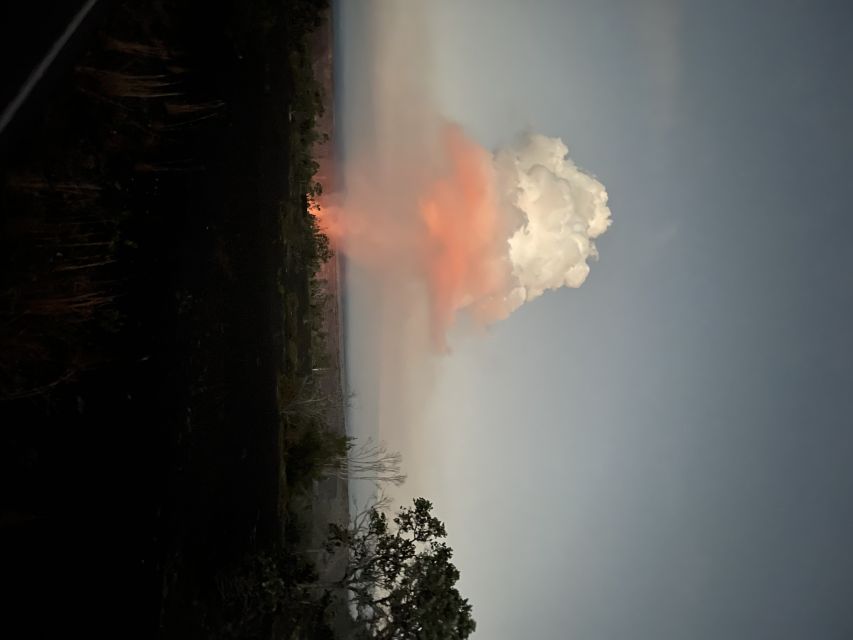
- Sunset potential over the volcanic area, timed for the late-afternoon light.
- Lava-lake glow depends on conditions (weather and what Kīlauea is doing that day).
- Gear is part of the deal: trekking poles, backpacks, and a healthy snack.
- Rain or shine means you should pack rain gear and keep your plans flexible.
Kīlauea’s “afternoon science” hike: what makes it worth your $120
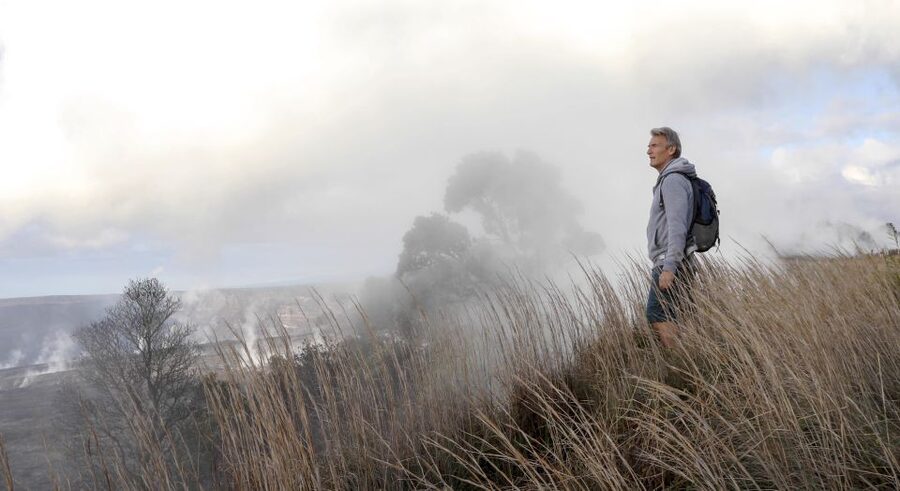
This isn’t just a walk where someone points at rocks. The value is in how the guide connects three things while you’re moving: how Kīlauea works, what the land supports biologically, and how Native Hawaiian culture reads the volcano. When the lava is active or visible, that learning clicks fast—because you’re standing in the middle of the story.
You’re paying $120 per person for a 3-hour guided experience, and the price feels more reasonable when you factor in what’s included: a certified interpretive guide, trekking poles and backpacks, and a healthy snack. It’s also a small-group setup, limited to 10, which matters here because you’re hiking near terrain that needs attention and quiet focus—not a chaotic stampede.
What you should hold in mind: the “lava glow” goal is weather-dependent and tied to Kīlauea’s activity. If you’re the type who needs a sure thing every minute, this tour will ask you to be a little patient.
You can also read our reviews of more tours and experiences in Island Of Hawaii.
The meet-up spot and how the timing plays out
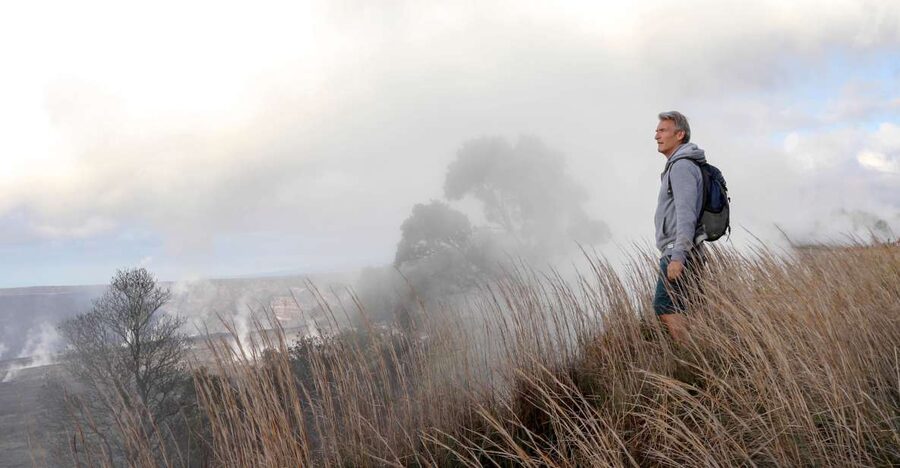
You meet at the Kīlauea Visitor Center. Plan to arrive a bit early so you can settle in, get oriented, and be ready to start your hike right on time. The tour runs about 3 hours, and it’s designed as an afternoon outing rather than an all-day trek.
There’s one small logistics detail you’ll want to confirm for your date: the description notes the hike ends near Volcano House restaurant and bar, and the activity overview also says it ends back at the meeting point. In practice, that often means “you’ll finish near the food option,” but I’d still check with the operator when you book so you know exactly where you’ll be when you’re done.
Also note the practical stuff that affects your day:
- Park entrance fee is not included, so budget for it separately.
- Hotel pickup and drop-off are not included, so you’ll need your own ride or local transport to reach the visitor center.
- This is a rain-or-shine tour, so your timing depends on weather only in the sense that you’ll still hike.
The 4-mile loop: native Hawaiian rain forest meets hardened lava
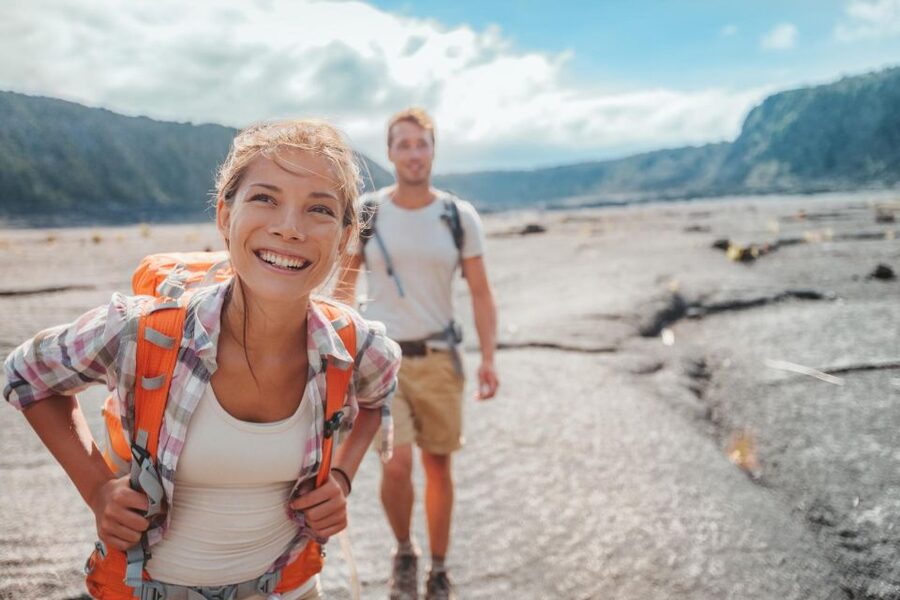
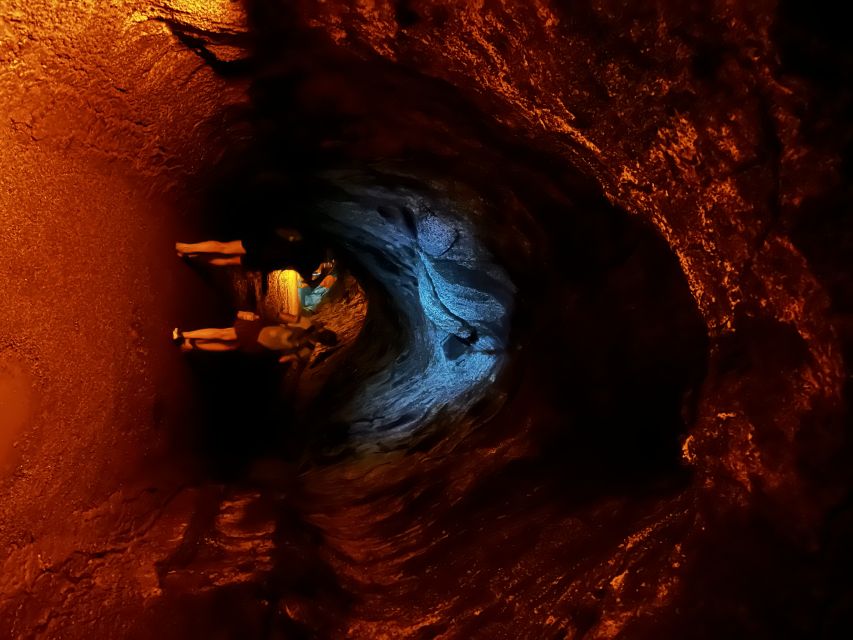
The route is described as a 4-mile loop that mixes trail time in native Hawaiian rain forest with walking around hardened lava terrain. Even without named checkpoints, you’ll feel the “two worlds” shift as you go: lush plant life and wet forest air on one side, then the stark, cooled evidence of volcanic action on the other.
What you’ll likely appreciate on this kind of loop is pacing. It’s not described as an all-day grind, so it works well if you want a meaningful hike without needing an ultra-early start. The terrain is active-volcano country, so you should still expect uneven ground and some uphill effort depending on your route that day.
What makes the forest portion special here isn’t just the greenery. Your guide is there to explain how the ecosystem relates to volcanic landforms—how plants grow in and around these changing surfaces, and how Hawaiians traditionally understand the volcano’s presence in daily life.
And when you get near the hardened lava lake area, the hike becomes more visual and more “hands-on learning.” You’re walking on land that used to be molten, and the guide’s job is to translate that into a clear mental picture: what solidified, what cooled, and what it means now.
Sunset over Kīlauea: the goal, the reality, and how to maximize it
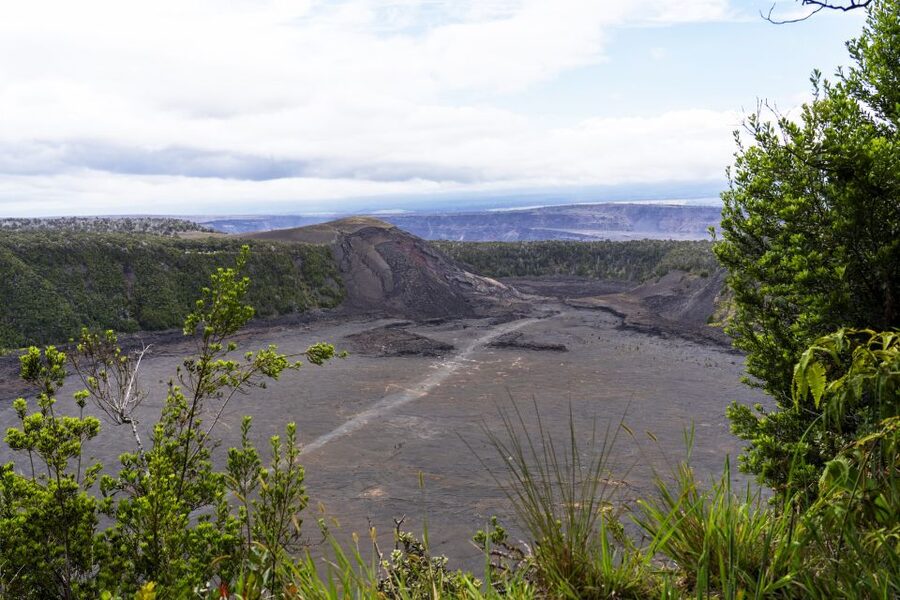
One of the headline promises is the chance to watch the sunset over a volcano. That matters because evening light changes how you see volcanic textures—dark rock highlights edges, and the sky can make the caldera area feel bigger than it is.
Next is the other headline: seeing glow from a lava lake. Here’s the honest part: lava viewing is subject to weather and Kīlauea volcano conditions. Even if you do everything right, you can’t control clouds, visibility, or whether lava is at a level that can be seen from the route.
So how do you maximize your odds on the day?
- Show up ready for rain gear, even if the forecast looks mild. Wet weather can reduce visibility.
- Bring your patience. If the guide signals that conditions are improving or lava activity is increasing, you’ll want to be ready to look where they direct you.
- Use the provided time for photo spots and guided stops. If the guide pauses, it’s usually because there’s a meaningful angle for either geology or view lines.
In a few past experiences, guides have brought tools to enhance viewing when conditions allow—one guide used a telescope so details of magma could be seen during an eruption. That kind of extra gear isn’t something you should assume on every date, but it’s a good sign that the guides pay attention to how to help you actually see the action, not just hear about it.
Native plants, lava geology, and Hawaiian stories you can actually use
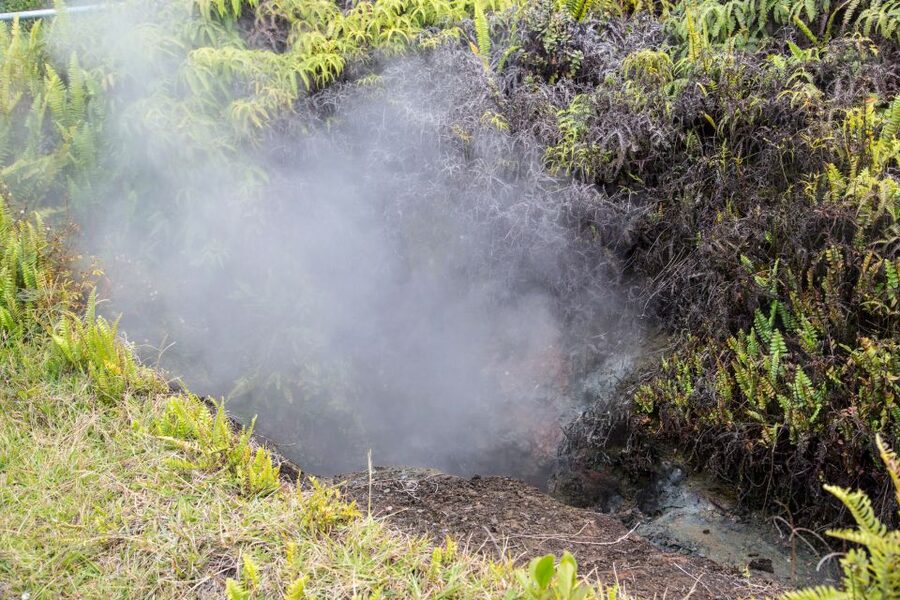
This tour’s “brain work” is one reason the reviews are so strong: the guide connects science with place-based meaning. You’ll get explanations of volcano behavior—things like eruptions, earthquakes, and steam vents—plus how these forces shape the local environment.
You’ll also spend time on the botany side. The guide isn’t just naming plants. They explain invasive vs. native species and how those differences show up in the forest you’re walking through. That turns the walk into something you can remember, because you’re not relying on imagination—you’re looking right at the evidence.
Cultural storytelling is woven into the hike too. In past guided outings, guides have shared Hawaiian legends connected to the Mauna Loa and Kīlauea region. Whether you’re into legends or not, it still helps you understand why locals treat the volcano differently than the way an outsider might.
If language is a concern, keep it in mind that at least one guide has used a translation device to help guests follow along more comfortably. I wouldn’t assume every guide will use the same method, but it’s worth knowing that practical support for understanding can happen.
Gear, pace, and what to pack for rain or shine
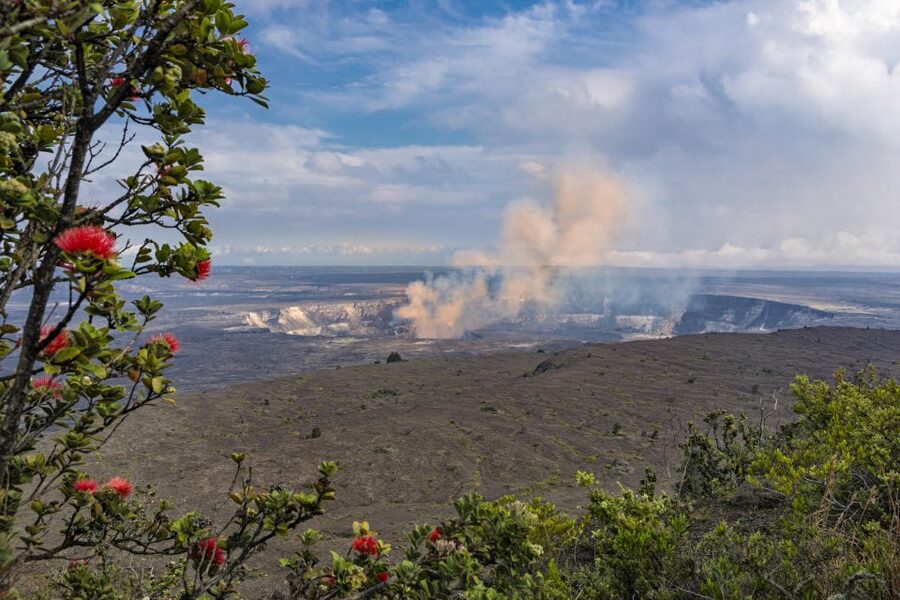
This hike is built for comfort and safety in volcano terrain, and it’s one reason the included items feel genuinely useful. You get:
- Trekking poles
- Backpacks
- A healthy snack
- A COVID-free experience format (as described by the provider)
The guide also provides instructions before you start, which helps everyone walk together without chaos.
Here’s what you should bring:
- Water
- Rain gear
- Comfortable shoes, ideally hiking shoes
And what you should avoid:
- High-heeled shoes
- Open-toed shoes
- Intoxication
Small tip that matters: even on a “moderate to easy” day, volcano trails can be slippery, and wet lava rock can feel unpredictable underfoot. Closed-toe hiking shoes aren’t a fashion choice here—they’re the difference between confident footing and constant caution.
Also remember: children must be over 6, and the tour is not suitable for people with mobility impairments based on what’s provided.
Guide quality: why Jennifer and Yvonne show up again and again
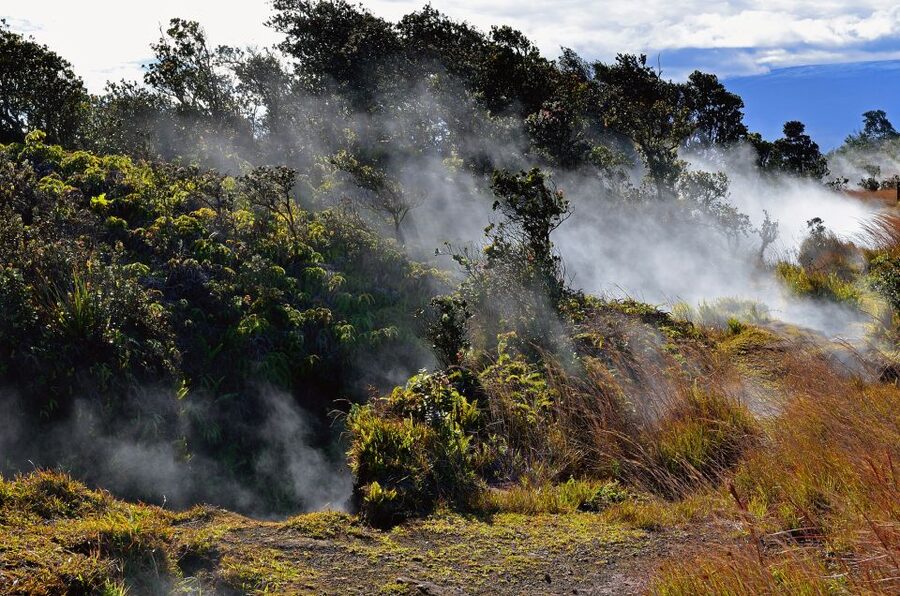
Two guide names come up repeatedly: Jennifer and Yvonne. That tells you something important. This isn’t a generic job where anyone with a backpack gets assigned to lead. These guides bring a teaching style that feels prepared and hands-on.
What stands out in real-world operation:
- Guides take time to explain what you’re seeing as you walk, including geology points and plant life.
- They stop for photo moments and then keep moving, so the hike doesn’t turn into a long parking-lot lecture.
- They come with practical extras—like walking poles already ready, extra ponchos when needed, and even additional tools like a telescope in lucky conditions.
- They pay attention to group needs. In at least one case, the hike was adjusted to match the group’s interests, and the guide stayed flexible without making it feel like you were inconveniencing them.
You’ll also notice a “care after the hike” vibe. One guide shared later updates when volcanic activity increased after the tour window, including a way to watch an eruption live. That’s not something you can schedule into your day, but it’s a strong indicator of attention to the experience beyond the checklist.
After the hike: Volcano House meal plans and night viewing potential
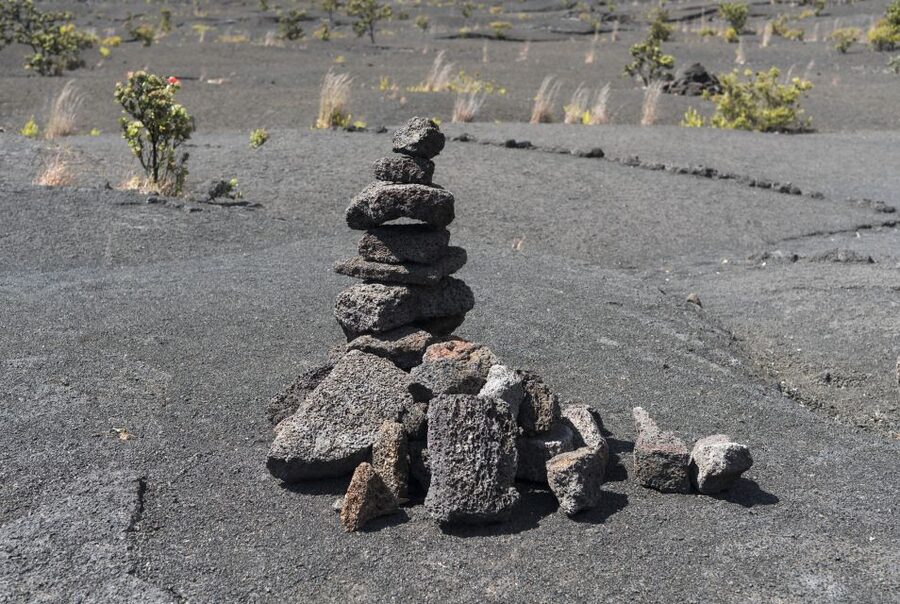
The hike ends near Volcano House restaurant and bar, and you’re encouraged to book a relaxing meal there. I like this design because it keeps your logistics simple: you don’t need to decide what to do next while you’re tired and still damp from the day’s weather.
If you get lucky with conditions, the broader Volcano House area can also offer lava visibility at night. You shouldn’t treat that as guaranteed—again, conditions rule here—but it’s a sensible place to plan dinner if your heart is set on seeing more volcanic glow after sunset.
Price and value: what you’re really buying on this Kīlauea hike
Let’s talk value without pretending it’s cheap. $120 per person is a premium price for a 3-hour hike, but the cost is buying several things that add up fast:
- A certified interpretive guide who teaches you while you walk
- Gear you’d otherwise have to rent or improvise (trekking poles and a backpack)
- A small-group cap of 10 participants, which usually leads to better attention and fewer delays
- No van rides with people you don’t know, which can make the start feel smoother if you prefer a quiet group vibe
The main “cost surprises” to remember are outside the tour price:
- Park entrance fee is not included.
- You handle getting to the meeting point yourself.
If you’re the kind of visitor who likes being outside but also wants context—geology you can understand, and plant life you can name—this tour is a strong match. If you just want a self-guided stomp around the trails, you can likely do that too, but you’d lose the interpretation that makes volcanic terrain meaningful.
Should you book the Kīlauea Volcanoes National Park guided hike?
I’d book it if:
- You want a guided, interpretive hike rather than a solo walk
- You’re hoping for sunset views and possibly lava glow (and you can roll with weather changes)
- You like small-group experiences and appreciate that trekking poles, backpacks, and snack are included
- You’re curious about how volcanoes connect to Hawaiian plant life and local stories
I’d think twice if:
- You’re expecting lava viewing to be guaranteed
- You need wheelchair-friendly routes (this tour is not suitable for mobility impairments)
- You want hotel pickup, because it’s not part of the plan
If you’re ready to hike for about three hours, pack rain gear, and let a good guide turn volcanic terrain into a clear, memorable story, this is one of the more satisfying ways to experience Volcanoes National Park.
FAQ
How long is the guided hike?
The tour lasts about 3 hours. Exact start times depend on availability.
How big is the group?
It’s a small group limited to 10 participants.
Where do we meet and where does the tour end?
You meet at the Kīlauea Visitor Center. The activity is described as ending back at the meeting point, and it also notes finishing near the Volcano House restaurant and bar, so it’s smart to confirm the exact finish spot when you book.
Is lava viewing guaranteed?
No. Lava viewing is subject to weather and Kīlauea volcano conditions.
What’s included in the price?
You get a certified interpretive guide, a healthy snack, backpacks, trekking poles, and a COVID-free experience format. It also notes no van rides with people you don’t know.
What’s not included?
The park entrance fee isn’t included, and there’s no hotel pick-up or drop-off.
What should I wear or bring?
Bring comfortable shoes or hiking shoes, water, and rain gear. High-heeled shoes and open-toed shoes are not allowed.
Is the tour held in bad weather?
Yes. The tour takes place rain or shine.