REVIEW · ULAANBAATAR
5 Days Terelj national Park Tour From Central Mongolia
Book on Viator →Operated by Danista Nomads Tour · Bookable on Viator
Mongolia rewards you fast on this short loop. This 5-day private trip packs UNESCO Orkhon Valley sights, big statue-and-temple days in Central Mongolia, and overnight homestays so you see more than just road signs.
I especially like the private guide setup, plus the way key admissions and meals are handled for you. The one thing to watch: the trip is sightseeing-and-riding focused, and if you expect a very intense, highly structured adventure, you may want to double-check whether the pace matches you.
In This Review
- Key highlights at a glance
- Day 1 in Ulaanbaatar: Chinggis Khan, Zaisan, Bogd Khaan Palace, Turtle Rock
- Day 2 near Elsen Tasarkhai: Camel ride dune views, Erdene Zuu, and Kharakhorum artifacts
- Day 3 in Orkhon Valley: Orkhon Waterfall for a reset day
- Day 4 toward Tövhön Hiid and Ugii Lake: Monastery age + quiet-water views
- Day 5 at Hustai National Park: Przewalski’s horses and the return to Ulaanbaatar
- Included meals and homestays: what you gain when logistics are handled
- Price and value: is $985.92 a good deal for 5 days?
- Pace, weather, and comfort: how to judge if it matches your style
- Guides and support that can make or break a trip
- Should you book this 5-day Central Mongolia and Terelj-focused tour?
- FAQ
- How long is the tour?
- Where does the tour start and end?
- Is pickup included?
- Is this a private tour?
- What’s included in the price?
- How many meals are included?
- Are entrance fees included for attractions?
- Is camel riding part of the tour?
- What about horseback riding?
- What happens if weather is bad?
- Is alcohol included?
Key highlights at a glance
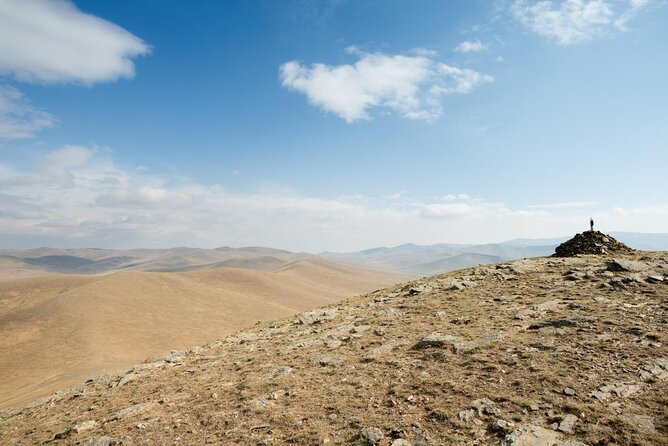
- Orkhon Valley UNESCO time with waterfall scenery and historic sites in the same trip
- Private guiding with English-speaking support from guides like Mary, Chimba, Bagi, and Biphyun (names come up in past experiences)
- Camel riding near Elsen Tasarkhai, in a dune area that feels like a mini Gobi
- Big monastery stops from Erdene Zuu to Tövhön Hiid/Tuvkhun Monastery in Orkhon Valley
- Wildlife payoff at Hustai National Park, linked to Przewalski’s horses
- Included meals and admissions reduce guesswork and keep you moving
Day 1 in Ulaanbaatar: Chinggis Khan, Zaisan, Bogd Khaan Palace, Turtle Rock
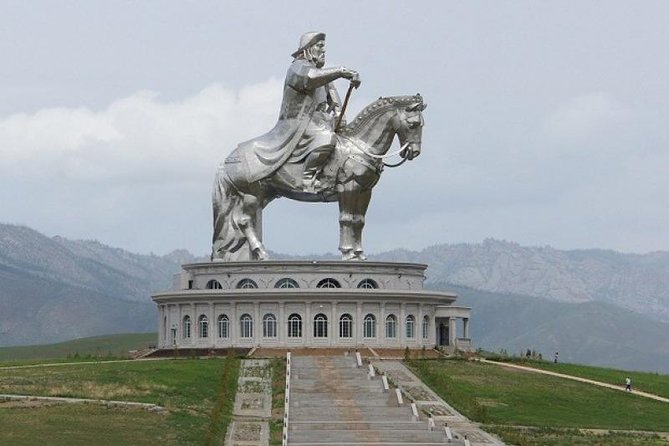
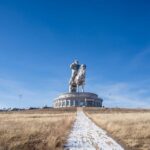
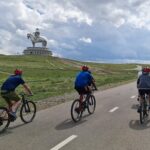
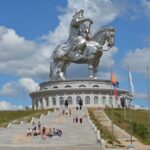
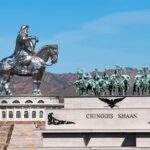
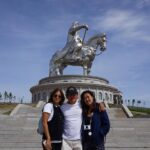
Your trip starts with a heavy-hitter first day in Ulaanbaatar. You’ll visit the Chinggis Khan Statue Complex, described as the biggest Chinggis statue in the world, and it’s a strong way to get your bearings. Even if you’re not a “statues person,” it sets the Mongol story in your head before you head out to smaller, older places.
Next comes Zaisan Memorial, a WWII-era monument built in 1971. The stop is short, but it gives you a sense of how Mongolians frame 20th-century history alongside much older traditions.
Then you shift to museums and royal-era Mongolia at Bogd Khaan Palace Museum of Mongolia. This museum complex sits in the Green House of the last King of Mongolia, VIII Bogd Javzandamba, and it’s a solid primer on the country’s cultural layers. If you like understanding the “why” behind what you see later (monasteries, pilgrimage sites, cultural etiquette), this is a helpful setup.
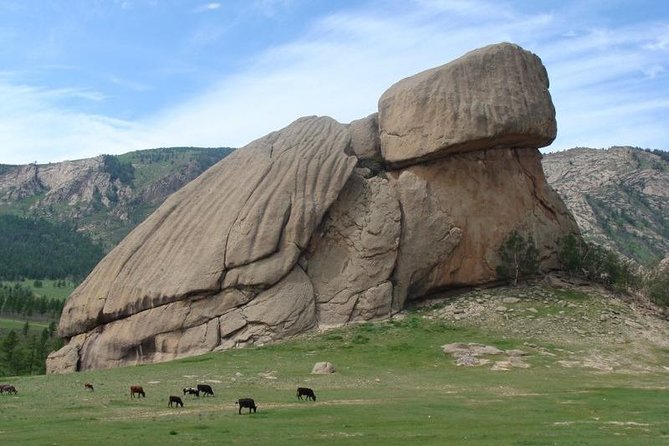
Finally, you get Turtle Rock, one of those photo stops that makes sense once you’re standing there. It’s essentially a quick nature break to stretch your legs before the real countryside days.
What I’d do for you: bring a light jacket even in warmer months. Early travel and wind near monuments can feel cooler than you expect, and you’ll want to stay comfortable for pictures.
You can also read our reviews of more tours and experiences in Ulaanbaatar.
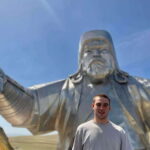
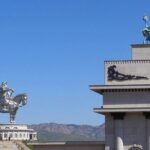
Day 2 near Elsen Tasarkhai: Camel ride dune views, Erdene Zuu, and Kharakhorum artifacts
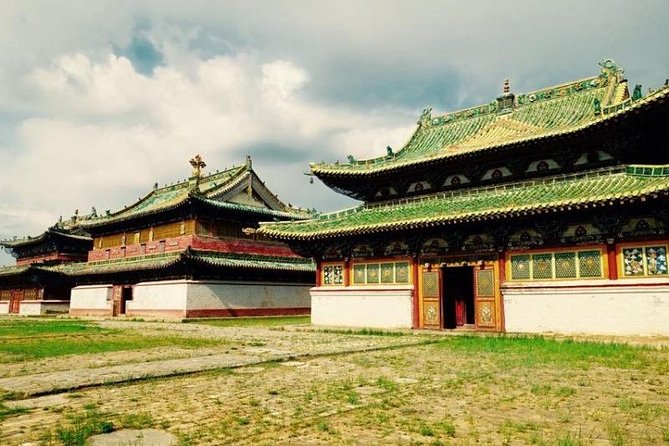
This day has a fun rhythm: sand first, then history, then archaeology.
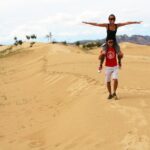
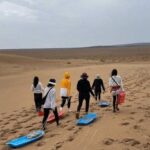
At Elsen Tasarkhai, you’ll make time for a camel ride and take in the view of a small dune area that’s compared to a mini Gobi desert. This is exactly the kind of stop that helps you feel what “steppe travel” means. You’re not just passing through; you’re experiencing it.
From there, you go to Erdene Zuu, one of Mongolia’s most famous monasteries. The data here is specific: it was ordered by Abtai Sain Khan in 1585 after his meeting with the 3rd Dalai Lama and after a declaration connected to Zanabazar, Mongolia’s first Bogd. That means you’re not only looking at stones; you’re learning why the site matters.
Then you add the archaeological angle with Kharakhorum Museum. The focus is on findings spanning Stone Age, Bronze Age, Old States, and the Great Mongolian period. If you want context for how ancient Mongolia connects to later kingdoms and routes, this is a worthwhile bridge. You’ll also see materials linked to the Shor tradition discovery theme, though the details are handled by the guide on the day.
One practical note: expect this to feel like a “learn and look” day more than a long outdoor hiking day. If you prefer hands-on experiences over museum time, you might want to plan to add extra outdoor stops on your own.
Day 3 in Orkhon Valley: Orkhon Waterfall for a reset day
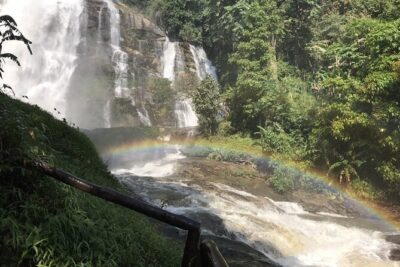
Day 3 is your nature reset. You head to Orkhon Waterfall, described as close to the Orkhon River and the Ulaan Tsutgalan river system. The waterfall is listed as about ten meters wide and twenty meters high.
This stop matters because it breaks up the monastery-and-museum pattern. It gives you a chance to slow down, enjoy the sound, and get that Mongolia “wide sky + moving water” feeling that photos can’t quite copy.
Also, the day is a strong match for the UNESCO Orkhon Valley theme. UNESCO sites can feel abstract until you stand in the geography that shaped old life—water sources, routes, and settlement logic.
What to bring: if you like taking video, bring a strap or keep your hands free. Mist and wind happen around falls, and you’ll appreciate keeping your gear stable.
Day 4 toward Tövhön Hiid and Ugii Lake: Monastery age + quiet-water views
Day 4 combines an older spiritual landmark with a big open-water nature stop.
First is Tövhön Hiid, tied to Tuvkhun Monastery. The details matter here: it’s described as one of the oldest Buddhist monasteries in Mongolia, located in Orkhon Valley about 40 km northwest of Khujirt soum, in Uvurkhangai and Arkhangai aimags. That combination—age, place, and location—helps you understand why Mongolia’s monasteries aren’t just buildings. They’re anchors in the geography.
After that, you head toward Ugii Lake (the description points to Ugii Lake even though one stop name appears as Elsen Tasarkhai). Ugii Lake is listed as in the center of Mongolia in Arkhangai province, described as one of Mongolia’s biggest lakes with a 27 km square area. The average depth is given as 6.64 meters, with some sections reaching 15 meters. It’s the kind of specificity that tells you this isn’t just a casual roadside view; it’s a real destination.
This is also a day where you can feel how the tour balances culture and environment. If you only ever see Mongolia through city museums, you’ll miss the way water and steppe shape daily life.
Comfort tip: bring a warm layer for lake time. Wind over open water can cool you down quickly once you stop moving.
Day 5 at Hustai National Park: Przewalski’s horses and the return to Ulaanbaatar
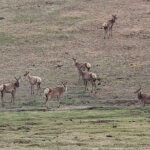
On the final day, you move into wildlife country at Hustai National Park. The information here is direct: Hustai is associated with the highest number of Przewalski’s horse in the world. That makes the day feel purposeful, not just scenic.
You’ll have about 3 hours there. In wildlife settings, that time window is meaningful. You get a chance to slow down and scan—this isn’t a “drive past and move on” stop.
Then you return to Ulaanbaatar, ending back at the same meeting point: Danista Nomads on Orkhon Street (BGD – 16 khoroo, Ulaanbaatar 16040). The tour is built so you’re not stuck figuring out how to get back after a remote few days.
What I like for you: finishing with wildlife helps the whole trip land. Museums and statues explain the past, monasteries show ongoing traditions, but seeing animals connected to conservation gives you a Mongolia that still moves forward.
Included meals and homestays: what you gain when logistics are handled
One of the best value points is how much is taken care of. The tour listing includes meals—5 lunches, 4 dinners, and 4 breakfasts—plus accommodation and entrance fees.
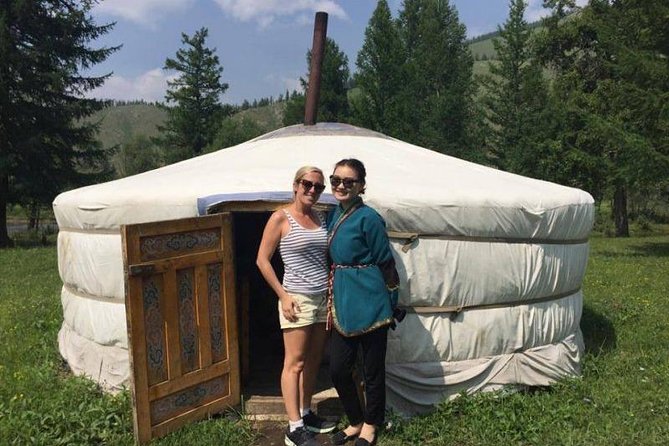
And the experience description adds a key ingredient: overnight homestays. That’s not just a place to sleep. It’s one of the fastest ways to understand daily Mongolian life beyond the tourist circuit. You’ll get the rhythm of local routines—simple, practical, and tied to the realities of weather and land.
Homestays also change the pace of the trip. You’ll likely feel the day’s travel less because you’re not constantly transitioning hotels. Instead, you settle in, eat together, and then start the next day with a more human scale.
What to consider: homestays can be basic compared to city hotels. The listing doesn’t describe bedding style, shower setup, or room size, so if comfort is your top priority, ask your booking contact what to expect.
Price and value: is $985.92 a good deal for 5 days?
At $985.92 per person, this tour sits in the mid-to-upper range for Mongolia short trips, but the value is tied to what’s included.
Here’s what reduces your “extra costs stress”:
- Entrance fees included for the key sights (with several sites also marked free, like Zaisan Memorial, Erdene Zuu, Ugii Lake, and Hustai National Park)
- Meals included across most days
- Accommodation included
- Pickup offered, plus a private guide model
That combo matters in Mongolia, where costs can appear piecemeal when you DIY. When the guide, transport coordination, and admissions are bundled, you spend more time experiencing and less time negotiating.
Also, the tour is private, meaning it’s designed for your group rather than a large coach-and-queue experience. Past experiences highlight guides who paid close attention to guest comfort, including accommodating requests if something didn’t feel right.
The balanced reality: one lower star experience complained the trip felt overpriced and under-delivered, saying it may suit less-experienced travelers who want less intensity. That doesn’t mean it’s objectively bad—just that your expectations should be aligned. If you want nonstop action, you might feel the “sightseeing plus riding” approach is lighter than you hoped.
Pace, weather, and comfort: how to judge if it matches your style
This is a private tour with your group only, and most travelers can participate. The itinerary also signals a rhythm of day trips and cultural stops rather than long hikes every day.
The listing also states the experience requires good weather. If weather turns, you’ll be offered a different date or a full refund. That matters because Mongolia’s countryside can be hard to predict, and wildlife or waterfall time can change when conditions are poor.
Ask yourself a quick question: do you want a well-timed sampler of Central Mongolia, with homestay nights and a guide who explains what you’re seeing? If yes, this style often hits the mark.
If you’re the kind of traveler who wants constant downtime options, deep independent exploration, or very detailed scheduling down to the minute, you’ll need to confirm how flexible the day structure is once you’re in the field.
Guides and support that can make or break a trip
The people behind the scenes matter a lot on multi-day countryside travel. Past experiences mention guides such as Mary, Chimba, Bagi, and Biphyun, with strong notes on English ability and attention to comfort and care. One example also highlights the company boss, Jagaa, reaching out ahead of time with expectations and what to be aware of.
That kind of pre-trip communication is genuinely useful in Mongolia, where “small surprises” can cost you time or comfort.
Should you book this 5-day Central Mongolia and Terelj-focused tour?
I’d book this if you want:
- a private guide and a smooth, included logistics setup
- UNESCO Orkhon Valley plus monasteries and museum context
- at least a couple of memorable nature hits, including Orkhon Waterfall and Hustai National Park
- the chance to sleep in homestays rather than only hotels
I would think twice if you:
- need nonstop, high-intensity adventure every day
- have very high comfort expectations for homestay nights
- expect the itinerary to feel like a tightly packed, expert-level route plan with lots of flexibility
If you like Mongolia with a human pace—sightseeing that’s explained, nature that’s reachable, and wildlife that’s timed right—this is a very workable way to spend five days.
FAQ
How long is the tour?
It’s listed as 5 days, approximately.
Where does the tour start and end?
It starts at the Danista Nomads meeting point on Orkhon Street in Ulaanbaatar and ends back at the same meeting point.
Is pickup included?
Yes, pickup is offered.
Is this a private tour?
Yes. It’s private, meaning only your group participates.
What’s included in the price?
Accommodation, meals, entrance fees, and lunch/dinner/breakfast are included as listed.
How many meals are included?
The tour lists 5 lunches, 4 dinners, and 4 breakfasts.
Are entrance fees included for attractions?
Yes. The experience description includes entrance fees, and the stop details indicate admissions are included for key sites.
Is camel riding part of the tour?
Yes. The Elsen Tasarkhai stop includes camel riding.
What about horseback riding?
The tour overview says there are activities like camel and horseback riding, though the day-by-day details provided specifically mention camel riding.
What happens if weather is bad?
The experience requires good weather. If canceled due to poor weather, you’ll be offered a different date or a full refund.
Is alcohol included?
No. Alcoholic drinks and snacks aren’t included.