REVIEW · ULAANBAATAR
Full Day Mountain Biking Tour in Khan Khenty National Park
Book on Viator →Operated by Mongolia Biking Experts · Bookable on Viator
Steppe dirt, Mongol silence, and a huge horse-head view. This full-day ride pairs a 40 m stainless-steel Genghis Khan statue climb with big open Khentii steppe cycling through valleys and near nomad life—so you get culture and motion in the same day. I also liked how the bike logistics are handled for you, from bike setup to a support vehicle and an experienced English-speaking guide named Dashka helped keep the whole process smooth. One thing to consider: it’s a long, hilly dirt-road day (6 to 8 hours), so you’ll want basic fitness and comfort with uneven ground.
You’ll start with a morning drive about 70 km east of Ulaanbaatar, then spend the day pushing pedals up and down small hills, taking a tea break, and rolling onward after lunch. I love that the route is close to the capital but still feels remote—open valleys, herds passing by, and opportunities to see modern felt gers and everyday routines. The only real drawback is that the ride is not a gentle cruise; even with solid hardtail bikes, expect your legs to work on the steppe terrain.
In This Review
- Key things to know before you pedal
- Genghis Khan statue first: the morning view that sets the tone
- The first 12 km: small hills, big steppe space
- Lunch at the 26th km: food that keeps the pace human
- After lunch: downhill through valleys and felt-gers
- Khentii steppe cycling: 6–8 hours of real time outside
- The bikes and support vehicle: what “safe” feels like in practice
- Lunch, snacks, and water: included value that reduces stress
- Pace and effort: how hard is this really?
- Price and value: is $186 fair for a full-day ride?
- Who should book this tour (and who should rethink it)
- Should you book this Khan Khenty day of mountain biking?
- FAQ
- FAQ
- What’s the duration of the mountain biking tour?
- Where does the tour start and end?
- How far is the ride area from Ulaanbaatar?
- Is lunch included?
- What type of bike is provided?
- Is there an English-speaking guide?
- Is the Chinggis Khan statue entrance fee included?
- What’s the cancellation policy?
- Is there a maximum group size?
Key things to know before you pedal
- 40 m Genghis Khan statue complex: museum and shop, then a climb up to the horse’s head for panoramic views
- A real cycling day: uphill/downhill small hills early, then longer downhill stretches after lunch
- Nomad life near the city: you pass herds and visit modern nomadic families with felt gers and domestic animals
- Hardtail bike + support: Giant ATX 600 series hardtail with Shimano 3×7, plus a support vehicle that follows along
- Meals and water included: lunch, snacks, and bottled water help you stay focused on the ride
Genghis Khan statue first: the morning view that sets the tone
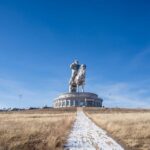
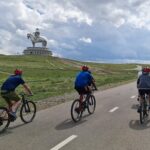
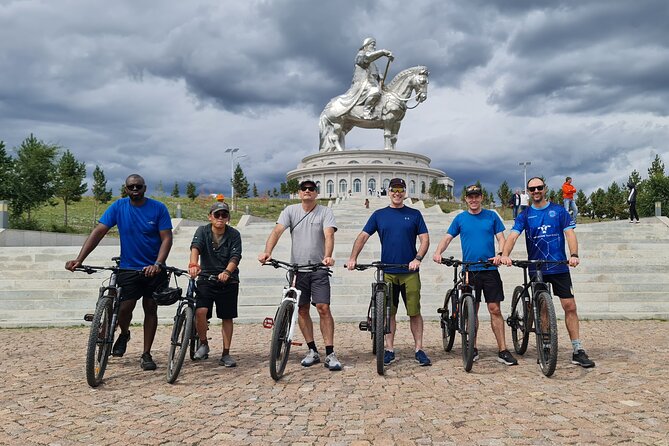
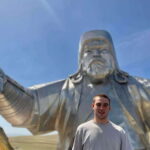
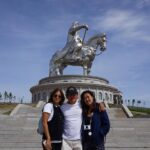
Your day starts with a pickup from the Bayangol Hotel area in Ulaanbaatar, then a drive roughly 70 km east. The first stop is the Chinggis Khaan Statue Complex, built around a 40 m tall stainless-steel statue of Genghis Khan on horseback. Even if history-themed sights aren’t your thing, this one is hard to ignore—part monument, part viewpoint.
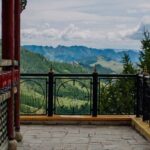
Inside the complex you’ll find a small museum and a souvenir shop, plus a lift that gets you closer to the top-level stairs. From there, you climb up to the horse’s head area. The payoff is the big-picture Mongolian steppe view: wide horizons, valleys stretching outward, and the sense that you’re leaving the city behind fast.
This stop also does a practical job for your biking. While you’re visiting the statue, your guide helps get the bikes ready. That bike-assembly moment matters. It means you arrive thinking about the scenery—and by the time you’re rolling, you’re actually riding instead of waiting around.
Why I like this opening: it’s not just a photo stop. You get elevation, views, and a clear sense of where the day is headed, then you switch gears from sightseeing to cycling without losing time.
One consideration: the statue visit includes climbing stairs up to the horse’s head area. If you don’t love climbs, plan your pace and take breaks as needed.
You can also read our reviews of more tours and experiences in Ulaanbaatar.
The first 12 km: small hills, big steppe space
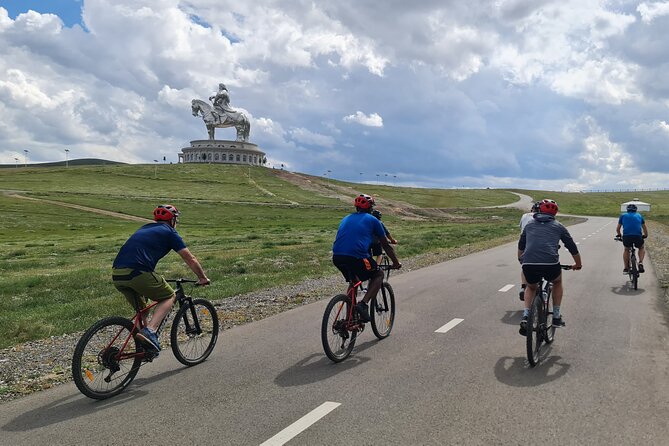
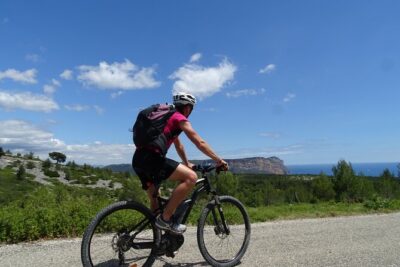
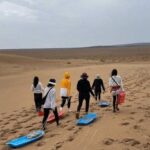
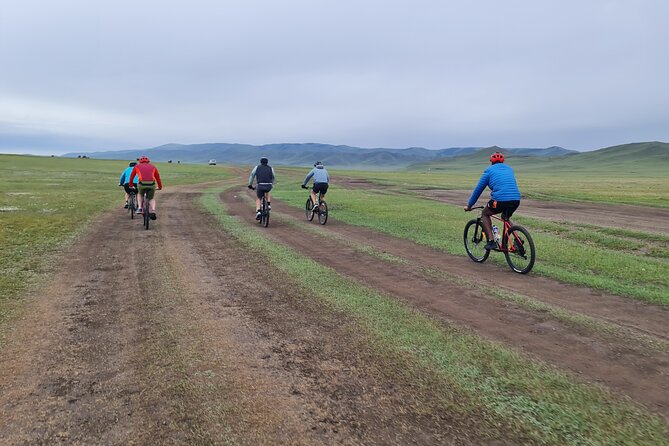
Once the bikes are assembled, you start cycling through a dirt road that runs across hilly steppe. For the first stretch—about the first 12 km—you’ll feel that pattern: up-and-down small hills. It’s not described as technical mountain biking full of jumps or rocks. It’s steppe cycling, where your “difficulty” comes from terrain shape, dust-dry road surfaces, and the fact that you’re riding for hours.
This is a great warm-up zone. Your body gets the rhythm before the day opens up further. You also get a tea break during this early phase. That matters more than it sounds. On a long ride, breaks are how you stay sharp for the next section instead of just grinding through.
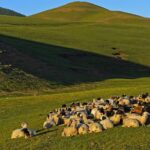
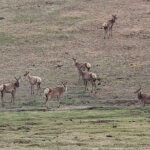
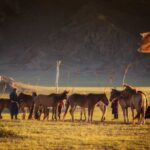
What you’re really getting here: movement across Mongolian valleys that seem to go on forever. Even near Ulaanbaatar, the scenery can feel horizon-heavy and wide. Passing herds along the way turns a normal ride into something that feels like you’re part of the environment, not just passing through it.
Lunch at the 26th km: food that keeps the pace human
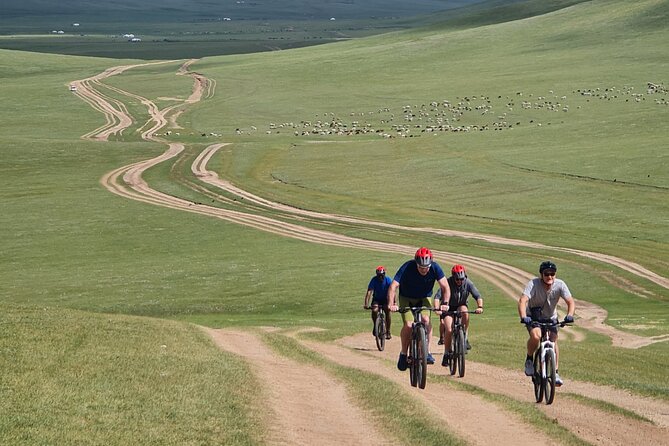
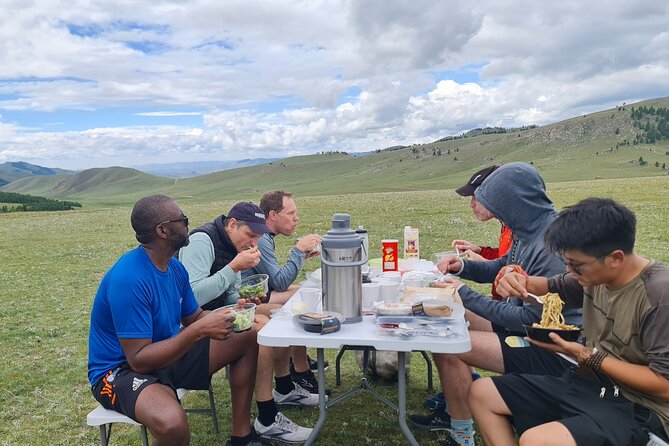
The day’s rhythm shifts as you ride toward lunch around the 26th km mark. You’ll cycle from the earlier hills into the next segment, then stop for lunch. Lunch is included, and so are snacks and bottled water.
I like that this tour doesn’t treat food as an afterthought. When lunch is part of the plan (and not a scramble), you can refuel without losing momentum. The ride continues afterward, so timing matters: stop too early and you’ll just feel hungry again; stop too late and you’ll feel wrecked.
One detail worth noting: people have reported that meals can be vegan. The tour data doesn’t promise vegan by default, but it suggests the team can handle at least some dietary needs. If you eat vegan or have preferences, I’d message ahead when you book.
How to make lunch work for you: eat like you want to keep riding. Don’t overdo it right before a longer downhill stretch—save energy and keep your legs comfortable.
After lunch: downhill through valleys and felt-gers
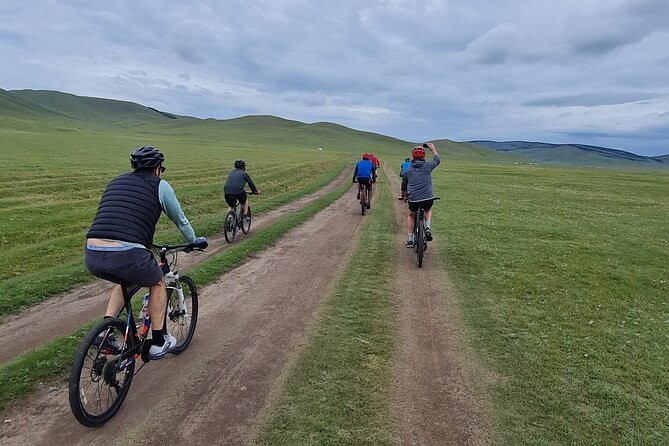
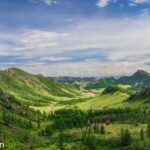
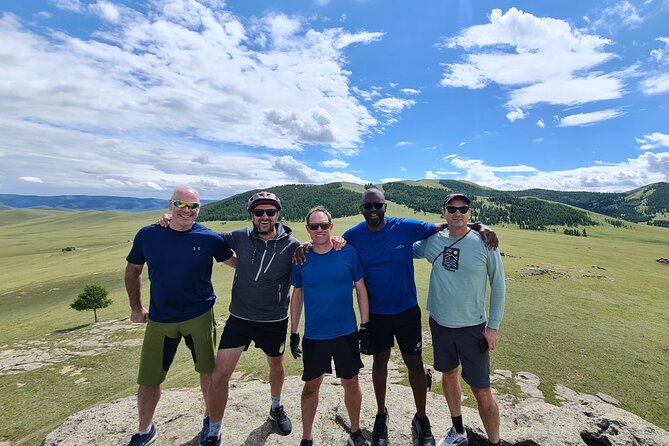
After lunch, the ride continues slowly going down through the valley. This is where the day turns into that classic steppe experience: the road rolling beneath you, the open view widening, and the sense that the horizon isn’t just far—it’s basically the main character.
As you travel along the valley, you pass areas with Mongolian felt gers (traditional round tents) and domestic animals, and you may have a chance to visit modern nomadic families. In other words, you’re not only seeing countryside—you’re also getting a glimpse of how people live now, not just how they used to live.
Why this part is valuable: the statue gives you scale and spectacle, but the family visits give you texture. You come back from the ride with more than photos; you’ll have real-world context for what “nomadic life” means today when it’s next to busy places like Ulaanbaatar.
A practical consideration: these visits are usually short, and your time is still shaped by the cycling schedule. So don’t expect a long cultural seminar. Think of it as a meaningful look and a chance to ask questions if your guide has time.
Khentii steppe cycling: 6–8 hours of real time outside
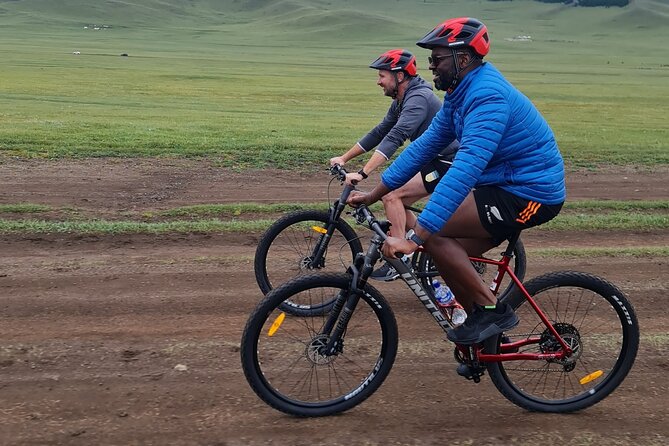
Your full day runs about 6 to 8 hours. That duration is long enough to feel like you left the city for good, but not so long that you’re constantly battling fatigue. The tour also includes private transportation and a group size capped at a maximum of 12 travelers, which helps with smoother timing—especially for bike setup and the ride group.
You’ll be following a route that mixes hills and downhill movement. Even when the ride shifts downhill after lunch, you still spend hours actively biking. This is not a sightseeing tour with one scenic pedal segment. It’s a genuine mountain biking day, using hardtail bikes that handle the dirt-road environment well.
The itinerary also includes a stop around the Khentii Mountains section. Exact timing on each sub-stage can vary with conditions and group flow, but the overall feel is consistent: ride across hilly steppes, pass animal herds, take in the valley views, and incorporate community contact along the way.
Who this fits: people who want countryside, not just a token ride. If you like the outdoors and can handle a steady day of pedaling, this is a strong match.
The bikes and support vehicle: what “safe” feels like in practice
This tour provides bikes: Giant ATX 600 series hardtail bikes with Shimano 3×7 gearing. Hardtail means you won’t have full suspension; your comfort depends on your technique, tire condition, and the dirt-road surface. For most steppe dirt-road riding, that’s a sensible setup.
What makes the ride feel manageable is the support system. There’s a support vehicle with gasoline and a driver that follows during the day. That doesn’t mean you’re sitting in a van the whole time. It means the team has a plan if someone needs extra help, if there’s a minor bike issue, or if the ride schedule needs small adjustments.
The guide is English speaking, and the group stays small. That combination helps with navigation and pacing—especially on a longer route where you want everyone to stay together.
Safety-wise, it’s not just “good intentions.” The tour is structured with planning: bike setup handled early, a following support vehicle, and an experienced guide. One review also pointed out that the driver transporting passengers was very safe, which matters because you’re driving out of the city before the ride even starts.
Practical tip: if you’ve never ridden on dirt roads, don’t panic. Just avoid locking your knees and keep a steady pedal cadence on the hills. Let the gearing do the work.
Lunch, snacks, and water: included value that reduces stress
Food can be the difference between an enjoyable ride and a cranky one. Here, lunch is included, along with snacks and bottled water. That means you’re not trying to find a store on the steppe (spoiler: you won’t).
One review also praised the cooking. That’s a big deal on day trips because it’s one of the few times you truly sit down and reset. If you have dietary needs beyond what you normally eat, it’s still worth messaging ahead. The data shows vegan lunch has happened, which is a good sign that the team can accommodate at least some requests.
What to bring anyway: you still need personal cycling gear and clothing. Those are not included. Bring what you use to be comfortable—basic protective eyewear, gloves if you like them, and whatever you need to keep sun and dust from bothering you.
Pace and effort: how hard is this really?
The ride has a clear structure:
- early cycling on small hills for roughly the first 12 km
- a tea break during the early segment
- lunch around the 26th km
- continuing slowly downhill through the valley
- additional riding in the Khentii Mountains area
Because the terrain is described as hilly steppe dirt roads, the “difficulty” comes from sustained effort rather than technical skills. If you can ride a bike for hours and handle a few climbs, you’ll likely be fine.
But be honest with your expectations. You’re outdoors most of the day, and you’re in a place where the ground is not smooth like a paved trail. If you prefer flat rides or short outings, this might feel like too much.
The biggest decision point: do you like being on a bike for 6 to 8 hours? If yes, you’ll enjoy the rhythm and views. If no, consider a shorter format instead.
Price and value: is $186 fair for a full-day ride?
At $186 per person, this is not a “cheap add-on.” But it’s also not just a basic bike rental. Your price includes:
- use of the bicycle (a specific hardtail model)
- lunch, snacks, and bottled water
- private transportation and fuel surcharge
- an English-speaking cycling guide
- a support vehicle with gasoline and driver
- Chinggis Khaan statue entrance fee
So you’re paying for a complete day: transportation out of town, entry to a major monument, the guided ride, and the meals. When you break it down, a large part of the value is removing friction—someone else handles biking logistics, vehicle support, and food timing.
Also, the group limit (up to 12 travelers) and pickup from a hotel area are part of what you’re paying for. You’re not just renting a bike and hoping you find the right road.
My take: $186 feels fair for a guided full-day experience that combines a standout cultural stop with real cycling time and included food.
Who should book this tour (and who should rethink it)
Book it if you want:
- a full day outside Ulaanbaatar with open steppe scenery
- a ride that includes both monument viewing and time in the countryside
- a small-group format with an English-speaking guide and support vehicle
- included lunch/snacks/water so you can focus on the ride
Rethink it if:
- you strongly dislike hills or uneven dirt roads
- you’re looking for a short, easy cycling experience
- you don’t want to spend 6 to 8 hours on a bike plus a statue climb
It’s also a good fit for people who like asking questions and learning about how nomadic life looks today, not only in museums.
Should you book this Khan Khenty day of mountain biking?
If you’re the kind of traveler who wants more than a checklist, I’d book it. The Genghis Khan statue climb gives you a big sense of place right at the start, then the ride carries you through the steppe with herds, valleys, and felt gers. The tour is also structured enough—bike setup, English guide, support vehicle, and included food—that you’re not constantly managing problems yourself.
Just do one thing before you go: match the day to your riding comfort. If you can handle a long dirt-road day with hills, you’ll come back tired in the best way.
FAQ
FAQ
What’s the duration of the mountain biking tour?
The tour runs about 6 to 8 hours.
Where does the tour start and end?
It starts with pickup from Bayangol Hotel (SBD – 1 khoroo, Ulaanbaatar 14251, Mongolia) and ends back at the same meeting point.
How far is the ride area from Ulaanbaatar?
You drive roughly 70 km east of Ulaanbaatar to reach the Chinggis Khan Statue Complex.
Is lunch included?
Yes. Lunch is included, along with snacks and bottled water.
What type of bike is provided?
You get use of a Giant ATX 600 series hardtail bike with a Shimano 3×7 setup.
Is there an English-speaking guide?
Yes, the tour includes an English speaking cycling guide.
Is the Chinggis Khan statue entrance fee included?
Yes, the Chinggis Khaan statue entrance fee is included.
What’s the cancellation policy?
Free cancellation is allowed up to 24 hours in advance of the experience start time for a full refund.
Is there a maximum group size?
Yes. The tour has a maximum of 12 travelers.