REVIEW · NORTH CENTRAL PROVINCE
Wilpattu National park – Morning or Afternoon Safari
Book on GetYourGuide →Operated by Tiger Safaris · Bookable on GetYourGuide
Leopards are the headline at Wilpattu. What makes this safari stand out is the leopard-first focus with a guide steering you through the park’s best areas, plus 4×4 jeep comfort that helps you stay in position for sightings and photos. It’s the kind of outing where patience pays off, because the park rewards good tracking and quiet attention.
One catch to plan for: park entry tickets and meals are not included, and your total time can stretch on longer pickup routes. If you’re hoping for a short, snack-filled tour with zero waits, this isn’t that.
In This Review
- Key highlights at a glance
- Wilpattu safari: why this park feels like a real wildlife day
- Morning vs afternoon: the timing that changes your odds
- Pickup, drop-offs, and why your total hours may surprise you
- The 4×4 jeep setup: comfort, viewing, and photo reality
- Inside Wilpattu: what the guided route is trying to do
- Wildlife targets: what you should realistically keep your eyes open for
- Leopards
- Elephants
- Sloth bears
- Deer and birds
- Price and value: the $30 safari fee vs the real budget
- The biggest things that can make or break your day
- Who should book this Wilpattu safari (and who should skip it)
- Booking tips that will protect your expectations
- Should you book the Wilpattu safari with Tiger Safaris?
- FAQ
- How long is the Wilpattu safari?
- Is this safari available in the morning and afternoon?
- What is the price per person?
- Does the price include national park entry tickets?
- Are food and drinks included?
- What is included with pickup and drop-off?
- What vehicle will I ride in?
- Is there an English-speaking guide?
- What should I bring for the safari?
- Is the safari suitable for everyone?
Key highlights at a glance
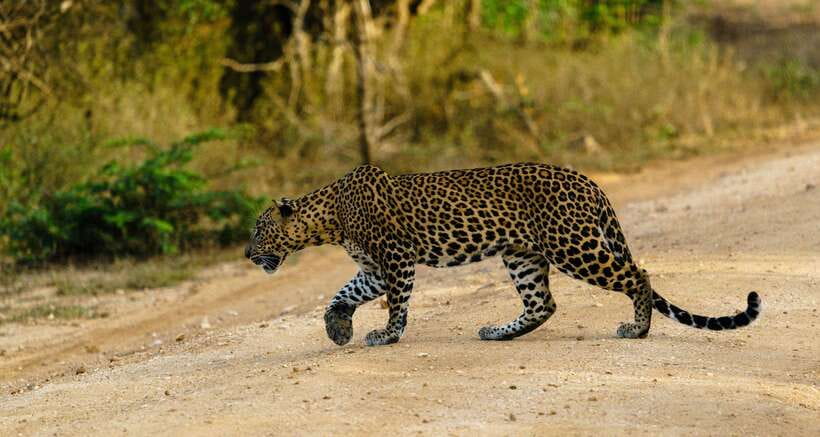
- Leopard-focused game viewing with an experienced guide doing route and spotting work
- Spacious 4×4 jeeps (up to 6 passengers) designed for better viewing from the inside
- Complimentary pickup and drop-off around the Wilpattu area and multiple drop-off points
- Photo stops during the safari so you’re not only staring through the dust
- Clear time windows (4–10 hours total depending on pickup point and morning/afternoon option)
Wilpattu safari: why this park feels like a real wildlife day
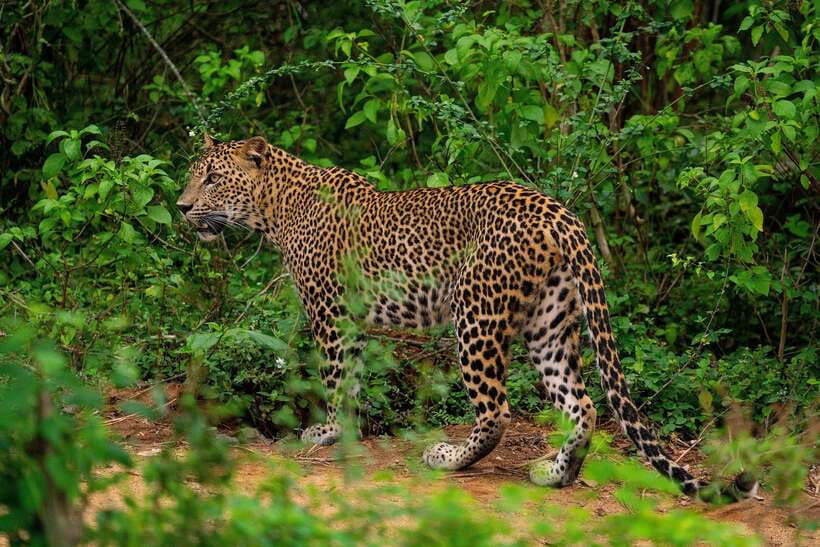
Wilpattu is one of Sri Lanka’s bigger, older national parks, and that size matters. You’re not just doing a quick loop—you’re moving through different kinds of habitat that can hold different animals. In practice, that means your guide can change pace and direction as signs appear, instead of forcing you down a single predictable route.
I like that this experience is built around sightings beyond the easy checklist. The aim is to show you leopards, elephants, sloth bears, spotted deer, and plenty of birds. Even when the main target doesn’t show, it usually won’t be a blank day: birds and smaller wildlife often keep things interesting while the bigger animals stay hidden.
The other thing I appreciate is the emphasis on learning. Your guide shares what’s going on in the park—where animals tend to move, how the terrain affects visibility, and why certain spots are chosen. That turns the safari from pure luck into something you can actually follow.
You can also read our reviews of more tours and experiences in North Central Province.
Morning vs afternoon: the timing that changes your odds
This is offered as either a morning or afternoon safari, and the schedule also hints at why: the itinerary includes sunrise or sunset style wildlife time depending on the option you choose. In both cases, you’re using the hours when animals are often more active and light is easier for spotting and photography.
Here’s how I’d think about it:
- Morning can feel quieter. You often get steadier wildlife activity earlier in the day, and it can be cooler while you’re scanning scrub and grass edges.
- Afternoon can be more comfortable weather-wise, depending on the day, but you still have to accept that heat and shadows can hide animals fast.
Either way, expect your guide to handle the “when nothing is visible yet” phase. That’s where good guidance matters. A safari can still feel long if the park is slow, so pick the time that matches your energy level and your transport day.
Pickup, drop-offs, and why your total hours may surprise you
Your safari starts with complimentary pickup from your hotel or a nearby designated location, and you’ll be dropped back at one of several points after the park drive. The drop-off list is wide—places like Anuradhapura, Negombo, Galkadawala, Nochchiyagama, and others—so your day can be short or long depending on where you begin.
What I’d tell you to plan for: the published duration range is 4–10 hours, but it’s reasonable to expect it to run closer to the upper end if you’re traveling from farther out. On a long route, you’ll feel it even if the jeep is comfortable—because safaris add driving time plus the time spent waiting at good viewing spots.
Also keep an eye on your start time. The meeting instruction is simple: wait in the hotel lobby about 10 minutes before pickup. That small buffer helps the day run smoother, especially if your driver has other pickups to manage.
The 4×4 jeep setup: comfort, viewing, and photo reality
You travel in a spacious 4*4 safari jeep, and the booking can be arranged so you’re not cramped. The max is 6 passengers, and for bookings of 6 passengers or more, you can enjoy a private jeep experience within that capacity.
That matters for spotting. When you’re squeezed, people shift their bodies and phones block sightlines. A smaller group typically helps your viewing stay calmer and more stable.
You can also take pictures of wildlife during the safari, which sounds obvious, but it’s actually a big deal in practice. You’ll want to be ready for fast changes—animals don’t pose on schedule. Bring your camera settings plan if you’re shooting, but also remember that the jeep can move quickly between sightings.
A practical note: this is not a city-car ride. Roads in and around safari areas can be bumpy. If you have any back problems, this activity is listed as not suitable—so don’t risk it just because you want that leopard photo.
Inside Wilpattu: what the guided route is trying to do
Once you enter the park, your day becomes a guided circuit with photo stops and driving pauses in places meant for sightings. The itinerary names a few key areas:
- Kudiramale Point
- Pomparippu
- Villu areas
You don’t just “drive through” these spots. The whole point is to use them as viewing bases. Points and lakeside areas tend to pull animals in different ways: water sources, feeding paths, and visibility corridors all play a role. Your guide’s job is to read those cues and choose where to spend time.
In real terms, that means you’ll likely experience a mix of:
- short stops for scanning
- driving stretches to relocate quickly
- moments where the guide slows down because something looks promising
If you’re the type who gets impatient, this is where you should adjust your mindset. Wildlife spotting is rarely constant. It’s more like searching. Your guide’s experience is what turns that search into fewer dead moments.
Wildlife targets: what you should realistically keep your eyes open for
This safari is built around major Sri Lankan wildlife. Based on the experience focus, your guide is aiming for:
Leopards
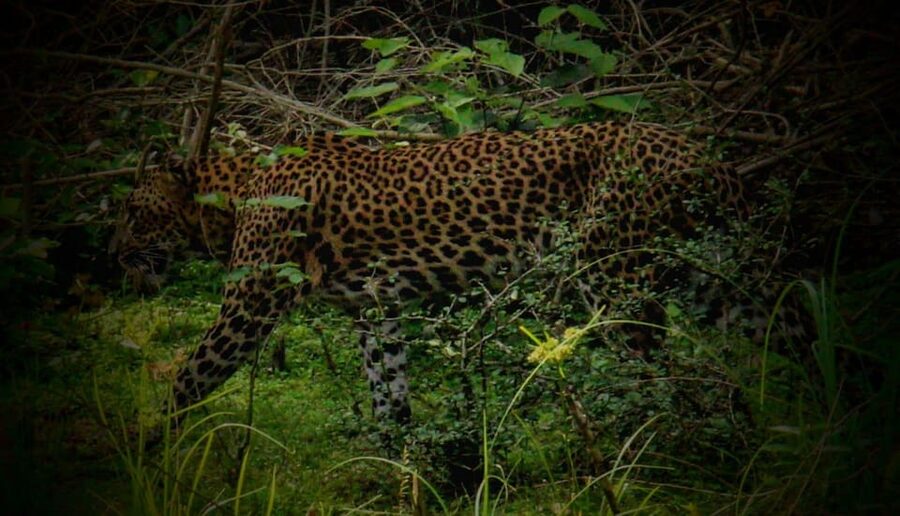
Wilpattu is known for its leopard population, which is why leopard sightings are the big expectation. The guide will position you for the best line of sight and stay alert for signs of movement—because leopards can be brilliant at looking calm right up until they aren’t.
Elephants
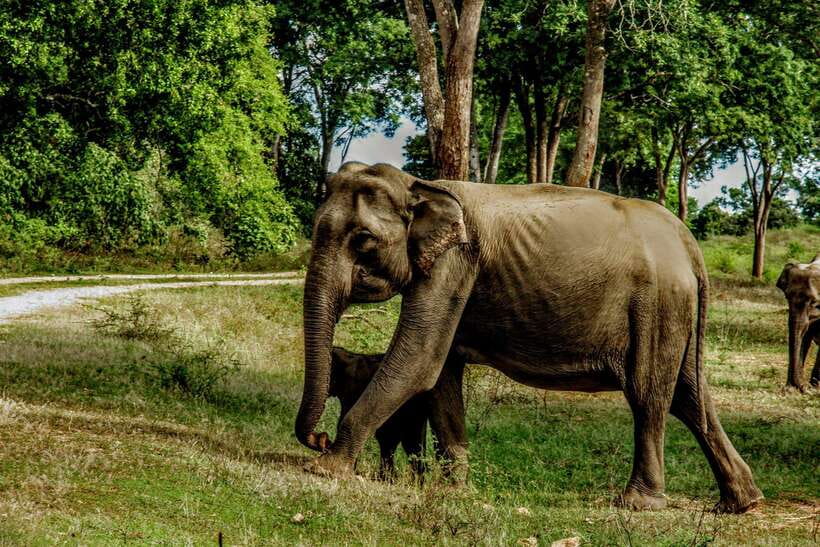
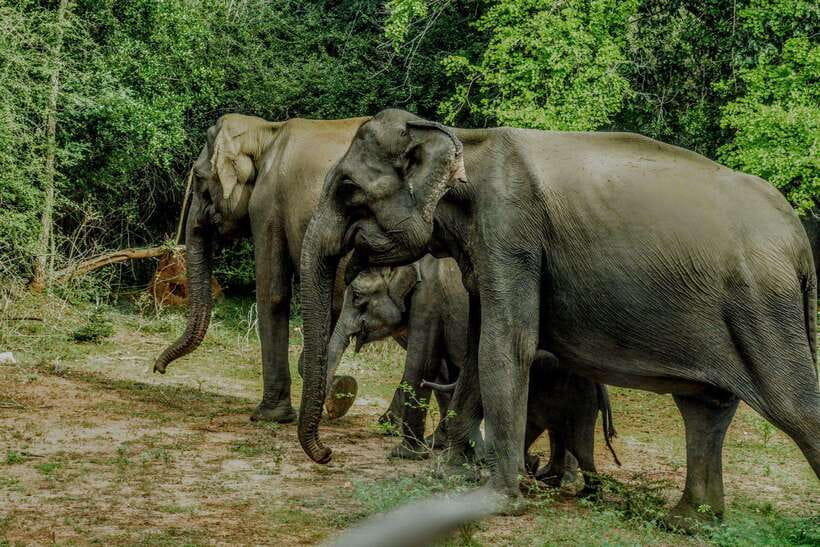
You might also see elephants, especially when the route intersects with areas they travel to and from. Elephants often change the vibe immediately, because once they’re near, the whole jeep goes quiet and watches.
Sloth bears
Sloth bears are a listed target too. The tricky part with bears anywhere is that they’re not guaranteed to show themselves on a timetable. Your guide may spend time where bear activity is possible, but you should be mentally ready for the chance that it won’t happen that day.
Deer and birds
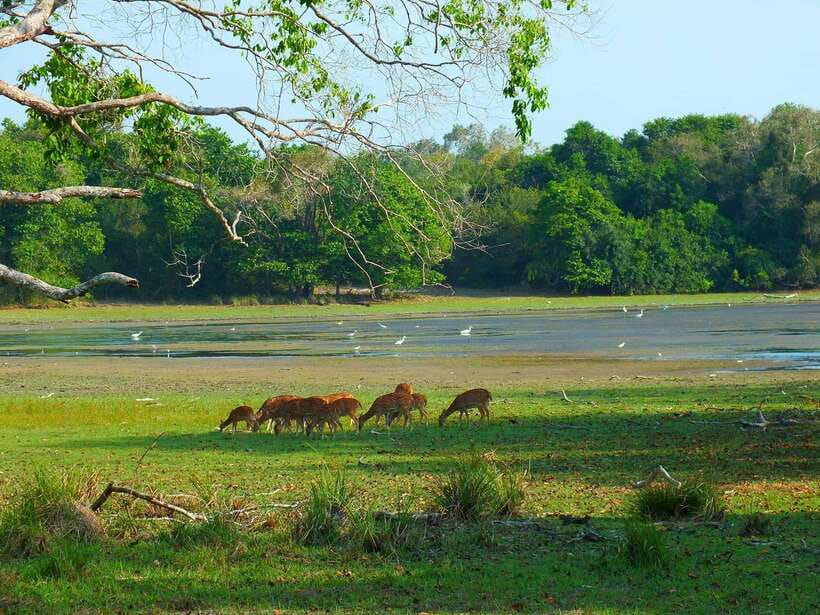
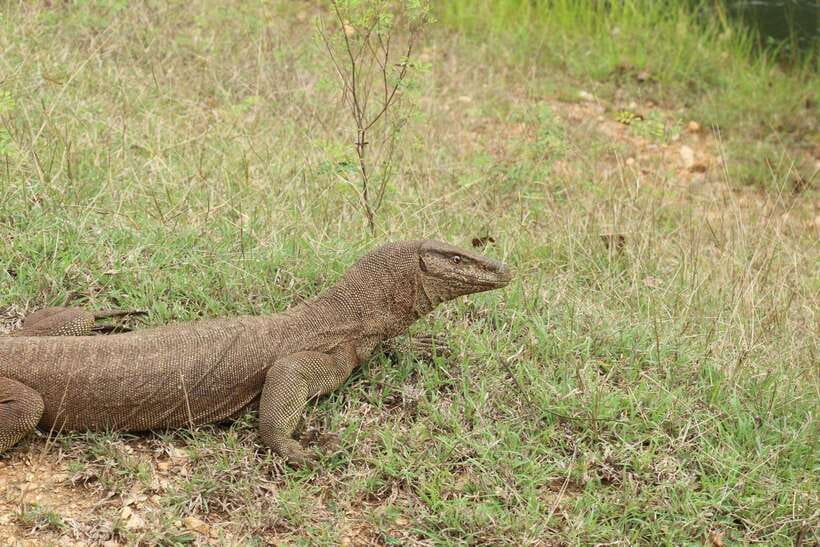
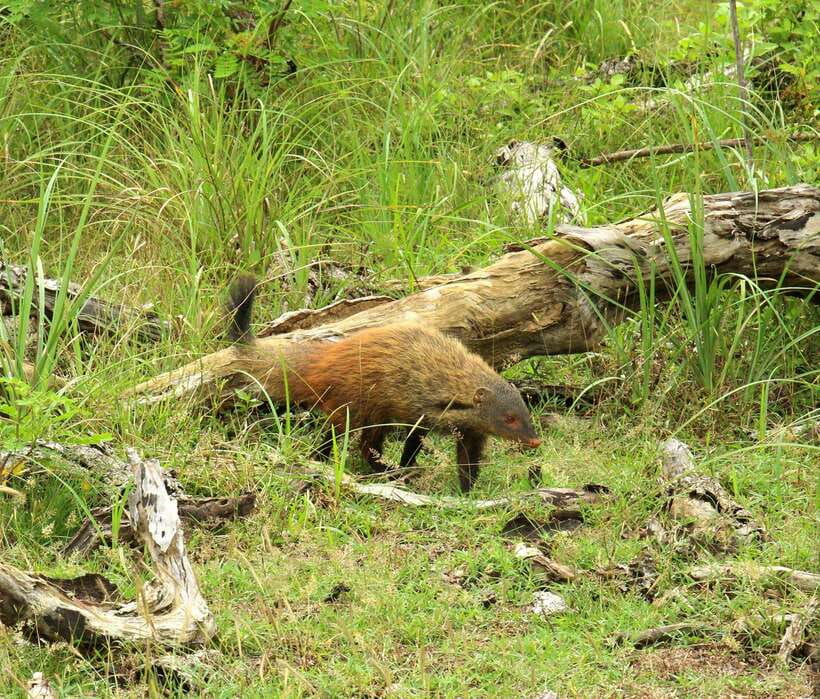
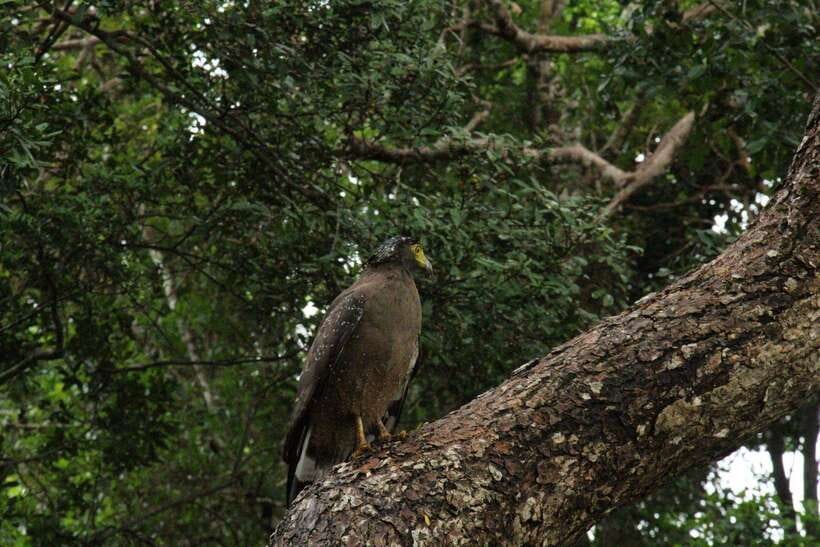
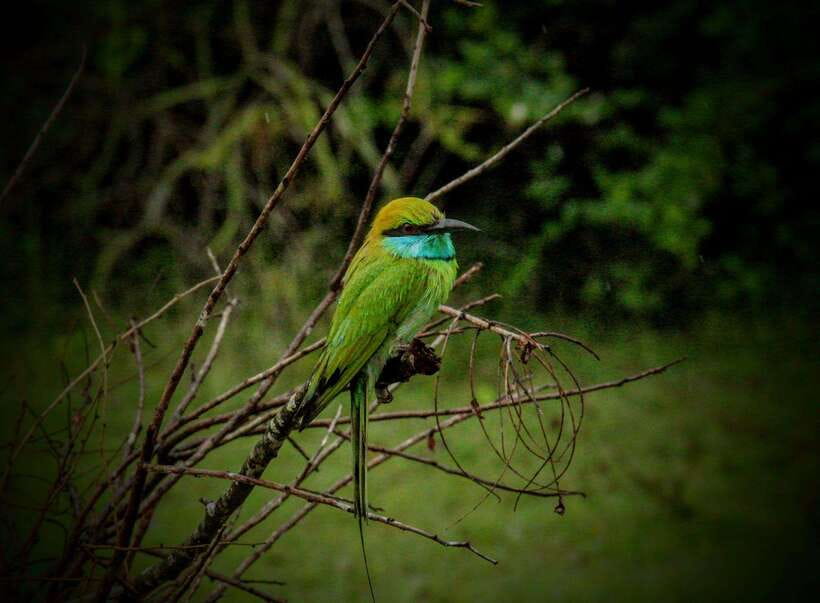
When bigger mammals are out of sight, spotted deer and birds can keep your day alive. Even if you come for leopards, it’s smart to enjoy the in-between wildlife. Birds are also a decent way to “read” an area—if activity is happening, something is usually moving.
Price and value: the $30 safari fee vs the real budget
The safari price is listed at $30 per person, and that includes a lot of the stuff that costs money on the road: a guide, jeep use, and complimentary pickup/drop-off within the Wilpattu area plus the safari driving itself.
But here’s the part you must budget for: national park entry tickets are not included, and they’re listed at about $37. Food and drinks also aren’t included.
So your realistic total is more like:
- safari fee ($30)
- plus park entry (about $37)
- plus food/drinks
Is it still good value? Often, yes—because you’re paying for guided driving in a safari jeep with an experienced driver/guide and wildlife-focused planning. But if you compare this to a self-drive option, the value lives in the guide’s ability to find better viewing opportunities and manage the time inside the park.
If you’re coming from a farther city and the day expands to the upper end of the duration range, value also depends on how well the day stays organized for wildlife viewing. A long transport day can feel less “worth it” if wildlife time is reduced.
The biggest things that can make or break your day
I want to be straight with you: safaris can vary a lot from day to day, and the logistics inside the park can affect your experience.
Here are two real-world considerations to keep in mind:
- Time management inside the park: If your route includes extended waiting for a possible sighting, your day can feel stretched. On some outings, that waiting doesn’t always pay off with the animal you hoped for.
- Vehicle crowding and noise: A safari can become less fun if multiple jeeps gather around the same spot and the group gets loud or jostly. That noise doesn’t scare wildlife like a soundtrack, but it can make it harder to see clearly from your seat and hear the guide’s calls.
Also note what’s missing: food and drinks aren’t included, and one long-route experience felt that gap strongly. If you’re doing a long pickup, plan to bring what you’ll need to stay comfortable.
Who should book this Wilpattu safari (and who should skip it)
This is a great fit if you:
- want a leopard-focused safari with a guide doing the route work
- like wildlife viewing where birds and smaller animals keep the day moving
- can handle a bumpy safari-day ride and uneven ground
- want pickup/drop-off convenience rather than arranging everything yourself
It may not be a great fit if you:
- have back problems (the ride can be rough, and it’s listed as not suitable)
- are pregnant
- want food included in the ticket price
- need a very short day without delays (because travel time can add up)
If you’re traveling with limited patience for waiting, decide which matters more to you: the chance at a leopard, or the smooth schedule.
Booking tips that will protect your expectations
A few practical moves can help you enjoy the safari even if wildlife sightings are slow:
- Plan for park entry costs. Don’t assume your $30 covers it. Entry tickets are separate.
- Bring water and light snacks. Food and drinks aren’t included, and it helps you stay steady if the safari runs long.
- Use the guide for your spotting strategy. Ask for simple cues on what you’re looking at—then actually watch what they’re watching.
- Choose your time option based on your energy. Morning vs afternoon can change comfort and viewing conditions.
- Pack for the jeep reality. Clothes for heat, and something for dust if you’re sensitive to it.
And one more thing: if you strongly care about seeing large mammals, go in ready to be patient. Even in a good park, animals do what they do.
Should you book the Wilpattu safari with Tiger Safaris?
I think you should book this safari if you want an organized, guide-led leopard chance with 4×4 comfort, plus convenient pickup/drop-off. The price can be fair for what you get—especially once you compare it to the cost of figuring out transport and a guide on your own.
But I’d book with eyes open. Your total cost will rise after park entry tickets, and your day may stretch if your pickup point is far or if the safari needs patience. If you hate waiting, this might test you.
My advice: if you can handle a wildlife-style schedule and you’re comfortable paying for entry and bringing your own food, this can be a very satisfying Wilpattu experience.
FAQ
How long is the Wilpattu safari?
The total duration is listed as 4 to 10 hours, depending on availability and your selected starting time.
Is this safari available in the morning and afternoon?
Yes. The safari is offered as a morning or afternoon option.
What is the price per person?
The price is listed as $30 per person.
Does the price include national park entry tickets?
No. National park entry tickets are not included (about $37).
Are food and drinks included?
No. Food and drinks are not included.
What is included with pickup and drop-off?
Complimentary pickup and drop-off in the Wilpattu area are included, plus drop-off at multiple locations after the safari.
What vehicle will I ride in?
You travel in a luxury 4×4 safari jeep, with up to 6 passengers (and private jeep for bookings of 6 passengers or more).
Is there an English-speaking guide?
Yes. The live tour guide is listed as English.
What should I bring for the safari?
Bring your passport or ID card.
Is the safari suitable for everyone?
It is not suitable for pregnant women or people with back problems. Alcohol and drugs are also not allowed.