REVIEW · NORTH CENTRAL PROVINCE
Wilpattu National park: Morning or Afternoon PRIVATE Safari
Book on GetYourGuide →Operated by Tiger Safaris · Bookable on GetYourGuide
Leopards rule Wilpattu, and time matters. A private Wilpattu safari for morning or afternoon gives you a focused 4 hours in search of leopards, sloth bears, elephants, deer, and birds, with stops around the park’s famous Villu lakes system. I like the practical value here: complimentary pickup and drop-off from the main entrance area, plus a guide who helps you read the park so you spend less time guessing and more time watching. The main drawback to keep in mind is that wildlife can be quiet, and a short session can mean fewer sightings if the day’s movement doesn’t line up.
You’ll meet at Wilpattu National Park main entrance in Hunuwilagama, then head out in a spacious 44 safari jeep. Your tour includes a live English guide and an English audio guide, so you can follow what you’re seeing even if you’re not a wildlife expert.
In This Review
- Quick Takeaways
- Wilpattu Private Safari in 4 Hours: What You Get and What You Don’t
- Getting Started at Hunuwilagama: Your Most Important “First Stop”
- The Villu Lakes System: Why Wilpattu Works for Wildlife Viewing
- Kudiramale Point and Pomparippu: Stops That Should Feel Purposeful
- Jeep Comfort and the Reality of Safari Roads
- Wildlife You’ll Want to Watch For: Leopards, Sloth Bears, Elephants, Deer, Birds
- Photo Stops and When to Press the Shutter
- Morning vs Afternoon: Which Timing Fits Your Style?
- Price and Value: Why $32 Can Be a Good Deal, and What Raises the Total
- Who Should Book This Safari, and Who Might Want to Skip It
- Should You Book This Wilpattu Safari?
- FAQ
- How long is the Wilpattu National Park Morning or Afternoon private safari?
- Where do I meet the safari?
- Is pickup and drop-off included?
- Are national park entry tickets included in the price?
- Does the tour include food and drinks?
- What language is the guide?
- Can I take photos during the safari?
- What should I bring for the tour?
- Is the tour suitable for pregnant women or people with back problems?
- Are alcohol or drugs allowed?
Quick Takeaways
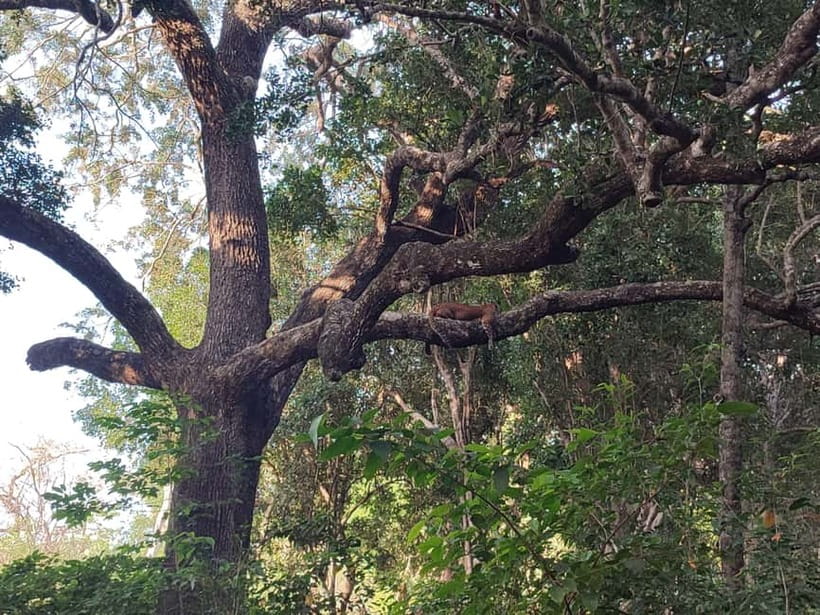
- Villu lakes (the park’s signature water system) shape where animals show up
- 44 safari jeeps help you get to rougher sections for better viewing chances
- English live guide + English audio means you’re not stuck with silence
- Key stops like Kudiramale Point and Pomparippu focus your time, not just “drive around”
- Park entry tickets and food are not included, so your final budget is higher than $32
Wilpattu Private Safari in 4 Hours: What You Get and What You Don’t
Wilpattu National Park is one of Sri Lanka’s places where wildlife feels “close,” but not guaranteed. That’s the trade. You’re paying for time in the right terrain with the right local eyes, not a promise of a leopard photo.
This safari is built for efficient viewing. You get a 4-hour run that’s timed for either early light (morning) or late movement (afternoon). In these hours, animals tend to be more active, and birds are easier to track by sound and motion. If you go in expecting a guaranteed parade of big cats, you’ll be disappointed. If you go in planning to watch, listen, and adjust, you’ll likely come away with at least a couple of strong sightings—or at minimum, a real sense of how Wilpattu works.
I also like that this is a private safari option. Even if you’re not sharing the jeep with many people, you’re not losing time to awkward group logistics. That usually means the guide can spend more moments on scanning and less on “waiting for everyone to find their camera.”
The one real consideration is simple: in 4 hours, there isn’t room for a slow, meandering day. If the animals aren’t moving where your driver focuses, sightings can be fewer. It happens in every park. Your best defense is choosing the right attitude: patient eyes, steady listening, and quick camera readiness.
You can also read our reviews of more tours and experiences in North Central Province.
Getting Started at Hunuwilagama: Your Most Important “First Stop”
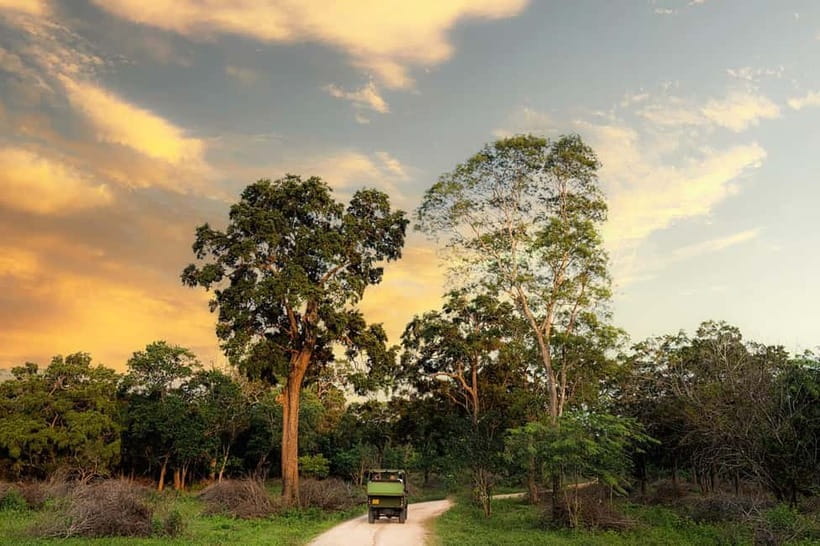
Your tour starts at the Wilpattu National Park main entrance in Hunuwilagama. From a practical standpoint, this matters because it keeps the opening minutes efficient. You’re not spending the first hour dealing with confusion, extra pickups, or long repositioning just to begin watching wildlife.
You also get complimentary pickup and drop-off from the Wilpattu area (noted for guests near the park). That’s a big quality-of-life upgrade. Wilpattu is remote enough that self-driving can be stressful for first-timers, especially when you’re trying to arrive on time and already eager to get eyes on animals.
Once you’re in the jeep, you’re set up for off-road style travel. This is not a smooth city ride. It’s an open-road adventure with uneven ground, and the route can change fast based on animal signs. If you’re prone to back discomfort, this is worth thinking about ahead of time, because the tour is not suitable for people with back problems.
The Villu Lakes System: Why Wilpattu Works for Wildlife Viewing
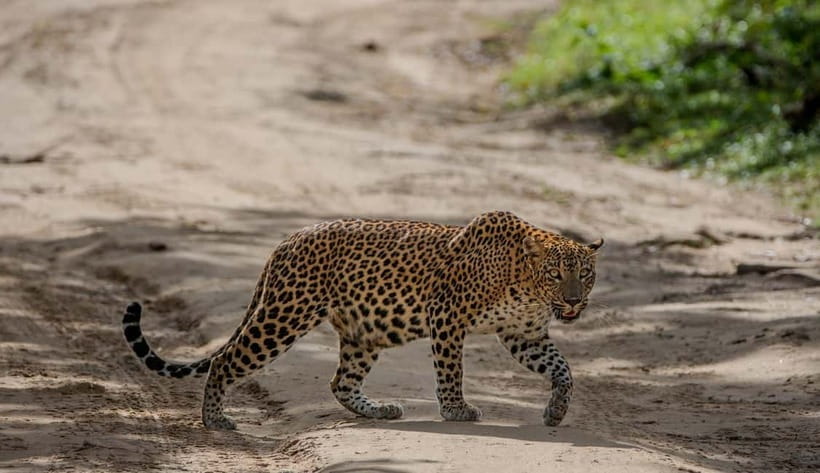
Wilpattu’s biggest “wow” is not just the forest. It’s the water pattern. The park has a network of lakes called Villus. In safari terms, water is the traffic engine. When animals need to drink, cool off, hunt, or simply move, they tend to follow predictable paths between these water points.
So when your safari focuses on Villu areas, you’re doing more than “seeing scenery.” You’re sampling the park’s logic.
Here’s what I’d pay attention to:
- Animals might be farther than you expect, but often they’re positioned around water access points.
- Birds can be earlier clues than mammals. If you see certain birds in motion, you’re often closer to where activity is building.
- Even if you don’t spot a big animal right away, you might catch smaller signs—tracks, movement, sudden silence in the trees—that tell you the jeep is positioned well.
This is also where a good guide earns their wage. The guide’s job isn’t only to drive. It’s to interpret the park quickly: where the action might be, where it just was, and where it’s likely to show itself next.
One more thing: since Villus shape movement, they can also affect your route rhythm. If you’re returning on the same broad corridors later, it doesn’t automatically mean something was wrong. It often means the driver is using the park’s “high probability” lanes. Just know that a short safari leaves less room for experimenting.
Kudiramale Point and Pomparippu: Stops That Should Feel Purposeful
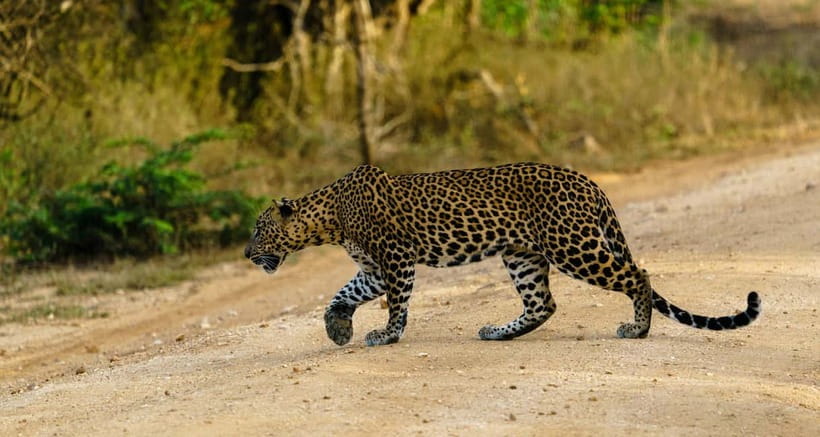
During your time in Wilpattu, you’ll be directed toward key areas that are known for wildlife viewing and varied scenery. Two of the named highlights here are Kudiramale Point and Pomparippu, along with Villu zones.
What makes these stops useful is that they give the safari a structure. Instead of wandering without direction, you’re working through zones where animals are more likely to appear due to food, water, and shelter.
Kudiramale Point is one of those “pay attention now” areas. I’d expect the guide to slow down scanning and use the terrain for sightlines. In parks like Wilpattu, certain viewpoints let you read the area faster—where animals are likely to cross, where birds cluster, and what direction movement came from.
Pomparippu is another of the key areas that supports the park’s wildlife rhythms. If Villus are the water network, zones like Pomparippu often tie into that larger system. In plain terms: it’s the kind of stop where animals that need water can show up, and predators may also be around because the prey is.
A quick note on expectations: not every stop will produce an instant “big moment.” Wilpattu can deliver sudden sightings, but it can also require waiting. If your goal is leopards, you’ll want to be okay with that stillness.
Jeep Comfort and the Reality of Safari Roads
This safari uses spacious 44 safari jeeps. In a park safari, “comfortable” doesn’t mean “like a hotel van.” It means the vehicle is set up for viewing—adequate space for shifting positions, bringing cameras up quickly, and staying stable enough while the driver navigates rougher ground.
That said, comfort can vary depending on the jeep setup on the day. Some people care deeply about ride feel, and if you’re sensitive to vibration and bumps, you should plan for a bumpy-but-doable experience. This matters because the safari includes off-road driving and scenic stretches where speed isn’t always the point.
Also, photos are part of the experience. You’re allowed to take pictures during the safari, and the jeep design typically helps you shoot through open sides or at convenient angles. The main trick is timing: lift the camera when the guide calls attention, then keep it steady once you’re locked onto a target.
Wildlife You’ll Want to Watch For: Leopards, Sloth Bears, Elephants, Deer, Birds
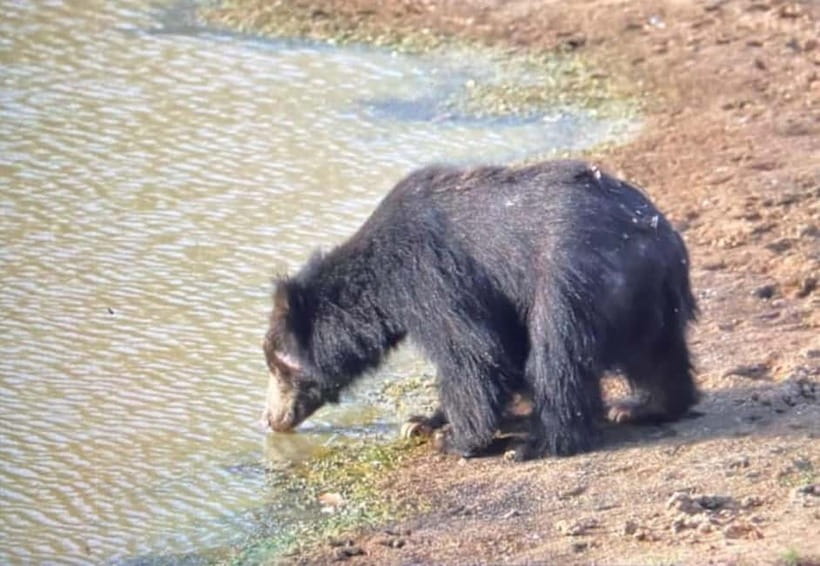
The tour is positioned around Wilpattu’s most sought-after species: leopards, sloth bears, and elephants, plus a long list of smaller wildlife and birds.
Here’s a realistic way to think about each:
- Leopards: they’re elusive, and they may show only briefly. The guide’s scanning skills matter a lot here—spotting movement, knowing where prey activity tends to funnel, and reacting fast when something changes.
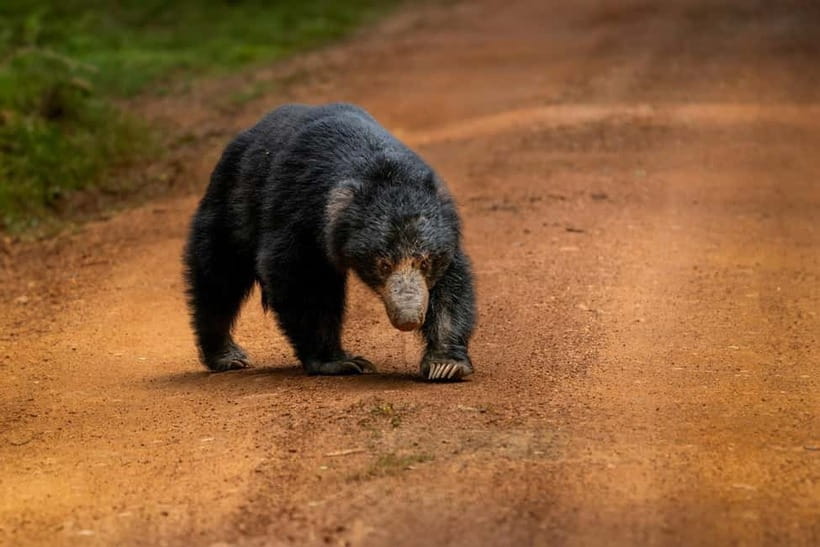
- Sloth bears: not always “easy” to see, but they’re a signature species of the region. You’ll be hunting signs too—movement patterns, pauses in the vegetation, and changes in bird behavior.
- Elephants: if they’re around, you’ll usually get clearer opportunities. They move with purpose, and you may also catch them when the jeep focuses on likely water or browse zones.
- Deer (spotted deer and barking deer are specifically mentioned): these can appear in different ways—standing still as a first clue, then suddenly crossing when something feels safe.
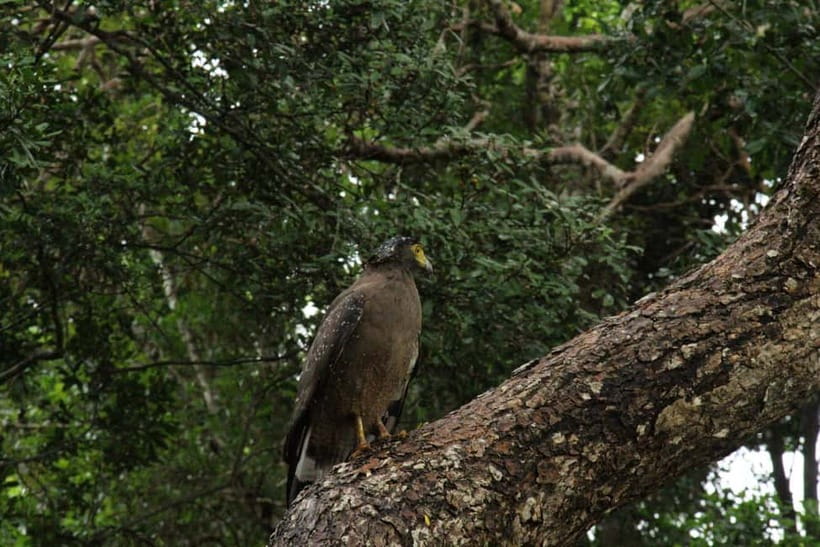
- Birds: Wilpattu is good for birds, including peacocks and eagles, plus endemic jungle fowl. Birds can also lead you to mammal activity because they respond quickly to movement.
One of the best signs of a strong safari day is variety. Even if a big-cat sighting doesn’t happen, birds plus one larger mammal can still make the outing feel complete. The goal is not only the “headline animal,” but the whole sense of living habitat.
Photo Stops and When to Press the Shutter
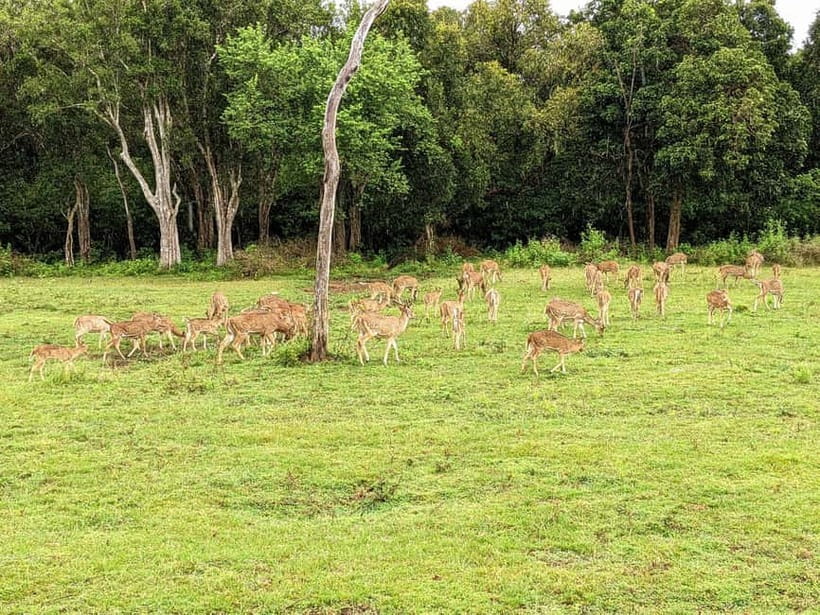
Your safari includes a photo stop and guided sightseeing moments inside the park. The “photo stop” aspect is useful because it gives you at least a short window to frame shots without driving-time pressure.
For wildlife photography, your biggest advantage is patience paired with readiness. If the guide points something out, take the shot—but also keep your eyes open for the second thing. Animals in Wilpattu don’t always travel alone. A sighting can come with a ripple: other movement, another species reacting, or birds changing behavior.
Practical camera mindset:
- Take a few steady frames, then lower the camera and watch with your eyes for a wider view.
- If the guide says a sighting is close, don’t zoom so hard you miss motion in the periphery. Sometimes the target appears just beside your framing.
And remember: this is wildlife space, not a zoo. Keep your focus on getting good images, not forcing animals to move closer.
Morning vs Afternoon: Which Timing Fits Your Style?
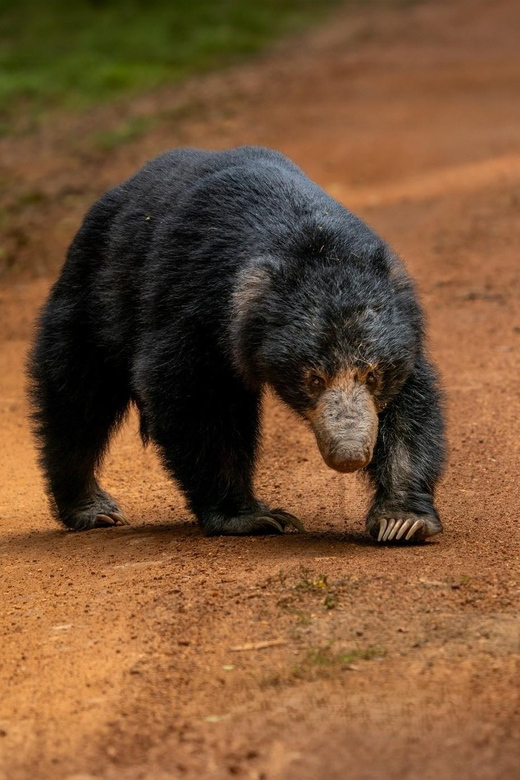
The safari runs in morning or afternoon. The timing changes the kind of wildlife motion you’re most likely to catch.
- Morning tends to bring cooler air and more movement early on. You’ll often feel like the whole park is waking up.
- Afternoon can bring another wave of activity as temperatures shift and animals adjust.
The tour plan includes cues for sunrise and sunset moments, which is a sign the route adapts to the day’s light. If you’re someone who likes the atmosphere of early starts, pick morning. If you prefer sleeping in and don’t mind warmer conditions, afternoon can still work well.
The key is to choose the time that matches your energy level. A safari is easiest to enjoy when you’re not rushing, not tired, and able to sit still for long stretches while scanning.
Price and Value: Why $32 Can Be a Good Deal, and What Raises the Total
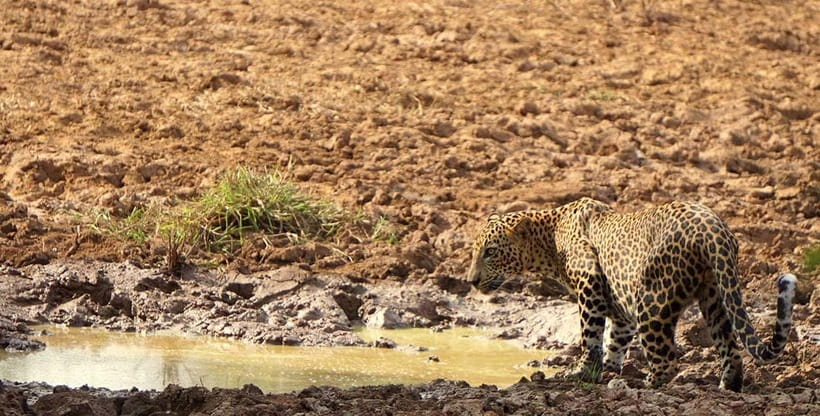
At $32 per person for a 4-hour private safari option, this is priced as a budget-friendly way into Wilpattu with guide support and vehicle access.
But your final cost depends on what’s already included:
- Included: pickup/drop-off from the Wilpattu main entrance area (Hunuwilagama), a luxury and comfortable 44 safari jeep, and an experienced guide.
- Not included: National Park entry tickets (about $37) and food and drinks.
So the total spend is more than the headline rate once you add entry. Still, you’re paying for a few things that are hard to replicate on your own: a driver who knows where to look, and a guide who helps you spot animals and understand the park’s pattern.
If you’re traveling with family or someone who isn’t comfortable with self-driving logistics, this option usually feels better value. If you’re a very confident driver and plan to handle your own route, you might compare costs—but you’ll give up guide interpretation and the time-saving convenience.
Bottom line: it’s good value if you want a structured safari with reliable pickup, and you’re okay adding the park entry fee to your budget.
Who Should Book This Safari, and Who Might Want to Skip It
This tour fits best if you:
- Want a guided Wilpattu safari without planning the route yourself
- Care about seeing multiple species—especially leopard, sloth bear, elephants, deer, and birds
- Like comfort upgrades like spacious 44 jeeps
- Prefer an English experience with both a live guide and English audio
It may not fit if you’re:
- Pregnant, since the tour is listed as not suitable
- Dealing with back problems, because of the off-road nature and uneven ground
- Hoping for guaranteed leopard sightings—wildlife doesn’t work like that
Should You Book This Wilpattu Safari?
I’d book this if your top priority is quality time in Wilpattu with a guide, a comfortable 44, and a tight 4-hour plan focused on known viewing areas like the Villu lakes, Kudiramale Point, and Pomparippu. The price-to-experience ratio can be strong, especially once you factor in vehicle access and guided interpretation.
I’d think twice if you’re extremely sensitive to bumpy rides, or if you need very predictable wildlife outcomes. For many people, Wilpattu is about the hunt as much as the prize. If you can enjoy the waiting, the bird calls, and the sudden burst of animal movement, this safari-style works.
If you do book, plan for the park entry ticket cost and bring what you need for ID checks. Then show up ready to sit, scan, and react fast when the guide spots the next sign.
FAQ
How long is the Wilpattu National Park Morning or Afternoon private safari?
The duration is 4 hours.
Where do I meet the safari?
The meeting point is Wilpattu National Park main entrance in Hunuwilagama.
Is pickup and drop-off included?
Yes. Pickup and drop-off from the Wilpattu National Park main entrance (Hunuwilagama) is included, plus complimentary pickup and drop-off from various locations near the Wilpattu area is mentioned.
Are national park entry tickets included in the price?
No. National park entry tickets are not included, and they are about $37.
Does the tour include food and drinks?
No. Food and drinks are not included.
What language is the guide?
The live tour guide is English, and an English audio guide is included.
Can I take photos during the safari?
Yes. You can take pictures of the wildlife during the safari.
What should I bring for the tour?
You should bring a passport or ID card.
Is the tour suitable for pregnant women or people with back problems?
No. It is not suitable for pregnant women or people with back problems.
Are alcohol or drugs allowed?
No. Alcohol and drugs are not allowed.