REVIEW · BLED
Unforgettable Ski Touring Traverse-Snowy Embrace of Triglav National Park
Book on Viator →Operated by Kofler sport-sport agency · Bookable on Viator
Ski touring under Triglav feels unreal in winter. This 3-day traverse in the Julian Alps ties together Bohinj, Vogel, Komna hut, and the Prehodavci bivouac with experienced mountain guidance and careful safety focus. You also get those classic, high-alpine views where the Triglav massif shows up as a snowy focal point.
I especially like how the day flow balances lifts, ski time, and real mountain work. And I love that the included package covers the big practical stuff: guides, avalanche rescue basics (beacon, probe, shovel), plus hut and bivouac overnights with meals built in.
One drawback to consider: this is not a casual outing. You’ll tour for about 7 to 9 hours per day, include a cold bivouac night, and Day 3 packs the most vertical work even though it’s the shortest day.
In This Review
- Key highlights to know before you go
- Why this Triglav-area ski touring feels different in winter
- Price and value: what $404.75 covers (and what it doesn’t)
- Meeting point in Mojstrana: how to plan your arrival
- Day 1: Bohinj and Vogel up to Dom na Komni (7 hours of “get in the zone”)
- Day 2: Komna hut to Čelo, then ski the Seven Lakes Valley (9 hours, big views)
- Day 3: Kanjavec to Krma via Hribarice and the long 800m+ descent (7 hours, most vertical)
- Guides, safety, and avalanche gear that are part of the package
- Food, sleeping, and what your mornings and evenings look like
- Packing and preparation: what you should do before the first climb
- Getting the most out of each day’s terrain
- Should you book this Triglav-area ski touring traverse?
- FAQ
- How long is the ski touring traverse?
- Where does the tour start and end?
- What’s included in the price?
- Do I need my own avalanche safety equipment?
- Is there food included during the trip?
- What fitness level should I have?
- What if weather conditions are poor?
Key highlights to know before you go
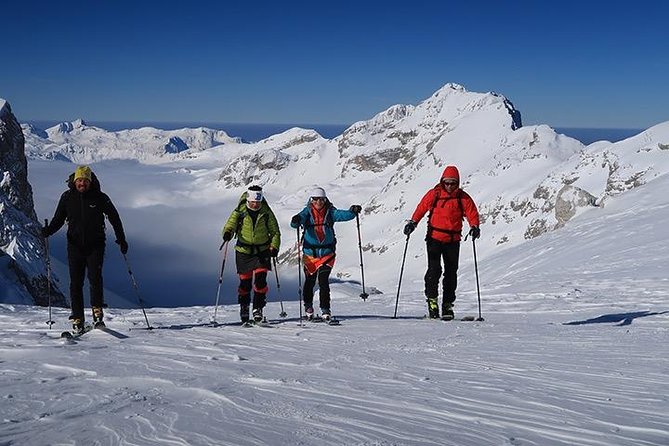
- Expert, safety-first guiding so you can focus on skiing and terrain decisions
- Cable car access early on from Bohinj/Vogel to kick off the route efficiently
- Komna Hut to Prehodavci with a “long but scenic” transition and big views
- Seven Lakes Valley under snow for a dramatic winter-only feel
- Avalanche gear hire included (beacon, probe, shovel) for peace of mind
- A big Day 3: ascent to the highest Slovenian ski-touring point, then long skiing over 800 vertical meters
Why this Triglav-area ski touring feels different in winter
This tour is built around one idea: winter skiing in the Triglav National Park region should feel like a real alpine adventure, not just a series of chairlifts and quick runs. You start by getting into position—drive plus cable car—then shift into proper ski touring rhythm: climb, traverse, ski, repeat.
What makes it memorable is the way the route strings together named points and alpine “rooms” of terrain. You go from Bohinj and Vogel into hut country, cross ridge lines and passes with elevations like Šija (1,880m) and Konjsko saddle (1,782m), then finish with the more dramatic descent toward Krma at 980m. That mix of ridges, pastures, and valleys is why it feels like one continuous alpine story across three days.
And the guide factor matters. In the feedback you’ll see the same theme again and again: professional guidance with safety as the main concern. Names like Grega Kofler pop up for high-energy, competent leadership. You shouldn’t count on a specific guide assignment, but it’s a strong signal about the standard you’re buying.
You can also read our reviews of more tours and experiences in Bled.
Price and value: what $404.75 covers (and what it doesn’t)
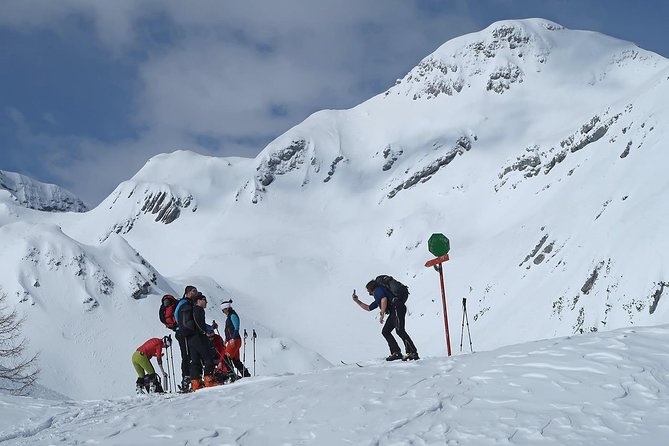
At $404.75 per person for ~3 days, the value comes from what’s already wrapped into the cost.
Included items you actually feel on tour:
- Guiding for all days
- Cable car tickets
- Equipment hire for avalanche rescue basics: beacon, probe, shovel
- Food and drinks at the Prehodavci bivouac
- Halfboard at Komna hut
- Sleeping in the hut and bivouac
- Dinner (2)
Also included are key transport pieces: local transport from Kranjska Gora to Mojstrana and from Krma back to Mojstrana. That matters because ski touring days start early, and you don’t want a transport scramble on top of climbs and descents.
What’s not included is also important to budget:
- Extra food and drinks you need for all three days
- Insurance
- Private transportation
So if you’re comparing to a basic day tour, this one usually feels like better value because it’s not just a guide and skis. It’s meals, overnights, lift access, and safety gear support.
Meeting point in Mojstrana: how to plan your arrival
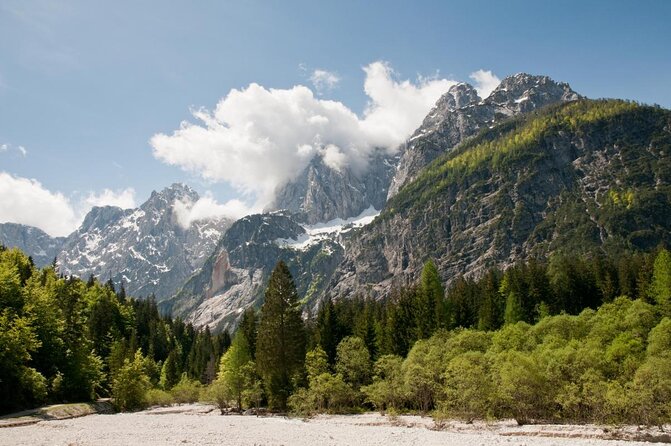
You meet at Kofler Sport – Sport Agency, Kurirska pot 20, 4281 Mojstrana, Slovenia. The end point is back at the same meeting spot.
A couple practical notes from the provided details:
- It’s a private tour, meaning only your group participates.
- There’s pickup offered, but the exact pickup location isn’t spelled out here—so if you’re relying on it, confirm where they collect you.
- There’s also local transport included for specific legs (Kranjska Gora → Mojstrana and Krma → Mojstrana), which suggests you’ll be moving with the group for key transitions.
The tour runs in the winter season window listed: 12/15/2025 to 05/14/2026, with daily hours 7:00 AM to 7:00 PM. That’s your clue to plan flights and lodging so you’re not stuck waiting around in town.
Day 1: Bohinj and Vogel up to Dom na Komni (7 hours of “get in the zone”)
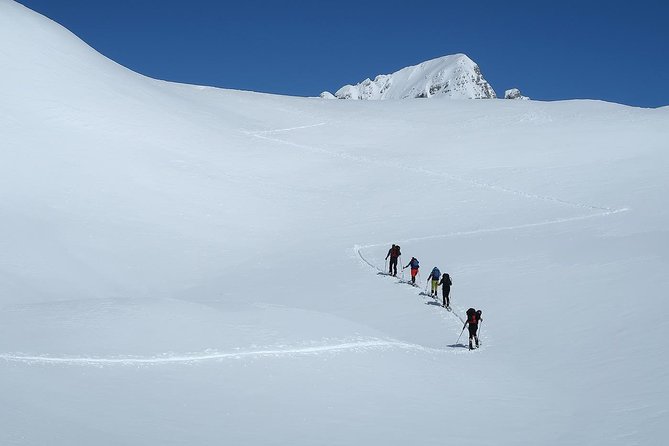
Day 1 is a visual warm-up that still sets up the backcountry tone. You drive and then take a cable car to connect with the skiing start points around Bohinj Lake and Vogel ski resort.
Then the tour proper begins with a long, scenic sequence of terrain, including named stops with heights:
- Vogel (1,510m) → Šija (1,880m)
- Zadnji Vogel (1,424m)
- Konjsko saddle (1,782m)
- beneath Podrta Gora (1,850m)
- Govnjač mountain pasture (1,474m)
- finishing at Dom na Komni hut (1,520m)
What I like about Day 1 is how it builds confidence. You get a mix of climb and downhill pacing without immediately throwing the biggest vertical demand at you. You also get that early “wow” factor: from the Bohinj area, the Julian Alps setting is the stage, with Triglav’s snowy presence clearly in view as the centerpiece of the region.
The day ends at a hut night, which is practical. You’re not finishing Day 1 thinking about gear logistics—you’re settling into hut life, where the next day’s touring starts from a known base.
Day 2: Komna hut to Čelo, then ski the Seven Lakes Valley (9 hours, big views)
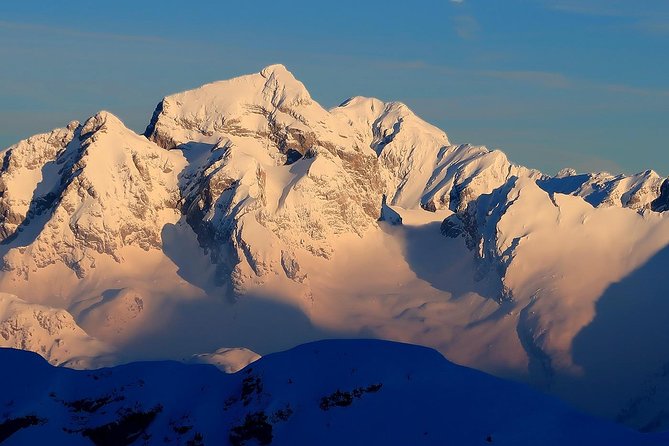
Day 2 has a classic feel: a climb to a high point, then a descent into a winter valley system that’s dramatic precisely because everything is buried.
You start at Dom na Komni hut (1,520m) and move through:
- Čelo (2,232m)
- Lopučnica (1,550m)
- Koča pri Sedmerih jezerih hut (1,685m)
- ending at bivouac na Prehodavcih (2,070m)
The rhythm is described clearly: after skiing from the hut toward Čelo, you ski down toward the Seven Lakes Valley. In winter, the valley is covered with snow, and the lakes are far below—meaning you experience the “shape” of the terrain without seeing water. That changes how the descent feels: it’s less about watching a river and more about reading snow consistency, track lines, and valley contour.
After the skiing, there’s a long but scenic walk to reach Prehodavci. This is the part where the trip becomes memorable beyond the photo angles. A bivouac day isn’t just a place to sleep; it’s a full-body reminder that you’re touring, not riding. If you’re the type who enjoys steady effort, Day 2 tends to be the favorite.
At the same time, plan for effort. Nine hours of moving time plus a cold overnight option is why the tour requires moderate physical fitness. You don’t need to be an elite athlete, but you should be comfortable touring for long stretches in winter conditions.
Day 3: Kanjavec to Krma via Hribarice and the long 800m+ descent (7 hours, most vertical)
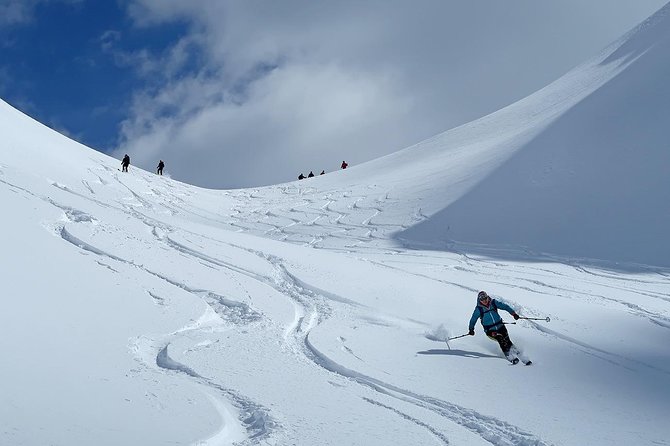
Day 3 is interesting because it’s shorter on paper (about 7 hours), yet it includes the biggest vertical payoff. You start at bivouac na Prehodavcih (2,070m) and head toward:
- Kanjavec (2,568m)
- Hribarice (2,358m)
- Velska dolina (1,750m)
- Bohinjska vratca (1,973m)
- finishing in Krma (980m)
You ascend first to what’s described as the highest Slovenian point for ski touring, then ski down toward the direction of Velo pelje valley. The highlight here is the length of the skiing: long runs with more than 800 vertical meters of descent.
Route details also include Vodnikov Dom, noted as closed in winter. The key point for you isn’t a cozy stop—it’s that the route still goes through that area and includes a short ascent before the long traverse down toward Krma Valley.
This is the kind of day that rewards good pacing. If you set a steady effort early (instead of sprinting the first climb), you’ll enjoy the big downhill without feeling wrecked. And finishing down at Krma (980m) means the trip ends in a place where recovery is easier than if you were still high and exposed.
Guides, safety, and avalanche gear that are part of the package
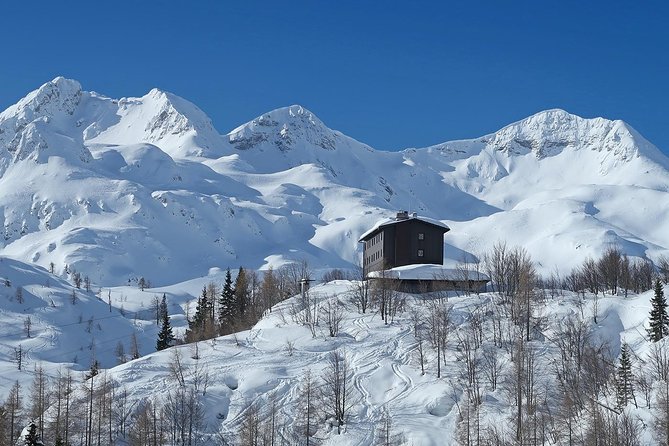
The safety emphasis isn’t just marketing here. You’re given ski touring equipment hire that includes:
- beacon
- probe
- shovel
That matters because it’s not just “bring your own if you have it.” The tour supports the essential rescue kit for winter backcountry travel. Combined with expert guiding, it’s exactly the kind of coverage you want when conditions can change fast.
The guiding level shows up in the names and comments shared in the feedback you can find for this program. Professional, straightforward communication and consistent safety focus are repeated themes. Grega Kofler is one name that comes up for high standards and strong leadership energy.
Also, this is described as a private activity, meaning your group size stays contained. That usually helps on a traverse: fewer people, clearer decision-making, and more direct guide attention when snow and weather demand flexibility.
Food, sleeping, and what your mornings and evenings look like
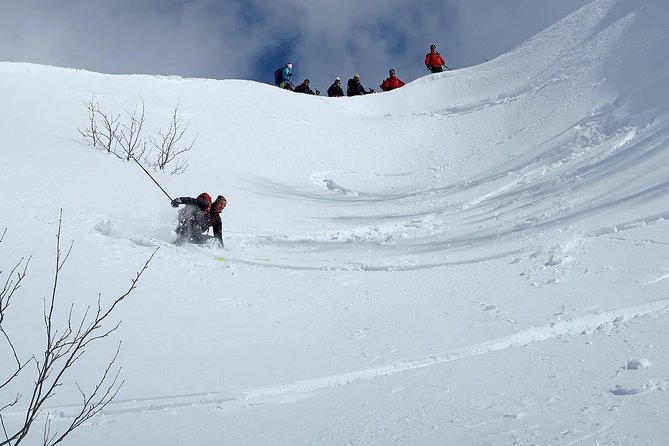
This tour is set up with real overnight logistics, not “bring your own everything.” You’ll sleep:
- in a hut on Day 1 and
- in a bivouac on Day 2
Included meals break down like this:
- Food and drinks at bivouac at Prehodavci
- Halfboard at Komna hut
- Dinner (2)
What you should plan for beyond that:
- Extra food and drinks are not included for all days.
So I treat this as a semi-full board experience. You’re covered for key meals around the hut/bivouac points, but you should carry snacks and water plans that match your personal needs and appetite. In cold conditions, “I’ll just eat later” often becomes “I’m cold and cranky now.”
Sleeping at a bivouac also means you’re choosing discomfort as part of the story. If that’s your idea of fun, great. If you want warm, guaranteed indoor comfort every night, you might find it less appealing.
Packing and preparation: what you should do before the first climb
The data here doesn’t list a full gear checklist, so I’ll stick to what you can reasonably plan based on the experience requirements.
Since you’re touring for 7–9 hours on snow, plan for:
- layered clothing for changing temps from morning start to midday climbs
- gloves and a hat that work for colder wind exposure
- ski touring boots that fit well and don’t create pressure points on long days
And because the tour provides avalanche equipment, don’t ignore that part. Wear layers and carry your gear in a way that lets you stay organized—your guide will want the group ready for transitions and snow safety routines.
One more preparation tip: train your legs for sustained climbing effort. Day 3 includes the biggest vertical work, even though the time is shorter. If you show up with only “I can ski down,” you’ll feel it when the ascent starts.
Getting the most out of each day’s terrain
This tour has a steady progression:
1) Day 1 sets your rhythm with cable access and a finish at Komna hut.
2) Day 2 shifts into longer moving time with the Seven Lakes Valley under snow and a bivouac finish.
3) Day 3 goes for the big altitude moment and finishes with long, satisfying skiing to Krma.
If you want to enjoy it rather than just survive it, focus on pacing and recovery:
- Eat and drink early, not just when you feel hungry.
- Keep a consistent effort level on climbs so descents feel fun, not shaky.
- Let the guide set the tempo. This is a traverse where decisions matter.
And if you’re chasing that “one trip I’ll remember for years” feeling, this itinerary is good at producing it. The combination of hut-to-bivouac, ridgeline-to-valley movement, and big-name alpine points like Čelo, Kanjavec, and Bohinjska vratca is why.
Should you book this Triglav-area ski touring traverse?
Book it if you want a true winter ski touring adventure: guided, safety-supported, multi-day, and set in the Triglav National Park area with memorable terrain variety (Bohinj, Vogel, Komna, Prehodavci, Seven Lakes Valley, Kanjavec, Krma).
Think twice if any of these are red flags for you:
- you’re not comfortable with long days (7–9 hours) and sustained effort
- you dislike cold overnight conditions, especially with a bivouac night
- you expect a fully cushy experience with indoor sleeping every night
If you’re a reasonably fit skier who likes big winter scenery and wants the confidence that comes from experienced guides (and avalanche rescue gear included), this traverse is the kind of trip that earns its 5-star energy.
FAQ
How long is the ski touring traverse?
It runs for about 3 days.
Where does the tour start and end?
It starts and ends back at Kofler Sport – Sport Agency in Mojstrana (Kurirska pot 20, 4281 Mojstrana, Slovenia).
What’s included in the price?
Included are guiding, cable car tickets, equipment hire (beacon, probe, shovel), food and drinks at the Prehodavci bivouac, halfboard at Komna hut, dinner (2), and sleeping in the hut and bivouac, plus local transport legs mentioned in the inclusions.
Do I need my own avalanche safety equipment?
No. The tour includes equipment hire for a beacon, probe, and shovel.
Is there food included during the trip?
Yes. You’ll have food and drinks at Prehodavci, halfboard at Komna hut, and dinner (2). Extra food and drinks are not included for every meal.
What fitness level should I have?
You should have moderate physical fitness. The days include long skiing and walking hours.
What if weather conditions are poor?
The experience requires good weather. If it’s canceled due to poor weather, you’ll be offered a different date or a full refund.