REVIEW · MIRISSA
From Mirissa/Galle/Hikkaduwa: Udawalawa National Park Safari
Book on GetYourGuide →Operated by Wanderluxe Ceylon · Bookable on GetYourGuide
Elephants show up, even on a timed schedule, in Udawalawe. What makes this trip stand out is the door-to-door pickup and the chance to see young elephants at the Elephant Transit Home. The main catch to plan for: park entry tickets and food aren’t included, so your total cost is more than the base $27.
I like that you’re not just dropped at a gate and left to guess. You ride in a 4×4 safari jeep built for animal viewing, and your guide focuses on where the action is, not just driving around.
One more thing to know up front: this is a long day. From farther starts (like Galle), expect it to run late, so pack snacks and treat it like a proper outing, not a quick excursion.
In This Review
- Key points
- Udawalawe National Park Safari: what you’re really paying for
- Pickup and drop-off across the South Coast (and why it matters)
- The 4×4 safari jeeps: comfort, visibility, and real wildlife viewing
- What you might see in Udawalawe: elephants first, then the extras
- Elephant Transit Home: the humane part of the day
- Photo and comfort tips that help (especially on a long drive)
- Price and value: $27 plus park entry and the real-world budget
- How long the day really takes (and how to avoid a rushed finish)
- Who should book this Udawalawe trip—and who should skip it
- Should you book Udawalawe now?
- FAQ
- Are park entry tickets included?
- How long is the safari and the Elephant Transit Home visit?
- What time does the Elephant Transit Home visit happen?
- Do I need to bring anything?
- Is food included on the tour?
- What areas have pickup and drop-off?
- What are the tour vehicle and guide details?
- Who is this tour not suitable for?
- Is alcohol allowed?
Key points
- Door-to-door A/C van pickup and drop-off from many South Coast towns
- 4×4 safari jeeps for serious viewing and easier photo angles
- Udawalawe National Park with a strong chance of elephants plus other wildlife
- Elephant Transit Home visit at 10:30, 14:30, or 18:00 depending on timing
- English live guide to help you read the landscape and spot animals faster
Udawalawe National Park Safari: what you’re really paying for
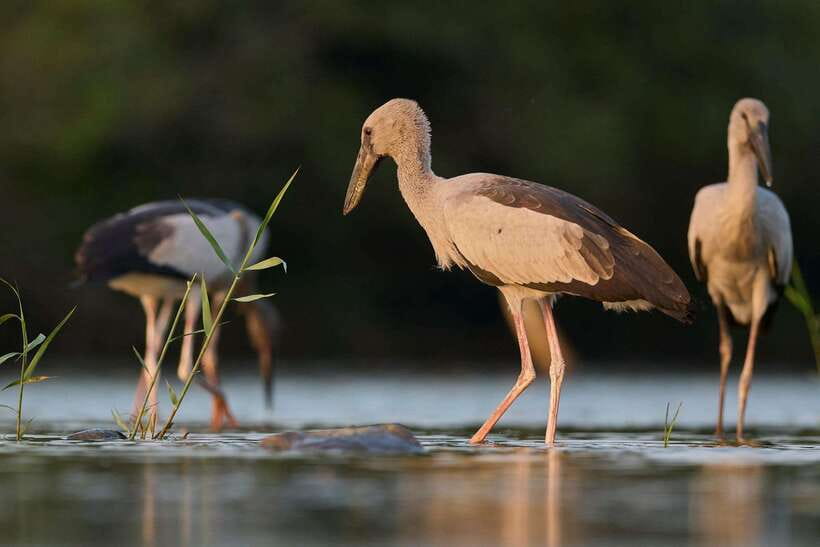
You’re paying for two things in one day: a guided safari through Udawalawe National Park and a humane, up-close visit at the Elephant Transit Home. Udawalawe is one of Sri Lanka’s best places for elephants, and the difference between a decent and an excellent day comes down to spotting. This tour is built around that idea.
The park portion is timed so you get out early enough to hit the hours when animals are more active. That matters because in Sri Lanka, midday can turn the safari into a lot of searching and waiting. Here, you’re set up to see more movement sooner, which is when elephants (and many other animals) show themselves.
The transit-home visit adds the emotional weight. You’re not only seeing elephants in the wild; you’re also learning how rehabilitated youngsters are cared for before they return to the forest. That pairing is why so many people leave Udawalawe thinking it’s their best wildlife day in the country.
Pickup and drop-off across the South Coast (and why it matters)
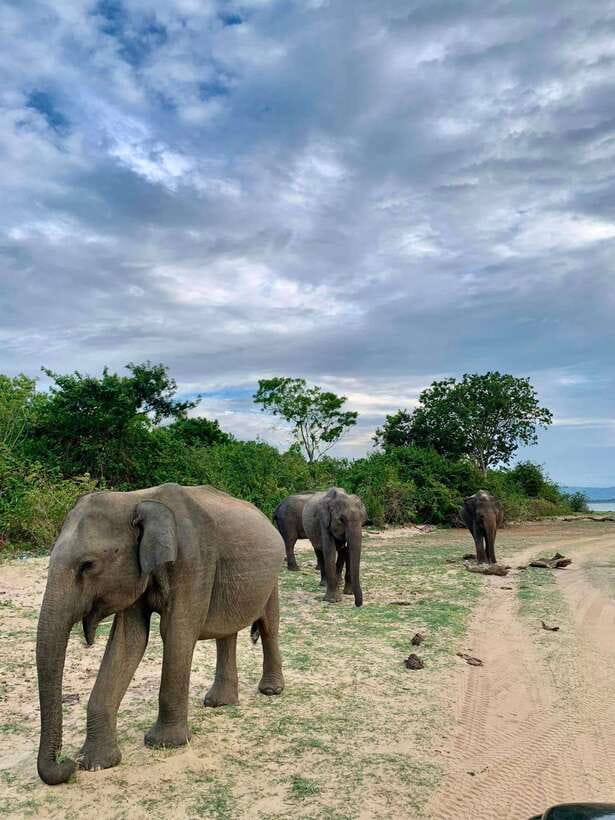
Udawalawe isn’t right next door to Galle, Mirissa, or Hikkaduwa. So the quality of the transfer really affects your day.
This tour includes complimentary pickup and drop-off in an air-conditioned van, with options across the South Coast. It’s designed for convenience: you wait at your hotel (or selected location) and then you’re handled door-to-door. Some drop-offs can also be convenient if you’re continuing your trip onward, since the list includes places like Ella and Tissamaharama among the options.
Practical tip: be ready to go when your pickup time hits. The tour asks that you wait 10 minutes before the scheduled pickup in the lobby, so set your clock and don’t plan to shower and re-pack right at pickup time.
The 4×4 safari jeeps: comfort, visibility, and real wildlife viewing
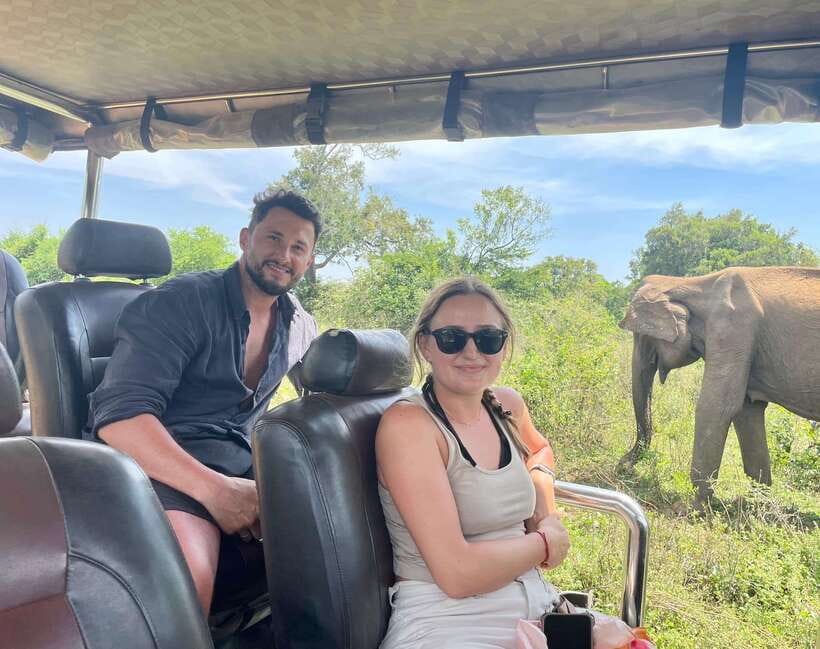
Safari vehicles aren’t all equal. Here, you’re riding in spacious 4×4 safari jeeps, which helps in two ways: comfort during the long drive and better viewing through the windows and open viewing points.
You’ll also move at a safari pace, not a sightseeing pace. That matters because wildlife doesn’t wait for your schedule. Your guide’s job is to read signs—like tracks, movement in bushes, or where animals likely graze—and then position the jeep for a view without wasting the day.
You may also get a guide who uses extra tools to help you spot small details. I’ve seen mention of binoculars being carried, which is a simple upgrade that can make the difference between a blurry animal sighting and a photo-worthy moment—especially for birds and distant animals.
What you might see in Udawalawe: elephants first, then the extras
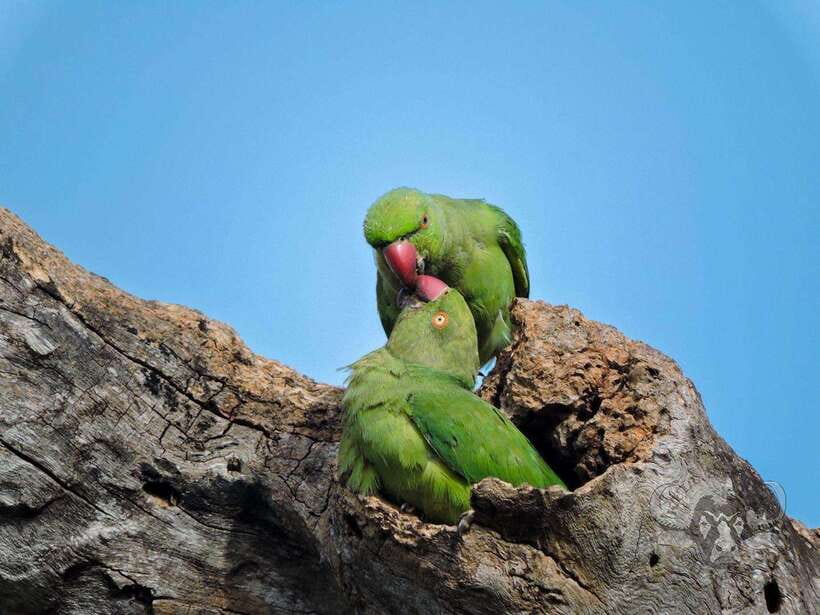
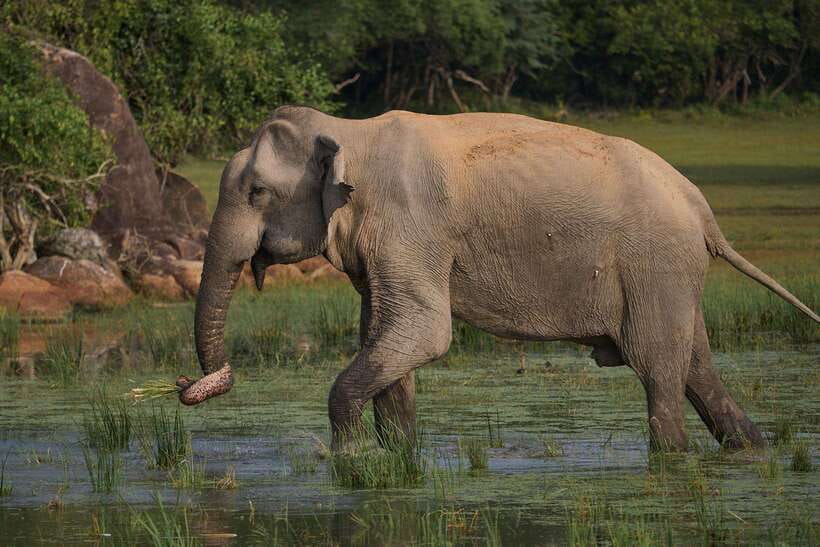
Udawalawe’s star is elephants, and this is one of the best places in Sri Lanka to see elephant families, including younger calves. When a herd comes close, it stops being a distant wildlife moment and turns into something more like sharing space from a safe distance.
That said, wildlife days always have a factor of luck. The best mindset is to treat this as a “high probability” safari rather than a guaranteed checklist.
Here’s what you can realistically look for:
- Elephants, including family groups and calves
- Deer and other grazing animals that show up around feeding areas
- Water buffalo
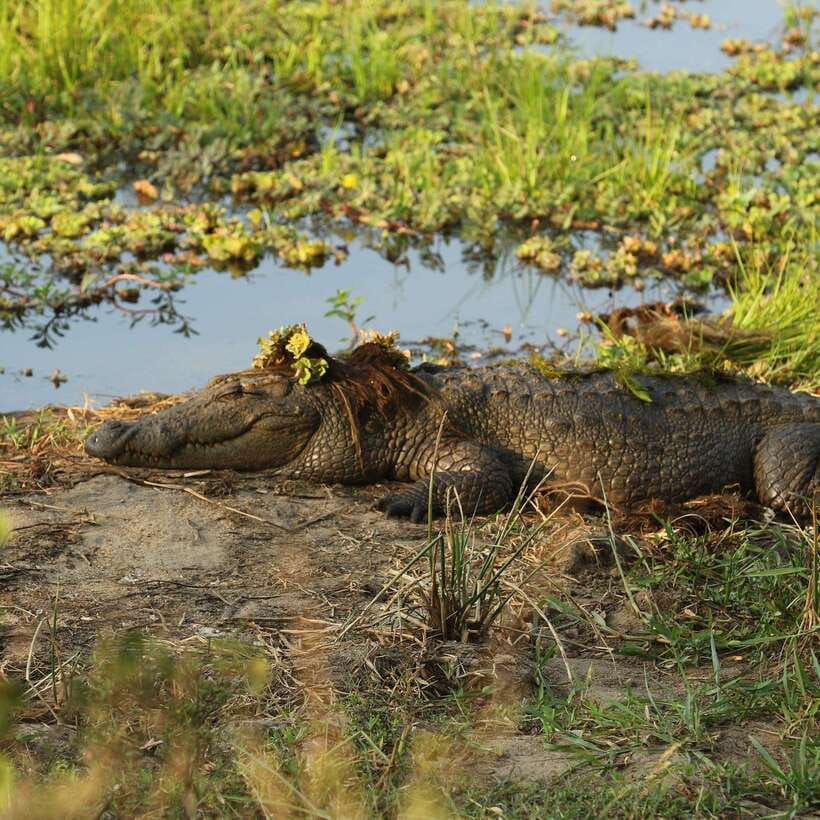
- Crocodiles, sometimes seen around water areas
- Monkeys
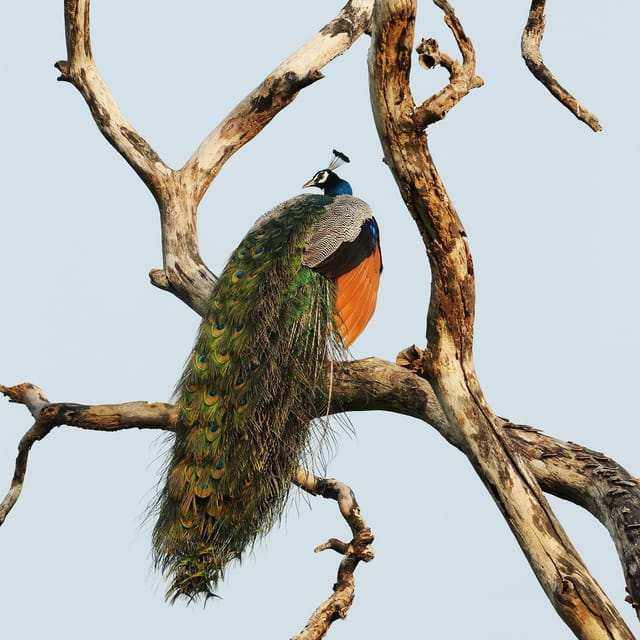
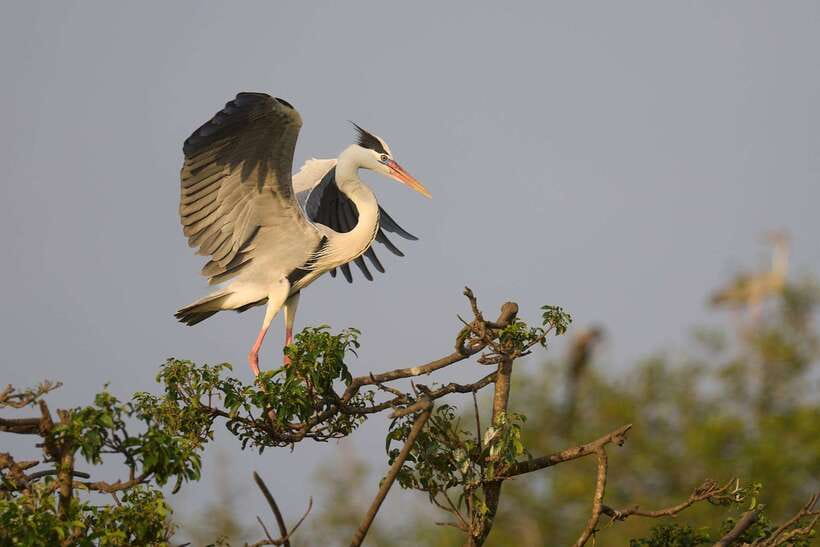
- Bird life that can include eagles and peacocks
- Occasional reptiles like chameleons and even monitor lizards
One more reality check: Udawalawe can get busy with other jeeps. When multiple vehicles converge on a sighting, you may feel the crowd pressure on your time and angles. The best defense is your guide—if they’re good at positioning and knowing where to wait, you still get good viewing time even when there are lots of vehicles around.
Elephant Transit Home: the humane part of the day
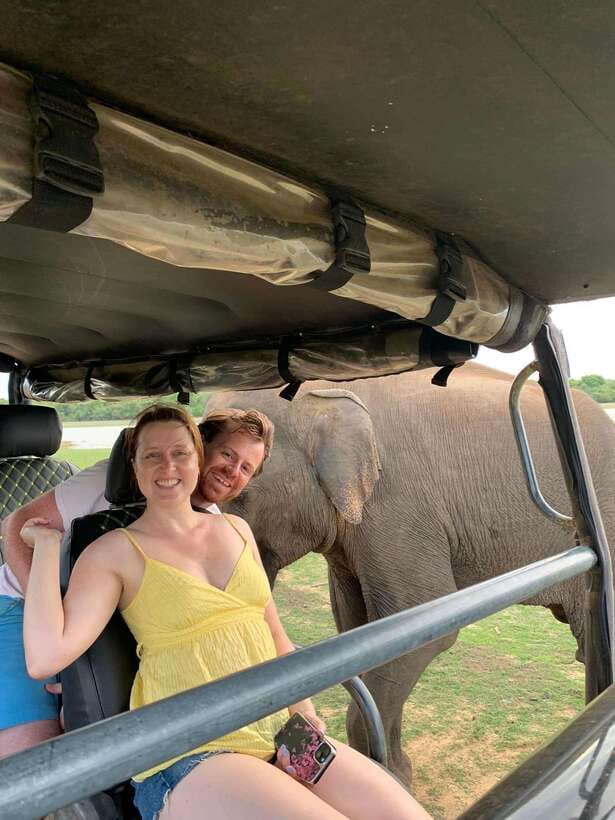
The second half of your trip is what turns a good safari into a memorable one: a stop at the Elephant Transit Home, a rehabilitation center for young elephants that were orphaned or injured.
Timing matters. The transit home has three open times: 10:30 AM, 2:30 PM, and 6:00 PM. Your day’s schedule decides which slot you’ll enter. The visit is typically around an hour, which is long enough to see feeding and caretaking but short enough that the day doesn’t drag.
What to watch for during the visit:
- Feeding routines and how caretakers manage the youngsters
- Social behavior between calves (play, grouping, and calm moments)
- The general body language of elephants that are safe but still in a learning stage
This part of the day hits differently than the park. In Udawalawe National Park you’re seeing elephants moving freely in the wild; at the transit home you’re seeing the work it takes to protect them until they can return. It’s not just a photo stop. It’s conservation in action.
Photo and comfort tips that help (especially on a long drive)
You’ll likely spend several hours on the move, then more time in the park and at the transit home. That means your comfort gear matters more than you’d think.
Bring:
- Sunglasses and sunscreen. The safari time can be bright, and your eyes will thank you later.
- A light layer. Vehicles and early departures can feel cooler than you expect.
- A small snack and water. Food and drinks aren’t included, and the day can run long.
- If you’re serious about photos, be ready to shoot fast. When elephants appear close, the best moments are often brief.
On the vehicle side, plan for practical steps. Getting into safari jeeps can be a bit of a climb. If you have mobility issues, this is worth thinking about before you book.
Also, don’t assume you’ll be the only one taking photos. In busy sightings, it helps to stay patient and let your guide get your jeep into position. You’ll usually get better results when you move with the vehicle rather than leaning over too much.
Price and value: $27 plus park entry and the real-world budget
The base price is $27 per person, and the day lasts roughly 5–9 hours depending on your starting point. Then there’s the big add-on: National Park entry tickets are not included, and the cost is about $37 per adult.
So what’s the value? You’re not only paying for transportation. You’re paying for:
- A guided safari experience (not self-drive)
- A vehicle made for wildlife viewing
- The transit-home visit, which many people rate as an emotional highlight
- Door-to-door transfers in an air-conditioned vehicle
Two budgeting notes:
- Expect the final number to land higher once you add the park entry fee.
- Add snacks and water to your budget because food and drinks aren’t included.
In exchange, you get a well-rounded wildlife day—elephants in the park and elephant rehabilitation care at the home. For many visitors, that combination feels like getting two experiences for one trip.
How long the day really takes (and how to avoid a rushed finish)
The official duration is listed as 5–9 hours, but your actual timing depends on where you start. Coastal towns closer to Udawalawe can feel more like a half-day outing. If you’re starting farther (like from Galle), plan for a longer day.
The tour also includes a park safari block of about 3 hours, plus the transit-home visit (about 1 hour). Those fixed chunks help, because you can mentally plan the day around them: safari first, transit home next, then return.
Best mindset: treat it as a full experience, not a quick add-on. If you try to stack other activities right after, you’ll feel rushed. If you want a relaxed evening, book nothing demanding for the rest of the day.
Who should book this Udawalawe trip—and who should skip it
This is a strong fit if you:
- Love elephants and want a serious chance of seeing herds and calves
- Want both wild wildlife viewing and a conservation-focused visit
- Prefer guided spotting over driving and guessing
- Are traveling from the South Coast and want convenient pickup
It’s not a great fit if:
- You’re pregnant or have back problems, since the safari jeep and long day can be uncomfortable.
- You expect total quiet and empty roads. This area can be busy with jeeps, and sightings can bring multiple vehicles together.
If you’re traveling with kids, it can work well because elephants tend to hold attention. Just plan for the length of the day and the time spent in vehicles.
Also, English is the language of the live guide, so it’s friendly for international visitors who want real context, not just driving.
Should you book Udawalawe now?
Yes—if elephants are your priority and you want a day that goes beyond a basic safari. The best reason to book is the combo: Udawalawe National Park for the real wild-life encounters, then the Elephant Transit Home for a clear view of rehabilitation work.
Skip it only if you’re sensitive to long travel days or if the park-entry fee and extra spending (tickets, snacks, drinks) would stress your budget. If you can handle a long outing and you’re excited about elephants, this is one of the most satisfying wildlife days you can build around Sri Lanka’s south and central safari circuit.
FAQ
Are park entry tickets included?
No. National Park entry tickets are not included, and the cost is about $37 per adult.
How long is the safari and the Elephant Transit Home visit?
The safari portion runs about 3 hours, and the Elephant Transit Home visit is about 1 hour.
What time does the Elephant Transit Home visit happen?
The Elephant Transit Home has three open times: 10:30 AM, 2:30 PM, and 6:00 PM. Your schedule will match one of these slots.
Do I need to bring anything?
You should bring a passport or ID card.
Is food included on the tour?
No. Food and drinks are not included, so plan to bring snacks and water.
What areas have pickup and drop-off?
Pickup and drop-off options include South Coast towns such as Galle, Mirissa, Hikkaduwa, Tangalle, Matara, Weligama, Unawatuna, and more, with some drop-offs also listed around Ella and Tissamaharama.
What are the tour vehicle and guide details?
You travel in an air-conditioned vehicle for transfers and use 4×4 safari jeeps for the park. The live guide is in English.
Who is this tour not suitable for?
It is not suitable for pregnant women and people with back problems.
Is alcohol allowed?
Alcohol and drugs are not allowed.