REVIEW · UDAWALAWA NATIONAL PARK
Udawalawe: National Park Safari & Elephant Transit Home Tour
Book on GetYourGuide →Operated by Shehan Safari Jeep Tours · Bookable on GetYourGuide
Elephants up close, in just half a day. The Udawalawe National Park jeep safari pairs real wildlife time with a stop at the Elephant Transit Home during feeding hours.
I love the fact it’s built for serious spotting, not a rushed drive-by. In a 4×4 Jeep with small group sizes (max 6), you get better chances to notice deer, birds, and even reptiles without feeling packed in. I also like the Elephant Transit Home angle: you’re there during feeding hours, when you can see hundreds of baby elephants up close.
One possible drawback is timing. If you go in the later part of the day, you may run into more jeeps congregating around elephants, which can make the experience feel less personal.
In This Review
- Key highlights at a glance
- Udawalawe in 4 hours: what this safari is really good for
- The 4×4 Jeep part: how Udawalawe safari drives work
- Wildlife chances: elephants plus a whole side of Sri Lanka’s critters
- Elephant Transit Home feeding hours: what you’re actually signing up for
- Guide and driver quality: it’s not all the same
- Price and value: $15 is the deal, if you plan for entrance fees
- Timing tips: why afternoon can mean more jeeps
- Pickup, group size, and comfort: what matters on a 4-hour drive
- Who should book this safari (and who might want a different day)
- Potential downsides to plan for
- Should you book this Udawalawe jeep safari and Elephant Transit Home tour?
- FAQ
- How long is the Udawalawe safari and Elephant Transit Home tour?
- What’s included in the price?
- Are Udawalawe National Park entrance fees included?
- Will I see elephants during the tour?
- What other animals might I see in Udawalawe?
- Is the tour guide available in English?
- Do I need to bring food or drinks?
- Can I cancel for a refund?
Key highlights at a glance
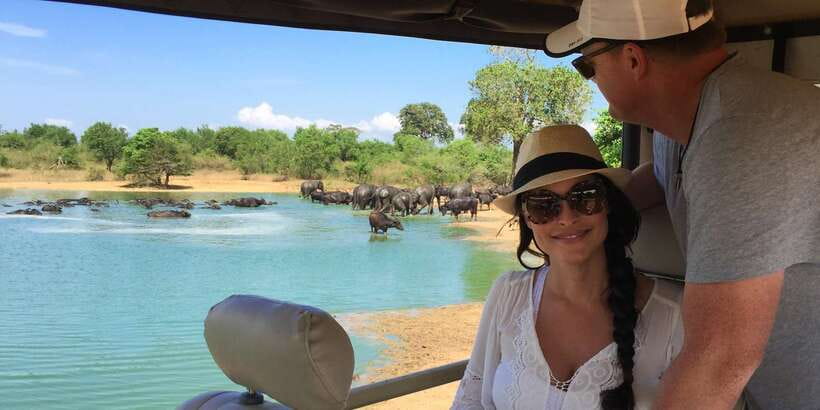
- Small-group 4×4 safari with transport in a Jeep capped at 6 passengers
- Elephant Transit Home feeding-hours stop for close looks at baby elephants
- Wildlife spotting beyond elephants, including deer, wild boars, mongooses, and crocodiles
- Big animal-finding odds in Udawalawe, including 30 species of snakes and 50 species of butterflies
- Driver/guide choices matter, since good guides actively reduce vehicle pressure around wildlife
Udawalawe in 4 hours: what this safari is really good for
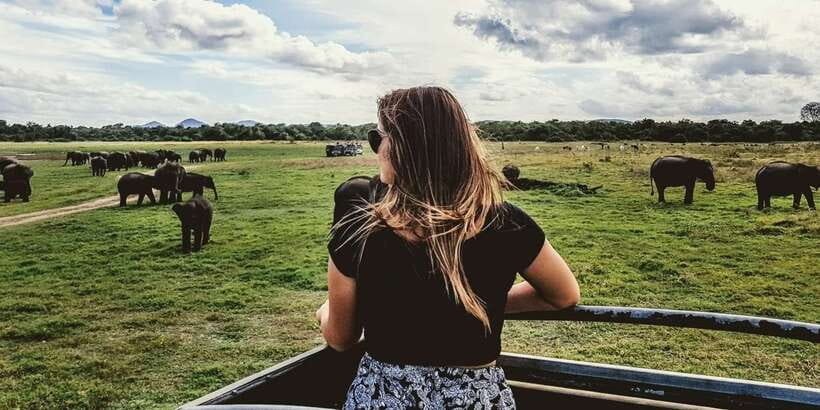
Udawalawe is one of Sri Lanka’s easiest parks to enjoy if you want wildlife without doing an all-day slog. This tour is short enough to fit into a tight itinerary, but it’s still structured like a real safari: get into the park by 4-wheel-drive Jeep, spend time scanning for animals, then finish with the Elephant Transit Home during the busiest moments of the day.
If you’re planning your first wildlife day in Sri Lanka, I like this format because it hits two different things in one block. First, you’re out where animals live their day-to-day lives. Then you get a more hands-on style interaction at the Elephant Transit Home, where the elephants are the main event.
The other thing I like is the practical balance between “guided” and “wild.” You’re not just watching from afar. A good driver/guide will help you spot what you would otherwise miss—like small birds on branches or a crocodile presence near water—while still keeping the focus on wildlife, not traffic.
You can also read our reviews of more tours and experiences in Udawalawa National Park.
The 4×4 Jeep part: how Udawalawe safari drives work
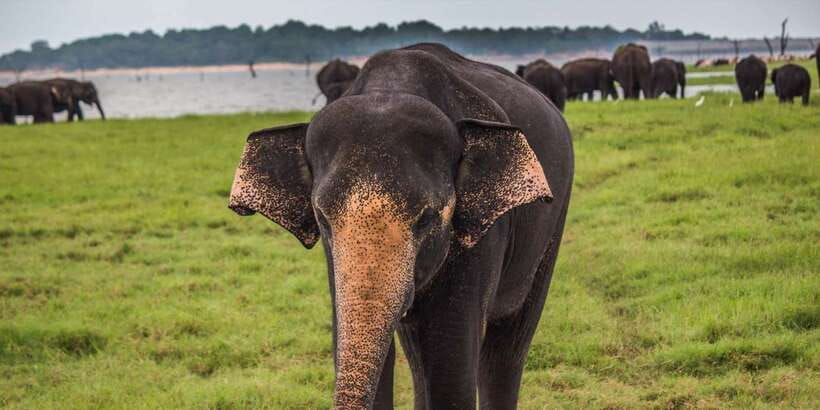
This is a half-day jeep safari with an experienced driver/guide, using a safari vehicle built for rougher park roads. You’ll start with entry via the park’s 4-wheel drive Jeep access, then move through the reserve looking for animals.
In a place like Udawalawe, speed isn’t the goal. The goal is positioning. You’ll spend time where the animals are likely to show up—especially around water and open areas where grazing happens. That matters because wildlife viewing is often about being in the right place at the right moment, not just driving around hoping for luck.
Also, the tour keeps the group size small (up to 6 passengers per Jeep). That makes a difference for your actual experience: you can shift your attention easily, ask questions without talking over everyone, and generally feel like you’re part of the hunt rather than one more head in a crowd.
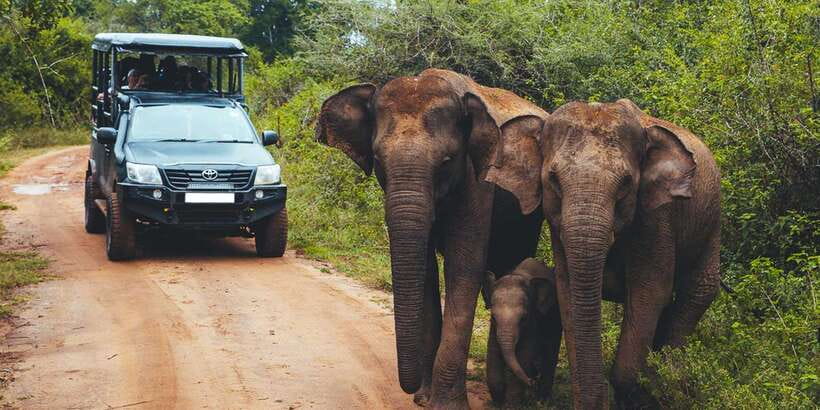
And yes, sometimes you’ll still be among other jeeps. Udawalawe is popular, and you might notice vehicle clusters. The difference is how the driver responds—some guides actively reposition when elephants are crossing or gathering near the road.
Wildlife chances: elephants plus a whole side of Sri Lanka’s critters
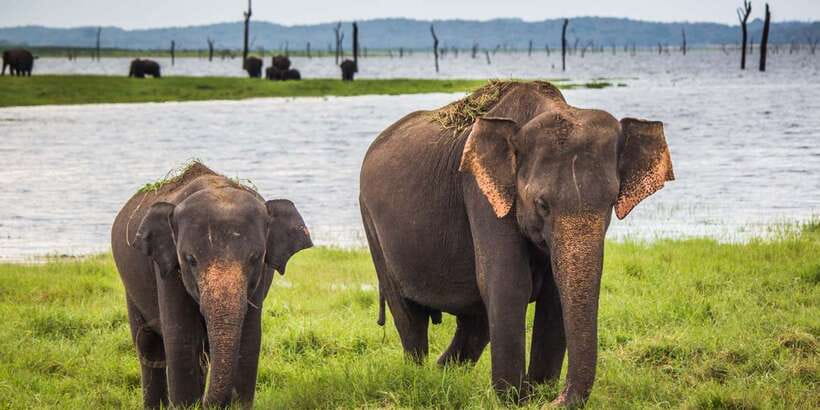
Elephants are the headline, but Udawalawe has a longer list of sightings than most people expect. You might spot wild buffalos, spotted deer, barking deer, wild boars, sambars, hares, and mongooses. That variety matters because it keeps your safari interesting even when elephants are taking their time.
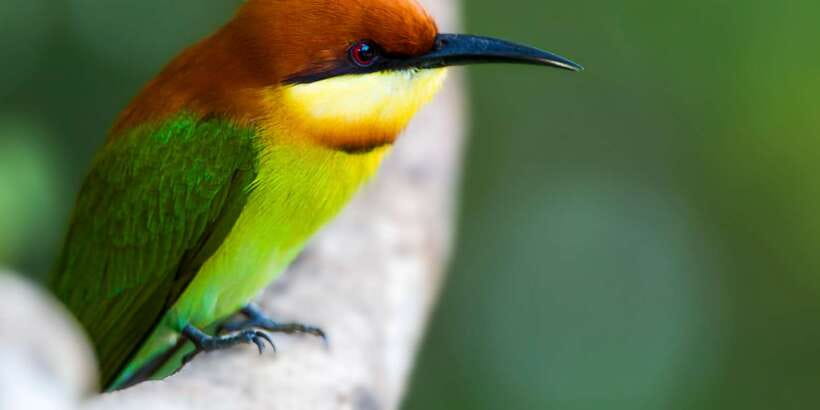
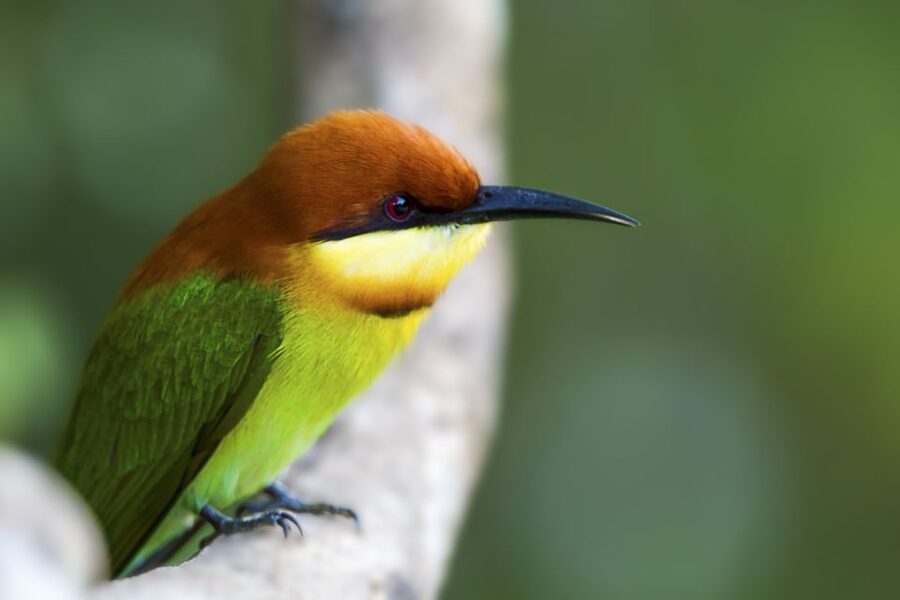
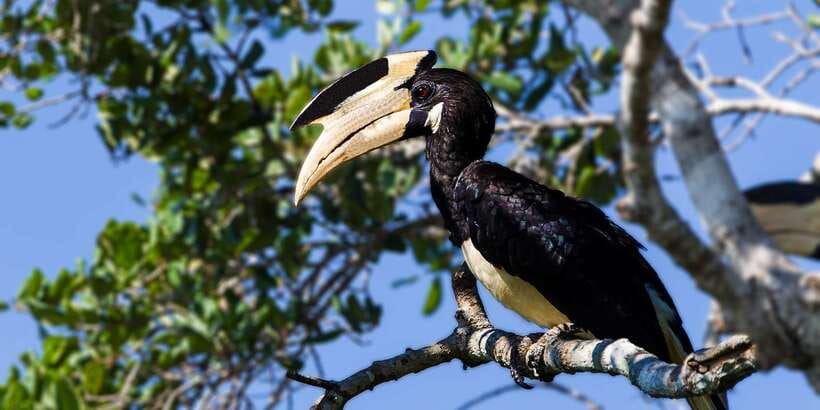
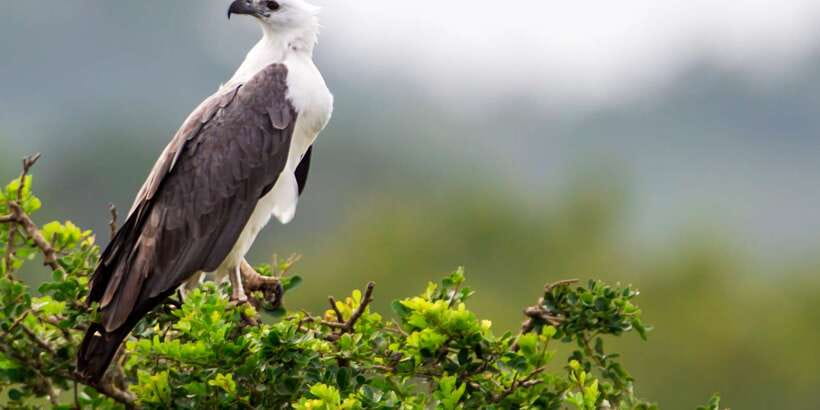
For reptiles and slower movers, Udawalawe can be a real treat. The park is known for crocodiles and also for around 30 species of snakes. You’re also looking at birds throughout the day, plus 50 species of butterflies, so it’s not only about the big creatures.
Here’s the practical takeaway: if your guide is good, you’ll leave feeling like you learned to read the park. A strong safari doesn’t just point and go. It helps you notice movement and patterns—like where deer tend to pause, or how birds react when something larger is nearby.
The guide style can also shape what you see. For example, guides like Koshala (when assigned) are reported to make extra stops for birds and animals people might miss on their own. That’s the kind of “details in motion” viewing that turns a safari into a story you can tell later.
Elephant Transit Home feeding hours: what you’re actually signing up for
The Elephant Transit Home stop is the emotional center of the tour. You’ll visit during feeding hours, which is when you get the best chance to see baby elephants close up. The setup is built around rehabilitation and support, and the park’s water sources help sustain large elephant numbers.
The important word here is “timing.” During feeding hours, the babies are more active and more focused on what’s happening right then. That’s when the interaction feels most real, not like a quick glance through a fence.
You’re not walking into a theme-park-style encounter. You’re watching and learning as caretakers manage feeding and the elephants respond to the moment. If you go in expecting a long, hands-on activity, you might be disappointed. But if you go in prepared for what this is—an up-close look at very young elephants during a key feeding period—you’ll likely feel it was worth your time.
Also, the transit home viewing pairs nicely with the jeep portion. You’ll start the day tracking wild elephants and other animals in the park. Then the transit home gives you a different perspective: elephants at a stage where conservation work is visible in daily routines.
Guide and driver quality: it’s not all the same
A tour like this lives or dies by the driver/guide’s eye and judgment. Udawalawe can get busy, and elephant sightings can attract lots of vehicles. The best guides know how to handle that without turning the road into a spectator arena.
If you’re lucky enough to get a guide like Pathum, you may notice punctual, smooth pickup and drop-off, plus clear explanations during the drive. If you get someone like Koshala, the standout point is often how they actively avoid bunching up when elephants are crossing. That’s huge, because elephant behavior changes when they feel crowded or blocked.
Another name you might see is Pettum, who is described as spotting animals far away and guiding you toward them. That skill matters in a safari because visibility is limited. When your guide can identify subtle movement or read the terrain, your viewing odds improve.
So here’s my advice: when you’re in the car, watch how the guide reacts to wildlife. The right signs are small detours to show birds, patient repositioning, and decisions that reduce pressure on elephants rather than chase them for a quick photo moment.
Price and value: $15 is the deal, if you plan for entrance fees
At about $15 per person for a 4-hour tour, this can be good value—especially because it includes the 4×4 Jeep safari, an experienced driver/guide, and hotel pickup/drop-off from the Udawalawa area or the Udawalawe National Park entrance.
But the trade-off is simple: entrance fees to Udawalawe National Park are not included. That means your final cost isn’t just the $15. The only way to judge value is by adding what you’ll pay at the gate.
Still, even with extra gate costs, the structure is solid. You’re paying for time in a safari vehicle with a guide, not just transportation. And you’re getting the Elephant Transit Home during feeding hours, which adds a different kind of experience than a standard wildlife-only safari.
One more cost/value consideration: because the tour is short, your elephant time is concentrated into a couple of specific windows. That can feel perfect if you want a half-day plan. But if you’re hunting for a long, extended elephant encounter, you may feel the highlight is brief.
Timing tips: why afternoon can mean more jeeps
You have a choice in how you experience Udawalawe: early viewing usually feels calmer, while later viewing can get louder with more jeeps around animals. One practical clue from real-world experience is that afternoon departures can bring a higher number of vehicles when elephants are active near roads.
That doesn’t mean elephants won’t be great later in the day. It means the “wow factor” can shift depending on crowd behavior. If you’re sensitive to feeling boxed in by other jeeps, earlier is the safer bet.
So, how should you decide? If you can choose your time, I’d steer toward the morning for a more relaxed rhythm. If all you can do is afternoon, don’t panic—just pay attention to how your driver handles congestion. A good driver will adjust and give elephants space when vehicle clusters form.
Pickup, group size, and comfort: what matters on a 4-hour drive
The tour includes hotel pickup and drop-off in specific areas: from the Udawalawa area, or you can also be picked up at the Udawalawe National Park entrance. If your hotel is outside those areas, pickup is available with an additional charge.
Group size matters here. Transport is in a safari Jeep with a maximum of 6 passengers. That’s a meaningful cap, especially when the park road conditions require everyone to pay attention and settle in for the ride.
You’ll also want to remember that food or drinks aren’t included. On a 4-hour tour, you may not need a full meal, but having water plan makes the day easier. If you’re prone to getting hungry, bring a light snack idea for before or after the safari window.
Finally, the tour guide is English-speaking. If you want more meaning out of your wildlife sightings, ask a question when you see something interesting. Guides vary, but many will use those moments to explain what you’re looking at and why the animals are there.
Who should book this safari (and who might want a different day)
This tour is best for you if:
- You want a wildlife-focused day without committing to a full day
- You care about elephants, but you also want variety (deer, crocs, snakes, birds, butterflies)
- You like structured convenience: pickup, Jeep transport, and a timed stop at the Elephant Transit Home
It may not be your perfect match if:
- You’re expecting a long, open-ended elephant experience. The transit home portion is tied to feeding hours.
- You’re very budget-tight once you add the park entrance fee.
- You’re going mainly for quiet, private wildlife viewing. Later departures can bring more jeeps.
The sweet spot is people who want a compact, high-impact nature day with expert driving and a clear anchor moment at the transit home.
Potential downsides to plan for
The main downside to plan for is concentration. This is a half-day tour, and the highlights happen in a fixed schedule. That means you may not chase every last sighting if elephants don’t cooperate that day.
The other practical downside is crowd behavior around elephants. In busy periods, multiple jeeps can gather. The experience can swing dramatically depending on whether your guide actively manages vehicle pressure or gets stuck in the pack.
Finally, don’t forget the entrance fees are extra and that food/drinks aren’t included. Those aren’t deal-breakers, but they do affect your total cost and comfort.
Should you book this Udawalawe jeep safari and Elephant Transit Home tour?
If you want a smart, half-day way to see Udawalawe’s wildlife and get a close look at baby elephants during feeding hours, I think this tour is worth booking. The value comes from the mix: a 4×4 Jeep safari plus a focused stop at the Elephant Transit Home, all with small-group transport.
Book it especially if you can pick a time that avoids peak vehicle congestion, and if you’re excited to learn from your driver/guide instead of only counting sightings. Skip it only if you need a long elephant interaction or you’re not ready for entrance fees to be added on top.
If you do book, set expectations like this: you’re buying a well-paced wildlife outing plus a key transit-home window. That’s how you’ll get the most satisfaction from your time in Udawalawe.
FAQ
How long is the Udawalawe safari and Elephant Transit Home tour?
The tour runs for 4 hours.
What’s included in the price?
It includes the 4×4 Jeep safari, an experienced driver/guide, and transportation in a safari Jeep (max 6 passengers). Hotel pickup from the Udawalawa area or pickup at the park entrance is also included for those areas.
Are Udawalawe National Park entrance fees included?
No. Entrance fees to Udawalawe National Park are not included in this package.
Will I see elephants during the tour?
Yes. You’ll see wild elephants during the jeep safari and you’ll also visit the Elephant Transit Home during feeding hours to see baby elephants up close.
What other animals might I see in Udawalawe?
You can have chances to spot wild buffalos, spotted deer, barking deer, wild boars, sambars, hares, mongooses, crocodiles, and more. The park is also associated with many snake species, butterflies, and birds.
Is the tour guide available in English?
Yes. The live tour guide is available in English.
Do I need to bring food or drinks?
Food or drinks are not included, so you should plan accordingly.
Can I cancel for a refund?
Yes. You can cancel up to 24 hours in advance for a full refund.