REVIEW · DELTEBRE
From Deltebre: Ebro Delta National Park Multi-Stop Day Trip
Book on GetYourGuide →Operated by VIATGES NÉMON · Bookable on GetYourGuide
Birds, rice, and saltwater farms in three hours.
This Ebro Delta multi-stop tour is a practical way to see the main habitats without rushing. You start at the Ecomuseum, then take a private car through the north Delta for rice talk, birdwatching stops, and a final leg around Fangar’s Bay and Illa de Mar.
I especially like how the guide connects rice production to what you actually see on the ground. I also love the bird focus—this isn’t generic spotting, it’s guided looking, with time to watch rather than just drive past.
One possible drawback: you’ll do a short walk, about 1 km, and the tour is not set up for mobility impairments. Wear comfortable shoes, and plan for some uneven Delta footing.
In This Review
- Key things that make this Ebro Delta trip worth your time
- Starting at the Ecomuseum: how you get your bearings fast
- The north Delta by private car: rice talk that explains the views
- Birdwatching stops: what the guide helps you actually notice
- Fangar’s Bay: salty plants and a shoreline circuit
- Illa de Mar wetland viewpoint: the 1 km walk that pays off
- Illa de Mar fishing port: mussels and oysters in plain language
- Price and logistics: how to judge value for this 3-hour private tour
- Who this Ebro Delta trip fits best (and who should skip it)
- Should you book the Deltebre Ebro Delta multi-stop day trip?
- FAQ
- How long is the Deltebre Ebro Delta day trip?
- Where do I meet the guide?
- Is this a private tour?
- What’s included in the tour price?
- Are tickets included?
- What languages is the live guide available in?
- Is there walking involved?
- What should I bring or wear?
- Is the tour suitable for people with mobility impairments?
Key things that make this Ebro Delta trip worth your time
- Ecomuseum start point: you get quick context before the car ride starts
- Private car, small group feel: easier to ask questions and adjust stops
- Birdwatching with real attention: you spend time watching, not just naming
- Rice cycle + invasive species talk: the Delta isn’t only pretty scenery
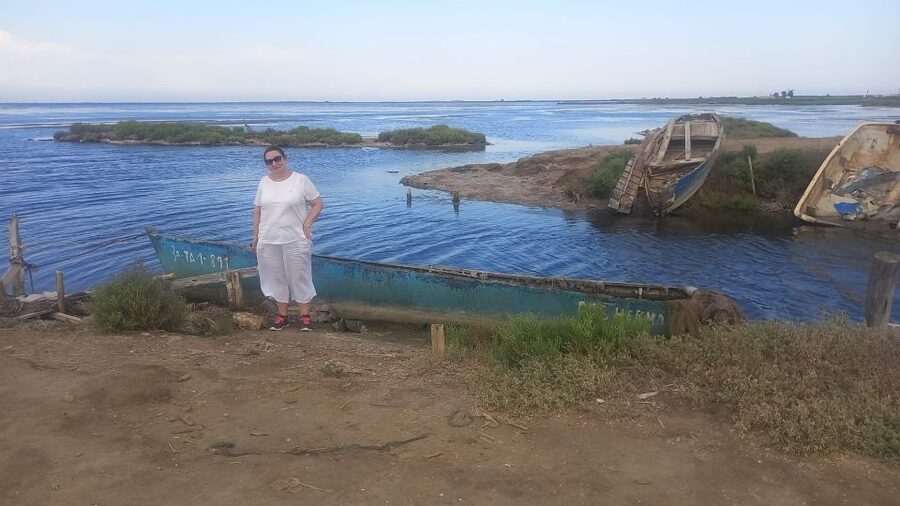
- Fangar’s Bay and Illa de Mar seafood stops: salty plants, mussel beds, and port production details
- Guides like Pep or David: they adjust the route based on what you care about
Starting at the Ecomuseum: how you get your bearings fast
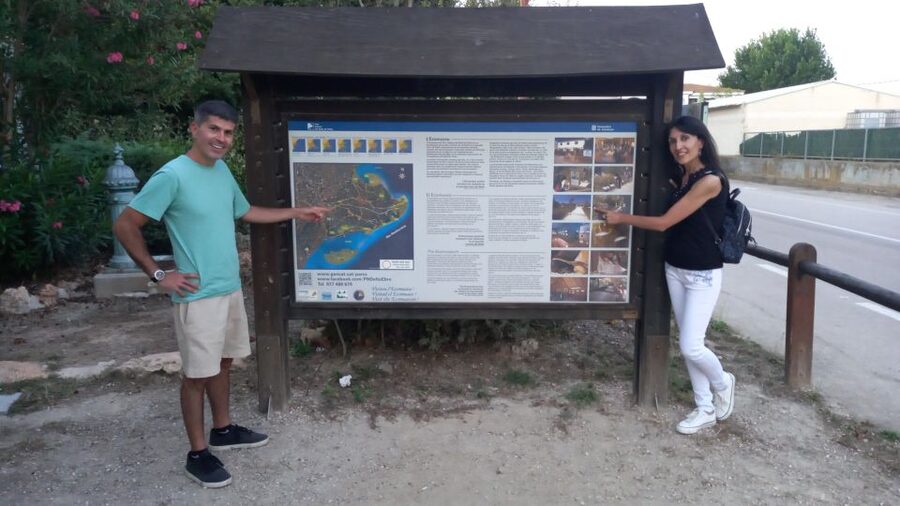
The tour begins at the Ecomuseum door in front of the map. That tiny detail matters. In the Ebro Delta, everything looks flat and similar until you learn the “why” behind the water, the fields, and the wetlands.
Inside the Ecomuseum area, you get the kind of orientation that helps you later connect dots: what ecosystems you’re about to see, how rice fits into the Delta’s water story, and why some plants thrive in salty zones. It’s the difference between driving through the Delta and understanding it.
If you’re doing your first visit to the Ebro Delta, this start is a smart move. You’ll know what to watch for when the guide starts pointing out birds and explaining how human activity shapes the landscape.
You can also read our reviews of more tours and experiences in Deltebre.
The north Delta by private car: rice talk that explains the views
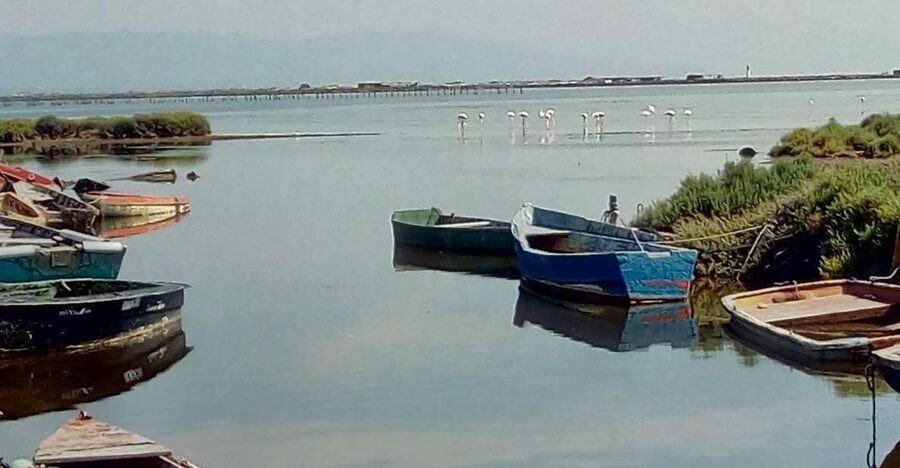
After the Ecomuseum, you head out in a private car for a roughly 6 km circuit through the north Delta. You’ll stop along the way, and that’s the key: this isn’t a straight transfer. It’s staged so the explanations match what you can see right now.
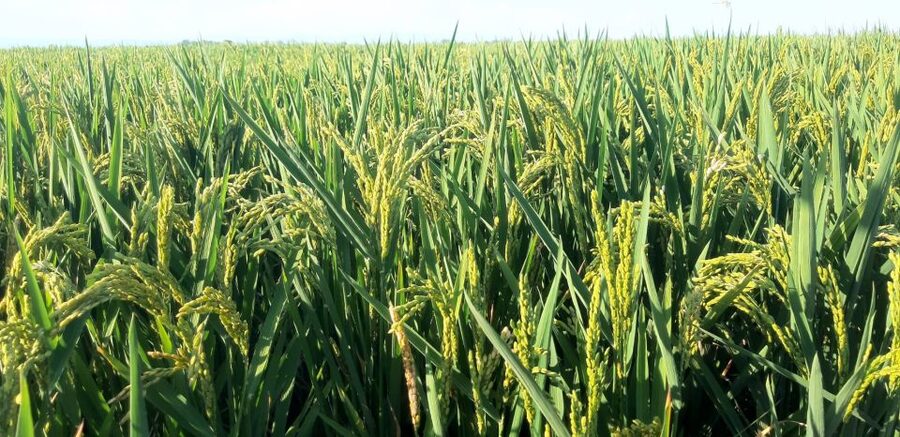
Rice is the big theme. You’ll learn about rice production, including the cycle around growing and managing flooded areas. This is more useful than it sounds. When you understand water management and seasonal patterns, the Delta stops looking random.
You’ll also hear about invasive species. That topic can be heavy, but in a short, guided format it lands well: it explains why certain plants or conditions change over time, and why the Delta’s balance matters.
Practical tip: during the car stops, keep your phone away for the first minute. Listen first. Then take photos once the guide tells you what detail to capture (a bird silhouette, a plant type, water shape, or field pattern).
Birdwatching stops: what the guide helps you actually notice
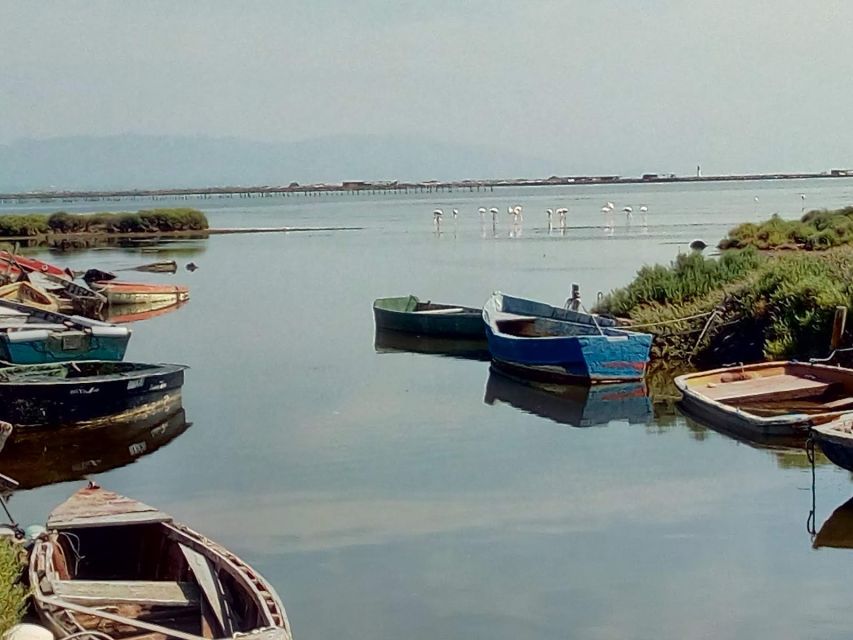
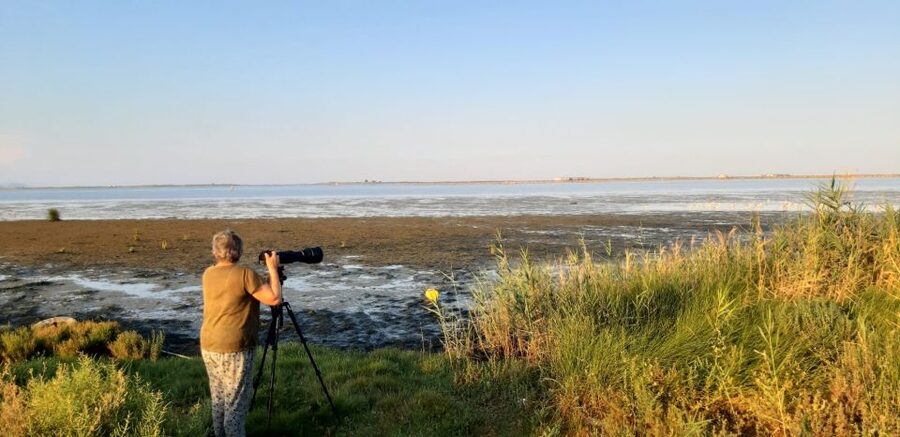
One of the strongest parts of this tour is how it handles birdwatching. You’ll see different bird species during the drive and at stops, and you’ll pause specifically for watching.
If you enjoy birds, you’ll like the pacing. Guides like Pep and David are known for adjusting the route so you can get the most from your time—especially when you show interest in certain species or habitats. That makes a big difference in three hours.
What you’re likely to notice is that birds are tied to habitat type. Some show up where water stays shallow; others prefer reed beds or open areas. The guide’s job here is to translate what you see into “this is why the bird is here.”
And even if you’re not a hardcore birder, you’ll leave with a short list of names you can remember and, more importantly, the habitat clues behind them. That’s the kind of knowledge you can use on your own next day.
Fangar’s Bay: salty plants and a shoreline circuit
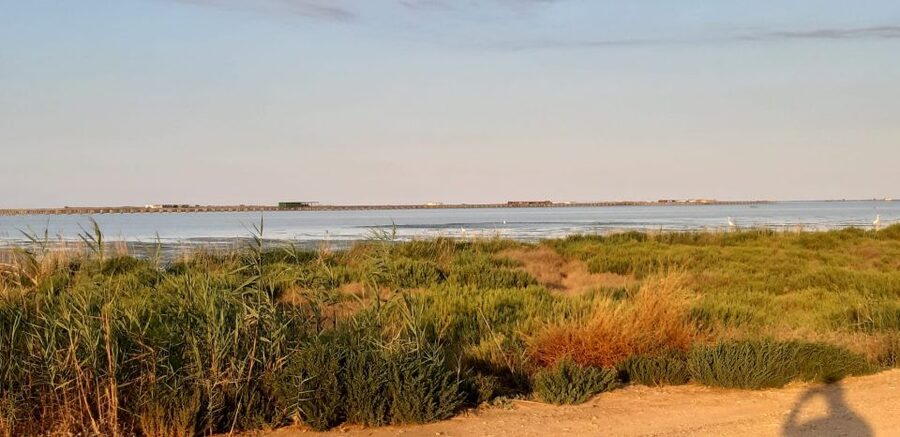
Eventually you reach Fangar’s Bay, and the mood shifts from rice-country talk to coastal Delta ecology. You’ll experience one of the Delta’s salty plant zones, including a plant with a special taste. It’s the kind of detail that makes the Delta feel alive, not like a museum exhibit.
From there, you follow a circuit along the bayshore. The point is variety: you’re moving between environments and keeping enough stops that you don’t miss the subtle differences.
This is where the tour earns its “multi-stop” label. You see the north Delta wetlands and rice areas, then you connect that to what happens at the water’s edge—salinity, plants that tolerate it, and the broader food-web logic that leads toward seafood production later.
If you’re the type who gets bored when tours only do pictures, the Fangar’s Bay section helps. It gives you a sensory hook—salt-tolerant plants, coastal views, and a clear reason you’re standing where you’re standing.
Illa de Mar wetland viewpoint: the 1 km walk that pays off
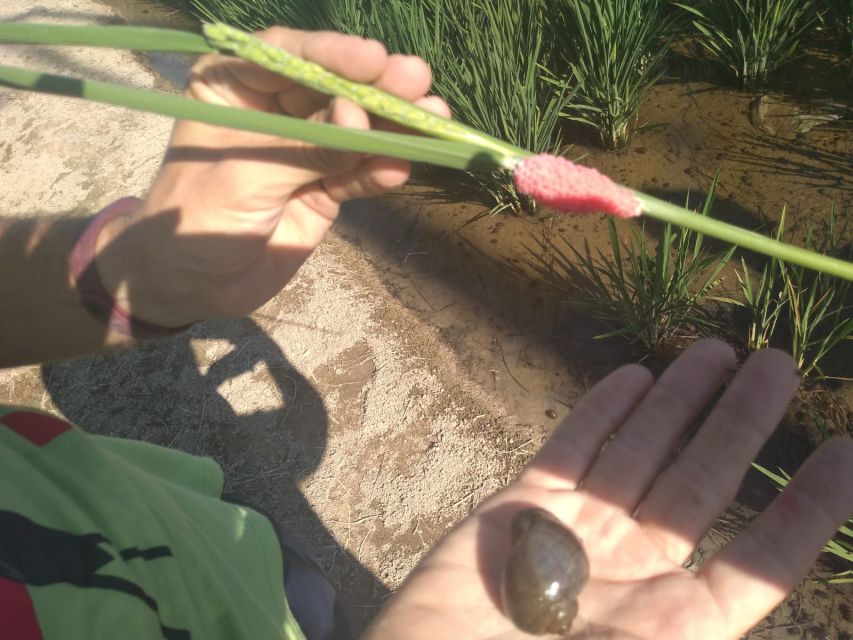
Next comes Illa de Mar wetland. You’ll leave the car and do a short walk of about 1 km to reach a viewpoint.
This part is genuinely practical. Walking a small distance is what gets you the view over the wetland and toward what’s happening in the water below. From the viewpoint, you can see mussel beds and the scale of the Fangar’s Peninsula. It’s the kind of wide view you can’t get from a roadside pull-off.
A few notes so you can enjoy it:
- Bring comfortable shoes. The Delta can be firm in places and tricky in others.
- Take your time at the viewpoint. The guide can point out what matters most visually, especially for understanding how the farming works.
- If it’s windy, expect it. Coastal viewpoints often are.
This stop is also a useful “reset.” After rice and birds, the wetland viewpoint gives you a big-picture sense of how the Delta functions as a living system.
Illa de Mar fishing port: mussels and oysters in plain language
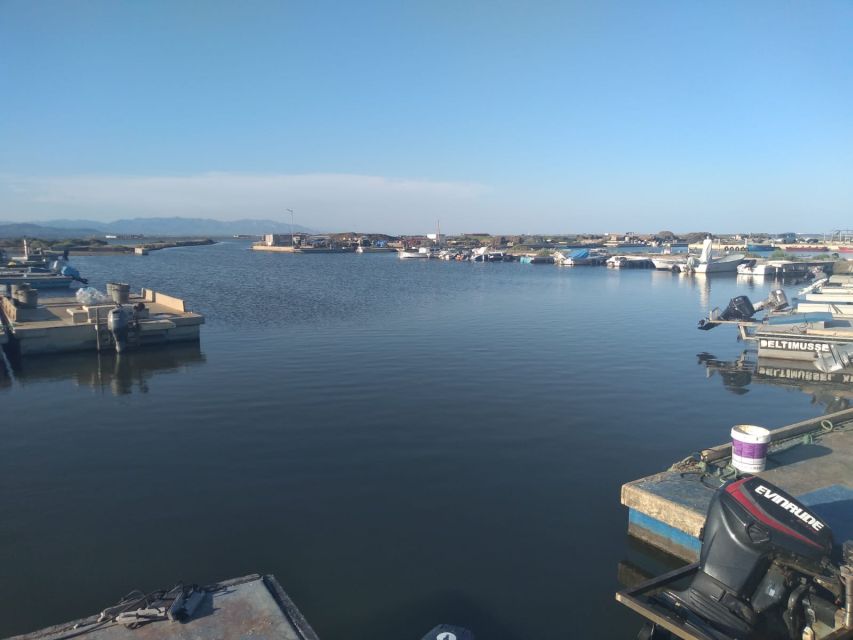
After the viewpoint, the tour continues to the Illa de Mar fishing port. This is where the Delta goes from ecology lesson to everyday food production.
You’ll get explanations about mussels and oysters production—how these farms fit into the area and why the setup works in this kind of coastal environment. Even if seafood production isn’t your hobby, you’ll likely find it interesting because it links back to what you saw earlier: water, salinity, and the marine “farming landscape” under the surface.
It’s also a nice cultural angle without being forced. You’re not just touring nature. You’re learning how locals make a living here, tied directly to the Delta’s natural conditions.
Then you head back to the Ecomuseum at the end, completing the loop and leaving you with a coherent story: rice and freshwater management, wetland habitats for birds, salty plant zones, and coastal shellfish production.
Price and logistics: how to judge value for this 3-hour private tour
The price is $177 per group up to 4 for a duration of 3 hours. That’s a key value point: it’s not priced per person. If you’re traveling as a couple or a small group, the cost can feel very reasonable for a guided, private, multi-stop car tour plus a short walk.
You’re paying for three things:
1) A local guide who can explain what you’re seeing (rice cycle, invasive species, bird habitats).
2) Transport in a private car that handles multiple stops without you needing to plan.
3) Time-efficient access to Fangar’s Bay and the Illa de Mar viewpoint and port discussion.
Possible drawback of the private format: if you’re traveling alone, you won’t get the same per-person deal as a larger group price might offer. But the private car and guide flexibility are often worth it for couples who want questions answered in real time.
Also, note the tour includes a short walk and a 6 km car portion. If you’re comfortable walking 1 km and standing at viewpoints, you should be fine. If mobility is limited, this one isn’t designed for that.
Who this Ebro Delta trip fits best (and who should skip it)
This tour is an excellent fit if:
- You want a first-time orientation to the Ebro Delta without renting a car
- You care about birds and want guided birdwatching time
- You like food-production stories (rice, mussels, oysters) tied to place
- You want a structured 3-hour itinerary that still includes stops
Consider skipping if:
- You want a longer, self-paced day with lots of free time
- You need a fully wheelchair-accessible route (this tour isn’t suitable for mobility impairments)
- You dislike short walks, even when they’re only around 1 km
If you’re a “just show me the views” traveler, you’ll still get scenery and viewpoints—but this tour’s real strength is explanations connected to the ecology and local work.
Should you book the Deltebre Ebro Delta multi-stop day trip?
If your goal is to understand the Ebro Delta in a small amount of time, I’d book it. The format is compact but not rushed: Ecomuseum context, a north Delta loop with rice and birdwatching stops, then Fangar’s Bay and Illa de Mar for mussels and oyster production.
The biggest reasons to choose it are the guided bird focus and the way the tour links natural habitats to human activities like rice farming and shellfish production. That combination is exactly what makes short Delta tours feel worth it.
FAQ
How long is the Deltebre Ebro Delta day trip?
The tour duration is 3 hours.
Where do I meet the guide?
You meet the guide at the Ecomuseum door, in front of the map.
Is this a private tour?
Yes. It’s a private group tour.
What’s included in the tour price?
The tour includes a private car from the Ecomuseum of the Natural Park of the Ebro Delta to the north bay of El Fangar with a local tour guide.
Are tickets included?
Tickets are not included.
What languages is the live guide available in?
The guide is available in English, French, Catalan, and Spanish.
Is there walking involved?
Yes. The itinerary includes a short walk of about 1 km.
What should I bring or wear?
Bring comfortable shoes and comfortable clothes.
Is the tour suitable for people with mobility impairments?
No, it is not suitable for people with mobility impairments.